2016 October

 September 12, 2016
Gaining scientific proof of adverse effects of cannabis, a world first
Suppression of thalamocortical projection by chronic administration of Δ9-THC (cannabinoid, active ingredient of marijuana). Photomicrograph of cerebral cortex from transgenic mice expressing GFP in thalamocortical axons at postnatal day 7 (P7). (left) : Normal thalamocortical projections. In the middle layer (layer 4), blobs of GFP showing dense termination of thalamocortical axons can be seen (under number 1~5). (right): Thalamocortical projection at P7 from a mouse received chronic administration of Δ9-THC (P2~7). Massive retraction of thalamocortical projections including middle layer (layer 4) can be observed. Credit: Osaka University

Researchers have clarified important mechanisms involved in the formation of neural circuits in the brain. This group also discovered that delta-9-tetrahydrocannabinol (THC), a psychoactive substance also found in cannabis, causes disruption of neural circuits within the cortex. These results explain why cannabis may be harmful and have potential to find application in the functional recovery of brain injury and in cases of dementia.

Neural activity is known to play an important role in the formation of neural circuits. However, we still do not know much about what kind of neural activities are involved in this formation process. This process is especially complex in projections from the thalamus to the cortex, of which so far we only knew that as these projections develop, unnecessary projections are eliminated, thereby leaving only correct projections.

A group of researchers led by Fumitaka Kimura, associate professor at the Department of Molecular Neuroscience, Graduate School of Medicine, Osaka University, has now clarified the involvement of several mechanisms in the formation of this neural circuit. The researchers also put forth scientific evidence that cannabis intake causes the unnecessary trimming of neural connections, leading to a breakdown of neural circuits (Figure 1).

In their study, this group of researchers discovered that in a different section of the cortex, the rule (Spike Timing-Dependent Plasticity: STDP) by which synaptic strength (a functional measure of connections) between neurons was determined suddenly changed at a certain point in development. Building on this finding, the group examined whether a similar STDP change occurred in the projection from the thalamus and the cortex as well. They found that initially, the synapses were strengthened due to the synchronized activities of the pre- (thalamic) and post- (cortical) synaptic neurons. But after the projections had spread widely, the synchronized activities weakened all but some synapses, thereby eliminating unnecessary projections to enable more systematic ones. As the synapses are weakened, endogenous cannabinoid is released from neural cells via these synchronized activities, leading to a regression of unnecessary neuron projections (Figure 2). The researchers also confirmed such regression when cannabinoid was taken in externally.

The researchers also confirmed such regression when cannabinoid was taken in externally.

Gaining scientific proof of adverse effects of cannabis, a world first
Endogenous cannabinoid regulates the termination area of thalamocortical axons.(left): Normal thalamocortical projection terminates within a square area in layer 4 (barrel, indicated in red), revealed by visualization of individual thalamocortical axons at P12.(left): Disorganized projections of thalamocortical axons at P12 in animals in which gene of cannabinoid receptor was knocked out. Thalamocortical axons overshoot layer 4 and invade upper layers (layer 2/3); the axons seem to ignore barrels boundaries. Credit: Osaka University

These findings may have an impact on further research focused on advancing our understanding of the mechanisms involved in the formation of neural circuits and have the potential to lead to the development of new therapies to improve recovery from brain damage and dementia. In addition, the findings provide for the adverse effects of cannabis consumption on brain development and therefore may help to decrease abuse of marijuana.

This research was featured in the electronic version of Journal of Neuroscience on June 29, 2016.

More information: C. Itami et al, Developmental Switch in Spike Timing-Dependent Plasticity and Cannabinoid-Dependent Reorganization of the Thalamocortical Projection in the Barrel Cortex,Journal of Neuroscience (2016). DOI: 10.1523/JNEUROS

Source:  http://medicalxpress.com/news/2016-09-adverse-effects-cannabis-scientifically.html 12 Sept 2016

A drug so powerful that it is normally used to tranquillize large animals like elephants has turned up in the streets of Ohio, West Virginia, Indiana, Kentucky, and Florida.

The drug, carfentanil, is thought to be the cause for a record spike in drug overdoses there. It can be manufactured inexpensively and easily laced with other drugs such as heroin. Officials in Ohio have declared this a public health emergency, and the U.S. Drug Enforcement Administration (DEA) warns that communities everywhere should be on alert about this dangerous drug.

Carfentanil is a synthetic opioid in the same drug class as heroin, fentanyl, and prescription drugs like Oxycodone. The drug is so strong that just a few granules the size of grains of table salt can be lethal. It is 100 times more potent than fentanyl, the prescription painkiller which led to the recent death of the pop star, Prince.

In the past few years, drug traffickers increasingly substituted fentanyl for heroin and other opioids. But now carfentanil, which the DEA says is most probably imported illicitly from China, is being sold on American streets, either mixed with heroin or pressed into pills that look like prescription drugs. Many users don’t realize that they are buying carfentanil, and this has led to deadly consequences.

“Instead of having four or five overdoses in a day, we’re seeing 20, 30, 40, maybe even 50,” said Tom Synan, Chief of Police in Newtown, Ohio, and who also directs the Hamilton County Heroin Coalition Task Force in Southwest Ohio.  Synan said in a NPR article that carfentanil turned up in Cincinnati in July, and that the number of overdoses has overwhelmed first responders.

Hamilton County Health Commissioner Tim Ingram further explained in the same article that, “It can take hours for the body to metabolize carfentanil, far longer than for other opioids. That means a longer-lasting high. But it also means that when someone overdoses, it is more difficult to revive them with naloxone, the emergency medication used to block the effects of opioids.” Ingram has received reports that emergency rooms are using two or three doses to bring people back, and therefore are trying to distribute a more concentrated version of naloxone.

There is no approved human use for carfentanil, and in fact, it is highly restricted even for veterinarians, who can use it legally only to sedate large animals. First responders and emergency room workers are being told to wear protective gloves and masks because carfentanil is so potent, that it can be dangerous to someone who simply touches or inhales it.

Learn more about the abuse of this drug: CBS News’ Dozens of Ohio Overdoses blamed on heroin mixed with elephant tranquilizer

Source:   Newsletter CADCA September 2016

These are some of the voices (videos) from attendees at a conference in Colorado

who are speaking about legalization of marijuana in Colorado and what it is doing to their youth.  The negative impact has been appalling for many neighbourhoods – children are hospitalized from using edibles,  youth in schools are using in classrooms and their grades are dropping dramatically.   Big money has commercialized this substance to the detriment of the local population and in particular the children and youth.

http://smartcolorado.org/community-voices/ Sept 2016


New research from the Icahn School of Medicine at Mount Sinai using electroencephalography, or EEG, indicates that adults addicted to cocaine may be increasingly vulnerable to relapse from day two to one month of abstinence and most vulnerable between one and six months. The findings, published online today in JAMA Psychiatry, suggest that the most intense periods of craving for illicit substances often coincide with patients’ release from addiction treatment programs and facilities.

It is not known why individuals with substance use disorders relapse even after remaining abstinent from illicit substances for long periods of time. However, it is clear that cue-induced craving—craving elicited by the exposure to cues previously associated with drug use—plays a major role in relapse. Until now, studies have used self-reported measures to assess cue-induced craving. This is the first study that uses EEG to quantify cue-induced craving in humans with cocaine use disorder, showing a similar trajectory of craving demonstrated in previous studies using animal models. In this study and in contrast to the EEG measures, self-reported craving showed a gradual decline with increasing abstinence duration, underscoring a potential disconnect between the physiological response to drug-related cues in addicted individuals and their perception of this response.

“Our results are important because they identify an objectively ascertained period of high vulnerability to relapse,” says Muhammad Parvaz, PhD, Assistant Professor of Psychiatry and Neuroscience, Icahn School of Medicine at Mount Sinai, and the study’s lead author. “Unfortunately, this period of vulnerability coincides with the window of discharge from most treatment programs, perhaps increasing a person’s propensity to relapse.”

Over five and a half years, the research team collected data from EEG recordings in 76 adults addicted to cocaine with varying durations of abstinence (two days, one week, one month, six months, and one year). EEG was recorded while participants looked at different types of pictures, including pictures that depicted cocaine and individuals preparing, using, and simulating use of cocaine. After EEG, participants also self-rated their level of craving for each cocaine-related picture.

“Results of this study are alarming in that they suggest that many people struggling with drug addiction are being released from treatment programs at the time they need the most support,” said Rita Goldstein, PhD, Professor of Psychiatry and Neuroscience at the Icahn School of Medicine and Principal Investigator of the study. “Our results could help guide the implementation of alternative, individually tailored and optimally timed intervention, prevention, and treatment strategies.”

Source:  http://img.medicalxpress.com/newman/gfx/news/hires/2015/cocaine.jpg  7th Sept.2016

By Bartow Jerome Elmore Assistant Professor of Environmental History at The Ohio State University and Author of Citizen Coke: The Making of Coca-Cola Capitalism

When news broke yesterday about the discovery of $56 million worth of cocaine at a Coca-Cola plant in France, the press was all abuzz. But as it turns out, this Cocaine-Cola connection is not entirely new; Coca-Cola has been intimately linked to domestic manufacture of cocaine in the United States for years.

A little glimpse into Coke’s history reveals all.

Yes, most people know that Coca-Cola’s first president Asa Candler became concerned about cocaine in the early 1900s and decided to remove any trace of the drug in the company’s famous drink, but few people know that Coke continued to use what is called “decocainized coca leaf extract” in its signature beverage. In company ledgers, this―mixed with kola nut powder― is what is known as Merchandise #5, one of the “secret ingredients.”

Here’s how the process works. Beginning in the early 1900s, Coca-Cola partnered with a company called Maywood Chemical Works based in Maywood, New Jersey (now the Stepan Company) to import coca leaves (which contain small quantities of the alkaloid found in purified cocaine powder) from Peru for Coca-Cola. The company removed the cocaine alkaloid from these leaves and then sold Coca-Cola the leftover extract. As per the cocaine, Maywood sold it under close federal supervision for approved medical uses.

Federal law sanctioned this practice. Legislators wrote a special exemption into the Harrison Narcotics Act of 1914, the Jones-Miller Act of 1922, and subsequent counternarcotics legislation that allowed “decocainized coca leaves or preparations therefrom” to be sold in the United States. Some lawmakers called this clause the “Coca-Cola joker” because it was clearly designed to protect Coke’s secretive coca business.

Over time, Coke’s demand for coca leaves grew so great that legislation had to be passed to allow leaves to come into the country beyond what was needed for the manufacture of cocaine for medicinal purposes. These laws specified that alkaloids extracted from these coca leaves had to be destroyed with federal officials bearing witness.

All was well for Coke for many years under this arrangement, but in the 1960s, the company got a crazy idea: why not grow coca leaves secretly in the United States? That way the company would have a domestic source of supply.

It may sound outlandish, but that’s exactly what happened. In the 1960s, Coca-Cola, working with its partner, the Stepan Company, gained federal approval to begin a secret coca cultivation operation in Hawaii called the “Alakea” project. University of Hawaii scientists agreed to participate in the project but were prohibited from publishing any reports about their work because Coke did not want the public to know about its relationship to these coca leaves.

Within months, those working on Alakea could happily report that coca shrubs were growing in Hawaii, but celebrations lasted only so long. Soon a fungus wiped out the entire crop and the project was abandoned.

The failure of Alakea was really no matter for Coke, which simply continued sourcing leaves from Peru. All of this was channeled through Stepan, a third-party buffer that helped keep Coke’s coca trade out of sight. Import records show that Stepan is still happily bringing in coca leaves in the 2010s.

David Mercado / Reuters

What’s problematic about all this is that cocaleros, coca farmers in Peru, have been getting a raw deal. For years, Coca-Cola has enjoyed exclusive access to coca leaves coming into the United States and cocaleros have been prohibited from selling other coca products—teas, candies, and flours—to American markets. Coke has no doubt liked it this way because competition for coca leaves would drive up prices, which is never good for business.

But cocaleros see it differently. Peruvians with intimate knowledge of coca production in the Andes told me back in 2012 that coca farmers would love nothing more than to “revalorize” the coca leaf and once and for all quash the misconception that the coca leaf and purified cocaine are the same thing. Then cocaleros might experience a commercial boon that would allow them to abandon exploitative relationships with drug lords and monopolistic buyers.

Today, if I were to travel to Peru and try to return home with a small batch of coca leaves (perhaps to brew tea), I would be detained by border officials.

So here’s the essential question: if Coke can work partnerships to bring coca leaves into the United States, why can’t the rest of us? That’s the real story behind the Cocaine-Cola connection.

Source:  http://www.huffingtonpost.com/entry/coca-cola   1st Sept. 2016


By Christopher Ingraham

Source: Washington Post

USA — An appeals court ruled last week that a federal law prohibiting medical marijuana cardholders from purchasing guns does not violate their Second Amendment rights, because marijuana has been linked to “irrational or unpredictable behavior.”

The ruling came in the case of a Nevada woman who attempted to purchase a handgun in 2011, but was denied when the gun store owner recognized her as a medical marijuana cardholder, according to court documents. S. Rowan Wilson maintained that she didn’t actually use marijuana, but obtained a card to make a political statement in support of liberalizing marijuana law.

Federal law prohibits gun purchases by an “unlawful user and/or an addict of any controlled substance.” In 2011, the Bureau of Alcohol, Tobacco and Firearms clarified in a letter that the law applies to marijuana users “regardless of whether [their] State has passed legislation authorizing marijuana use for medicinal purposes.” Though a growing number of states are legalizing it for medical or recreational use, marijuana remains illegal for any purpose under federal law, which considers the drug to have a high potential for abuse and no accepted medical use.

The U.S. Circuit Court of Appeals for the 9th Circuit ruled that the federal law passes muster with the Constitution, as “it is beyond dispute that illegal drug users, including marijuana users, are likely as a consequence of that use to experience altered or impaired mental states that affect their judgment and that can lead to irrational or unpredictable behavior.”

The court then concluded that it is reasonable to assume that a medical marijuana cardholder is a marijuana user, and hence reasonable to deny their gun purchase on those grounds.

From a legal standpoint, the nexus between marijuana use and violence was established by the U.S. Court of Appeals for the 4th Circuit in Virginia, in the 2014 case of United States v. Carter. That case cited a number of studies suggesting “a significant link between drug use, including marijuana use, and violence,” according to the 9th Circuit’s summary.

In the words of the 4th Circuit, those studies found that: “Probationers who had perpetrated violence in the past were significantly more likely to have used a host of drugs — marijuana, hallucinogens, sedatives, and heroin — than probationers who had never been involved in a violent episode.”

“Almost 50% of all state and federal prisoners who had committed violent felonies were drug abusers or addicts in the year before their arrest, as compared to only 2% of the general population.”

“Individuals who used marijuana or marijuana and cocaine, in addition to alcohol, were significantly more likely to engage in violent crime than individuals who only used alcohol.”

Among adolescent males, “marijuana use in one year frequently predicted violence in the subsequent year.” The 4th Circuit argued that, on the link between drug use and violence, the question of correlation vs. causation doesn’t matter: “Government need not prove a causal link between drug use and violence” to block firearms purchases by drug users. A simple link between drug use and violence, regardless of which way the causality runs, is grounds enough. Still, the 9th Circuit did suggest causation was part of its decision, saying that irrational behavior can be “a consequence” of marijuana use.

This argument — that substance use increases risky behavior — applies to plenty of other drugs, too, and not just illegal ones. For instance, drug policy researchers Mark Kleiman, Jonathan Caulkins and Angela Hawken have pointed out that tobacco users also are more likely to engage in crime relative to the general population. “Compared with nonsmokers, cigarette smokers have a higher rate of criminality,” they wrote in their 2011 book Drugs and Drug Policy: What Everyone Needs to Know. “Smoking in and of itself does not lead to crime, but within the population of smokers we are more likely to find individuals engaged in illicit behavior.”

The authors also point out that there’s a much stronger link between violent behavior and alcohol than there is for many illegal drugs: “There is a good deal of evidence showing an association between alcohol intoxication and pharmacologically induced violent crime,” they write. They added: “There is little direct association between marijuana or opiate use and violent crime. … it is also possible that for some would-be offenders, the pharmacological effect of certain drugs (marijuana and heroin are often given as examples) may actually reduce violent tendencies.”

Christopher Ingraham writes about politics, drug policy and all things data. He previously worked at the Brookings Institution and the Pew Research Center.

Source: Washington Post (DC) September 7, 2016: 

7/27/2016

Picture

Butane Hash Oil explosions on the rise in legal states and beyond
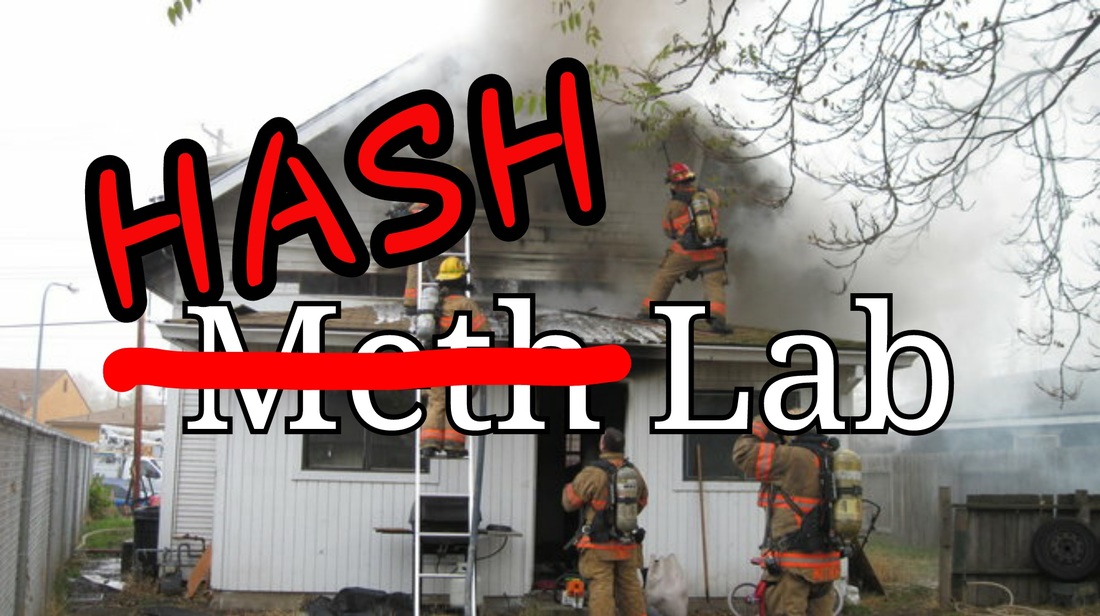
 The DEA has released a new report showing how Hash labs are becoming the new meth labs. In this new report they outline how Colorado’s legalization is not only responsible for these labs existing, but also how the state has no way to enforce them. The Denver office is reporting that Amendment 20 and Amendment 64 are helping to create these hash labs because of the language in regards to personal grow limits.

“There is no mechanism at the state-level to document or regulate home grows, even large ones. This has led to a proliferation of large-scale marijuana grow operations in hundreds of homes throughout the state.” says the DEA report. They also say that Loopholes in Amendment 20 and 64 have led to unfettered production in private residences throughout the state.  Amendment 20 alone allows patients to possess up to six plants unless more are recommended by a Physician. In 2016 it wasn’t uncommon for a Physician to recommend 75 plants or more, which lead to the license suspension of 4 Doctors this month. Amendment 20 was pretty much set up with no regulatory system put into place to track who was growing the marijuana or where it was going, which partnered with the excessive grow amounts, lead to a good portion of this marijuana to be transported out of state for illegal sales.

 Amendment 64 lead to even more loopholes. While the law only permits an individual over the age of 21 to possess six plants, it also allows any adult to “Assist”  another adult with “possessing, growing, processing, or transporting” his/her marijuana.  This loophole can be used when questioned to say that they are holding the product for their friend who cannot grow, process or possess in their home, such as a renter. The state created the Marijuana Enforcement Division (MED) with the passage of Amendment 64, but they do not have authority over home grows. The report says that “Local police departments often receive numerous calls from neighbors about marijuana grow houses. Common complaints include strong odors, excessive noise from industrial air-conditioning units, blown electrical transformers, and heavy vehicle traffic”.
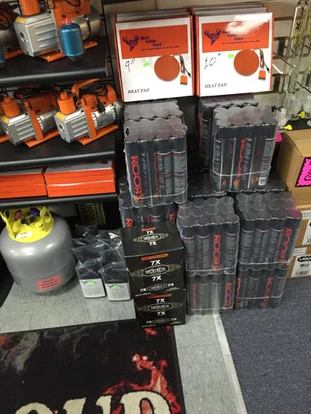
When you travel around Colorado or other legal states you’re starting to see displays pop up in corner markets or other stores with cases of Butane for sale. Normally this wouldn’t be alarming, but try to buy a single canister. These shops are selling these by the case only, so unless you have a Zippo the size of a hippo, there is only one reason why you’re buying butane by the case.  So with the “Unfettered” access to marijuana products and then the abundance of butane being sold to individuals it is literally a ticking time bomb and it could be your neighbor that is next.
Picture

Hash Oil explosion Walnut Creek, CA 2014
Picture

Hash Oil explosion Bellvue, Wa 2013
People are going to say that there are other ways of extracting the hash oil from the flower, but most people don’t have uncontrolled access to things like CO2. Butane is much more cost effective than CO2 and easier to get in higher quantities without raising red flags.

If you live in a state that is set to vote on legalization in the near future please pay close attention to this because the next explosion could be in your backyard. Colorado, Washington and Oregon are showing you what legalization will do to your state and the bad gravely outweighs any good that can come from it.  Marijuana proponents will tell you that you have nothing to worry about from hash oil explosion because they are nothing like Meth lab explosions, well they would be lying to you. Does the damage from the above pictures look like “Nothing to worry about”?

Source:  http://legallies.weebly.com/home/dea-says-hash-labs-are-the-new-meth-labs  Aug.2016

50-year study finds causal link between cannabis and subsequent violent behavior  New research published on-line in advance of print in the journal Psychological Medicine, concludes that continued use of cannabis causes violent behavior as a direct result of changes in brain function that are caused by smoking weed over many years.

Researchers have long debated a possible link between use of marijuana and violent crime.  In contrast to alcohol, meth, and many other illegal drugs, the mellowing effects of cannabis seem unsuited to promoting violent behavior.  However, ample previous research has linked marijuana use to increased violent behavior.  The sticky problem in such studies are the many confounding factors involved in interpreting this correlation.

It is very difficult to determine whether any statistical correlation between marijuana use and violent behavior are causally linked, or instead the two are associated through some other factor, such as socioeconomic status, personality traits, or many other variables that are related to the propensity to use marijuana.  Moreover, the causal relation between smoking pot and violent behavior could be in exactly the opposite direction.  That is, individuals who are involved in violence or who commit criminal offenses may also be people who are more open to using marijuana.

After all, marijuana is an illegal substance in most places, so people with antisocial personality traits and those with tendencies toward lawlessness may be the type of individuals inclined to be more open to obtaining and using the illegal substance.  Not so, conclude neuroscientist Tabea Schoeler at Kings College London, and her colleagues, “Together, the results of the present study provide support for a causal relationship between exposure to cannabis and subsequent violent outcomes across a major part of the lifespan.”  Let’s examine the evidence provided by this new study. What makes this new study more compelling than previous studies is that the researchers followed the same individuals for over 50 years from a young age to adulthood.  This is precisely what one needs to solve the chicken or egg riddle with respect to cannabis and violence:  just look and see which one happens first.

These subjects were in the Cambridge Study in Delinquent Development, comprised of 411 boys who were born around 1953 and living in working-class urban neighborhoods of London.  97% of them were Caucasian and all of them were raised in two parent households.  The researchers took into consideration other factors, including antisocial traits as assessed by the Antisocial Personality Scale, alcohol use, other drug use, cigarette smoking, mental illnesses, and family history.

Heres’s what they found:  Most of the participants never used cannabis and they were never reported to have violent behavior.  38% of the participants did try cannabis at least once in their life.  Most of them experimented with cannabis in their teens, but then stopped using it. However, 20% of the boys who started using pot by age 18 continued to use it through middle age (32-48 years).  One fifth of those who were pot smokers (22%) reported violent behavior that began after beginning to use cannabis, whereas only 0.3% reported violence before using weed.  Continued use of cannabis over the life-time of the study was the strongest predictor of violent convictions, even when the other factors that contribute to violent behavior were considered in the statistical analysis.

In conclusion, the results show that continued cannabis use is associated with a 7-fold greater odds for subsequent commission of violent crimes.  This level of risk is similar to the increased risk of lung cancer from smoking cigarettes over a similar duration (40 years).  The authors suggest that impairments in neurological circuits controlling behavior may underlie impulsive, violent behavior, as a result of cannabis altering the normal neural functioning in the ventrolateral prefrontal cortex.

Source:  https://www.psychologytoday.com/blog/the-new-brain/201603/marijuana-use-increases-violent-behavior     March 2016

The Rocky Mountain High Intensity Drug Trafficking Area has released a new marijuana legalization impact report.

The Legalization of Marijuana in Colorado: The Impact, Volume 4 shows increases in marijuana-related traffic deaths, youth use, adult use, marijuana-related violations on school campuses, marijuana-related emergency room visits and hospitalizations, marijuana ingestions among children, and many more negative impacts.    This report is a great resource to use when educating the public, community stakeholders and lawmakers about the dangers marijuana legalization poses to public health and safety.

Link to full Report

Source: www.dfaf.org 1st Sept.2016

The Smoking Cessation Leadership Center recently had a fascinating, although alarming, web symposium that highlighted the link between cigarette smoking and mental illness. The most important message was that smokers with mental illness are becoming a sizeable percentage of those who continue to smoke in the United States.

Among the highlights from the discussion:

  • More than 1 in 3 adults (36%) with a mental illness smoke cigarettes, compared with about 1 in 5 adults (21%) with no mental illness.
  • About 3 of every 10 cigarettes (31%) smoked by adults are smoked by adults with mental illness.
  • Smoking-related diseases such as cardiovascular disease, lung disease, and cancer are among the most common causes of death among adults with mental health conditions.


What’s more, the prevalence of smoking among those with a serious mental illness is not decreasing. According to the National Health Interview Survey (NHIS), an annual study conducted by the Centers for Disease Control and Prevention (CDC), in 2011 42% of adults with a serious psychological distress status smoked cigarettes, about the same percentage as in 1998. No wonder smoking is the number one cause of death in people with mental illness or addiction.

The panel of experts, which included Dr. Corinne Graffunder, Director of the Office on Smoking and Health at the Centers for Disease Control and Prevention, and Dr. Jill Williams, Director of the Division of Addiction Psychiatry in the Department of Psychiatry at the Rutgers Robert Wood Johnson Medical School, had a number of suggestions for local communities to consider. In the first place, they stressed the importance of challenging the perception that smoking helps with anxiety and depression, which of course it does not, and informing smokers about the mental health benefits associated with quitting.

Just increasing awareness of high smoking rates among those with mental health conditions, and providing factual information about smoking cessation, will help. Currently, only 1 in 4 mental health treatment facilities offers quit smoking services. That has to change. We know that smoking inhibits recovery from illnesses, from being financially stable, from finding and holding a job, and from securing housing. These issues are only exacerbated among the mentally ill.

The Smoking Cessation Leadership Center is encouraging healthcare and mental health professionals, including pharmacists, to include tobacco cessation treatment as part of their overall mental health treatment. Targeted efforts are needed to increase quit attempts and cessation rates. The Center offers outreach materials specifically aimed at this vulnerable population, including print ads, editorial content, digital banners, ad web content, and a downloadable poster; quit guide, and toolkit. Visit http://smokingcessationleadership.ucsf.edu for more information.

Source: http://www.nohealthdisparities.org/ newsletter   13th August 2016 


The Smoking Cessation Leadership Center recently had a fascinating, although alarming, web symposium that highlighted the link between cigarette smoking and mental illness. The most important message was that smokers with mental illness are becoming a sizeable percentage of those who continue to smoke in the United States.


Among the highlights from the discussion:

  • More than 1 in 3 adults (36%) with a mental illness smoke cigarettes, compared with about 1 in 5 adults (21%) with no mental illness.
  • About 3 of every 10 cigarettes (31%) smoked by adults are smoked by adults with mental illness.
  • Smoking-related diseases such as cardiovascular disease, lung disease, and cancer are among the most common causes of death among adults with mental health conditions.


What’s more, the prevalence of smoking among those with a serious mental illness is not decreasing. According to the National Health Interview Survey (NHIS), an annual study conducted by the Centers for Disease Control and Prevention (CDC), in 2011 42% of adults with a serious psychological distress status smoked cigarettes, about the same percentage as in 1998. No wonder smoking is the number one cause of death in people with mental illness or addiction.


The panel of experts, which included Dr. Corinne Graffunder, Director of the Office on Smoking and Health at the Centers for Disease Control and Prevention, and Dr. Jill Williams, Director of the Division of Addiction Psychiatry in the Department of Psychiatry at the Rutgers Robert Wood Johnson Medical School, had a number of suggestions for local communities to consider. In the first place, they stressed the importance of challenging the perception that smoking helps with anxiety and depression, which of course it does not, and informing smokers about the mental health benefits associated with quitting.


Just increasing awareness of high smoking rates among those with mental health conditions, and providing factual information about smoking cessation, will help. Currently, only 1 in 4 mental health treatment facilities offers quit smoking services. That has to change. We know that smoking inhibits recovery from illnesses, from being financially stable, from finding and holding a job, and from securing housing. These issues are only exacerbated among the mentally ill.


The Smoking Cessation Leadership Center is encouraging healthcare and mental health professionals, including pharmacists, to include tobacco cessation treatment as part of their overall mental health treatment. Targeted efforts are needed to increase quit attempts and cessation rates. The Center offers outreach materials specifically aimed at this vulnerable population, including print ads, editorial content, digital banners, ad web content, and a downloadable poster; quit guide, and toolkit. Visit http://smokingcessationleadership.ucsf.edu for more information.


Source: http://www.nohealthdisparities.org/ newsletter   13th August 2016

This email was sent to the NDPA by a colleague in the USA.

Last week I visited an old friend who lives along the Columbia River, south of Wenatchee, WA. He has a “huge” open-air marijuana grow operation nearby and another greenhouse grow operation also nearby.

Are people living close to marijuana grow operations also risking pulmonary problems with fine pollen  in the air ?  Just asking.

Both of these are “legal” operations under Washington State’s recreational marijuana law. Please see his email to me below:

Hi Tom,

As we had discussed last week.  We are experiencing what we think is Marijuana pollen in our swimming pool.  This stuff is a very fine yellow powder that is impossible to remove through the normal filtration system. To remove this material we have had to add various clarifying chemicals to the water and vacuum pump the water out of the pool several times which is not only wasteful but time consuming. I don’t know the effect of this pollen on people or animals but the amount that collects in the swimming pool would suggest that there is a substantial amount of this stuff airborne that could affect those with allergies or other health issues. In fact our kids have experienced allergic symptoms recently when visiting us here.   It started to appear about the same time as marijuana growing started just across the river from us in the Malaga, WA area. The problem appears to be more prevalent this year as more marijuana growing facilities start up.   The winds predominately blow from the direction of these growing operations and is more apparent after a windy period.  I have contacted the Department of Ecology and the EPA but neither of these organizations could provide any meaningful assistance.  They did however suggest I contact the Liquor & Cannabis Control Board for help.  I have attempted to contact them by phone several times but got no answer and no response to my voice mails to date. 

Please let me know if you can provide any insight into this issue. 

This issue, of pollen and/or nuisance is apparently not addressed or even mentioned by the WA State Liquor & Cannabis Board prior reports of this problem? I know that Shirley Morgan has been cataloging similar nuisances and decreases of property values, and other collateral damage from pot legalization.

Source:  Private email from colleague in  the USA.  August 2016 

NATIONAL FAMILIES IN ACTION RELEASES
WHITE PAPER ON LEGALIZED MARIJUANA

national-families-in-action


Paper Addresses Impact of Legalized Marijuana on Employers


Atlanta, Ga.– What effect will legalized marijuana have on employers? National Families in Action, a drug policy and education organization, is releasing a White Paper that examines problems employers are facing in states that have legalized marijuana for medical or retail use.

The paper addresses how marijuana laws are changing, how these laws will affect employers’ ability to conduct business, and what employers can do to protect that ability.It was written by Sue Rusche, president and CEO of National Families in Action and Kevin Sabet, PhD, president and cofounder of SAM (Smart Approaches to Marijuana). Guided by an advisory group of experts representing diverse fields, from employment law to occupational nursing to company executives to drug policy, the White Paper asks tough questions informed by events transpiring in legal marijuana states.

The paper addresses issues such as:
• Will employers be able to maintain a drug-free workplace?
• How will employers accommodate employees who use medical marijuana?
• How can employers with employees in multiple states comply with drug laws
that differ from state to state?
• Will employers be able to shift employees who use marijuana to other jobs?
• Will employers have an adequate supply of qualified workers?

Lawsuits have already begun in states with legalized marijuana as employees try to establish various rights that clash with employers’ commitments to maintain drug-free workplaces mandated by federal funding and federal contracts, to conduct business with conflicting laws from state to state, and to protect employees and the public from the consequences of increased marijuana use and related problems.

The White Paper examines some of these lawsuits and provides a scientific evaluation of the consequences of marijuana use to alert employers about what lies ahead if marijuana is fully legalized. It also suggests steps employers can take to protect safety, productivity, and the bottom line.

What Will Legal Marijuana Cost Employers can be found on National Families in Action’s website here.

Source: http://nationalfamilies.org/reports/What_Will_Legal_Marijuana_Cost_Employers

March 30, 2015

Latest statistics show 305 admissions were diagnosed as drugs misuse in the year 2011/12 — compared to 97 in 2007/08.

Across NHS Tayside as a whole the number has more than doubled, with an increase from 244 five years ago to 512 last year.  Doctors have warned there is now a “constant background level of recreational drug use” in the region’s Accident and Emergency departments.

A&E consultant Dr Julie Ronald said people come in with drugs-related problems most weekends.  She said: “We deal with a lot of drugs-related admissions. It can be very time consuming — especially if patients cause disruption to the rest of the department.

“It’s something we see most weekends of some variety. The vast majority are brought in by ambulance.  Usually someone has been with the patient or found them and decided they require medical attention.”

Across Tayside, opioids — such as heroin — were the cause for more than 80% of admissions over the period.  Of these, 60 were categorised as resulting from multiple drugs or other less common drugs.

And 468 — more than 90% — were classed as emergency admissions. Also last year, 28 of the admissions were for cannabis-type drugs, nine were for cocaine, eight for sedatives or hypnotics and seven were for other sedatives.

Dr Ronald, who works in the A&E departments at Ninewells Hospital and Perth Royal Infirmary, said there has been a noticeable increase in younger patients for drugs misuse .She said: “There is a constant background level of recreational drug use. We’re always coming into contact with it. We do see heroin misuse. What we have certainly seen is more recreational legal high-type drugs.   A lot of teens and people in the younger age groups are coming in who have taken party drugs, such as bubbles or MCAT.”

Some 89 of the admissions for 2011/12 had to stay in hospital for a week or longer. Dr Ronald said: “A&E look after the vast majority of people coming in with recreational drug misuse. We tend to keep them in for a few hours for observation, or overnight if they need to be monitored for longer.”

Source:  www.eveningtelegraph.co.uk   15th June 2013

At Californian methadone clinics, group education sessions led by a nurse and focused on the risks of aggravating hepatitis infection led to the same substantial reductions in drinking as one-to-one or group motivational interviewing conducted by highly trained counsellors, offering a cost-effective means to reduce alcohol-related risks.

Summary Many methadone-maintained patients drink excessively, a particular concern among those infected with hepatitis C for whom drinking may accelerate disease progression. Motivational interviewing is the most popular counselling approach found to reduce drinking, but so far no studies have tested it among patients treated for opioid dependence in methadone maintenance programmes.

The featured study aimed to start to fill this gap in the research and at the same time (given the dominance of group counselling in US treatment services) compare one-to-one motivational interviewing with the less familiar group version, and with a nurse-led group education programme focused on the relation between drinking and disease related to hepatitis C infection.

Each of the three approaches occupied three fortnightly one-hour sessions over the first six weeks after patients started methadone treatment. Interventions were guided by set protocols and delivered by staff trained in these approaches and supervised to help ensure they delivered them as intended. Patients were paid $5 for each session they attended.

Group and individual motivational sessions were generally conducted by different counsellors. Sessions explored the impact of drinking on health and risky behaviours and while focusing on life goals, worked through ambivalence about cutting drinking. Sessions were open, meaning that patients who had not completed three sessions in their original group could join a later one. Instead of a motivational approach, the nurse-led (assisted by a hepatitis-trained research assistant) hepatitis health promotion programme adopted an educational format. Sessions focused on the progression of hepatitis infection and culturally-sensitive strategies to prevent liver damage. Content included the dangers of drinking while infected with hepatitis, strategies for avoiding drinking and drug use, diet, the dangers of reinfection with hepatitis C if patients inject, other infection routes, consistently looking after one’s health, and seeking social support and building self-esteem.

After these sessions patients suitable for this started a course of hepatitis A and B vaccinations, concluding at the same time as a six-month follow-up interview.

Participants in the study were 256 adult drinkers starting methadone treatment at five Californian clinics who scored as moderate or heavy drinkers on a baseline questionnaire. They were randomly allocated to the three approaches to reducing drinking. Typically they were black or Latino men. On entering treatment about half had drunk at least 90 US standard drinks in the past month. On average 87% of the patients completed all three of the study’s counselling/education sessions and 91% completed the six-month follow-up.

Main findings

The main outcome tested by the study was the proportion of patients who cut their drinking by half from the month before they started treatment to the month before the six-month follow-up. On this yardstick, and on the yardstick of total abstinence, there were not only no statistically significant differences between patients allocated to the three interventions, but also no substantial differences. In each group about half the patients halved their drinking, ranging from 54% after group motivational sessions to 49% after hepatitis education and 47% after one-to-one motivational sessions, and from 20–23% had not drunk at all in the past month.

Once other variables had been taken in to account, across the three sets of patients the strongest predictor of which patients would halve their drinking was how much they drank before treatment; the more they drank, the more likely they were to halve it. Women were more likely to halve their drinking than men as were better educated patients and those who took at least one dose of vaccine, while less likely were those whose partners were also drug users or who had recently used cannabis.

The authors’ conclusions

The major finding of this study was that all three interventions were followed by roughly equally substantial reductions in drinking at the six-month follow-up. Delivered by trained therapists, group and one-to-one motivational interviewing sessions neither differed in effectiveness from each other nor from a nurse-led group hepatitis education programme focused on reducing drinking.

For services the implications are that the cost-saving group format can be used without detriment to effectiveness and that costs may also be saved by implementing programmes led by nurses rather than therapists, with the potential added benefit that such programmes can be integrated within more comprehensive health promotion. Research nurses also administered the vaccines, receipt of which was associated with drinking reductions, perhaps partly because of the extra time and attention required to explain the vaccine.

It should be acknowledged that any differences between the interventions may have been obscured by differences between the staff implementing them, and that patients had volunteered for a research study rather than being counselled during routine practice.

Source:  Drug and Alcohol Dependence: 2010, 107(1), p. 23–30.Reported in Findings.org.uk

Filed under: Alcohol,Treatment,USA :

Two groups of legal highs that imitate the hallucinogenic effects of LSD and of heroin are to be banned as class A drugs on the recommendation of the government’s drug advisers.

The home secretary, Theresa May, is expected to confirm that AMT, which acts in a similar way to LSD, should be banned along with other chemicals known as tryptamines that have been sold at festivals and in head shops with names including “rockstar” and “green beans”.

The Advisory Council on the Misuse of Drugs (ACMD) said the tryptamine group of chemicals had become widely available in Britain. The experts said four deaths in 2012 and three deaths in 2013 in Britain were attributed to tryptamines. The ACMD also said a synthetic opiate known as AH-7921, sometimes sold as “legal heroin”, should be class A. It follows the death last August of Jason Nock, 41, who overdosed on AH-7921 after buying the “research chemical” on the internet for £25 to help him sleep.

Professor Les Iversen, the ACMD chair, said the substances marketed as legal highs could cause serious damage to health and, in some cases, even death.

He said the ACMD would continue to review new substances as they were picked up by the forensic early warning system in Britain.

“The UK is leading the way by using generic definitions to ban groups of similar compounds to ensure we keep pace within the fast moving marketplace for these drugs,” said Iversen.


Source:   theguardian.com 10th June 2014

The foremost authority on drugs in the US just smashed a huge misconception about addiction.    If drug addiction is a disease like cancer or Alzheimer’s, how do you explain the seemingly amoral behaviour — the lying, cheating, and hiding — that has come to be linked with so many addicts?

The answer has less to do with morality and much more to do with physical changes in the brains of those who become addicted, as National Institute on Drug Abuse director Dr. Nora Volkow perfectly explains in a recent PBS episode of “The Open Mind,” on addiction.

It makes a lot of sense — especially when explained with chocolate.  Volkow is a chocolate lover, you see. She has a special weakness for dark varieties. Most of the time, she can control her cravings. But occasionally — usually when she’s frustrated or tired or bored — she gives in. Then she’ll overdo it, eating too much of the stuff.

Sound familiar?

If so, that’s because it’s a fairly common type of experience. Most of us can abstain some of the time and give in occasionally, but more often than not, most of us easily follow the rule of moderation. But in people who are vulnerable to addiction (via a mesh of factors including genetics, environment, behaviour, and exposure), this is where things start to look different, Volkow explains. And it’s at this point where the long-held notion that addiction is merely a problem of a lack of self-control begins to crumble.

“When you transition from that stage where most of the time you are able to self-regulate the desires and control and manage your behaviour even though you want to do it, you say it’s not a good idea — when you lose that capacity consistently, that’s when you start to get into the transition of addiction,” she says.

But, as she continues to explain, the problem is not simply a behavioural one. It’s also influenced by physical changes that happen in the brain — changes that produce marked differences between the brains of people who are addicted and those who are not.

One of those differences, Volkow says, is a dysfunction in areas of the frontal cortex, a part of the brain that plays a key role in helping us analyse situations and make decisions. “But if these areas of the brain are not functioning properly, which is what repeated drug use [can do] to your brain, it [can erode] the capacity of frontal cortical areas.”

When that happens, your ability to say no to that chocolate bar gets diminished, or in Volkow’s words, “your ability to make optimal decisions gets dysfunctional.”

Volkow’s ideas are bolstered by decades of research, including a 2011 review of studies that she co-authored for the journal Nature. The authors of a 2004 paper built upon similar research, concluding that addiction is a learned behaviour linked with fundamental changes to the brains of addicts.

For this reason, it’s not as simple as just choosing to use drugs — or, in Volkow’s example, overdo it on the chocolate. And the more we know about the neurological basis of addiction, the better we will be able to treat it.   See  the full “Open Mind” episode on PBS:

Source:    

http://uk.businessinsider.com/watch-nora-volkow-explain-addiction-with-chocolate-2016-6

6-suprising-ways-alcohol-affects-your-health

Some of the ways alcohol affects our health are well known, but others may surpriseyou. Here are six less-known effects that alcohol has on your body, according to gastroenterologist Ibrahim Hanouneh, MD:

  1. Drinking gives your body work to do that keeps it from other processes. Once you take a drink, your body makes metabolizing it a priority — above processing anything else. Unlike proteins, carbohydrates and fats, your body doesn’t have a way to store alcohol, so it has to move to the front of the metabolizing line. This is why it affects your liver, as it’s your liver’s job to detoxify and remove alcohol from your blood.

  2. Abusing alcohol causes bacteria to grow in your gut, which can eventually migrate through the intestinal wall and into the liver, leading to liver damage.

  3. Too much is bad for your heart. It can cause the heart to become weak (cardiomyopathy) and have an irregular beat pattern (arrhythmias). It also puts people at higher risk for developing high blood pressure.

  4. People can develop pancreatitis, or inflammation of the pancreas, from alcohol abuse.

  5. Drinking too much puts you at risk for some cancers, such as cancer of the mouth, esophagus, throat, liver and breast.

  6. It can affect your immune system. If you drink every day, or almost every day, you might notice that you catch colds, flu or other illnesses more frequently than people who don’t drink. This is because alcohol can weaken the immune system and make the body more susceptible to infections.

Your liver heads up alcohol breakdown process. When you drink, here’s what happens in your liver, where alcohol metabolism takes place.

Your liver detoxifies and removes alcohol from the blood through a process known as oxidation. Once the liver finishes the process, alcohol becomes water and carbon dioxide. If alcohol accumulates in the system, it can destroy cells and, eventually, organs. Oxidative metabolism prevents this.

But when you’ve ingested too much alcohol for your liver to process in a timely manner, the toxic substance begins to take its toll on your body, starting with your liver. “The oxidative metabolism of alcohol generates molecules that inhibit fat oxidation in the liver and, subsequently, can lead to a condition known as fatty liver,” says Dr. Hanouneh.

Fatty liver, early stage alcoholic liver disease, develops in about 90 percent of people who drink more than one and a half to two ounces of alcohol per day. So, if you drink that much or more on most days of the week, you probably have fatty liver. Continued alcohol use leads to liver fibrosis and, finally, cirrhosis.

The good news is that fatty liver is usually completely reversible in about four to six weeks if you completely abstain from drinking alcohol. Cirrhosis, on the other hand, is irreversible and likely to lead to liver failure despite abstinence from alcohol, according to Dr. Hanouneh. If you drink heavily, see your doctor immediately if you notice a yellow tinge to your skin, feel pain in the upper right portion of your abdomen or experience unexplained weight loss.

Healthy people can drink — a little

If you’re healthy, Dr. Hanouneh says you don’t have to avoid alcohol altogether, but you should not drink every day, or even most days of the week. And, when you drink, men should not drink more than two or three ounces and women should not consume over one or two ounces. If you have liver disease, or some other health issue, you should not drink alcohol at all.

This article was written by Digestive Health Team from Cleveland Clinic and was legally licensed through the NewsCred publisher network.

Source: http://www.msn.com/en-us/health 17th March 2015

Back to top of page

Powered by WordPress