2024 October

Armed with knowledge and tools, parents are making a big difference in local school districts  

by  Emily Green   February 1, 2024

  Mila Priest, 8, focuses on computer playing the PAX Good Behavior Game during class at Fern Hill Elementary School in Forest Grove, OR, Nov. 9, 2023.
Holly Pearce, 18, deploys a strategy at the West Linn High School club fair. If prospective members join her in-school club, she tells them, they need do little more than show up while receiving free food and an honors cord for their gown at graduation. What she doesn’t lead with is that it’s a drug and alcohol prevention club.

“The free food,” she said “that’s what gets people there in the first place.”

Once students are in the door, she said, it’s her mom, Pam, who gets them to stay.

Pam Pearce has been in recovery for 28 years. During lunchtime club meetings, she often shares her personal story with club members, she said, and she tells it to them straight.

She grew up nearby in Lake Oswego and attended the University of Southern California. The photos she displays of smiling youths from her high school and college years look much like the club members she shares the photos with.

“The only honors I had was biggest partier and best dressed,” she said. “And I like to say it because the end of the story is: that almost killed me.”The point is to dispel the myth that addiction only affects “other” people. It can be anyone, she said, and it can be the teens in the club or one of their friends.

A concerned parent pushing for prevention, Pam Pearce is part of an emerging trend in Oregon, where, according to federal data, at least 354 youths have died from drug overdoses since the start of 2018 as fentanyl has spread through the drug supply.

Oregon schools enjoy wide autonomy in what they teach, and that includes their substance use prevention strategies. A recent six-month investigation into prevention in Oregon classrooms from The Lund Report found that many schools rely on little more than a chapter in a health textbook to get the job of prevention done.

The state provides little support or accountability when it comes to in-school prevention, records and interviews show. So in districts where more robust prevention is happening, it’s often parents and individual teachers who drive it.

Mother of lost son becomes activist

In Oregon City, Michele Stroh began pushing for prevention after she lost her son, Keaton Stroh, 25, to a fentanyl-laced pill in July 2020.

“I didn’t know about fake pills; I didn’t know about any of that. And I got angry,” Stroh said. “So I ran for the Oregon City School Board.”

She wanted the district to be more proactive in the fentanyl crisis, she said. So she recruited speakers to talk at assemblies at all the Oregon City School District high schools, middle schools and charter schools. She organized a parent education night, and her efforts resulted in the overdose reversing drug Narcan being placed in all the schools, sports facilities and school buses.

“We were the first school district in Clackamas County to have a Narcan policy,” she said.

She’s approached other districts but found them to be more hesitant.

“I think it helps, the fact that the district knows me, and the teachers know me — and they knew my son,” Stroh said.


Jon and Jennifer Epstein were also pushed into action after losing their son Cal Epstein, 18, to a fentanyl-laced counterfeit pill in December 2020. They began advocating for fentanyl education and awareness in the Beaverton School District, where their sons attended school and Jon Epstein had taught for 10 years. The district worked with them to create a program called “Fake and Fatal,” which teaches youths about the dangers of fentanyl and counterfeit pills. Since then, at the Epsteins’ urging, Oregon legislators passed a bill to take fentanyl education statewide, and Oregon’s congressional delegation has introduced national legislation.

While some parents, such as Pearce in West Linn, had to investigate to figure out what prevention is happening at their kids’ schools, The Lund Report created a data portal that makes that information easily accessible for the first time — including what top prevention scientists say about the efficacy of programs in use at each district.

Pearce’s club at West Linn High School has grown to nearly 200 student members. The teens also advise their community prevention coalition, which Pearce — known for her advocacy — was recruited to lead. And they visit middle schools to talk to younger kids about what to expect in high school.

What teens say

The Lund Report recently sat down with some teenagers who participate in the prevention club. They said the club creates a safe space where kids can talk honestly about drugs — or go to when they don’t want to be around teens who are using.

“My view immediately changed as I set foot in this club,” said the club’s president, Jonathan Garcia, 17. “I listened to Pam in that first meeting, and I was just like, ‘Oh, my God — what have I been taught?’ It was like, number one, I haven’t been taught anything compared to what I just learned, and I’ve been taught all the wrong things.”

The club discusses topics like why a person might turn to drugs and alcohol in the first place. Some of the teens said it was the first time they learned about addiction’s root causes.

“Nothing was sugar coated,” said Aidan Sauer, 15. “Everything was just to the point.”

Growing the club at her daughter’s high school is just one way Pearce promotes prevention in the West Linn-Wilsonville school district, where all three of her kids were students.

She sends teachers information about prevention-related tools and lessons. And she lobbied her district until it agreed to participate in the state’s Student Health Survey. The survey asks students in the sixth, eighth and 11th grades about their substance use and well-being. Pearce said she “was on a mission” after she found out her local district didn’t administer the free survey.

“It also allows young people to share with you what’s happening in their environment. Like — how else are they going to tell you what’s happening?” she said.

Starting this year, every Oregon school is required to take part in the survey for the first time. Prevention scientists say the data can help districts to understand whether or not their prevention efforts are working. Many prevention programs, including clubs like the one at West Linn High School, aren’t well-researched. Others might not work in every setting and for every group of kids, so tracking the outcomes is important, experts say.

In 2020, Pearce also co-founded the first high school in Oregon for students in recovery from addiction, located in Lake Oswego.

Teaching kids self-regulation in Washington County

A prevention program called the PAX Good Behavior Game doesn’t teach kids anything about drugs and alcohol, but prevention scientists at Oregon Research Institute and Washington State University’s IMPACT Research lab contend it’s one of the best evidence-backed approaches to substance use prevention at the elementary school level.

Today, the program is in wide use across Washington County, and its successful implementation there can be traced to the efforts of a former third grade teacher at Joseph Gale Elementary School and a concerned mother who happens to work for the county.

On a foggy morning this past November, third graders in a second-floor classroom at Fern Hill Elementary in Forest Grove focused intently — and quietly — on their arithmetic. With a handful of unfamiliar adults watching the lesson, there were plenty of distractions that day. But the 8- and 9-year olds seemed un-bothered as they completed math problems on their Chromebooks.

Helping them focus was the PAX Good Behavior Game, also known as PAX. It’s a program that gives teachers a menu of techniques for helping kids self-regulate and practice self control.

At the core of the system is a game, and in some studies, playing that game in elementary school reduced substance use and other problems among students years later.

The teacher sets a length of time the game will be played, and if kids are able to stay on task, they’re rewarded a goofy dance or some other non-material prize when the time is up. While the clock was ticking, third grade teacher Kayla Davidson walked around the classroom observing the students work. If someone got up or lost focus, she would give their table — not the individual student — what’s called a “spleem,” which is basically a negative point. At the end of the game, tables had the opportunity to explain collectively how they might avoid getting a spleem next time.

Before PAX, Davidson said she was more reactive in her approach to disruptive behavior. She might call a student’s parent or call out a child for their behavior in front of the class. “That could really be hurtful and harmful to the student, if they’re just being called out for bad behavior constantly,” she said.

“A lot of them are bringing things with them. It could be things like hunger or worrying about which parent they’re going with today,” Davidson said. The game gives the kids “a space and a strategy” for not having to worry about those things so they can focus on their work, she added.

Third graders in Davidson’s classroom told The Lund Report that, for the most part, they really like playing the game. For 8-year-old Aubrey Stone, “the best part about it is that you’re growing your brain.”

About 13 years ago, Kirstina Meinecke brought PAX to the Forest Grove School District when she got a job as a third grade teacher there. She had learned how to use the game when teaching in Washington on the Yakima Indian Reservation. Other teachers took interest, and it began to spread. Today, PAX is incorporated into every elementary school classroom in the Forest Grove district, and into teachers’ ways of conducting their classrooms. Meinecke’s job with the district now is primarily to provide teachers with PAX training and ongoing support as a coach.

In Oregon, parents and teachers catalyze drug prevention in schools

Forest Grove is one of four districts in Washington County that uses the PAX Good Behavior Game. While PAX was spreading there, a public health program supervisor at Washington County, Rebecca Collett, started working to spread the program into other county schools. She’d noticed a need for better classroom management while volunteering at her son’s school in the Tigard-Tualatin district.

Collett remembers asking, “Why are we doing so many programs, when there’s one evidence-based program that prevents suicide, prevents drug and alcohol use, prevents dysregulation in the classroom, prevents all this?”

Since then, the county has helped school districts fund the implementation of the PAX Good Behavior Game through a mix of county, state and federal funds. The county has trained nearly 800 teachers at 51 schools on how to use PAX since 2014.

“Once it started working, we didn’t have to sell it,” Collett said. “The teachers started sharing how well it was working in their classroom, how much healthier they were, how much easier classroom behaviors were, and management.”

The county estimated it saves $83 for every $1 spent, and the cost is about $13 per student.

Tools for parents

Pearce encourages other concerned parents to take action if they want to see better prevention programs in their kids’ schools.

“People talk, but they don’t act,” she said. “We need to stop talking, and we need to start doing.”

She said parents should start by reaching out to their county health departments to see if there is a local prevention specialist or prevention coalition they can connect with, and they should attend school board meetings, ask questions and advocate. They can even start a club like the one she leads, she said.

Parents also can share evidence-based practices and materials with their districts and teachers they know, she added.

Figuring out what prevention programs are supported by validated research can be tricky, but there are several online registries that parents and community groups can use to learn more about programs. The online database published by The Lund Report used expert ratings from these clearinghouses to rate districts’ programs.

Source: https://www.thelundreport.org/content/oregon-parents-and-teachers-catalyze-drug-prevention-schools?


Our research on the adverse effects of cannabis contributed to a major public debate and Government campaign to inform teenagers about the potential risks of cannabis.

Research led by Professors Terrie Moffitt, Avshalom Caspi, Philip McGuire, Sir Robin Murray, Louise Arseneault & Drs Paul Morrison & Marta Di Forti

Our research on the adverse effects of cannabis contributed to a major public debate and Government campaign to inform teenagers about the potential risks of cannabis.

Cannabis is the most widely used drug in the world, but its effect on mental health has only recently been uncovered.

Research led by Professors Terrie Moffitt and Avshalom Caspi demonstrated that the earlier people start using cannabis, the more likely they are to have symptoms of psychosis as a young adult. A study of 1,000 men and women in New Zealand showed that people who had been regular cannabis users at 15 were about four times more likely to have psychotic symptoms by the time they were 26 than their abstaining peers. The research also identified genetic variations that made people more vulnerable to the harmful effects of cannabis.

Further work led by Dr Marta Di Forti showed that people who smoke a potent form of cannabis (skunk) regularly are much more likely to develop psychosis than those who use traditional cannabis resin (hash) or old-fashioned grass.

Research led by Dr Paul Morrison helped explain why, by investigating the effects of the two main constituents of cannabis: THC (delta-9-tetrahydrocannabinol), the psychoactive ingredient that produces the ‘high’, and CBD (cannabidiol), which seems to moderate the effect of THC. Skunk contains much more THC than hash or old-fashioned grass and virtually no CBD. Our research illustrated that an injection of pure synthetic THC can induce transient symptoms of psychosis in people who have no experience of mental health problems.

‘Overall, our research in this area had a major impact on the perception of the risks of cannabis use on mental health,’ says Philip McGuire, Professor of Psychiatry and Cognitive Neuroscience.

In the wake of these studies and other evidence from around the world linking cannabis use with psychosis, the Home Secretary asked the UK Advisory Council on the Misuse of Drugs to review the legal classification of cannabis in 2007. Professor Murray submitted written evidence to this review and Dr Morrison, spoke at a review meeting about the effects of THC and CBD.

In 2008, the ACMD reported that the majority of its members thought cannabis should remain as a class C drug, but confirmed that the drug, particularly skunk, can damage people’s mental health, especially if young people start to use it an early age.

Despite the recommendation, the Government decided to tighten the law and in 2009 the Misuse of Drugs Act cannabis was amended and cannabis was re-classified from class C (considered the least harmful), to class B, making it illegal to possess cannabis, give to friends or sell it.

Following reclassification, the Department of Health launched a major TV, radio and online campaign to demonstrate the role cannabis can play in the development of mental health problems. The ‘Talk to Frank’ television adverts, aimed at young people, illustrated how cannabis can contribute to paranoia and damage mental health.

Although cannabis is still the most widely used illicit drug in Britain, its use has been steadily declining. The 2011/12 Crime Survey for England and Wales showed that 15.7 per cent of young people said they had used cannabis in the previous year, the lowest level since measurement began in 1996, when 26 per cent of young people said they had taken cannabis.

Additionally, our research into the effects of CBD and THC has also led to a partnership with the pharmaceutical industry to develop a new antipsychotic medication based on CBD.

Source: https://www.kcl.ac.uk/news/spotlight/uncovering-the-link-between-cannabis-and-psychosis

This week, beginning today, Sunday, August 25 through Saturday, August 31, is being recognized as Overdose Awareness Week. This year’s international theme is “Together we can.”

The substance use crisis in America has had a devastating impact on our tribal communities, families, and individuals. In Indian Country, overdoses from fentanyl, opioids, and other deadly drugs such as “tranq” are leading to loss of life as well as a steep decline in the health and well-being of tribal communities. In addition, the epidemic is contributing to the spread of infectious diseases, such as HIV and hepatitis C.

On Friday, the White House released a presidential proclamation for Overdose Awareness Week, 2024. In the proclamation President Joe Biden says: “even one death is one too many, and far too many Americans continue to lose loved ones to fentanyl.”

Overdose Awareness Week Proclamation, 2024

During Overdose Awareness Week, we mourn those who have lost their lives to overdose deaths. We acknowledge the devastating toll the opioid epidemic has taken on individuals, families, and communities across America. We reflect on the progress we have made so far in reducing the number of annual overdose deaths and protecting American lives — and how much more there is to do. And we reaffirm our commitment to doing more to disrupt the supply of fentanyl and other synthetic opioids and support those who suffer with substance use disorder and their families in all of our communities.

My Administration made beating the opioid epidemic a key priority in my Unity Agenda for the Nation, calling for Republicans and Democrats to work together to stop fentanyl from flowing into our communities, hold those who brought it here accountable, and deliver life-saving medication and care across America.

We are working to tackle this crisis through a comprehensive approach, including by expanding access to evidence-based prevention, treatment, harm reduction, and recovery support services as well as reducing the supply of illicit drugs. We have expanded access to life-saving treatments, like medications to treat opioid use disorder, and have increased the number of health care providers who can prescribe these medications by 15 times.  In February 2024, the Department of Health and Human Services issued a rule to comprehensively update the regulations governing Opioid Treatment Programs for the first time in 20 years — removing barriers to the treatment of substance use disorder and expanding access to care. My Administration has made historic investments in the State Opioid Response and Tribal Opioid Response programs to improve prevention; expand treatment; and deliver free, life-saving medications across America. Already, this program has delivered nearly 10 million kits of opioid overdose reversal medications, such as naloxone.

We also continue to fight the stigmatization that surrounds substance use and accidental overdose so that people feel comfortable reaching out for help when they need it.  Naloxone is now available over-the-counter for people to purchase at their local grocery stores and pharmacies.  We also launched the White House Challenge to Save Lives from Overdose and several awareness campaigns, raising awareness and securing commitments from local governments and cross-sector organizations to increase training on and access to opioid overdose reversal medications in schools, worksites, transit systems, and other places where overdose may occur in our communities. My Fiscal Year 2025 Budget requests $22 billion to expand substance use treatment and help more Americans achieve and stay in recovery.

Under my Administration, Federal law enforcement agents are keeping more deadly drugs out of our communities than ever before. We are seizing deadly drugs at our borders so that illicit drugs never reach our neighborhoods. Officials have stopped more illicit fentanyl at ports of entry over the last 2 fiscal years than in the previous 5 fiscal years combined. The Department of Justice has prosecuted leaders of the world’s largest and most powerful drug cartel along with thousands of drug traffickers. The Department of the Treasury has sanctioned more than 300 people and organizations involved in the global illicit drug trade. I have also deployed cutting-edge drug detection technology across our southwest border, and I continue to call on the Congress to strengthen border security, increase penalties on those who bring deadly drugs into our communities, and close loopholes that drug traffickers exploit. And in July 2024, I issued a National Security Memorandum that calls on all relevant Federal departments and agencies to work collaboratively to do even more than they are already doing to stop the supply of illicit fentanyl and other synthetic opioids into our country.

I am also committed to working with partners across the globe to address this crisis. Last year, I negotiated the re-launch of counternarcotics cooperation between the United States and the People’s Republic of China — which has led to increased law enforcement coordination, increased efforts to tackle illicit financing of drug cartels, and increased regulation of certain precursor chemicals. I have increased counternarcotics cooperation with other key foreign governments; launched the Global Coalition to Address Synthetic Drug Threats, which brings together more than 150 countries in the fight against drug trafficking cartels; put in place new initiatives between the United States, Mexico, and Canada targeting the supply of illicit drugs; and made countering fentanyl and other synthetic opioids a key priority of the G7.

Now for the first time in 5 years, the number of overdose deaths in the United States has started to decline. But even one death is one too many, and far too many Americans continue to lose loved ones to fentanyl.

Today I grieve with all the families and friends who have lost someone to an overdose. This is a time to act.  And this is a time to stand together — for all those we have lost and all the lives we can still save.

NOW, THEREFORE, I, JOSEPH R. BIDEN JR., President of the United States of America, by virtue of the authority vested in me by the Constitution and the laws of the United States, do hereby proclaim August 25 through August 31, 2024, as Overdose Awareness Week. I call upon citizens, government agencies, civil society organizations, health care providers, and research institutions to raise awareness of substance use disorder so that our Nation can combat stigmatization, promote treatment, celebrate recovery, and strengthen our collective efforts to prevent overdose deaths. August 31 also marks Overdose Awareness Day, on which we honor and remember those who have lost their lives to the overdose epidemic.

IN WITNESS WHEREOF, I have hereunto set my hand this twenty-third day of August, in the year of our Lord two thousand twenty-four, and of the Independence of the United States of America the two hundred and forty-ninth.

​​​​​​JOSEPH R. BIDEN JR.

Source: https://nativenewsonline.net/health/president-biden-s-overdose-awareness-week-proclamation-2

Tulsa World
Aug 25, 2024

The Cherokee Nation’s approach to substance abuse recovery is harm reduction, which has drawn criticism from some who work in addiction recovery.

“Harm reduction is a pretty controversial topic. A lot of people feel it can be enabling drug users. It can feel counterproductive and counter intuitive,” said Jennifer Steward, director of the University of Tulsa’s Behavioral Health Clinic.

In a Tulsa World interview, Steward said the controversial aspect comes from the fact that harm reduction does not encourage abstinence from drug use, which makes it different from traditional substance abuse rehabilitation programs. Harm reduction instead focuses on keeping active drug users alive, with considerations for their health and safety.

The Cherokee Nation harm reduction program utilizes a mobile unit that brings supplies to drug-users on the streets: clean needles, cotton swabs and Narcan, which can reduce cravings and combat a potentially fatal overdose.

Steward said many harm reduction programs also provide a safe, clean environment to partake in drug use, free of disease such as HIV or hepatitis C, with staff ready to assist in case of overdose.

Cherokee Nation prevention specialist Coleman Cox said that his tribe recognized the potential for addiction among the Cherokee people after being exposed to the opioid epidemic is “far reaching and the latest in a long line of injustices brought upon indigenous peoples.”

According to the Centers for Disease Control, in 2021 the highest rate of drug overdose deaths was in American Indian and Alaskan Native individuals. Data from the Substance Abuse and Mental Health Services Administration indicates 5.1% of Natives have misused opioids, which can include prescribed pain-relief medications, hydrocodone, oxycodone, fentanyl and heroin.

“We bent the opioid industry to a settlement for the harm it inflicted, and we are making the opioid industry help pay for every single penny of this facility,” said Cherokee Nation Chief Chuck Hoskin Jr. in reference to their treatment facility they broke ground for Thursday morning.

The Cherokee Nation received a Substance Abuse and Mental Health Services Administration grant last year for harm-reduction services. They now operate a storefront at 214 N. Bliss Ave. in Tahlequah. It is open not only to tribal members but also to the public, and all participants can remain anonymous.

The new facility that the tribe broke ground on this week is a $25 million dollar addiction treatment center just outside of Tahlequah.

The Cherokee Nation’s Public Health and Wellness Fund Act of 2021 dedicated $100 million in settlement funds from opioid and e-cigarette lawsuits for a variety of public health programs.

Cox said harm reduction meets people where they are at in their addiction. This means that if the user does not want to seek rehabilitative services, they do not have to. Rehabilitation services may be recommended, but they are not a requirement.

“Harm reduction is more than Narcan and clean needles. It’s treating others how they want to be treated — with dignity, respect and value, without conditions,” said Cox.

Evan White, a member of the Absentee Shawnee tribe, is the director of Native American research at Laureate Institute for Brain Research in Tulsa. He has worked with various tribal behavioral health programs through his research.

“Harm reduction is a model that has a strong evidence base for good outcomes,” he said, “especially in substance use disorders.”

White believes harm reduction could be attractive to Native communities as it values a person’s autonomy.

“I see a consistent value of a person as an individual within Native communities. Healing is an important part of the process in these cultural spaces, even though there is a lot of stigma around substance abuse in our broader society,” he said.

For Native individuals with substance abuse issues, White said participating in cultural activities may enhance self-control and mindfulness.

The Cherokee Nation’s program provides opportunities for Native people in recovery to partake in cultural activities.

“We planted a Three Sisters Garden: corn, beans and gourds,” said Cox. “Corn provides the bean a pathway for growth. Beans give back by imparting nitrogen to the soil. Gourd provides protection and covers the ground. Three different things working in harmony. Body, mind and spirit.”

Members of the program get to adopt a plant, name it and tend to it. Cox said the vegetables are not for eating, however.

“They are meant to harvest seeds for the future bounty, beyond what we can see now. Just like when our members come to us for whatever kind of help, we plant a seed that one day they will harvest a healthier life,” he said.

Cox said the harm reduction staff launched a new chapter of “wellbriety movement” that they call “recovery rez.” It’s a cultural approach to the traditional 12-step recovery plan.

“At Recovery Rez they begin with prayer and fellowship meal, then smudge and hold a talking circle guided by the passing of an eagle feather from speaker to speaker. They close out the evening with a drum circle and singing. All are welcome, and citizens don’t need to be in recovery to benefit from the cultural protective factors,” said Cox.

Steward said it can be difficult to view harm reduction as a substance abuse program because harm reduction focuses on the long-term.

“The goal is to help someone be ready to engage in rehabilitation later on, but in order to do that, they have to be alive,” she said.

According to Cherokee Nation spokeswoman Julie Hubbard, the tribe’s harm reduction program has had 3,099 encounters for service, and it has 1,049 members currently. The number of people who still inject drugs within the program is 743. The amount of lives saved at the program from Narcan distribution is 44.

BY Lindsey Leake

August 27, 2024
While the modern marijuana consumer may be shedding that lazy stoner stereotype, new research shows that employees who use and abuse the drug are more likely to miss work.

The findings were published Monday in the American Journal of Preventive Medicine.

Work absences included days missed due to illness or injury in addition to skipped days when employees “just didn’t want to be there.” Respondents were a majority or plurality white (62%), male (57%), ages 35 to 49 (35%), married (52%), had at least a college degree (42%), and had an annual household income exceeding $75,000 (55%). About 16% of employees had reported using cannabis within the last month, with about 7% of whom meeting CUD criteria (mild: 4%; moderate: 2%; severe: 1%).

People who said they had never used cannabis missed an average 0.95 days of work in the past 30 days due to illness/injury and skipped 0.28 days. Cannabis users, by comparison, recorded the following absences:

  • Past-month use: 1.47 illness/injury, 0.63 skipped
  • Mild CUD: 1.74 illness/injury, 0.62 skipped
  • Moderate CUD: 1.69 illness/injury, 0.98 skipped
  • Severe CUD: 2.02 illness/injury, 1.83 skipped

The results also showed that people who used cannabis most frequently skipped the most work. For instance, those who consumed it once or twice per month skipped 0.48 days, while those who consumed it 20 to 30 days per month skipped 0.7 days. People who used cannabis three to five days per month had the highest prevalence of missed days due to illness/injury (1.68). Cannabis use longer than a month ago had no bearing on employee absence.

“These findings highlight the need for increased monitoring, screening measures, and targeted interventions related to cannabis use and use disorder among employed adults,” researchers wrote. “Moreover, these results emphasize the need for enhanced workplace prevention policies and programs aimed at addressing and managing problematic cannabis use.”

Researchers said that while their latest work supports much of the existing literature on cannabis use and workplace absenteeism, it also contrasts with other studies. One previous study, for example, showed a decline in sickness-related absences in the wake of medical marijuana legislation, while another found no link between the two.

One limitation of the new study, the authors note, is that it relied on participants’ self-reported answers. In addition, the data don’t reflect whether cannabis was used for medicinal or recreational purposes, whether it was consumed during work hours, or address other factors that may have affected a person’s cannabis use patterns.

What are the signs of cannabis use disorder?

That marijuana isn’t addictive is a myth. People with CUD are unable to stop using cannabis even when it causes health and social problems, according to the Centers for Disease Control and Prevention (CDC). Cannabis consumers have about a 10% likelihood of developing CUD, a disorder impacting nearly a third of all users, according to previous research estimates. At higher risk are people who start using cannabis as adolescents and who use the drug more frequently.

The CDC lists these behaviors as signs of CUD:

  • Continuing to use cannabis despite physical or psychological problems
  • Continuing to use cannabis despite social or relationship problems
  • Craving cannabis
  • Giving up important activities with friends and family in favor of using cannabis
  • Needing to use more cannabis to get the same high
  • Spending a lot of time using cannabis
  • Trying but failing to quit using cannabis
  • Using cannabis even though it causes problems at home, school, or work
  • Using cannabis in high-risk situations, such as while driving a car
  • Using more cannabis than intended

In addition to interfering with everyday life, CUD has been linked to unemployment, cognitive impairment, and lower education attainment. People with CUD often have additional mental health problems, including other substance abuse disorders. In this study, for example, 14% of respondents reported having alcohol use disorder within the past year.


Source:  https://fortune.com/well/article/marijuana-abuse-cannabis-use-disorder-workplace-absenteeism-sick-days/

Suicide prevention is a high priority for SAMHSA and a key area of focus in SAMHSA’s 2023-2026 Strategic Plan. Below is more information about SAMHSA’s suicide prevention initiatives.

Funding and Grant Programs

SAMHSA’s Suicide Prevention Branch funds discretionary grant programs focused on suicide prevention, early intervention, crisis support, treatment, recovery, and postvention for youth and adults, including:

  • Garrett Lee Smith State/Tribal: Community-based suicide prevention for youth and young adults up to age 24. This program supports states and tribes with implementing youth suicide prevention and early intervention strategies in educational settings, juvenile justice and foster care systems, substance use and mental health programs, and other organizations to: (1) increase the number of organizations that can identify and work with youth at risk of suicide; (2) increase the capacity of clinical service providers to assess, manage, and treat youth at risk of suicide; and (3) improve the continuity of care and follow-up of at-risk youth.
    • “It has been wonderful work made possible through the SAMHSA grant and we are thrilled each chance we get to share these programs with others to help support other grants and especially our youth.” – S/T Grantee

  • Garrett Lee Smith Campus: Suicide prevention initiatives for students on college campuses. This program supports a comprehensive, evidence-based public health approach that: (1) enhances mental health services for students, including those at risk for suicide, depression, serious mental illness / serious emotional disturbances, and/or substance use disorders (SUDs) that can lead to school failure; (2) prevents and reduces suicide, mental illness, and SUDs; (3) promotes help-seeking behavior; and (4) improves the identification and treatment of at-risk students so they can successfully complete their studies.
    • “This marks 3 years of enhanced mental health and wellbeing support for students. We’ve learned that high usage of after-hour support for students through our program lowers the barriers that may otherwise prevent students from seeking help.” – GLS Campus Grantee

  • Native Connections/Tribal Behavioral Health: Community-based suicide prevention for American Indian/Alaska Native (AI/AN) youth through age 24. The purpose of this program is to prevent suicide and substance misuse, reduce the impact of trauma, and promote mental health among AI/AN youth. It aims to reduce the impact of mental health and substance use disorders, foster culturally responsive models that reduce and respond to the impact of trauma in AI/AN communities, and allow AI/AN communities to facilitate collaboration among agencies to support youth through the development and implementation of an array of integrated services and supports with the involvement of AI/AN community members in all grant activities.
  • National Strategy for Suicide Prevention: Community suicide prevention for adults 18 and over. The purpose of this program is to implement suicide prevention and intervention programs for adults (with an emphasis on older adults, adults in rural areas, and AI/AN adults) that help implement the 2021 Surgeon General’s Call to Action to Implement the National Strategy for Suicide Prevention (PDF | 708 KB). This program uses a broad-based public health approach to suicide prevention by enhancing collaboration with key community stakeholders, raising awareness of suicide prevention resources, and implementing lethal means safety.
    • “The NSSP grant has not only allowed us to sustain our efforts to prevent suicide by expanding our capacity to engage in lethal means safety, connectedness, economic stability, education, and follow-up efforts across the state, but also given local partners resources to implement innovative strategies for suicide prevention.” – NSSP Grantee

  • Zero Suicide: Suicide prevention framework to implement within Health and Behavioral Health Care Systems for adults 18 and older. The purpose of this program is to implement the Zero Suicide intervention and prevention model—a comprehensive, multi-setting suicide prevention approach—for adults throughout a health system or systems. Recipients are expected to implement all seven elements of the Zero Suicide framework—Lead, Train, Identify, Engage, Treat, Transition, and Improve—incorporating health equity principles within the framework in order to reduce suicide ideation, attempts, and deaths.
    • “Emphasis of Zero Suicide has created an environment where more and more individuals are talking openly about suicide, and it is helping to shatter stigma that surrounds suicide.” – Zero Suicide Grantee

  • Community Crisis Response Partnerships: Mobile crisis units serving youth and adults across the lifespan. The purpose of this program is to create or enhance existing mobile crisis response teams to divert people experiencing mental health crises from law enforcement in high-need communities, where mobile crisis services are absent or inconsistent, most mental health crises are responded to by first responders, and/or first responders are not adequately trained or equipped to diffuse mental health crises. Grant recipients use SAMHSA’s National Guidelines for Behavioral Health Crisis Care: Best Practice Toolkit (PDF | 2.2 MB) as a guide in mobile crisis service delivery.
    • “The CCRP grant has allowed our agency to expand our mobile crisis services to a 24/7/365 program, setting us apart as the first in our state to offer around the clock mobile response. This has greatly reduced the instances of unnecessary involvement with Law Enforcement and EMS, expediting the appropriate mental health service, directly to the client.” – CCRP Grantee

  • Suicide Prevention Resource Center: Funded by SAMHSA’s Suicide Prevention Branch, SPRC is a national resource center devoted to advancing the implementation of the National Strategy for Suicide Prevention. SPRC advances suicide prevention infrastructure and capacity building through technical assistance, training, and resources to states, Native settings, colleges and universities, health systems, and other organizations involved in suicide prevention. Visit SPRC to learn more about suicide and a comprehensive approach to suicide prevention; access a searchable online library, Best Practices Registry, and set of online trainings and webinars; request technical assistance with your suicide prevention efforts; or sign up for SPRC’s weekly newsletter.

SAMHSA Initiatives in Action

  • SAMHSA’s Black Youth Suicide Prevention Initiative: Created by SAMHSA’s Center for Mental Health Services (CMHS) to address the growing rate of suicide deaths among Black youth and young adults. Utilizing mechanisms within and external to SAMHSA, the goal of the Black Youth Suicide Prevention Initiative is to reduce the suicidal thoughts, attempts, and deaths of Black youth and young adults between the ages of 5-24 across the country.

The 988 Suicide & Crisis Lifeline

The 988 Suicide & Crisis Lifeline is a free, confidential 24/7 phone line that connects individuals in crisis with trained counselors across the United States. There are also specialized lines for both Veterans and the LGBTQIA+ population.

You don’t have to be suicidal or in crisis to call the Lifeline. People call to talk about coping with lots of things: substance use, economic worries, relationships, sexual identity, illness, abuse, mental and physical illness, and loneliness. Here’s more about the 988 Suicide & Crisis Lifeline:

  • You are not alone in reaching out. In 2021, the Lifeline received 3.6 million calls, chats, and texts.
  • The 988 Suicide & Crisis Lifeline is a network of more than 200 state and local call centers supported by HHS through SAMHSA.
  • Calls to the Lifeline are routed to the nearest crisis center for connections to local resources for help.
  • Responders are trained counselors who have successfully helped to prevent suicide ideation and attempts among callers.
  • Learn what happens when you call the Lifeline network.
  • Frequently asked questions about the Lifeline.

Suicide-Related Survey Data

Data collected via SAMHSA’s National Survey of Drug Use and Health (NSDUH) provide estimates of substance use and mental illness at the national, state, and substate levels; help identify the extent of these issues among different subgroups; estimate trends over time; determine the need for treatment services; and help inform planning and early intervention programs and services. NSDUH also collects data about the prevalence of suicidal thoughts, plans, and attempts among adolescents aged 12-17 and adults aged 18 or older, described in the NSDUH national releases.

Last Updated: 08/27/2024
Source: https://www.samhsa.gov/mental-health/suicide/prevention-initiatives

TogetherWeCan_InternationalOverdoseAwarenessLogo

Perhaps we’re finally turning a corner when it comes to lowering overdose deaths. While the number of people dying as a result of an overdose remains frighteningly high, a new report signals modest progress in efforts to reduce fatalities.

Updated figures from the Centers for Disease Control and Prevention (CDC) found fatal drug overdoses fell 2.4% from 2022 to 2023. The toll from the overdose crisis reached 108,317 lives last year, according to data the CDC posted Aug. 4. While that’s lower than the 111,029 overdose deaths in 2022, it still represents a massive number of preventable deaths, and there’s yet more we can do to ensure that fatalities continue to decline.

That is one of the goals of International Overdose Awareness Day, observed on August 31.

In recognition of the day, the National Council has created an informative new video to help people understand how to administer naloxone. Naloxone (often known by the brand name Narcan) is a medication that reverses opioid overdoses. It is quite literally a lifesaver.

The lower number of overdose fatalities in 2023 may be related to the Food and Drug Administration’s March 2023 decision to make naloxone available over the counter, a decision we applauded. But having naloxone available doesn’t mean everyone who may need it has access to the drug. And it doesn’t mean that everyone knows how to administer naloxone.

Let’s hope the modest drop in overdose fatalities last year was an early indication that we’re finally flattening the curve of overdose deaths.

That’s exactly why we made this video.

Everyone should carry naloxone, especially those who work with the public — whether as a teacher, ambulance driver, librarian, coach or in some other capacity.

The Substance Abuse and Mental Health Services Administration (SAMHSA) continues to promote naloxone distribution through state opioid response (SOR) grants. Naloxone distribution and saturation planning is a federal-state partnership (of sorts) to optimize naloxone distribution.

States are required to create distribution and saturation plans as part of their SOR grant; every state is required to make one. The purpose is for states to meaningfully plan and coordinate their naloxone distribution based on data and input from impacted community partners so they optimize reach, including focusing distribution efforts to those most likely to experience and/or witness an overdose.

Substance use isn’t going away anytime soon. July’s release of the 2023 National Survey on Drug Use and Health provides important new data about substance use challenges and the nature of substance use among people of all ages. For instance:

Among people aged 12 or older in 2023, 70.5 million people (24.9%) had used illicit drugs in the past year, up from 70.3 million people in 2022 and 61.2 million in 2021.

In 2023, 48.5 million people 12 or older (17.1%) had a substance use disorder in the past year, down slightly from 48.7 million in 2022.

In 2023, 8.9 million people 12 and older (3.1%) used opioids in a non-prescribed way in the past year, compared to 8.9 million in 2022 and 9.4 million in 2021.

This data shows us that no one is immune from a substance use challenge.

We can’t turn our backs on people with a substance use disorder or ignore the tragic consequences of substances, whether they’re considered illicit or socially acceptable, like alcohol. To support people with a substance use disorder or their loved ones, the Start With Hope project also recently published many new resources, including:

The Start With Hope project was started in November 2023 by The Ad Council, in partnership with the CDC, the National Council and Shatterproof to deliver a message of hope to those living with substance use disorders as well as those at risk of developing one.

Let’s hope the modest drop in overdose fatalities last year was an early indication that we’re finally flattening the curve of overdose deaths. When it comes to lives lost, we can’t be satisfied with modest improvements. Let’s ensure continued progress by spreading the word about lifesaving resources.

Check out our new video, and let us know what you’re doing in your communities to reduce overdose deaths and provide resources to those with a substance use disorder.

We can and will learn from one another on how to best support people and communities.

Author

Charles Ingoglia, MSW
(he/him/his) President and CEO
National Council for Mental Wellbeing
 
Source:  https://www.thenationalcouncil.org/lowering-overdose-deaths-naxolone-how-to/

With the increasing legalization of recreational marijuana across various states, employers need to proactively prepare for the changes and their implications on the workplace. As more states allow adults to legally purchase and possess marijuana, it’s essential for employers to review and update their workplace policies to ensure compliance and maintain a safe work environment.

Despite legalization, employers can still prohibit marijuana use that leads to impairment at work, akin to alcohol restrictions. Recent legal decisions, such as White v. Timken Gears & Servs., Inc. in Illinois, reinforce that a positive drug test for marijuana while working, even if used recreationally off-duty, can justify termination if it violates a reasonable and consistently applied workplace policy. This underscores the importance of clear, fair, and legally sound drug and alcohol policies to ensure workplace safety.

  • The first step is to reevaluate your drug testing protocols. Ensure they align with both state and federal regulations, particularly if your industry is governed by specific mandates, such as those from the Department of Transportation. Consider your agreements with insurance carriers, as marijuana testing might be a condition of coverage or discounts.
  • Testing for marijuana presents unique challenges due to the limitations of current testing methods. Talk with your testing laboratory to understand the differences between qualitative and quantitative tests and determine which best supports your workplace policies.
  • Evaluate whether to implement second chance agreements for employees who test positive for marijuana. Additionally, consider providing access to substance abuse programs. These measures can help manage employees who might struggle with marijuana use while offering them a chance to comply with workplace policies.
  • Update your policies in your employee handbook, workers’ compensation policies, and other relevant documents to clearly state that while marijuana may be legal, it is prohibited in the workplace. Clearly outline that possession or use of marijuana at the worksite is forbidden and that employees are not permitted to use marijuana during lunch or other breaks. Specify the consequences of violating these policies to ensure there are no ambiguities.
  • Hold meetings to communicate the company’s stance and expectations regarding marijuana use to all employees. Transparency is key; ensure employees understand the policies, the reasons behind them, and the consequences of non-compliance. Clear communication helps in setting the right expectations and reduces misunderstandings.
  • Conduct comprehensive training sessions for HR professionals, managers, and supervisors on the company’s policies regarding marijuana use. Ensure that all managerial staff understand the testing protocols and disciplinary policies. Training should also cover how to handle conversations with employees about marijuana use, ensuring consistency and sensitivity. Equip your managers with the skills to recognize signs of impairment at work. Understanding how to identify and address employees who might be under the influence of marijuana is crucial for maintaining workplace safety. Provide clear guidelines on the steps to take if impairment is suspected. Check out our trainings here!

The increasing state legalization of recreational marijuana marks a significant change for employers. By proactively updating your drug testing protocols, policies, training programs, and communication strategies, you can effectively manage the impact of this new legislation on your workplace. Staying informed and prepared will help you navigate this evolving landscape while ensuring a safe and compliant work environment.

Sources:

Federal court rules employer did not violate Illinois privacy law for firing worker testing positive for cannabis. (2024, July 30). JD Supra. https://www.jdsupra.com/legalnews/federal-court-rules-employer-did-not-4849901/


NATIONAL DRUG-FREE WORKPLACE ALLIANCE

As the workplace division of Drug Free America Foundation, NDWA’s mission is to be a national leader in the drug-free workplace industry by directly assisting employers and stakeholders, providing drug-free workplace program resources and assistance, and supporting a national coalition of drug-free workplace service providers.

Source:  www.ndwa.org

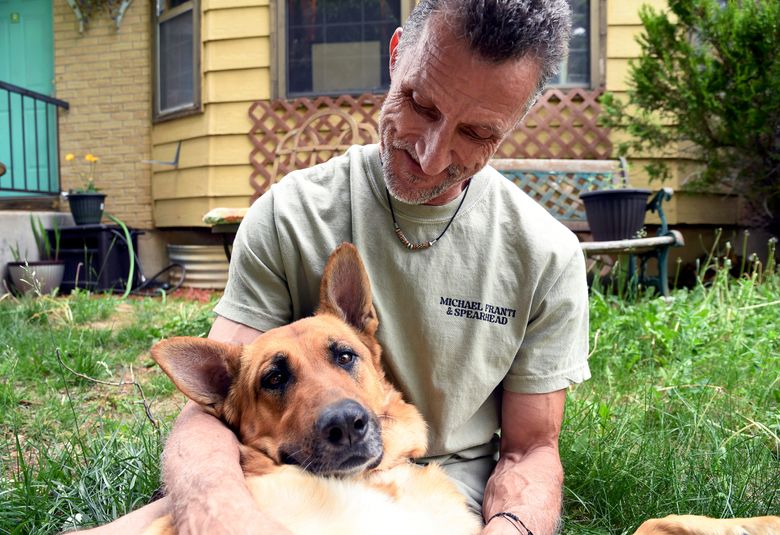
In 2022, he found himself without a vehicle and without a home, which forced his two teenage children to move in with friends. He had burned bridges with friends and family and it took a drug-induced stint in the hospital for him to realize his cocaine addiction was going to be a “death sentence.”

Rubick, who lives in the Denver suburb of Arvada, Colorado, knew he needed help. But first he had to figure out what to do with one of the only sources of unconditional love and support he had left: his beloved German shepherd rescue, Tonks.

Most residential rehab centers in the United States don’t allow patients to bring their pets along, said Rubick, 51. So when his brother could no longer help care for the dog, Rubick thought he would have to make the excruciating decision to give up Tonks.

“It basically came down to being able to take care of my dog or being able to take care of myself,” he said.

Rubick — who has been sober for more than two years and is now an addiction recovery coach — was connected to the group PAWsitive Recovery, which fosters animals while their owners receive treatment for drug and alcohol abuse, and for people dealing with domestic violence or mental health crises.

“People that are trying to get into recovery sometimes have lost their families, their children, any kind of support system that they have had,” said Serena Saunders, the organization’s program manager. “You’re not going to compound trauma that you’ve already had by giving up the one thing that hasn’t given up on you, and that’s people’s animals.”

Saunders founded PAWsitive Recovery in Denver three years ago. Since then, it’s helped more than 180 people and their pets, and Saunders said the group has looked to expand nationally after it became a part of the Society for the Prevention of Cruelty to Animals International. The organization, whose largest foster network is in Colorado but accepts applications nationwide, is one of just a few programs in the U.S. that cares for the pets of people seeking treatment for substance abuse.

Saunders’ own experience with drug and alcohol addiction has helped her tailor the program. She said she had a “pretty broken childhood,” with her mother being schizophrenic and addicted to methamphetamine and her father also struggling with addiction. She sought comfort in alcohol when she was about 12 and was using hard drugs by the time she was 14.

“Addiction just gave me trauma after trauma,” said Saunders, now 41.

Saunders was seeing a therapist for her depression and PTSD when a fortuitous session planted the seed of PAWsitive Recovery. With a background in veterinary and shelter medicine, which focuses on caring for homeless animals, she told her therapist she wanted to incorporate her love of dogs in her recovery.

“And that’s what we did,” said Saunders, who fostered Tonks for several months while Rubick was in treatment and facilitated visits between the two best friends.

“To see a broken person when we’re meeting them in a parking lot, when they have nothing left to live for but their animal. And to see how broken and how desperate they are in that moment, and then to circle back around six months later and see them completely turn their lives around is just so special. It’s amazing,” said Saunders, who has been sober for 3 1/2 years.

That sentiment is echoed by the organization’s volunteer foster families, some of whom are drawn to the program because of their own experiences with addiction.

Denver resident Ben Cochell, 41, who has been sober from alcohol for more than seven years, has two dogs of his own and has fostered several more.

“One of my favorite parts about fostering in this program is the ability to teach my kids some life lessons in how to help others and how to care for animals and be kind, be loving. And to just give of yourself,” he said. “That’s what you have. Your time and your energy. And you can give that away freely.”

If not for PAWsitive Recovery, Rubick said he probably would have ended up living on the streets with his dog and trying to figure out recovery on his own. But as it turned out, by being able to keep his rescue dog, Tonks ended up rescuing Rubick, he said.

“It’s that connection, caring for another creature and having something else care for you the way that animals do,” Rubick said. “It’s just unconditional, and sometimes that’s one of the things that people in recovery really need to be able to feel.”

Associated Press writer Colleen Slevin contributed to this report.

Source:  https://www.seattletimes.com/seattle-news/health/giving-up-pets-to-seek-rehab-can-worsen-trauma-a-colorado-group-intends-to-end-that/
Published: Sep. 1, 2024

Aug. 31 is known as International Awareness Day the department wanted to spread awareness about the crisis of drug overdoses.

During this event, people gathered at the city hall and lit candles to remember lost lives or loved ones.

The South Carolina Department of Alcohol and other Drug Abuse Services states the number of overdoses has been increasing for the past 10 years.

Organizations and community members came together to learn more about how to spot an overdose and the importance of Narcan nasal sprays.

Thomas Young, a Charleston County support specialist, said his overdose was a wake-up call to get the help he needed.

“I was basically dead on arrival and it took six Narcan to get me awake,” Young said.

There have been between 100-120 incidents regarding overdoses with 20 of those fatal within the first six months of this year according to the North Charleston Police Department.

In 2022 alone, there were 437 opioid-related deaths in the Lowcountry and over 1,800 throughout the whole state, according to the South Carolina Department of Health and Environmental Control.

Opioid prevention coordinator Shelbey Joffrion said she thinks substance abuse disorder is important for people to know and how it touches to have someone by them during difficult times.

“I just think it’s important that everyone knows the substance abuse disorder touches everyone,” Joffrion said. “I have not met anyone who says they have not had their friend or family in their circle. It touches all of us.”

Young explains he never thought it be sober ever again and how it takes a team to overcome a drug addiction.

“I never I never thought I’d be sober, ever,” Young said. “It’s basically a miracle that I’m sober because I was a glorified drug user for many years. Nobody can really get clean by themselves, no matter how much they try. We kind of need everybody in this together.”

Click this link for more information regarding the South Carolina Department of Alcohol and other Drug Abuse Services.

Source: https://www.live5news.com/2024/09/01/north-charleston-hosts-first-overdose-awareness-day-event/

Recognizing Overdose Awareness Day on Aug. 31, the Denver City Council passed a proclamation that called for numerous radical, unproven drug policies. The most notable of these was “safe supply,” a misnomer that provides free, pharmaceutical, addictive opioids to those with an opioid addiction. If it sounds like a bad idea, that is because it is.

Even worse, absent from the discussion is a promotion of evidence-based treatment and prevention services that prioritize recovery.

Denver’s proclamation encourages “prioritizing harm reduction initiatives such as naloxone, fentanyl testing strips, syringe services programs, overdose prevention sites, and a safe supply.” By lumping in these interventions together, radical extreme drug policy and harm reduction advocates are hoping we don’t notice some of these unproven policies that are nothing more than slippery slopes to full drug legalization.

Case in point: British Columbia, Canada, has already focused its attention almost exclusively on all of these harm reduction initiatives while reducing focus on prevention, treatment, and recovery.

The result? Overdose deaths have continued to rise in that province and it leads North America in its rate of overdose mortality. Focusing on harm reduction alone has not delivered on its promise as a solution to the drug crisis.

The most troubling of these proposals is “safe supply.” Anything but what its name suggests, “safe supply” provides opioids to people who use drugs on the premise that a medical-grade drug supply is better than one that may be mixed with other substances in the illicit market. It’s like giving away free booze to alcoholics in the hopes that they drink less.

In essence, Denver’s City Council members are echoing the calls of radical activists in proposing to give people in active addiction their drugs directly — and for free.

A recent study in JAMA Internal Medicine reviewed British Columbia’s so-called “safe supply” program. The researchers found that just as many people died from overdoses as before the policy took effect. Additionally, the “safe supply” drugs are often sold on the black market so those users can obtain what they really want — usually fentanyl. Even extreme harm reduction supporters in British Columbia have recognized its shortcomings. But instead of backtracking, they are doubling down on this unproven approach.

Dr. Bonnie Henry, the provincial health officer in British Columbia, recently called for the province to “enable access to non-prescribed alternatives to unregulated drugs.” In effect, they know the medical model of safe supply, also known as “prescribed alternatives,” has not worked, so they want to increase access to legalized drugs in retail stores, clubs, and community centers. They’d place life-threatening drugs in neighborhoods across the province.

Denver’s City Council could be headed down this path.

Instead, we should wake up — and favor an evidence-based approach that is comprehensive: both supply reduction, which includes enforcing the law on open-air drug markets and dealers, and demand reduction, which includes prevention, treatment, and recovery services. Of course, harm reduction interventions like naloxone have a role to play, but they cannot be the only leg of the stool.

Prioritizing a comprehensive approach will send a clear message that in Denver we actually want to achieve something in honor of the many victims of overdose.

Many readers may be shocked to learn that the proclamation in Denver overlooked many of these common-sense interventions.

The word “treatment” was referenced only once. The concept of “drug use prevention,” such as empirically proven programs discouraging use among minors and non-users, was completely absent. And the word “recovery” was not referenced at all.

Many recognize the tragedy of the drug crisis, which took the lives of more than 100,000 Americans in 2022. To overcome this crisis, policymakers must support a comprehensive approach that favors a wide range of responses, including demand reduction, supply reduction, and harm reduction. Denver’s City Council has chosen to proclaim the extreme proposals of activists over real solutions.

Let’s hope they reverse course soon.

Yes, we should meet people where they are in their addiction. But we cannot leave them there.

Luke Niforatos is the executive vice president of the Foundation for Drug Policy Solutions and an international drug policy expert.

Source: https://gazette.com/opinion/safe-supply-only-will-deepen-denver-s-drug-crisis/article_65ce5e4c-6705-11ef-997f-6f63e2ef75a3.html
(Spectrum News/Vania Patino)

By Los Angeles

LOS ANGELES — Facing peer pressure can be hard, but teens at the Boys and Girls Club in Monterey Park are learning to say no to drugs and alcohol together.


What You Need To Know

    • The Boys and Girls Club in Monterey Park offers a drug and alcohol prevention program for youth called Brent’s Club
    • Participants are drug tested at random every week and rewarded through activities, trips and scholarships for saying no to drugs
    • Earlier this year, a group of students traveled to Washington D.C to participate at the Boys & Girls Clubs of America’s Summit for America’s Youth
    • The students were able to speak with elected officials about the need for continued funding toward drug prevention resources


Victoria Perez is one of the high school students who chooses to spend her afternoons at the Brent’s Club chapter offered at the Boys and Girls Club.

“I thought maybe it would just be lessons of drug and alcohol awareness, but it just it’s so much bigger than that,” Perez said.

Perez and the other participants soon realized they were not just gaining knowledge about the dangers of drugs, but were also being rewarded for actively taking those lessons into their daily decision making.

The program takes their commitment to staying drug free serious, and it’s why every week participants are drug tested at random.

So far, director of the Brent’s Club, Angel Silva, says they have not had any test results come back positive.

The deal is that those who remain drug free are rewarded through field trips, activities and also become eligible for a full four-year scholarship or partial renewable scholarships.

“Like our Maui trip that we do every summer, where we go, and we do a service project on the island of Maui,” Silva said.

The approach was designed by the Brent Shapiro Foundation, which was created by Brent’s parents after losing their son to addiction. The hope was to prevent this from happening to any other families and help reduce the risks of falling into substance abuse among youth.

This year, some participants created the TLC or Think, Lead, Create Change mental health project to advocate for continued funding toward drug use prevention, treatment and recovery resources.

Perez was one of the participants and, along with her team, was able to attend the Boys & Girls Clubs of America’s Summit for America’s Youth in Washington, D.C.

This was the first time flying for many of the participants and the first time at D.C. for all the students.

It’s experiences like those that Silva says these students would otherwise not have access to without the program.

Perez says it took a lot of preparing and researching to create the project, but was all worth it when they were able to present it to elected officials and share why this cause means so much to them.

“It was such an amazing opportunity, especially for advocating for not just alcohol and drug abuse, but for mental health and how those things merge together,” Perez said.

The advocacy and awareness the students are helping create comes as a time when fentanyl continues to be the most common cause of accidental drug overdose deaths in Los Angeles County.

“We were learning and teaching at the same time very much, because we thought we knew everything about fentanyl, but it decided to change the whole game,” Silva said.

Although, it can be tough to keep up, he says the ever-changing substance landscape makes their efforts that much more important.

Something Perez’s mother, Monica Vargas, agrees with and why she says the program has given her a peace of mind although the idea was jarring at first.

“It was a little shocking because where I come from, I’m a first generation, so we tend to come sometimes from very close or conservative families. So we think out of sight, out of mind. We don’t talk about it,” Vargas said.

However, she knew it was important for parents to communicate with their children, and this program was the perfect way to do it.

“If those additional incentives help, especially with so much pressure out there for these teens, by all means, I’m all for it. I’m 100% for it,” Vargas said.

Along with the incentives, Silva says the students have also become each other’s support system, which itself is a way to reduce the risk of substance abuse among youth.

“That’s the great part. You know, it’s not just within the clubhouse, they all go to the same school, and they hold each other accountable,” Silva said.

Source: https://spectrumnews1.com/ca/southern-california/health/2024/09/02/teens–drug-and-alcohol-prevention-

By  Charlotte Caldwell

LIMA — The Lima Police Department recently posted on its Facebook page about an increase in overdoses in Lima over the past few weeks.

With September being National Recovery Month, where organizations try to increase public awareness about mental health and addiction recovery, local organizations and law enforcement agencies shared their experiences with addiction and overdoses and the help that is available.

The problem

Lima Fire Chief Andy Heffner said his department responded to 85 overdoses so far this year. He said the overdose numbers have risen and fallen throughout the year, with about one-week breaks in between. He believed the numbers were based on the drugs available in the area.

Project Auglaize County Addiction Response Team Project Coordinator/Peer Support Specialist Brittany Boneta spoke on the reason for the overdose spikes.

“When it comes to overdoses, one is too many,” Boneta said. “I think the number of overdoses comes in waves. There could be a really bad batch of heroin or fentanyl that gets distributed throughout the county that could lead to a spike in overdoses.”

Heffner cited the Drug Enforcement Administration’s website, which said seven out of every 10 pills seized by the DEA contain a lethal dose of fentanyl. The website also said 2 milligrams of fentanyl can be enough to kill someone.

“It only takes one time when Narcan is not available that you could lose your life. If you get clean, you will never have to worry about an overdose, and neither will the people that love you,” Heffner said.

Bath Township Fire Chief Joe Kitchen said his department used Narcan 21 times on patients from August 2023 to August 2024. The department also distributes Narcan to families just in case an overdose occurs.

“Although we have only left behind a few kits so far, I think it gives the family of a known addict some peace of mind that they could assist them in the event of an OD prior to EMS arrival,” Kitchen said.

Another problem is a tranquilizer called Xylazine is being mixed with fentanyl, which does not respond to the usual methods of reversal.

“There are always new drugs/drug combinations being introduced on the streets that make it difficult for those in the treatment world to keep up with and know how to effectively treat,” said Jamie Declercq, the vice president of clinical operations for Lighthouse Behavioral Health Solutions. “Right now, we are seeing an increase in substances (such as Xylazine) across the county which does not respond to Narcan, so that is likely one reason for the increase in overdose deaths.”

Their stories

Boneta was addicted to opiates and crack cocaine over a seven-year period, and her addiction journey started when she was prescribed Percocet by a cardiologist for a heart condition when she was 18.

“There wasn’t a drug I wouldn’t use,” Boneta said. “I was an honor roll student in high school with more trauma than almost anyone I know, and when I went off to college I wasn’t educated on the true dangers of drugs, the thirst to fit in, and all of my trauma stuffed down.”

When her doctor stopped prescribing Percocet, she bought them from drug dealers, not knowing they were laced with heroin.

“When the drug supply of the fake Percocet ran out, I was just buying actual heroin. The heroin was starting to have fentanyl added to it, and before long that was all I was consuming,” Boneta said.

Boneta was eventually sent to prison for drugs, and during that time her 6-year-old son was involved in a house fire and suffered serious injuries.

“I was transported from the prison, in my orange jumpsuit and shackles on my wrists and ankles, to say my goodbyes to my son. I think seeing him lying there in a coma covered in bandages was something so soul-shaking that I knew this was my rock bottom,” Boneta said.

“My son had countless surgeries and was getting better and stronger as the months went by, so I decided I was going to completely reset my life and work my butt off just as hard,” Boneta continued. “I completed as many recovery groups and classes as possible and started learning coping skills and tools to use when I was released from prison. I knew that I wanted to help other people like me and show them that people can understand what they are going through and not have judgment towards them.”

Diane Urban, of Delphos, the founder/president of the Association of People Against Lethal Drugs, started APALD because her youngest son died from a fentanyl overdose. Her older son is also a former addict, and her niece is in active addiction.

“He was clean for the last nine months of his life, he came to live with me, and he relapsed due to an ingrown wisdom tooth that was coming in, his face was swelling up, and because he had Medicaid, we couldn’t find him any help anywhere except for a place in Van Wert, and it was a two-week out appointment. Unfortunately, unbeknownst to me, he relapsed, and I found him dead in his bedroom from a fentanyl overdose,” Urban said.

Challenges to get help

Transportation, not enough of a variety of local recovery options available and financial barriers were all cited as issues addicts face when they decide to get help.

“For peers that are needing inpatient treatment or sober living, we have to send them to other counties for help,” Boneta said. “There is definitely a need for more substance abuse treatment in our county.”

Declercq said Allen County also has a need for inpatient or residential treatment, and people who need that care have to go to one of the major cities nearby.

Urban dealt with having to go outside the area when her son got help.

“Seven years ago when I had to get help for my son, we had to go to Columbus. There was no help to get in right away because (Coleman Health Services) was so backed up,” Urban said. “There can never be enough resources because what happens is all these resource centers and rehabilitation centers, they keep you for a period of time then they release you, and a lot of people when they get released like that, they don’t have adequate support for more of a long-term stay, more of them tend to relapse.”

Urban said her son got treatment for free with Medicaid, but in her experience, organizations prioritize people who have insurance.

Auglaize County Sheriff Mike Vorhees also mentioned a challenge with people not having a way to get to treatment.

“We don’t provide transportation yet, but that’s something that we’re working on,” Vorhees said in regard to the services Project ACART provides. “It depends on who it is. If it’s an elderly person, we can work with the Council on Aging; if it’s a veteran we go through Veterans Services.”

Financially, Declercq said Lighthouse Behavioral Health Solutions’ case managers help people apply for Medicaid, or the local mental health board has options for those who don’t qualify for Medicaid.

“One of the most frustrating barriers for seeking treatment is those with commercial insurance or Medicare, as those companies only pay for very limited services,” Declercq said. “Commercial plans typically pay for a short detox stay and limited individual/group counseling sessions, but do not pay for the intensive level of treatment that a program like Lighthouse offers.”

“Thirty days of treatment and/or 10 individual counseling sessions are not enough to truly treat a person who has been in active addiction for years,” Declercq continued. “Oftentimes even one year of intense treatment only touches the surface of the issues that someone in addiction needs to address.”

Available help

Project ACART has only been around about a year, and Boneta is working part-time and is the only employee. She has reached out to 19 people so far, and only two have denied treatment. She put together a resource guide in 2023 including mental health and substance abuse centers; residential detox treatment centers; 24/7 support services; substance use support groups; where to find Narcan; food pantries, hot meals and clothing; housing assistance and shelters; and low income and subsidized housing.

Boneta received help from peer support specialists through Coleman Health Services during her addiction. Now, as a peer support specialist, she uses a combination of her own experiences and formal training. She equated her role to being like a cheerleader. She is available to clients day and night to connect them to agencies to get help or just talk about their struggles.

“I meet people where they’re at and treat every situation differently. Some of the things I do are assessing needs and struggles, setting goals, advocating for my peers, giving resources, facilitating engagement with my peers and their families or service providers, and encouraging and uplifting them,” Boneta said.

Project ACART’s services are also free because of an Ohio grant.

“Many people in active addiction do not have housing, food, clothing, money or insurance, but they should still have the opportunity to get the help they need,” Boneta said.

Declercq said Lighthouse Behavioral Health Solutions also recently opened a peer support center in Lima for clients to have a place to go for sober activities.

“Downtime/boredom is often a trigger for people who are early in recovery, so this gives them a place to fill that time in a positive way,” Declercq said. “Our peer supporters offer a unique support system to our clients because they are people with past lived experience in addiction who are able to show them that life beyond addiction is achievable and fulfilling.”

Coleman’s seemed to be the go-to choice for law enforcement referrals, and Urban also directs people to the organization.

“My oldest son was a success story, he went to Coleman’s, got treatment, got on the MAT (medication-assisted treatment) program, Suboxone, and he’s thriving today. Owns his own house, owns his own business, married, doing absolutely wonderful. He’s like eight years clean,” Urban said.

Ohio Department of Commerce Division of Securities Recovery Within Reach program also provides a list of recovery resources and offers ways to pay for treatment.


Source: https://www.limaohio.com/top-stories/2024/09/06/local-organizations-share-addiction-experiences-challenges-resources/


By Marcel Gemme

One important aspect of suicide prevention is recognizing the connection between substance use and suicide. Drug addiction prevention campaigns are always working hand-in-hand with suicide prevention campaigns in local communities.

Drug and alcohol addiction, such as alcohol and opioid use disorders, for example, significantly increases the risk of suicidal ideation, attempts, and death. These are generally the two most implicated substances in suicide risk.

The risk of suicidal thoughts and behavior is elevated with acute alcohol intoxication and chronic alcohol use or dependence. The same applies to opioid use, as it can increase the risk of suicide and unintentional overdose caused by opioids alone or polysubstance use.

According to the American Foundation for Suicide Prevention, suicide is the 9th leading cause of death in Arizona. It is the second leading cause of death among those aged 10 to 34 in the state. Unfortunately, 91% of communities in Arizona did not have enough mental health providers to serve residents in 2023. It’s estimated that almost four times as many people died by suicide in Arizona than in alcohol-related motor vehicle accidents.

Fortunately, prevention campaigns work and increase awareness surrounding substance use and suicide. Anyone can take action today by knowing simple things, such as dialing 988 for the Suicide and Crisis Lifeline, a 24-7 free and confidential support for people in distress.

Locally, there is an Arizona Statewide Crisis Hotline, where anyone can phone 1-844-534-HOPE(4673) or text 4HOPE(44673).

We must all work to change the conversation from suicide to suicide prevention. There are actions that anyone can take to help and give hope to those who are struggling. Consider some of the following pointers.

Ask, do not beat around the bush, but ask that person how they are doing and if they are thinking about suicide. Acknowledging and talking about suicide reduces suicidal ideation. Be there for that person, and they will feel less depressed, less suicidal, and less overwhelmed.

Keep them safe and help them stay connected. When lethal means are made less available or less deadly, the frequency and risks of suicide decline. Moreover, the hopelessness subsides when you help that person create a support network of resources and individuals.

Most importantly, maintain contact, follow up, and see them in person as frequently as possible. This is a critical part of suicide prevention, along with always learning more about prevention and awareness.

However, this process is not bulletproof, and we must recognize there are countless instances of individuals taking their lives and giving no indication or red flag they were suicidal. But if we can keep changing the conversation, breaking down the walls of stigma, and making the resources accessible, more people may ask for help before it is too late.

Marcel Gemme is the founder of SUPE and has been helping people struggling with substance use for over 20 years. His work focuses on a threefold approach: education, prevention, and rehabilitation.

Source: https://gilavalleycentral.net/suicide-prevention-is-an-important-part-of-drug-education/

Methods: We recruited 58 MA-dependent young adult females from a compulsory isolation drug rehabilitation center in Sichuan Province and randomly divided them into an MBRP group (n = 29) and a control group (n = 29) according to their degree of psychological craving. The MBRP group received 2 hours of MBRP training twice a week for 4 weeks, alongside routine treatment at the drug rehabilitation center. Meanwhile, the control group solely received routine treatment at the drug rehabilitation center without any additional interventions. The assessment was conducted before and immediately after the intervention, with the Compulsive Drug Use Scale (OCDUS) used to assess craving and the Five-Factor Mindfulness Scale (FFMQ) used to assess trait mindfulness. Also, a “mental feedback monitoring balance” instrument was used to assess concentration and relaxation during some training sessions. This randomized trial was conducted to evaluate the effectiveness of decreasing psychological craving and increasing trait mindfulness.

Results: At baseline, there were no significant differences in total or dimension scores for FFMQ or OCDUS between the two groups (all P > 0.05). After the intervention, the repeated measures ANOVA showed a significant time main effect on changes in observing, non-judging, and non-reacting scores (all P < 0.05), and a significant interaction effect between time and group on both FFMQ total score and OCDUS score (P < 0.01 or P < 0.05). Mental feedback monitoring indicated significant improvement in concentration and relaxation after breath meditation exercises (P < 0.05 or P < 0.001). Additionally, the MBRP group showed improved relaxation during the body scan exercise (P < 0.01).

Conclusion: MBRP training can improve the trait mindfulness of MA addicts and reduce psychological cravings effectively.

The full article can be accessed via the source link below:

Source: https://www.frontiersin.org/journals/psychiatry/articles/10.3389/fpsyt.2024.1339517/full

Cryptocurrency Tether enables a parallel economy that operates beyond the reach of U.S. law enforcement

Wall Street Journal     Angus Berwick  and Ben Foldy       Sept. 10, 2024

A giant unregulated currency is undermining America’s fight against arms dealers, sanctions busters and scammers. Almost as much money flowed through its network last year as through Visa cards. And it has recently minted more profit than BlackRock, with a tiny fraction of the workforce. Its name: tether. The cryptocurrency has grown into an important cog in the global financial system, with as much as $190 billion changing hands daily.

In essence, tether is a digital U.S. dollar—though one privately controlled in the British Virgin Islands by a secretive crew of owners, with its activities largely hidden from governments.

Known as a stablecoin for its 1:1 peg to the dollar, tether gained early use among crypto aficionados. But it has spread deep into the financial underworld, enabling a parallel economy that operates beyond the reach of U.S. law enforcement.

Wherever the U.S. government has restricted access to the dollar financial system—Iran, Venezuela, Russia—tether thrives as a sort of incognito dollar used to move money across borders.

Russian oligarchs and weapons dealers shuttle tether abroad to buy property and pay suppliers for sanctioned goods. Venezuela’s sanctioned state oil firm takes payment in tether for cargoes. Drug cartels, fraud rings and terrorist groups such as Hamas use it to launder income.

Yet in dysfunctional economies such as Argentina and Turkey, beset by hyperinflation and a shortage of hard currency, tether is also a lifeline for people who use it for quotidian payments and as a way to protect their savings.

Tether is arguably the first successful real-world product to emerge from the cryptocurrency revolution that began over a decade ago. It has made its owners immensely rich. Tether has $120 billion in assets, mostly risk-free U.S. Treasury bills, along with positions in bitcoin and gold. Last year it generated $6.2 billion in profit, outearning BlackRock, the world’s largest asset manager, by $700 million.

Tether’s CEO, Paolo Ardoino, boasted earlier this year that, with under 100 employees, it earned more profit per person than any company ever.

Tether wants “to build a fairer, more connected, and accessible global financial system,” Ardoino said in a May press release. He claims over 300 million people are using the currency.

With sanctions, Washington can cut adversaries off from the dollar and thus much of the global trading system, since all dollar transactions involve U.S. regulated banks. Tether’s popularity subverts those powers.

“We need a regulatory framework that doesn’t allow offshore dollar-backed stablecoin providers to play by a different set of rules,” Deputy Treasury Secretary Wally Adeyemo told The Wall Street Journal. Adeyemo singled out tether in April testimony before Congress.

For this article, the Journal spoke with tether users, researchers and officials, and reviewed messages exchanged between intermediaries, court and corporate records, and blockchain data.

Tether didn’t respond to requests for comment. The company said in May it collaborates with law enforcement and was upgrading its capacity to monitor transactions for sanctions evasion. Tether voluntarily freezes digital wallets used to transfer its tokens that were connected with sanctioned entities, it says. Ardoino said Tether has a “proactive approach to safeguarding our ecosystem against illicit activities.”

How Tether works: The company behind tether, Tether Holdings, issues the virtual coins to a select group of direct customers, mostly trading firms, who wire real-world dollars in exchange. Tether uses those dollars to purchase assets, mostly U.S. Treasurys, that back the coin’s value.

Once in the wider market, tether can be traded for other tokens or traditional currencies through exchanges and local brokerages. In Iran, for example, a crypto exchange called TetherLand allows Iranians to swap rials into tether.

Tether vets the identities of its direct customers, but much of its vast secondary market goes unpoliced. The tokens can be pinged near-instantaneously along chains of digital wallets to obfuscate the source. A United Nations report this January said tether was “a preferred choice” for Southeast Asian money launderers.  The company says it can track every transaction on public blockchain ledgers and can seize and destroy tether held in any wallet.

But freezing wallets is a game of Whac-A-Mole. Between 2018 and this June, Tether blacklisted 2,713 wallets on its two most popular blockchains that had received a total of about $153 billion, according to crypto data provider ChainArgos. Of that massive sum, Tether could only freeze $1.4 billion because the rest of the funds had already been sent on.

Tether’s founders—a group that included a former plastic surgeon called Giancarlo Devasini—created the currency back in 2014. Uptake for a stable token was initially slim. The prospect of profiting from billions of accumulated dollars was a “fantasy,” said William Quigley, an investor who was part of the founding team.

He and other co-founders sold their stakes soon after to Devasini, who has run Tether ever since, according to people familiar with the company. The reclusive billionaire lives at a modernist villa in the French Riviera enclave of Roquebrune-Cap-Martin, corporate records show. Ardoino, a fellow Italian, has become Tether’s public face.

Tether’s entry into the crypto mainstream came during the market’s 2020-2021 bull run, as traders used tether to buy and sell out of risky bets. Its market capitalization exploded from $4 billion to almost $80 billion.

The dollar for all: In Venezuela, financially isolated by sanctions and economic mismanagement, Tether found a ready user base.

President Nicolás Maduro’s government was under siege in 2020 from U.S. measures that targeted state oil firm Petróleos de Venezuela, or PdVSA. That October, Maduro’s parliament passed an “Anti-Blockade Law” that authorized the government to use crypto to protect its transactions.

PdVSA began demanding payment for oil shipments in tether, according to people familiar with its activities and transaction records. Purchase orders authorized by PdVSA often instructed buyers to transfer tether to a certain wallet address. Another method was for intermediaries to swap deliveries of cash for tether and load the tokens onto prepaid travel cards, which enabled holders to use crypto for purchases. Venezuelan President Nicolás Maduro’s parliament passed a law allowing the government to use crypto to protect its transactions. The company’s adoption of tether was so pervasive it had another effect: instead of sending oil revenues back to the government, the middlemen that PdVSA used for the sales diverted funds for themselves, leading to a scandal that toppled the oil minister.

“This cryptocurrency’s use only has served to perpetuate gigantic levels of corruption,” Rafael Ramírez, a former oil minister under Maduro, said in an interview.

Venezuela’s government didn’t respond to requests for comment. The country’s attorney general said in April that middlemen’s use of crypto made the stolen funds “undetectable” for authorities.

For regular Venezuelans, tether became a lifeline, too. Inflation that reached 2 million percent wiped out savings held in bolivars. Currency controls made bank transfers abroad impractical.

Guillermo Goncalvez, a 30-year-old Caracas graduate, runs a platform called El Dorado that offers Venezuelans peer-to-peer tether trading, which links buyers and sellers directly.  El Dorado has over 150,000 users, who pay fees that are a fraction of what traditional money remitters charge: local stores converting daily revenues into tether, Venezuelan migrants sending money back to families, and freelancers receiving salaries in USDT, as tether is also known. “USDT is the digital dollar for all Venezuelans,” Goncalvez said.

Enough money to fill a plane: In Russia, tether is a vital payment channel, the Journal has previously reported.

A confidential report drawn up this year by a government-backed Russian research center identified tether as one of the most popular ways for importers to convert rubles into foreign currencies. Major institutions are involved, too: Rosbank, a Russian lender, arranges tether transfers for clients to pay suppliers abroad, according to a company presentation circulated in June. Rosbank spokespeople didn’t respond to requests for comment.

It is also the go-to currency for Russia’s elite.

A glamorous fixer called Ekaterina Zhdanova told associates in Telegram messages in 2022 and 2023 that she was arranging huge ruble-for-tether deals for clients. Digital wallets she shared had transferred over $350 million in tether, according to blockchain data.

Born in a Siberian village, Zhdanova, 38 years old, ran a concierge service to help wealthy Russians get foreign visas, and a travel agency that organized luxury cruises. Her ex-husband was a top lieutenant for a billionaire Russian real-estate developer.

Russia’s invasion of Ukraine and the subsequent sanctions amplified demand for her services.

Two months into the war, Zhdanova relayed a request from a client to a group of large Russian crypto traders, according to chats on Telegram. The client, who she said had their own bank, wanted to buy about $10 million of tether each month, needing $300 million’s worth in total, in exchange for cash that would be handed over in the United Arab Emirates or Turkey.

After finding a trader willing to accept the deal, Zhdanova told the group she could coordinate the cash’s collection. “They will use planes to pick up the cash,” she said.

Treasury sanctioned Zhdanova late last year, accusing her of transferring crypto on behalf of unnamed oligarchs. Police in France detained her around that time at an airport there as part of a separate French money laundering investigation, people familiar with her arrest said. She remains in custody. A lawyer for Zhdanova declined to comment.

‘Everything. Everywhere.’: Tether is now investing in startups that use tether for everyday payments. The more Tether can encourage its usage, the more tokens it needs to issue, and so the more dollars it will have to put to work.

In Tbilisi, Georgia, a popular landing spot for Russian émigrés, the token’s symbol—an encircled green “T”—glimmers outside money-change shops with blacked-out windows. Cash machines advertise that users can deposit bills for the stablecoin.

Ardoino, the Tether CEO, visited Georgia last year and approached government officials with an offer to help expand the local crypto economy. They signed a cooperation deal that Ardoino said would make the former Soviet republic a flourishing payments hub. Tether invested $25 million in local startups, according to Georgia’s innovation agency.

The main recipient of Tether’s financing, CityPay.io, has rolled out tether-payment systems for thousands of Georgian businesses. Hotels including Tbilisi’s downtown Radisson Blu Iveria have CityPay point-of-sale terminals, and it has joined with a property venture there to sell premium apartments in tether.

CityPay also facilitates international payments in tether for companies, totaling as much as $50 million a month, according to Eralp Hatipoglu, its Turkish CEO. He said the pressure the U.S. applied on the global banking system created these opportunities. Companies exporting from Turkey to Georgia get hammered with questions from correspondent banks, he said, and wire transfers take days. CityPay’s website advertises “100% anonymous transactions,” though Hatipoglu said they check clients’ identities against sanctions lists and don’t accept Russian businesses.

Tether has said it aims for CityPay to expand into other emerging markets. At a crypto conference in a Tbilisi skyscraper this June, sponsored by Tether and attended by its head of expansion, banners promoted the currency’s use for daily payments on CityPay. Guests queued to buy coffee in tether. “Pay with USDT,” read one sign. “Everything. Everywhere.”


Source: Tether: The Cryptocurrency Fueling the Financial Underworld – WSJ

Past-year use of cannabis and hallucinogens stayed at historically high levels in 2023 among adults aged 19 to 30 and 35 to 50, according to the latest findings from the Monitoring the Future survey. In contrast, past-year use of cigarettes remained at historically low levels in both adult groups. Past-month and daily alcohol use continued a decade-long decline among those 19 to 30 years old, with binge drinking reaching all-time lows. However, among 35- to 50-year-olds, the prevalence of binge drinking in 2023 increased from five and 10 years ago. The Monitoring the Future study is conducted by scientists at the University of Michigan’s Institute for Social Research, Ann Arbor, and is funded by the National Institutes of Health.


Source: https://monitoringthefuture.org/

Published Lisbon  16.09.2024

The Croatian national focal point and the European Union Drugs Agency (EUDA) are organising today the latest Reitox Academy on evidence-based prevention. The academy will cover the principles of science-based prevention, feature examples of quality prevention programmes across Europe and discuss models for improving national prevention interventions.

Experts from different countries will present examples of good practice in prevention interventions in diverse settings, including: school (Estonia, Spain, Brazil); family (Estonia) and community (Croatia, Germany) (1).

The event will round off with a session on lessons learned in applying evidence-based prevention programmes and implementing quality standards in the EU. An expert from Bosnia and Herzegovina will share experience from a non-EU country in a final panel discussion.

September 16, 2024

Prevention typically consists of methods or activities that seek to reduce or deter specific or predictable problems. It protects individual well-being and promotes desired behaviors.

Education is a key element of prevention. To understand how to contribute to the prevention of substance use disorders, all individuals need to know two important facts:

Substance use disorders are diseases. They are progressive, chronic, and fatal. They are classified as primary diseases, meaning they are caused by something else, such as an emotional problem or poor choices. Substance use disorders are medical conditions of the brain.

Substance use disorders are treatable. Just as heart disease or diabetes can be treated, so can substance use disorders. In addition to medication, effective treatments usually involve therapy and connecting to community support.

Sharing these facts helps remove stigma around substance use and makes people more comfortable talking about it. This opens up opportunities to:

  • Increase collaboration among state agencies, community organizations, and special populations
  • Develop culturally appropriate strategies and implement plans to reduce risks and increase protective factors across the state and in specific communities
  • Expand citizen participation in community activity

The most promising way to reduce alcohol and drug problems is to use a comprehensive, multi-faceted approach to prevention. There are evidence-based tools that organizations and communities can use to guide these efforts. For example, organizations that adopt a Strategic Prevention Framework and develop logic models are more likely to achieve positive outcomes.

Experts Dedicated to Building Healthy Communities

The RAAD campaign is coordinated by DAABHS (rhymes with “abs”). That’s our abbreviated way of saying the Arkansas Department of Human Services Division of Aging, Adult and Behavioral Health Services the Substance Abuse Prevention team.

The DAABHS team is passionate about uniting individuals and communities in prevention efforts. Each member of the team contributes unique skills and energy to advance the RAAD mission.

They are receptive to questions and ideas and can connect you to existing programs or provide guidance to help you launch new prevention initiatives in your area.

Source: https://humanservices.arkansas.gov/divisions-shared-services/shared-services/office-of-substance-abuse-and-mental-health/prevention-ar/


Substance use and mental health are topics that touch nearly every community, with millions across the world affected each year. In 2022 alone, approximately 168 million Americans used some type of substance such as tobacco, alcohol or illicit drugs with 48.7 million reporting suffering from a substance use disorder (SUD). Among illicit drugs, marijuana was the most used, with approximately 22% of people aged 12 or older using it in the past year. But behind these numbers are real lives impacted by a complex relationship between drug use and mental health. For instance, nearly one million adolescents were found to have co-occurring major depressive disorders (MDE) and SUDs, while 21.5 million adults struggled with both a mental illness and SUD.


As marijuana use becomes more normalized it is important to consider the consequences on our mental well-being. Research has shown that past-year marijuana use is a significant risk factor for suicidal thoughts and behaviors among adolescents with the risks increasing as the frequency of use rises. In addition, following legalization in the state of Washington, the prevalence of marijuana use among 8th and 10th graders increased compared to pre-legalization levels. This presents further concern given the link between high potency marijuana and psychosis—a known predictor of suicidal behavior. Additionally, studies show that adolescents who recently used marijuana had nearly twice the odds of attempting suicide compared to non-users. Similar risks are present in those using amphetamines, cigarettes, and alcohol, especially when substance use begins at an early age.


Further research supporting these concerns have consistently found that individuals who engage in substance use are at an increased risk for suicidal ideation attempts. For example, studies suggest that drug use can impair judgement and diminish impulse control, making users more vulnerable to suicidal thoughts and behaviors. This is further supported by findings showing that individuals with substance use disorders are six times more likely to attempt suicide compared to those who do not use substances. The combination of altered brain chemistry, mental health struggles, and poor decision-making can create a dangerous spiral, leading to devastating outcomes.


As substance use and suicide remain closely intertwined, with research consistently showing a strong correlation between the two, it becomes essential to raise awareness, promote early interventions, and ensure access to comprehensive treatment so we can help save lives and provide hope to those in need.


If you or someone you know is struggling with substance use or suicidal thoughts, please reach out for help. The National Suicide and Crisis Lifeline is available 24/7 at no cost, call 988 if you need to talk to someone. The Substance Abuse and Mental Health Service Administration (SAMHSA) offers a helpline at 1-800-662-HELP (4357).


Source: Drug Free America Foundation | 333 3rd Ave N Suite 200 | St. Petersburg, FL 33701 US

UC expert joins WVXU’s Cincinnati Edition roundtable discussion

Featured photo at top of an officer speaking with children at school. Photo/SDI Productions/iStock.

The Kentucky Opioid Abatement Advisory Commission recently announced a new three-year drug prevention initiative, funded by grants from the state’s opioid settlement fund for prevention, enforcement, treatment and recovery efforts.

The University of Cincinnati’s LaTrice Montgomery joined WVXU’s Cincinnati Edition to discuss youth drug prevention programs and what research says about the most effective approaches.

The popular DARE (Drug Abuse Resistance Education) program that began in the 1980s originally featured a uniformed officer speaking to kids in a lecture style on how to “just say no” to drugs.

“As we now know, that lecture style doesn’t always resonate with youth,” said Montgomery, PhD, adjunct associate professor in the Department of Psychiatry and Behavioral Neuroscience in UC’s College of Medicine and a licensed clinical psychologist. “So we’ve learned it needs to be much more interactive and include not only drug resistance skills but social and emotional skills.”

As research has progressed, Montgomery said DARE is still around but features a different approach that includes the REAL (Refuse, Explain, Avoid and Leave) method.

Chris Evans, executive director of the Kentucky Opioid Abatement Advisory Commission, told WVXU their team is using a research-based approach to tailor their programs to what will be most effective.

“It’s really designed to encourage young people to make positive life choices and help build up their resilience,” he said. “What this program does is really shine a light again on those strengths of kids and finding a way for them to identify and strengthen what’s going on with them. And we’ve seen the studies have indicated that is a better approach to dealing with kids nowadays in terms of getting them to be educated and to listen and to make positive choices in this space.”

Source: https://www.uc.edu/news/articles/2024/09/are-teen-just-say-no-campaigns-effective.html

Rocky Herron, a former DEA agent, interacting with students after
his drug prevention presentation. (Photo: Business Wire)

CARLSBAD, Calif., October 01, 2024–(BUSINESS WIRE)–In response to the growing crisis of synthetic drugs like fentanyl and methamphetamine, Hopeful Life is proud to announce a vital new initiative in the fight against youth substance abuse. As our nation continues to grapple with the devastating rise of synthetic drugs, there remains a critical gap in educating our youth about the dangers of substance abuse before they make life-altering, or even life-ending, decisions.

Young lives are at risk, and many of them are not fully aware of the dangers. Tragically, drug prevention education is still not a national priority, and our hardest-hit communities often lack the resources to address this crisis head-on. Without proper education, substance abuse continues to destroy futures. This must change. We have partnered with Rocky Herron, a former DEA agent with 31 years of experience, to bring his life-saving drug prevention education directly to schools and communities across the country.

This partnership marks a new chapter for Hopeful Life, as we formally introduce Rocky’s powerful presentations, I Choose My Future, into our comprehensive approach to combating substance abuse. Rocky has successfully engaged over 250,000 youth in 17 countries, transforming the way students think about drugs and their long-term impact. His emotionally charged presentations go beyond raising awareness—they inspire change. Rocky’s presentations connect with students on a personal level, showing them the real-world consequences of drug abuse. His message empowers them to make choices that protect their health and future. As one student shared, “students often comment that they have been told many times that drugs are ‘bad’ but I Choose My Future made them understand why.”

Rocky’s presentations don’t just raise awareness—they change lives. In a recent survey of students in Montana, 64.6% of respondents reported knowing someone personally affected by drug use. After attending Rocky’s presentation, 79.8% of students expressed deeper concern about drug use in their communities, and a remarkable 90.1% felt more comfortable seeking help for themselves or others, a profound shift in understanding and behavior (Rocky Herron Survey Results).

Rocky’s message cuts through the statistics and connects with students on a personal level. They don’t just hear about drug dangers, they see the real-world consequences and are empowered to make choices that shape their futures. As one student shared, “This presentation gave me even more reason to stay away from drugs”​ (Survey).

For adults, Rocky’s presentations provide valuable insights into the connection between substance abuse and mental health, equipping parents and educators with the tools they need to support their children. His sessions cover urgent topics such as fentanyl, synthetic drugs, and vaping, offering practical prevention and intervention strategies.

Hopeful Life believes in creating sustainable, community-wide impact. Our mission is to enhance individual, organizational, and community health through cutting-edge insights and solutions powered by the latest advances in science, technology, and policymaking. We provide comprehensive analytics that measure substance abuse trends and identify correlations at both local and national levels, ensuring our efforts are data-driven and effective. By partnering with Rocky Herron, we amplify his life-changing message where it is needed most, providing critical support to expand his outreach to more schools, more communities, and more at-risk youth.

We don’t just support Rocky’s efforts—we make sure they reach the students who need them most. Through our multidisciplinary approach, we help communities access the life-saving knowledge they need to prevent substance abuse and create lasting change.

The stakes are high. Our youth deserve a chance at a drug-free future, and with your support, Hopeful Life can continue bringing essential education to schools and communities. Every donation helps us reach more students and potentially save lives.

Through our partnership with Rocky Herron, Hopeful Life is expanding its reach to provide more students with the knowledge and tools they need to make informed decisions. Our mission is to enhance community health through education, science, and data-driven solutions. By introducing Rocky’s program, we’re bringing a proven, life-saving message to the forefront of our fight against substance abuse.

Together, we can combat the drug abuse crisis and empower the next generation to make better choices. Please consider donating to Hopeful Life today to support our life-changing mission.

Source: https://finance.yahoo.com/news/hopeful-life-introduces-life-changing-012400527.html?

October 1, 2024

This blog was originally posted on the The BRAIN Blog.

The BRAIN Initiative is marking a milestone—10 years of advancing neuroscience and neurotechnology research by funding innovative projects. As part of a rotating series of blog posts, the directors of the BRAIN Initiative-partnering Institutes and Centers share their voice and perspectives on the impact BRAIN has made on their respective missions—and vice versa.

This year marks the 50th anniversary of the National Institute on Drug Abuse (NIDA). The research NIDA has funded and conducted over five decades has greatly advanced the biomedical understanding of addiction as a treatable condition involving brain systems governing reward, emotion, stress, and self-control. NIDA research has helped pave the way for effective prevention, treatment, and harm reduction approaches, and opened up new pathways to recovery.

NIDA has been a key player in the BRAIN Initiative, as our Institute continues to apply these new tools and emerging knowledge to inform research about the science of drug use and addiction. As the United States continues to face a devastating overdose epidemic fueled in recent years by an influx of illicit fentanyl, NIDA’s scientific efforts are ever more important. Central to those efforts is our significant investment in basic neuroscience research. Since its launch a decade ago, the BRAIN Initiative has greatly aided and accelerated that research. Tools developed through the BRAIN Initiative are catalyzing scientists’ ability to precisely monitor and manipulate brain activity at multiple scales, giving us an ever more fine-grained understanding of the brain mechanisms underpinning drugs’ effects and suggesting potential avenues for mitigating, preventing, or reversing those effects to heal the brain.

The BRAIN initiative has transformed neuroscience research at many levels. It has created a culture of team science that has led to development and dissemination of new tools that have been used to characterize gene expression with cellular resolution across multiple species, tools that allow visualizing and manipulating neural circuits, as well as new approaches to data science and computational modeling. Our staff who work on BRAIN Initiative program teams get a unique exposure to these approaches and technologies that will critically shape our Institute’s research in future years.

Advances made possible through the BRAIN Initiative will transform translational research by improving the validity and innovation of the models we use to probe mechanisms underlying substance use and use disorders—enriching our research community’s capacity to innovate. NIDA participation in the BRAIN Initiative provides opportunities to accelerate the application of these advances among the researchers who focus on these questions. And it enables NIDA to promote areas of focus where our Institute has been at the forefront, including investigation of non-neuronal cells (glia) and developmental studies that dovetail with the Adolescent Brain Cognitive Development (ABCD) study.

How has NIDA participated in the NIH BRAIN Initiative?

Several of NIDA’s scientific staff are members of BRAIN Initiative program teams, and our Institute leads or co-leads some key BRAIN projects. NIDA co-leads the team that is managing the Data Science and Informatics project, which is creating the informatics infrastructure needed for storing, sharing, and interpreting the vast quantities of data gathered by the BRAIN Initiative. NIDA also co-leads the Tools and Technologies for Brain Cells and Circuits research program, which is creating brain cell atlases of the neuronal and glial cells in the brain. This fundamental knowledge will be used to build viral vectors to monitor and manipulate brain function at the cellular level.

We are also a major supporter of the Brain Behavior Quantification and Synchronization Program (BBQS). This uniquely transdisciplinary program, which was just launched in 2022, is supporting the development and validation of novel tools and methods for quantifying complex behaviors and simultaneously recording brain activity. This program promises to transform behavioral and cognitive neuroscience by supporting research that will generate high-resolution tools for analyzing behavior and new computational and theoretical approaches for understanding behavior as a complex system. NIDA leads the BBQS emphasis area on organismal behavior.

Although it was just launched two years ago, the BRAIN BBQS concept has influenced multiple NIDA initiatives, including Translating Socioenvironmental Influences on Neurocognitive Development and Addiction Risk (TransSINDA), Mechanistic Studies on Social Behavior in Substance Use Disorder (in both humans and animal models), and the NIDA Animal Genomics Consortium. These initiatives support research that identifies cause-and-effect relationships between socioenvironmental factors and brain function that guide behavior.

Toward advancing the emergence of common marmosets as a promising animal model in neuroscience, NIDA has also played a leadership role in BRAIN’s transgenic marmoset initiative. This set of projects is aimed at developing novel tools and techniques for marmoset genome editing and male germline editing to facilitate research on genetic underpinnings of brain health and disease, as well as assisted reproduction techniques to increase the efficiency of these procedures.

What major BRAIN-funded scientific advancements or conversations has NIDA been a part of?

As one of the Institutes co-leading the BRAIN Initiative’s Tools and Technologies for Brain Cells and Circuits research program, NIDA has been closely involved in shaping and supporting the inventory and molecular mapping of cell classes across the whole mouse brain, and there are ongoing plans to accomplish the same in human and nonhuman primate brains.

A component of this program is the Cell Census Network, and among the brain regions of central interest in this project are the basal ganglia. The basal ganglia comprise the reward pathway and other circuits that play a major role in substance use disorders. Scientific staff at NIDA and several NIDA-funded grantees are participating in the effort to create a systematic map of this region to enhance our knowledge of its cellular and molecular architecture. This research could potentially lead to tools that could selectively target the basal ganglia’s cellular constituents, which would be a game changer for NIDA science.

Through BRAIN Initiative programs like BBQS mentioned above, NIDA has been co-leading discussions about advancing cause and effect relationships in human neuroscience research. We now have large neurocognitive datasets that can be mined and analyzed using large-scale network approaches, such as those generated by the Human Connectome Project and the ongoing ABCD study. These databases have enabled novel insights about fundamental brain function and neurocognitive dysfunction. For instance, ABCD is deepening our understanding of how environmental exposures affect neurocognition including revealing factors like economic disadvantage and social discrimination that can be targeted in prevention efforts. But while these datasets are excellent for identifying associations between network structure/function and behavior, they generally cannot help us establish causal relationships, leaving a gap in our ability to translate findings to clinical application.

Data derived from new methods and approaches like systematic circuit perturbation in combination with neural recordings in a behavioral context hold potential to fill this gap and significantly advance our understanding of these important cause and effect relationships in human neuroscience.

How has the BRAIN Initiative advanced or shaped NIDA’s mission?

Many tools developed through the BRAIN Initiative are helping NIDA scientists understand how drugs affect the brain, from cellular to circuit levels. For example, NIDA’s BRAIN-inspired research programs are already producing exciting findings. One of them is NIDA Single Cell Opioid Response in the Context of HIV, or SCORCH, which is applying single-cell sequencing-based approaches to inventory the cellular targets of drugs and the changes in those targets that drugs induce. A NIDA-funded team has recently identified a group of neurons in the dorsal peduncular nucleus, a brain region central to emotional regulation, reward, and motivation, that act as a master regulator of opioid reward.

Another NIDA initiative inspired by BRAIN is the Neural Ensembles and Used Substances (NExUS) Collaboratory, which seeks to integrate molecular information from cell taxonomies with measurement of neuronal population dynamics in behaving animals. NExUS aims to decipher how activity within the mosaic of brain cells “encode” particular properties of misused substances, such as the analgesic versus addictive properties of opioids. A NIDA-funded team has also recently used a mouse model to identify a brain circuit that mediates placebo pain relief.

In its 10 years, the BRAIN initiative has provided tools to visualize, monitor, and manipulate brain activity from molecular to network levels and has led to an exponential growth in understanding of how the brain functions. NIDA has been a key player in this effort, and our Institute continues to apply these new tools and emerging knowledge to inform research on urgent questions under its mission to advance the science of drug use and addiction.

Source: https://nida.nih.gov/about-nida/noras-blog/2024/10/brain-10-view-national-institute-drug-abuse

In October, SAMHSA celebrates Substance Use Prevention Month — an opportunity for the prevention field and prevention partners to highlight the importance and impact of prevention. And given the substance use and overdose challenges facing our country, prevention has never been more important. This month, each of us can inspire action by sharing how prevention is improving lives in communities across our nation.

As part of the Biden-Harris Administration and the U.S. Department of Health and Human Services’ Overdose Prevention Strategy, along with SAMHSA’s Strategic Plan, our prevention efforts aim to prevent substance use in the first place, prevent the progression of substance use to a substance use disorder, and prevent and reduce harms associated with use. Our grantees across the country are doing just that every day. Here are just a few quick stories of our grantees in action.

Pueblo of Zuni – Zuni Tribal Prevention Project
Zuni, New Mexico
(Strategic Prevention Framework-Partnerships for Success grant awardee, FY 2020)

In 2021, Pueblo of Zuni (Zuni Tribal Prevention Project) developed a Family Wellness Kit program to strengthen family communication during the COVID-19 pandemic. Family bondingparent-child communication, and cultural identity (PDF | 818 KB) are protective factors against substance use and other youth risk behaviors.

The kits included culturally relevant family cohesion activities, and a new type of kit was distributed monthly (over 18 months) with:

  • Four activities (one for siblings; one for grandparents; one for the entire family; and one for siblings, grandparents, or family).
  • One activity guide with instructions.
  • Activity supplies.
  • One debrief guide with discussion prompts.
  • One parent/caregiver skill development guide on active listening, validation, effective communication, family engagement, positive discipline, and setting boundaries.

Staff follow-up every three months to check-in with the families: 72 activities had been developed, and 85 percent of 102 registered families completed the program. Families appreciated the integration of Zuni culture in the kits and enjoyed completing the activities together. They also reported spending more quality time together, growing closer, and communicating more.

A participant described the benefit as, “…being together as a family and just having more conversations; we even show more affection, like giving hugs and saying, ‘I love you.’” Families also said that they continued using the activities and created more family routines such as family nights and putting away cell phones during family times like dinner.

Connecticut Department of Mental Health and Addiction Services, Prevention and Health Promotion Division – Know Ur Vape
(Substance Use Prevention, Treatment, and Recovery Services Block Grant recipient)

In 2022, the Connecticut Department of Mental Health and Addiction Services (DMHAS) Prevention and Health Promotion Division partnered with Connecticut Clearinghouse and Connecticut’s Tobacco Enforcement division to develop a vaping prevention campaign.

Launched in 2023, Know Ur Vape leverages the power of social media influencers and the social media trend of “unboxing” videos to reach youth and young adults. The campaign seeks to prevent vaping initiation among teens and young adults and encourage quitting among those who vape.

Each video starts out in a familiar way, then features a surprising plot twist, and concludes with a health message and a resource. Each influencer receives one of three themed boxes: sports, beauty, or mystery. As they open the box and interact with the contents, their reactions indicate excitement, confusion, concern, and then displeasure. The videos demonstrate the negative effects of vaping, including its addictive and disruptive nature, impairment to athletic performance, and harmful effects on skin and physical appearance.

Influencers include University of Connecticut athletes. As part of the campaign, television personality Nia Moore sat down with Megan Albanese of Southington STEPS coalition on Instagram Live to discuss her negative experiences with vaping.

In the campaign’s first three months, the videos were viewed 177,656 times on social media, with 18,905 likes and 776 comments. On TikTok, the videos received 113,904 views and on Instagram, one post received 24,600 views. The campaign was featured on the Drug Enforcement Administration’s Just Think Twice website and the CADCA website.

West Virginia Departments of Health and Human Services – Overdose Prevention and Response
(First Responders – Comprehensive Addiction and Recovery Act grant awardee, FY 2022)

The Police and Peers Initiative in the Fayette, Kanawha, Monongalia, Nicholas, and Preston counties of West Virginia places Peer Recovery Support Specialists (PRSS) with law enforcement to enhance care for people in crisis. The initiative established partnerships with local Quick Response Teams, Law Enforcement Assisted Diversion teams, and others in the community.

PRSS provide opioid reversal, case management, and motivational interviewing services; linkage to addiction treatment, social services, support programs; and customized action plans based on the individual’s self-identified needs. This enhances quality of care and services and reduces the burden on law enforcement officers (who can then focus on public safety).

Since 2022, the program has linked 120 people to treatment and 110 to psychosocial support services (housing, clothing, basic needs, employment, etc.) as well as distributed 262 naloxone kits and 780 fentanyl test strips.

Early in the initiative, a Fayette County Sheriff’s Deputy contacted a PRSS about an overdose incident. The PRSS met with the individual, who chose to enroll in an outpatient Medication for Opioid Use Disorder program. This person has now sustained over eight months of recovery, gained employment, reinstated their driver’s license, and bought a vehicle.

During an Oak Hill Police Department callout, a PRSS de-escalated a disturbance. The peer connected three people to treatment — all of whom completed treatment — and one person was reunited with their children while maintaining recovery.

With the Kingwood Police Department (starting in April 2024), PRSS activities include collaborating with the municipal court, training the fire department on naloxone administration, participating in ride-alongs, attending coalition meetings, and developing a street outreach plan.

Prairie Band Potawatomi Nation – Walking in 2 Worlds
Mayetta, Kansas
(Tribal Behavioral Health grant awardee)

Prairie Band Potawatomi Nation hosted a two-day workshop to help human services professionals support the Native Two-Spirit, lesbian, gay, bisexual, transgender, queer (2SLGBTQ) population. The “Walking in 2 Worlds” event educated professionals and community members about the struggles and complexities of 2SLGBTQ adults and youth across Indian Country.

Issues for these individuals include isolation; homelessness; job insecurity; racism; stigma; and increased risks of substance use, substance use disorders, overdose, violence, suicide, and human trafficking victimization. Many cases of violence and human trafficking go unreported, due to multiple (and intersecting) barriers faced by this population, and a lack of supportive services tailored to address their unique needs.

The workshop benefitted from speakers who shared personal stories, documentary films, and technical assistance from SAMHSA’s Native Connections training and technical assistance.

Resources to Tell Your Prevention Story

Prevention has never been more important. As a nation, we continue to face significant substance use and mental health challenges, especially among youth and young adults. Prevention works and helps us get ahead of these challenges so that youth, families, and communities can thrive.

Prevention Month is a key opportunity to elevate the national conversation and showcase prevention’s positive effects on communities across the country. Here are ideas and resources for you to tell your prevention story.

To Tell Your Story During Prevention Month:

  • Download the Substance Use Prevention Month toolkit — which includes social media messages, graphics, email signature graphic, virtual meeting background, and resources.
  • Share your #MyPreventionStory on social media.

To Get Involved Year-round:

To Put Prevention Science into Practice:

In determining which grantees to highlight for this blog, SAMHSA’s Center for Substance Abuse Prevention staff (including government project officers) looked across CSAP’s prevention portfolio to identify grantees that represent the scope of our prevention portfolio and would reflect: diversity in population served or population of focus (e.g., age, ethnicity, sexual orientation, social context of family or individual), geographic diversity of the programs (e.g., rural, urban, and regions), outcome of focus (e.g., upstream prevention or preventing a downstream outcome such as overdose), and diversity in prevention strategies implemented (e.g. social media and public messaging, naloxone distribution and training, individual programs, family programs).

Source: https://www.samhsa.gov/blog/substance-use-prevention-month-telling-prevention-story

Overview

In recent years, police forces in England and Wales have worked more closely with health, education and other local partners to address social issues, such as drug use, youth violence and people in mental health crisis.[1] This aims to ensure that vulnerable people are supported by the most appropriate professional, and that certain complex social issues are not automatically met with a criminal justice response.

These initiatives are sometimes referred to as public health approaches to policing.[2] They can include interventions aimed at preventing offending altogether (for example, early years school-based programmes), as well as ones covering offenders or people coming into contact with the police.[3]

In 2018, organisations representing public health bodies, health services, voluntary organisations and police forces signed an agreement to work more closely together to prevent crime and protect the most vulnerable people in England.[4] Public Health Scotland and Police Scotland announced a formal collaboration in 2021.[5] In 2019, Public Health England and the College of Policing published a discussion paper on public health approaches to policing,[6] and the Association of Police and Crime Commissioners issued guidance in 2023 to support implementation of such approaches.3

Research has found that cooperation between police and health services can help to improve social outcomes. For example:

  • a 2017 study in the USA suggested that health services and police forces have worked effectively together to improve police responses to mental health-related encounters[7]
  • research in 2017 highlighted international examples of how formal collaboration between criminal justice and public health agencies helped to reduce youth violence[8]
  • a 2022 study found that nurses and police officers could develop collaborative teamwork practices in police custody suites in England[9] [10]

There are examples of police forces working with health partners and other agencies to improve responses to vulnerable people in England and Wales:

  • Under drug diversion schemes, police refer people caught in possession of small quantities to voluntary sector treatment services, rather than prosecute for a possession offence. As of 2024, diversion schemes were operating in Thames Valley,[11] West Midlands,[12] and Durham police force areas.[13] The College of Policing and the University of Kent have received funding to evaluate these schemes, which is expected to be completed in 2025.[14]
  • The Right Care, Right Person model aims to reduce the deployment of police to incidents related to mental health and concern for welfare, and instead ensure that people receive support from the most appropriate health or social care professional. Humberside Police developed the model, which includes training for police staff and partnership agreements between police, health and social services.[15] From 2023, police forces nationally were beginning to adopt it, with support from the National Police Chiefs’ Council and the College of Policing.[16]
  • Violence Reduction Units (VRUs) bring together police, local government, health and education professionals, community groups and other stakeholders to provide a joint response to serious violence, including knife crime. The London Mayor’s Office for Policing and Crime established the first VRU in England and Wales in 2019. It states that it takes a public health approach to violence prevention,[17] including deploying youth workers in hospitals and police custody suites.[18] Between 2019 and 2022, the government funded 20 VRUs across England and Wales.[19] In 2019, the government provided funding for the Youth Endowment Fund, which funds and evaluates programmes in England and Wales that aim to prevent children and young people from becoming involved in violence.[20]

Since 2020, Scotland has seen increasing use of diversion from prosecution schemes.[21] In October 2024, the UK’s first official consumption facility for illegal drugs, including heroin and cocaine, was opened in Glasgow.[22]

Challenges and opportunities

In 2023, HM Inspectorate of Constabulary and Fire & Rescue Services noted how police forces were often the “service of last resort” doing the work of other public services, especially with regards to mental ill health.[23] For some vulnerable people, police custody may provide their only space for healthcare interventions.10 Both police forces and voluntary organisations suggest that, at a time when police capacity is under pressure, public health approaches can reduce the amount of time police officers spend dealing with people with complex health needs, who may be referred to other health, care or support services.[24],[25] However, this can also lead to demand and capacity pressures being displaced onto these services.

For example, drug diversion schemes may increase the demand on local drug treatment services, which themselves are facing significant pressures. In her independent review of drugs for the government in 2021, Dame Carol Black raised significant concerns about the capacity and resourcing of drug treatment services in England, and the impact of funding reductions.[26] The Criminal Justice Alliance has called for increased funding for local drug services, to accommodate people being diverted away from the criminal justice system.[27]

The government’s 10-year drug strategy (2021) committed to invest £533 million into local authority commissioned substance misuse treatment services in England from 2022/23 to 2024/25, as part of its aim to “rebuild local authority commissioned substance misuse treatment services in England”.[28] In 2023, the Home Affairs Committee called for all police forces in England and Wales to adopt drug diversion schemes.[29] It also expressed concern about the long-term sustainability and security of funding for the drug treatment and recovery sector.26

Similar pressures in mental health services have led to concerns about the safety of the national rollout of Right Care, Right Person. In November 2023, the Health and Social Care Committee identified urgent questions around the available funding for health services, and the lack of evaluation, in the rollout of the scheme[30] The Royal College of Psychiatrists and the Royal College of Nurses agreed that people with mental illness should be seen as quickly as possible by a mental health professional.[31],[32] However, they and other health, local government, and mental health charities, have expressed several concerns about the programme. These include: the speed and consistency of implementation, lack of funding, the potential for gaps in provision, and increased welfare risks.[33],[34],[35],[36]

Key uncertainties/unknowns

Outside the UK, some public health approaches have involved a significant shift away from enforcing drug possession for personal use through the criminal justice system.[37] For example:

  • Portugal decriminalised possession of drugs for personal use in 2001 and instead refers drug users to support and treatment.[38] Analysis of these measures from researchers and policy experts suggests decriminalisation led to reductions in problematic use, drug-related harms and criminal justice overcrowding.38,[39]
  • In the USA, Oregon trialled a policy in 2020 making drug possession a fineable offence.[40]
  • In Canada, British Columbia trialled an approach in 2023 that decriminalised possession of small amounts of certain drugs for personal use in specific non-public locations.[41]

Citing international examples, some drug policy experts have called on the government to go further in its adoption of a public health approach to drug use.37 The Home Affairs Committee stated in 2023 that the government’s drug strategy should have adopted a broader public health approach, and called for responsibility for misuse of drugs to be jointly owned by the Home Office and Department of Health and Social Care.26 In 2019, the Health and Social Care Committee recommended the government shift responsibility for drugs policy from the Home Office to the Department of Health and Social Care, and for the government to “look closely” at the Portugal model for decriminalisation of drug possession for personal use.[42]

However, Portugal’s approach has also faced criticism. For example, a research review in 2021 highlighted continued social and political resistance to some of the measures 20 years after being introduced.[43] A 2023 editorial in the Lancet highlighted how a recent rise in the use of illicit drugs in Portugal had led to renewed criticism of the policy.[44] More recently, some states in North America have reversed decriminalisation policies, reportedly due to adverse consequences of drug decriminalisation.33,[45][46]

This points to a mixed evidence base internationally for a fully public health approach to drug use. However, it may be difficult to compare international examples, given the different models of decriminalisation that have been adopted, and in a variety of social, economic, political and legal systems.[47]

Key questions for Parliament

  • Should the government do more to support the implementation of public health approaches to policing across England and Wales, considering both the police, and health, care and other local services?
  • Should the police continue to implement the Right Care, Right Person model? Do mental health services have sufficient resource and capacity to bridge the gap?
  • Should drug diversion schemes be rolled out across England and Wales? Do drug treatment services have sufficient capacity and resource to respond to increased demand on services?
  • Should the government go further in taking a public health approach to drugs by decriminalising drug possession for personal use?
  • How effective have government measures to reduce youth violence been?
  • What international comparisons are useful for implementation of public health approaches to policing?


Source: DOI: https://doi.org/10.58248/HS62

The following is an extract from an email by Stuart Reece to Drug Watch International (DWI)

It seems to me that the main pillars of this argument rest on the following primary evidentiary supports:

  1. AGEING (spelt “aging” in the USA)  is often defined as an accumulation of deleterious changes over time.  What is the toxicopathology of cannabis characterized by?? An accumulation of deleterious changes over time – which is obviously the same;
  2. The multi-system and panorganismal nature of the cannabis related changes is strong clinical evidence that rather than a process limited just to one organ – such as the brain – what we are actually seeing is indicative of a deeper change across all cells, which likely manifests in certain organ specific ways.  This is the list of organ damage below.
  3. A concatenation of age-defining illnesses:
  1. The arterial toxicity of cannabis is a very big deal because it is one of the major hallmarks of ageing – most people in industrialized nations die from stroke or heart attack, and arterial ageing is the major surrogate for organismal / biological ageing.  So arterial ageing – far from being a curiosity in the cannabis literature – assumes massive importance in general medical terms
  2. The association of cannabis with ten cancers is massive.  Cancer is also an age defining disease.  So one cannot say that cancer is associated with cannabis and so what – this is a very big deal indeed.  Cancer is one of the major age defining diseases
  3. Immunopathy.  By stimulating the immune system cannabis increases one of the major ageing pathways.  The pro-inflammatory actions of     cannabis are now well documented.  In ageing medicine this is described as “inflamm-aging.”  It is a major pathway to ageing and age related disease, and is known to be linked with high death rates.  Cannabis is usually described as being immunosuppressive.  But we are learning that the immune system is a very complex place.  It is like a trampoline mat.  If it goes down in one place it will go up in another.  Hence patients with immune compromising disorders like rheumatoid arthritis and systemic lupus get immune complications and autoimmune diseases – including cancer.
  4. Negative effect on stem cell division.  Obviously we need our stem cells healthy so that we can stay healthy.  Cannabis advocates cannot have their cake and eat it too.  They propose it as a cancer remedy because it stops cell division.  Well if you accept that argument then you must also accept that its effect on cell division is negative which has a catastrophic implication for general stem cell health in all tissue beds
  5. The effects on children.  If children are born with mental compromise, paediatric cancers, and foetal malformations then that is a sign of infantile induction of ageing both by definition – since cancer defines age related disease – and since this is obviously an accumulation of deleterious ages in the paediatric age group.
  6. Genotoxicity. The association of cannabis with both cancer, congenital malformations, mental retardation in offspring and congenital cancers becomes strong presumptive evidence for genotoxicity.  This is one of the best described pathways to cellular and organismal ageing.  Congenital cancers (rhabdomyosarcoma, leukaemia and neuroblastoma) are ALWAYS due to genetic defects inherited from parents or earlier generations
  7. Epigenotoxicity.  As you are aware it is now a matter of record that cannabis has now well documented epigenetic changes (Szutorisz 2018; Neuroscience Behav Rev 85: 93).  The epigenetic levels is one of the strongest hypothesized levels for ageing.  In truth it interacts strongly with the metabolome (since that supplies its substrates) and the genome (since epigenetics seems to often determine sites of DNA cutting and gene splicing both in normal cells and in cancer).  The epigenetic signature of cannabis has even been traced through sperm (Lombard).  Hence ageing has an epigenetic signature and so too does cannabis.  Whilst the two have NOT been formally compared to my knowledge, in view of the above it seems more than likely that significant overlap will be found. Indeed cannabis induced changes in some major epigenetic enzymes, particularly Sirt2 – likely the best age-documented enzyme ever – were documented by Quinn (2008; Neuropsychopharmacology 33:1113).  Inheritable epigenetic immunotoxicity was also documented by Lombard C (2011; JPET 339:607)

Source: Email from Stuart Reece to Drug Watch International drug-watch-international@googlegroups.com February 2018

Back to top of page

Powered by WordPress