2018 August

This week’s stories inadvertently illustrate the step-by-step process proponents employ to legalize marijuana for medical and recreational use.

Step 1. Target states with ballot initiatives.
Tell voters patients need marijuana for medical use, despite a lack of supporting evidence. Deny evidence that the drug is addictive, harmful to the developing brain, and is associated with increased traffic fatalities, ER visits, hospitalizations, and mental illnesses. [Of 26 ballot initiative states, 19 have legalized marijuana for medical use since 1996, 4 more have initiatives pending this November, and two have legalized cannabidiol (CBD). Only one initiative state, Nebraska, remains free of “medical” or “recreational” pot.]

Tired of the legislature’s refusal to legalize marijuana for medical use, the Marijuana Policy Project from Washington DC, has brought 72 percent of the $267,000 raised to place a ballot initiative on the state’s November ballot, contributing 44 percent — $118,000 – on its own. MPP, along with the Drug Policy Alliance and NORML, are the three organizations most responsible for the legalization of marijuana in the US.

Read The Salt Lake Tribune’s “From Legalizing Medical Marijuana to Raising Taxes for Schools, Utah Voters Will Have a Lot of Decisions to Make in November” here.

Step 2. Expand eligible conditions.
Once you’ve got marijuana legalized for medical use, expand the number of conditions that are eligible for its use.

Regulators in Michigan are thinking about adding 22 more conditions to the list of 14 that are currently eligible for “medical” marijuana use. (States have “approved” marijuana to treat more than 70 different conditions thus far.)

Read WXYZ.com “Michigan Considering Expanding Conditions Covered under Medical Marijuana Law” here.

Step 3. With a little help from the media . . .
Conduct research with pharmaceutical-grade marijuana components, but always illustrate news articles about the research with a marijuana plant.

Two new, privately funded studies were announced today. One, a $740,000 grant, is to the University of Utah to study how THC and CBD interact with the brain. The other, a $4.7 million grant, is to the University of San Diego School of Medicine’s Center for Medicinal Cannabis Research to study childhood autism. The latter study (and presumably the former) will administer pharmaceutical-grade synthesized CBD manufactured by INSYS Therapeutics. Its CBD product is in Phase 2 clinical trials seeking FDA approval. It looks nothing like the picture above that accompanies The Salt Lake Tribune’s story or the picture below that accompanies the Newswise.com story.

One caveat: The gifts to the two universities come from the Rae and Tye Noorda Foundation of Utah in partnership with the Wholistic Research and Education Foundation of California. Andy Noorda, who serves as a board member of his deceased parents’ foundation, co-founded the Wholistic Research and Education Foundation along with Mana Artisan Botanics of Hawaii. The company makes CBD products from hemp grown in Colorado. We have learned from alcohol and tobacco that industry-funded research is not always trustworthy.

Read The Salt Lake Tribune’s “University of Utah Launches $740,000 Study on How Marijuana Interacts with the Human Brain” here and Newswise.com’s “Philanthropic Gift will Fund Multidisciplinary Investigation of Mechanisms and Potential Therapeutic Benefits of Cannabidiol for Treating Neurodevelopmental Disorder” here.
Visit the Wholistic Research and Education Foundation here and Mana Artisan Botanics here.

Step 4. Join marijuana Industry to legalize recreational pot.
Link up with the marijuana industry that makes medicines, not one of which has been approved by FDA. Join forces to legalize marijuana for recreational use. (All 8 states that have done this legalized pot for medicine first.)

Proponents have succeeded in placing an initiative on Michigan’s November 2018 ballot that would legalize marijuana for recreational use. Among other provisions, the initiative calls for a 10 percent excise tax and a 6 percent sales tax. While allowing communities to ban marijuana businesses within their boundaries, 15 percent of those revenues would go to “communities that allow marijuana businesses within their borders and 15 percent would go to counties where marijuana business are located.”

Read the Detroit Free Press article, “Michigan Approves Marijuana Legalization Vote for November” here.

Step 5. Deny the consequences of legalization.
Colorado legalized marijuana for medical use in 2000, legalized cultivation and dispensaries in 2009, and legalized recreational use in 2012, effective 2014. Drug-related deaths have nearly tripled since legalization began.

Read KOAA’s “Overdose Fatalities Continue to Reach New Record Highs in Colorado” here.

See Step 5.
More than 3,400 marijuana violations occurred in Colorado elementary, middle, and high schools last academic year, up more than 18 percent from two years before.

Read Fox 31’s “Marijuana Violations in Colorado K-12 Schools Up 18 Percent” here.

Source: nfia@nationalfamilies.org

The Marijuana Report is a weekly e-newsletter published by National Families in Action in partnership with SAM (Smart Approaches to Marijuana).

May 2018

The proliferation of retail boutiques in California did not really bother him, Evan told me, but the billboards did. Advertisements for delivery, advertisements promoting the substance for relaxation, for fun, for health. “Shop. It’s legal.” “Hello marijuana, goodbye hangover.” “It’s not a trigger,” he told me. “But it is in your face.”

When we spoke, he had been sober for a hard-fought seven weeks: seven weeks of sleepless nights, intermittent nausea, irritability, trouble focusing, and psychological turmoil. There were upsides, he said, in terms of reduced mental fog, a fatter wallet, and a growing sense of confidence that he could quit. “I don’t think it’s a ‘can’ as much as a ‘must,'” he said.

Evan, who asked that his full name not be used for fear of the professional repercussions, has a self-described cannabis-use disorder. If not necessarily because of legalization, but alongside legalization, such problems are becoming more common: The share of adults with one has doubled since the early aughts, as the share of cannabis users who consume it daily or near-daily has jumped nearly 50 percent-all “in the context of increasingly permissive cannabis legislation, attitudes, and lower risk perception,” as the National Institutes of Health put it.

Public-health experts worry about the increasingly potent options available, and the striking number of constant users. “Cannabis is potentially a real public-health problem,” said Mark A. R. Kleiman, a professor of public policy at New York University. “It wasn’t obvious to me 25 years ago, when 9 percent of self-reported cannabis users over the last month reported daily or near-daily use. I always was prepared to say, ‘No, it’s not a very abusable drug. Nine percent of anybody will do something stupid.’ But that number is now [something like] 40 percent.” They argue that state and local governments are setting up legal regimes without sufficient public-health protection, with some even warning that the country is replacing one form of reefer madness with another, careening from treating cannabis as if it were as dangerous as heroin to treating it as if it were as benign as kombucha.

But cannabis is not benign, even if it is relatively benign, compared with alcohol, opiates, and cigarettes, among other substances. Thousands of Americans are finding their own use problematic-in a climate where pot products are getting more potent, more socially acceptable to use, and yet easier to come by, not that it was particularly hard before.

For Keith Humphreys, a professor of psychiatry and behavioral sciences at Stanford University, the most compelling evidence of the deleterious effects comes from users themselves. “In large national surveys, about one in 10 people who smoke it say they have a lot of problems. They say things like, ‘I have trouble quitting. I think a lot about quitting and I can’t do it. I smoked more than I intended to. I neglect responsibilities.’ There are plenty of people who have problems with it, in terms of things like concentration, short-term memory, and motivation,” he said. “People will say, ‘Oh, that’s just you fuddy-duddy doctors.’ Actually, no. It’s millions of people who use the drug who say that it causes problems.”

Users or former users I spoke with described lost jobs, lost marriages, lost houses, lost money, lost time. Foreclosures and divorces. Weight gain and mental-health problems. And one other thing: the problem of convincing other people that what they were experiencing was real. A few mentioned jokes about Doritos, and comments implying that the real issue was that they were lazy stoners. Others mentioned the common belief that you can be “psychologically” addicted to pot, but not “physically” or “really” addicted. The condition remains misunderstood, discounted, and strangely invisible, even as legalization and white-marketization pitches ahead.

The country is in the midst of a volte-face on marijuana. The federal government still classifies cannabis as Schedule I drug, with no accepted medical use. (Meth and PCP, among other drugs, are Schedule II.) Politicians still argue it is a gateway to the use of things like heroin and cocaine. The country still spends billions of dollars fighting it in a bloody and futile drug war, and still arrests more people for offenses related to cannabis than it does for all violent crimes combined.

Yet dozens of states have pushed ahead with legalization for medical or recreational purposes, given that for decades physicians have argued that marijuana’s health risks have been overstated and its medical uses overlooked; activists have stressed prohibition’s tremendous fiscal cost and far worse human cost; and researchers have convincingly argued that cannabis is far less dangerous than alcohol. A solid majority of Americans support legalization nowadays.

Academics and public-health officials, though, have raised the concern that cannabis’s real risks have been overlooked or underplayed-perhaps as part of a counter-reaction to federal prohibition, and perhaps because millions and millions cannabis users have no problems controlling their use. “Part of how legalization was sold was with this assumption that there was no harm, in reaction to the message that everyone has smoked marijuana was going to ruin their whole life,” Humphreys told me. It was a point Kleiman agreed with. “I do think that not legalization, but the legalization movement, does have a lot on its conscience now,” he said. “The mantra about how this is a harmless, natural, and non-addictive substance-it’s now known by everybody. And it’s a lie.”

Thousands of businesses, as well as local governments earning tax money off of sales, are now literally invested in that lie. “The liquor companies are salivating,” Matt Karnes of GreenWave Advisors told me. “They can’t wait to come in full force.” He added that Big Pharma was targeting the medical market, with Wall Street, Silicon Valley, food businesses, and tobacco companies aiming at the recreational market.

Sellers are targeting broad swaths of the consumer market-soccer moms, recent retirees, folks looking to replace their nightly glass of chardonnay with a precisely dosed, low-calorie, and hangover-free mint. Many have consciously played up cannabis as a lifestyle product, a gift to give yourself, like a nice crystal or an antioxidant face cream. “This is not about marijuana,” one executive at the California retailer MedMen recently argued. “This is about the people who use cannabis for all the reasons people have used cannabis for hundreds of years. Yes for recreation, just like alcohol, but also for wellness.”

Evan started off smoking with his friends when they were playing sports or video games, lighting up to chill out after his nine-to-five as a paralegal at a law office. But that soon became couch-lock, and he lost interest in working out, going out, doing anything with his roommates. Then came a lack of motivation and the slow erosion of ambition, and law school moving further out of reach. He started smoking before work and after work. Eventually, he realized it was impossible to get through the day without it. “I was smoking anytime I had to do anything boring, and it took a long time before I realized that I wasn’t doing anything without getting stoned,” he said.

His first attempts to reduce his use went miserably, as the consequences on his health and his life piled up. He gained nearly 40 pounds, he said, when he stopped working out and cooking his own food at home. He recognized that he was just barely getting by at work, and was continually worried about getting fired. Worse, his friends were unsympathetic to the idea that he was struggling and needed help. “[You have to] try to convince someone that something that is hurting you is hurting you,” he said.

Other people who found their use problematic or had managed to quit, none of whom wanted to use their names, described similar struggles and consequences. “I was running two companies at the time, and fitting smoking in between running those companies. Then, we sold those companies and I had a whole lot of time on my hands,” one other former cannabis user told me. “I just started sitting around smoking all the time. And things just came to a halt. I was in terrible shape. I was depressed.”

Lax regulatory standards and aggressive commercialization in some states have compounded some existing public-health risks, raised new ones, and failed to tamp down on others, experts argue. In terms of compounding risks, many cite the availability of hyper-potent marijuana products. “We’re seeing these increases in the strength of cannabis, as we are also seeing an emergence of new types of products,” such as edibles, tinctures, vape pens, sublingual sprays, and concentrates, Ziva Cooper, an associate professor of clinical neurobiology in the Department of Psychiatry at Columbia University Medical Center, told me. “A lot of these concentrates can have up to 90 percent THC,” she said, whereas the kind of flower you could get 30 years ago was far, far weaker. Scientists are not sure how such high-octane products affect people’s bodies, she said, but worry that they might have more potential for raising tolerance, introducing brain damage, and inculcating dependence.

As for new risks: In many stores, budtenders are providing medical advice with no licensing or training whatsoever. “I’m most scared of the advice to smoke marijuana during pregnancy for cramps,” said Humphreys, arguing that sellers were providing recommendations with no scientific backing, good or bad, at all.

In terms of long-standing risks, the lack of federal involvement in legalization has meant that marijuana products are not being safety-tested like pharmaceuticals; measured and dosed like food products; subjected to agricultural-safety and pesticide standards like crops; and held to labelling standards like alcohol. (Different states have different rules and testing regimes, complicating things further.)

Health experts also cited an uncomfortable truth about allowing a vice product to be widely available, loosely regulated, and fully commercialized: Heavy users will make up a huge share of sales, with businesses wanting them to buy more and spend more and use more, despite any health consequences.

“The reckless way that we are legalizing marijuana so far is mind-boggling from a public-health perspective,” Kevin Sabet, an Obama administration official and a founder of the non-profit Smart Approaches to Marijuana, told me. “The issue now is that we have lobbyists, special interests, and people whose motivation is to make money that are writing all of these laws and taking control of the conversation.”

This is not to say that prohibition is a more attractive policy, or that legalization has proven a public-health disaster. “The big-picture view is that the vast majority of people who use cannabis are not going to be problematic users,” said Jolene Forman, an attorney at the Drug Policy Alliance. “They’re not going to have a cannabis-use disorder. They’re going to have a healthy relationship with it. And criminalization actually increases the harms related to cannabis, and so having like a strictly regulated market where there can be limits on advertising, where only adults can purchase cannabis, and where you’re going to get a wide variety of products makes sense.”

Still, strictly regulated might mean more strictly regulated than today, at least in some places, drug-policy experts argue. “Here, what we’ve done is we’ve copied the alcohol industry fully formed, and then on steroids with very minimal regulation,” Humphreys said. “The oversight boards of a number of states are the industry themselves. We’ve learned enough about capitalism to know that’s very dangerous.”

A number of policy reforms might tamp down on problem use and protect consumers, without quashing the legal market or pivoting back to prohibition and all its harms. One extreme option would be to require markets to be non-commercial: The District of Columbia, for instance, does not allow recreational sales, but does allow home cultivation and the gifting of marijuana products among adults. “If I got to pick a policy, that would probably be it,” Kleiman told me. “That would be a fine place to be if we were starting from prohibition, but we are starting from patchwork legalization. As the Vermont farmer says, I don’t think you can get there from here. I fear its time has passed. It’s generally true that the drug warriors have never missed an opportunity to miss an opportunity.”

There’s no shortage of other reasonable proposals, many already in place or under consideration in some states. The government could run marijuana stores, as in Canada. States could require budtenders to have some training or to refrain from making medical claims. They could ask users to set a monthly THC purchase cap and remain under it. They could cap the amount of THC in products, and bar producers from making edibles that are attractive to kids, like candies. A ban or limits on marijuana advertising are also options, as is requiring cannabis dispensaries to post public-health information.

Then, there are THC taxes, designed to hit heavy users the hardest. Some drug-policy experts argue that such levies would just push people from marijuana to alcohol, with dangerous health consequences. “It would be like saying, ‘Let’s let the beef and pork industries market and do whatever they wish, but let’s have much tougher restrictions on tofu and seitan,'” said Mason Tvert of the Marijuana Policy Project. “In light of the current system, where alcohol is so prevalent and is a more harmful substance, it is bad policy to steer people toward that.” Yet reducing the commercial appeal of all vice products-cigarettes, alcohol, marijuana-is an option, if not necessarily a popular one.

Perhaps most important might be reintroducing some reasonable skepticism about cannabis, especially until scientists have a better sense of the health effects of high-potency products, used frequently. Until then, listening to and believing the hundreds of thousands of users who argue marijuana is not always benign might be a good start.

Source: info@learnaboutsam.org   20th August 2018

www.learnaboutsam.org

In 2016, Gov. Greg Abbott announced a $9.75 million grant to McKesson Corporation. Now, Texas is among the states investigating the giant drug distributor’s role in a growing opioid crisis

In the early months of 2016, as U.S. overdose deaths were on track to break records and the number of Texas infants born addicted to opioid painkillers climbed steadily higher, Gov. Greg Abbott was courting a massive pharmaceutical company, McKesson, with a multimillion-dollar offer.

At the time, the two stories — Texas public health officials grappling with an overdose epidemic while the governor’s office worked on economic development — seemed unrelated. When Abbott announced he would give McKesson a $9.75 million grant from the state’s Enterprise Fund to woo the pharmaceutical distributor into expanding its operations in North Texas, he mostly received favorable news coverage for promising nearly 1,000 jobs to the local Irving economy.

But as the state and nation’s focus on the opioid crisis has sharpened in recent months, McKesson and other drug companies have come under legal scrutiny and the deal has put Abbott in an uncomfortable position.

Texas has since joined a multistate investigation into pharmaceutical companies, including McKesson, over whether they are responsible for feeding the nation’s opioid crisis and whether they broke any laws in the process. Several Texas counties have moved to sue McKesson and other companies for economic damages, alleging that manufacturers downplayed addiction risks and their distributors failed to track suspicious orders that flooded communities with pills.

The state grant to McKesson, worth about $10,000 for each job it brought to North Texas, is the largest Abbott has doled out from the Enterprise Fund, the controversial deal-closing incentives program created in 2004 under former Gov. Rick Perry. No U.S. state or local government has publicly given McKesson a more generous grant since 2000, according to data compiled by Good Jobs First, a Washington D.C.-based group that tracks government subsidies and other economic incentives.

In statements at the time, Abbott said the company’s expansion would “serve as an invaluable contribution to the Texas economy.”

But if Texas decides to sue McKesson, as several of its counties have, lawyers for the state will likely argue the opposite has happened — at least in the context of the company’s distribution of opioids. Across the country, local and state governments have begun to argue they are bearing the financial burden associated with opioid addiction.

One state lawmaker suggested Abbott’s office should have more closely scrutinized McKesson’s record before issuing the grant — even though the grant happened more than a year before Attorney General Ken Paxton announced Texas was joining the multistate investigation.

“There needs to be better oversight here,” said state Rep. Joe Moody, an El Paso Democrat and member of the new House panel examining the opioid crisis. “You’re in the middle of the opioid crisis, and we’re issuing an enormous grant that comprises a significant amount of grants this company is getting across the country.” 

Abbott’s office did not respond to repeated requests for comment.

Faced with the lawsuits and investigations, McKesson — headquartered in San Francisco but with a sizable Texas footprint — has denied any wrongdoing and insisted it is trying to work toward halting the opioid crisis, not fuel it.

“Our partnership with the state remains strong,” said Kristin Chasen, a company spokeswoman. “We certainly agree that the opioid epidemic is a national public health crisis, and we’re cooperatively having lots of conversations with AG Paxton and the others involved in the multistate investigation.”

A nationwide emergency

Opioids are a family of drugs that include prescription painkillers like hydrocodone as well as illicit drugs like heroin. Last Thursday, President Donald Trump declared a nationwide emergency to address the surging human and financial toll of opioid addiction.

U.S. drug overdose deaths in 2015 far outnumbered deaths from auto accidents or guns, and opioids account for more than 60 percent of overdose deaths — nearly 100 each day, according to the U.S. Centers for Disease Control. That death toll has quadrupled over the past two decades. 

“Beyond the shocking death toll, the terrible measure of the opioid crisis includes the families ripped apart and, for many communities, a generation of lost potential and opportunity,” Trump said Thursday

In Texas, opioids have claimed proportionately fewer lives than in other states, and the growth of opioid-related deaths has been slower, according to U.S. mortality data. Still, the casualties in Texas — 1,107 accidental opioid poisoning deaths in 2016 — have seized the attention of state policymakers.

Last week, Texas House Speaker Joe Straus ordered lawmakers to form a select committee on opioids and substance abuse to examine an issue that he said has had a “devastating impact on many lives.” The announcement came after Paxton joined a 41-state investigation into whether a slew of drug manufacturers and distributors broke any laws in allegedly fueling the crisis.

“This is a public safety and public health issue. Opioid painkiller abuse and related overdoses are devastating families here in Texas and throughout the country,” Paxton said when he announced the probe in June.

Some Texas counties have already taken the drug companies to court.

In late September, Upshur County, population about 40,000, sued a slew of painkiller manufacturers and distributors — including McKesson. Seeking to recoup an unspecified amount in financial damages, the East Texas county argues the drug companies broadly “ignored science and consumer health for profits,” meaning the county “continues to spend large sums combatting the public health crisis created by [a] negligent and fraudulent marketing campaign.”

More specifically, the suit argues McKesson and other distributors “did nothing” to address the “alarming and suspicious” overprescription of drugs.

Bowie County, a rural slice of East Texas nudging Arkansas, has since joined the lawsuit, with other East Texas counties expected to follow. El Paso County isalso mulling legal action, and Bexar County, home to San Antonio, has announced plans to sue.

In an interview last week, Bexar County Judge Nelson Wolff said he couldn’t immediately offer a complete list of companies his county would target, but “I’m sure McKesson is one of them.”

Wolff chuckled when asked about the company’s grant from the state. “That’d give us $10 million more that we could get out of their hides in our lawsuit, if you look at it that way.”

In teaming up to probe drug companies, some experts suggest governments are following a playbook similar to one used during the 1990s to sue tobacco companies for their role in fueling a costly health crisis — an effort that resulted in a settlement yielding more than $15 billion for Texas alone.

“It’s like a polluter externalizing all his risk,” said Mike Papantonio, a Florida-based lawyer with experience in tobacco litigation. 

“He makes a lot of money because he pours the poison right into the river,” said Papantonio, who now organizes a legal conference for groups interested in suing pharmaceutical companies. “The shareholders love it, but then the taxpayers have to come back and fix it.”

“McKesson is a great company”

At the April grand opening of the new McKesson campus in Las Colinas, near Irving, local leaders gathered alongside Abbott and company executives for a ribbon-cutting at the $157 million, 525,000-square foot campus.

“McKesson is a great company,” Abbott said on the stage of a large meeting room at the newly renovated headquarters. 

“I am proud of the work McKesson is doing,” he went on, “and make a commitment of my own to continue to ensure Texas attracts further business and expanding enterprise.”

Beth Van Duyne, then the mayor of Irving, now a U.S. Housing and Urban Development administrator under Trump, defended the city’s decision to give the pharmaceutical company a more than $2 million incentives package on top of the state’s Enterprise Fund gift.

“Having to offer incentives is always a difficult decision to make, but as long as the return on that investment is strong, we can support it,” Van Duyne said in a video recorded from the grand opening.

Even though the promise of taxpayer funds came before Paxton launched his investigation, Moody, the Democratic lawmaker, said Abbott’s office should more carefully vet companies before granting them taxpayer money, and in McKesson’s case, it should have considered the drug company’s alleged role in the opioid crisis.

“We know there’s a problem with drug distribution. These drugs being taken out of the regular route, finding their way into other people’s hands — leading to deaths, leading to overdoses,” he said, later adding, “I don’t think it’s unrealistic to ask that to be part of the evaluation at all. Part of the conversation of growing the economy is what types of companies, businesses do you want?” 

State Rep. Kevin Roberts, a Houston Republican and fellow member of the House panel studying opioids, said he did not know what went into Abbott’s decision making, so he couldn’t comment on the wisdom of the grant. But he agreed that the state should also consider wider issues when deciding which businesses are awarded grants from the enterprise fund.

“I do believe that there is some ethical responsibility in that process as well,” he said. “Just because things look profitable doesn’t mean you do them.”

The fact that McKesson got the state grant doesn’t shield it from liability if Texas ultimately files an opioid lawsuit, Roberts added. “If General Paxton goes forward, the fact that they got a TEF grant does not excuse them.”

Pressure to act

McKesson is also facing legal challenges outside of Texas.

In a recent report to the U.S. Securities and Exchange Commission, the company noted an opioid-related lawsuit brought by the State of West Virginia and nine similar complaints filed in state and federal courts in West Virginia against McKesson and other large distributors. McKesson also listed a federal lawsuit in which the Cherokee Nation alleges the company oversupplied drugs to its population.

In January, McKesson agreed to pay $150 million and revamp its compliance procedures to settle a lawsuit brought by the U.S. Department of Justice after prosecutors alleged the company failed to detect and report “suspicious orders” of opioids.

The company paid $13.25 million to settle a similar Justice Department suit in 2008. McKesson did not admit wrongdoing in either case.

Chasen, the spokeswoman, said McKesson is “really proud of our controlled substances monitoring program today,” and the recent scrutiny addresses conduct “that was really far in the past at this point.”

Chasen added that the company reports all orders “in real time” to the U.S. Drug Enforcement Agency, flagging suspicious ones. 

Mark Kinzly, a co-founder of the Texas Overdose Naloxone Initiative, which educates police officers and the public on overdose prevention, has been critical of the state’s mixed response to the opioid epidemic. In 2015, for example, Abbott drew the ire of Kinzly and other advocates when he vetoed a “Good Samaritan” bill that would have protected someone from prosecution, even if they possessed a small amount of drugs, when they called 911 to help a friend in the throes of overdose.

Abbott said at the time that the bill had an admirable goal but did not include “adequate protections to prevent its misuse by habitual drug abusers and drug dealers.”

Kinzly said Trump’s declaration of a national opioid emergency may lead more politicians to demonstrate support for expanding drug treatment programs. “That will put some pressure on Republican governors, I would imagine,” he said.

Trump, for his part, suggested Thursday that pharmaceutical companies remained in the federal government’s crosshairs.

“What they have and what they’re doing to our people is unheard of,” he said. “We will be bringing some very major lawsuits against people and against companies that are hurting our people.” 

Source: https://www.texastribune.org/2017/10/31/during-opioid-crisis-texas-subsidized-drug-company-its-now-investigati/

October 2017

By Christopher Ingraham

Drug overdose deaths surpassed 72,000 in 2017, according to provisional estimates recently released by the Centers for Disease Control and Prevention. That represents an increase of more than 6,000 deaths, or 9.5 percent, over the estimate for the previous 12-month period.

That staggering sum works out to about 200 drug overdose deaths every single day, or one every eight minutes.

The increase was driven primarily by a continued surge in deaths involving synthetic opioids, a category that includes fentanyl. There were nearly 30,000 deaths involving those drugs in 2017, according to the preliminary data, an increase of more than 9,000 over the prior year.

Deaths involving cocaine also shot up significantly, putting the stimulant on par with drugs such as heroin and the category of natural opiates that includes painkillers such as oxycodone and hydrocodone. One potential spot of good news is that deaths involving those latter two drug categories appear to have flattened out, suggesting the possibility that opiate mortality may be at or nearing its peak.


Overdose estimates for selected drug types in 2017.

The CDC cautions that these figures are early estimates based on monthly death records processed by the agency. The CDC adjusts these figures to correct for underreporting, because some recorded deaths are still pending full investigation. Final mortality figures are typically released at the end of the following calendar year.

The CDC updates these provisional numbers monthly. The recent inclusion of December 2017 means that a complete, albeit early look at 2017 overdose mortality is now available for the first time.

Geographically the deaths are distributed similarly to how they’ve been in prior years, with parts of Appalachia and New England showing the highest mortality rates. Once again, the highest rates were seen in West Virginia, with 58.7 overdose deaths for every 100,000 residents. The District of Columbia (50.4), Pennsylvania (44.1), Ohio (44.0) and Maryland (37.9) rounded out the top five.

At the other end of the spectrum, states in the Great Plains had some of the lowest death rates. Nebraska had the fewest with just 8.2 deaths per 100,000, a rate less than one-seventh the rate in West Virginia.

Despite the nationwide increase, the CDC’s preliminary data also shows overdose rates fell in a number of states, including North Dakota and Wyoming, compared with the prior year. Particularly significant were the decreases in Vermont and Massachusetts, two states with relatively high rates of overdose mortality.

Beyond that, the month-to-month data brings some potentially good news: Nationwide, deaths involving opioids have plateaued and even fallen slightly in recent months, from an estimated high of 49,552 deaths in the 12-month period ending in September 2017 down to 48,612 in the period ending January of this year. While it’s too early to say whether that trend will continue through 2018, those numbers are somewhat encouraging.


Opiate death estimates through January 2018.

A chief concern among substance abuse experts is the ubiquity of fentanyl, a synthetic opioid that’s roughly 50 times more potent than heroin. Because it’s cheap and relatively easy to make, it’s often mixed with other drugs such as heroin and cocaine.

Policymakers have struggled to come up with an adequate response to the opioid crisis. Overdose deaths initially ballooned during the Obama administration, which was criticized by experts for being slow to respond to the problem. Last year, the Trump administration declared the epidemic a “public health emergency” but allocated no new funding for states to address the issue. Former congressman Patrick Kennedy (D-R.I.), a member of the task force that the administration convened to tackle the epidemic, criticized President Trump late last year for being “all talk and no follow-through” on opioids.

https://www.washingtonpost.com/business/2018/08/15/fentanyl-use-drove-drug-overdose-deaths-record-high-cdc-estimates/?utm_term=.9c9d31666886

By Jason Schwartz

British Columbia has long been cited as a model for North American drug policy and harm reduction implementation.

BC has established a Death Review Panel in response to the overdose crisis. The panel recently issued a report with 3 recommendations. The first recommendation to regulate recovery homes, which currently require only a simple inspection of the facility. (The other 2 were for more maintenance treatments and more harm reduction.)

The chair of the panel cited the abstinence orientation of houses as a concern.

A columnist at the Vancouver Sun pushes back against the argument that BC is suffering from insufficient harm reduction:

This is, after all, a city and a province that for nearly 20 years has been at the forefront of harm-reduction with needle exchange programs, safe injection sites, methadone and suboxone treatment programs, a prescription heroin program and, more recently, free naloxone kits, free-standing naloxone stations and training for first-responders and even teachers in how to use it as an antidote for fentanyl overdoses.

We’ve gone from crisis to crisis, each one sucking up incredible resources. Currently, a quarter of a million dollars a day goes into the Downtown Eastside alone for methadone treatment. This year, the B.C. government expects the number of British Columbians receiving replacement drug therapy to rise to 30,000 and then nearly double to 58,000 by 2020-21.

In 2006 when Vancouver updated its four pillars approach, it noted that there were 8,319 British Columbians being treated with methadone.

By 2020-21, the province also expects to be supplying 55,000 “free” take-home naloxone kits, up from 45,000 this year.

We keep hearing about an overdose crisis, but what we have is an addictions crisis. Solving it will require a lot more than simply reducing harm.

What’s needed is a recovery orientation. (Which does not rule out harm reduction.)

Source: https://addictionandrecoverynews.wordpress.com/2018/04/12/overdose-crisis-or-addiction-crisis/

April 2018

It is no accident that in almost the same week both Australia and UK have decided that cannabis is to be recommended for a host of medical disorders mostly in advance of gold standard clinical trials. This is a direct product of the organized transnational global drug liberalization movement orchestrated from New York.

I wish to most respectfully disagree with the points made by BMJ editor Dr. Godlee. Diarrhoea and colic occur in cannabis withdrawal; Crohn’s disease has a prominent immune aspect, and cannabinoids are likely acting partly as immune modulators. Statements from patients are uninterpretable without understanding the treatments tried, their withdrawal symptomatology and their personal preferences.

Most importantly, as Dr Godlee states, cannabis is a mixture of 104 cannabinoids. The tide cannot be both out and in at the same time. Medicines in western nations are universally pure substances. This comprises a fundamental difficulty.

Medical research has confirmed that the body’s endocannabinoid system is a finely regulated and highly complex system which is involved in the detailed regulation of essentially all body systems including the brain and cardiovascular systems and stem cell niches.

Studies have shown that the rate of use of cannabis by expecting mothers closely parallels that in the wider community. In fact given the long half-life of cannabis in tissues even were a maternal habitual smoker to stop when she discovered her pregnancy, her infant would continue to be exposed to her on-board cannabinoid load for several months afterwards during critical periods of organogenesis. And other studies show that the father’s cannabis use is even more damaging than the mothers’.

Whilst much research has focussed on the effects of endocannabinoids in the adult brain relatively little research has looked at the impact of these same effects in the developing brain of the foetus and neonate. Whilst the brain stem is almost devoid of type 1 cannabinoid receptors (CB1Rs) they are in high concentration in many parts of the midbrain, limbic system, subcortical regions and cerebral and cerebellar cortices. Foetal CB1Rs have been shown to play key roles in virtually all aspects of brain development including neural stem cell function, determining the ratio of glial v neuronal differentiation, brain inflammation, axonal growth cone guidance, stem cell niche function and signalling, blood flow signalling, white matter and CNS tract formation, glial cell differentiation, myelination, dendrite formation, neural migration into the developing cortex, synapse formation and integration of newly formed neurons into the neural network. They are also found in high density on endoplasmic reticulum and mitochondria from which latter they indirectly control major issues including cognition, DNA maintenance and repair systems both by supplying energy and by metabolite shuttle and RNA signalling.

Hence it is not surprising that gestational cannabis has been linked with a clear continuum of defects, including in protracted longitudinal studies from Pittsburgh, Ottawa and Netherlands impaired cortical and executive functioning; reduced spatial judgement; the need to recruit more brain to perform similar computational tasks; microcephaly; lifelong smaller heads and smaller brains; anencephaly (in two CDC studies), and increased foetal death. This progression clearly reflects a spectrum of congenital neurological impairment which is quite consistent with the known distribution of CB1Rs mainly across the foetal and adult forebrain and midbrain and its derivatives.

It is also consistent with a recent explosion of autism in Colorado, California, New Jersey and many other sites in USA and internationally in recent years. Moreover cannabis induced synpatopathy closely mimics that seen in autism, as do similar white matter disconnection endophenotypes.

A similar scenario plays out in the cardiovasculature. The American Heart Association and American Academy of Pediatrics issued a joint statement as long ago as 2007 noting that foetal cannabis exposure was linked with increased rates of ventricular septal defect and Ebstein’s anomaly (complex tricuspid valvopathy). This is consistent with recent Colorado experience where ventricular septal defect has risen from 43.9 to 59.4 / 10,000 live births, or 35.3% 2000-2013. Both of these structures are derivatives of the endocardial cushions which are rich in CB1Rs. Concerningly Colorado has also seen a 262% rise in atrial septal defects over the same period. Exposure to other drugs does not explain this change as they were falling across this period. It has also been reported that the father’s use of cannabis is the strongest environmental factor implicated in cardiovascular defects, here involving transposition of the great arteries, which is a derivative of the conoventricular ridges immediately distal and continuous with embryonic endocardial cushions, and also rich in CB1Rs.

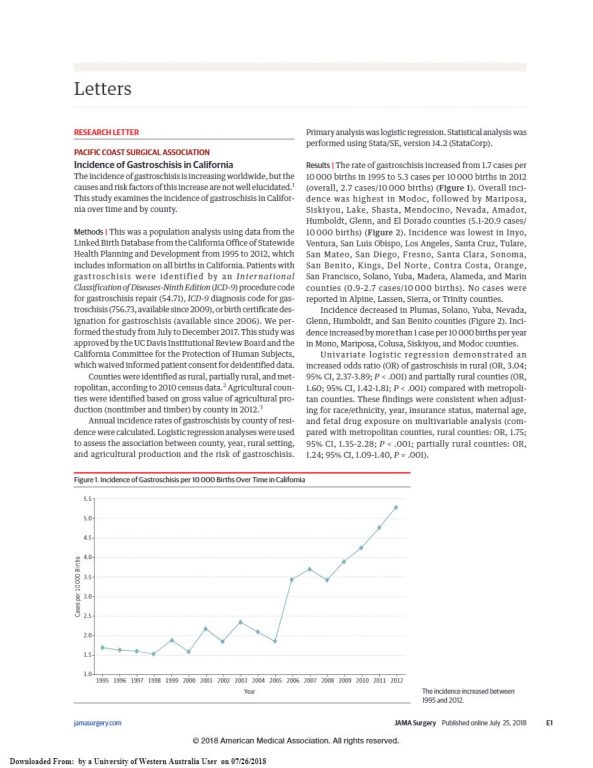
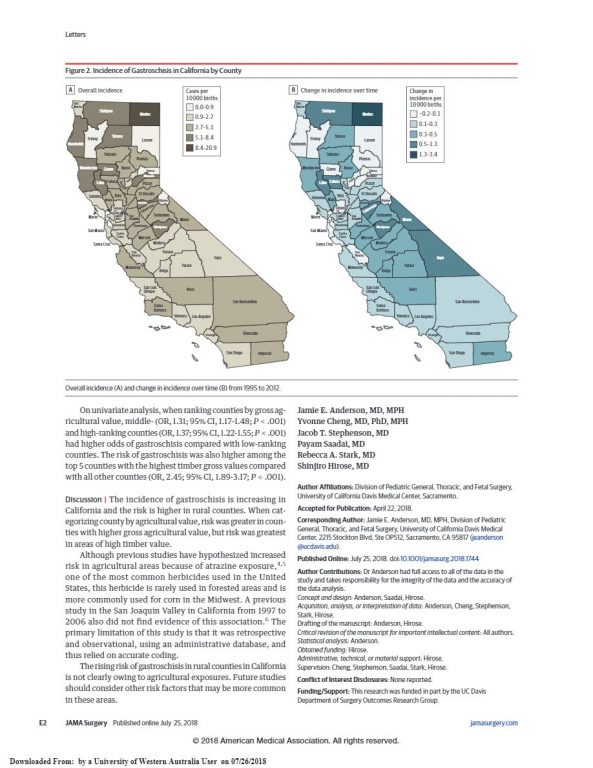
Similar findings play out in gastroschisis. There is an impressive concordance amongst the larger studies of the relationship of gastroschisis and congenital cannabis exposure where senior Canadian authors concluded that cannabis caused a three-fold rise in gastroschisis, consistent with a high density of CB1Rs on the umbilical vessels.

And cannabis has also been implicated as an indirect chromosomal clastogen and indirect genotoxin through its effect to disrupt the mitotic spindle by microtubule inhibition, and likely DNA maintenance and repair by its effect on nuclear actin filaments.

Moreover cannabidiol has been shown to alter the epigenome, to be genotoxic, and to bind to CB1Rs at high doses, so the simplistic case that “Cannabidiol is good” – fails.

These considerations imply that if clinical trials continue to show efficacy for additional indications for cannabinoids, their genotoxic and teratogenic potential, from both mother and father, will need to be carefully balanced with their clinical utility. They also imply that these issues will need to be more widely canvassed and discussed in order to introduce more balance into the heavily biased present global media coverage of the highly misleading misnomer “medical cannabis”.

Only once before has a known teratogen been marketed globally: the thalidomide disaster is the proximate reason for modern pharmaceutical laws. With its widespread uptake, rising concentrations, asymptotic genotoxic dose-response curves and actions through the paternal line cannabis could be much worse.

Albert S Reece
Doctor
University of Western Australia and Edith Cowan University at Joondalup in Western Australia
Brisbane

Source: https://www.bmj.com/content/362/bmj.k3357/rr-0


Source:

https://jamanetwork.com/journals/jamasurgery/article-abstract/2689028

Childhood adversity permanently alters the peripheral and central immune systems, increasing the sensitivity of the body’s immune response to cocaine, reports a study by researchers at the IRCCS Santa Lucia Foundation and University of Rome “La Sapienza,” Italy.

The study, published in Biological Psychiatry, showed that exposure to psychosocial stress early in life altered the structure of immune cells and inflammatory signals in mice and led to increased drug-seeking behavior. Exposure to early psychosocial stress in mice, or a difficult childhood in humans, increased the immune response to cocaine in adulthood, revealing a shared mechanism in the role of immune response in the effects of early life stress on cocaine sensitivity in mice and humans.

The findings help explain why as many as 50 percent of people who experience childhood maltreatment develop addiction problems. The results in mice and humans suggest that exposure to adversity during childhood triggers activation of the immune system, leading to permanent changes that sensitize the immune system and increase susceptibility to the effects of cocaine in adulthood.

“This paper suggests the existence of an extraordinary degree of interplay between the neural and immune systems related to the impact of early life stress on later risk for cocaine misuse. It both highlights the complex impact of early life stress and suggests an immune-related mechanism for reducing later addiction risk,” said John Krystal, MD, Editor of Biological Psychiatry.

After inducing psychosocial stress in 2-week-old mice by exposing them to a threatening male, first author Luisa Lo Iacono, PhD, and colleagues examined brain immune cells, called microglia, in adulthood. Early social stress altered the structure of microglia in the ventral tegmental area, a brain region important for the reward system and drug-seeking, and increased the response of microglia to cocaine. In the peripheral immune system, early social stress increased the release of inflammatory molecules from white blood cells, which was further amplified by exposure to cocaine, compared with control mice.

“Remarkably, pharmacologically blocking this immune activation during early life stress prevents the development of the susceptibility to cocaine in adulthood,” said senior author Valeria Carola, PhD. Mice who received an antibiotic to prevent activation of immune cells during social stress did not have cellular changes or drug-seeking behavior.

The study also compared immune system function of 38 cocaine addicts and 20 healthy volunteers. Those who experienced childhood maltreatment had increased expression levels of genes important for immune system function. And the highest levels were found in cocaine addicts who had experienced a difficult childhood.

The findings add to the growing collection of evidence from the research group for the negative effects of early life trauma on brain development. “Our work emphasizes once again the importance of the emotional environment where our children are raised and how much a serene and stimulating environment can provide them with an extra ‘weapon’ against the development of psychopathologies,” said Dr. Carola.

Source:  https://medkit.info/2018/07/17/childhood-adversity-increases-susceptibility-to-addiction-via-immune-response/

Abstract
Core deficits in social functioning are associated with various neuropsychiatric and neurodevelopmental disorders, yet biomarker identification and the development of effective pharmacological interventions has been limited. Recent data suggest the intriguing possibility that endogenous cannabinoids, a class of lipid neuromodulators generally implicated in the regulation of neurotransmitter release, may contribute to species-typical social functioning. Systematic study of the endogenous cannabinoid signaling could, therefore, yield novel approaches to understand the neurobiological underpinnings of atypical social functioning.

This article provides a critical review of the major components of the endogenous cannabinoid system (for example, primary receptors and effectors—Δ9-tetrahydrocannabinol, cannabidiol, anandamide and 2-arachidonoylglycerol) and the contributions of cannabinoid signaling to social functioning. Data are evaluated in the context of Research Domain Criteria constructs (for example, anxiety, chronic stress, reward learning, motivation, declarative and working memory, affiliation and attachment, and social communication) to enable interrogation of endogenous cannabinoid signaling in social functioning across diagnostic categories. The empirical evidence reviewed strongly supports the role for dysregulated cannabinoid signaling in the pathophysiology of social functioning deficits observed in brain disorders, such as autism spectrum disorder, schizophrenia, major depressive disorder, posttraumatic stress disorder and bipolar disorder. Moreover, these findings indicate that the endogenous cannabinoid system holds exceptional promise as a biological marker of, and potential treatment target for, neuropsychiatric and neurodevelopmental disorders characterized by impairments in social functioning.

Source: https://www.ncbi.nlm.nih.gov/pmc/articles/PMC5048207/

Introduction
Synaptic cell-adhesion molecules and their interactions with other molecular pathways affect both synapse formation and its function (Varoqueaux et al., 2006; Sudhof, 2008; Bemben et al., 2015a). Neurexins are presynaptic cell-adhesion molecules that interact with neuroligins and other postsynaptic partners. Neurexins are encoded by three genes, each of which encodes a long and short isoform, termed α- and β-neurexins, respectively (Sudhof, 2008). Interestingly, despite studies linking neurexins to autism and other neuropsychiatric disorders (Leone et al., 2010; Rabaneda et al., 2014), the precise cellular mechanisms underlying the role of neurexins in cognition remain poorly understood.

Since most biochemical studies of neurexins have focused on β-neurexins, investigating the synaptic actions of β-neurexins is particularly imperative. In their timely Cell article, Anderson et al. reported that β-neurexins selectively modulate synaptic strength at excitatory synapses by regulating postsynaptic endocannabinoid synthesis, describing an unexpected trans-synaptic mechanism for β-neurexins to control neural circuits via endocannabinoid signaling. 

Source: https://www.frontiersin.org/articles/10.3389/fnins.2016.00203/full

See also:

https://drugprevent.org.uk/ppp/2018/08/%CE%B2-neurexins-control-neural-circuits-by-regulating-synaptic-endocannabinoid-signaling/

Abstract
α- and β-neurexins are presynaptic cell-adhesion molecules implicated in autism and schizophrenia. We find that although β-neurexins are expressed at much lower levels than α-neurexins, conditional knockout of β-neurexins with continued expression of α-neurexins dramatically decreased neurotransmitter release at excitatory synapses in cultured cortical neurons. The β-neurexin knockout phenotype was attenuated by CB1-receptor inhibition which blocks presynaptic endocannabinoid signaling or by 2-arachidonoylglycerol synthesis inhibition which impairs postsynaptic endocannabinoid release. In synapses formed by CA1-region pyramidal neurons onto burst-firing subiculum neurons, presynaptic in vivo knockout of β-neurexins aggravated endocannabinoid-mediated inhibition of synaptic transmission and blocked LTP; presynaptic CB1-receptor antagonists or postsynaptic 2-arachidonoylglycerol synthesis inhibition again reversed this block. Moreover, conditional knockout of β-neurexins in CA1-region neurons impaired contextual fear memories. Thus, our data suggest that presynaptic β-neurexins control synaptic strength in excitatory synapses by regulating postsynaptic 2-arachidonoylglycerol synthesis, revealing an unexpected role for β-neurexins in the endocannabinoid-dependent regulation of neural circuits.

Source:  https://www.ncbi.nlm.nih.gov/pmc/articles/PMC4709013/

See also:

https://drugprevent.org.uk/ppp/2018/08/endocannabinoid-mediates-excitatory-synaptic-function-of-%ce%b2-neurexins-commentary-%ce%b2-neurexins-control-neural-circuits-by-regulating-synaptic-endocannabinoid-signaling/

Back to top of page

Powered by WordPress