2018 November

A three-month-old baby boy died after being left alone overnight while his mother smoked cannabis, a serious case review has found.

Social services dealt repeatedly with the child’s family before his death but closed the case after the woman said she had stopped using drugs.

A police investigation into potential neglect is currently ongoing. The review found the level of support provided to the family was “a proportionate response”.

The baby, who can be identified only as Child E, suffered a cardiac arrest in September 2017 after being found unresponsive with a blanket over his head at a home in Rochdale.

His mother, who also cannot be named, subsequently told police she had been using cannabis on the night before his death and had left the house between 01:00 and 02:00 BST to go to a local garage. The baby had been left lying in his pram for 12 hours without being checked.

Substance misuse

A serious case review by the Rochdale Borough Safeguarding Children Board found the family had interacted with police and health and social care workers repeatedly in the months before his death.

An anonymous referral made to Children’s Social Care also raised concerns about the mother’s substance misuse and the state of the home in which the family were living, the Board found.

The Board’s report said the mother “reported cannabis to be her drug of choice and cocaine less frequently.”

“It is true that many parents’ use of drugs does not present a risk of harm to their children. It is also true that many parents who use drugs have chaotic and unpredictable lifestyles that do impact on their ability to maintain stability and safe parenting of their children,” it said.

Despite this, the case was closed after the mother said she had stopped using drugs.

Risk

“This review therefore begs the question about how well professionals can be reassured that substance misuse that impacts on parenting is ever really resolved or whether some level of risk will always remain,” the report said.

It also found that the mother had been given detailed advice on safe sleeping guidelines for babies on three occasions.

“The learning from this review will be important to all agencies and will result in changes to procedures in line with the recommendations,” said the Board’s independent chair, Jane Booth.

Source: https://www.bbc.co.uk/news/uk-england-manchester-45970026 24th October 2018

OCTOBER 25, 2018 BY PARTNERSHIP NEWS SERVICE STAFF

A new study finds traffic accidents are increasing in states that have legalized recreational marijuana, Bloomberg reports.

Crashes have risen by as much as 6 percent in Colorado, Nevada, Oregon and Washington, compared with neighboring states that haven’t legalized marijuana for recreational use, according to research from the Insurance Institute for Highway Safety (IIHS) and Highway Loss Data Institute (HLDI).

“The new IIHS-HLDI research on marijuana and crashes indicates that legalizing marijuana for all uses is having a negative impact on the safety of our roads,” IIHS-HLDI President David Harkey said in a news release. “States exploring legalizing marijuana should consider this effect on highway safety.”

In a separate study, IIHS examined police-reported crashes before and after retail marijuana sales began in Colorado, Oregon and

Washington. The study found the three states combined saw a 5.2 percent increase in the rate of crashes per million vehicle registrations, compared with neighboring states that did not legalize marijuana.

Source: https://drugfree.org/learn/drug-and-alcohol-news/traffic-accidents-rising-in-states-with-legalized-recreational-marijuana Oct. 2018

Anybody wondering what happens to the 8 per cent of the skunk-smoking population who develop mental illness should visit any psychiatric hospital in Britain or speak to somebody who has done so What is really needed in dealing with cannabis is a “tobacco moment”, as with cigarettes 50 years ago, when a majority of people became convinced that smoking might give them cancer and kill them. Since then the number of cigarette smokers in Britain has fallen by two-thirds.

A depressing aspect of the present debate about cannabis is that so many proponents of legalisation or decriminalisation have clearly not taken on board that the causal link between cannabis and psychosis has been scientifically proven over the past ten years, just as the connection between cancer and cigarettes was proved in the late 1940s and 1950s.

The proofs have emerged in a series of scientific studies that reach the same grim conclusion: taking cannabis significantly increases the risk of schizophrenia. One study in The Lancet Psychiatry concludes that “the risk of individuals having a psychotic disorder showed a roughly three times increase in users of skunk-like cannabis, compared with those who never used cannabis”. As 94 per cent of cannabis seized by the police today is super-strength skunk, compared to 51 per cent in 2005, almost all those who take the drug today will be vulnerable to this three-fold increase in the likelihood that they will develop psychosis.

Mental health professionals have long had no doubts about the danger. Five years ago, I asked Sir Robin Murray, professor of psychiatric research at the Institute of Psychiatry in London, about them. He said that studies showed that “if the risk of schizophrenia for the general population is about one per cent, the evidence is that, if you take ordinary cannabis, it is two per cent; if you smoke regularly you might push it up to four per cent; and if you smoke ‘skunk’ every day you push it up to eight per cent”.

Anybody wondering what happens to this 8 per cent of the skunk-smoking population should visit any mental hospital in Britain or speak to somebody who has done so. Dr Humphrey Needham-Bennett, medical director and consultant psychiatrist of Cygnet Hospital, Godden Green in Sevenoaks, explained to me that among his patients “cannabis use is so common that I assume that people use or used it. It’s quite surprising when people say ‘no, I don’t use drugs’.”

The connection between schizophrenia and cannabis was long suspected by specialists but it retained its reputation as a relatively benign drug, its image softened by the afterglow of its association with cultural and sexual liberation in the 1960s and 1970s.

This ill-deserved reputation was so widespread that even 20 years ago, the possible toxic side effects of cannabis were barely considered. Zerrin Atakan, formerly head of the National Psychosis Unit at the Maudsley Psychiatric Hospital and later a researcher at the Institute of Psychiatry,

said: “I got interested in cannabis because I was working in the 1980s in an intensive care unit where my patients would be fine after we got them well. We would give them leave and they would celebrate their new found freedom with a joint and come back psychotic a few hours later.”

She did not find it easy to pursue her professional interest in the drug. She recalls: “I was astonished to discover that cannabis, which is the most widely used illicit substance, was hardly researched in the 1990s and there was no research on how it affected the brain.” She and fellow researchers made eight different applications for research grants and had them all turned down, so they were reduced to taking the almost unheard of course of pursuing their research without the support of a grant.

Studies by Dr Atakan and other psychiatrists all showed the connection between cannabis and schizophrenia, yet this is only slowly becoming conventional wisdom. Perhaps this should not be too surprising because in 1960, long after the link between cigarettes and lung cancer had been scientifically established, only a third of US doctors were persuaded that this was the case.

A difficulty is that people are frightened of mental illness and ignorant of its causes in a way that is no longer true of physical illnesses, such as cancer or even HIV. I have always found that three quarters of those I speak to at random about mental health know nothing about psychosis and its causes, and the other quarter know all too much about it because they have a relative or friend who has been affected.

Even those who do have experience of schizophrenia do not talk about it very much because they are frightened of a loved one being stigmatised. They may also be wary of mentioning the role of cannabis because they fear that somebody they love will be dismissed as a junkie who has brought their fate upon themselves.

This fear of being stigmatised affects institutions as well as individuals. Schools and universities are often happy to have a policy about everything from sex to climate change, but steer away from informing their students about the dangers of drugs. A social scientist specialising in drugs policy explained to me that the reason for this is because “they’re frightened that, if they do, everybody will think they have a drugs problem which, of course, they all do”.

The current debate about cannabis – sparked by the confiscation of the cannabis oil needed by Billy Caldwell to treat his epilepsy and by William Hague’s call for the legalisation of the drug – is missing the main point. It is all about the merits and failings of different degrees of prohibition of cannabis when it is obvious that legal restrictions alone will not stop the 2.1 million people who take cannabis from going on doing so. But the legalisation of cannabis legitimises it and sends a message that the government views it as relatively harmless. The very fact of illegality is a powerful disincentive for many potential consumers, regardless of the chances of being punished.

The legalisation of cannabis might take its production and sale out of the hands of criminal gangs, but it would put it into the hands of commercial companies who would want to make a profit, advertise their product and increase the number of their customers. Commercialisation of cannabis has as many dangers as criminalisation.

A new legal market in cannabis might be regulated and the toxicity of super-strength skunk reduced. But the argument of those who want to legalise cannabis is that the authorities are unable to enforce regulations when the drug is illegal, so why should they be more successful in regulating it when its production and sale is no longer against the law?

The problem with these rancorous but sterile arguments for and against legalisation and decriminalisation is that they divert attention from what should and can be done: a sustained campaign to persuade people of all ages that cannabis can send them insane. To a degree people are learning this already from bitter experience. As Professor Murray told me five years ago, the average 19- to 23-year-old probably knows more about the dangers of cannabis than the average doctor “because they have a friend who has gone paranoid. People know a lot more about bad trips than they used to.”

Patrick Cockburn is the co-author of Henry’s Demons: Living With Schizophrenia, A Father and Son’s Story

A depressing aspect of the present debate about cannabis is that so many proponents of legalisation or decriminalisation have clearly not taken on board that the causal link between cannabis and psychosis has been scientifically proven over the past ten years, just as the connection between cancer and cigarettes was proved in the late 1940s and 1950s.

The proofs have emerged in a series of scientific studies that reach the same grim conclusion: taking cannabis significantly increases the risk of schizophrenia. One study in The Lancet Psychiatry concludes that “the risk of individuals having a psychotic disorder showed a roughly three times increase in users of skunk-like cannabis, compared with those who never used cannabis”. As 94 per cent of cannabis seized by the police today is super-strength skunk, compared to 51 per cent in 2005, almost all those who take the drug today will be vulnerable to this three-fold increase in the likelihood that they will develop psychosis.

Home Secretary Sajid Javid: The government will carry out a review of the scheduling of cannabis for medicinal use

Mental health professionals have long had no doubts about the danger. Five years ago, I asked Sir Robin Murray, professor of psychiatric research at the Institute of Psychiatry in London, about them. He said that studies showed that “if the risk of schizophrenia for the general population is about one per cent, the evidence is that, if you take ordinary cannabis, it is two per cent; if you smoke regularly you might push it up to four per cent; and if you smoke ‘skunk’ every day you push it up to eight per cent”.

According to a Colorado Springs Gazette editorial about legalization in Colorado there has been a doubling of drivers involved in fatal crashes testing positive for marijuana. [1]

Marijuana significantly impairs driving including time and distance estimation and reaction times and motor coordination. [2] The National Highway Traffic Safety Administration lists marijuana as the most prevalent drug in fatally injured drivers with 28 % testing positive for marijuana. [3]

It is true that the crash risk for a driver on alcohol is higher than on marijuana. But to suggest it is safe to drive after using marijuana is irresponsible. An even greater danger is the combination of alcohol and marijuana that has severe psychomotor effects that impair driving. [4]

What about our kids? Vehicle crashes are the leading cause of death among those aged 16-25. [5] Weekend nighttime driving under the influence of marijuana among young drivers has increased by 48%. [6] About 13 % of high school seniors said they drove after using marijuana while only 10 % drove after having five or more drinks.[7] Another study showed about 28,000 seniors each year admitted to being in at least one motor vehicle accident after using marijuana. [8]

The marijuana industry is backing legalization. Do we want more dangerous drivers on our roads and dead kids so the industry can make money from selling marijuana?

References regarding DUI

[1] http://gazette.com/editorial-the-sad-anniversary-of-big-commercial-pot-in-colorado/article/1614900

[2] NHTSA, Use of Controlled Substances and Highway Safety; A Report to Congress (U.S. Dept. of Transportation, Washington, D.C., 1988)

[3] http://cesar.umd.edu/cesar/cesarfax/vol19/19-49.pdf

[4] https://www.cdc.gov/mmwr/preview/mmwrhtml/mm6448a1.htm?s_cid=mm6448a1_w

[5] Ibid.

[6] Ibid

[7] https://archives.drugabuse.gov/news-events/news-releases/drug-impaired-driving-by-youth-remains-serious-problem

[8] “Unsafe Driving by High School Seniors: National Trends from 1976 to 2001 in Tickets and Accidents After Use of Alcohol, Marijuana and Other Illegal Drugs.” Journal of Studies on Alcohol. May 2003

LEGALIZING POT WILL CAUSE MORE OPIATE USE

Legalizing marijuana will cause more marijuana use. Marijuana use is associated with an increased risk for substance use disorders. [1] The interaction between the opioid and the cannabinoid system in the human body might provide a neurobiological basis for a relationship between marijuana use and opiate abuse.[2] Marijuana use appears to increase rather than decrease the risk of developing nonmedical prescription opioid use and opioid use disorder. [3] In 2017, the National Academy of Sciences (NAS) landmark report written by top scientists concluded after a review of over 10,000 peer-reviewed academic articles, that marijuana use is connected to progression to and dependence on other drugs, including studies showing connections to heroin use. [4]

New research suggests that marijuana users may be more likely than nonusers to misuse prescription opioids and develop prescription opioid use disorder. The investigators analyzed data from more than 43,000 American adults. The respondents who reported past-year marijuana use had 2.2 times higher odds than nonusers of meeting diagnostic criteria for prescription opioid use disorder. They also had 2.6 times greater odds of initiating prescription opioid misuse. [5]

Marijuana used as a medicine is being sold as reducing the need for other medicines. However, a new study shows that medical marijuana users were significantly more likely to use prescription drugs in the past 12 months. Individuals who used medical marijuana were also significantly more likely to report nonmedical use in the past 12 months of any prescription drug with elevated risks for pain relievers, stimulants and tranquilizers. [6]

References regarding opiates

[1] JAMA Psychiatry. 2016 Apr;73(4):388-95. doi: 10.1001/jamapsychiatry.2015.3229.

Cannabis Use and Risk of Psychiatric Disorders: Prospective Evidence From a US National Longitudinal Study. Blanco C1, Hasin DS2, Wall MM2, Flórez-Salamanca L3, Hoertel N4, Wang S2, Kerridge BT2, Olfson M2. https://www.ncbi.nlm.nih.gov/pubmed/26886046

[2] Cadoni C, Pisanu A, Solinas M, Acquas E, Di Chiara G. Behavioural sensitization after repeated exposure to Delta 9-tetrahydrocannabinol and cross-sensitization with morphine. Psychopharmacology (Berl). 2001;158(3):259-266. Available from: https://www.researchgate.net/publication/11640927_Behavioral_sensitization_after_repeated_exposure_to_D9-tetrahydrocannabinol_and_cross-sensitization_with_morphine

[3] Cannabis Use and Risk of Prescription Opioid Use Disorder in the United States, Mark Olfson, M.D., M.P.H., Melanie M. Wall, Ph.D., Shang-Min Liu, M.S., Carlos Blanco, M.D., Ph.D. Published online: September 26, 2017at: https://doi.org/10.1176/appi.ajp.2017.17040413

[4] Health Effects of Cannabis and Cannabinoids: Current State of Evidence and Recommendations for Research. See: http://nationalacademies.org/hmd/~/media/Files/Report%20Files/2017/Cannabis-Health-Effects/Cannabis-chapter-highlights.pdf

[5] https://www.drugabuse.gov/news-events/news-releases/2017/09/marijuana-use-associated-increased-risk-prescription-opioid-misuse-use-disorders

[6] Journal of Addiction Medicine, http://www.newswise.com/articles/view/693004/?sc=dwtn

MARIJUANA USE BEFORE, DURING OR AFTER PREGNANCY CAN CAUSE SERIOUS MEDICAL CONDITIONS, LEARNING PROBLEMS, AND BIRTH DEFECTS

Legalizing marijuana will cause more marijuana use among women of child bearing age. Prenatal marijuana use has been linked with:

1. Developmental and neurological disorders and learning deficits in children.

3. Premature birth, miscarriage, stillbirth.

4. An increased likelihood of a person using marijuana as a young adult.

5. The American Medical Association states that marijuana use may be linked with low birth weight, premature birth, behavioral and other problems in young children.

6. Birth defects and childhood cancer.

7. Reproductive toxicity affecting spermatogenesis which is the process of the formation of male gamete including meiosis and formation of sperm cells.

Moderate concentrations of THC, the main psychoactive substance in marijuana, when ingested by mothers while pregnant or nursing, could have long-lasting effects on the child, including increasing stress responsivity and abnormal patterns of social interactions. THC consumed in breast milk could affect brain development.

References regarding pregnancy

Volkow ND, Compton WM, Wargo EM. The risks of marijuana use during pregnancy. JAMA. 2017;317(2):129-130.

https://www.drugabuse.gov/publications/research-reports/marijuana/letter-director

https://www.acog.org/Clinical-Guidance-and-Publications/Committee-Opinions/Committee-on-Obstetric-Practice/Marijuana-Use-During-Pregnancy-and-Lactation

https://womenintheworld.com/2015/11/17/ama-pushes-for-regulation-on-pot-use-during-pregnancy/?refresh

http://omr.bayer.ca/omr/online/sativex-pm-en.pdf

https://www.cdc.gov/marijuana/pdf/marijuana-pregnancy-508.pdf

Risk of Selected Birth Defects with Prenatal Illicit Drug Use, Hawaii, 1986-2002, Journal of Toxicology and Environmental Health, Part A, 70: 7-18, 2007

Maternal use of recreational drugs and neuroblastoma in offspring: a report from the Children’s Ocology Group., Cancer Causes Control, 2006 Jun:17(5):663-9, Department of Epidemiology, University of North Carolina at Chapel Hill.

DO YOU CARE?

Do you care…about our Environment? Marijuana growing creates environmental contamination. [1]

Do you care…about Pedestrian and Motor Vehicle Deaths caused by marijuana impaired drivers?

Increased marijuana impaired driving due to the increased potency of THC creates more risk.[2]

Do you care…about Freedom of Choice? Cannabis Use Disorder destroys freedom of choice. [3]

Do you care…about Violence, Domestic Abuse and Child abuse? Oftentimes marijuana is reported in incidents of violence. Continued marijuana use is associated with a 7-fold greater odds for subsequent commission of violent crimes. [4]

Do you care…about Safety in the Workplace? Numerous professions and trades require alertness that marijuana use can impair. Employers experience challenges to requirements for drug free workplaces, finding difficulty in hiring with many failing marijuana THC drug tests. [5]

Do you care…about Substance Use Disorders and the growing Addiction Epidemic? Recent data suggest that 30% of those who use marijuana may have some degree of marijuana use disorder. That sounds small? 22,000,000 US marijuana users x 30% = over 6,000,000 with a marijuana use disorder. There is a link between adolescent pot smoking and psychosis. [6]

Do you care…about Suicide Prevention? Marijuana use greatly increases risk of suicide especially among young people. [7]

Do you care…about your Pets? Vets report increases in marijuana poisoned pets since normalizing and commercializing of marijuana. [8]

Do you care…about our Students and Schools? Normalization of marijuana use brought increased use to schools. Edibles and vaping have made use harder to detect. Colorado has had an increase in high school drug violations of 71% since legalization and school suspensions for drugs increased 45%. [9]

Do you care…about Racial Inequality? Marijuana growers and sellers typically locate in poorer neighborhoods and degrade the quality of the areas. Arrests of people of color have increased since drug legalization while arrests of Caucasians have decreased. [10].

Do you care…about Our Kids and Grandkids, the Next Generations? Help protect them by advocating for their futures. [11] Please oppose increasing the use of marijuana

References

[1] https://silentpoison.com/

[2] https://www.cdc.gov/mmwr/preview/mmwrhtml/mm6448a1.htm?s_cid=mm6448a1_w

[3] https://www.drugabuse.gov/publications/research-reports/marijuana/marijuana-addictive

[4] https://www.psychologytoday.com/blog/the-new-brain/201603/marijuana-use-increases-violent-behavior

https://www.researchgate.net/publication/297718566_Continuity_of_cannabis_use_and_violent_offending_over_the_life_course

https://www.omicsonline.org/open-access/marijuana-violence-and-law-2155-6105-S11-014.pdf https://www.healthychildren.org/English/ages-stages/teen/substance-abuse/Pages/legalizing-marijuana.aspx http://www.poppot.org/wp-content/uploads/2018/02/020518-Child-dangers-fact-sheet-FINAL_updated.pdf?x47959

[5] http://www.questdiagnostics.com/home/physicians/health-trends/drug-testing.html

[6] https://jamanetwork.com/journals/jamapsychiatry/fullarticle/2464591

https://www.drugabuse.gov/publications/research-reports/marijuana/what-scope-marijuana-use-in-united-states https://www.drugabuse.gov/publications/drugfacts/marijuana https://www.drugabuse.gov/publications/drugfacts/marijuana

https://www.scientificamerican.com/article/link-between-adolescent-pot-smoking-and-psychosis-strengthens/

[7] https://onlinelibrary.wiley.com/doi/full/10.1002/wps.20170

http://www.thelancet.com/pdfs/journals/lanpsy/PIIS2215-0366(14)70307-4.pdf

[8] http://www.petpoisonhelpline.com/poison/marijuana/

[9] http://gazette.com/editorial-the-sad-anniversary-of-big-commercial-pot-in-colorado/article/1614900

https://youtu.be/BApEKGUpcXs Weed Documentary from a high school in Oregon

[10] https://learnaboutsam.org/comprehensive-study-finds-marijuana-legalization-drives-youth-use-crime-rates-black-market-harms-communities-color/

[11] https://www.healthychildren.org/English/ages-stages/teen/substance-abuse/Pages/legalizing-marijuana.aspx

https://learnaboutsam.org/legalization/

http://nationalacademies.org/hmd/~/media/Files/Report%20Files/2017/Cannabis-Health-Effects/Cannabis-chapter-highlights.pdf

MARIJUANA EXPOSURES AMONG CHILDREN INCREASE BY UP TO OVER 600%

The rate of marijuana exposures among children under the age of six increased by 610% in the “medical” marijuana states according to a study published in Clinical Pediatrics. The data comes from the National Poison Data System. 75% percent of the children ingested edible marijuana products such as marijuana-infused candy. Clinical effects include drowsiness or lethargy, ataxia [failure of muscle coordination], agitation or irritability, confusion and coma, respiratory depression, and single or multiple seizures.

http://journals.sagepub.com/doi/full/10.1177/0009922815589912

MORE FACTS

Today’s marijuana is very high in potency and can reach 99% THC. It is very destructive and causes addiction, mental illness, violence, crime, DUIs and many health and social problems.

https://herb.co/marijuana/news/thc-a-crystalline

FACTS FROM COLORADO

The people who are pushing marijuana legalization paint Colorado as a pot paradise. This is not true according to Peter Droege who is the Marijuana and Drug Addiction Policy Fellow for the Centennial Institute a policy think tank in Lakewood Colorado. In a April 20, 2018 opinion article he states that:

According to the 2016 National Survey on Drug Use and Health (NSDUH), Colorado is a national leader among 12-17-year-olds in (1) Last year marijuana use; (2) Last month marijuana use; and (3) The percentage of youth who tried marijuana for the first time.

A 2017 analysis by the Denver Post showed Colorado had experienced a 145% increase in the number of fatal crashes involving marijuana-impaired drivers between 2013 and 2016. While the analysis stresses that the increase cannot definitively be attributed to the legalization of marijuana, it reports that the number of marijuana-impaired drivers involved in fatal crashes has more than doubled since 2013, the year before the state legalized recreational marijuana use.

A July 20, 2016 article in Westword magazine reports that increased homelessness, drugs, and crime are causing local residents and convention visitors to shun Denver’s 16th Street Mall, once one of the most vibrant tourist destinations in the region.

A group of concerned scientists from Harvard University and other institutions wrote a letter to Governor Hickenlooper on March 10, 2017, seeking to correct the record after his Feb. 26, 2017, interview on Meet the Press in which he told Chuck Todd that Colorado had not seen a spike in youth drug use after the legalization of recreational marijuana, and that there was “anecdotal” evidence of a decline in drug dealers – claims he repeated in Rolling Stone.

In the letter, the scientists reference numerous studies, including the NSDUH survey, that report a dramatic increase in youth marijuana use, emergency room visits, mental health issues and crime tied to the legalization of marijuana in Colorado. They quote an official from the state’s attorney general’s office saying legalization “has inadvertently helped fuel the business of Mexican drug cartels … cartels are now trading drugs like heroin for marijuana, and the trade has since opened the door to drug and human trafficking.”

Today’s high-potency “crack weed” is marketed to youth through vapes, candies, energy drinks, lip balms and other products easy to conceal in homes and schools. Most dispensaries in Colorado are located in low-income neighborhoods, targeting young people who do not need another obstacle in fulfilling their great potential in life. *

* https://www.usatoday.com/story/opinion/2018/04/20/colorado-governor-marijuana-hickenlooper-column/53

3731002/

MARIJUANA RELATED SUICIDES OF YOUNG PEOPLE IN COLORADO

Marijuana is the Number 1 substance now found in suicides of young people in Colorado who are 10-19 years old. Go to the below Colorado website and click on the box that lists “methods, circumstances and toxicology” and then click on the two boxes for 10-19 years olds. The marijuana data will appear.

https://cohealthviz.dphe.state.co.us/t/HSEBPublic/views/CoVDRS_12_1_17/Story1?:embed=y&:showAppBanner=false&:showShareOptions=true&:display_count=no&:showVizHome=no#4)

55% OF COLORADO MARIJUANA USERS THINK IT’S SAFE TO DRIVE WHILE HIGH

55% of marijuana users surveyed by the Colorado Department of Transportation last November said they believed it was safe to drive under the influence of marijuana. Within that group, the same percentage said they had driven high in the past 30 days, on average 12 times. A recent analysis of federal traffic fatality data by the Denver Post found that the number of Colorado drivers involved in fatal crashes who tested positive for marijuana has doubled since 2013.

CDOT survey: More than half of Colorado marijuana users think it’s safe to drive while high

TODDLERS WITH LUNG INFLAMMATION

In Colorado one in six infants and toddlers hospitalized for lung inflammation are testing positive for marijuana exposure. This has been a 100% increase since legalization (10% to 21%). Non-white kids are more likely to be exposed than white kids.

https://www.sciencedaily.com/releases/2016/04/160430100247.htm

TEEN ER VISITS

Marijuana related emergency room visits by Colorado teens is substantially on the rise. They see more kids with psychotic symptoms and other mental health problems and chronic vomiting due to marijuana use.

https://www.reuters.com/article/us-health-marijuana-kids/marijuana-related-er-visits-by-colorado-teens-on-the-rise-idUSKBN1HO38A

LOW BIRTH WEIGHTS

The Colorado School of Public Health reports that there is a 50% increase in low birth weights among women who use marijuana during pregnancy. Low birth weight sets the stage for future

health problems including infection and time spent in neonatal intensive care.

https://www.sciencedaily.com/releases/2018/04/180423125052.htm

EMERGENCY CARE

Colorado Cannabis Legalization and Its Effect on Emergency Care

“Not surprisingly, increased marijuana use after legalization has been accompanied by an increase in the number of ED visits and hospitalizations related to acute marijuana intoxication. Retrospective data from the Colorado Hospital Association, a consortium of more than 100 hospitals in the state, has shown that the prevalence of hospitalizations for marijuana exposure in patients aged 9 years and older doubled after the legalization of medical marijuana and that ED visits nearly doubled after the legalization of recreational marijuana, although these findings may be limited because of stigma surrounding disclosure of marijuana use in the prelegalization era. However, this same trend is reflected in the number of civilian calls to the Colorado poison control center. In the years after both medical and recreational marijuana legalization, the call volume for marijuana exposure doubled compared with that during the year before legalization.

Kim HS, Monte AA. Colorado cannabis legalization and its effect on emergency care. Ann Emerg Med. 2016;68:71-75.

https://search.aol.com/aol/search?q=http%3a%2f%2fcolorado%2520cannabis%2520legalization%2520and%2520its%2520effect%2520on%2520emergency%2520care%2e&s_it=loki-dnserror

CONTAMINATION OF MARIJUANA PRODUCTS

There is contamination in marijuana products in Colorado. The Colorado Department of Public Health and Environment claims that “Cannabis is a novel industry, and currently, no recognized standard methods exist for the testing of cannabis or cannabis products.”

https://www.colorado.gov/pacific/cdphe/marijuana-sciences-reference-library

Unified Police Sgt. Melody Gray described the process as similar to making a pipe bomb.

But some marijuana users — and dealers — are willing to take that risk despite potentially dangerous results.

For the past several years, law enforcement in several states have been combating the increasing popularity of something called “dabs.” Dabs, or hash oil concentrate, are made by extracting THC from marijuana plants. Other similar concentrate products include marijuana wax and “shatter.”

While marijuana typically contains about 15 percent THC, a dab has 80 to 90 percent THC, said Unified police detective Orin Neal.

“It’s a greater high, it’s a more intense high,” he said, noting that the potency makes it dangerous.

But in order to get that extraction, a solvent is needed, and dab producers typically use butane, which is why dabs are also referred to as butane hash oil. And sometimes, those attempting to extract THC using butane try to speed up the process by adding a heating element such as a hot plate.

Neal said the combination of butane and heat or an open flame often results in explosions.

“It’s a recipe for disaster, really,” Neal said.

Police say that’s what happened June 26, when a 33-year-old woman was critically injured in an explosion in a basement at 3329 S. Scott Ave.

“In this situation and many other situations, I think it happens accidentally. They’re doing this operation in an area that’s not properly ventilated. And because butane is so combustible and highly flammable, any exposure to any open flame — from a pilot light on a water heater or a furnace in a house to an oven to lighting a cigarette in a house or anything like that — could cause a huge explosion, which is what happened the other day,” he said.

Neal said the result was like a bomb going off inside the small, enclosed basement room.

Dabs have become a nationwide trend. In some states, the drug and the dangerous manufacturing of it have been a problem for law enforcers for several years.

“The use of butane has caused multiple explosions all over the country, including one in a university housing complex near the University of Montana in October of 2014. These explosions have killed and severely burned people of all ages nationwide. The explosions are also causing serious structural damage to property and neighboring properties,” officer Jermaine Galloway wrote in Utah State Trooper magazine in 2017.

Some states have made possession of dabs a felony crime while marijuana possession is a misdemeanor. Utah does not distinguish between the two.

The fad has only recently become an issue in Utah. But police fear as it catches on and more people attempt to manufacture their own dabs, it will become like the meth lab problem of 30 years ago.

Neal said he has seen two or three explosions locally due to THC extraction.

The dab trend “is currently sweeping the country and is overwhelming some law enforcement, educators, safety officials and parents,” Galloway wrote a year ago. “This ‘new’ marijuana is completely different than anything we have dealt with in the past.”

Source: Officer Galloway & The Northwest Alcohol Conference jermaine@tallcopsaysstop.comJuly2018

The medical marijuana market is in a downward spiral as businesses, lured by big money, shift to recreational

At the height of the medical marijuana industry there were 420 dispensaries in Oregon. Now there are only eight.

In 2015, Erich Berkovitz opened his medical marijuana processing company, PharmEx, with the intention of getting sick people their medicine. His passion stemmed from his own illness. Berkovitz has Tourette syndrome, which triggers ticks in his shoulder that causes chronic pain. Cannabis takes that away.

Yet in the rapidly changing marijuana landscape, PharmEx is now one of three medical-only processors left in the entire state of Oregon.

On the retail end, it’s also grim. At the height of the medical marijuana industry in 2016, there were 420 dispensaries in Oregon available to medical cardholders. Today, only eight are left standing and only one of these medical dispensaries carries Berkovitz’s products.

Ironically, Oregon’s medical marijuana market has been on a downward spiral since the state legalized cannabis for recreational use in 2014. The option of making big money inspired many medical businesses to go recreational, dramatically shifting the focus away from patients to consumers. In 2015, the Oregon Liquor Control Commission (OLCC) took over the recreational industry. Between 2016 and 2018, nine bills were passed that expanded consumer access to marijuana while changing regulatory procedures on growing, processing and packaging.

In the shuffle, recreational marijuana turned into a million-dollar industry in Oregon, while the personalized patient-grower network of the medical program quietly dried up.

Now, sick people are suffering.

“For those patients that would need their medicine in an area that’s opted out of recreational sales, and they don’t have a grower or they’re not growing on their own, it does present a real access issue for those individuals,” said André Ourso, an administrator for the Center for Health Protection at the Oregon Health Authority. The woes of the Oregon Medical Marijuana Program (OMMP) were outlined in a recently published report by the Oregon Health Authority. The analysis found the program suffers from “insufficient and inaccurate reporting and tracking,” “inspections that did not keep pace with applications”, and “insufficient funding and staffing”.

Operating outside of Salem, Oregon, PharmEx primarily makes extracts – a solid or liquid form of concentrated cannabinoids. Through his OMMP-licensed supply chain, he gets his high dose medicine to people who suffer from cancer, Crohn’s, HIV and other autoimmune diseases. Many are end-of-life patients.

These days, most recreational dispensaries sell both consumer and medical products, which are tax-free for cardholders. The problem for Berkovitz is that he’s only medically licensed. This means recreational dispensaries can’t carry his exacts. Legally, they can

only sell products from companies with an OLCC license. Since issuing almost 1,900 licenses, the OLCC has paused on accepting new applications until further notice.

Limits on THC – a powerful active ingredient in cannabis products – are also an issue, according to Berkovitz. With the dawn of recreational dispensaries, the Oregon Health Authority began regulating THC content. A medical edible, typically in the form of a sweet treat, is now capped at 100mg THC, which Berkovitz says is not enough for a really sick person.

“If you need two 3000mg a day orally and you’re capped at a 100mg candy bar, that means you need 20 candy bars, which cost $20 a pop,” he said. “So you’re spending $400 a day to eat 20 candy bars.”

“The dispensaries never worked for high dose patients, even in the medical program,” continued Berkovitz. “What worked was people who grew their own and were able to legally process it themselves, or go to a processor who did it at a reasonable rate.”

But with increased processing and testing costs, and a decrease on the number of plants a medical grower can produce, patients are likely to seek cannabis products in a more shadowy place – the black market.

“All the people that we made these laws for – the ones who are desperately ill – are being screwed right now and are directed to the black market,” said Karla Kay, the chief of operations at PharmEx.

Kay, who also holds a medical marijuana card for her kidney disease, said some patients she knows have resorted to buying high dose medical marijuana products illegally from local farmers markets – in a state that was one of the first to legally establish a medical cannabis industry back in 1998.

Moreover, the networks between medical patients, growers and processors have diminished.

The OMMP maintains a record of processors and the few remaining dispensaries, but no published list of patients or grow sites – a privacy right protected under Oregon law, much to the chagrin of law enforcement.

According to the Oregon Health Authority’s report, just 58 of more than 20,000 medical growers were inspected last year.

In eastern Oregon’s Deschutes county, the sheriff’s office and the district attorney have repeatedly requested the location of each medical marijuana grower in their county. They’ve been consistently denied by the Oregon Health Authority.

Recently, the sheriff has gone as far as hiring a detective to focus solely on enforcing marijuana operations.

“There is an overproduction of marijuana in Oregon and the state doesn’t have adequate resources to enforce the laws when it comes to recreational marijuana, medical marijuana, as well as ensuring the growth of hemp is within the THC guidelines,” said the Deschutes sheriff, Shane Nelson. As of last February, the state database logged 1.1m pounds of cannabis flower, as reported by the Willamette Week in April. That’s three times what residents buy in a year, which means the excess is slipping out of the regulated market. To help curb the trend, senate bill 1544 was passed this year to funnel part of the state’s marijuana tax revenues into the Criminal Justice Commission and provide the funding needed to go after the black market, especially when it comes to illicit Oregon weed being smuggled to other states. The program’s priority is “placed on rural areas with lots of production and diversion, and little law enforcement”, said Rob Bovett, the legal counsel with the Association of Oregon Counties, who crafted the bill.

In a May 2018 memo on his marijuana enforcement priorities, Billy J Williams, a US attorney for the district of Oregon, noted that “since broader legalization took effect in 2015, large quantities of marijuana from Oregon have been seized in 30 states, most of which continue to prohibit marijuana.”

As of 1 July, however, all medical growers that produce plants for three or more patients – about 2,000 growers in Oregon – must track their marijuana from seed-to-sale using the OLCC’s Cannabis Tracking System.

Berkovitz, however, is looking to cut out the middle man (namely dispensaries) to keep PharmEx afloat. “The only way the patients are going to have large, high doses of medicine is if we revive the patient-grower networks. They need to communicate with each other. No one’s going to get rich, but everybody involved will get clean medicine from the people they trust at a more affordable rate.”

Source: https://www.theguardian.com/society/2018/jul/31/oregon-cannabis-medical-marijuana-problems-sick-people

Teens who use e-cigarettes may be more likely to try marijuana in the future, especially if they start vaping at a younger age, a new study shows.

More than 1 in 4 teenagers who reported  use eventually progressed to smoking pot, according to the survey of more than 10,000 teens.

That compared with just 8 percent of non-vapers, said lead researcher Hongying Dai, senior biostatistician with Children’s Mercy Hospital in Kansas City, Mo.

Further, teens who started vaping early had a greater risk of subsequent  use.

Kids aged 12 to 14 who used e-cigarettes were 2.7 times more likely to try marijuana than their peers, compared with a 1.6 times greater risk for teens who tried vaping between 15 and 17.

“Our findings suggest that the widespread use of e-cigarettes among youth may have implications for uptake of other drugs of abuse beyond nicotine and tobacco products,” Dai said.

For the study, Dai and her colleagues twice surveyed 10,364 kids aged 12 to 17—once in 2013-2014, and again a year later.

The researchers found that teens who’d reported using e-cigarettes in the first wave were more likely to have tried marijuana for the first time during the subsequent year.

Results also showed that 12- to 14-year-olds who had tried e-cigs were 2.5 times more likely to become heavy marijuana users, smoking pot at least once a week.

Worse still, the researchers found that the more often  used e-cigarettes, the more likely they were to either try marijuana or become a heavy pot smoker.

Dai said the nicotine contained in e-cigarette vapor could be altering the brain chemistry of young teens.

“The brain is still developing during the  years; nicotine exposure might lead to changes in the central nervous system that predisposes teens to dependence on other drugs of abuse,” Dai said.

It’s also possible that experimenting with e-cigarettes might increase a teen’s curiosity about marijuana, and reduce any worries about marijuana use, Dai added.

Additionally, kids who use e-cigarettes could be more likely to run with a crowd that tries other substances, said Dai and Dr. Scott Krakower, assistant unit chief of psychiatry at Zucker Hillside Hospital in Glen Oaks, N.Y.

“E-cigarettes are going to be in the same drug culture as other things,” Krakower said.

These findings should be concerning to parents because kids might not stop at trying marijuana, he said.

“If you go to marijuana, is that going to lead to pills? Is that going to lead to something else?” Krakower said. “When we see progression to another substance, it’s like the ‘and then what’ cascade—they went to marijuana, and then what?”

Since this is a survey, it can’t prove a cause-and-effect relationship. And it’s possible that wild, risk-taking teens who try e-cigarettes are predisposed to be adventurous with other drugs, Dai and Krakower said.

“It could be that they have more of that sensation-seeking personality, and if they pick up one they’re going to pick up the other,” Krakower said.

But Dai said her team took that into account, and even after adjusting for sensation seeking, “ever e-cigarette use was still significantly associated with subsequent marijuana use.”

Krakower recommends that parents look for warning signs of e-cigarette use—marked irritability, hiding things, skirting the truth—and put their foot down hard.

“There should be zero tolerance for this kind of behavior,” Krakower said.

Gregory Conley, president of the American Vaping Association, agreed.

“E-cigarettes are adult products and are not intended for youth of any age,” Conley said. “We agree with the authors’ conclusion that more education is needed to help young people understand the consequences of using age-restricted products and illicit drugs.”

The new study was published online April 23 in the journal Pediatrics.

Source: https://medicalxpress.com/news/2018-04-vaping-teens-pot.html April 2018

There are several principal pathways to inheritable genotoxicity, mutagenicity and teratogenes is induced by cannabis which are known and well established at this time including the following.
These three papers discuss different aspects of these effects.

1) Stops Brain Waves and Thinking The brain has both stimulatory and inhibitory pathways.  GABA is the main brain inhibitory pathway. Brain centres talk to each other on gamma (about 40 cycles/sec) and theta frequencies (about 5 cycles/sec), where the theta waves are  used as the carrier waves for the gamma wave which then interacts like harmonics in music.
The degree to which the waves are in and out of phase carries information which can be monitored externally. GABA (γ-aminobutyric acid) inhibition is key to the generation of the synchronized firing which underpins these various brain oscillations. These GABA transmissions are controlled presynaptically by type 1 cannabinoid receptors (CB1R’s) and CB1R stimulation shuts them down. This is why cannabis users forget and fall asleep.

2) Blocks GABA Pathway and Brain Formation GABA is also a key neurotransmitter in  brain formation in that it guides and direct neural stem cell formation and transmission and development and growth of the cerebral cortex and other major brain areas. Gamma and theta  brain waves also direct neural stem cell formation, sculpting and connectivity.

Derangements then of GABA physiology imply that the brain will not form properly. Thin frontal cortical  plate measurements have been shown in humans prenatally exposed to cannabis by fMRI.
This implies that their brains can never be structurally normal which then explains the long lasting and persistent defects identified into adulthood.

3) Epigenetic Damage DNA not only carries the genetic hardware of our genetic code but it also carries the software of the code which works like traffic lights along the sequence of DNA bases to direct when to switch the genes on and off. This is known as the “epigenetic code”.

Fetal alcohol syndrome is believed to be due to damage to the software epigenetic code. The long lasting intellectual, mood regulation, attention and concentration defects which have been described after in utero cannabis exposure in the primary, middle and high schools and as college age young adults are likely due to these defects. Epigenetics “sets in stone” the errors of brain structure made in (2) above.

4) Arterial Damage. Cannabis has a well described effect to damage arteries through (CB1R’s) (American Heart Association 2007) which they carry in high concentration (Nature Reviews Cardiology 2018). In adults this causes heart attack (500% elevation in the first hour after smoking), stroke, severe cardiac arrhythmias including sudden cardiac death; but in developing babies CB1R’s acting on the developing heart tissues can lead to at least six major cardiac defects (Atrial- ventricular- and mixed atrio-ventricular and septal defects, Tetralogy of Fallot, Epstein’s deformity amongst others), whilst constriction of various babies’ arteries can lead to serious side effects such as gastroschisis (bowels hanging out) and possibly absent limbs (in at least one series).

5) Disruption of Mitotic Spindle. When cells divide the separating chromosomes actually slide along “train tracks” which are long chains made of tubulin. The tubulin chains are called “microtubules” and the whole football-shaped structure is called a “mitotic spindle”. Cannabis inhibits tubulin formation, disrupting microtubules and the mitotic spindle causing the separating chromosomes to become cut off in tiny micronuclei, where they eventually become smashed up and pulverized into “genetic junk”, which leads to foetal malformations, cancer and cell death. High rates of Down’s syndrome, chromosomal anomalies and cancers in cannabis exposed babies provide clinical evidence of this.

6) Defective Energy Generation & Downstream DNA Damage DNA is the crown jewel of the cell and its most complex molecule. Maintaining it in good repair is a very energy intensive process. Without energy DNA cannot be properly maintained. Cannabis has been known to reduce cellular energy production by the cell’s power plants, mitochondria, for many decades now. This has now been firmly linked with increased DNA damage, cancer formation and aging of the cells and indeed the whole organism. As it is known to occur in eggs and sperm, this will also damage the quality of the germ cells which go into forming the baby and lead directly to damaged babies and babies lost and wasted through spontaneous miscarriage and therapeutic termination for severe deformities.

7) Cancer induction Cannabis causes 12 cancers and has been identified as a carcinogen by the California Environmental Protection agency (2009). This makes it also a mutagen. 4 of these cancers are inheritable to children; i.e. inheritable carcinogenicity and mutagenicity. All four studies in testicular cancer are strongly positive (elevation by three fold). Carcinogen = mutagen = teratogen.

8) Colorado’s Teratology Profile. From the above described teratological profile we would expect exactly the profile of congenital defects which have been identified in Colorado (higher total defects and heart defects, and chromosomal defects) and Ottawa in Canada (long lasting and persistent brain damage seen on both functional testing and fMRI brain scans in children exposed in utero) where cannabis use has become common.

Gastroschisis was shown to be higher in all seven studies looking at this; and including in Canada, carefully controlled studies. Moreover in Australia, Canada, North Carolina, Colorado, Mexico and New Zealand, gastroschisis and sometimes other major congenital defects cluster where cannabis use is highest. Colorado 2000-2013 has experienced an extra 20,152 severely abnormal births above the rates prior to cannabis liberalization which if applied to the whole USA would equate to more than 83,000 abnormal babies live born annually (and probably about that number again therapeutically aborted); actually much more since both the number of users and concentration of cannabis have risen sharply since 2013, and cannabis has been well proven to be much more severely genotoxic at higher doses.

9) Cannabidiol is also Genotoxic and tests positive in many genotoxicity assays, just as tetrahydrocannabinol does.

10) Births defects registry data needs to be open and transparent and public. At present it is not. This looks too much like a cover up.

Source: Email from Dr Stuart Reece to Drug Watch International members May 2018

[youtube https://www.youtube.com/watch?v=uTLLUKsbyaY&w=560&h=315]

Source: http://www.protectoursociety.org/

Filed under: Cannabis/Marijuana :

WASHINGTON – The Drug Enforcement Administration today announced the establishment of six new enforcement teams focused on combatting the flow of heroin and illicit fentanyl. 

 “At a time when overdose deaths are at catastrophic levels, the DEA’s top priority is addressing the opioid epidemic and pursuing the criminal organizations that distribute their poison to our neighborhoods,” said DEA Acting Administrator Robert W. Patterson. “These teams will enhance DEA’s ability to combat trafficking in heroin, fentanyl, and fentanyl analogues and the violence associated with drug trafficking.”

The enforcement teams will be based in communities facing significant challenges with heroin and fentanyl, including New Bedford, Mass.; Charleston, W.Va.; Cincinnati, Ohio; Cleveland, Ohio; Raleigh, N.C.; and Long Island, N.Y.

In determining the locations for these teams, DEA considered multiple factors, including rates of opioid mortality, level of heroin and fentanyl seizures, and where additional resources would make the greatest impact in addressing the ongoing threat. While the teams are based in specific cities, their investigations will not be geographically limited. DEA will continue to pursue investigations wherever the evidence leads.

DEA received funding in its FY 2017 enacted appropriations to establish these teams, which will be comprised of DEA special agents and state and local task force officers. 

The abuse of controlled prescription drugs is inextricably linked with the threat the United States faces from the trafficking of heroin, fentanyl and fentanyl analogues. 

Drug overdoses are now the leading cause of injury-related death in the United States, eclipsing deaths from motor vehicle crashes or firearms. According to initial estimates provided by the Centers for Disease Control and Prevention, there were more than 64,000 overdose deaths in 2016, or approximately 175 per day. More than 34,500, or 54 percent, of these deaths were caused by opioids. 

The DEA continues to aggressively pursue enforcement actions against international and domestic drug trafficking organizations manufacturing and distributing heroin, fentanyl and fentanyl analogues. Just last week, the Department of Justice announced indictments against two Chinese nationals and their North America-based traffickers and distributors for separate conspiracies to distribute large quantities of fentanyl and fentanyl analogues and other opiate substances in the United States.  

Source: Email from U.S. Drug Enforcement Administration <dea@public.govdelivery.com> October 2017

In the following video, GW Pharmaceuticals Chief Executive Justin Gover explains what other medical uses for cannabis the drug maker is researching:

Source: https://news.sky.com/video/breakthrough-in-cannabis-medicine-for-childhood-onset-epilepsy-11412608  June 2018


Eleonora Patsenker, Ph.D. and Felix Stickel, M.D., Ph.D.

Mounting evidence indicates that the endocannabinoid (EC) system (ECS) plays an important role in various liver diseases including viral hepatitis, nonalcoholic fatty liver disease (NAFLD), alcoholic liver disease, hepatic encephalopathy, and autoimmune hepatitis. The ECS also impacts on involved processes such as hepatic hemodynamics, nutrient intake and turnover, and ischemia/reperfusion (I/R) after liver transplantation. Although this involvement is undisputed, therapeutic implications regarding the ECS are just beginning to emerge; so far, no approved drug
acting specifically on the ECS is available.

Source: https://aasldpubs.onlinelibrary.wiley.com/doi/pdf/10.1002/cld.527 2016


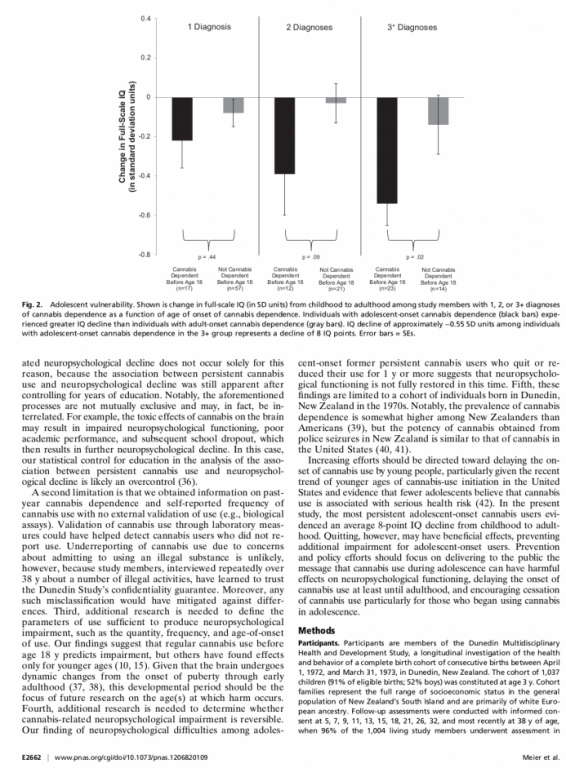
Source:

http://www.pnas.org/content/109/40/E2657

July 2012

Featuring Thomas Kosten, MD,
Professor and the Jay H. Waggoner Endowed Chair in the Menninger Department of Psychiatry and Behavioral Sciences at Baylor College of Medicine
Dr. Mark Gold and Dr. Thomas Kosten discuss anti-drug vaccines to treat substance use and addiction.

Q – Congratulations on your career to date and most recent work. Can you explain the idea behind your anti-drug vaccines? Are there any of your papers you’d suggest the reader look at?
A – Abused drugs are far too small to produce antibody responses. The vaccines work by covalently attaching the abused drug to 20 to 30 exposed amino acids on a carrier protein such as tetanus toxoid and then injecting this vaccine into humans to produce antibodies to both the tetanus toxoid and to the abused drug, because the drug now “looks like” part of this toxoid.

Q – Is the idea to block the drug’s reinforcing effects? What about overdose effects? Are each of the vaccines specific to a single drug or class of drugs?
A – Yes, the antibodies block reinforcing effects, but a slower process like overdose is still possible unless the drug is typically taken in very small quantities when abused – such drugs include PCP and fentanyl. These vaccines are highly specific to a class of drugs and have limited cross-reactivity.

Q – What happens if the drug abused is cocaine? Heroin? How would this be preferable to methadone or buprenorphine? Naltrexone?
A – For opiates, naltrexone is a better choice as a broad-spectrum blocker, but it does not effectively block the super-agonists related to fentanyl. However, these high potency agents are ideal targets for vaccine development, which is underway.

Q – How long would a single antidrug vaccine treatment last?
A – These antibodies persist at high levels for about three months and then require a booster vaccination about every three months.

Q – Are there risks that would prevent vaccination of women? Other risks? Adverse effects?
A – There are no specific risks from these tetanus toxoid based vaccines for women, since tetanus vaccine is even given to pregnant women. The antibodies cross over the placenta so that the fetus would also be protected.

Q – Are any approved for use? Why?
A – None are approved for use by the FDA because they have not met the criteria set for efficacy with either cocaine or nicotine. There have been no safety concerns, and a cocaine vaccine, particularly combined with the enhanced cholinesterase, would be the most likely to meet FDA efficacy standards relatively easily.

Q – Many experts think that the current opioid epidemic will be followed by a cocaine epidemic. What treatments exist for a cocaine-dependent patient or those presenting to an ED with a cocaine overdose? Are you developing for cocaine overdose? Cocaine addictions?
A – As suggested above, yes, we have a new and much more potent cocaine vaccine than we previously tested, but we need funds to move it forward. This vaccine combined with the Teva or other enhanced cholinesterases (Indivior also has one) would prevent overdoses.

Q – What about methamphetamine?
A – We have a methamphetamine vaccine and hope to have it in humans within a year or so, if our funding continues from NIDA.

Q – What kinds of studies are you doing right now? Planning?
A – The studies are all in animals with methamphetamine, cocaine, nicotine and fentanyl vaccines using a highly effective new adjuvant that has been used in humans at 50 times the dose needed for raising our antibody levels up to sevenfold higher than our previous cocaine vaccine.

Q – Anything else to add?
A – You covered it all, just send money. This is a difficult area for getting venture capital as well as NIDA funds to manufacture and get initial FDA approval to use these vaccines in humans.

Source: Email from Mark Gold, MD <donotreply@rivermendhealth.com>  September 2017

Dr. Mark Gold and Dr. Stacy Seikel discuss opioid addiction

Experts have concluded that the opioid crisis started with physicians overprescribing opioid pain medication.

Q – You are one of the few double board certified, pain evaluation and treatment experts, and addiction evaluation and treatment expert. How do you decide who should be given opioids for chronic pain? What are your advantages in patient evaluation and treatment as a clinical expert in having such training?
A – The first thing when you are evaluating a patient who has pain, or pain and addiction, is that all pain is real. The patients who have chronic or intermittent pain have an underlying fear of suffering. They may appear controlling or resistant to treatment, but actually it is this “fear of suffering” that is driving most of their behavior.

Q – If the person in recovery needs opioids for chronic pain or acute pain how do you manage that and prevent abuse and/or addiction?
A – If the person in recovery needs opioids for acute pain, such as due to an injury or surgery, we develop a “Pain Management Relapse Prevention Agreement”. I have the patient, family, surgeon, sponsor, caregivers and anesthesiologist involved in that plan.

Q – You have written about how to get off Suboxone. Why is it so hard to get off Suboxone and how do you get off Suboxone?
A – First of all, the goal of patients on Suboxone is not to get off Suboxone. The goal is to get into recovery. The Suboxone and other buprenorphine formulations is one tool, among many, to help patients have a meaningful self-directed life, and not a drug directed life.

Q – You have run methadone programs, how do you get off methadone?
A – I taper methadone the same way I taper buprenorphine, that is slowly and with the patient able to stop the taper at any time. I would typically start a methadone taper in a motivated patient at about 10% per month if tolerated. Maybe less. As you can see it can take over a year to successfully taper someone.

Q – How do you detox and get on naltrexone or Vivitrol. How do you get off naltrexone?
A – In order to start a patient on Vivitrol, the patient needs to have the opiates out of their system and not have any withdrawal symptoms. Typically a patient must be off short-acting opiates for one week or long-acting opiates for 10 to 14 days. There are rapid induction techniques for Vivitrol, but I do not use those in an outpatient setting.

Q – Do you have any advice on how to use Narcan in a suspected opioid overdose?
A – Georgia has made naloxone for overdose reversal available in pharmacies without a doctor’s prescription. With one person dying of overdose every 15 minutes, I believe every citizen needs to be trained in overdose reversal and carry Narcan.

Q – What makes fentanyl so deadly? How do you reverse the fentanyl overdose? Does the overdose reverse successfully?
A – Fentanyl is a very potent opioid and it is very easy to take too much. Most of my patients do not realize that the heroin that they have been using has fentanyl in it. So as you can see, a person may not even know they are taking fentanyl. They may think they are taking heroin and take too much and overdose.

Q – MAT programs often have too little in the way of behavioral health and psychiatric treatment. You do the opposite, please describe.
A – I provide MAT within a treatment program in an outpatient setting. We provide intensive outpatient (three hours per day) or PHP (six hours per day) of counseling and group therapy. In addition we provide a psychiatric evaluation, weekly physician visits, med management, individual therapy and a very robust family program.

Q – Describe your program. Who benefits from this program?
A – Atlanta Addiction Recovery Center, AARC, our Christian program, combines our scientific evidence-based treatment with Christian principles. Biblical teachings are embedded in all aspects of our programming. Though we welcome patients from all faiths, Christian teachings are utilized.

Q – Do you see an upswing in cannabis addiction?
A – I have seen an increase in cannabis addiction. Typically we see young adults who have not been able to move through “adulting” because their cannabis use got in the way of their school, their relationships, their work and their ability to mature.

Source: Email from Mark Gold, MD <donotreply@rivermendhealth.com>  February 2018

Back to top of page

Powered by WordPress