2020 January

Subject: Re: Priorities for Reform of UK Drug Policy : Policy-UK Forum : March 2016

Dear Mr Marsh.

Thank you for the invitation. I shall not be attending.

You have included in the Speakers Niam Eastwood & Mike Trace, both people who push drugs legalisation. I have debated publicly with both. Their positions are well known. I do not take either seriously as unbiased commentators on drugs policy. I doubt government does either. I regard both as paid apostles of a particular point of view. A point of view which is not shared by most MPs or members of the public.

In Mike’s case, he was, in his own word “disgraced”, when forced to resign from his then new job at the UN, when he was exposed as being (again in his own words), “a fifth columnist”, for the George Soros financed, “Open Society”, world wide, drug legalisation campaign, (of all possible drugs) . Release has been similarly supported by Soros and was named in Mr Trace’s covert plan on this subject, when it was exposed several years ago..

Given those two speakers, your conference seems to me, to be just another platform for the legalisation lobby, not a genuine, open and serious debate, which can improve policy making or add significant value.

That legalisation lobby has lost the debate in the UK, the starting point was the exposing of Mike Trace. Further debate involving these two very discredited speakers (discredited by association), is in my view pointless. The drug legalisation debate in the UK, is over. The Pschoactive Substances Bill, approaching 3rd reading, also overtakes some of your agenda.

Thank you for the invitation.

David Raynes
NDPA

Source: Email from David Raynes January 2016

Almost all cannabis sold on British streets can cause psychosis after weaker forms were driven from the market.

The most potent “skunk” accounts for 94 per cent of all cannabis seized by police, up from half in 2005, according to the first study for almost a decade.

Dealers are thought to be pushing higher-strength products to get recreational users hooked, with the milder hashish form barely available, researchers say.

Teenager cannabis smokers have been told that skunk is more dangerous and that they must watch out for paranoia and other symptoms of psychosis.

Skunk, also known as sinsemilla, is made from unpollinated cannabis and contains higher levels of THC, a psychoactive compound, than herbal marijuana or resin, also known as hashish.

A Home Office study of police seizures in 2005 found that 51 per cent were skunk and 43 per cent resin. Three years later skunk seemed to be becoming stronger and more common, but the study has not been repeated since 2008.

Now researchers at King’s College London have analysed almost 1,000 samples seized by police in London, Merseyside, Derbyshire, Kent and Sussex. Resin accounted for just 6 per cent of samples, falling to 3 per cent in London, and even that had become stronger since 2008, according to results published in Drug Testing and Analysis.

“The increase of high-potency cannabis on the streets poses a significant hazard to users’ mental health,” said Marta Di Forti, senior author of the paper. “It’s a big worry. It’s pretty much the only kind of cannabis you can buy out there.”

Her previous work suggests that skunk users are five times more likely to develop psychosis than non-users, while there is no extra risk for hash smokers. Britain is largely self-sufficient in skunk as farms take over from hash grown in Morocco and Dr Di Forti said that the stronger product could be a deliberate policy by gangs.

“If high potency is more likely to induce dependence, that’s an advantage for the drug dealer because he wants people to come back as much as possible, rather than recreational users who only use at the weekend when they’re listening to music or going to a party,” she said.

Skunk has not got stronger since 2005, which she said could be because users could not tolerate higher THC concentrations without side-effects.

About 2.2 million people are estimated to have smoked cannabis in the past year, a million of them aged 16-24.

While there is some evidence that users can partially detect higher strength cannabis and cut back, Ian Hamilton, a lecturer in mental health at the University of York, said: “If the cannabis market is saturated with higher potency cannabis this increases the risk of younger and more naive users developing problems as they are less likely to adjust the amount of cannabis they ingest than more experienced users.”

Source: https://www.thetimes.co.uk/edition/news/mental-illness-risk-as-skunk-drives-out-milder-cannabis-wgd58b56l# February 2018 

Marijuana farming is a big business, and marijuana growers are raking in billions.

In California, the crop ranks between lettuce and grapes; total sales in the state, according the Los Angeles Times, will top $21 billion by 2021. In Colorado, where marijuana is also legal, revenues stood at just over $1 billion last year, adding $2.4 billion to the state’s economy.

Those numbers are for legal farms. Illegal marijuana cultivation is much larger. It is estimated that there may be as many as ten million illegal plants grown annually, yielding over $30 billion worth of product.

In California, illegal pot is being grown on literally thousands of acres of the state’s national and state forests and parks, including in Stanislaus National Forest adjacent to Yosemite National Park. A one acre illegal patch can produce well over $1 million worth of marijuana per year. Much of the illegal harvest is sold in states where marijuana remains illegal – but where there is also huge demand, jacking up prices. Commerce in illegal marijuana is often controlled by the same Mexican drug lords who sell cocaine, heroin and contraband opioids; to make things worse, their illegal plots are often tended by illegal immigrants who are virtual slaves, guarded by thugs with high-powered weapons.

Pot production may rake in billions of dollars, but at immense environmental cost. Research has documented that marijuana cultivation, legal and illegal, is polluting water, land and air at an alarming rate. Both legal and illegal growers use large amounts of pesticides, insecticides and other chemicals and fertilizers banned in the U.S., illegally divert streams, and discharge polluted waste into waterways, poisoning the water supply, fish and animals. Growers have also clear cut trees and excavated forests illegally creating vast wastelands. When they move on to another illegal site, the old one is often the equivalent of a toxic waste site, saturated with poisons and fertilizers.

Despite evidence of significant criminal toxic waste discharge and other environmental crimes, not surprisingly the Obama Justice Department largely ignored the problem. In the liberal mindset, marijuana, unlike coal, oil and gas, is sacred stuff and considered outside the reach of the law. And there is little noise from the environmental movement which, if oil and gas or timber were the product, would be all over the issue like a wet blanket. But not marijuana.

A good example of the problems is Calaveras County made famous by Mark Twain, in the foothills of California’s Sierra Mountains. About the size of Rhode Island, it has a population of some 44,000 people. The County Board recently voted to ban commercial marijuana production – a prerogative under California’s law legalizing it. Their sheriff estimates there are at least 1200 illegal farms scattered through the mountainous terrain, all discharging large quantities of chemical waste into the water supply (nearly 10% of California’s water originates in little Calaveras County) and fouling the surrounding land with illegal herbicides, insecticides and rodenticides. Cleaning up those sites – just in Calaveras County — will cost, according to U.S. Forest Service estimates, at least $240 million; perhaps much more. Expand Calaveras’s problems across 15 other Northern California counties and the problem becomes almost unimaginable.

Environmental groups such as the Sierra Club and the Natural Resources Defense Council are nowhere to be found. Ironically it was these very mountains where Sierra Club founder John Muir hiked and studied for decades. I spoke with Dennis Mills, a member of the Calaveras County Board of Supervisors, who told me he has begged local and national environmentalist groups to get involved, but his pleas are always met, he said, with a yawn. Mills documented the abuses in a study Cultivating Disaster conducted by The Communications Institute.

So where is the federal government? Illegal and many legal marijuana farmers are likely in flagrant violation of numerous federal environmental criminal laws ranging from pollution crimes, wildlife and animal welfare crimes, and could be subject to large fines and restitution as well as lengthy prison sentences.

The Environmental Protection Agency, the Interior Department and Agriculture Department all have jurisdiction, and the Justice Department, complete with an Environmental Crimes Unit, together with California’s U.S. Attorneys, should be actively investigating these crimes, empaneling grand juries, and issuing indictments against these criminals.

The Trump Administration would do well to unleash its environmental lawyers on this nasty problem. It would greatly assist local and state agencies in dealing with the serious environmental mess caused by pot cultivation. It might not gain much support from marijuana users, but an aggressive campaign would undoubtedly create plenty of good will among the rest of the population and deal with a serious environmental problem.

Mr. Regnery, an Attorney, served in the Reagan Justice Department. He is Chairman of the Law Enforcement Legal Defense Fund.

Source: https://www.breitbart.com/politics/2018/02/25/regnery-feds-prosecute-california-marijuana-farmers-devastating-environment/February 2018

Cannabis hyperemesis syndrome (CHS) is nothing new, but nonetheless lacks a diagnosis code. This means that nobody—including the Centers for Disease Control and Prevention, which is meant to track such things—knows the prevalence of the condition. It is, however, relatively rare. Medical sources say that it’s likely, as you’d expect, to become more common as nationwide cannabis use increases.

No one claims that CHS is lethal, but it is uncomfortable—and in an emergency room situation requires such medications as haloperidol, an antipsychotic, to relieve vomiting and pain. Business Insider recently reported the story of 29-year-old Alice Moon, who began using cannabis regularly to treat pain and nausea. She did so without problems for five years, but then began experiencing CHS symptoms monthly, and eventually weekly.

People who use any substance deserve access to relevant health information, without exaggeration in either direction. “Marijuana is somehow making millions violently sick” and “Mysterious Syndrome Related To Marijuana Use Begins To Worry Doctors” are two CHS-related news headlines from the past month alone. But CHS likely doesn’t affect millions, and it is less mysterious than some imply.

So this isn’t a Reefer Madness story, designed to scare people, nor a head-in-the-sand story, designed to appeal to those who see cannabis as a risk-free panacea.

Even pro-cannabis advocates agree that CHS exists. “It’s a diagnosis of exclusion,” Peter Grinspoon, MD, a primary care physician at an inner-city clinic in Boston, told Filter. Grinspoon is also on staff at Massachusetts General Hospital, teaches at Harvard Medical School, and authored the memoir Free Refills: A Doctor Confronts His Addiction (2016). “I’m not sure how you can really differentiate it from cyclic vomiting syndrome (CVS), idiopathic [unknown cause] vomiting, or just something else causing the vomiting—except for a cannabis history.”

 CHS is caused by heavy long-term use of cannabis—i.e., it’s not a result of overdose or acute toxicity.

Experts believe that the action of the cannabinoid THC on our CB1 receptors, which are found all over the body but mainly in the brain, produces the symptoms of CHS—though the amounts of THC required, the duration of use in months or years, and why some people experience CHS and not others, are still unexplained.

One thing everyone seems to agree on: CHS is caused by heavy long-term use of cannabis—i.e., it’s not a result of overdose or acute toxicity. And it has one unusual manifestation: People afflicted like to take many hot baths or showers for relief.

study published last month, based on emergency room visits in a Colorado hospital, also found that CHS is more likely to be associated with smoked than edible cannabis. Of 2,567 ER visits that were at least partly attributed to cannabis use, 18 percent of patients who inhaled it were said to have CHS, versus 8.4 percent of those who ate it.

Emergency Physicians’ Experiences

 “It’s very dramatic—patients are sometimes writhing on the floor, and they’re vomiting so much. It’s a horrible syndrome,” said Andrew C. Meltzer, MD, associate professor in the Department of Emergency Medicine and Clinical Research Director of GWU School of Medicine and Health Sciences. “It’s very different from any other kind of vomiting thing, and very disruptive to the ED.”

And in the worst cases, “repeated aggressive vomiting can cause tears in the esophagus.”  

 Unlike gastroenteritis, with CHS there is no diarrhea, no fever and more of a hypersensitivity to pain in the abdomen, Meltzer told Filter. There is an “overlap” with cyclical vomiting syndrome (CVS), in that many symptoms are the same. Blood work might be needed to rule out pancreatitis and hepatitis, and some patients get radiology.

Toxicology testing, on the other hand, is not very useful, because so many people use marijuana without showing these symptoms. Rather, it’s important to get a history of the extent and duration of marijuana use from the patient, said Meltzer. “Confusion exists in the medical literature,” he noted. In addition, he believes there is a pervasive failure to recognize chronic cannabis use as a possible cause of vomiting.

“We’re still trying to figure out how to make them feel better,” said Meltzer of CHS patients. “Typical anti-emetics like Phenergan and Zofran don’t work. Instead, we use antipsychotics, like haloperidol.” In fact, if the haloperidol works, Meltzer views that as diagnostic of CHS in some ways. The heat from capsaicin rubbed on the abdomen also provides some relief from pain.

In the patients Meltzer has seen with CHS, all “would qualify as addicted” to cannabis, he said. He doesn’t recommend using morphine for CHS pain because of what he sees as the addiction risk in this population.

Some CHS patients can’t be treated with emergency room management alone. Meltzer said he had to admit one patient for dehydration, fluids replacement, renal insufficiency, and other problems. “But now we’re getting more used to how to manage this with haloperidol and even Ativan. They are sedated, they sleep, and they go home.”

“I don’t care what people do in their free time, but in the medical history I try to include things that are pertinent.”

Ryan Marino, MD, an emergency medicine physician and medical toxicologist at the University of Pittsburgh, sees CHS about two-to-three times a month—but acknowledges it could be more, because sometimes it’s hard to be sure.

“The big issue is [CHS] is under-recognized,” said Marino, agreeing with Meltzer. “So a lot of patients get unnecessary testing.” For someone who comes in with a lot of nausea and vomiting, and is young and otherwise healthy, he says it’s important to ask about their marijuana use.

“I try to be as non-judgemental as possible” in asking those questions, he said. “I don’t care what people do in their free time, but in the medical history I try to include things that are pertinent.”

With emergency patients, the differential diagnosis is crucial and must be done quickly. “When there’s belly pain, you worry about things that need surgery, like appendicitis and the gallbladder,” said Marino. “CVS is kind of similar [to CHS], but people aren’t using cannabis.” So asking about marijuana use history can clearly help.

“The main thing seems to be people who use heavily and regularly: daily use or near-daily use,” said Marino. “With the rise of medical cannabis, more people have access to it, so maybe there are more presentations now than there used to be. But with no ICD [International Classification of Diseases] code, I don’t think you’d be able to say whether you can find prevalence.”

Marino acknowledges that there’s a fine line to tread in questioning patients, especially in situations where they are worried about law enforcement, and some healthcare providers are better than others at getting honest histories. “There are going to be people on the provide side who don’t get the truth out of patients, and there are patients who won’t disclose. This is why the way we treat patients is important.”

Gastroenterologists’ Perspectives

 Whether they’re called in to consult in the emergency department or see a person in their office, gastroenterologists have a big role to play for CHS patients. CHS has been known about since 2004, but a seminal 2011 Current Drug Abuse Reviews article put gastroenterologists on the alert.

A year ago, Healio interviewed gastroenterologist Joseph Habboushe, MD for an article titled “Cannabinoid hyperemesis syndrome: What GIs should know.” Habboushe had surveyed 155 patients in an emergency department who reported smoking marijuana frequently and found that 32.9 percent of them met criteria for CHS. He concluded that the syndrome is vastly underreported.

“I would definitely ask” about marijuana use in the case of an otherwise-healthy, vomiting patient, said Lisa Gangarosa MD, AGAF, FACP, professor of Medicine at the UNC Division of Gastroenterology and Hepatology, speaking for the American Gastroenterological Association. “The diagnosis is largely made on the history.”

There is no clear test. “Basically, if the history fits, and if the patient stops smoking and gets better, that’s what it was.”

Some testing would be done to exclude other problems, such as stomach cancer, a large ulcer or gallstones, Gangarosa told Filter. It’s also important to conduct basic lab testing, such as for pregnancy, and then, if all of that testing comes back negative, to think about endoscopy and ultrasound of the gallbladder.

Gangarosa has only seen CHS in patients who have been “smoking pot,” not in anyone who has been prescribed dronabinol, which is synthetic THC.

There is no clear test for the syndrome. “In some cases you can say your impression is suspected marijuana-induced hyperemesis,” she said. “Basically, if the history fits, and if the patient stops smoking and gets better, that’s what it was.”

Surprisingly, many patients who use cannabis haven’t heard of CHS, said Gangarosa. For others, they don’t want to stop smoking, “and they don’t want to believe that this is the cause of their problems. It’s the same thing with pancreatitis—just because of the health harms, doesn’t mean people want to give up drinking.”

The Hot Bath Phenomenon

Andrew Meltzer, the ED physician, said that some of his patients have taken six-to-eight warm baths a day to relieve symptoms.

This reminds me of a personal experience. A member of my family had acute gastritis at the age of six, with a lot of vomiting, and was hospitalized for a week. All she wanted to do was lie in the hospital bathtub with the water as hot as possible. There was no marijuana involved, but bells went off in my head when I heard about the hot shower “cure.” Could this be a common way of responding to extreme vomiting and pain in general?

Experts stress that the hot shower treatment is anecdotal, and can’t be used as a sure sign of CHS. “But it’s something I ask people,” said Ryan Marino. “It seems as if most people have figured out” that it works. “It might be that they’re so symptomatic they try anything, and find the one thing that works.”

Like the capsaicin, which provides heat, and heating pads, heat from the hot shower on the belly might relieve the pain, said Marino. However, “I don’t think anyone has a good reason for the link” between CHS and hot showers.

A Researcher’s View

The National Institute on Drug Abuse (NIDA) referred Filter to Kiran Vemuri, PhD, a research assistant professor at Northeastern University in Boston, who has a grant from the agency to find an antidote for synthetic cannabinoid intoxication.

That, of course, is a very different issue from CHS. But as an organic chemist, Vemuri has studied emesis from a CB1 antagonist perspective. He is aware of the paradox with THC: The synthetic version, dronabinol, is approved by the FDA to treat the nausea and vomiting associated with chemotherapy, as well as to increase appetite in wasting associated with AIDS, and for many other conditions.

How would the same substance that treats nausea induce it?

“This only happens in people who have been consuming cannabis for a long time,” Vemuri said. But he noted that most information in the literature is anecdotal and based on case histories. “People try to come up with a number”— how much cannabis, for how long—“but you can never really tell as to what causes the hyperemesis. Is it the dose, is it the strain?”

“If you know the CB1 receptor is implicated … the best treatment option would be an antagonist.” Except there isn’t one.

Vemuri has studied antagonists which induce nausea, with the CB1 receptor the biological target. CB1 receptors are all over the body, but most are in the brain, he said.

If you want to know everything the top researcher in emesis (vomiting) knows about the topic, look up the work of Linda Parker. It’s hard to study in animals, because not all of them even vomit.

There is no antidote for emesis itself, said Vemuri. “But if you know that the CB1 receptor is implicated, and the patient is presenting with an overdose of THC or synthetic cannabinoids, the best treatment option would be an antagonist.” Except there isn’t one.

As for the hot showers, CB1 receptors could indeed be involved, but there is no “concrete connection” to CHS or its treatment, said Vemuri.

And he cautions that “‘overdose’ is a big word when it comes to THC.” The dose, the strain, the route of administration all matter, he said. And because THC can reside in fat, and build up, it makes sense that some of the side effects could be worse in people who have consumed THC over a long period of time. “At the end of the day, anything in excess is not good.”  

No Easy Cure

There was one medication which briefly showed promise for CHS—ribonabant—but it was removed from the market due to psychiatric side effects (suicidal ideation). “The target is so new,” Vemuri said. “But NIDA is definitely interested, and no one ever gave up on the target, and no one ever gave up on cannabis, and no one ever gave up on the antagonists. Recently I was at a conference where I got to know companies that are pursuing both CB1 and CB2.”

While hot showers may provide temporary relief, and anti-emetics and intravenous hydration can help “someone in the throes of repetitive vomiting,” for now, the best way for CHS patients to avoid further symptoms for good is to stop using cannabis, said Lisa Gangarosa, the gastroenterologist.

“That is always the recommendation,” agreed Marino. “It seems to be the only thing that makes it better or makes it go away. But it’s not always the easiest thing. It’s easy for me to say.”

The implications of quitting for people who use cannabis for medical reasons—and the difficulties for people who are addicted—are clear. But for now, the unknown minority of cannabis users unfortunate enough to experience cannabis hyperemesis syndrome have no other reliable recourse.

Source:  https://www.dbrecoveryresources.com/2019/04/what-is-cannabis-hyperemesis-syndrome/ April 2019

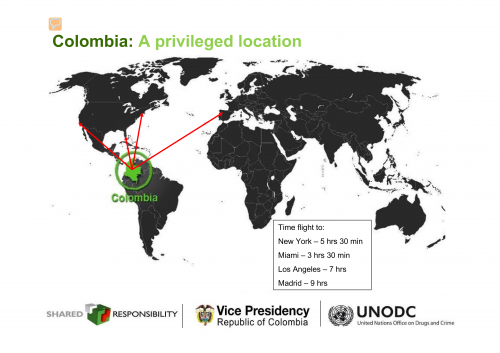
Source: http://archive.unu.edu/events/files/2008/Santos_SharedRespnsibility_presentation_200810.pdf 2008

Britain could set off a schizophrenia timebomb if it ignores the dangers of super-strength ‘skunk’ cannabis, one of the UK’s most eminent psychiatrists warns today.

Strong evidence now shows that smoking potent forms of the Class B drug increases the chance of psychosis, paranoid delusions and schizophrenia.

But too many people – from teenagers to top officials – have little idea of the terrible toll it can take on the mind, says Professor Sir Robin Murray.

Labour, the Liberal Democrats and the Scottish National Party all back legalisation of cannabis in some form. But Prof Murray said the dangers were not being recognised – and legalising skunk would amount to ‘a major pharmaceutical experiment’ with the brains of young people.

Prof Murray, from the Institute of Psychiatry at King’s College London, said: ‘I don’t think any serious researcher or psychiatrist would now dispute that cannabis consumption is a component cause of psychosis.’

He warned that:

  • MRI scans show long-term use of skunk can shrink a vital part of the brain;
  • The substance – now dominant on Britain’s streets – is four times stronger on average than cannabis smoked in the past;
  • A clear majority of studies show those who regularly smoke cannabis are at ‘significant increased risk’ of developing psychosis or schizophrenia-like illness;
  • Heavy users of skunk are up to four times more likely than non-users to develop psychotic symptoms.

Prof Murray said the cannabis being sold on our streets had changed almost beyond recognition in the past 20 years. Dealers have dropped weaker varieties in favour of skunk, which is made from non-pollinated parts of the plant, and provides a stronger ‘hit’ that may be more addictive.

A recent study revealed that almost all cannabis sold in the UK is now skunk. On average, skunk is 16 per cent tetrahydrocannabinol (THC), the main psychoactive compound – four times more than the THC in marijuana and hash.

Brain scans show skunk has a far stronger impact on the mind, said Prof Murray, due to both its high THC content and its very low content of the protective compound cannabidiol.

Experiments on volunteers at King’s College show THC boosts the brain’s natural fear response – making the merely worrisome seem positively frightening.

And MRI scans reveal that long-term use of skunk shrinks the hippocampus – the part of the brain essential for regulating emotions and long-term memory – by 11 per cent, according to researchers at Monash University in Australia. Only ‘prolonged abstinence’ could reverse the brain atrophy, they concluded.

MRI scans reveal that long-term use of skunk shrinks the hippocampus – the part of the brain essential for regulating emotions and long-term memory – by 11 per cent 

Prof Murray and colleague Dr Marco Colizzi have emphasised their concerns in a hard-hitting article for the British Journal Of Psychiatry, titled Cannabis And Psychosis: What Do We Know And What Should We Do?

They say UK authorities should watch what happens in America, where a number of states have recently legalised cannabis use.

‘The USA has embarked on a major pharmaceutical experiment with the brains of its youth and we should wait and see the outcome of the experiment,’ they write. ‘While we wait, we need education to make the public aware of the risks associated with heavy cannabis use.

‘It would be a shame when we are in sight of ridding the country of the scourge of tobacco use, if it were to be replaced by use of a drug that, although less harmful to the body, is more toxic to the mind.’

To help educate people about the dangers, Prof Murray is giving a series of talks in London, organised by events company Funzing. And he believes that health officials should be playing a far more active role in warning of the perils of skunk.

His intervention comes three years after The Mail on Sunday revealed his groundbreaking research suggesting up to a quarter of all new psychosis cases could be caused by skunk. Among those deeply affected is hereditary peer Nicholas Monson, whose son Rupert, 21, took his own life last year after developing drug-related psychosis.

Lord Monson said: ‘He descended into complete, utter madness.’

Rupert Green (pictured) the son of Lord Monson, was just 21 when he killed himself last year after descending into drug-related pyschosis, having gone in a few short years from ‘the occasional spliff’ to habitually smoking skunk

Rupert first admitted smoking ‘the occasional spliff’ at 19 and, like many parents, his father reacted with relief that it was nothing harder. But his behaviour gradually became ‘more and more peculiar’, said Lord Monson, adding: ‘He was a mixture of self-pity and outright aggression. I found him very difficult to deal with.’

The family managed to get Rupert referred to an NHS mental health team, and after being diagnosed, the youngster stopped smoking skunk and went on medication. However, he later killed himself.

Lord Monson said: ‘He hadn’t touched skunk for four months. But his mind continued to be overwhelmed. What I’ve learnt since his death is once a young man gets into a state of drug-induced psychosis, he doesn’t get out of it.’

Lord Monson has lobbied hard for better public education, including writing to the Prime Minister. He said he wanted cannabis below five per cent THC legalised to take it out of criminals’ hands, but anything stronger to be banned.

Incredibly, Government agencies provide almost no information on the risks of skunk, despite millions smoking it. Three years ago, the Advisory Council on the Misuse of Drugs said there was ‘strong evidence’ that ‘standalone’ information or warning campaigns were ‘ineffective’. But Lord Monson said: ‘The Government is doing an enormous disservice by not educating people about skunk’s dangers.’

Last night Public Health England said its Rise Above programme helped young people cope with a range of ‘diverse challenges’ including drug misuse, while its dedicated drug information website, Talk To Frank, provides ‘easily accessible information for young people about the risks and harms of drug misuse’.

Yet Rise Above, which is aimed at teenagers, does not mention cannabis at all. Talk To Frank, for an older audience, does state that regular cannabis use is ‘associated with an increase in the risk of later developing psychotic illnesses including schizophrenia’. But it contains no information on the greater danger posed by skunk. 

Source: https://www.dailymail.co.uk/health/article-5539941/Top-doctor-warns-psychosis-paranoid-delusions-superskunk-schizophrenia-timebomb.html

A. Benjamin Srivastava, MD
Mark S. Gold, MD

The opioid epidemic is the most important and most serious public health crisis today. The effects are reported in overdose deaths but are also starkly evident in declines in sense of well-being and general health coupled with increasing all-cause mortality, particularly among the middle-aged white population. As exceptionally well described by Rummans et al in this issue of Mayo Clinic Proceedings, the cause of the epidemic is multifactorial, including an overinterpretation of a now infamous New England Journal of Medicine letter describing addiction as a rare occurrence in hospitalized patients treated with opioids, initiatives from the Joint Commission directed toward patient satisfaction and the labeling of pain as the “5th vital sign,” the advent of extended-release oxycodone (OxyContin), an aggressive marketing campaign from Purdue Pharma L.P., and the influx of heroin and fentanyl derivatives.

To date, most initiatives directed toward fighting the opioid initiatives, and the focus of the discussion from Rummans et al, have targeted the “supply side” of the equation. These measures include restricting prescriptions, physician drug monitoring programs, and other regulatory actions. Indeed, although opioid prescriptions have decreased from peak levels, the prevalence of opioid misuse and use disorder remains extremely prevalent (nearly 5%). Further, fatal drug overdoses, to which opioids contribute to a considerable degree, continue to increase, with 63,000 in 2016 alone. Thus, although prescription supply and access are necessary and important, we need to address the problem as a whole. To this point, for example, the ease of importation and synthesis of very cheap and powerful alternatives (eg, fentanyl and heroin) and the lucrative US marketplace have contributed to the replacement pharmacy sales and diversion with widespread street-level distribution of these illicit opioids; opioid-addicted people readily switch to these illicit opioids.

A complementary and necessary approach is to target the “demand” side of opioid use, namely, implementation of preventive measures, educating physicians, requiring physician continuing education for opioid prescribing licensure, and addressing why patients use opioids in the first place. Indeed, prevention of initiation of use is the only 100% safeguard against addiction; however, millions of patients remain addicted, and they need comprehensive, rather than perfunctory, treatment. Rummans and colleagues are absolutely correct in their delineation of the unwitting consequences of a focus on pain, given that a perceived undertreatment of pain fueled the opioid epidemic in the first place. They are correct to point out how effective pain evaluation and treatment are much more than prescribing and should routinely include psychotherapy, interventional procedures, and nonopioid therapies. In addition, we have described the crossroads between pain and addiction as well as successful strategies to manage patients with both chronic pain syndromes and addiction.

Rummans and colleagues also mention much needed dissemination of medication-assisted treatment (MAT; eg, methadone and buprenorphine) and the opioid overdose medication naloxone, and we agree with both of these measures. However, in addressing the demand side of the opioid epidemic, the focus must be much more comprehensive. Viewing opioid addiction as a stand-alone disease without consideration of other substance use or comorbid psychiatric pathology provides only a limited perspective. Rather, dual disorders are the rule and not the exception, and thus addiction evaluation and treatment should also specifically focus on psychiatric symptomatology and comorbidity. Epidemiological evidence indicates that over 50% of individuals with opioid use disorder meet criteria for concurrent major depressive disorder.Recent evidence from Cicero and Ellis indicates that the majority of opioid-addicted individuals seeking treatment indicate that their reasons for use are for purposes of “self-medication” and relief of psychiatric distress. To expand on this concept, we have suggested that drugs, by targeting the nucleus accumbens, alter motivation and reinforcement circuits and change brain reward thresholds; this change results in profound dysphoria and anhedonia, which, in turn, lead to further drug use.

Obviously, then, opioid addiction treatment should focus on diagnosing and assessing psychiatric comorbidity and monitoring of affective states and other depressive symptoms. However, a bigger problem might be the pretreatment phase, considering that, as Rummans et al note, only 10% of patients with opioid use disorder receive any treatment at all. Resources have principally been devoted to mitigating the effects of acute opioid toxicity both before and during intervention in the emergency department. A principal means of medical stabilization has been overdose reversal with the μ-opioid receptor antagonist naloxone, and efforts have been largely focused on dissemination of this agent. However, while increased naloxone use among the lay public, first responders, and medical personnel has been successful in reducing deaths, recidivism is high and increased naloxone use has not affected the problem as a whole. Generally, when patients present to the emergency department, clinical experience dictates that opioid overdoses are considered accidental until proven otherwise, which, after stabilization, allows the physician to discharge the medically stable patient, the hospital to collect reimbursement, and the pharmaceutical company to raise prices (eg, naloxone prices increased by 400% from 2014 to 2016, for autoinjection formulations).

In addition to the substantial costs associated with repeated naloxone administration and emergency department visits, recidivism is inextricably linked with another problem—the reason for overdose in the first place is not addressed. As mentioned earlier in this editorial, depression prevalence is high in patients with opioid use disorders. Strikingly, using nationwide data from US poison control centers, West et al found that over 65% of opioid overdoses reported were indeed suicide attempts, and of completed overdoses, the percent of those characterized as suicides climbed to 75%. Thus, an “inconvenient truth” may be that many of these opioid overdoses presenting to emergency departments may be unrecognized suicide attempts and that many of the over 66,000 deaths may indeed be completed suicides. Thus, comprehensive evaluation and treatment become even more relevant.

Clearly, more thorough evaluations in emergency departments with comprehensive risk assessments are needed, especially given that these patients may be guarded about suicidal ideation in the first place. Indeed, efforts to initiate buprenorphine in the emergency department, which independently is being investigated for its therapeutic effects on suicidal ideation, have spread; however, while abstinence outcomes are favorable at 30 days, the therapeutic benefit seems to disappear at both 6 months and 1 year. This failure of opioid reversal treatment is important, especially given that at 1 year, 15% of patients rescued with naloxone had died. Additionally, lack of psychiatric services and overcrowding at many emergency departments may preclude a comprehensive evaluation; however, target screening of all high-risk patients may identify patients with even hidden suicidal ideation and allow for appropriate triage.

Most addiction treatment today is centered around time-limited settings without adequate follow-up. Although MAT is an important addition to treatment for opioid addicts, it is generally not sufficient for long-term sobriety given (1) the relatively high rates of immediate and short-term treatment discontinuation and (2) that patients rarely are using just opioids. In fact, regarding long-term outcomes, methadone may be the only MAT treatment that demonstrates superior abstinence rates, safety, opioid overdose prevention, and treatment retention. We recommend that future studies include random assignment to different treatment modalities, assessing abstinence with urine testing and other modalities, psychosocial outcomes, and overall level of functioning for 5 years.

In terms of treatment, we suggest a continuing care approach, viewing addiction as a chronic, relapsing disease, but higher quality data are needed. For example, in most states, physicians with substance use disorders who are referred for treatment indeed undergo evaluation and detoxification, but they are also monitored for 5 years with frequent drug testing, contingency management, evaluation and treatment of comorbid psychiatric issues, and mutual support groups. Outcomes are generally superior, with 5-year abstinence and return to work rates approaching 80%. Notably, most of these programs do not allow MAT, yet opioid-addicted physicians do as well in the structured, supportive, long-term care model as physicians addicted to other substances. Obviously, the threat of professional license sanctions may impel physicians to comply with treatment, but many of the aforementioned strategies including contingency management, long-term follow-up, comprehensive psychiatric evaluation, and mutual support have demonstrable evidence for addiction treatment in general.

More resources need to be devoted to addressing the opioid epidemic, particularly on the prevention and also the demand side. Access to treatment is important, but more investment is needed in improving treatment including implementing 5-year comprehensive care programs. Thus, we recommend that future studies involve random assignment to different treatment groups, focusing on urine drug test–confirmed abstinence, psychosocial outcomes, and overall functioning. Additionally, advances in neuroscience may allow for the development of novel therapeutics targeting specific neurocircuitry involved in reward and motivation (ie, moving beyond the single receptor targets). A parallel can be drawn to the AIDS epidemic, in which massive basic science investments yielded novel effective therapies, which have now become standard of care and one of the world’s great public health successes. Resources focused on these interventions and reinvigorating drug education and prevention may prove fruitful in addressing this devastating epidemic. Further, lessons from this epidemic may help us move beyond a specific “one drug, one approach” so that for future epidemics, irrespective of the drug involved, we would already have in place a generalizable framework that utilizes the full repertoire of responses and resources.

Police forces in the province collected 795 blood samples from motorists suspected of driving while under the influence.

One year after the legalization of recreational use of cannabis in Canada, the black market for the drug — as well as its use behind the wheel — continues to keep Quebec police forces busy.

In 2018, police collected 795 blood samples from motorists suspected of driving while under the influence, and sent them to Quebec’s medical legal centre for processing. That’s 254 more than in the previous year.

The presence of cannabis was detected in 46 per cent of those cases.

The Sûreté du Québec says cannabis is the most commonly detected drug in its traffic stops.

The provincial force said that since legalization, cannabis was detected in the systems of 113 persons pulled over for impaired driving, compared with 73 cases a year earlier — an increase of 54 per cent.

More than 670 officers trained in drug use evaluation have been deployed across the province.

In a statement issued Thursday detailing its operations over the past year, the SQ said it had opened 1,409 investigations into the illegal production, supply and distribution of cannabis, which led to 1,458 warrants being executed and charges filed against 1,403 individuals.

Meanwhile, raids on illegal outdoor cannabis fields were carried out in August and September, and saw 37,000 plants seized.

Over the past year, the SQ seized 71,500 cannabis plants, 161 kilograms of cannabis, 15.8 kilograms of cannabis oil and resin, 23,460 units of edible cannabis and $180,000 in cash.

Source:  https://montrealgazette.com/news/local-news/quebec-pot-arrests-behind-the-wheel-up-54-since-legalization October 2019


As a growing number of U.S. states legalize the medicinal and recreational use of marijuana, an increasing number of American women are using cannabis before becoming pregnant and during early pregnancy often to treat morning sickness, anxiety, and lower back pain. Although emerging evidence indicates that this may have long-term consequences for their babies’ brain development, how this occurs remains unclear.

A University of Maryland School of Medicine study using a preclinical animal model suggests that prenatal exposure to THC, the psychoactive component of cannabis, makes the brain’s dopamine neurons (an integral component of the reward system) hyperactive and increases sensitivity to the behavioral effects of THC during pre-adolescence. This may contribute to the increased risk of psychiatric disorders like schizophrenia and other forms of psychosis later in adolescence that previous research has linked to prenatal cannabis use, according to the study published today in journal Nature Neuroscience.

The team of researchers, from UMSOM, the University of Cagliari (Italy) and the Hungarian Academy of Sciences (Hungary), found that exposure to THC in the womb increased susceptibility to THC in offspring on several behavioral tasks that mirrors the effects observed in many psychiatric diseases. These behavioral effects were caused, at least in part, by hyperactivity of dopamine neurons in a brain region called the ventral tegmental area (VTA), which regulates motivated behaviors.

More importantly, the researchers were able to correct these behavioral problems and brain abnormalities by treating experimental animals with pregnenolone, an FDA-approved drug currently under investigation in clinical trials for cannabis use disorder, schizophrenia, autism, and bipolar disorder.

The researchers concluded that as physicians caution pregnant women against alcohol and cocaine intake because of their detrimental effects to the fetus, they should also, based on these new findings, advise them on the potential negative consequences of using cannabis specifically during pregnancy.

Recent data from the Kollins lab (‘Cannabinoid exposure and altered DNA methylation in rat and human sperm’ Epigenetics 2018; 13: 1208–1221) indicated epigenetic effects of cannabis use on sperm in man parallel those in rats and showed substantial shifts in both hypo- and hyper-DNA methylation with the latter predominating. This provides one likely mechanism for the transgenerational transmission of epigenomic instability with sperm as the vector. It therefore contributes important pathophysiological insights into the probable mechanisms underlying the epidemiology of prenatal cannabis exposure potentially explaining diverse features of cannabis-related teratology including effects on the neuraxis, cardiovasculature, immune stimulation, secondary genomic instability and carcinogenesis related to both adult and pediatric cancers.

The potentially inheritable and therefore multigenerational nature of these defects needs to be carefully considered in the light of recent teratological and neurobehavioural trends in diverse jurisdictions such as the USA nationally, Hawaii, Colorado, Canada, France and Australia, particularly relating to mental retardation, age-related morbidity and oncogenesis including inheritable cancerogenesis. Increasing demonstrations that the epigenome can respond directly and in real time and retain memories of environmental exposures of many kinds implies that the genome-epigenome is much more sensitive to environmental toxicants than has been generally realized. Issues of long-term multigenerational inheritance amplify these concerns. Further research particularly on the epigenomic toxicology of many cannabinoids is also required.

Introduction

Physiology and pathobiology of the epigenome and its complex interactions with the genome, metabolome and immunometabolome, and cannabinoid physiopharmacology represents some of the most exciting areas of modern biological research. Type 1 and 2 cannabinoid receptors (CB1R and CB2R) are involved in a host of endogenous processes with potential therapeutic applications in numerous fields as diverse as pain, nausea, temperature regulation and weight control amongst others. Several recent detailed structural descriptions of the CB1R and CB2R complexed with high affinity agonists and antagonists, and pathways for the bulk biological synthesis of cannabinoids open the way to the rational design of high affinity molecules to differentially modulate these key receptors which are involved in a host of endogenous processes with diverse potential therapeutic applications. The use of exogenous cannabinoid compounds that bind to CB1R and CB2R may however also produce unwanted side effects including through modulation of DNA methylation states.

Within each nucleated cell, 2 m of DNA is normally stored coiled around four histones known as a nucleosome. A total of 147 bases of DNA are wrapped twice around two sets of H2A, H2B, H3 and H4 which together form the histone octamer. The bases of DNA itself may have a methyl group (CH3-) attached to them, usually to cytosine-phosphate-guanine (CpG), which when it occurs in the region of the gene promoter, blocks the transcription machinery and prevents the gene from becoming activated. The tails of the four histone proteins protrude from the central globular core and normally bind by electrostatic forces to the coiled DNA. Addition of an acetyl group to these histone tails, particularly on H3 and H4, disrupts the salt bridges opening up the DNA code for active transcription. Histone tails can also be methylated or indeed be modified by many groups (mono-, di- and trimethyl, acetyl, phosphoryl, crotonyl, citrulline, ubiquitin and ADP-ribosyl, etc.) which control gene transcription . DNA is transcribed into RNA some of which is made into the many proteins from which our bodies are made. However, much of the RNA also has purely informatic roles, and short and long non-coding RNA’s (ncRNA) controls DNA availability and transcription, RNA processing and splicing and can form a scaffold upon which layers of DNA regulation can be built. These various mechanisms, DNA methylation, post-translational modification of histone tails, nucleosome positioning, histone replacement, nuclear positioning and ncRNA’s form the basis of epigenetic regulation and appear to undergo an ‘epigenetic conversation’ amongst these different layers.

Chromatin loops are extruded through cohesin rings giving rise to transcription factories (topologically active domains) where different regions of the DNA including proximal promoters and distal enhancers are brought into close proximity to control transcription either on the same chromosome (in cis) or sometimes on nearby chromosomes (in trans). Super-enhancers, enhancer cross-talk, and extensive 3D remodelling of euchromatin looping during development are also described.

Moreover, a variety of studies in animals and several epidemiological studies in humans show that the epigenetic code can form a mechanism for inheritable changes across generations from both father and mother to subsequent generations which do not involve changes in the genetic code itself. Such epigenetic inheritance has been shown clinically for starvation, obesity, bariatric surgery and for tobacco and alcohol consumption. It has also been demonstrated in rodents for alcohol, cocaine and opioids, and in rodents’ immune system, nucleus accumbens and sperm following cannabinoid exposure in the parents.

If DNA is thought of as the cells’ bioinformatic ‘hardware’ then the epigenome can be considered its programming ‘software’. The epigenome controls gene expression and is key to cell differentiation into different tissue fates, different states of cellular differentiation, to cellular reprogramming into induced pluripotential stem cell states, cancer, numerous neuropsychiatric diseases including addiction, immune, metabolic and brain memory, aging, and the response of the cell to changes in its environment by way of gene-environment interactions including the development of so-called ‘epigenetic scars’.

This powerful informatic system has recently been shown to have a host of unforeseen capabilities. It has been shown that histone tails sense oxygen tension rapidly within 1 h with resulting modification of gene expression cassettes. Lysine (K) demethylase 5A (KDM5A) is a Jumanji-C domain containing molecular dioxygenase which is inactivated by hypoxia in a hypoxia-inducible factor-independent manner, controls H3K4me3 and H3K36me3 histone trimethylations and governs the transcriptome expression several hours after brief hypoxia. Similarly, KDM6A is also an oxygen sensitive dioxygenase and histone demethylase which controls H3K27me3. Its blockade by hypoxia interferes with cell differentiation and maintains cells in an undifferentiated state. Since the ten eleven translocase enzymes and are key demethylators of DNA and are dioxygenases also sensitive to profound hypoxia, and since hypoxia exists in most stem cell niches and at the centre of many tumours, such histone- and DNA-centred mechanisms are likely to be important in stem cell, aging, cellular differentiation and cancer biology.

Epigenomic regulation of tumour immunometabolome

Similarly, one of the great paradoxes of cancer biology is the presence within tumours of numerous effector T-cells which are able to expand and eradicate large metastatic tumours effectively, but do not do so within clinical cancers. It was recently shown that this effect is due to the very elevated nucleocytosolic potassium level within tumour lymphocytes which stalls metabolism and runs down acetyl-coenzyme A levels, the main acetyl donor for histone acetylation and induces a form of calorie restriction (like starvation) including autophagy and mitophagy and impairs the normal mTOR (mammalian target of rapamycin)-dependent T-cell receptor-mediated activation response. This program was mediated by reduced levels of H3K9 and H3K27 acetylation. Hence, tumour lymphocyte anergy and stemness were both mediated epigenetically and were shown to be reversible when the immunometabolic defect was corrected either genetically or by substrate supplementation. This work elegantly demonstrates the close relationship between the metabolic state of cells, cell differentiation state and starvation response, the control of cell fate by the epigenetic landscape and disease outcome.

Metabolomic supply of epigenetic substrate

Several studies similarly link the supply of metabolic intermediates required as inputs by the epigenetic machinery to epigenetic state and downstream gene control. Indeed, the well-known supplementation of staple foods by folic acid is believed to act because of the central role played by this vitamin in the methyl cycle and the supply of single carbon units to the methylation machinery for DNA and histones. A moments reflection shows that expression of the DNA of the mitochondria and the DNA of the nucleus need to be tightly coordinated to supply the correct number of subunits for the complex machineries of the mitochondrion including electron transport. This mitonuclear balance acts at several levels including RNA transfer, metabolic substrate (acetyl-coenzyme A, nicotinamide mononucleotide) transfer and the control of the epigenetic regulators PARP (polyadenosineribosyl polymerase) and Sirt1 (a major histone deacetylase).

Cannabinoid signalling impacts mitochondria

As noted above the identification of CB1R and CB2R on the plasma membrane has been a major milestone in cellular cannabinoid physiology. It is less well known that CB1R’s also exist on the mitochondrial outer membrane, and that the inner and outer leaflet of the mitochondria, together with the intermembrane space host the same cannabinoid transduction machinery as the plasmalemma. Neuronal mitochondrial CB1R’s have been implicated in memory and several critical neural processes. Hence, the well-substantiated findings that diverse cannabinoids generally suppress mitochondrial activity (in neurons, lung, liver and sperm), lower the mitochondrial transmembrane potential and interfere with oxidative phosphorylation carry major epigenetic implications not only for mitonuclear balance and trafficking including the mitochondrial stress response, but also for the supply of the requisite metabolic intermediates in terms of acetyl-coenzyme A which is an absolute requirement for histone acetylation and normal gene activation.

Histone serotonylation and dopaminylation

Serotonin, which has long been implicated in mood dysregulation and drug addiction was recently shown to act as a novel post-translational modification of the tail of H3 at lysine 4 via serotonylation where it increases the binding of the transcription machinery and allows correct cell differentiation. It is likely that dopamine will soon be similarly implicated.

Almost accompanying the modern bioinformatic explosion of knowledge related to the sequencing of the human genome has been a parallel increase in knowledge of the complexities and intricacies of epigenomic regulation. Nowhere is this more evident than in cancer. Indeed, it has become apparent that there are numerous forms of cross-talk, interaction and cross-regulation between the genome and the epigenome and the two are in fact highly inter-related. This is of particular relevance to chromosomal integrity and cancerogenic mechanisms. Several mechanisms have been described for such interactions including alterations of DNA methylation, altered cytosine hydroxymethylation, alteration of TERT function which is a key catalytic component of the telomerase enzyme which protects chromosome ends and altered architecture of enhancers and their looping interactions with promoters which control gene expression. Indeed, pharmacological modulation of the bromodomain ‘readers’ of epigenomic information has become a very exciting area within modern cancer therapeutic research , and forms an area into which large pharmaceutical companies are presently investing several billion dollars.

Gamete cannabinoid epigenomics – Murphy et. al

In this powerful context, the masterful epigenetic work from the Kollins laboratory of Murphy and colleagues was situated. These workers studied 12 control men who self-reported no psychoactive drug use in the last 6 months, and 12 subjects who reported more than weekly use of cannabis only, with all results confirmed by urine toxicology and ultra performance liquid chromatography/tandem mass spectrometry and enzyme immunoassay. In parallel two groups of 9-week-old male rats were administered solvent or 2 mg/kg THC by gastric lavage for 12 days prior to sacrifice and the epididymis was harvested. Sperm were assayed by the ‘swim out’ method where sperm swam out into normal saline bath solution. Cannabis exposed men had lower sperm counts, and it was found that there was differential sperm DNA methylation at 6,640 CpG sites including at 3,979 CpG islands in gene promoters where methylation was changed by more than 10% (which is alot). Significant changes were in both the hypomethylation and hypermethylation direction were noted with the changes in the hypomethylation group being more marked across the genome and at gene promoters. Pathways in cancer (including the BRAF, PRCACA, APC2 PIK3R2, LAMA1, LAMB1, AKT1 and FGF genes), hippo pathways (which are also important in cancer and in embryonic body pattern formation), the MAP kinase pathway (also involved in growth and cancer), AMPA, NMDA and kainate glutamate receptor subunits, and the Wnt genes 3A, 5A, 9A, 10A (involved in cancer and in body patterning and morphogensis) were found to be particularly affected. A dose–response effect was demonstrated at 183 CpG sites on 177 genes including the PTG1R gene which encodes the prostacyclin (a powerful vasodilator and antithrombotic agent) receptor which was down-regulated.

Twenty-three genes involved in platelet activation and 21 genes involved in glutamate metabolism were also modulated. LAMB1, whose gene product laminin B has been implicated in progeria and is increasingly implicated in genetic ageing pathways through its role in nuclear positioning of chromatin and the maintenance of heterochromatin (including female X-chromosome inactivation) in an inactive state inside the nuclear membrane, and its role in establishing integrity of the nuclear envelope, was also identified.

Results in the rats closely paralleled those found in humans. Fifty-five genes were found to overlap between altered sperm methylation patterns and a previous study of brain Nuclear Accumbens DNA methylation in prenatally cannaboid exposed rats which showing increased heroin self-administration, a highly statistically significant result. These results support the hypothesis that the transgenerational transmission of defects following pre-conceptual exposure to cannabis found in the immune system and limbic system of the brain including increased tendency for drug use in later life in rodents may be transmitted through alterations in the DNA methylation of the male germ line. More work is clearly needed in this area with exhaustive epigenetic, transcriptomic and genomic characterization of these results with larger sample sizes and in other species.

Cannabis – cancer links

Mechanistically these results have very far-reaching implications indeed and appear to account for much of the epidemiologically documented associations of cannabis use. Cannabis has been associated with cancer of the mouth and throat, lung, bladder, leukaemia, larynx, prostate and cervix and in four out of four studies with testicular teratomas with a relative risk of three in meta-analysis. Cannabis has also been implicated with increased rates of the childhood cancers acute lymphocytic leukaemia, acute myeloid leukaemia, acute myelomonocytic leukaemia, neuroblastoma and rhabdomyosarcoma.

These are believed to be due to inheritable genetic or epigenetic problems from the parents, albeit the mechanism of such transmission was not understood in the pre-epigenomic era. Results of Murphy and colleagues may potentially explain mechanistically much of the epidemiologically documented morbidity that has in the past been associated with cannabis use. As noted, cannabis contains the same tars as tobacco and also several known genotoxic compounds, and is also immunoactive. Such actions imply several mechanisms by which cannabis may be implicated in carcinogenic mechanisms.

That cannabis is associated with heritable paediatric cancers where the parents themselves do not harbour such tumours is suggestive evidence that non-genetic and likely epigenetic mechanisms are involved in the childhood cancers which are observed. Detailed delineation of such putative pathways will require further research.

Cannabis has also been shown to be associated with increased rates of gastroschisis in seven of seven studies to examine this association. This pathology, where the bowels of the neonate protrude through the abdominal wall usually to the right of the umbilicus, is believed to be due to a disruption of blood flow to the forming abdominal wall. If cannabinoid exposure powerfully activates platelets through multiple mechanisms and disrupts major vasodilator systems such as the prostacyclin receptor then such a pathway could well damage the tiny blood vessels of the developing foetus and account for the development of gastroschisis. Cannabis use in adults has been linked with both myocardial infarction and stroke possibly by similar mechanisms. It has been shown elsewhere that cannabis use can also stimulate inflammation and be proinflammatory.

Epigenomics of foetal alcohol syndrome

Indeed, foetal alcohol syndrome disorder (FASD) is said to be mediated in part by the CB1R , to be epigenetically mediated, and to comprise amongst other features small heads, microcephaly, impaired visuospatial coordination and to be commonly associated with ventricular septal defect and atrial septal defect all of which have been described in association with prenatal cannabis exposure. However, the facial features of FASD are not described in the congenital cannabis literature.

Cannabis and congenital anomalies

Indeed, one Hawaiian statewide epidemiological report found elevated rates of 21 congenital defects in prenatally cannabis exposed infants. Whilst this paper is unique in the literature it helps explain much about the presently reported patterns of congenital anomalies across USA in relation to atrial septal defect, Downs’ syndrome, Trisomy 18, ventricular septal defect, limb reduction defects, anotia, gastroschisis and autism, all of which crude rates are more common in states with liberal cannabis policies. Similar morbidity patterns were observed in Canada with crude rates of all congenital defects, gastroschisis, total cardiovascular defects and orofacial clefts more common in areas with higher cannabis use. The Colorado birth defects registry has also reported a three-fold increase in the crude (unadjusted) rate of atrial septal defects 2000–2014 spanning the period of cannabis legalization together with increases of 30% or more over the same period in crude rates of total cardiovascular defects, ventricular septal defects, Down’s syndrome and anencephaly. This is highly significant as atrial septal defect has only been found to be linked with cannabis in the Hawaiian study, suggesting that our list of cannabis-related defects is as yet incomplete. As mentioned above the putative link between atrial septal defect and cannabis use has also been found in the generality of states across the USA. It should also be noted that according to a major nationally representative recurrent survey the use of all other drugs in Colorado fell during this period, making cannabis the most likely pharmacological suspect for the surge in congenital anomalies.

These findings are also consistent with data arising from France, wherein three separate regions which have permitted cannabis to be used as feed for the dairy industry calves are born without legs, and an increase in the rate of phocomelia (no arms) in human infants has similarly been observed. In the French northeast region of Ain which is adjacent to Switzerland, the crude rate of phocomelia is said to be elevated 58 times above background, whilst in nearby Switzerland which has not permitted cannabis to be used as a feed crop no such anomalies are observed.

Neuroteratogenesis and beyond

The above comments in relation to epigenetic modulation of the glutamate system have been shown in recent studies to be related to many neuropsychiatric disorders. However, the recent demonstration at least in insects that glutamate could also act as a key morphogen in body patterning processes and major organ formation may have much wider implications well beyond the neuraxis Cannabis and epigenetic ageing.

The finding of overall DNA hypomethylation by Murphy’s group carries particular significance especially in the context of disordered lamin B metabolism. Chronic inflammation is known to be a major risk factor for carcinogenesis in humans in many organs including the skin, oropharynx, bronchi, lungs, oesophagus, stomach, pancreas, liver, biliary tree, colon, bladder and prostate. Inflammatory conditions are invariably strongly pro-oxidative and damage to DNA is not unusual. Because CpGs in gene promoters are more often largely unmethylated and therefore exposed the guanine in these positions is a common target for oxidative damage. Oxo-guanine is strongly mutagenic. This form of DNA damage recruits the maintenance DNA methyltransferase DNMT1 from the gene body to the gene promoter. There DNMT1 recruits Sirt1, a histone deacetylase which tends to epigenetically silence gene expression, and also EZH2 part of the polycomb repressive complexes 2 and 4 which epigenetically silences gene expression and tends to spread the silencing of chromatin. Hence, one of the end results of this form of oxidative DNA damage is to move the DNA methylation from the gene bodies to the gene promoters, thereby hypermethylating the promoters, the CpG Island Methylator Phenotype (CIMP) and hypomethylating the gene bodies and intergenic regions. By this epigenetic means chronic inflammation and tobacco smoke have been shown to induce widespread epigenomic field change right across tissues such as colon, bronchi or bone marrow. Furthermore, this mechanism moves gene expression from the control of histone modification to DNA methylation which tends to be more fixed and less plastic than histone alterations. Such findings are consistent with a previous demonstration of accelerated ageing in cannabis exposed clinical populations.

Epigenomic control of mobile transposable genetic elements

Reducing the global level of DNA methylation also has the effect of reducing the control of mobile transposable repeat elements in the genome. Forty-two per cent of the human genome has been shown to be comprised of these mobile elements of various varieties. Long Interspersed Repeat Elements (LINE-1) are believed to be retroviral repeat elements which long ago became incorporated in the genome and are able when expressed to induce their own reverse transcription back into the genome via endogenous reverse transcriptases. For this reason, they are also called ‘jumping genes.’ Because they become randomly incorporated into the genome after reverse transcription their activity is very damaging to genetic integrity. Whilst retrotransposon mobility is normally controlled by three mechanisms these defences can be overcome in advanced cellular senescence. The presence of double-stranded DNA (dsDNA) in the cytoplasm is strongly stimulating for the immune system and stimulates a type-1 interferon proinflammatory response, which further exacerbates the cycle and directly drives the Senescence Associated Secretory Phenotype (SASP) of advanced senescence and the ‘inflamm-aging’ which is well described in advanced age. Accelerated ageing in patients exposed clinically to cannabis has previously been described using a well validated metric of arterial stiffness. Whilst neither Murphy nor Watson found evidence following cannabinoid exposure for altered methylation of repeat elements the presence of chronic inflammation in the context of widespread preneoplastic change and documented neoplasia suggest that this newly described ageing mechanism might well merit further investigation.

These changes are likely exacerbated by several classical descriptions that cannabinoids reduce the overall level of histone protein synthesis. Since the overall length of DNA does not change this is likely to further open up the genome to dysregulated transcription. Severe morphological abnormalities of human and rodent sperm have been reported.

Similarly classical descriptions exist of grossly disrupted mitoses, particularly in oocytes, which are said to be seriously deficient in DNA repair machinery. Morishima reported as long ago as 1984, evidence of nuclear blebs and bridges due to deranged meiotic divisions in cannabinoid-exposed rodent oocytes . Similar blebs and bridges have been reported by others. It has since been shown that these nuclear blebs represent areas of weakness of the nuclear membrane which are often disrupted spilling their contents into the cytoplasm. They are also a sign of nuclear ageing.

Cannabinoids and micronuclei

Cannabis has long been known to test positive in the micronuclear assay due to interference with the function of the mitotic spindle. This is a major cause of chromosomal disruption and downstream severe genetic damage in surviving cells, has previously been linked with teratogenesis and carcinogenesis, and which is also potently proinflammatory by releasing dsDNA into the cytoplasm and stimulating cGAS-STING (Cyclic GMP-AMP synthase – STimulator of INterferon Gamma) signalling and downstream innate immune pathways.

Cytoplasmic dsDNA has also been shown to be an important factor driving the lethal process of cancer metastasis.

Cannabis and wnt signalling

The findings of Murphy in relation to Wnt signalling are also of great interest. It has been found by several investigators that prenatal cannabis exposure is related to encephalocoele or anencephaly defects. Non-canonical Wnt signalling has been shown to control the closure of the anterior neuropore providing a mechanistic underpinning for this fascinating finding. Wnt signalling has also been implicated in cancer development in numerous studies and in controlling limb development which have been previously linked with cannabis exposure (as noted above).

Cannabis and autism

It was recently demonstrated that the rising use of cannabis parallels the rising incidence of autism in 50 of 51 US states and territories including Washington D.C., and that cannabis legalization was associated with increased rates of autism in legal states. Several cannabinoids in addition to Δ9-tetrahydrocannabinol (THC) were implicated in such actions including cannabidiol, cannabinol, cannabichromene, cannabigerol and tetrahydrocannabivarin. A rich literature demonstrates the impacts of epigenomics on brain development and its involvement in autistic spectrum disorders. Whether cannabis is acting by epigenetic or other routes including those outlined above remains to be demonstrated. Further research is indicated.

Cannabidiol and other cannabinoids

These findings raise the larger issue of the extent to which the described changes reflect the involvement of THC as compared to other cannabinoids in the more general genotoxicity and epigenotoxicity of both oral (edible) and inhaled (smoked) cannabis. THC, cannabidiol, cannabidivarin, and cannabinol have previously been shown to be genotoxic to chromosomes and associated with micronucleus development. American cannabis has been selectively bred for its THC content and the ratio of THC to cannabidiol (CBD) was noted to have increased from 14:1 to 80:1 1998–2018. However in more recent times, cannabidiol is being widely used across the USA for numerous (nonmedical) recommendations.

Cannabidiol is known to inhibit mitochondrial oxidative phosphorylation including calcium metabolism which is known to have a negative effect on genome maintenance and is believed to secondarily restrict the supply of acetyl and other groups for epigenetic modifications. Cannabidiol is known to act via CB1R’s particularly at higher doses. Cannabidiol acts via PPARγ (Peroxisome Proliferator Activator Receptor) which is a nuclear receptor which is implicated in various physiological and pathological states including adipogenesis, obesity, diabetes, atherogenesis, neurodegenerative disease, fertility and cancer. In a human skin cell culture experiment, cannabidiol was shown to act via CB1R’s as a transcriptional repressor by increasing the level of global DNA methylation by enhancing the expression of the maintenance DNA methylase DNMT1 which in turn suppressed the expression of skin differentiation genes and returned the cells to a less differentiated state. One notes, importantly, that this DNA hypermethylation paralleled exactly the changes reported by Murphy for THC hypermethylation. The de-differentiation reported or implied in both studies is clearly a more proliferative and proto-oncogenic state. Hence, while more research is clearly required to carefully delineate the epigenetic actions of cannabidiol, its activity at CB1R’s, its mitochondrial inhibitory action, its implication of PPARγ and particularly its THC-like induction of epigenetic and cellular de-differentiation, together with its implication in chromosomal fragmentation and micronucleus induction would suggest that caution is prudent whilst the results of further research are awaited.

Other cannabinoid receptors and notch signalling

The above discussion is intended to be indicative and suggestive rather than exhaustive as the cannabinoids’ pharmacological effects are very pleiotropic, partly because CB1R’s, CB2R’s – and six other cannabinoid sensing receptors are widely distributed across most tissues. One notes that the mechanisms described above do not obviously account for very important finding that in both Colorado and Canada increasing rates of cannabis use were associated with higher rates of total congenital cardiovascular disease. One observes that in both cases the cited rise in rates refers to an elevation of crude rates unadjusted for other covariates. This finding is important for several reasons not the least of which is that cardiovascular disease is the commonest class of congenital disorders. It may be that this action is related to the effects of cannabinoids binding high-density endovascular CB1R’s from early in foetal life and interacting with the notch signalling system. Notch is a key morphogen involved in the patterning particularly of the brain, heart, vasculature and haemopoietic systems and also in many cancers. Notch signalling both acts upon the epigenome and is acted upon by the epigenome both in benign (atherosclerotic and haemopoietic) and cancerous (ovarian, biliary, colonic, leukaemic) diseases. Clearly in view of their salience, the interactions between cannabinoids and both notch and Wnt signalling pathways constitute fertile areas for ongoing research.

Conclusion

In short the timely paper by Murphy and colleagues nicely fills the gap between extant studies documenting that pre-conception exposure to cannabis is related to widespread changes in epigenetic regulation of the immune and central nervous systems and confirms that male germ cells are a key vector of this inheritance and has given new gravity to epidemiological data on the downstream teratological manifestations of prenatal cannabinoid exposure. The reasonably close parallels in findings between rats and man confirm the usefulness of this experimental model. Since guinea pigs and white rabbits are known to form the most predictive preclinical models for human teratogenicity studies it would be prudent to investigate how epigenomic results in these species compared to those identified in man and rodents. Finally the considerable and significant clinical teratogenicity of cannabis, including its very substantial neurobehavioural teratogenicity imply that such studies need to be prioritized by the research community and the research resourcing community alike, particularly if the alarming findings of recent European experience in terms of cannabinoids allowed in the food chain is not to be repeated elsewhere. Indeed, the recent passage of the nearly $USD1trillion USA Farm Act which encourages hemp to be widely grown for general use together with the advent in some US cafés of ‘hempburgers’ and ‘cannabis cookies’ would appear to have ushered in just such an era. Hemp oil has recently been marketed in Australian supermarkets completely unsupervised. Meanwhile, the rapidly accumulating and stellar discoveries relating to the pathobiology of the epigenome and its remarkable bioinformatical secrets continue to be of general medical and community importance. In some areas, particularly relating to the epigenotoxicology of the non-THC cannabinoids, further research is clearly indicated, especially in view of the widespread use and relatively innocuous reputation of cannabis derivates including particularly cannabidiol.

Such issues suggest that in the pharmacologically exciting era of the development of novel intelligently designed cannabinoids intended for human therapeutics, considerations of genomic and epigenomic toxicity including mutagenicity, teratogenicity, carcinogenicity, pro-ageing and heritable multigenerational effects warrant special caution and attention prior to the widespread exposure of whole populations either to phytocannabinoids or to their synthetic derivatives. Equally, the possibility of locus-specific epigenetic medication development as modifiers of the epigenetic reading, writing and erasing machinery suggests that very exciting developments are also beginning in this area.

Author Note

While this paper was in review our paper examining the epidemiological pattern and trends of Colorado birth defects of 2000-2014 and entitled “Cannabis Teratology Explains Current Patterns of Coloradan Congenital Defects: The Contribution of Increased Cannabinoid Exposure to Rising Teratological Trends” was accepted by the journal Clinical Pediatrics. It provides further details and confirmation on some of the issues discussed in the present paper. It also contains a detailed ecological investigation of the role of cannabidiol at the epidemiological level which confirms and extends the mechanistic observations and the quantitative remarks relating to the epidemiology of birth defects in Colorado made in the present manuscript. The interested reader may also wish to consult this resource.

Source: https://www.tandfonline.com/doi/full/10.1080/15592294.2019.1633868 July 2019

VIENNA: The United Nations Commission on Narcotic has unanimously adopted Pakistan’s resolution on strengthening efforts to prevent drug abuse in educational settings.

The resolution was adopted during the commission’s sixty first regular session in Vienna. The resolution drew attention of the Commission towards the common challenges of drug abuse among children and youth in schools colleges and universities.

It underscored the need for enhancing efforts including policy interventions and comprehensive drug prevention programmes to protect children and youth from the scourge of illicit drugs and to make educational institutions free from drug abuse.

The resolution emphasized upon the important role of educational institutions in promoting healthy lifestyles among young people and calls for close coordination among law enforcement agencies, educational centres and health authorities at domestic level.

It reflected political commitment of the global community to promote international cooperation through exchange of experiences and good practices and technical assistance to address drug abuse in educational institutions. Pakistan’s initiative to table this resolution was widely appreciated.

Source: https://www.thenews.com.pk/print/294734-un-adopts-pakistan-s-resolution-for-efforts-to-prevent-drug-abuse  March 2018

Abstract
Marijuana is currently a growing risk to the public in the United States. Following expanding public opinion that marijuana provides little risk to health, state and federal legislatures have begun changing laws that will significantly increase accessibility of marijuana. Greater marijuana accessibility, resulting in more use, will lead to increased health risks in all demographic categories across the country. Violence is a well-publicized, prominent risk from the more potent, current marijuana available.
We present cases that are highly popularized storylines in which marijuana led to unnecessary violence, health risks, and, in many cases, both. Through the analysis of these cases, we will identify the adverse effects of marijuana use and the role it played in the tragic outcomes in these and other instances. In the analysis of these cases, we found marijuana as the single most common, correlative variable in otherwise diverse populations and circumstances surrounding the association of violence and marijuana.

Conclusion
According to research studies, marijuana use causes aggressive behavior, causes or exacerbates psychosis and produce paranoias. These effects have been illustrated through case studies of highly publicized incidents and heightened political profiles.
These cases contain examples of repeated illustrations of aggression, psychosis and paranoia by marijuana users and intoxication.
Ultimately, without the use and intoxication of marijuana, the poor judgment and misperceptions displayed by these individuals would not have been present, reducing the risk for actions that result in senseless deaths.

Import to these assertions, is that the current marijuana is far more potent in THC concentrations, the psychoactive component. Accordingly, and demonstrated in direct studies, more potent marijuana results in a greater risk for paranoid thinking and psychosis.
In turn, paranoid behavior increases the risk for paranoid behaviors and predictably associated with aggressive and violent behaviors. Marijuana use causes violent behavior through increased aggressiveness, paranoia and personality changes (more suspicious, aggressive and anger).
Recent illicit and “medical marijuana” (especially grown by care givers for medical marijuana) is of much high potency and more likely to cause violent behavior. Marijuana use and its adverse effects should be considered in cases of acts of violence as its role is properly assigned to its high association.
Recognize that high potency marijuana is a predictable and preventable cause of tragic violent consequences.

Source: https://www.omicsonline.org/open-access/marijuana-violence-and-law-2155-6105-S11-014.pdf January 2017

Researchers at the University of Exeter and UCL (University College London) have identified a gene which can be used to predict how susceptible a young person is to the mind-altering effects of smoking cannabis. The finding could help identify otherwise healthy users who are most at risk of developing psychosis.

The research, funded by the Medical Research Council and published in Translational Psychiatry, also show that female cannabis smokers are potentially more susceptible to short-term memory loss than males. Previous studies in this field have looked at people who already have psychosis, but this is the first study to look at healthy people and to examine their acute response — or how the drug affects their minds.

Previous research has found a link between the AKT1 gene and people who have gone on to develop psychosis. In the new study, Celia Morgan, Professor of Psychopharmacology at the University of Exeter and Professor Val Curran and her team from UCL found that young people with variation in the ‘AKT1’ gene experienced visual distortions, paranoia and other psychotic-like symptoms more strongly when they were under the influence of cannabis.

Around one per cent of cannabis users develop psychosis. Although low in number, the impact can be devastating and long lasting. It is known that smoking cannabis daily doubles an individual’s risk of developing a psychotic disorder, but it has been difficult to establish who is most vulnerable. Researchers have previously found a high prevalence of one variant of the AKT1 genotype in cannabis users who went on to develop psychosis as a result of their use. This is the first research that shows the link between the same gene and the effects of smoked cannabis in healthy young people.

It is hoped that it will help identify those most at risk of the negative effects of cannabis smoking and may aid the development of genotype targeted medication.

Professor Morgan said: “These findings are the first to demonstrate that people with this AKT1 genotype are far more likely to experience strong effects from smoking cannabis, even if they are otherwise healthy. To find that having this gene variant means that you are more prone to mind-altering affects of cannabis when you don’t have psychosis gives us a clue as to how it increases risk in healthy people. Putting yourself repeatedly in a psychotic or paranoid state might be one reason why these people could go on to develop psychosis when they might not have done otherwise. Although cannabis-induced psychosis is very rare, when it happens it can have a terrible impact on the lives of young people. This research could help pave the way towards the prevention and treatment of cannabis psychosis.”

Professor Curran added: “The current study is the largest ever to be conducted on the acute response to cannabis. Our finding that psychotic-like symptoms when young people are ‘stoned’ are predicted by AKT1 variants is an exciting breakthrough as this acute reaction is thought to be a marker of a person’s risk of developing psychosis from smoking the drug.”

The study involved 442 young cannabis users who were tested while under the influence of the drug, and while sober. The researchers measured the extent of the symptoms of intoxication and effect on memory loss and compared it to results seven days later when the young people were drug free. They found that those who with this variation in the AKT1 geneotpye were more likely to experience a psychotic response.

As part of the study, researchers gained permission from the Home Office to analyse the cannabis samples for their make-up and strength. Samples were dropped off at a police station and analysed by the forensic science service.

The research also found that females were more vulnerable than males to impairment in short term memory after smoking cannabis.

“Animal studies have found that males have more of the receptors that cannabis works on in parts of the brain important in short term memory, such as the prefrontal cortex. We need further research in this area, but our findings indicate that men could be less sensitive to the memory impairing effects of cannabis than females,” added Professor Morgan.

Source: https://www.sciencedaily.com/releases/2016/02/160216111357.htm February 2016

Marijuana legalization is on the ballot in 2016 in California, Arizona, Nevada, and elsewhere
The marijuana movement received a big jolt last November. No, it wasn’t another celebrity endorsement or cable news special glorifying the drug. Rather, in the midst of what we’ve been told was an inevitable march to victory, marijuana lost. And it lost big.

Many of us interested in this off-year Ohio race were expecting to be up all night. But at 8:32 p.m. Nov. 3, the Associated Press recorded one of the biggest losses ever for pot, as voters rejected legalization there by more than 2-1. (Full disclosure: The organization I head up, SAM, played a role in the campaign and defeat through our affiliate partners.)

Sure, the question was asked in a year no one usually votes, taking place in a sensible Midwestern state not known for its indulgences. Most of us thought it would lose, despite the victory “polls” constantly trumpeted out by the legalizers , but none of us thought it would lose this big.

What does that tell us for the 2016 races, when five states — California, Arizona, Nevada, Massachusetts, and Maine — are likely to have ballot questions on full legalization? A lot. Here’s what we’ve learned:

Big business wants to take over the marijuana movement — and voters don’t like that, even if profiteers do.

The Ohio initiative would have legalized a constitutionally mandated oligopoly for a few dozen investors to make millions on marijuana. The “No” campaign quickly pivoted from “marijuana is bad” to “marijuana monopolies with people making tons of cash are bad” — and it worked. The Ohio election was the first that tested the “Big Marijuana” message out. Groups like SAM have been saying it now for years, and videos showing the parallels are out there on social media, but it had not been tested out in a real campaign.

Money isn’t everything.

The pro side in Ohio spent more than $12 million to convince Buckeye voters that legalizing a pot monopoly was a good thing, and they still lost bad. While it’s true that money is required to get political messages out, especially when spent in a smart(er) way via targeted social media campaigns, Ohio proved that money isn’t everything.

The “no” side, while gathering an impressive group of organizations to oppose the measure, didn’t even pass the $1-million spending mark. But the message of opposing Big Pot stuck, and the amount of free media gained was remarkable. Every article mentioned the investor scheme.

Marijuana legalization isn’t inevitable.
The five states up for grabs in 2016 are critical, and voters will decide pot’s fate in an important presidential election year. But, all five states have different critical issues.

The granddaddy of the 2016 states, California will once again vote on legalized pot. In 2010, despite outspending the opposition by more than 5-1, voters soundly rejected a marijuana measure. This year, some traditional activists (notably the Reform CA folks) were pushed out by the billionaire Napster-founder Sean Parker, who is pouring his fortune into legalized pot via the “Control, Regulate and Tax Adult Use of Marijuana Act.” Parker’s net worth will likely take the effort a long way, but given the importance of the Hispanic voter bloc, a group of people traditionally against legalization, the campaign won’t be a cakewalk.

A state known for sin and vice — Nevada — might seem the perfect one to try legalizing pot. Except for one man: Sheldon Adelson. The billionaire is dead-set against legalization, and he put his money where his mouth is in 2014 when he helped narrowly defeat a pot initiative in Florida. This time around, legalizers are gunning for his home state, but there’s talk of a well-respected state legislator and a handful of other bipartisan officials coming out against Nevada’s initiative. Stay tuned.

In Arizona, a legalization push has barely gotten off the ground, but is already finding opposition. And in Massachusetts, Democrat Attorney General Maura Healey and Republican Gov. Charlie Baker both oppose the initiative. In Maine, legalizers are trying to sanction pot smoking “social clubs,” though a recent conference highlighted dissension among traditional allies.

If we have learned anything from the brief time marijuana has been legal in Colorado, it is this: We have now entered the age of ‘corporate cannabis’ — slick advertising, child-friendly product placement.

In all of these states, laws are being written largely by lobbyists who have one goal — to make money. And one does not get rich in the drug business from casual users. They must rely on heavy users.

If we have learned anything from the brief time marijuana has been legal in Colorado it is this: We have now entered the age of ‘corporate cannabis’ — slick advertising, child-friendly product placement and companies that spend more on PR and lawyers than they do creating safe products.

The sky may not fall if legalization passes in these states, but voters should ask themselves something before getting into the ballot box. Are your relationships enhanced when your friends or family are smoking marijuana? Does marijuana make for safer roads? Better workplaces? Smarter students?

Despite strong evidence to the contrary, we are being told pot will fund our schools, get rid of drug cartels and cure cancer, all at once. And worst of all, we’re being sold this false dichotomy — that our only choices for drug policy are legalize or lock ‘em up. Promote Pot Tarts or fund private prisons. Give a kid a criminal record for holding a joint or allow another addictive industry to take over meetings in state capitals.

But that is false. No one I know wants to see a young kid marred forever because he happened to get caught with a joint in his pocket. But the alternative to that is not simply to ignore an unhealthy, unproductive behavior and promote its use. With the increasing research linking mental illness and marijuana, we at least should press the pause button before going any further.

We can’t build a great, compassionate society by promoting addiction for profit.

BY 

Source: https://www.lifezette.com/2015/12/legalized-pot-no-its-not-inevitable/
December 2015

The Centers for Disease Control and Prevention’s Vital Signs addresses a single, important public health topic each month. This month’s edition presents their latest findings on youth exposure to e-cigarette advertising. They also highlight strategies to prevent youth exposure to e-cigarette advertising and youth e-cigarette use.

The use of e-cigarettes among U.S. youth has increased considerably since 2011. Exposure to advertisements depicting e-cigarettes might contribute to increased e-cigarette use among youth. CDC analyzed nationally representative data to estimate the prevalence of e-cigarette advertisements among middle school and high school students in the U.S. Four sources of exposure were assessed: retail stores, Internet, TV and movies, and newspapers and magazines.

Key points in the Vital Signs report include:

  • Approximately 18.3 million U.S. middle school and high school students were exposed to at least one source of e-cigarette advertising in 2014.
     
  • Approximately half of all middle school and high school students (an estimated 14.4 million students) were exposed to e-cigarette advertisements in retail stores.
     
  • Approximately one third of middle school and high school students were exposed to e-cigarette advertisements on the Internet (10.5 million), on TV or at the movies (9.6 million), or while reading newspapers or magazines (8.0 million).

Source: https://www.cadca.org/resources/e-cigarette-advertising-found-be-pervasive-youth-cdc-says 2016

Filed under: Nicotine,Youth :

Back to top of page

Powered by WordPress