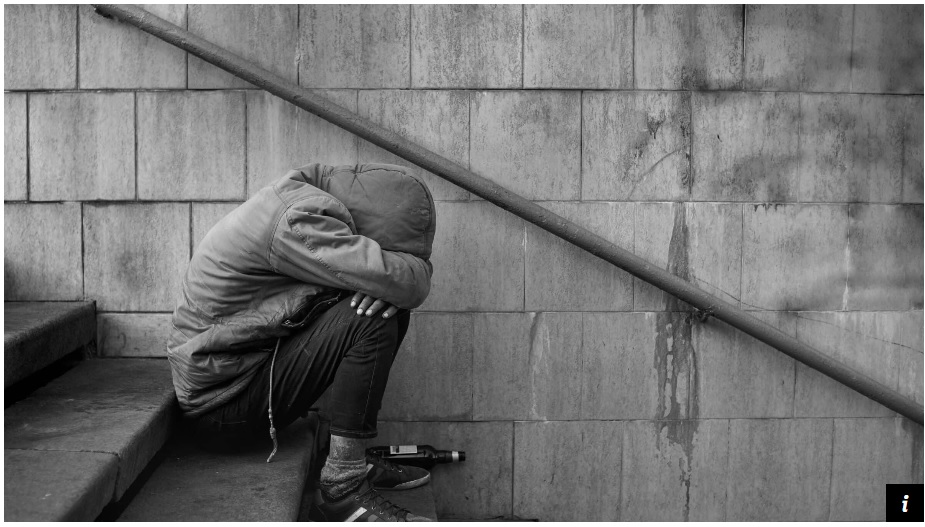
Harm Reduction

by Christina Myer exec editor of The Parkersburg News and Sentinel – Mar 14, 2026

According to the Drug Policy Alliance, overdose deaths are decreasing most in places where harm reduction practices are at work.

Dasgupta is a scientist studying drug overdose deaths at the University of North Carolina, Chapel Hill.

Use-prevention efforts such as honest school-based awareness programs, prescription drug monitoring programs, improved access to affordable mental healthcare, even data collection efforts that help guide the conversation — it all helps.

For that matter, access to affordable healthcare in general — particularly in a state that relies so much on physical laborers who face the risk of injury and chronic physical pain daily — is essential. Even better if alternative means of pain management are encouraged rather than squashed.

But perhaps one of the least considered when there is so much lower-hanging fruit for politicians are the “deaths of despair,” and the role hopelessness and dismal economic prospects have played in this plague. Deep generational poverty, socio-cultural assumptions about both education/job training AND substance use, and the perpetual failure to bring any momentum to the expansion and diversification of our economy have been crippling.

As the abstract for one Marshall University study on “The opioid epidemic: Effects on recidivism in West Virginia,” put it, “the opioid epidemic was just a by-product of a much larger issue found in West Virginia.”

Now, tens of millions of dollars have been distributed across the state in the early stages of the West Virginia First Foundation’s mission of “Empowering West Virginians to prevent substance use disorder, support recovery, and save lives.”

According to Chairman Greg Duckworth, “These investments are not just funding grants, they are strengthening an ecosystem. We are supporting foster families, peer recovery networks, workforce pipelines, diversion strategies, wraparound youth services, and the long-term capacity needed to change outcomes for generations.”

Here’s hoping the goal is that one day the foundation will run out of money after having completed its mission and happily close up shop.

But until that day, no one can let what looks like success over the course of one year lull them into letting off the gas. We’re not even out of the driveway.

Source: https://www.newsandsentinel.com/opinion/local-columns/2026/03/editors-notes-harm-reduction-effort-working/

10 Feb 2026 | By Benjamin Ferrer

by WRD News Team February 6, 2026          


Between 1980 and now, something fundamental has shifted in how we approach drugs, and understanding this transformation requires examining the historical record with clear eyes. Peter Stoker’s peer-reviewed paper, published in The Journal of Global Drug Policy and Practice in 2007, and very recently merged from a three-part in the Journal version into a single document, republished in the NDPA Website, traces the harm reduction history that changed everything, and his analysis, backed by over 250 references, makes for profoundly uncomfortable reading.

Back in 1980, America had just pulled off something remarkable in public health terms. Through coordinated prevention efforts involving parent groups and community organisations, drug use had dropped by 60%, with approximately thirteen million people stopping entirely. Parent groups had mobilised thousands of families around clear messaging that worked precisely because it was straightforward and uncompromising.

Today we’re told that same approach is not only outdated but fundamentally impossible to replicate. Prevention doesn’t work, the contemporary consensus insists, and the only realistic option is managing drug use rather than preventing it. Schools now teach children how to use drugs “more safely” instead of why they shouldn’t use them at all, representing a philosophical shift so profound that many who lived through both eras struggle to explain how it happened.

So what changed between then and now, and more importantly, how did such a dramatic reversal occur in barely more than a generation?

When Prevention Actually Worked

The 1970s were extraordinarily rough for American communities grappling with escalating drug use across virtually all demographic groups. By 1979, one in three teenagers had tried illegal drugs, whilst among high school seniors the figure approached an alarming two in three. Parents watched their children getting swept up in drug culture and recognised that something fundamental had to give.

Groups like the National Federation of Parents for Drug-Free Youth and PRIDE refused to accept this trajectory as inevitable or irreversible. They developed coordinated responses centred on three straightforward goals: stop kids starting, help users quit, and ensure treatment was available for those who genuinely needed it.

The results, documented across multiple independent studies, speak powerfully to the effectiveness of well-implemented prevention. Between 1980 and 1992, overall drug use fell 60%, representing one of the most successful public health interventions in modern American history. This wasn’t achieved through complex interventions or expensive pharmaceutical solutions, but through clear messaging and communities working together around shared values.

Then, almost imperceptibly at first but with gathering momentum, the tide began turning in a different direction entirely.

Liverpool’s Place in Harm Reduction History

Liverpool in the 1980s was struggling with profound challenges that had been building for years. The Toxteth riots of 1981 had left deep psychological and economic wounds, leaving the city angry, economically battered, and desperately searching for new answers to seemingly intractable problems.

A group of activists saw an opportunity to advance a radically different approach. Peter McDermott, now an editor at the International Journal on Drug Policy, later admitted with remarkable candour what they’d really been pursuing. The goal, in his own words, was to “signify a break with the philosophy that placed a premium on seeking to achieve abstinence,” and this moment would prove absolutely pivotal in harm reduction history.

What happened next is profoundly telling about the unintended consequences that emerge when ideology drives policy ahead of careful evaluation. Liverpool’s heroin users had historically smoked their drugs, a pattern that carried risks but avoided the particular harms of injection. After new programmes started handing out unlimited needles, the city shifted dramatically towards majority injecting use, and Hepatitis C rates climbed sharply during the same period.

A Liverpool mother whose two children battled heroin addiction told Stoker what she saw firsthand. Workers gave out needles “by the bag full,” and they even supplied known drug dealers who’d been promised they wouldn’t be arrested if caught carrying equipment.

The question nobody seemed willing to ask, or perhaps didn’t want to face honestly, was whether this represented genuine public health intervention or something else entirely.

Following the Money

George Soros, operating through various philanthropic entities under his control, had spent over $90 million by 1997 specifically pushing for fundamental changes in drug law and policy. Current estimates, based on tracking available records, put the cumulative total somewhere closer to $200 million invested over subsequent years in supporting liberalisation efforts.

That substantial financial backing funded major advocacy organisations including the Drug Policy Alliance, the Lindesmith Institute, and countless international conferences that shaped policy discourse globally. The money paid for glossy publications reaching policymakers, sustained media campaigns influencing public perception, and full-time lobbyists who could dedicate themselves entirely to advancing liberalisation agendas.

Prevention groups, by stark contrast, operated almost entirely on modest donations and small grants, and the financial mismatch was absolutely crushing in its practical effects on policy influence.

When you can afford international conferences bringing together hundreds of policymakers, employ professional PR firms that understand media dynamics, and fund sympathetic academic research whilst your opponents scrape by on volunteer hours, the playing field isn’t merely uneven. It’s tilted at such an extreme angle that meaningful competition becomes virtually impossible.

How Harm Reduction History Shaped Education

England and Wales had approximately 100 drug education coordinators serving 50 million people during the 1980s, which isn’t a particularly large number to convince if you’re attempting to shift fundamental policy direction. Focused advocacy groups recognised this vulnerability and exploited it systematically.

By the 1990s, British schools were incorporating materials suggesting “drug use is fun” and encouraging students to explore “the benefits of drug taking” without corresponding emphasis on risks. One widely distributed curriculum posed the question: “If adults drink alcohol why should I not take Ecstasy?” without providing any framework for evaluating the obvious differences in legal status, risk profiles, and social consequences.

Australia went considerably further, making these approaches mandatory components of school-based education across entire state systems.

The philosophical groundwork had been carefully laid over preceding decades through broader changes in educational theory. Carl Rogers had developed “values clarification” with the worthy intention of helping students discover values that would serve their development and communities. In practice, however, it morphed into something quite different, as external moral guidance came to be characterised as “anti-democratic” imposition. The new orthodoxy insisted that children should work out their own values largely independently, without what was dismissively termed “interference” from adults.

Rogers himself, watching how his concepts were being implemented and recognising troubling outcomes, later expressed profound reservations. He referred to what his work had enabled as “this damned thing” and questioned publicly whether he’d unwittingly initiated something “fundamentally mistaken.”

By the time Rogers voiced these concerns, however, the educational approaches his work inspired had already achieved such widespread implementation that reversing course would have required acknowledging systemic failure on a scale that bureaucracies rarely prove willing to contemplate.

What the Research Actually Shows

Needle exchange programmes consistently get presented as obvious public health victories, yet the accumulated research tells a considerably more complicated and often quite troubling story.

In Vancouver, HIV rates amongst participants jumped from 2% in 1988 to 23% in subsequent measurements. The city now holds the unfortunate distinction of Canada’s highest overdose death rate, and more than a quarter of participants continue sharing needles despite regular access to sterile equipment.

Montreal found participants had a 33% probability of HIV infection, whilst comparable non-participants showed only 13% probability, raising serious questions about whether participation might actually increase risk.

In India, baseline measurements before programme implementation showed HIV prevalence of 1%, Hepatitis B of 8%, and Hepatitis C of 17%. Following several years of operation, these figures had risen to 2%, 18%, and a truly alarming 66% respectively.

Analysis of 131 American programmes found that of nearly 20 million needles distributed, over 7 million were never returned, leading researchers to characterise many initiatives not as genuine exchanges but as distribution programmes.

Meanwhile, rigorous studies indicated that standard addiction treatment focused on reducing or stopping injection provided substantially superior protection against HIV and Hepatitis C compared to needle programmes operating without treatment components. This finding, however, doesn’t fit comfortably within the preferred narrative and consequently receives minimal attention.

Sweden’s Different Path

Sweden’s experience provides particularly instructive contrast. Following experimentation with permissive policies after World War II and evaluation revealing unfavourable outcomes, Sweden implemented comprehensive prevention-focused strategies as national policy.

The measurable results demonstrate what’s possible when commitment remains consistent over extended periods. Sweden maintains Europe’s lowest substance use rates across virtually all categories and age groups, a remarkable achievement sustained over several decades. Treatment centres operating both voluntary and court-mandated programmes achieve comparable success rates, suggesting quality matters more than admission pathway. Education systematically prioritises preventing initiation rather than teaching “safer” consumption methods.

The Swedish experience demonstrates conclusively that prevention can achieve substantial results when adequately resourced, systematically implemented, and sustained through consistent policy commitment over the time periods required for cultural change to take root.

The Power of Words

Language plays an extraordinarily significant role in shaping how different policy approaches are perceived by stakeholders, from policymakers to the general public. Certain terminology choices have proven remarkably influential precisely because the terms themselves carry implicit assumptions that bypass critical evaluation.

The term “soft drugs” implies substantially reduced harm potential, creating categorical distinctions that research doesn’t necessarily support. “Recreational use” frames consumption within normative leisure contexts, stripping away the reality that we’re discussing powerful psychoactive substances with genuine addiction potential. “Medical use,” when applied to smoking unprocessed plant material rather than tested pharmaceutical preparations, deliberately borrows credibility from established medical practice.

Perhaps the cleverest rhetorical trick has been characterising prevention as “prohibition,” a term that deliberately evokes 1920s American alcohol policy. The word triggers immediate images of gangsters and policy failure, despite substantial historical evidence that actual prohibition achieved measurable public health improvements.

Historical analysis by Robert Peterson demonstrates that prohibition outcomes contradicted common perceptions. Cirrhosis mortality decreased by over a third, alcohol-related psychosis declined markedly, and contrary to widespread belief, murder rates rose far more slowly during prohibition than before or after.

These facts receive minimal attention in contemporary discourse, strongly suggesting that terminology choices serve rhetorical rather than analytical functions, designed to trigger emotional responses rather than encourage careful evidence evaluation.

What Users Actually Want

Professor Neil McKeganey at Glasgow University’s Centre for Drug Misuse Research did something that should be standard practice but apparently represented something quite radical. He systematically surveyed substantial cohorts of drug-dependent individuals, directly asking what services they actually wanted.

The findings revealed patterns that fundamentally contradicted prevailing assumptions underlying current service delivery. The overwhelming majority didn’t request expanded needle programmes or indefinite methadone prescriptions. Instead, they expressed clear desire for clinical assistance in achieving complete cessation and sustained recovery, essentially asking for help to stop entirely rather than support for continued use under marginally safer conditions.

This peer-reviewed finding, published in respected journals and subjected to standard methodological scrutiny, contradicts the entire philosophical rationale underlying approaches focused on managing ongoing use. The research demonstrates that when you actually ask users what they want, they articulate goals aligning much more closely with prevention and treatment than with harm reduction philosophies. These findings, however, have received remarkably limited attention in subsequent policy development and funding decisions.

Europe’s Funding Games

The European Union formally maintains that drug policy falls outside its competence and remains under member state authority through subsidiarity principles. In practical operation, however, the EU exercises considerable influence through strategic funding decisions, policy recommendations carrying significant political weight, and coordination mechanisms shaping national development.

Former Swedish MEP MaLou Lindholm systematically documented troubling patterns in how these mechanisms operate. The European Cities on Drug Policy, representing approximately 30 cities favouring liberalisation, received substantial EU funding sustained over multiple years. Meanwhile, the European Cities Against Drugs, representing over 250 cities supporting UN conventions and prevention strategies, received outright rejections on multiple applications despite membership nearly ten times larger.

The Italian Radical Party, focused explicitly on drug liberalisation advocacy, maintains permanent office space within the EU Parliament building itself. The organisation utilises Parliament telecommunications, internet, and facilities, all taxpayer-funded, to lobby elected officials who often lack detailed policy knowledge.

Analysis suggests most elected representatives possess remarkably limited knowledge of harm reduction history and policy evidence, potentially increasing susceptibility to focused lobbying from well-resourced organisations that can afford professional staff dedicated entirely to influencing legislative processes. Most politicians know almost nothing substantive beyond simplified talking points provided by whichever advocacy groups reach them first.

The Evidence Double Standard

For decades, advocates attacked prevention for supposedly lacking sufficient evidence and failing to demonstrate effectiveness through rigorous evaluation. Demanding evidence-based policy certainly represents legitimate practice, and holding prevention to high standards is entirely appropriate.

What makes this problematic is the glaring double standard in how evidentiary demands get applied depending on which approach is under scrutiny. Anna Bradley, former Director of Britain’s Institute for the Study of Drug Dependence, acknowledged publicly in the late 1990s that “there is no research base for harm reduction,” essentially admitting that programmes promoted as evidence-based alternatives lacked the systematic evaluation their advocates demanded from prevention.

Stoker personally observed a 1988 presentation by Alan Parry, a Liverpool activist, who forcefully demanded rigorous proof from prevention programmes whilst simultaneously acknowledging his own programmes had no evaluation protocols due to “limited funding.” Assessment relied on subjective impressions that approaches appeared “working well.”

This differential standard continues characterising policy discourse in ways seriously undermining claims that contemporary drug policy is genuinely evidence-based. Prevention faces relentless demands for rigorous trials and demonstrated effectiveness, whilst approaches managing active use operate with substantially reduced scrutiny and minimal evaluation requirements.

Why Opposition Got Crushed

The massive resource differential created constraints so severe that fair debate on policy merits became virtually impossible. Well-funded liberalisation groups, backed by hundreds of millions, maintained capacity for activities prevention groups could barely imagine.

They organised international conferences attracting hundreds of participants, providing networking and coordinated messaging shaping global discourse. They afforded professional publication and distribution through established channels. They employed full-time staff and structured lobbying operations developing long-term policymaker relationships. They ran sustained media campaigns across multiple platforms. They funded research programmes and academic positions generating ostensibly independent scholarship supporting preferred directions.

Prevention organisations, operating primarily through volunteer contributions and modest grants, simply couldn’t compete effectively. When prevention advocates secured media attention, they frequently received characterisation as punitive and moralistic. Liberalisation advocates, meanwhile, benefited from portrayal as compassionate, evidence-based, and appropriately pragmatic.

These treatment patterns both reflected and substantially reinforced underlying disparities, creating self-reinforcing cycles where funding advantages translated into media advantages which further entrenched funding advantages through enhanced credibility.

The Cultural Shift Behind Harm Reduction History

Understanding harm reduction history comprehensively requires considering much broader cultural transformations occurring simultaneously. Substance use behaviours don’t occur in isolation but are substantially shaped by prevailing cultural environments and normative frameworks.

From the 1960s onwards, individual rights received progressively increasing prioritisation over community responsibility and collective wellbeing. Traditional authority figures experienced progressive reduction in societal influence. Non-judgementalism became increasingly elevated as paramount virtue, to the point where making moral distinctions between choices became culturally problematic.

Values-based education underwent substantial transformation towards pure individualism. Young people received consistent messaging that external moral guidance constituted “anti-democratic” imposition inappropriate in pluralistic societies. They were systematically encouraged to develop autonomous values without reference to adult perspectives or accumulated cultural wisdom.

Family structures underwent profound changes including dramatically increased divorce rates and single-parent households. Community bonds providing support networks and shared identity weakened substantially as people moved more frequently and participated less in traditional institutions. Materialistic values and immediate gratification became increasingly dominant. Self-focused outlooks progressively superseded concern for collective wellbeing.

Into this comprehensively transformed environment, creating what might be characterised as a moral vacuum, came messaging suggesting drug use represented merely another legitimate lifestyle choice. The message insisted it required professional management rather than moral evaluation or prevention efforts, fitting perfectly within broader currents elevating individual choice whilst dismissing traditional frameworks as outdated.

Drug policy didn’t change in isolation but was intimately connected to cultural shifts creating the environment where harm reduction history could unfold precisely as it did.

Where Things Stand

British drug education reflects substantial influence from approaches systematically prioritising managing use over preventing initiation. DrugScope, receiving up to £3 million annually in government funding, has consistently promoted these approaches whilst prevention perspectives receive substantially marginalised treatment in policy forums and funding decisions.

The Drug Education Forum and Drug Education Practitioners Forum, influential bodies shaping practice across thousands of schools, have been substantially influenced over extended periods by individuals known for publicly opposing prevention priority. Schools consequently receive official guidance tending systematically to undermine clear anti-drug messaging in favour of approaches focused on purported harm reduction.

Australia implemented similar approaches as mandatory national policy several years prior, whilst Canada systematically redirected substantial prevention funding towards programmes serving active users rather than preventing initiation. Across European jurisdictions, prevention organisations face persistent resource constraints whilst liberalisation advocacy receives substantial EU funding.

Nevertheless, recent developments suggest potential for significant reassessment. McKeganey’s research on user preferences created evident discomfort amongst groups claiming to represent user interests authentically. Sweden’s sustained success maintaining remarkably low rates through consistent prevention remains extremely difficult to dismiss. Some former advocates, speaking privately, have begun acknowledging limitations and disappointing outcomes of current approaches, though such admissions rarely translate into policy reversals.

What Harm Reduction History Teaches Us

Stoker’s analysis, drawing systematically on over 250 references spanning decades across numerous jurisdictions, establishes several key evidence-based conclusions deserving serious consideration.

Prevention demonstrates measurable effectiveness when adequately implemented and sustained over sufficient time periods. America’s dramatic 60% reduction during the 1980s provides powerful evidence that prevention works at population scale when communities mobilise around clear messaging. Sweden’s sustained low rates maintained consistently across decades offer additional compelling confirmation.

Current approaches focused predominantly on managing active use whilst neglecting prevention have produced disappointing outcomes across multiple domains. These approaches have demonstrably failed to align with stated user preferences, whom research indicates primarily desire complete cessation rather than indefinite management. They’ve failed families experiencing profound disruption from member addiction. They’ve failed communities experiencing elevated drug-related crime and social disorder.

The substantial financial advantage enjoyed by liberalisation organisations, sustained through foundation funding counted in hundreds of millions, requires explicit acknowledgement and strategic response if prevention voices are to receive fair hearing. Without comparable resources enabling professional operations and sustained engagement, prevention groups will continue facing persistent structural disadvantages.

Media treatment patterns systematically favouring liberalisation require critical examination and direct challenge. The assumption that liberalisation automatically represents compassionate pragmatism whilst prevention represents punitive moralising fundamentally lacks empirical foundation. Genuine compassion would logically prioritise preventing harmful initiation over managing consequences of initiated use.

Educational approaches require systematic reorientation towards messaging clearly communicating evidence-based realities: drugs present genuine health risks, initiation is demonstrably preventable, and young people deserve meaningful protection from exploitation and misguided frameworks normalising harmful behaviours.

Fundamentally, broader cultural renewal merits serious consideration. Shared values, despite contemporary dismissal as outdated, serve crucial protective functions. Community bonds provide essential support structures and accountability mechanisms. Clear guidance from caring adults serves essential protective functions during developmental periods when young people establish lifelong patterns.

Young people benefit substantially from learning that certain choices produce demonstrably better outcomes, not through judgementalism but from genuine concern for their wellbeing and ability to build lives worth living.

The Bottom Line

Stoker’s analysis reveals a well-funded, strategically sophisticated campaign that transformed drug policy over four decades. This transformation wasn’t driven by evidence or user preferences. Research shows users want help to quit, not indefinite management of continued use.

Instead, the shift was driven by ideological commitments backed by unprecedented funding from philanthropic sources, promoted through captured institutions, and facilitated by sympathetic media.

The consequences are troubling. Millions of lives have been negatively impacted by substance use that prevention might have forestalled. Families have been torn apart. Communities struggle with drug-related crime and social disorder. Billions have been allocated to approaches producing limited results whilst prevention remains underfunded.

But it’s not predetermined. Sweden proves prevention works when properly resourced. McKeganey’s research shows academic questioning is emerging. Parent organisations are growing.

The question is whether sufficient will exists to learn from harm reduction history’s lessons. Prevention produces results when adequately funded. Alternative approaches have proven expensive whilst producing disappointing outcomes, despite compassionate rhetoric.

The evidence points towards clear conclusions for anyone genuinely committed to reducing harm.


Source: www.wrdnews.org

The previous site of the overdose prevention site is seen on the intersection of Seymour Street and Helmcken Street. The site moved to Howe Street in April 2024, which has now closed. (Justine Boulin/CBC)

A Vancouver overdose prevention site has closed less than two years after it moved from its previous location, raising concerns among health officials and harm reduction advocates as the province sees record number of overdose calls to emergency services.

The Thomus Donaghy Overdose Prevention Site, located at 1060 Howe St., shut its doors Saturday, according to Vancouver Coastal Health.

The health authority says the owner of the building, Prima Properties, notified them to leave the property by the end of January after hearing a number of complaints from nearby residents.

CBC News reached out to the building’s owner to understand the scope and nature of the complaints but did not hear back by deadline. 

Dr. Patricia Daly, VCH’s chief medical health officer said the health authority took steps to address neighbourhood concerns, including hiring security, conducting needle sweeps, and placing staff on the sidewalk to prevent disorder.

“I myself frequently went down and observed that things seemed to be operating as they should,” Daly said.

The Howe Street location opened after the site was moved from Seymour Street in Yaletown in April 2024 following public safety concerns and backlash from nearby residents.

“It was actually a very good location, not visible to people on the street,” Daly said. 

It was the only one of its kind in what VCH calls the Vancouver City Centre area, which includes most of downtown, the West End and Fairview.

“That neighbourhood has the second highest rate of overdose deaths in our region, and the third highest rate in the entire province,” Daly said.

Daly says the OPS typically saw about 400 to 500 visits per week and has reversed more than 300 overdoses since its opening.

Across Vancouver, there are 12 overdose prevention sites, most of them located in the Downtown Eastside. But with the latest closure, that number drops to 11.

People who relied on the site will be directed to services in the Downtown Eastside, which is about a 30-minute walk away.

************

Earlier this week, the B.C. Centre for Disease Control issued a province-wide drug alert, noting new substances in the unregulated drug supply are putting people at risk province-wide. 

It says medetomidine, used primarily by veterinarians to sedate animals, is now being mixed with opioids like fentanyl.

Harm reduction and recovery advocate Guy Felicella said closing overdose prevention sites at a time like this is “disappointing and sad.”

“With the drug supply this deadly, not only you’re going to see people consuming substances out in the community, we could also witness people dying out in the community,” he said.

Felicella says overdose prevention sites played a critical role in his personal life. 

“I struggled in this area and the Downtown Eastside for decades and I was brought back to life multiple times at these services,” he said. 

Daly says the health authority is working with the City of Vancouver and other partners to identify a permanent or at least a temporary replacement location but she says it has become increasingly difficult to find a location that would host overdose prevention services.

“We hope to have something available on at least a temporary basis within the next week or two,” she said.

Source: https://www.cbc.ca/news/canada/british-columbia/thomus-donaghy-overdose-prevention-site-closing-9.7069806


by Jan Hoffman, NY Times – 15.12.2025

Medetomidine, a veterinary sedative, mixed into fentanyl has sent thousands to hospitals, not only for overdose but for life-threatening withdrawal. It is spreading to other cities.

Joseph is newly in recovery from fentanyl mixed with medetomidine, a veterinary sedative. Philadelphia’s hospitals are strained by cases of medetomidine withdrawal, which have life-threatening symptoms.

Around 2 a.m., Joseph felt the withdrawal coming on, sudden and hard. He fell to the floor convulsing, vomiting ferociously. The delirium and hallucinations were starting.

He shook awake his friend, who had let him in earlier to shower, wash his clothes and grab some sleep. “Do you have a few dollars?” he pleaded. “I have to get right.”

The friend, a community outreach worker who had been trying for years to get him into treatment, looked up at him standing over her raving and unfocused.

“Either leave or let me call an ambulance,” she demanded.

At 34, Joseph (who, with his friend, recounted the evening in interviews with The New York Times) had been through opioid withdrawals many times — on Philadelphia streets, in jail, in rehab. But he had never experienced anything as terrifyingly all-consuming as this.

A new drug has been saturating the fentanyl supply in Philadelphia and moving to other cities throughout the East and Midwestern United States: medetomidine, a powerful veterinary sedative that causes almost instantaneous blackouts and, if not used every few hours, brings on life-threatening withdrawal symptoms.

It has created a new type of drug crisis — one that is occasioned not by overdosing on the drug, but by withdrawing from it.

Source: https://www.nytimes.com/2025/12/15/health/medetomidine-withdrawal-symptoms-treatment.html?

By Corinne Boyer – Montreal City News – January 25, 2026 

A new remote service has launched in Quebec to help prevent drug overdoses, offering callers access to counselors by phone or video in a province grappling with rising overdose deaths.

Quebec’s overdose crisis has reached alarming levels. A report from the province’s institute for public health shows there were 645 drug overdose deaths in 2024 alone, with projections for 2025 expected to exceed 600.

Drugs: Help and Referral recently introduced the Remote Service for Overdose Prevention (RSOP) to provide immediate support for those at risk.

“In Canada, we’ve seen a decrease of overdoses, in Quebec, we’ve seen the opposite!” said David Galipeau, assistant coordinator at RSOP.

RSOP counselors follow a structured approach, explaining rules to callers, obtaining consent to contact emergency services if necessary, assessing overdose risk, providing wellness checks when there’s no immediate danger, and deleting personal information once the call ends to maintain anonymity.

“Here is really a support,” said Galipeau. “So the person could just use substances completely in silence and will just be there and monitor and see if the person is still well and then punctually just check up on the person. We stay on the phone throughout the entire time. But sometimes, the person just wants to talk about what they’re feeling. Sometimes, it can bring out some emotions and stuff like that. Then we can intervene and we can support those types of cases. But the person can choose the level of which, the support that they get from our team.”

Counselors emphasize that the service is not about stopping drug use but preventing fatal overdoses.

“We’re not there to tell them what to do, we’re not there to stop them from using the drug, we’re not asking them to stop, we’re just asking them to do it with someone, to not do it alone,” said Karelle Chevrier, addiction counselor at RSOP.

Officials note that most overdose-related deaths in Quebec occur when people use drugs alone at home, which significantly increases the risk of a fatal outcome.

“Drug usage in general is very stigmatized in society, and some people, due to that stigmatization and self-stigmatization as well, experience loneliness,” said Galipeau. “It leads them to use substances alone in their house or elsewhere in the city in secluded areas.”

“The danger when we do it alone is so high and we just don’t want people to die basically so just call us to do it with us and we won’t judge you,” added Chevrier. “We’ll be there for you and we’re not going to tell you what to do.”

After the pilot project launched in June 2025 proved successful, RSOP has grown to nearly 30 employees handling 120 to 160 calls a day, with recent spikes reaching 200 daily calls.

“Frequency is slowly going up but it’s more the number of different people that is becoming bigger faster and also we did lose some of our callers because they ended up going to our other program so they used with us and then they stopped using and now they moved on to the regular line where they can talk about how they want to keep sober and they want to stay sober and they want to go to therapy,” said Chevrier.

The service is free, confidential, bilingual, and available seven days a week from 11 a.m. to 2:30 a.m. Callers can connect with an RSOP counselor by contacting Drugs: Help and Referral at 1-800-265-2626 and choosing option 2.

Source: https://montreal.citynews.ca/2026/01/25/quebec-launches-remote-service-drug-overdoses/

People in B.C. who are prescribed safe alternatives to deadly street drugs must now take their meds in front of a witness. Here’s why advocates are concerned.

British Columbia’s overdose-prevention safer supply program underwent a significant shift Tuesday.

With a few exceptions, participants in the program will now need to ingest their prescribed alternatives to street drugs in front of a health-care professional—often a pharmacist.

It’s a change the opposition B.C. Conservatives say is an improvement, and an acknowledgment that safer supply isn’t really working.

“This is really just managing someone’s decline,” said Claire Rattee, the B.C. Conservative critic for mental health and addictions. “We don’t do this in any other area of mental health or medicine.”

The shift was announced in February, prompted by leaked documents confirming what critics had warned about and the NDP had disputed—that significant amounts of the prescribed alternatives were being diverted and sold on the streets.

“The government continues to paint this as a problem with bad actors in pharmacies, but the reality was that it was a government policy of giving out large quantities of highly addictive opioids,” said Elenore Sturko, the Independent MLA for Surrey-Cloverdale.

Sturko is the one who exposed the truth about diversion. She’s happy about the changes, but wants a public inquiry and more answers, including about the status of investigations into the dozens of pharmacies alleged to have enabled the diversion and how widespread it was.

“We need to have answers and clarity,” said Sturko on Tuesday. “Where is the accountability for those pharmacies that were under investigation?”

The latest stats show 150 lives lost to toxic drug overdoses in October.

Some worry Tuesday’s changes could actually add to those numbers, with street drugs becoming more convenient than prescribed alternatives.

“My concern is always that if people don’t go to get their prescription medications, then where will they go?” asked harm reduction advocate Guy Felicella.

The Health Ministry tells CTV News that investigations into the pharmacies began more than nine months ago and are ongoing. It says it remains committed to monitoring the program to ensure it’s working as intended to save lives in a crisis that’s already claimed more than 16,000 lives in nine years.

Source: https://www.ctvnews.ca/vancouver/article/critics-react-to-changes-to-bc-overdose-prevention-program/

Opening statement by NDPA:

NDPA has mixed feelings about Harm Reduction – in one form, aiming to minimise harm in users while they consider cessation of drug use, it is something which NDPA supports, but in another form it is a ‘closet legalisation ploy’ – promoting the notion that drug use is valid and one should only seek to reduce the harm users experience – and NDPA clearly does not support this form. With this caveat, this article is included as an opinion piece for reading.

by Ricardo Fuertes, EATG member and representative at the EU Civil Society Forum on Drugs – December 17, 2025

Earlier this month, Mr Fuertes participated in the Civil Society Forum on Drugs as a representative of EATG. The discussions offered important insights into the current direction of EU drug policy and the conditions under which civil society organisations are operating.

The New EU Drugs Strategy: An Unbalanced Approach and the Downgrading of Harm Reduction

The European Commission presented the new EU Drugs Strategy. From the perspective of many civil society organisations, the Strategy is notably unbalanced. While prevention, treatment, and social integration are clearly highlighted and structured as core pillars, harm reduction is treated differently. Rather than being recognised as a distinct and essential pillar, it is dispersed across the document, diluted in its language, and separated from the other approaches.

At the same time, the Strategy is highly detailed when it comes to security-related themes, threats, and supply reduction. Considerable attention is given to law enforcement and control measures, while approaches grounded in public health and human rights receive comparatively less emphasis. Decriminalisation and the legal regulation of drugs are entirely absent from the framework. In addition, the Strategy lacks a defined timeframe or end date, raising concerns about accountability and evaluation. It is also not accompanied by a dedicated budget or a comprehensive action plan beyond an Action Plan against drug trafficking.

These concerns have been explicited in a joint letter coordinated by the International Drug Policy Consortium and signed by a wide number of organisations, including EATG, as a tool to encourage negotiation with Member States.

Systemic Barriers and Excluded Populations

Discussions throughout the Forum highlighted the need to better address systemic barriers affecting vulnerable populations. While HIV and viral hepatitis are mentioned within the EU Drugs Strategy, this is done in broad terms, without clearly identifying who is being left behind and why.

From EATG’s perspective, undocumented migrants must be explicitly included in prevention and treatment efforts. Legal precarity, fear of detection, and administrative barriers continue to exclude many undocumented migrants from access to drug services, HIV prevention, and care for viral hepatitis. A generic commitment to identifying systemic barriers is not sufficient; concrete measures are needed to ensure that prevention and treatment are accessible to all, regardless of migration status.

Civil Society Participation Under Pressure

A noticeable decline in participation at this year’s Forum was also observed. This reflects the increasingly difficult conditions under which many civil society organisations are operating across Europe. Participants reported funding cuts, staff reductions and layoffs, as well as decisions to limit participation in international meetings. These pressures are forcing organisations to reduce activities and service provision, with harm reduction particularly affected.

Across the Forum, there was a shared sense that civil society space is narrowing and that critical voices are at risk of being marginalised.

As debates around the EU Drugs Strategy continue, EATG will continue to underline the importance of protecting civil society space, restoring harm reduction as a central pillar of drug policy, and ensuring that prevention and treatment genuinely reach the most marginalised, including undocumented migrants. A balanced, public health- and rights-based approach is not an abstract principle; it requires concrete actions, political commitment, and sustained investment.

           Photo: Delegates at the Civil Society Forum on Drugs – December 17, 2025

Source:  https://www.eatg.org/blogs/the-new-eu-drugs-strategy-an-unbalanced-approach-and-the-downgrading-of-harm-reduction/

The New England Journal of Medicine is again promoting failed progressive public policies. This time, it is “harm reduction.” From “The Erosion of Harm Reduction,” by Joshua Barocas, M.D.

Unlike the targets of many other recent attacks on public health and medicine in the United States, harm reduction is not a formal bureaucracy, but a philosophy and an approach to health care. As defined by the Drug Policy Alliance, it is “a set of ideas and interventions that seek to reduce the harms associated with both drug use and punitive drug policies.” Harm reduction is embodied in syringe-services programs (SSPs), naloxone distribution, overdose education, overdose-prevention centers [i.e. “safe injection sites”], and decriminalization of drugs.

Barocas decries the Trump Administration’s executive order that limits such policies:

Perhaps most concerning, an executive order focused on homelessness and civil commitment issued on July 24, 2025, prohibits federal SAMHSA discretionary grants from being used to fund harm-reduction activities, proposes a freeze on federal funding to organizations that provide “drug paraphernalia,” and threatens legal action against harm-reduction organizations. The executive order states that these approaches “only facilitate illegal drug use and its attendant harm.”

The Streets of San Francisco

My wife, the Las Vegas Review-Journal columnist Debra J. Saunders, covered San Francisco’s harm reduction drug policies extensively back when she worked for the San Francisco Chronicle. It started with “needle exchange,” which she initially supported as a means of preventing the spread of HIV. The idea was for addicts to “exchange” dirty needles — a prime source of HIV transmission — for clean ones. The rule was: no used needle, no free clean replacement. Unfortunately, the program led to greater drug abuse. “Harm reduction” zealots eventually dropped the exchange requirement, which resulted in dangerous used needles littering San Francisco’s sidewalks and even children’s playgrounds.

Debra noticed the decay and decided to investigate. I’ll let her describe it. From a 2019 Review-Journal column:

In 2015, I learned that San Francisco had abandoned the “needle exchange” model — clinics would dispense one new needle in exchange for each used needle — in favor of needle “access.” Which means free needles.

So I walked into a downtown clinic and walked out with a “starter kit” of 20 needles in a paper bag filled with other paraphernalia meant to make it safer to shoot up. It was that easy.

You see, it had become too much to expect the city’s many junkies to return used needles to get free needles. (It also was too much to expect drug users to buy their own needles, which had been legalized.)

Instead the Special City, as some call it, put out drop boxes in the hope that the civic-minded would use them. How did that work out? Just look at the sidewalks. It’s not working.

Can You Imagine?

San Francisco was allowing harm reducers to give away “starter kits” to people so they could begin injecting drugs! That’s harm causation.

Policies have consequences. Those of San Francisco’s homelessness “harm reduction” protocols were dire. Human feces befouled the streets, to the point that a “poop map” was published to warn people about unsanitary messes. The downtown commercial center imploded. Once-thriving shopping hubs closed. Union Square became a ghost town. Squalor ruled blocks of Market Street. A total “harm reduction” catastrophe.

The Good Doctor Barocas

But don’t tell that to the good doctor Barocas, who concludes his NEJM piece thusly:

Harm reduction is evidence-based health care that is rooted in public health principles. There is no single best form of harm reduction — this model depends on the availability of an array of services that meet patients where they are. Undermining harm reduction and cutting related programs isn’t merely a funding decision; it is an assault on an approach to health care that prioritizes evidence, compassion, and dignity — values that are central to the medical profession. Such actions are in keeping with other moves by the federal government that encroach on clinical practice and the professional judgment of clinicians and undermine the autonomy of patients. Like many other aspects of public health and medical care, harm reduction is being dangerously and rapidly eroded.

I don’t think that “personal autonomy” and “human dignity” entail shooting up harmful substances, defecating in public, living (and dying) on the streets, or engaging in the many other behaviors associated with drug abuse (and mental illness) that have ruined too many of America’s formerly world-class cities.

Helping drug abusers as well as we can is an ethical imperative. The question therefore becomes: Do we love our addicted countrymen enough to insist that they diligently engage in programs to restore themselves to lives of dignity and self-respect? Harm reduction isn’t that. Indeed, the more we take that path, the worse things get. Facilitating drug abuse — which is what “harm reduction” does — causes terrible harm, often to the people it purports to help and certainly to the communities in which they reside.

Wesley J. Smith – Chair and Senior Fellow, Center on Human Exceptionalism

Wesley J. Smith is Chair and Senior Fellow at Discovery Institute’s Center on Human Exceptionalism. Wesley is a contributor to National Review and is the author of 14 books, in recent years focusing on human dignity, liberty, and equality. Wesley has been recognized as one of America’s premier public intellectuals on bioethics by National Journal and has been honored by the Human Life Foundation as a “Great Defender of Life” for his work against suicide and euthanasia. Wesley’s most recent book is Culture of Death: The Age of “Do Harm” Medicine, a warning about the dangers to patients of the modern bioethics movement.

Source: https://scienceandculture.com/2025/11/harm-reduction-harms-the-homeless/

by Jan Hoffman – Published Aug. 25, 2025

Jan Hoffman is a health reporter for The New York Times covering drug addiction and health law.

San Francisco, Philadelphia and others are retreating from “harm reduction” strategies that have helped reduce deaths but which critics, including Trump, say have contributed to pervasive public drug use.

Safe drug-consumption materials distributed in the Tenderloin district of San Francisco, including naloxone, pipes and plastic straws.Credit…Mike Kai Chen for The New York Times

As fentanyl propelled overdose deaths to ever more alarming numbers several years ago, public health officials throughout the United States stepped up a blunt, pragmatic response. Desperate to save lives, they tried making drug use safer.

To prevent life-threatening infections, more states authorized needle exchanges, where drug users could get sterile syringes as well as alcohol wipes, rubber ties and cookers. Dipsticks that test drugs for fentanyl were distributed to college campuses and music festivals. Millions of overdose reversal nasal sprays went to homeless encampments, schools, libraries and businesses. And in 2021, for the first time, the federal government dedicated funds to many of the tactics, collectively known as harm reduction.

The strategy helped. By mid-2023, overdose deaths began dropping. Last year, there were an estimated 80,391 drug overdose deaths in the United States, down from 110,037 in 2023, according to provisional data from the Centers for Disease Control and Prevention.

Now, across the country, states and communities are turning away from harm reduction strategies.

Last month, President Trump, vowing to end “crime and disorder on America’s streets,” issued a far-flung executive order that included a blast at harm reduction programs which, he said, “only facilitate illegal drug use and its attendant harm.”

But his words, implicitly linking harm reduction to unsafe streets, echoed a sentiment that had already been building in many places, including some of the country’s most liberal cities.

San Francisco’s new mayor, Daniel Lurie, a Democrat who campaigned on a pledge to tackle addiction and street chaos, announced this spring that the city would step away from harm reduction as its drug policy and instead embrace “recovery first,” aspiring to get more people into treatment and long-term recovery. He banned city-funded distribution of safe-use smoking supplies such as pipes and foil in public places like parks. A year earlier, San Francisco voters had signaled their restiveness with pervasive drug use by approving a measure stipulating that some recipients of public assistance who repeatedly refused drug treatment could lose cash benefits.

Philadelphia stopped funding syringe services programs, which the C.D.C. has called “proven and effective” in protecting the public and first-responders as well as drug users. The city put restrictions on mobile medical teams that distribute overdose reversal kits and provide wound care for people who inject drugs, and stepped up police sweeps in Kensington, a neighborhood long known for its open-air drug markets and a focal point of the city’s harm reduction efforts.

Santa Ana, Calif., shut down its syringe exchanges; Pueblo, Colo., tried to do the same but a judge blocked enforcement of the ordinance.

Mayor Daniel Lurie of San Francisco, center, often walks through the Tenderloin district, where people experiencing addiction, mental illness and homelessness gather.Credit…Mike Kai Chen for The New York Times

Republican-dominated states have also been retreating from the approaches. In 2021, West Virginia legislators said that needle exchange programs had to limit distribution to one sterile syringe for each used one turned in and could only serve clients with state IDs. Last year, Nebraska lawmakers voted against permitting local governments to establish exchanges.

“Harm reduction” is a decades-old concept, grounded in the reality that many people cannot or will not stop using drugs. Since the 1980s, when AIDS activists began distributing sterile syringes to drug users to slow the spread of diseases, the expression has moved to the mainstream of addiction medicine and public health.

Over time, it has become shorthand for a wide range of approaches. Some are broadly popular and will certainly continue. In April, the White House’s office of drug control policy released priorities reaffirming support for drug test strips and naloxone, the overdose reversal medication that has become an essential item in first-aid kits in homes, restaurants and school nurse offices.

But critics contend that making drug use safer, with distribution of supplies and pamphlets directing how to use them, normalizes drug use and undercuts people’s motivation to quit and seek abstinence.

“The more you’re sort of funding and feeding the addiction, you’re going to get more addiction,” Art Kleinschmidt, now the head of the federal agency that oversees grants for substance abuse, said on a podcast last year. Such programs, he said, “definitely are breeding dependency.”

Others argue for nuance.

“Harm reduction is neither the singular solution to the overdose crisis nor a primary cause of public drug use and disorder,” said Dr. Aaron Fox, president of the New York Society of Addiction Medicine. “It’s one component of a spectrum of services necessary to prevent overdose deaths and improve the health of people who use drugs. But if communities want long-term solutions to homelessness, they need to work on expanding access to housing.”

Harm reduction supporters reject the notion that protecting people from the worst consequences of drugs encourages use.

“I don’t think the availability of sterile supplies really makes a difference about whether someone is going to start or continue using drugs,” said Chelsea L. Shover, an epidemiologist at the University of California, Los Angeles, who oversees Drug Checking Los Angeles, which tests the contents of drugs for individuals and public health agencies. “But I do think it will make a difference in terms of whether that person is going to be alive in a week or a month or a year, during which time they might get into recovery, whatever that may mean for them.”

Some addiction experts fear that a retreat from harm reduction will reverse the falloff in deaths from injection-related diseases.

“Hepatitis C and H.I.V. numbers will go up, and more people are going to die,” said Dr. Kelly Ramsey, a harm reduction consultant who practices addiction medicine at a South Bronx clinic.

While overdose deaths have fallen, it is unclear whether drug use itself has also slowed. In neighborhoods across the country, from Portland, Maine, to Portland, Ore., many residents complain that the harm to them from drug use, including crime and syringe street litter, has not been reduced.

Mr. Trump particularly called out a type of harm reduction known as “safe consumption sites” — sometimes labeled “overdose prevention centers.” They are supervised locations where people can inject drugs without fatally overdosing, found in Europe, Canada and Mexico. Often drug users can test their supplies right away and staff members can quickly administer overdose reversal medication if needed.

There are only three in the United States, and they make for easy political targets. In addition to many Republicans, prominent Democratic governors, including Gavin Newsom of California, Kathy Hochul of New York and Josh Shapiro of Pennsylvania, oppose them. The Pennsylvania senate voted to ban them. One, in Rhode Island, is protected by state and local law. But the other two, in New York City, which provide treatment referrals and support services, operate in a legal gray zone and could face federal scrutiny.

Opponents of harm reduction offer few specifics about how to get more people to stop using drugs and into treatment. Mr. Trump’s order directs the health secretary and the attorney general to explore laws to civilly commit addicted people who cannot care for themselves into residential treatment “or other appropriate facilities.” But it is silent about how such programs would be paid for.

The administration has already made major cuts to the Substance Abuse and Mental Health Services Administration, the federal agency that awards grants for prevention, treatment and recovery. It has slashed the agency’s staff and the grants it gives for a wide variety of prevention, intervention and treatment services.

Cuts to Medicaid included in the sweeping domestic policy bill enacted this summer are also likely to affect many people’s access to treatment and states’ ability to cover it. Robert F. Kennedy Jr., the health secretary, who is in recovery from a substance use disorder, has focused on nutrition, chronic disease and vaccines during his first six months in office and has said little about plans to address the drug crisis.

The battle over whether harm reduction should remain a primary goal or be secondary to getting users into treatment and restoring order to public streets has been joined most intensively in San Francisco.

There, ample social services and ferociously expensive housing had contributed to a large population living on the streets, many struggling with mental illness and addiction. Then, by 2020, fentanyl and Covid had slammed into the city.

At public meetings this spring, angry residents brandished signs, some reading “Harm Reduction Saves Lives” and others “Drug Enablism Kills.”

Although the city has adhered to regulations for state-funded Housing First programs, which offer permanent housing for homeless people without requiring them to be drug-free, Mr. Lurie recently presided over the opening of the city’s first transitional sober living residence, with 54 units for adults committed to abstinence.

The drive to adjust the city’s drug policy to recovery first has been led by Matt Dorsey, a member of the San Francisco Board of Supervisors, who is in recovery from a substance use disorder.

In an interview, Mr. Dorsey said he supports aspects of harm reduction, including the distribution of safe supplies. But he sees the strategy as more of a floor than a ceiling. “We need to make clear that the objective of our drug policy is a healthy, self-directed life free of illicit drug use,” he said.

The difficult challenge, he said, was how to attend to the rights of pedestrians who daily confront drug use, while also trying to “help people addicted to life-threatening drugs.”

To pay for additional treatment and services, he said, city officials are working on ballot measures to redirect tax revenue.

“Part of what gives me confidence that we will ultimately find the funding,” Mr. Dorsey added, “is that the alternative is unthinkable.”


Source: https://www.nytimes.com/2025/08/25/health/harm-reduction-san-francisco-trump.html

by

  • Thomas Kennedy GreenfieldSenior Scientist, Alcohol Research Group, Public Health Institute
  • Libo LiPublic Health Institute, Alcohol Research Grouphttps://orcid.org/0000-0001-7147-9838
  • Katherine J. Karriker-JaffeResearch Triangle Institutehttps://orcid.org/0000-0002-2019-0222
  • Cat MunroePublic Health Institute, Alcohol Research Grouphttps://orcid.org/0000-0002-6950-7200
  • Deidre PattersonPublic Health Institute, Alcohol Research Grouphttps://orcid.org/0000-0002-6775-9682
  • Erica RosenCalifornia State University, Long Beachhttps://orcid.org/0000-0003-1343-7554
  • Yachen ZhuPublic Health Institute, Alcohol Research Grouphttps://orcid.org/0000-0002-8192-6168
  • William C. Kerr Centre Director, Scientific Director, Public Health Institute, Alcohol Research Grouphttps://orcid.org/0000-0001-6612-9200

August 22, 2025

This study from PHI’s Alcohol Research Group and RTI International evaluated the associations between a seven-item summative burden scale and different types of harms attributed to someone else’s use of alcohol, cannabis or other drugs.

There is a growing body of research on the second-hand harms from alcohol and drug use that points to the negative health impacts of substance use extend beyond the individual engaged in the behavior. The literature on alcohol-related harms has explored the connections between secondhand alcohol and drug harms (ADH) and their impact on quality of life, well-being and mental health issues among those affected, often including family members, but there hasn’t been any specific research done on the family burden related to alcohol and other drug harms until now.

This study from PHI’s Alcohol Research Group and independent scientific research institute RTI International evaluates the familial burden of the secondhand ADHs, investigating associations between a seven-item summative burden scale and different types of harms attributed to someone else’s use of alcohol, cannabis or other drugs. The findings reveal the need for family support interventions and policy remedies to mitigate these burdens.

You can view the study here:

Background: Family burden has not been studied in relation to alcohol and other drug harms from others. We adapted a family burden scale from studies of caring for those with mental health conditions for use in the US Alcohol and Drug Harm to Others Survey (ADHTOS). We investigated associations between a seven-item summative burden scale and different types of harms attributed to someone else’s use of alcohol, cannabis, or another drug: (a) being assaulted/physically harmed; (b) having family/partner problems; (c) feeling threatened or afraid; and (d) being emotionally hurt/neglected due to others’ substance use.

Methods: A survey of adults aged 18 years and over conducted between October 2023 and July 2024 (= 8,311), involved address-based sampling (n = 3,931 including 193 mail-backs) and web panels (n = 4,380), oversampling Black (n = 951), Latinx (n = 790) and sexual or gender minority (SGM) respondents (n = 309). Data from seven items on types of burdens experienced from other people’s alcohol or drug use were provided by those harmed by someone else’s alcohol or drug use and were used to create a burden scale. Analyses used negative binomial regression on burden sum adjusting for covariates, such as age, gender, race and ethnicity, marital status and years of education.

ResultsThe single factor burden scale showed good internal consistency (α = .91). Components assessing being emotionally drained/exhausted and family friction/arguments were endorsed by 38–39% of participants; finding stigma of the other’s substance use upsetting was affirmed by 33%. Fewer endorsed feeling trapped in caregiving roles (22%), problems outside the family (26%), neglect of other family members’ needs (16%), and having to change plans (14%). In adjusted regression models, seven of eight harm exposures were significantly associated with burden scores.

Discussion: People reported substantial burden from others’ use of alcohol, cannabis, and other drugs. Family support interventions and policy remedies to mitigate these burdens are needed.

About RTI International

RTI International is an independent scientific research institute dedicated to improving the human condition. Our vision is to address the world’s most critical problems with technical and science-based solutions in pursuit of a better future. Clients rely on us to answer questions that demand an objective and multidisciplinary approach—one that integrates expertise across social, statistical, data, and laboratory sciences, engineering, and other technical disciplines to solve the world’s most challenging problems.

Source:  https://www.phi.org/thought-leadership/study-evaluating-family-burden-among-us-adults-experiencing-secondhand-harms-from-alcohol-cannabis-or-other-drug-use/


OPINION: Eric Adams is right 
Charles Fain Lehman is a fellow at the Manhattan Institute and senior editor of City Journal.

Can New York clean up its public drug-use problem?

Mayor Eric Adams aims to try: On Thursday, he called on the state Legislature to allow clinicians and judges to compel people into treatment when their drug use is hurting them and the city.

“We must help those struggling finally get treatment, whether they recognize the need for it or not,” Adams said at an event hosted by the Manhattan Institute (where I work).  

“Addiction doesn’t just harm individual users; it tears apart lives, families and entire communities, and we must change the system to keep all New Yorkers safer.”

Adams’ proposed state law, the Compassionate Interventions Act, may face an uphill battle in Albany, as “harm reduction” advocates assail it as coercive and dangerous.

But involuntary treatment should be a tool in New York’s arsenal for dealing with the public drug use that has plagued it for years.

Last year it reported nearly 4,000 homeless residents with a history of chronic substance use — probably an undercount, as such people are less likely to be identified by the city’s annual late-night census.

Regardless, it’s not hard to find people shooting up on New York’s streets — just visit the Hub in The Bronx or Washington Square Park in Manhattan.

Such behavior makes whole swaths of the city unlivable.

Public drug use hurts both users — there were more than 2,100 overdose deaths in the five boroughs last year — and the places where they use.

It deters commerce, and creates environments conducive to more serious crime.

Too often the city has responded to these situations with benign neglect, exemplified by its two “supervised consumption sites,” which give people a place to use with Narcan-wielding staff standing by.

These sites continue to operate, in spite of the fact that they don’t work and violate federal law.

Leaving people free to abuse drugs, it turns out, doesn’t save lives.


Involuntary treatment, by contrast, tries to correct the behavior that drives drug users to hurt both themselves and others.

That’s why 37 other states already permit it — and why New York under Adams’ plan would join them.

Critics will insist that involuntary drug treatment doesn’t work, and that people have to want to change.

But the balance of the evidence suggests that involuntary treatment performs as well as voluntary treatment.

That’s backed up both by older research on California’s involuntary-treatment scheme, and by strong indications that drug courts, which route drug offenders into treatment instead of prison, can reduce recidivism.

Opponents will also say that it’s immoral to compel people to get treatment they don’t want, and that it violates their “bodily autonomy.”

But there’s no right to shoot up in public spaces, or to ruin your body with fentanyl. And New Yorkers should have the right to expect their public spaces to be free from disorder, including public drug use.

The biggest challenge for Adams, though, may be the state’s limited treatment capacity.

New York state as a whole has only 134 long-term residential treatment facilities.

As of 2023, the most recent available data, they were serving 2,935 clients — fewer than the city’s tallied homeless drug-addict population.

Implementing the Compassionate Interventions Act will almost certainly require more funding for treatment beds, much as Adams’ previous efforts to institutionalize the seriously mentally ill did. That will have to be part of any ask in Albany.

But the mayor’s proposal will also allow diversion to outpatient treatment programs, including a new $27 million investment in contingency management therapy — an evidence-based intervention that has been shown to help treat drug addiction.

What happens if Albany says no to Adams’ proposal? Or if Adams is out of the mayoralty come the next legislative session?

The NYPD can still work to clear encampments. And the city can still try to divert drug users into its drug-courts system, which, while useful, faces administrative problems and lacks transparency.

But actually getting drug users the help they need, rather than just cycling them through the city’s jails, will be hard — much as the administration struggled to handle the seriously mentally ill before it had the power to compel them into treatment.

SOURCE: https://nypost.com/2025/08/14/opinion/involuntary-treatment-can-solve-the-public-drug-scourge/

new study from researchers at the Johns Hopkins Bloomberg School of Public Health sheds light on how people who inject drugs (PWID) are responding to the growing instability and danger in the U.S. illicit drug supply. Despite facing structural vulnerabilities, participants in the study demonstrated a keen awareness of changes in drug quality and content, and many are taking proactive steps to reduce their risk of overdose, injury, and other harms.

Published July 24, 2025, in the journal Health Promotion International, the qualitative study explores the experiences of 23 PWID in Baltimore City, where a growing number of opioid-related deaths and the emergence of new, harmful adulterants like xylazine have made drug use increasingly perilous. Participants reported encountering potent and unpredictable drug combinations and described cognitive, behavioral, and social strategies they use to navigate this new reality. Notably, the paper’s publication comes just two weeks after a mass overdose in Baltimore’s Penn North neighborhood sent dozens of people to the hospital in the span of a few hours and tests revealed unfamiliar ingredients.

“We found that people who inject drugs are not indifferent to the risks they face,” said lead author Abigail Winiker, PhD, MSPH, an assistant scientist in Health Policy and Management and program director for the Bloomberg Overdose Prevention Initiative. “They are making conscious decisions every day to protect their health, whether that’s testing a small dose, avoiding injecting alone, switching to less risky methods of use, or sharing safety information with peers. These are intentional harm reduction strategies grounded in knowledge and a desire to stay safe.”

The U.S. continues to grapple with a historic overdose crisis, with over 107,000 deaths reported in 2022 alone. Fentanyl and its analogs now dominate the opioid supply, but new substances, often unknown to users, are increasingly present. Participants in the study described a “wildcard” market where real heroin has been replaced by unpredictable blends, sometimes laced with benzodiazepines, dissociative agents, or tranquilizers like xylazine, which are not meant for human consumption.

The uncertainty has led to intense fear and physical harm among PWID, with many recounting a range of adverse reactions from illicit substance use, including blackouts, seizures, severe wounds, and overdose. Despite the increasing risk associated with these drug market changes, most participants reported having no access to a reliable source of information about the composition of the drug supply, making it challenging to adapt in the face of new additives. Most knowledge about specific risks or harmful batches was passed on through word of mouth, which could perpetuate rumors and the spread of misinformation.

Individual and Collective Adaptations 

The study highlights the wide array of harm reduction strategies participants use to mitigate risk. Cognitively, many indicated thinking about their drug use in terms of personal health and family responsibilities, with some expressing a motivation to seek treatment or abstain from use entirely in the face of an increasingly risky drug supply.

Behaviorally, PWID described strategies such as taking smaller test doses, sniffing instead of injecting, and having someone present who could administer naloxone if needed. Socially, trust played a critical role; participants emphasized returning to known sellers who warned them about potent batches and relying on peer networks to spread information about adverse events or dangerous batches in circulation. 

“These strategies reflect a deep sense of agency and adaptability,” said Winiker. “Our findings debunk the dangerous myth that individuals who use drugs are reckless or disconnected from their health. This false narrative perpetuates stigma and limits our ability as a society to recognize the incredible resilience and strength of people who use drugs.” 

Policy and Programmatic Implications 

The authors argue that these findings should inform more responsive public health policies and harm reduction programming. While fentanyl test strips can be an effective intervention, many participants noted that fentanyl’s presence is now expected, but what they fear are the unknown additives they cannot identify or test for, such as those that were found in the case of the mass overdose two weeks ago. Universal drug checking services, real-time supply surveillance, and mobile harm reduction outreach are critical next steps, the study concludes.

The research also points to the urgent need to remove structural barriers to harm reduction. In many states, drug checking equipment is still considered illegal paraphernalia. Criminalization and stigma continue to limit access to lifesaving services, especially among those who are unhoused or medically underserved. 

“People who inject drugs are doing their part to reduce harm,” said Winiker. “It’s time to reform our systems so they stop making it harder for them to do so, by legalizing drug checking, ensuring individuals with lived experience have leadership roles in overdose prevention and response efforts, investing in safer supply programs, and ensuring that stigma and punitive laws don’t block access to care.”

The study was conducted as part of the SCOPE Study, a project led by Susan Sherman, PhD, MPH, to design an integrated drug checking and HIV prevention intervention. It was supported by the National Institute on Drug Abuse and reflects growing interest in how PWID are adapting to the post-fentanyl era.

Source:  https://publichealth.jhu.edu/2025/in-the-face-of-a-volatile-drug-supply-people-take-harm-reduction-into-their-own-hands


OPENING REMARK BY NDPA:

Dianova presents itself as a “Swiss NGO recognized as a Public Utility organization, committed to social progress”. Examination of their publications places them as an organisation which is less committed to primary prevention than to reactive approaches, such as harm reduction. A telling quote in this context comes in their publication entitledBetween Music and Substances: a Look at Drug Use at Festivals” they introduce this by saying Drug use is a common occurrence at most music festivals: how can we promote self-care and harm reduction among participants?”there is no mention of prevention as a policy option.

In their ‘history’ Dianova take a position found not infrequently in some other other critics of prevention i.e. any prevention program which does not achieve 100% success is deemed a failure … but no such assessment is made of reactive or accepting policies.

In this publication they dismiss the ‘Just Say No’ program as “…focusing mainly on white, middle-class children, it simply pointed the finger at others, particularly black communities, who were held responsible for the problem.” And yet immediately below this statement they include a photo of a White House ‘Just Say No’ rally, with Nancy Regan surrounded by black youngsters.

Dianova make judgemental remarks – without supporting evidence – in several places, and NDPA take would issue with several of these, but we have elected to retain this paper complete with their judgemental remarks, to illustrate their position on the ‘history’ as they see it.

by the Dianova.org team – 

From the early 20th century to the present day, an overview of the origins of drug use prevention, past mistakes and the current situation in this field

By the Dianova team – Over the past 40 years, prevention has become a key focus of public intervention in many areas, including responses to social issues such as alcohol and other drug use. Prevention strategies are now most often part of a comprehensive approach combining prevention, treatment and harm reduction, and taking into account the needs of people who use drugs and those of society as a whole.

These initiatives are developed on the basis of applied research in the humanities and social sciences, and their implementation and evaluation are based on scientifically validated strategies designed to answer one key question: do they work?

Understanding risk factors is crucial in modern drug prevention interventions, as it enables us to address the root causes of substance use and promote protective factors such as strong family bonds, engagement with school, and community support – Image by stokpic from pixabay, via Canva

Rather than raising awareness of the ‘dangers of drugs’, most initiatives today prefer to target risk factors and protective factors at the individual, family, community and environmental levels. These interventions are designed to be person-centred, while taking into account the many complex interactions between personal and environmental factors that may make certain populations more vulnerable to substance use or addiction. However, this has not always been the case. So what was prevention like before? Is prevention today so different from what it was in the past?

The origins of prevention: combating the ravages of alcohol

All forms of prevention stem from the 19th-century school of thought influenced by Pasteur’s work on the spread of disease: hygienism. This developed in a society plagued by diseases such as tuberculosis and cholera, which were widespread in most European countries, as well as in India, the United States and Canada.

With regard to substance use, it was alcohol that initially became the focus of efforts in Western countries. . In the countries concerned, the Industrial Revolution caused a profound change in drinking habits and exacerbated related problems. The advent of industrialization precipitated a period of exponential growth in the production, transportation and commercialization of alcohol. In urban areas, which experienced a significant increase in population following the rural exodus, millions of workers, reliant on their employers and lacking in social rights, found solace in alcohol, which had become readily available and inexpensive. Alcohol consumption increased significantly, as did the associated problems.

The temperance movement, a group of religious associations and leagues committed to combating the social ills of alcoholism, fought against the consumption of alcohol in the name of morality, good manners and the protection of the family unit. The influence of this movement grew until it reached its zenith in the early 20th century with the advent of alcohol prohibition laws, not only in the United States, but also in Canada, Finland and Russia – with the results we all know.

“The voluntary slave” – press illustration published in “La Fraternité” (France) for the Popular Anti-alcoholic league, author Adolphe Willette – circa 1875 – Adapted from screenshot from L’histoire par l’image

What about illegal drugs?

At the dawn of the 20th century, the concept of ‘illegal’ drugs had yet to be established. Europe and America had recently discovered a ‘remarkable substance’ – cocaine – lauded for its medicinal properties, touted as a panacea for all maladies. Initially imported in small quantities for medical research, its use grew rapidly, particularly within the medical community, and it was prescribed to treat a wide range of ailments, from toothache to morphine addiction. Sigmund Freud himself considered at the time cocaine to be a highly effective medicine for depression and stomach problems without causing addiction or side effects. With regard to cannabis and hashish, these were still available for purchase in all reputable pharmacies, while heroin, a registered trademark of the Bayer pharmaceutical company, was regarded as a sovereign remedy for… coughs.

It should be noted that the issue of substance addiction had not yet manifested itself in the context of affluent, colonizing nations. Elsewhere, the perspective was somewhat different: in a distant country – China – opium had already been wreaking havoc for several decades.

Introduced and marketed by Europeans, it had become a pervasive national scourge affecting millions of Chinese people. Opium  addiction is a prime example of the impact of colonialism on local societies: not only did it trigger two wars against Western powers concerned solely with their economic interests (profits from the opium trade), but it also had profound social and political consequences that are still felt today.

The Western countries’ ‘honeymoon’ with drugs was not to last. The problems they posed became apparent rapidly and, under the influence of American temperance leagues, they swiftly transitioned from being regarded as a universal remedy to being perceived as a threat to society and moral values. This marked the beginning of American policies predicated on drug control (or the war on drugs, depending on one’s perspective), which would shape global policies in this domain for over a century.

The demonization of ‘drugs’

The demonisation of drugs, the effects of which were felt from the beginning of the 20th century, is closely associated with a set of social, racial, political and economic dynamics that resulted in the stigmatization of both the substances themselves and the people who consumed them. As early as 1906, the United States initiated the legislative process, and the phenomenon grew until it culminated in a particularly restrictive and repressive international drug control policy – but that is another matter.

In the 1930s, the American government initiated a media offensive involving the use of racist stereotypes, sensationalist media, and political propaganda to portray cannabis as a dangerous substance that led to violence, insanity, and moral decay.

The process of demonizing drugs was gradual yet unstoppable. The discourse surrounding narcotics such as morphine, opium and heroin was initially shaped by their association with specific demographic groups, namely minorities, the economically disadvantaged, and migrants. This demonization continued over the following decades, fuelled by media sensationalism and public panic, particularly around the use of cocaine and cannabis – substances that were claimed to be the root cause of criminal behaviour and moral corruption.

The criminalization and stigmatization of substances and those who use them have had a profound impact. Not only have they perpetuated and reinforced racist prejudices against Afro-descendant, Latin American and other historically marginalized communities, but they have also completely distorted the approaches and prevention efforts implemented subsequently.

Early drug prevention initiatives

Before the 1960s, the ‘drug phenomenon’ was virtually non-existent in industrialised countries. Apart from a few opium enthusiasts, alcohol and tobacco reigned supreme in the field of substance addiction.

From the 1960s onwards, there was a rapid increase in the use of illegal drugs in the United States, particularly among the counterculture movement. The use of LSD and cannabis – and, to a lesser extent, amphetamines and heroin – spread and became a symbol of rebellion against authority, as part of a broader movement focused on social change.

Within the collective imagination, the 1960s are often regarded as the golden age of illegal drug use. This period was characterised by widespread use of cannabis, as well as the significant distribution of heroin among children in impoverished neighbourhoods. Notable figures such as Timothy Leary, a prominent Harvard professor, popularised the effects of LSD. However, an analysis of historical data reveals that the phenomenon was not as widespread as is commonly believed. Conversely, however, there was a marked increase in the perception of risk associated with drugs. For instance, in 1969, a mere 4% of American adults reported having used cannabis at least once. However, 48% of respondents indicated that drug use was a serious problem.

While many current prevention efforts have a solid theoretical basis and evidence of effectiveness, historic prevention strategies were often based on intuition and guesswork, with an emphasis on such scare tactics as the one depicted above (“Your brain on drugs” campaign, initially launched in 1987)

The notion of prevention as a concept was first developed in the early 1960s within the domain of mental health and behavioural disorders. In the context of drug policy, the first initiatives were echoing the pervasive fear of drugs that was prevalent in both America and Europe during that period. Logically, the primary initiatives were consistent with the propaganda campaigns initiated in previous decades with the objective of demonizing cannabis. The objective of these initial prevention initiatives was not to promote education, but rather to instil a sense of fear and intimidation.

Children and young people in the 1960s and 1970s were no more stupid than anyone else and just as observant. They quickly realised that the messages promoted by schools and families did not correspond to reality.

So simple, ‘Just Say No’.

In 1971, Richard Nixon declared drug abuse ‘public enemy number one’ and launched a widespread campaign against drug use, distribution and trafficking. This marked the beginning of a government policy that led to the incarceration of both traffickers and users. The policy would have far-reaching consequences for many countries, whilst in the United States it would have a disproportionately negative impact on the Black community.

The notion that one should ‘Just Say No’ to drugs is predicated on a rudimentary interpretation of the rational choice model, according to which people choose their behaviour in order to maximize rewards and minimize costs (negative consequences).

Nancy Reagan at a “Just Say No” rally at the White House in May 1986 – White House Photographic Collection, public domain

The D.A.R.E. programme: information is not enough

From 1983 onwards, this concept became central to the D.A.R.E. (Drug Abuse Resistance Education) programme. Initially implemented in Los Angeles, this school-based programme aimed to help young people understand that the harmful consequences of drug use far outweigh any perceived benefits. Young people can therefore avoid these consequences by refusing to take drugs.

The D.A.R.E programme’s model was based on three key elements: 1) drugs are bad; 2) when children understand how bad drugs are, they will avoid using them; and 3) the message is more effective when delivered by police officers, who are considered credible.

The programme was subsequently developed in the United Kingdom, and a similar model was adopted elsewhere in Europe during the same period — notably by associations of rehabilitated individuals — which replaced the credibility of police officers with that of former drug users ‘who could speak from experience’.

In response to findings on the ineffectiveness of the DARE programme, a new curriculum was developed (2009) with a stronger focus on interactive activities and decision-making skills, moving away from the traditional lecture-based approach by a police officer – AI-generated image, via Canva

Over the years, the programme has been the subject of extensive study. One study found that people who completed the programme had higher levels of drug use than those who did not. Another study found that teenagers enrolled in the D.A.R.E programme “were just as likely to use drugs as those who received no intervention”.

The impact of popular culture

The aim here is not to portray the D.A.R.E. programme or similar interventions solely in an unfavourable or ridiculous light. Even though it has lost its central position, the programme is still implemented in most US states, and according to its website, it has been developed in 29 countries since its creation. It is true that the programme has since been adapted to incorporate various aspects, such as resistance to peer pressure and the development of social skills.

However, these initiatives face a major difficulty from the outset. As we know, experimentation and risk-taking are part of normal adolescent development, which is why providing young people with detailed information about different substances is likely to arouse their interest in these drugs, especially if the information is not presented in an appropriate manner. Secondly, this type of strategy only has an impact on young people who are susceptible to alarmist messages because of their cognitive patterns, and is not effective for everyone else, as we now know.

Officers in the DARE programme would sometimes arrive in sports cars seized from drug traffickers to exemplify their message on drugs and crime (Crime does not pay) – A Pontiac Firebird in D.A.R.E. livery in Evesham Township, New Jersey – image: Jay Reed – Flickr, licence: CC BY-SA 2.0

Furthermore, when talking about drugs, one must also consider the influence of popular culture, which, without openly glorifying substance use, often portrays alcohol, tobacco, and other drugs in a favourable light, particularly at an age when young people are most receptive.

We now know that providing information about drugs is not enough to make for a good prevention policy. While education and awareness can always play an important role, they are not sufficient, nor even necessary, to prevent addiction.

Should we talk about drugs to prevent drug use?

According to Dr Rebecca Haines-Saah, who spoke at a webinar organised by Dianova last May, the most effective drug prevention strategies do not focus on drugs, but on much broader social issues, such as reducing poverty, combating discrimination and implementing targeted community programmes.

These approaches aim to create conditions that indirectly discourage drug use, particularly by strengthening social skills and improving people’s living conditions. For example, programmes focused on improving the school environment, teaching social skills or promoting healthy lifestyles can have a positive impact on reducing substance use without explicitly targeting drugs.

Similarly, family interventions that strengthen parent-child relationships and improve communication can also help prevent substance misuse by targeting underlying risk factors. These strategies highlight the importance of a holistic approach to prevention that goes far beyond direct drug education.

Prevention is a science

Preventing substance use – i.e. the use of all psychoactive substances regardless of their legal status –  involves helping people, particularly young people, to avoid using substances. If they have already used substances, the objective is to prevent them from developing substance use disorders (problematic use or dependence).

However, the overall objective is much broader, as highlighted by the UNODC in the second edition of the International Standards on Drug Use Prevention. It also involves ensuring that children and adolescents grow up healthy and safe, so they can fulfil their potential and become active and productive members of society.

Drug prevention is now grounded in research and evidence-based practices. This multi-disciplinary field has developed over the last forty years, aiming to improve public health by identifying risk and protective factors, assessing the efficacy of preventive interventions, and identifying optimal means for dissemination and diffusion –  AndreyPopov from Getty Images, via Canva

There is now a vast body of literature on substance use prevention. Its aim is to highlight effective and less effective strategies based on scientific evidence in order to guide decision-makers and practitioners in the field in their choices. Despite this, prevention activities are still sometimes poorly prepared and based primarily on beliefs or ideologies rather than scientific knowledge.

At Dianova, we believe that addiction prevention, particularly among young people, must take into account societal changes (new drugs, new patterns of use, changes in legislation, etc.) using scientifically validated strategies based on standards and methodological guidelines.

These strategies are based in particular on:

  • The acquisition of psychosocial skills (problem solving, decision-making, interpersonal skills, stress management, etc.),
  • Interventions aimed at developing parenting skills (e.g. communication skills, conflict management, setting boundaries, etc.),
  • Prevention strategies tailored to young people with vulnerability factors (e.g. those whose parents suffer from substance use disorders) and taking into account gender perspectives, abandoning androcentric strategies that obscure the situation of girls and LGBTQI+ communities.

In conclusion, we must bear in mind the mistakes of the past so as not to repeat them and, above all, understand that no prevention system is sufficient on its own. Whatever approach is chosen, effective prevention systems must be evidence-based and integrated into broader, balanced systems that focus on health promotion, the treatment of substance use disorders, risk and harm reduction, and countering drug trafficking.

Effective, science-based programmes that can make a real difference to people’s lives can only be developed by integrating all these elements.

Source: https://www.dianova.org/publications/a-brief-history-of-drug-prevention/

Los Angeles — Inside a bright new building in the heart of Skid Row, homeless people hung out in a canopy-covered courtyard — some waiting to take a shower, do laundry, or get medication for addiction treatment. Others relaxed on shaded grass and charged their phones as an intake line for housing grew more crowded.

The new Skid Row Care Campus offers homeless people health care and a place to rest, charge their phones, grab some

food, or even get connected with housing.Angela Hart / KFF Health News


The Skid Row Care Campus officially opened this spring with ample offerings for people living on the streets of this historically downtrodden neighborhood. Pop-up fruit stands and tent encampments lined the sidewalks, as well as dealers peddling meth and fentanyl in open-air drug markets. Some people, sick or strung out, were passed out on sidewalks as pedestrians strolled by on a recent afternoon.

For those working toward sobriety, clinicians are on site to offer mental health and addiction treatment. Skid Row’s first methadone clinic is set to open here this year. For those not ready to quit drugs or alcohol, the campus provides clean syringes to more safely shoot up, glass pipes for smoking drugs, naloxone to prevent overdoses, and drug test strips to detect fentanyl contamination, among other supplies.

As many Americans have grown increasingly intolerant of street homelessness, cities and states have returned to tough-on-crime approaches that penalize people for living outside and for substance use disorders. But the Skid Row facility shows Los Angeles County leaders’ embrace of the principle of harm reduction, a range of more lenient strategies that can include helping people more safely use drugs, as they contend with a homeless population estimated around 75,000 — among the largest of any county in the nation. Evidence shows the approach can help individuals enter treatment, gain sobriety, and end their homelessness, while addiction experts and county health officials note it has the added benefit of improving public health.

“We get a really bad rap for this, but this is the safest way to use drugs,” said Darren Willett, director of the Center for Harm Reduction on the new Skid Row Care Campus. “It’s an overdose prevention strategy, and it prevents the spread of infectious disease.”

Despite a decline in overdose deaths, drug and alcohol use continues to be the leading cause of death among homeless people in the county. Living on the streets or in sordid encampments, homeless people saddle the health care system with high costs from uncompensated care, emergency room trips, inpatient hospitalizations, and, for many of them, their deaths. Harm reduction, its advocates say, allows homeless people the opportunity to obtain jobs, taxpayer-subsidized housing, health care, and other social services without being forced to give up drugs. Yet it’s hotly debated.

Politicians around the country, including Gov. Gavin Newsom in California, are reluctant to adopt harm reduction techniques, such as needle exchanges or supervised places to use drugs, in part because they can be seen by the public as condoning illicit behavior. Although Democrats are more supportive than Republicans, a national poll this year found lukewarm support across the political spectrum for such interventions.

Los Angeles is defying President Trump’s agenda as he advocates for forced mental health and addiction treatment for homeless people — and locking up those who refuse. The city has also been the scene of large protests against Mr. Trump’s immigration crackdown, which the president has fought by deploying National Guard troops and Marines.

Mr. Trump’s most detailed remarks on homelessness and substance use disorder came during his campaign, when he attacked people who use drugs as criminals and said that homeless people “have no right to turn every park and sidewalk into a place for them to squat and do drugs.” Health and Human Services Secretary Robert F. Kennedy Jr. reinforced Mr. Trump’s focus on treatment.

“Secretary Kennedy stands with President Trump in prioritizing recovery-focused solutions to address addiction and homelessness,” said agency spokesperson Vianca Rodriguez Feliciano. “HHS remains focused on helping individuals recover, communities heal, and help make our cities clean, safe, and healthy once again.”

A comprehensive report led by Margot Kushel, a professor of medicine at the University of California-San Francisco, this year found that nearly half of California’s homeless population had a complex behavioral health need, defined as regular drug use, heavy drinking, hallucinations, or a recent psychiatric hospitalization.

The chaos of living outside, she said — marked by violence, sexual assault, sleeplessness, and lack of housing and health care — can make it nearly impossible to get sober.

Skid Row Care Campus

The new care campus is funded by about $26 million a year in local, state, and federal homelessness and health care money, and initial construction was completed by a Skid Row landlord, Matt Lee, who made site improvements on his own, according to Anna Gorman, chief operating officer for community programs at the Los Angeles County Department of Health Services. Operators say the campus should be able to withstand potential federal spending cuts because it is funded through a variety of sources.

Glass front doors lead to an atrium inside the yellow-and-orange complex. It was designed with input from homeless people, who advised the county not just on the layout but also on the services offered on-site. There are 22 recovery beds and 48 additional beds for mostly older homeless people, arts and wellness programs, a food pantry, and pet care. Even bunnies and snakes are allowed.

John Wright, 65, who goes by the nickname Slim, mingled with homeless visitors one afternoon in May, asking them what they needed to be safe and comfortable.

“Everyone thinks we’re criminals, like we’re out robbing everyone, but we aren’t,” said Wright, who is employed as a harm reduction specialist on the campus and is trying, at his own pace, to stop using fentanyl. “I’m homeless and I’m a drug addict, but I’m on methadone now so I’m working on it,” he said.

Nearby on Skid Row, Anthony Willis rested in his wheelchair while taking a toke from a crack pipe. He’d just learned about the new care campus, he said, explaining that he was homeless for roughly 20 years before getting into a taxpayer-subsidized apartment on Skid Row. He spends most of his days and nights on the streets, using drugs and alcohol.

The drugs, he said, help him stay awake so he can provide companionship and sometimes physical protection for homeless friends who don’t have housing. “It’s tough sometimes living down here; it’s pretty much why I keep relapsing,” said Willis, who at age 62 has asthma and arthritic knees. “But it’s also my community.”

Willis said the care campus could be a place to help him kick drugs, but he wasn’t sure he was ready.

Research shows harm reduction helps prevent death and can build long-term recovery for people who use substances, said Brian Hurley, an addiction psychiatrist and the medical director for the Bureau of Substance Abuse Prevention and Control at the Los Angeles County Department of Public Health. The techniques allow health care providers and social service workers to meet people when they’re ready to stop using drugs or enter treatment.

“Recovery is a learning activity, and the reality is relapse is part of recovery,” he said. “People go back and forth and sometimes get triggered or haven’t figured out how to cope with a stressor.”

Swaying public opinion

Under harm reduction principles, officials acknowledge that people will use drugs. Funded by taxpayers, the government provides services to use safely, rather than forcing people to quit or requiring abstinence in exchange for government-subsidized housing and treatment programs.

Los Angeles County is spending hundreds of millions to combat homelessness, while also launching a multiyear “By LA for LA” campaign to build public support, fight stigma, and encourage people to use services and seek treatment. Officials have hired a nonprofit, Vital Strategies, to conduct the campaign including social media advertising and billboards to promote the expansion of both treatment and harm reduction services for people who use drugs.

The organization led a national harm reduction campaign and is working on overdose prevention and public health campaigns in seven states using roughly $70 million donated by Michael Bloomberg, the former mayor of New York.

“We don’t believe people should die just because they use drugs, so we’re going to provide support any way that we can,” said Shoshanna Scholar, director of harm reduction at the Los Angeles County Department of Health Services. “Eventually, some people may come in for treatment but what we really want is to prevent overdose and save lives.”

Los Angeles also finds itself at odds with California’s Democratic governor. Newsom has spearheaded stricter laws targeting homelessness and addiction and has backed treatment requirements for people with mental illness or who use drugs. Last year, California voters approved Proposition 36, which allows felony charges for some drug crimes, requires courts to warn people they could be charged with murder for selling or providing illegal drugs that kill someone, and makes it easier to order treatment for people who use drugs.

Even San Francisco approved a measure last year that requires welfare recipients to participate in treatment to continue receiving cash aid. Mayor Daniel Lurie recently ordered city officials to stop handing out free drug supplies, including pipes and foil, and instead to require participation in drug treatment to receive services. Lurie signed a recovery-first ordinance, which prioritizes “long-term remission” from substance use, and the city is also expanding policing while funding new sober-living sites and treatment centers for people recovering from addiction.

“Harm encouragement”

State Sen. Roger Niello, a Republican who represents conservative suburbs outside Sacramento, says the state needs to improve the lives of homeless people through stricter drug policies. He argues that providing drug supplies or offering housing without a mandate to enter treatment enables homeless people to remain on the streets.

Proposition 36, he said, needs to be implemented forcefully, and homeless people should be required to enter treatment in exchange for housing.

“I think of it as tough love,” Niello said. “What Los Angeles is doing, I would call it harm encouragement. They’re encouraging harm by continuing to feed a habit that is, quite frankly, killing people.”

Keith Humphreys, who worked in the George W. Bush and Barack Obama administrations and pioneered harm reduction practices across the nation, said that communities should find a balance between leniency and law enforcement.

“Parents need to be able to walk their kids to the park without being traumatized. You should be able to own a business without being robbed,” he said. “Harm reduction and treatment both have a place, and we also need prevention and a focus on public safety.”

Just outside the Skid Row Care Campus, Cindy Ashley organized her belongings in a cart after recently leaving a local hospital ER for a deep skin infection on her hand and arm caused by shooting heroin. She also regularly smokes crack, she said.

She was frantically searching for a home so she could heal from two surgeries for the infection. She learned about the new care campus and rushed over to get her name on the waiting list for housing.

“I’m not going to make it out here,” she said, in tears.

Source:  https://www.cbsnews.com/news/los-angeles-harm-reduction-drugs-homelessness/

KFF Health News is a national newsroom that produces in-depth journalism about health issues and is one of the core operating programs at KFF — the independent source for health policy research, polling, and journalism.


Inside a bright new building in the heart of Skid Row, homeless people hung out in a canopy-covered courtyard — some waiting to take a shower, do laundry, or get medication for addiction treatment. Others relaxed on shaded grass and charged their phones as an intake line for housing grew more crowded.

The Skid Row Care Campus officially opened this spring with ample offerings for people living on the streets of this historically downtrodden neighborhood. Pop-up fruit stands and tent encampments lined the sidewalks, as well as dealers peddling meth and fentanyl in open-air drug markets. Some people, sick or strung out, were passed out on sidewalks as pedestrians strolled by on a recent afternoon.

For those working toward sobriety, clinicians are on site to offer mental health and addiction treatment. Skid Row’s first methadone clinic is set to open here this year. For those not ready to quit drugs or alcohol, the campus provides clean syringes to more safely shoot up, glass pipes for smoking drugs, naloxone to prevent overdoses, and drug test strips to detect fentanyl contamination, among other supplies.

As many Americans have grown increasingly intolerant of street homelessness, cities and states have returned to tough-on-crime approaches that penalize people for living outside and for substance use disorders. But the Skid Row facility shows Los Angeles County leaders’ embrace of the principle of harm reduction, a range of more lenient strategies that can include helping people more safely use drugs, as they contend with a homeless population estimated around 75,000 — among the largest of any county in the nation. Evidence shows the approach can help individuals enter treatment, gain sobriety, and end their homelessness, while addiction experts and county health officials note it has the added benefit of improving public health.

“We get a really bad rap for this, but this is the safest way to use drugs,” said Darren Willett, director of the Center for Harm Reduction on the new Skid Row Care Campus. “It’s an overdose prevention strategy, and it prevents the spread of infectious disease.”

Despite a decline in overdose deaths, drug and alcohol use continues to be the leading cause of death among homeless people in the county. Living on the streets or in sordid encampments, homeless people saddle the health care system with high costs from uncompensated care, emergency room trips, inpatient hospitalizations, and, for many of them, their deaths. Harm reduction, its advocates say, allows homeless people the opportunity to obtain jobs, taxpayer-subsidized housing, health care, and other social services without being forced to give up drugs. Yet it’s hotly debated.

Politicians around the country, including Gov. Gavin Newsom in California, are reluctant to adopt harm reduction techniques, such as needle exchanges or supervised places to use drugs, in part because they can be seen by the public as condoning illicit behavior. Although Democrats are more supportive than Republicans, a national poll this year found lukewarm support across the political spectrum for such interventions.

Los Angeles is defying President Donald Trump’s agenda as he advocates for forced mental health and addiction treatment for homeless people — and locking up those who refuse. The city has also been the scene of large protests against Trump’s immigration crackdown, which the president has fought by deploying National Guard troops and Marines.

Trump’s most detailed remarks on homelessness and substance use disorder came during his campaign, when he attacked people who use drugs as criminals and said that homeless people “have no right to turn every park and sidewalk into a place for them to squat and do drugs.” Health and Human Services Secretary Robert F. Kennedy Jr. reinforced Trump’s focus on treatment.

“Secretary Kennedy stands with President Trump in prioritizing recovery-focused solutions to address addiction and homelessness,” said agency spokesperson Vianca Rodriguez Feliciano. “HHS remains focused on helping individuals recover, communities heal, and help make our cities clean, safe, and healthy once again.”

A comprehensive report led by Margot Kushel, a professor of medicine at the University of California-San Francisco, this year found that nearly half of California’s homeless population had a complex behavioral health need, defined as regular drug use, heavy drinking, hallucinations, or a recent psychiatric hospitalization.

The chaos of living outside, she said — marked by violence, sexual assault, sleeplessness, and lack of housing and health care — can make it nearly impossible to get sober.

Skid row care campus

The new care campus is funded by about $26 million a year in local, state, and federal homelessness and health care money, and initial construction was completed by a Skid Row landlord, Matt Lee, who made site improvements on his own, according to Anna Gorman, chief operating officer for community programs at the Los Angeles County Department of Health Services. Operators say the campus should be able to withstand potential federal spending cuts because it is funded through a variety of sources.

Glass front doors lead to an atrium inside the yellow-and-orange complex. It was designed with input from homeless people, who advised the county not just on the layout but also on the services offered on-site. There are 22 recovery beds and 48 additional beds for mostly older homeless people, arts and wellness programs, a food pantry, and pet care. Even bunnies and snakes are allowed.

John Wright, 65, who goes by the nickname Slim, mingled with homeless visitors one afternoon in May, asking them what they needed to be safe and comfortable.

“Everyone thinks we’re criminals, like we’re out robbing everyone, but we aren’t,” said Wright, who is employed as a harm reduction specialist on the campus and is trying, at his own pace, to stop using fentanyl. “I’m homeless and I’m a drug addict, but I’m on methadone now so I’m working on it,” he said.

Nearby on Skid Row, Anthony Willis rested in his wheelchair while taking a toke from a crack pipe. He’d just learned about the new care campus, he said, explaining that he was homeless for roughly 20 years before getting into a taxpayer-subsidized apartment on Skid Row. He spends most of his days and nights on the streets, using drugs and alcohol.

The drugs, he said, help him stay awake so he can provide companionship and sometimes physical protection for homeless friends who don’t have housing. “It’s tough sometimes living down here; it’s pretty much why I keep relapsing,” said Willis, who at age 62 has asthma and arthritic knees. “But it’s also my community.”

Willis said the care campus could be a place to help him kick drugs, but he wasn’t sure he was ready.

Research shows harm reduction helps prevent death and can build long-term recovery for people who use substances, said Brian Hurley, an addiction psychiatrist and the medical director for the Bureau of Substance Abuse Prevention and Control at the Los Angeles County Department of Public Health. The techniques allow health care providers and social service workers to meet people when they’re ready to stop using drugs or enter treatment.

Swaying public opinion

Under harm reduction principles, officials acknowledge that people will use drugs. Funded by taxpayers, the government provides services to use safely, rather than forcing people to quit or requiring abstinence in exchange for government-subsidized housing and treatment programs.

Los Angeles County is spending hundreds of millions to combat homelessness, while also launching a multiyear “By LA for LA” campaign to build public support, fight stigma, and encourage people to use services and seek treatment. Officials have hired a nonprofit, Vital Strategies, to conduct the campaign including social media advertising and billboards to promote the expansion of both treatment and harm reduction services for people who use drugs.

The organization led a national harm reduction campaign and is working on overdose prevention and public health campaigns in seven states using roughly $70 million donated by Michael Bloomberg, the former mayor of New York.

“We don’t believe people should die just because they use drugs, so we’re going to provide support any way that we can,” said Shoshanna Scholar, director of harm reduction at the Los Angeles County Department of Health Services. “Eventually, some people may come in for treatment but what we really want is to prevent overdose and save lives.”

Los Angeles also finds itself at odds with California’s Democratic governor. Newsom has spearheaded stricter laws targeting homelessness and addiction and has backed treatment requirements for people with mental illness or who use drugs. Last year, California voters approved Proposition 36, which allows felony charges for some drug crimes, requires courts to warn people they could be charged with murder for selling or providing illegal drugs that kill someone, and makes it easier to order treatment for people who use drugs.

Even San Francisco approved a measure last year that requires welfare recipients to participate in treatment to continue receiving cash aid. Mayor Daniel Lurie recently ordered city officials to stop handing out free drug supplies, including pipes and foil, and instead to require participation in drug treatment to receive services. Lurie signed a recovery-first ordinance, which prioritizes “long-term remission” from substance use, and the city is also expanding policing while funding new sober-living sites and treatment centers for people recovering from addiction.

‘Harm encouragement’

State Sen. Roger Niello, a Republican who represents conservative suburbs outside Sacramento, says the state needs to improve the lives of homeless people through stricter drug policies. He argues that providing drug supplies or offering housing without a mandate to enter treatment enables homeless people to remain on the streets.

Proposition 36, he said, needs to be implemented forcefully, and homeless people should be required to enter treatment in exchange for housing.

“I think of it as tough love,” Niello said. “What Los Angeles is doing, I would call it harm encouragement. They’re encouraging harm by continuing to feed a habit that is, quite frankly, killing people.”

Keith Humphreys, who worked in the George W. Bush and Barack Obama administrations and pioneered harm reduction practices across the nation, said that communities should find a balance between leniency and law enforcement.

“Parents need to be able to walk their kids to the park without being traumatized. You should be able to own a business without being robbed,” he said. “Harm reduction and treatment both have a place, and we also need prevention and a focus on public safety.”

Just outside the Skid Row Care Campus, Cindy Ashley organized her belongings in a cart after recently leaving a local hospital ER for a deep skin infection on her hand and arm caused by shooting heroin. She also regularly smokes crack, she said.

She was frantically searching for a home so she could heal from two surgeries for the infection. She learned about the new care campus and rushed over to get her name on the waiting list for housing.

“I’m not going to make it out here,” she said, in tears.

Source:  https://www.news-medical.net/news/20250708/In-a-nation-growing-hostile-toward-drugs-and-homelessness-Los-Angeles-tries-leniency.aspx

Kaiser Health NewsThis article was reprinted from khn.org, a national newsroom that produces in-depth journalism about health issues and is one of the core operating programs at KFF – the independent source for health policy research, polling, and journalism.

Opening Remark by NDPA:

This news item came from the website for a Kissimmee (Orlando, Fla) residents website for the Lindfields division.

The item is of general interest because although it is ostensibly limited to Florida, it introduces a tougher education course for new drivers, specifically including education on drinks/drugs and driving.

<<<<<<<<<<<<<<<<<<<<<<FLA>>>>>>>>>>>>>>>>>>>>>>

STATEMENT IN LINDFIELDS DIVISION RESIDENTS’ WEBSITE – JULY 2025

Florida is phasing out the old 4-hour course and introducing a new, more in-depth requirement for teen drivers under age 18. This affects anyone applying for a learner’s permit or first-time driver’s license. ????

Key Dates and What’s Required July 1 to July 31, 2025 (Transition Period) If you’re under 18 and applying for your learner’s permit or license: You may take either of the following: TLSAE/DATA: Traffic Law and Substance Abuse Education Also known as Drugs, Alcohol, Traffic Awareness A 4-hour course currently required for all new drivers in Florida DETS: Driver Education and Traffic Safety A new 6-hour course required for teen drivers beginning in 2025 August 1, 2025 and After Only DETS (Driver Education and Traffic Safety) will be accepted for drivers under 18 The TLSAE/DATA course will no longer be valid for minors applying for a learner’s permit Adults (18+) may still use TLSAE/DATA to meet the education requirement ????

What is DETS and Why the Change? The new 6-hour DETS course is designed to:

  • Strengthen defensive driving habits I
  • mprove hazard recognition
  • Cover DUI prevention and traffic laws in more detail
  • Reduce teen crash risks by offering a broader education experience

Summary:

  • Date Range Under-18 Requirements July 1–31, 2025 TLSAE/DATA or DETS accepted August 1, 2025 onward
  • Only DETS accepted Age 18+ Can continue using TLSAE/DATA.

Source:  LINDFIELDS DIVISION RESIDENTS’ WEBSITE – JULY 2025

by Nada Hassanein, Stateline reporter – ‘News from the States ‘- New Jersey – Jul 03, 2025
Carlos Santiago, an ambassador and driver for the Greater Hartford Harm Reduction Coalition (now known as the Connecticut Harm Reduction
Alliance), works at a mobile overdose prevention event in 2022 in New Haven, Conn. (Photo courtesy of Connecticut Harm Reduction Alliance,
formerly known as Greater Hartford Harm Reduction Coalition)

A study published Wednesday in the medical journal JAMA Network Open found that emergency room clinicians were much less likely to refer Black opioid overdose patients for outpatient treatment compared with white patients.

The researchers looked at the medical records of 1,683 opioid overdose patients from emergency rooms in nine states: California, Colorado, Georgia, Michigan, Missouri, New Jersey, New York, Oregon and Pennsylvania.

About 5.7% of Black patients received referrals for outpatient treatment, compared with 9.6% of white patients, according to the researchers, who received a federal grant from the National Institute on Drug Abuse to conduct the analysis.

While the nation saw a decrease in opioid overdose deaths in white people between 2021 and 2022, overdose death rates increased for American Indian, Alaska Native, Asian, Black and Hispanic people. Patients visiting ERs for opioid overdoses are more likely to die from an overdose after the visit, the authors wrote, underscoring the importance of gaining “an improved understanding of disparities in [emergency department] treatment and referral.”

In total, roughly 18% of the patients received a referral for outpatient treatment, 43% received a naloxone kit or prescription, and 8.4% received a prescription for buprenorphine, the first-line medication for treating opioid use disorder.

The researchers used records from 10 hospital sites participating in a national consortium collecting data on overdoses from fentanyl and its related drugs. The patient records were from September 2020 to November 2023.

Another study in JAMA Network Open, released last week, found similar disparities: Black and Hispanic patients were significantly less likely than white patients to receive buprenorphine. Black patients had a 17% chance, and Hispanic patients a 16% chance, to be prescribed the therapy, compared with a 20% chance for white patients.

The authors of that study, from the Icahn School of Medicine at Mount Sinai in New York City, looked at data from 176,000 records of opioid-related events between 2017 and 2022 across all 50 states.

Source:  https://www.newsfromthestates.com/article/new-studies-find-wide-racial-disparities-opioid-overdose-treatment-referrals

Back to top of page

Powered by WordPress