2026 February

Forwarded by Maggie Petito   – From  UK Spectator – February 23, 2026 

The truth about Mexico’s cartel wars

Spectator  UK – February 23, 2026 by Joshua Treviño. (Treviño is the chief transformation officer at the Texas Public Policy Foundation and a senior fellow of the Western Hemisphere Initiative at the America First Policy Institute).

To understand the latest disturbing spasm of violence in Mexico, it helps to go back six years to an ultra-wealthy colonia called Lomas de Chapultepec, near the heart of Mexico City.

Lomas de Chapultepec is protected, partly by a large security apparatus net that has been thrown around it, and partly by the pacto de narco, which protects the high-income neighborhoods in which both cartel leadership and their political partners live, along with their families.

Not long ago, former Mexican president Andres Manuel Lopez Obrador was publicly threatening to use the Mexican armed forces to defend cartels

That was why it was surprising when, on June 26, 2020, Mexico City’s chief of police Omar Garcia Harfuch was attacked on the Paseo de la Reforma by a hit squad armed with heavy-caliber weaponry. Wounded, he escaped with his life, although two accompanying policemen did not.

This shocking eruption of military-grade violence inside Mexico City’s wealthiest colonia was swiftly attributed to the bloodthirsty and sociopathic leader of the Cártel de Jalisco Nueva Generación (CJNG), Nemesio Rubén Oseguera Cervantes: the man known as El Mencho.

Yesterday, Omar Garcia Harfuch – who is now Mexico’s Secretary of Security and Citizen Protection – struck back. El Mencho failed to kill him, therefore he has killed El Mencho.

The Mexican state’s account of events holds that El Mencho and his men attacked the force sent to arrest him, and that the CJNG boss died of wounds en route to treatment. Mexico also said that the United States forces provided intelligence and unspecified support to the Mexican effort, without any presence on the scene. One may or may not believe this. Those in the know are not issuing the press statements.

What’s clear is that the targeting of El Mencho was meant to address and appease two mutually antagonistic parties. One is the Americans, who demand ever-greater deliverables from the Mexican state in the cartel wars. The other is the ideological core of Mexico’s ruling Morena party, which is fundamentally anti-American and would react to a US presence with something close to revolt. It was not so very long ago – the spring of 2023, in fact – that the creator and central figure of Morena, former Mexican president Andres Manuel Lopez Obrador, was publicly threatening to use the Mexican armed forces to defend cartels against any American action against them.

If his successor, current Mexican President Claudia Sheinbaum, has allowed direct American action now, it is an epochal break with her own benefactor who bestowed the office upon her. As things stand, the effort to both claim and disclaim American involvement carries a sense of protesting too much.

Two consequences of the hit now present themselves. The first and most-dramatic is the spasm of violence across much of Mexico, including well-known tourist areas. CJNG personnel are swarming into areas previously considered off-limits to the cartel wars. The organization that violated the peace of Lomas de Chapultepec is now doing the same to international airports, to Puerta Vallarta, to Guadalajara and beyond.

The actions appear to be comparable to those one might expect of heavy infantry units, equipped with anti-armor and anti-aircraft weaponry. The Mexican armed forces, clearly caught off guard, are slowly responding. But the reaction ought not to have been a surprise: in the Culiacanazo of October 2019, Sinaloa-cartel militia conducted a similar operation after an arrest of one of El Chapo’s sons. This is a known organizational response by major cartels when challenged by the state, and the state’s unreadiness can be explained by plain incompetence – or by an inability to trust the broader security apparatus with news of the impending raid.

As the fighting progresses, watch the speed at which the Mexican armed forces reassert control, as they likely will. Well-armed as CJNG and the major cartels are, the strongest force in the country remains the formal state. If the matter becomes pressing, America could offer intelligence and targeting assistance – none of which will become public knowledge.

Watch also the extent to which CJNG chooses to exact vengeance upon any of the several million US citizens in Mexico, now that the Mexican state has given the Americans partial credit for El Mencho’s death. The targeting of American citizens as such would of necessity draw in the direct and public involvement of the United States.

Various members of the Mexican and American establishments are proclaiming that the death of El Mencho is proof that the Mexican regime is, at long last, serious in its fight against the cartels. This is slightly naive. The traditional cartel partner of the Morena regime is the Sinaloa cartel, which, although presently in violent flux, has a perennial and bloody rivalry with CJNG.

The Mexican state will continue to offer up big-name cartel figures ad infinitum, but their elimination alone changes little. What would be transformative is bringing to account the politicians who enable, protect and promote cartels. These men are at the very heart of Mexico’s Morena regime. That is what a true strategic win would look like, and it is what the United States must resolutely pursue.

 Source: www.drugwatch.org

 by Kerry Charron – Feb 22, 2026

Researchers affiliated with Tufts University School of Medicine analyzed online survey data from 2,090 adolescents (ages 12-17) and their parents. They answered questions about the quality of their family meals, which focused on communication, enjoyment, logistics, and digital distractions. The survey also covered questions about teen alcohol, e-cigarette, and cannabis use in the previous six months.

The researchers analyzed how these patterns differed based on teens’ experiences of household stressors and exposure to violence. The research team developed a weighted score based on how strongly the various experiences are linked to substance use in prior research and this national sample.

The findings revealed that higher family dinner quality was linked with a 22-34% lower prevalence of substance use among teens who had either experienced no or low to moderate levels of adverse childhood experiences. Examples of adverse childhood experiences reported by study participants included the impact of divorce, substance abuse, mental health challenges, and domestic violence. In addition, teens who experienced teasing about their weight or sexual or physical dating violence were some other critical influences.  

Lead study author Dr. Margie Skeer, professor and chair of the Department of Public Health and Community Medicine at the School of Medicine, emphasized that family meals are a practical and effective intervention that decreases the risk of teen substance use. She explained, “Routinely connecting over meals—which can be as simple as a caregiver and child standing at a counter having a snack together—can help establish open and routine parent-child communication and parental monitoring to support more positive long-term outcomes for the majority of children.” The findings highlight how family meals facilitate positive parent-child relationships and interactions.  

However, the study also suggested that family meals may not be effective for adolescents who have experienced significant childhood adversity. Teens who endured more significant stressors may benefit from more intensive and trauma-informed approaches.  

Source: https://www.labroots.com/trending/health-and-medicine/30227/study-examined-link-family-dinners-teen-substance-prevention-2


  • Yngvild Olsen and Sunny Patel –

Ms. B (identified by first initial of last name for privacy) had never told anyone about the sexual abuse she had suffered at the hands of her uncle as a young child. For years during her adolescence, the secret festered, driving her to run away from home, drop out of school, and begin drinking and taking opioids to numb the pain.

It wasn’t until she was sitting in a brightly lit room with other women at the clinic where she had started treatment for her opioid use disorder, surrounded by rainbow-colored positive affirmations, drinking a cup of hot coffee, and laughing at a joke the peer specialist had just told, that she felt safe enough to start telling her story.

Substance Abuse and Mental Health Services Administration (SAMHSA) grant funds had paid for the affirmation signs, the coffee, and the salary for the peer specialist. Ms. B was one of many women that year who benefitted from this care designed specifically to address the trauma that contributed to the development of their substance use disorders. And it was working.

Yet on January 13, that progress for Ms. B and many others was threatened. With no announcement or reasoning, the federal government abruptly cut $2 billion in already awarded grants to SAMHSA—an agency likely unfamiliar to most Americans, but one that undergirds and forms the safety net for the country’s behavioral health system. There was no warning for an agency already cut by $1 billion last year, hit with significant staff reductions, and poised to be subsumed under a new proposed entity, the Administration for a Healthy America, within the Department of Health and Human Services (HHS). Programs across the country were zeroed out overnight. Only after intense public outcry did the administration reverse course.

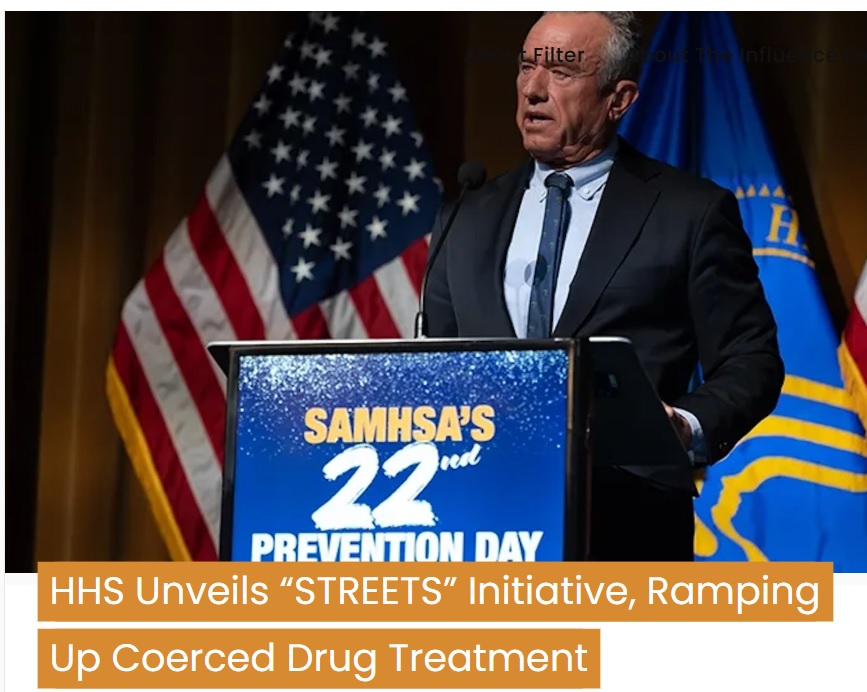
In early February, Congress passed bipartisan appropriations to preserve SAMHSA’s structure and funding, clearly signaling the little agency and its work is essential to the nation’s behavioral health system. This is welcome relief to the uncertainty just weeks ago. Adding to a recent focus on behavioral health, President Trump issued a related Executive Order, Addressing Addiction Through the Great American Recovery Initiative, on January 29. This order establishes a new interagency taskforce to provide recommendations and guidance for better coordination and alignment of relevant federal programs. On February 2, HHS Secretary Kennedy announced a new $100 million SAMHSA grant program, the Safety Through Recovery, Engagement, and Evidence-based Treatment and Supports, or STREETS Initiative, to fund outreach, mental health care, medical stabilization, crisis intervention, and linkages to housing for people experiencing homelessness and addiction.

These are welcome, if unclear, actions, and they come on the heels of the whiplash caused by mass grant cancellation and reversal—a terrifying stress test that exposed just how fragile America’s behavioral health infrastructure has become.

This is juxtaposed with recent data from the Centers for Disease Control and Prevention that demonstrated another remarkable and welcome increase in life expectancy in America on the heels of reductions in overdose mortality. However, much of the federal infrastructure that contributed to this progress was nearly dismantled overnight.

Confusion About Behavioral Health Care And The Role Of SAMHSA

What happened in mid-January reveals a deeper misunderstanding of how behavioral health care actually works in America, and why weakening SAMHSA puts lives at risk.

Despite progress, substance-related conditions, including accidents and unintentional injuries, and suicides remain among leading causes of death for people ages 25–64 in the United States. Millions of Americans continue to struggle with untreated or inadequately treated substance use disorders and mental illness. And communities everywhere—urban, rural, tribal—are grappling with shortages of trained providers, fragmented systems, and rising demand for services.

SAMHSA is the only federal public health agency whose sole mission is to address the full continuum of behavioral health needs—from prevention to treatment to supporting individuals in recovery. Its work does not replace direct clinical care. It often funds services that fall outside of traditional insurance models yet exist as glue in a system.

Take overdoses, for instance. SAMHSA funding has enabled states to saturate their communities with naloxone, a life-saving overdose reversal medication. SAMHSA investments have supported training for first responders and community organizations on how to recognize and respond to overdose. These investments are not abstract. They show up in emergency departments, resulting in fewer fatal overdoses, and in communities where people survive long enough because of SAMHSA funding to engage with treatment and sustain recovery.

As former career federal officials at SAMHSA and as physicians who continue to see patients, we’ve seen the agency’s work and impacts firsthand at the individual, family, and community levels. We’ve also seen how the programmatic expertise SAMHSA brings has helped other federal agencies make major systems level changes; examples include 1) the Drug Enforcement Administration’s regulatory flexibilities allowing for telehealth initiation of buprenorphine for the treatment of opioid use disorder, and 2) the Centers for Medicare & Medicaid Services promulgating a new billing code for peer support services in the 2024 Physician Fee Schedule. SAMHSA’s unique focus on the behavioral health needs of the country is what makes its role and work so special.

SAMHSA also recognizes that the work of saving lives and improving behavioral health wellbeing is done on the ground by trained and knowledgeable individuals. Few federal agencies other than SAMHSA fund the ongoing training and technical assistance needed to make sure the public health, public safety, and health care professionals serving people with, or at risk for, behavioral health conditions are up on the latest research and best practices. For example, grant programs such as the Addiction and Prevention Technology Transfer Centers, Center for Mental Health Implementation Support, and Opioid Response Network have provided cutting-edge support to thousands of public health and health care professionals, first responders and other public safety officials, state level professionals, and policymakers.

Many of these services and training/technical assistance grants were on the chopping block just a few weeks ago. Even though the cuts were ultimately restored, the whiplash furthered an unnerving sense of instability that began in spring 2025 with Secretary Kennedy’s announcement of a planned new Administration for a Healthy America that would comprise SAMHSA and several other HHS operating divisions. Collectively, these actions have undermined workforce morale, disrupted planning, and eroded trust in the federal government being a reliable partner. The grant funds were restored; the trust was not.

Looking Forward

The next question is what happens now that the fiscal year funding has passed.

Appropriations language alone does not ensure implementation. Take, for instance, the prior massive workforce reductions at the agency and the sudden $1 billion cut last year that required 23 states and the District of Columbia to file suit and obtain injunctions to continue the flow of funding. Most recently, on January 23, $5 billion in essential public health infrastructure funding by CDC to local health departments around the country was suddenly paused and then “unpaused” 24 hours later; these dollars were also appropriated by Congress. And a recent article in Health Affairs Forefront found that SAMHSA had spent only 34.6 percent of its FY 2025 budget allocation, based on a review of USAspending.gov accounts. 

Congress must exercise sustained oversight to ensure the administration fully executes on the will of Congress, that grants are reliably administered, and that the workforce and technical assistance infrastructure are rebuilt rather than quietly hollowed out. Such robust oversight and accountability functions have been lacking. Thus, it will be important for SAMHSA grantees, state behavioral health administrators, family members, and others with a vested interest to raise issues and concerns with their Congressional representatives regularly and urgently when there are future drastic changes to funding and programs. Ensuring that individuals, families, and communities impacted by substance use get the help they need is a bipartisan concern.

We also need hearings on what has happened, as well as Office of Inspector General and Government Accountability Office reports on the work SAMHSA and related agencies are doing and where they are falling short. We need active engagement with Congressional representatives where these dollars are awarded (and that’s every state and territory in the United States) to ensure that the money allocated is being disbursed by the government and reaching the communities it is intended to serve. The lesson of January is that sustained advocacy works, but vigilance is required to ensure follow-through on Congressional intent for appropriated funding.

SAMHSA may be little known to the general public, but its work touches millions of lives. Weakening it when the nation is finally turning the corner on the overdose crisis is a risk we cannot afford to take. Saving it once is not enough; ensuring its stability is the next test. Ultimately, the measure of our national commitment will be whether Congress secures long-term stability for SAMHSA.

Ms. B found her voice in a room funded by a government grant. We must ensure that those healing spaces continue to exist, the lights are still on, and the peer specialist is still employed when the next person walks through the door seeking help.

Authors’ Note:

Manatt Health works with a diverse group of clients, including states; state and federal policy makers and agencies; payers; health care providers and systems; foundations; associations; consumer organizations; and pharmaceutical, biotech, and device companies.

Dr. Olsen is a member of the American Society for Addiction Medicine (ASAM), serves on an ASAM Criteria Implementation Committee, and has a small clinical advisory role with them.

Source: https://www.healthaffairs.org/content/forefront/congress-has-preserved-substance-abuse-and-mental-health-services-administration-samhsa

Press Release by media@phi.org – Oakland, CA –

Adolescents who use cannabis could face a significantly higher risk of developing serious psychiatric disorders by young adulthood, according to a large new study published today in JAMA Health Forum. The longitudinal study followed 463,396 adolescents ages 13 to 17 through age 26 and found that past-year cannabis use during adolescence was associated with a significantly higher risk of incident psychotic (doubled), bipolar (doubled), depressive and anxiety disorders. The study was conducted by researchers from Kaiser Permanente, the Public Health Institute’s Getting it Right from the Start, the University of California, San Francisco and the University of Southern California, and was funded by a grant from NIH’s National Institute on Drug Abuse (R01DA0531920).

The study analyzed electronic health record data from routine pediatric visits between 2016 and 2023. Cannabis use preceded psychiatric diagnoses by an average of 1.7 to 2.3 years. The study’s longitudinal design strengthens evidence that adolescent cannabis exposure is a potential risk factor for developing mental illness.

“As cannabis becomes more potent and aggressively marketed, this study indicates that adolescent cannabis use is associated with double the risk of incident psychotic and bipolar disorders, two of the most serious mental health conditions,” said Lynn Silver, M.D., program director of the Getting it Right from the Start, a program of the Public Health Institute, and a study co-author.

Cannabis is the most used illicit drug among U.S. adolescents. The Monitoring the Future study shows use rising with grade level — from about 8% in 8th grade to 26% in 12th grade — and according to the 2024 National Survey on Drug Use and Health, more than 10% of all U.S. teens aged 12 to 17 report past-year use. At the same time, average THC levels in California cannabis flower now exceed 20%, far higher than in previous decades, and concentrates can exceed 95% THC.

Unlike many prior studies, the research examined any self-reported past-year cannabis use, with universal screening of teens during standard pediatric care, rather than focusing only on heavy use or cannabis use disorder.

“Even after accounting for prior mental health conditions and other substance use, adolescents who reported cannabis use had a substantially higher risk of developing psychiatric disorders — particularly psychotic and bipolar disorders,” said Kelly Young-Wolff, Ph.D., lead author of the study and senior research scientist at the Kaiser Permanente Division of Research.

The study also found that cannabis use was more common among adolescents enrolled in Medicaid and those living in more socioeconomically deprived neighborhoods, raising concerns that expanding cannabis commercialization could exacerbate existing mental health disparities.

SOURCE: https://www.phi.org/press/study-adolescent-cannabis-use-linked-to-doubling-risk-of-psychotic-and-bipolar-disorders/

###

PSYCHOLOGY TODAY

by Mark Gold MD – Addiction Outlook –  

Connecting with a ‘higher power’ works in prevention, treatment, and recovery.

  • 48.5 million people in the U.S. have diagnosable alcohol and other drug disorders.
  • Researchers found that spiritual practices positively affect alcohol, marijuana, and drug addiction recovery.
  • For individuals who value spirituality, these opportunities may also improve prevention and recovery.

For years, Alcoholics Anonymous and related organizations have emphasized that members should seek help from their “higher power,” however they conceptualize that entity. Now, a new JAMA Psychiatry meta-analysis supports this view. The investigators synthesized data from 55 rigorous longitudinal studies, including 540,712 participants. These studies followed participants from six months to 20+ years, most spanning multiple years. Across alcohol, tobacco, marijuana, and other illicit drugs, researchers found a statistically significant protective association between spirituality and more favorable substance use outcomes.

Higher levels of spiritual engagement were associated with a 13 percent reduction in risk of harmful or hazardous use across prevention and recovery contexts. For example, among individuals attending religious services more than weekly, the risk reduction was 18 percent.

“Meta-analyses of such longitudinal studies on spirituality and health are rare. This is a sort of once-in-a-decade advance,” said senior author of the study from the Harvard School of Public Health Tyler VanderWeele, PhD. “The consistency of the results across all the studies—including over a dozen studies conducted outside of the U.S.—was striking, with all but a few showing a protective, not detrimental, effect.” The study defined spirituality broadly, including religious service attendance, private practices such as prayer or meditation, 12-step programs, and community-based practices.

Substance use disorders are shaped by genetic vulnerability, environmental exposure, developmental timing, psychiatric comorbidity, and social determinants of health. To identify a psychosocial factor that prospectively predicted a lower incidence of drug and alcohol addiction among varied populations in a variety of countries is highly significant. The protective role of spirituality is particularly salient in youth. Early initiation of alcohol or drug use is strongly associated with poor school and social development, higher addiction liability, higher severity, and worse long-term outcomes. If spiritual engagement delays initiation or reduces progression to hazardous patterns, even modest reductions could translate to substantial public health benefits.

While no one knows exactly how spirituality is so effective, possible mechanisms include social support embedded within religious communities, strong social norms favoring abstinence or moderation, internalized ethical systems that discourage intoxication, the power of prayer, and helping others, which provide meaning and purpose that lower reliance on substances for mood regulation. Emerging neuroscientific research suggests meditation, prayer, and other contemplative practices may influence neural circuits involved in stress regulation, reward processing, and interpersonal bonding, though this remains a field for further investigation.

Consistent With Other Research

These new results extend and reinforce an already-substantial body of work examining spiritually oriented mutual-help organizations, most prominently Alcoholics Anonymous and related 12-step programs. Although AA is often discussed primarily as a peer-support model, it is also grounded in spiritual principles, including reliance on a higher power as understood by the individual. Earlier meta-analyses of randomized trials examining 12-step facilitation have shown significant benefits compared with no treatment. But effect sizes have sometimes been comparable to those of other active treatments, such as cognitive-behavioral therapy. However, a 2020 Cochrane review of 27 studies concluded AA and 12-step facilitation were at least as effective as other established treatments and, in some analyses, superior in sustaining abstinence at 12 months.

Alcoholics Anonymous

In 2014, Kelly and Greene demonstrated increases in spirituality during AA participation partially mediated by improved alcohol outcomes. Gains in meaning, purpose, and connection to a higher power were associated with reductions in drinking, even after accounting for other factors. Importantly, spirituality in this context was linked to identifiable psychological processes, including augmented coping skills, reduced negative mood, improved self-regulation, and expanded recovery-supportive social networks. Kelly and Eddie later showed in a national U.S. sample that spirituality and religiosity were independently associated with a greater likelihood of recovery and remission from alcohol and other drugs. These studies provide an explanatory scaffold for the newest findings.

Sociocultural context also matters. Earlier work by Kaskutas and colleagues found differences in AA affiliation at treatment intake between Black and White Americans. Survey data indicated more than 1 in 2 African American respondents endorsed spirituality/religion as central to their recovery, compared with 1 in 4 White respondents.

In the past, I highlighted the language and culture of 12-step programs, emphasizing that sayings heard in AA and NA, such as “One day at a time,” are not simply slogans; they are behavioral micro-interventions. These phrases operationalize relapse prevention principles by reducing catastrophic thinking, thereby promoting better present-moment decision-making.

Recovery Capital

Recovery capital is the sum of internal and external resources supporting sustained remission, including organized religions, positive social networks, employment, housing stability, coping skills, and psychological health. Spiritual well-being is one dimension. Longitudinal cohort studies suggest that higher spiritual well-being predicts reductions in substance use frequency, particularly in early recovery.

Spirituality may strengthen resilience by fostering hope, reinforcing prosocial values, and providing supportive communities. In contrast to pharmacotherapies such as naltrexone or acamprosate, which target neurobiological reinforcement pathways, and psychotherapies such as cognitive-behavioral therapy, which target maladaptive cognitions and behaviors, spiritually mediated pathways operate in existential and relational realms. These domains address dimensions of suffering often underemphasized in clinical settings.

Early Intervention and Spirituality

Many individuals who drink heavily do not yet meet the criteria for alcohol use disorder. Screening and brief interventions in primary care can reduce risk and prevent progression. The new longitudinal data suggest spirituality and religious engagement may be ideal interventions during early use or before addiction is firmly entrenched. Whether using religious service attendance, meditation, self-help groups, or other spiritually oriented communities, individuals may access social and psychological supports and reduce the likelihood of transitioning from any use to addiction.

This new 2026 study does not suggest that physicians direct patients toward specific religious beliefs; instead, it highlights spirituality as a potentially protective factor that merits assessment. Asking patients whether spirituality or religion is important in their lives and whether it plays a role in coping can open the door to patient-centered discussions. For those already valuing spiritual engagement, encouragement to connect with supportive communities or practices may augment prevention or recovery efforts.

Substance use and addictions remains one of the largest public health challenges of our time. If spirituality is associated with even a modest reduction in use across multiple substances, collaborations between health systems and community spiritual organizations could expand prevention and recovery resources. Spirituality is a potentially protective factor meriting assessment.

Summary

The 2026 meta-analysis reported in JAMA Psychiatry offers rigorous longitudinal evidence that spiritual engagement correlates with a lower risk of drug or alcohol problems in people already experiencing such problems, as well as better outcomes in treatment and relapse prevention. This finding is consistent with decades of research on Alcoholics Anonymous outcomes, demonstrating that spirituality promotes recovery coping, identity transformation, social integration, and meaning-making.

SOURCE: https://www.psychologytoday.com/ca/blog/addiction-outlook/202602/aa-and-na-were-right-spirituality-decreases-addictions

by Maurizio Guerrero, Educational Content Editor; Pat Aussem, L.P.C., M.A.C., Vice President, Consumer Clinical Content Development

You may have heard about dangerous substances mixed with fentanyl, like xylazine and medetomidine. Now there’s a new worry: BTMPS. This industrial chemical is normally used to make plastic products, but it’s been showing up in fentanyl across many cities since late 2024.

Like other additives, BTMPS makes fentanyl even more dangerous and harder to treat during overdoses. It has also been found in some meth and cocaine samples, but this is rare. Unlike other additives, BTMPS doesn’t make people high or sleepy on its own.

This article explains what we know about BTMPS and how it affects people who use drugs. 

What is BTMPS?

 BTMPS is a white powder that’s sold under the brand name Tinuvin® 770. Companies use it to protect plastic from sun damage. They add BTMPS to plastics and other materials to stop them from breaking down when exposed to heat and sunlight.

BTMPS is not approved for use in people or animals. It’s also not regulated in the U.S. Unlike other substances added to illegal drugs (like xylazine and medetomidine), BTMPS doesn’t get people high.<sup>[1]</sup>

This chemical has mostly been found in fentanyl. Sometimes it shows up in stimulants like meth and cocaine too.<sup>[2]</sup> 

Where Has BTMPS Been Found?

 BTMPS first appeared in Philadelphia fentanyl samples in June 2024. By November, researchers found it in more than half of the samples they tested there. Around the same time, it started showing up in Los Angeles fentanyl samples.

By the end of 2024, BTMPS was in 6 out of every 10 fentanyl samples tested in these cities.
Researchers also tested drug equipment from Delaware, Maryland, Nevada, Washington, Puerto Rico, and parts of California. They found BTMPS in 3 out of every 10 fentanyl samples from these places.[3]

By late 2024, BTMPS had been detected in fentanyl samples in almost every state.[4] 

Why is BTMPS Mixed with Fentanyl?

Since BTMPS doesn’t make people high, experts wonder why it’s being added to fentanyl and other drugs.
One reason might be that BTMPS, like xylazine and medetomidine, lowers blood pressure. This can create a calming effect that adds to fentanyl’s effects.

Other experts think it might be used as a cheap filler. Drug makers could use BTMPS to stretch their fentanyl supply, making more product while spending less money. This dilution might also make fentanyl less potent.

Another theory is that manufacturers add BTMPS to keep fentanyl stable longer, using its sun-protection properties to make the drug last longer.[5]

Most experts agree that BTMPS is probably added during production, not later. This is because it’s found all across the country, not just in specific regions like xylazine.[6] 

What Are the Effects of BTMPS?

 We don’t know much about how BTMPS affects humans because there’s very little research. However, studies on rats showed that BTMPS reduced nicotine use and lessened withdrawal symptoms from morphine and cocaine.[7]

The rat studies also showed serious health problems from BTMPS exposure, including:

  • Heart defects
  • Severe eye damage
  • Death

The safety information for BTMPS warns that it can cause:

  • Serious eye damage
  • Skin irritation
  • Harm to unborn babies

People who have used drugs containing BTMPS report that these substances don’t work as well as drugs without BTMPS.

Users have reported these symptoms after taking substances with BTMPS:

  • Blurry vision
  • Burning eyes
  • Ringing in the ears
  • Nausea
  • Coughing
  • Burning feeling when injected
  • Chemical smell (like plastic or bug spray)[8]

What Are the Risks?

 Harm reduction experts worry that people who regularly use fentanyl with high amounts of BTMPS might develop a lower tolerance to regular fentanyl. This could increase their risk of overdose if they later use fentanyl without BTMPS.

Animal studies suggest BTMPS might cause:

    • Heart problems like low blood pressure and weak heart contractions
    • Brain and nerve problems like muscle weakness and droopy eyelids

[9]

BTMPS blocks calcium channels in the body, which makes overdoses harder to reverse. Doctors need to give patients medicine to raise their blood pressure and heart rate, but BTMPS makes this difficult. Treatment might be even less effective for patients who already take calcium channel blockers for high blood pressure or heart disease.[10] 

How to Protect Your Loved One from BTMPS

 Even though BTMPS doesn’t directly stop breathing like fentanyl does, it’s usually found with fentanyl. This means naloxone (Narcan) should still be given right away during suspected overdoses.

Ask your loved one to carry naloxone and make sure they know how to use it; you can learn more about this here.

It is also very important that they avoid using substances alone and always have someone watching out for them. If that is not possible, encourage them to consider services like Never Use Alone, a nationwide 24/7/365 toll-free service that connects people who use substances with a trained operator who will supervise that the person uses safely.

Doctors should provide standard overdose treatment plus extra care for problems that BTMPS might cause.
There are no test strips for BTMPS like there are for fentanyl and xylazine. Healthcare providers and medical examiners don’t routinely test for BTMPS either. This means they wouldn’t know if someone had taken BTMPS unless they specifically looked for it.

BTMPS can be identified with special machines called portable spectrometers that some community drug testing programs use. If drug checking services are available in your area, harm reduction professionals suggest having substances tested regularly. So, ask your loved one to use these services when they are accessible.

Source: https://drugfree.org/article/btmps-in-fentanyl-what-parents-need-to-know-about-this-emerging-chemical/

by Shane Varcoe –  Feb 17, 2026

Every day in Australia, we lose nine people to suicide. The connection between substance use, mental health, and suicide is undeniable – trauma drives people to self-medicate, substance use deepens isolation and depression, and what starts as numbing pain can end in taking one’s life. Yet research shows us something remarkable: the vast majority of people contemplating suicide don’t actually want to die. They just want the suffering to stop. And that’s where intervention can change everything.

In this context, I spoke with Rob Nicholls and Jenny Nicholls, a couple whose personal journey through trauma and substance use has equipped them to train ordinary Australians to recognise the signs and save lives. Rob is an ASIST Trainer with Living Works, the world’s leading suicide prevention organisation, and Jenny is the author of Shattering Deception and Revealing Truth, a powerful memoir of her journey through childhood abuse, trauma, and the destructive coping mechanisms that followed.

Shattering Deceptions & Revealing Truth – Seeking a Healthy Out from Trauma – A Conversation with Suicide Preventionists

Jenny grew up in a home marked by her mother’s occult involvement, alcoholism, drug use and violence. Rob’s early years were shaped by party culture and alcohol as a social lubricant. Both understand firsthand how substance use becomes an escape from pain, how trauma creates patterns of self-medication, and how exclusion – whether through disability, mental illness, or addiction – increases suicide risk. The constant hypervigilance from Jenny’s childhood created patterns of anxiety that eventually led to her own suicide attempts.

Key Takeaways:

  • Most people thinking about suicide haven’t lost hope entirely – they’ve lost hope but hope there could be hope. That thin thread is what intervention can grab hold of.
  • Substance use and suicide share common roots – trauma, isolation, and pain drive both self-medication and self-harm. Addressing one requires addressing the other.
  • You don’t need to be an expert to save a life – Rob shares stories of barbers, neighbours, and strangers who simply noticed someone struggling and asked, “Are you okay?”
  • Desperation harnessed to hope is powerful – but desperation harnessed to hopelessness is devastating. Creating pathways to hope is essential.
  • Both the fence and the ambulance matter – prevention and intervention must work together. We can’t neglect either end of the crisis.

Shattering Deception and Revealing Truth by Jenny Nicholls shares her lived experience of childhood trauma, substance use, suicide struggles, and her journey toward healing and recovery.

Source: Shane Varcoe – Executive Director for the Dalgarno Institute

Forwarded by Maggie Petito (Drug watch International)

Article by London Telegraph – Sarah Newey –  Global health security correspondent – 17 February 2026

“Chinese triads, Mexican cartels and Australian biker gangs are all operating, even collaborating, in a “thriving criminal ecosystem” that exploits the region’s porous coastlines, weak law enforcement and widespread corruption. Yachts, narco-subs and drones have all been used across the network of air and maritime routes.”

Fiji’s spiralling health crisis is linked to an explosion in methamphetamine that threatens to turn the Pacific into a ‘semi-narco region’

Ben took his drugs ‘on the rocks’. Instead of diluting the methamphetamine with water, he’d draw blood into a syringe, dissolve the crystals, and inject himself. Sometimes it was his blood, sometimes a friend’s, and the needle was rarely new. That hardly seemed to matter.

It was 2021 and Ben, whose name has been changed, was living on the streets in Suva – Fiji’s faded seaside capital. Then 20, he’d fled his home after his father and five brothers tried to beat away his bisexuality. Crystal meth’s numbing high became an all-consuming escape from the painful memories. “I just felt like the love I was looking for was in the streets, it was not at home,” Ben, now a tall, measured 24-year-old, told the Telegraph. “I didn’t consider [safety] at all… I just continued taking [meth]. For me, when I took drugs, it transformed my mind – I was in another world altogether.”

But that world of euphoric highs and shared syringes left its mark long after Ben abandoned Suva’s shabby streets.

By late 2023, he had developed a persistent cough, his hair was falling out, and he was losing weight rapidly – dropping from a waist size 42 to just 22. When he was hospitalised with severe pneumonia, doctors diagnosed Ben with late-stage HIV, then transferred him to a ward notorious in Fiji as the place men go to die. “That’s how ill I was,” he said, sipping Coca-Cola on the seafront earlier this month. “Lying in that bed with no hope, everything seemed lost and fading.”

As recently as 2020, stories like this were relatively rare in Fiji, a former British colony best known as a paradise archipelago with pristine beaches and a vibrant culture. But now, the small Pacific nation has a grim new accolade: it is struggling to stem the world’s fastest growing HIV outbreak. “This is the ugly side of Fiji,” said Paulo, another of the five people living with HIV who spoke to the Telegraph in Suva – where children as young as 10 have contracted the virus from injecting drugs, as HIV rips through a country caught off guard.

According to data shared by the Ministry of Health, 147 people were newly diagnosed with the disease in 2020. Just four years later, that number had jumped to 1,583 – and in the first six months of 2025 alone, 1,226 cases were reported. Overall, infections have risen by 3,000 per cent since 2010.

While still a relatively small total compared to Fiji’s population – roughly 930,000 people – patchy testing means diagnosed cases are only the tip of the iceberg. And the trajectory of the outbreak looks ominous: the health department estimates that, without urgent interventions, the country could see 25,000 cases a year by 2029.

“I never thought I’d see another epidemic like this in my lifetime,” said Prof Lisa Maher, an epidemiologist at the Kirby Institute in Sydney, who worked on the HIV response in New York in the 1980s and later in southeast Asia, and is now supporting Fiji. “It came out of nowhere, because there was no data and no surveillance in place.”

‘A thriving criminal ecosystem’

The escalating crisis is linked to a boom in drugs that threatens to turn the Pacific into a “semi-narco region”, according to Associate Professor Jose Sousa-Santos, director of the Pacific Regional Security Hub at the University of Canterbury in New Zealand.

The region has long been a strategic stop-off point on a ‘drugs superhighway’ from the Americas and southeast Asia to Australia and New Zealand, where high demand and prices equate to lucrative profits. Yet the route’s popularity is increasing, with organised crime in the Pacific “evolving faster than any previous point in history”, according to a report from the United Nations Office on Drugs and Crime (UNODC).

Chinese triads, Mexican cartels and Australian biker gangs are all operating, even collaborating, in a “thriving criminal ecosystem” that exploits the region’s porous coastlines, weak law enforcement and widespread corruption. Yachts, narco-subs and drones have all been used across the network of air and maritime routes.

Alongside Tonga and Papua New Guinea, a key foothold is Fiji – the transport hub is dubbed the ‘gateway to the Pacific’, while four coups since 1987 have eroded democratic institutions and left them open to infiltration.

Recent seizures by the authorities, including 4.8 tonnes of crystal meth and 2.6 tonnes of cocaine, give a sense of the scale of drugs flowing through the archipelago. Police have also confirmed “wash-ups” of drug packages on outer islands – one story circulating suggests unaware locals in one remote village used the “white stuff” as washing powder after it swept ashore.

Yet the nation is no longer simply a stopover point for criminal syndicates: drugs, predominantly methamphetamines, are also spilling into a booming domestic market.

“A transit country doesn’t usually stay as a transit country,” said Megumi Hara, a regional advisor on transnational organised crime at UNODC, based in Suva. “Eventually, it also becomes a destination – and that’s what we’ve seen here.”

The Telegraph witnessed the thriving trade firsthand. As a deep orange sunset spread above Suva on a Sunday evening, two contacts (on the condition we didn’t name them or the places) took us on a “sightseeing tour” of the city’s many drug-dealer hang outs: behind a grey block of social housing, at a nondescript bus stop on a busy road, and a lush green village just outside town.

“This is one of the drug red zones in Fiji,” said one of our well-connected escorts, as the car spluttered up a steep hillside in the village, past a group of boys lurking under a palm tree. “Even the police are scared to come here… they can’t do anything because the drug lord is the landowner. His children, his brother, his brother’s son – they’re all selling drugs.”

When we paused outside a modest wooden house, a gaunt man in a hoodie immediately sauntered up to the car window – in one hand was a red burner phone, in the other six small sachets of crystal meth. The 28-year-old wasn’t there to talk – he scuttled away as soon as another car pulled up, hoping the driver of the white Toyota might make a better customer.

‘A runaway problem with meth’

The sheer volume now circulating on the archipelago is unprecedented. Although surveillance data on use remains limited, the number of cases involving meth reported by the Fiji Police Force jumped 36-fold between 2015 and 2024 – from just 10 arrests to 366.

“Fiji went from having a small number of users, to now having a runaway problem with methamphetamines,” said Prof Sousa-Santos, adding that the market was a deliberate construction.

When organised crime first operated in the Pacific, they developed a network of facilitators – usually people from commercial elites, or with links to law enforcement and government. These connections run deep – between January 2023 and October 2025, the Ministry of Policing said 27 police officers were charged with drug-related offences.

For a fee, corrupt facilitators would ensure the smooth passage of drug shipments through the country. But, as the quantity of drugs grew, criminal syndicates offered to pay in product instead of cash.

From there, local gangs emerged and became increasingly professionalised – by 2018 and 2019, the “white stuff” was not only on the streets but was starting to be sold on university campuses as “study aids”, and to elites as a sex drug. This trade only accelerated when the pandemic disrupted supply routes into and out of the country.

“If you get paid in the drugs, you have the opportunity to triple or quadruple your return,” said Prof Sousa-Santos. “But to do that, you need a local market. In Fiji, the first market that was targeted was sex workers. It grew and grew from there.”

Perched on the curbside of a dark road in east Suva as friends and customers come and go, a charismatic “drug lord” explains how this market operates on his turf.

Simon, whose name has been changed due to ongoing criminal cases, mainly sold and smoked marijuana but swapped the “green stuff” for the “white stuff” when meth started to hit the streets. The upbeat, 48-year-old reggae musician said he was dealing to “put food on the table” for his children, and make sure users had access to “high quality stuff”.

Now the market “has exploded”, Simon said, his eyes wide. Although he was vague about where he gets the meth he hawks from, there are two main distribution routes.

The first is to sell the substance to other “small-time pushers” at a wholesale price – $2,500 Fijian (£835) for seven grams. These dealers then split the meth into at least a dozen small sachets, generally containing 0.08g of crystals, which they peddle on the streets for $50 Fijian (£17) – effectively doubling their money.

Simon and his partners also employ people to work on their patch, running two four-hour shifts a night. Pushers are paid $50 per shift, during which they’d generally sell at least 14 bags of crystal meth – in Fiji, the national minimum wage is $5 per hour.

‘A bin fire became a bushfire’

But methamphetamines alone do not trigger an HIV crisis: the virus – which spreads through bodily fluids – has found fertile ground because of the way the drugs are being used. Widespread sharing of blood, needles and syringes has transformed a small, background epidemic spreading via unprotected sex into an explosive outbreak.

The shift emerged rapidly. In 2021, the country’s two main sexual health hubs in Suva and Lautoka did not report a single HIV case transmitted through drug use – by 2024, 48 per cent of new HIV infections nationally were among people injecting meth, according to UNAIDS.

“You had a lot of young people, very young people, initiating injecting with no context, no information, no awareness and no access to sterile equipment,” said the Kirby Institute’s Prof Maher, who led a Rapid Assessment on injecting drug use and HIV in Suva, commissioned by the UN and published last year. “A bin fire has become a bushfire.”

While sleeping rough on the seafront in 2021 and again in 2023, Ben engaged in many of the risky drug practices that fueled this “bushfire” – sometimes motivated by intrigue, sometimes culture, and sometimes necessity.

One trend at the time was “bluetoothing”, he said, where friends pooled money to buy a single bag of meth, before one person injected the drug. Once they were high, another person drew blood from the initial user and injected themselves, chasing a secondary rush from the traces of meth in the bloodstream. But while a cost-saving (and headline grabbing) concept, bluetoothing is now uncommon as users found it rarely worked.

Instead, some people have reported using blood, rather than water, as the solvent to dissolve methamphetamine. This involves inserting the needle into a vein and repeatedly “flushing” the plunger back and forth to draw enough blood into the syringe to dilute the crystals, before injecting the entire mixture.

“It gives a stronger high… it gives us a lot of energy,” said Ben, explaining the appeal. He still called this practice “bluetoothing”, but most drug users who spoke to the Telegraph and the Rapid Assessment team referred to the approach as “on the rocks”, “dry” or “koda” – a Fijian word which translates to “raw”, and a nod to a traditional raw fish dish called kokoda.

The rampant HIV transmission has also been driven by sharing of mixing paraphernalia – for instance, using the same bottle caps or mugs to dissolve the meth in water – as well as needles and syringes. In that instance, scarcity has partly been caused by a police crackdown based on a misinterpretation of the law.

“The police started coming down hard on pharmacies for selling needles and syringes to anyone wanting one,” said Renata Ram, the Pacific HIV adviser at UNAIDS in Fiji. “That’s when [the HIV] caseload started increasing as well, in late 2021 and 2022.

“If you really want a hit, you’ll find a way to get it – sharing needles was people’s only option,” she said, adding that selling sterile equipment was never actually illegal. “We’ve heard people saying they would share needles about 15 times, or use the same one 15 times.”

She added that stigma is high but knowledge around HIV is low, with a “whole generation” unaware of transmission risks. Some do not know that treatment exists, so see no reason to test, others diagnosed shun anti-retrovirals in favour of traditional Fijian medicines or prayer.

Meri – who, like Ben, asked for her name to be changed because of pervasive stigma in the conservative country – has seen the human cost of the syringe shortage more clearly than most. Within four months last year, she buried three of her closest friends; they were only 33, 42 and 44.

The group started buying methamphetamines just after the pandemic, when they were living on the streets in Lautoka – a city some 120 miles from the capital, on the western side of Fiji’s largest island.

Meri had long been a marijuana smoker, but had never tried the “white stuff” before. Soon the 55-year-old was hooked – she loved “the brightness” and besides, staying awake was useful for long shifts selling cigarettes (some nickname the meth here “mileage”, as it keeps you up for days). But the friends were rarely able to buy sterile equipment – while drugs were everywhere, clean needles and syringes were a luxury.

“They were hard to find, so nearly every time we just shared,” said Meri, sitting cross-legged on a woven mat in a small courtyard at the Survival Advocacy Network (SAN) in Suva. “We washed them, but sharing was kind of [a] necessity.”

Sesenieli Naitala, the founder of SAN, said sharing is also common as it’s hardwired into Fijian life through the custom of “kerekere”, which obliges people to share resources with close friends and relatives. People frequently pass a single cigarette or marijuana joint around a group, while kava – a traditional psychoactive drink – is shared in a single cup.

But in February 2024, Meri tested positive for HIV. She was scared and blamed herself, although she didn’t want to show it – Meri, who wears a cap over her bleach blond pixie cut, attempts an air of nonchalance. She immediately phoned her friends, who still lived on the streets – none of them had considered the risk of blood-borne infections until then.

By the time they were tested, the virus had progressed to Aids. They received treatment, but didn’t stop taking drugs or drinking alcohol and gradually their immune systems faltered. Meri said a final goodbye to two of them in July, and one in October.

“[When I buried them] I was thinking about myself, that I had to change and just leave it behind for good. Because I know if I [keep using] too… it’ll be the same as what my friends went through,” she said softly. “It’s a hard thing to stop [taking meth]… but I had to think of my life.”

‘The epidemic changed, the response did not’

It is now more than a year since the Ministry of Health declared a national HIV outbreak and set up a dedicated taskforce to respond, putting Dr Jason Mitchell, a Fijian doctor who’s worked on HIV across southeast Asia and the Pacific, at the helm.

“The way I describe what’s happened here in Fiji is that the epidemic changed, but programming in response to the epidemic did not,” he said. “So our responsibility here in this unit… is to set up an appropriate response for the new epidemic we’re facing.”

The government unlocked $10 million Fijian (£3m) to do so – up from a budget of $200,000 a year – while international support has ramped up, including £1.7m from New Zealand and £2.6m from Australia, who have also invested £25m in a broader Pacific-wide programme. These countries are also supporting law enforcement operations to counter the flow of drugs into Fiji.

But with key elements of the health response beset by delays, critics say the glacial pace is only giving the virus more time to spread, amplifying the “tsunami of infections” they fear is on the horizon. There are also concerns that punitive attitudes and moral framing of drug use is a continued barrier.

There is still no needle and syringe exchange programme, no pre-exposure prophylaxis (PrEP) available, and no rehab centre. There are also major gaps in testing and treatment. UNAIDS estimates that just 36 per cent of people living with HIV in Fiji were aware of their status in 2024, and only 24 per cent were taking antiretrovirals (there have also been sporadic stockouts of the treatment).

Meanwhile the virus is seeping into new groups: in the first half of 2025, 33 babies were born with HIV, signalling broader weaknesses in the health system.

Dr Mitchell conceded that progress has been slower than hoped, and is clearly frustrated by elements of government bureaucracy.

“The outbreak is so large now that it has the potential to impact the country as a whole, the economy and all of the industries that we rely on – such as tourism, which [is where] 40 per cent of our GDP comes from,” the 47-year-old said animatedly, warning there are also signs HIV is starting to spread to other Pacific island nations.

“So it is an emergency. The most frustrating thing is [that] during Covid… things just happened overnight, approvals just happened, finances just flowed, all of that was fast tracked. That has not happened for the HIV response… Why? It’s a question I can’t actually answer.”

But despite red tape, Dr Mitchell stressed there has been major progress behind the scenes to re-build the capacity, expertise and systems needed to respond (while Fiji once had a robust programme to keep HIV at bay, it was gradually sidelined as cases remained low, new health threats emerged and donor funding for HIV was diverted elsewhere).

He is also optimistic that the much needed needle and syringe programme will launch in the second quarter of the year, once the supplies arrive in March, and hopes PrEP will become available for high risk groups within six months.

In the meantime, 11 new HIV care teams have been established at hospitals across the country, free condom pick-up points have been rolled out, and peer-to-peer education programmes are targeting those most at-risk – including the Angels Collective, a group of drug users who are hitting the streets to teach others about safe injecting practices and HIV.

‘We don’t know what Fiji’s future holds’

For Dr Kesaia Tuidraki, director of Medical Services Pacific, some of the most important programmes are those taking services directly to communities at risk – whether that’s in the Suva’s suburbs or a remote island three days away by boat, where cases are also emerging.

“If you want to reach people you have to go to where they are, because accessibility has always been an issue,” she said, in an office overlooking the capital’s busy port at the NGO’s modest hillside clinic. “Economical issues, unemployment, challenging backgrounds, geographic isolation, stigma – all these things are stopping people from coming forward.

“This means we’re only seeing the tip of the iceberg, there are a lot more [cases] going unnoticed,” she said, adding that many people only test positive once their infection has deteriorated into Aids. According to government data, more than half of the people who died of HIV-related causes in 2024 found out their status the same year.

And so, as evening rush hour traffic eased, a bus kitted out as a mobile clinic set off to a housing project in the densely populated Suva-Nausori corridor. This is the Moonlight programme, which is trying to stem the glaring testing gap that’s hindering the response.

Within half an hour of arriving, a long queue has formed and HIV, hepatitis and syphilis screening gets underway. Outside the bus, health care workers under a bright hanging torch ask preliminary questions, then prick people’s index fingers and transfer the blood to a rapid test. Some 15 minutes later, results are delivered in private inside the compact mobile clinic.

“Well, we caught some tigers,” Vilisi Uluinaceva, the nurse practitioner, said at the end of a long night. Two of 50 tests came back positive – samples will now be sent to the hospital lab for confirmation, and the patients referred to the main clinic for treatment.

That number is lower than previous screenings – at one, mainly among sex workers, 19 of 25 tests came back positive. But the team is pleased so many young people turned up, as cases in this group are surging: in the first half of 2025 alone, 174 children and teenagers aged between five and 19 were diagnosed nationally. Mrs Uluinaceva has treated patients as young as 13.

“We just have to create more awareness on this issue, because if all these children are going to have HIV, there’ll be no future for Fiji,” she said, holding back tears. “Of course I worry and sometimes I’m really emotional – we just don’t know what the future holds.”

But for Ben, the future finally feels exciting again – he’s found a job and a flat share, and is considering re-enrolling at university. It’s a far cry from the weeks after his diagnosis, when the loneliness felt crushing and thoughts of suicide dominated his mind.

“I have come to understand that HIV is just a sickness like any other,” he said, adding that he has been taking antiretroviral treatment for more than 18 months. “We can all be diagnosed with different illnesses, but what matters is how we accept our condition and maintain a positive mindset.”

Walking through the shallow waters less than two miles from the seawall where he used to sleep rough, Ben also shared uplifting news: last week he found out that, for the first time, his HIV viral load is so low it’s undetectable, thanks to the anti-retrovirals. It doesn’t mean the virus has gone, but it means Ben’s condition is stable and he can no longer pass HIV onto someone else. “Here I am today, just living my life like any other normal person,” he said, beaming.

Source: Maggie Petito – Drug watch International

__

News Release 

by Harvard T.H. Chan School of Public Health

Key points:

  • Broad spiritual practices, ranging from attending religious services to meditation to prayer, were associated with a 13% reduced risk of hazardous drug and alcohol use, according to a meta-analysis. The greatest reduction (18%) was seen among individuals attending religious services at least once per week.
  • The meta-analysis is the first of its kind to synthesize and comprehensively estimate how dangerous substance use is impacted over time by spirituality.
  • According to the researchers, the findings carry potential for individuals who find spirituality important in other aspects of their lives to also use it as a resource in their relationship with drugs and alcohol. Clinicians and communities can also use these findings to consider broader strategies for addiction prevention and care.

Boston, MA—Individuals who engaged in spirituality were significantly less likely to exhibit hazardous use of alcohol, tobacco, marijuana, and illicit drugs, according to a new meta-analysis led by researchers at Harvard T.H. Chan School of Public Health. The meta-analysis is the first of its kind to synthesize and comprehensively estimate associations between harmful or hazardous substance use and spirituality—considered any practice, religious or otherwise, through which an individual finds ultimate meaning, purpose, and connection to something greater than themselves. 

“Our findings indicate that spirituality may be protective against substance misuse, one of the biggest public health challenges of our time,” said lead author Howard Koh, Harvey V. Fineberg Professor of the Practice of Public Health Leadership. “For many individuals and families, using spirituality as a resource—whether that be attending religious services, meditating, praying, or seeking others forms of spiritual comfort—may be an avenue to enhance their health.”

The study will be published Feb. 18, 2026, in JAMA Psychiatry.

Of more than 20,000 spirituality and health studies published in the 21st century (2000-2022), the researchers identified 55 that fit their criteria for rigor, including large cohorts and longitudinal design. They analyzed the results of these studies, which collectively followed more than half a million people over time, to understand the overall relationship between spirituality and alcohol and drug use.

The meta-analysis found that broad spiritual practices, including spiritual and religious community involvement, attending religious services, meditation, and prayer, reduced individuals’ risk of dangerous alcohol and drug use by 13%. This reduction was greater (18%) among individuals attending religious services at least once per week. The results were consistent across all of the drug categories studied (alcohol, tobacco, marijuana, and illicit drugs).

“Meta-analyses of such longitudinal studies on spirituality and health are rare. This is a sort of once-in-a-decade advance,” said senior author Tyler VanderWeele, John L. Loeb and Frances Lehman Loeb Professor of Epidemiology. “The consistency of the results across all the studies was striking, with all but a few—including over a dozen studies conducted outside of the U.S.—showing a protective, not detrimental, effect.” 

According to the researchers, the findings carry potential not just for individuals, but also for clinicians caring for patients at risk of or struggling with substance misuse and communities working to address substance misuse epidemics.

For example, the researchers wrote that clinicians could ask patients about the role of spirituality in their lives and prompt those who find it important to consider spiritual practices or community participation. Moreover, public health organizations and spiritual or religious communities could join forces to provide more resources and opportunities that help address the factors often driving substance misuse, such as stress, loneliness, and loss of meaning.

Article information

“Spirituality and harmful or hazardous alcohol and other drug use: A meta-analysis of longitudinal studies,” Howard K. Koh, Donald E. Frederick, Tracy A. Balboni, Samantha M. O’Reilly, John F. Kelly, Keith Humphreys, Michael Botticelli, Maya B. Mathur, Constantine S. Psimopoulos, Katelyn N.G. Long, Tyler J. VanderWeele, JAMA Psychiatry, February 18, 2025, doi: 10.1001/jamapsychiatry.2025.4816

The study was supported by the Templeton Religion Trust (grant 2022-30967) and the Lee Family Fund.

Source: https://www.eurekalert.org/news-releases/1116640

MILAN, Feb. 19, 2026 /PRNewswire/

The Foundation for a Drug-Free World surpassed the milestone of 1,000,000 The Truth About Drugs booklets distributed across Italy during the Milano Cortina 2026 Winter Olympics to help combat drug abuse.

While society often seeks a quick fix in a pill, the world of professional athletes is different. “We should all be drug-free, especially in sports where it’s definitely dangerous to take drugs,” says a Belgian Olympian at Milano Cortina 2026 to a Drug-Free World volunteer. “Whatever you put your mind to, you can always make it,” he adds. “We do that best by being active every day.”

In 2025, reports found that one in four Gen Z Italians admitted to getting high regularly, while over 160,000 students aged 15 to 19 had used at least two illegal drugs. “These numbers are too high,” says Jessica Hochman, Executive Director of the Foundation for a Drug-Free World. “The best way to reduce them is through head-on prevention with real facts that make you give it serious thought before deciding to take a hit of a joint or snort cocaine at a party.”

And head-on, they did. While athletes broke records in alpine skiing, figure skating, luge and speed skating, the Foundation for a Drug-Free World scored big by distributing 1,000,000 The Truth About Drugs booklets across Italy in just a few weeks. Since January, over 400 volunteers saturated Italy’s boot with educational materials that explain what drugs are–without sugarcoating.

“They tell you that edibles are so concentrated with THC that they can lead you to paranoia, anxiety and sometimes psychotic episodes,” says Hochman. “They tell you that cocaine is one of the most dangerous drugs, capable of causing such addiction that someone might do anything to get it, even commit violent crimes.”

By giving the cold, raw facts, young people will think twice before experimenting with drugs.

“The most important part is knowledge and how bad it could be for your body,” says the Olympian. “I don’t think we learn about it enough in school. So we need other ways to get the information to children.”

Volunteers visited over 4,000 shops, providing boxes of The Truth About Drugs booklets to distribute to customers. Some shop owners, aware of the drug situation among youth, found hope that change is possible when they took booklets for their patrons.

“To all the kids out there, I think dreaming big is the first thing you should always keep in mind,” says the Olympian. “Eventually, you can maybe make it to your big dream like the Olympics. The best way to do that is by putting in the work and not by using any other ways to get there.”

The Foundation for a Drug-Free World is the largest nongovernmental drug education and prevention organization. Through a worldwide network of volunteers, millions of drug prevention booklets and educational materials have been distributed in over 180 countries. Thanks to the support of the Church of Scientology, these materials are made available free of charge to anyone wishing to take action to address the drug issue that affects everyone. For more information, visit www.drugfreeworld.org.

View original content to download multimedia:https://www.prnewswire.com/news-releases/foundation-for-a-drug-free-world-goes-for-the-gold-against-drugs-at-winter-olympics-302693258.html

SOURCE: Foundation for a Drug-Free World

This brochure was published by the City of Göteborg 

Source: Working together for a drug-free society SRF_Broschyr(SWEDEN) January 2009

INTRODUCTION

The present report reviews the evolution of the drug control policy in Sweden, one of the most widely examined and debated drug control policies in the world.

The Swedish drug control policy is guided by the vision and the ultimate goal of achieving a drugfree society and the unequivocal rejection of drugs, their trafficking and abuse is considered somewhat unique. This is particularly so when the drug policy in Sweden is compared to drug control policies in other countries of the European Union. Over the years, the drug control policy in Sweden has been subject to scrutiny numerous times, either at the national level, mostly by expert Commissions established specifically for that purpose, or by scientific researchers both in Sweden and internationally.

As part of its ongoing series on drug control policies at local and national level, UNODC has decided to review the Swedish drug control policy that has evolved over the past forty years. It is a rapid assessment, based on open-source documents, supplemented by Government documents and information obtained from Government officials. While the report does not aim to be comprehensive or exhaustive, an attempt has been made to thoroughly review the available evidence, including data on drug abuse, dating back to the 1940s.

The document examines important junctures in Swedish drug control policy, including the often discussed Stockholm experiment of drug prescription, the introduction of methadone maintenance programmes and, of course, the vision of a drug-free society. An analysis of the drug control situation in Sweden over the years accompanies the document and shows how the drug control situation has evolved over time.

It is difficult to establish a direct and causal relationship between specific policy measures and the resulting drug situation. Nevertheless, in the case of Sweden, the clear association between a restrictive drug policy and low levels of drug use is striking. Few people in Sweden are likely to take drugs in their lifetime, and even less likely to use drugs regularly. Attitudes towards drugs and their abuse is clearly negative. Preliminary calculations for the UNODC Illicit Drug Index, a single measure of a country’s overall drug problem, show a very low value for Sweden which indicates that its drug problem is small, compared to that of other States. However, the relatively high proportion of heavy drug use among drug abusers remains a concern that has been difficult to address. This document cannot provide definite answers to questions about how the levels of drug abuse are influenced by policy measures. It can only present the facts and leave the readers to draw their own conclusions.

Source: https://www.unodc.org/pdf/research/Swedish_drug_control.pdf February 2007

Abstract

In 2017 Iceland received word-wide attention for having dramatically reversed the course of teenage substance use. From 1998 to 2018, the percentage of 15-16-year-old Icelandic youth who were drunk in the past 30 days declined from 42% to 5%; daily cigarette smoking dropped from 23% to 3%; and having used cannabis one or more times fell from 17% to 5%. The core elements of the model are: 1) long-term commitment by local communities; 2) emphasis on environmental rather than individual change; 3) perception of adolescents as social attributes. This presentation describes how the Iceland prevention model is built upon collaboration between policy makers, researchers, parent organizations, and youth practitioners. These groups have created a system whereby youth receive the necessary guidance and support to live fun and productive lives without reliance on psychoactive substances. The Model is being replicated in 35 municipalities within 17 countries around the globe. The Icelandic Model: Evidence Based Primary Prevention – 20 Years of Successful Primary Prevention Work was featured for the past two years at the Special Session of the United Nations General Assembly on the World Drug Problem.

Source: https://www.researchgate.net/publication/330347576_Perspective_Iceland_Succeeds_at_Preventing_Teenage_Substance_Use February 2019

Sir,

The article by Sophie Christie (Telegraph Business 22 June ) could be read as a paean for Cannabis based medications and CBD particularly.

While we have long suspected and said, that CBD in particular may well have clinical uses,  that is with caution.

Evidence for the epigenetic and teratogenic effects of cannabis can easily be found via Google Scholar.

The NHS Wales lists the risk for Gastroschisis (babies with large intestines outside their bodies). Cannabis and Cocaine are both suspect.

There has been a gastroschisis outbreak in South Wales.

CBD is not off the hook, therefore self-medication and mass marketing of it and products containing it, may not be a good idea.

As long ago as 1973 Professor Gabriel Nahas MD, PhD, DSc of Columbia University gave evidence to a Senate Committee  that, in vitro at least, molecules of the cannabinoids CBD and CBN, were, like THC, potent inhibitors of DNA production.

There seems to be a danger of CBD being oversold in the rush to market.

The last Teratogen that was marketed extensively was Thalidomide, we all know how that turned out.

The pharmaceutical regulation system, in a 1st world nation like the UK, is onerous for very good reason.

We should trust that system , not seek to by-pass it

David Raynes

National Drug Prevention Alliance

Slough.

Source: Email from David to dtletters@telegraph.co.uk June 2018

Submitted by Dave Evans via Drug Watch International – 12 February 2026

If America’s pot problem is becoming so evident that even the legacy media is pumping the brakes, how bad is it?

By  Zach Jewell – DailyWire.com – Feb 11, 2026   

The New York Times editorial board expressed concern this week that the massive marijuana craze in America might have some major side effects — besides drowsiness and the munchies.

The Times editorial board, which dedicated a series of articles to pushing for marijuana legalization over 10 years ago, admitted on Monday that some of its arguments for legalized weed have been proven wrong after states began allowing recreational and medicinal marijuana use. It seems that many talking points from the pro-marijuana legalization side are falling apart as research uncovers some brutal truths about America’s pot craze.

“In our editorials, we described marijuana addiction and dependence as ‘relatively minor problems.’ Many advocates went further and claimed that marijuana was a harmless drug that might even bring net health benefits. They also said that legalization might not lead to greater use,” the Times editorial board wrote. “It is now clear that many of these predictions were wrong. Legalization has led to much more use. Surveys suggest that about 18 million people in the United States have used marijuana almost daily (or about five times a week) in recent years. That was up from around six million in 2012 and less than one million in 1992. More Americans now use marijuana daily than alcohol.”

Later, the editorial board added, “The unfortunate truth is that the loosening of marijuana policies — especially the decision to legalize pot without adequately regulating it — has led to worse outcomes than many Americans expected. It is time to acknowledge reality and change course.”

It’s rare for the Times to admit to so clearly pushing a narrative that turned out to be wrong. So, if America’s pot problem is becoming so evident that even the legacy media is pumping the brakes, how bad is it?

Addiction and other health issues stemming from marijuana use have spiked in the past decade as more states hopped on the pot bandwagon. As the Times pointed out, a large percentage of marijuana users aren’t just smoking a joint or two on the weekend; they’re consuming marijuana on a daily basis. According to research from Yale Medicine, a staggering 30% of cannabis users “meet the criteria for addiction.”

This heavy reliance on marijuana comes with multiple potential health risks, including cannabinoid hyperemesis syndrome, which gives users intense stomach pain and can cause vomiting. At least one recent study has also linked cannabis use to schizophrenia. The study, published in “Psychological Medicine,” found that up to 30% of schizophrenia cases in young men can be linked to cannabis use disorder.

A study conducted by UC San Diego School of Medicine and the New York University Grossman School of Medicine, meanwhile, found that employees who use cannabis regularly were more likely to miss work.

The advocacy group Smart Approaches to Marijuana has also pointed to research showing that driving fatalities involving marijuana skyrocketed between 2000 and 2018. Kevin Sabet, the president and CEO of Smart Approaches to Marijuana, told The Daily Wire that legalization leading to Increases in addiction was “absolutely predictable.”

Despite the promises of the legalizers, federal data show that (just as the Times notes) legalization drives use, including youth use increases,” Sabet said. “This is true in the national aggregate and in individual state data. It’s not rocket science: If you make a powerful addictive drug easier to access (and send the signal that it’s OK to use in the process), more people are going to use it. That is what I and many other people who were aware of the danger warned would happen and it is precisely what did happen.”

Now that nearly half the country has legalized marijuana in some or all forms, Sabet said the best path forward is for “states to focus on making sure that people, and above all young people, know how dangerous and destructive marijuana is: a permanent investment in infrastructure meant to promote prevention and awareness.”

“And it’s beyond important to remember here what the Times piece truly reveals,” he added. “Namely, that while people may disagree about policies and execution, they are now all agreed on the same set of facts. And those facts show beyond doubt that marijuana is dangerous, addictive, and creating havoc across America.”

The data pointing to some of these issues was available when the Times editorial board began publishing its series arguing for federal legalization. In a 2014 paper, researchers Hefei Wen, Jason M. Hockenberry, and Janet R. Cummings found that marijuana legalization led to an increase in marijuana abuse and dependence. The 2014 paper also found that as legalization surged, so did the rate at which adolescents experimented with the drug.

Ironically, the Times editorial board’s shift on marijuana coincides with the federal government in the process of reforming how it regulates the drug. In December, President Donald Trump signed an order to open the door to reclassifying marijuana as a Schedule III drug, meaning marijuana would be in the same category as drugs that have “a moderate to low potential for physical and psychological dependence.” For decades, the U.S. government has categorized marijuana as a Schedule I substance, which is defined as “no currently accepted medical use and a high potential for abuse.”

The U.S. government’s potential reclassification would not legalize marijuana at the federal level, but it could reduce the scale of marijuana-related offenses. As the president was considering the marijuana reclassification last year, nearly 50 organizations signed a letter urging Trump to keep marijuana classified as a Schedule I drug, arguing that marijuana “fits squarely” in the definition of a Schedule I drug, “a fact acknowledged in every scheduling review prior to 2023.”

Source: www.drugwatch.org

Submitted by Maggie Petito – drug-watch-international – 12 February 2026 

Opening remarks by Maggie Petito – DWI:

Subject: CuraLeaf

Here is more than a cautionary tale… Big Marijuana corporations and unproven medical treatments based on unproven claims?

“Ms McKenna said the psychiatrist who reviewed Mr Robinson’s case at Curaleaf and prescribed the medicinal cannabis was a children’s and adolescent psychiatrist and “had no consultant level experience in treating adult patients with Oliver’s complex presentation”. The coroner warned: “In my opinion there is a risk that future deaths will occur unless action is taken.” After the inquest, Alice Wood, of Farleys Solicitors, said: “There are real concerns here about the role of medicinal cannabis prescribers and their ethical duties. ‘First do no harm’ is a fundamental principle of medical ethics.

“Here, cannabis was prescribed to a vulnerable individual with known addictive behaviours, and there was a lack of consideration as to the impact on his mental health, and whether he could afford the cost of the private prescriptions. “The expert psychiatrist gave clear evidence that there is a lack of evidence in relation to the efficacy of medicinal cannabis in treating depression, and on the contrary there is evidence to suggest it can cause depression, or make depression worse.” A spokesman for Curaleaf said: “This is a truly tragic situation, and our thoughts remain with Mr Robinson’s family and everyone affected by his death.”

How often is this repeated? – Maggie Petito

TELEGRAPH, LONDON –  ARTICLE 

by Samuel Montgomery News Reporter The London Telegraph – 12 February 2026

Oliver Robinson, 34, died in Nov 2023 Credit: UGC/FAMILY/FARLEYS

A man with a psychiatric disorder killed himself after being prescribed cannabis, his family has claimed. Oliver Robinson, 34, was prescribed the drug through the private company, Curaleaf.

Catherine McKenna, the coroner for Manchester North, said the prescription for medicinal cannabis “acted as an obstacle” to him receiving appropriate psychiatric care.

At an inquest held at Rochdale coroner’s court, she ruled his death was by misadventure and found his actions were “undertaken as a means of communicating distress rather than with an intention to end his life”.

His family’s legal team said the ruling is thought to be the first time a prescription for medical cannabis had been found to have contributed to a death. They said there were “real concerns” about the role of medical cannabis prescribers and the drug’s efficacy for treating depression.

Under guidance from the British National Formulary, medicinal cannabis should not be prescribed to patients with a history of severe psychiatric disorders.

Mr Robinson, from Bury in Greater Manchester, was first given medicinal cannabis from May 2022 after a consultation with a psychiatrist at Curaleaf, one of the largest private cannabis clinics in the country.

He enrolled in a research study run by the London-based clinic in April that year for the “treatment of treatment-resistant depression”, where a psychiatrist relied on an “out-of-date” GP summary to issue the prescription, according to the coroner.

She had been unaware that Mr Robinson was receiving psychiatric treatment from the Priory for mental health issues thought to arise from cannabis dependency. When the clinic became aware of his “addictive tendencies”, they did not review his treatment plan, a prevention of future deaths report found.

The coroner said Mr Robinson was diagnosed with “recurrent depressive disorder and mental and behavioural disorder due to cannabinoid dependency” following an assessment by an NHS psychiatrist in April 2023. However, he continued to receive medical cannabis prescriptions until Nov 17 2023. Mr Robinson was found hanged at his home on Nov 24 2023.

Farleys Solicitors, which represented his family at the inquest, said the clinic knew Mr Robinson was also buying illicit street cannabis when he could not afford his prescription.

The coroner reported that the continuing prescription for medical cannabis “acted as an obstacle” to Mr Robinson “receiving appropriate psychiatric and addictions care”.

Alexander Robinson, Oliver’s brother, said his family had been through years of torment.

In a statement, he said: “My brother’s last year of his life was torture for him too. It is our belief that if he had not been prescribed cannabis, not only would he still be with us today, but a lot of this pain and suffering could have been avoided.

“We’re pleased that the coroner has found that this prescription probably contributed to his death.”

Coroner warns of future risks

The coroner wrote that Mr Robinson had a “background history of addictive tendencies which included excessive cannabis use” and had been under the care of a consultant psychiatrist at the Priory between Sept 2019 and Sept 2022.

Ms McKenna said the psychiatrist who reviewed Mr Robinson’s case at Curaleaf and prescribed the medicinal cannabis was a children’s and adolescent psychiatrist and “had no consultant level experience in treating adult patients with Oliver’s complex presentation”.

The coroner warned: “In my opinion there is a risk that future deaths will occur unless action is taken.”

After the inquest, Alice Wood, of Farleys Solicitors, said: “There are real concerns here about the role of medicinal cannabis prescribers and their ethical duties. ‘First do no harm’ is a fundamental principle of medical ethics.

“Here, cannabis was prescribed to a vulnerable individual with known addictive behaviours, and there was a lack of consideration as to the impact on his mental health, and whether he could afford the cost of the private prescriptions.

“The expert psychiatrist gave clear evidence that there is a lack of evidence in relation to the efficacy of medicinal cannabis in treating depression, and on the contrary there is evidence to suggest it can cause depression, or make depression worse.”

A spokesman for Curaleaf said: “This is a truly tragic situation, and our thoughts remain with Mr Robinson’s family and everyone affected by his death.

“We note the coroner’s conclusion of death by misadventure, and the recognition that this occurred in the context of multiple contributing factors. Cases involving mental health are complex and deeply distressing, and we respect the important role of the inquest in examining the circumstances surrounding Mr Robinson’s death.

“We will carefully consider any recommendations arising from the inquest and respond in line with the required process. Our priority remains providing responsible, clinically led care within established medical and regulatory frameworks.

“Out of respect for the family and patient confidentiality, it would not be right to comment further on the individual circumstances of this case. Our focus remains on supporting patients safely and responsibly.”

Source: www.drugwatch.org

10 Feb 2026 | By Benjamin Ferrer

by WRD News Team February 6, 2026          


Between 1980 and now, something fundamental has shifted in how we approach drugs, and understanding this transformation requires examining the historical record with clear eyes. Peter Stoker’s peer-reviewed paper, published in The Journal of Global Drug Policy and Practice in 2007, and very recently merged from a three-part in the Journal version into a single document, republished in the NDPA Website, traces the harm reduction history that changed everything, and his analysis, backed by over 250 references, makes for profoundly uncomfortable reading.

Back in 1980, America had just pulled off something remarkable in public health terms. Through coordinated prevention efforts involving parent groups and community organisations, drug use had dropped by 60%, with approximately thirteen million people stopping entirely. Parent groups had mobilised thousands of families around clear messaging that worked precisely because it was straightforward and uncompromising.

Today we’re told that same approach is not only outdated but fundamentally impossible to replicate. Prevention doesn’t work, the contemporary consensus insists, and the only realistic option is managing drug use rather than preventing it. Schools now teach children how to use drugs “more safely” instead of why they shouldn’t use them at all, representing a philosophical shift so profound that many who lived through both eras struggle to explain how it happened.

So what changed between then and now, and more importantly, how did such a dramatic reversal occur in barely more than a generation?

When Prevention Actually Worked

The 1970s were extraordinarily rough for American communities grappling with escalating drug use across virtually all demographic groups. By 1979, one in three teenagers had tried illegal drugs, whilst among high school seniors the figure approached an alarming two in three. Parents watched their children getting swept up in drug culture and recognised that something fundamental had to give.

Groups like the National Federation of Parents for Drug-Free Youth and PRIDE refused to accept this trajectory as inevitable or irreversible. They developed coordinated responses centred on three straightforward goals: stop kids starting, help users quit, and ensure treatment was available for those who genuinely needed it.

The results, documented across multiple independent studies, speak powerfully to the effectiveness of well-implemented prevention. Between 1980 and 1992, overall drug use fell 60%, representing one of the most successful public health interventions in modern American history. This wasn’t achieved through complex interventions or expensive pharmaceutical solutions, but through clear messaging and communities working together around shared values.

Then, almost imperceptibly at first but with gathering momentum, the tide began turning in a different direction entirely.

Liverpool’s Place in Harm Reduction History

Liverpool in the 1980s was struggling with profound challenges that had been building for years. The Toxteth riots of 1981 had left deep psychological and economic wounds, leaving the city angry, economically battered, and desperately searching for new answers to seemingly intractable problems.

A group of activists saw an opportunity to advance a radically different approach. Peter McDermott, now an editor at the International Journal on Drug Policy, later admitted with remarkable candour what they’d really been pursuing. The goal, in his own words, was to “signify a break with the philosophy that placed a premium on seeking to achieve abstinence,” and this moment would prove absolutely pivotal in harm reduction history.

What happened next is profoundly telling about the unintended consequences that emerge when ideology drives policy ahead of careful evaluation. Liverpool’s heroin users had historically smoked their drugs, a pattern that carried risks but avoided the particular harms of injection. After new programmes started handing out unlimited needles, the city shifted dramatically towards majority injecting use, and Hepatitis C rates climbed sharply during the same period.

A Liverpool mother whose two children battled heroin addiction told Stoker what she saw firsthand. Workers gave out needles “by the bag full,” and they even supplied known drug dealers who’d been promised they wouldn’t be arrested if caught carrying equipment.

The question nobody seemed willing to ask, or perhaps didn’t want to face honestly, was whether this represented genuine public health intervention or something else entirely.

Following the Money

George Soros, operating through various philanthropic entities under his control, had spent over $90 million by 1997 specifically pushing for fundamental changes in drug law and policy. Current estimates, based on tracking available records, put the cumulative total somewhere closer to $200 million invested over subsequent years in supporting liberalisation efforts.

That substantial financial backing funded major advocacy organisations including the Drug Policy Alliance, the Lindesmith Institute, and countless international conferences that shaped policy discourse globally. The money paid for glossy publications reaching policymakers, sustained media campaigns influencing public perception, and full-time lobbyists who could dedicate themselves entirely to advancing liberalisation agendas.

Prevention groups, by stark contrast, operated almost entirely on modest donations and small grants, and the financial mismatch was absolutely crushing in its practical effects on policy influence.

When you can afford international conferences bringing together hundreds of policymakers, employ professional PR firms that understand media dynamics, and fund sympathetic academic research whilst your opponents scrape by on volunteer hours, the playing field isn’t merely uneven. It’s tilted at such an extreme angle that meaningful competition becomes virtually impossible.

How Harm Reduction History Shaped Education

England and Wales had approximately 100 drug education coordinators serving 50 million people during the 1980s, which isn’t a particularly large number to convince if you’re attempting to shift fundamental policy direction. Focused advocacy groups recognised this vulnerability and exploited it systematically.

By the 1990s, British schools were incorporating materials suggesting “drug use is fun” and encouraging students to explore “the benefits of drug taking” without corresponding emphasis on risks. One widely distributed curriculum posed the question: “If adults drink alcohol why should I not take Ecstasy?” without providing any framework for evaluating the obvious differences in legal status, risk profiles, and social consequences.

Australia went considerably further, making these approaches mandatory components of school-based education across entire state systems.

The philosophical groundwork had been carefully laid over preceding decades through broader changes in educational theory. Carl Rogers had developed “values clarification” with the worthy intention of helping students discover values that would serve their development and communities. In practice, however, it morphed into something quite different, as external moral guidance came to be characterised as “anti-democratic” imposition. The new orthodoxy insisted that children should work out their own values largely independently, without what was dismissively termed “interference” from adults.

Rogers himself, watching how his concepts were being implemented and recognising troubling outcomes, later expressed profound reservations. He referred to what his work had enabled as “this damned thing” and questioned publicly whether he’d unwittingly initiated something “fundamentally mistaken.”

By the time Rogers voiced these concerns, however, the educational approaches his work inspired had already achieved such widespread implementation that reversing course would have required acknowledging systemic failure on a scale that bureaucracies rarely prove willing to contemplate.

What the Research Actually Shows

Needle exchange programmes consistently get presented as obvious public health victories, yet the accumulated research tells a considerably more complicated and often quite troubling story.

In Vancouver, HIV rates amongst participants jumped from 2% in 1988 to 23% in subsequent measurements. The city now holds the unfortunate distinction of Canada’s highest overdose death rate, and more than a quarter of participants continue sharing needles despite regular access to sterile equipment.

Montreal found participants had a 33% probability of HIV infection, whilst comparable non-participants showed only 13% probability, raising serious questions about whether participation might actually increase risk.

In India, baseline measurements before programme implementation showed HIV prevalence of 1%, Hepatitis B of 8%, and Hepatitis C of 17%. Following several years of operation, these figures had risen to 2%, 18%, and a truly alarming 66% respectively.

Analysis of 131 American programmes found that of nearly 20 million needles distributed, over 7 million were never returned, leading researchers to characterise many initiatives not as genuine exchanges but as distribution programmes.

Meanwhile, rigorous studies indicated that standard addiction treatment focused on reducing or stopping injection provided substantially superior protection against HIV and Hepatitis C compared to needle programmes operating without treatment components. This finding, however, doesn’t fit comfortably within the preferred narrative and consequently receives minimal attention.

Sweden’s Different Path

Sweden’s experience provides particularly instructive contrast. Following experimentation with permissive policies after World War II and evaluation revealing unfavourable outcomes, Sweden implemented comprehensive prevention-focused strategies as national policy.

The measurable results demonstrate what’s possible when commitment remains consistent over extended periods. Sweden maintains Europe’s lowest substance use rates across virtually all categories and age groups, a remarkable achievement sustained over several decades. Treatment centres operating both voluntary and court-mandated programmes achieve comparable success rates, suggesting quality matters more than admission pathway. Education systematically prioritises preventing initiation rather than teaching “safer” consumption methods.

The Swedish experience demonstrates conclusively that prevention can achieve substantial results when adequately resourced, systematically implemented, and sustained through consistent policy commitment over the time periods required for cultural change to take root.

The Power of Words

Language plays an extraordinarily significant role in shaping how different policy approaches are perceived by stakeholders, from policymakers to the general public. Certain terminology choices have proven remarkably influential precisely because the terms themselves carry implicit assumptions that bypass critical evaluation.

The term “soft drugs” implies substantially reduced harm potential, creating categorical distinctions that research doesn’t necessarily support. “Recreational use” frames consumption within normative leisure contexts, stripping away the reality that we’re discussing powerful psychoactive substances with genuine addiction potential. “Medical use,” when applied to smoking unprocessed plant material rather than tested pharmaceutical preparations, deliberately borrows credibility from established medical practice.

Perhaps the cleverest rhetorical trick has been characterising prevention as “prohibition,” a term that deliberately evokes 1920s American alcohol policy. The word triggers immediate images of gangsters and policy failure, despite substantial historical evidence that actual prohibition achieved measurable public health improvements.

Historical analysis by Robert Peterson demonstrates that prohibition outcomes contradicted common perceptions. Cirrhosis mortality decreased by over a third, alcohol-related psychosis declined markedly, and contrary to widespread belief, murder rates rose far more slowly during prohibition than before or after.

These facts receive minimal attention in contemporary discourse, strongly suggesting that terminology choices serve rhetorical rather than analytical functions, designed to trigger emotional responses rather than encourage careful evidence evaluation.

What Users Actually Want

Professor Neil McKeganey at Glasgow University’s Centre for Drug Misuse Research did something that should be standard practice but apparently represented something quite radical. He systematically surveyed substantial cohorts of drug-dependent individuals, directly asking what services they actually wanted.

The findings revealed patterns that fundamentally contradicted prevailing assumptions underlying current service delivery. The overwhelming majority didn’t request expanded needle programmes or indefinite methadone prescriptions. Instead, they expressed clear desire for clinical assistance in achieving complete cessation and sustained recovery, essentially asking for help to stop entirely rather than support for continued use under marginally safer conditions.

This peer-reviewed finding, published in respected journals and subjected to standard methodological scrutiny, contradicts the entire philosophical rationale underlying approaches focused on managing ongoing use. The research demonstrates that when you actually ask users what they want, they articulate goals aligning much more closely with prevention and treatment than with harm reduction philosophies. These findings, however, have received remarkably limited attention in subsequent policy development and funding decisions.

Europe’s Funding Games

The European Union formally maintains that drug policy falls outside its competence and remains under member state authority through subsidiarity principles. In practical operation, however, the EU exercises considerable influence through strategic funding decisions, policy recommendations carrying significant political weight, and coordination mechanisms shaping national development.

Former Swedish MEP MaLou Lindholm systematically documented troubling patterns in how these mechanisms operate. The European Cities on Drug Policy, representing approximately 30 cities favouring liberalisation, received substantial EU funding sustained over multiple years. Meanwhile, the European Cities Against Drugs, representing over 250 cities supporting UN conventions and prevention strategies, received outright rejections on multiple applications despite membership nearly ten times larger.

The Italian Radical Party, focused explicitly on drug liberalisation advocacy, maintains permanent office space within the EU Parliament building itself. The organisation utilises Parliament telecommunications, internet, and facilities, all taxpayer-funded, to lobby elected officials who often lack detailed policy knowledge.

Analysis suggests most elected representatives possess remarkably limited knowledge of harm reduction history and policy evidence, potentially increasing susceptibility to focused lobbying from well-resourced organisations that can afford professional staff dedicated entirely to influencing legislative processes. Most politicians know almost nothing substantive beyond simplified talking points provided by whichever advocacy groups reach them first.

The Evidence Double Standard

For decades, advocates attacked prevention for supposedly lacking sufficient evidence and failing to demonstrate effectiveness through rigorous evaluation. Demanding evidence-based policy certainly represents legitimate practice, and holding prevention to high standards is entirely appropriate.

What makes this problematic is the glaring double standard in how evidentiary demands get applied depending on which approach is under scrutiny. Anna Bradley, former Director of Britain’s Institute for the Study of Drug Dependence, acknowledged publicly in the late 1990s that “there is no research base for harm reduction,” essentially admitting that programmes promoted as evidence-based alternatives lacked the systematic evaluation their advocates demanded from prevention.

Stoker personally observed a 1988 presentation by Alan Parry, a Liverpool activist, who forcefully demanded rigorous proof from prevention programmes whilst simultaneously acknowledging his own programmes had no evaluation protocols due to “limited funding.” Assessment relied on subjective impressions that approaches appeared “working well.”

This differential standard continues characterising policy discourse in ways seriously undermining claims that contemporary drug policy is genuinely evidence-based. Prevention faces relentless demands for rigorous trials and demonstrated effectiveness, whilst approaches managing active use operate with substantially reduced scrutiny and minimal evaluation requirements.

Why Opposition Got Crushed

The massive resource differential created constraints so severe that fair debate on policy merits became virtually impossible. Well-funded liberalisation groups, backed by hundreds of millions, maintained capacity for activities prevention groups could barely imagine.

They organised international conferences attracting hundreds of participants, providing networking and coordinated messaging shaping global discourse. They afforded professional publication and distribution through established channels. They employed full-time staff and structured lobbying operations developing long-term policymaker relationships. They ran sustained media campaigns across multiple platforms. They funded research programmes and academic positions generating ostensibly independent scholarship supporting preferred directions.

Prevention organisations, operating primarily through volunteer contributions and modest grants, simply couldn’t compete effectively. When prevention advocates secured media attention, they frequently received characterisation as punitive and moralistic. Liberalisation advocates, meanwhile, benefited from portrayal as compassionate, evidence-based, and appropriately pragmatic.

These treatment patterns both reflected and substantially reinforced underlying disparities, creating self-reinforcing cycles where funding advantages translated into media advantages which further entrenched funding advantages through enhanced credibility.

The Cultural Shift Behind Harm Reduction History

Understanding harm reduction history comprehensively requires considering much broader cultural transformations occurring simultaneously. Substance use behaviours don’t occur in isolation but are substantially shaped by prevailing cultural environments and normative frameworks.

From the 1960s onwards, individual rights received progressively increasing prioritisation over community responsibility and collective wellbeing. Traditional authority figures experienced progressive reduction in societal influence. Non-judgementalism became increasingly elevated as paramount virtue, to the point where making moral distinctions between choices became culturally problematic.

Values-based education underwent substantial transformation towards pure individualism. Young people received consistent messaging that external moral guidance constituted “anti-democratic” imposition inappropriate in pluralistic societies. They were systematically encouraged to develop autonomous values without reference to adult perspectives or accumulated cultural wisdom.

Family structures underwent profound changes including dramatically increased divorce rates and single-parent households. Community bonds providing support networks and shared identity weakened substantially as people moved more frequently and participated less in traditional institutions. Materialistic values and immediate gratification became increasingly dominant. Self-focused outlooks progressively superseded concern for collective wellbeing.

Into this comprehensively transformed environment, creating what might be characterised as a moral vacuum, came messaging suggesting drug use represented merely another legitimate lifestyle choice. The message insisted it required professional management rather than moral evaluation or prevention efforts, fitting perfectly within broader currents elevating individual choice whilst dismissing traditional frameworks as outdated.

Drug policy didn’t change in isolation but was intimately connected to cultural shifts creating the environment where harm reduction history could unfold precisely as it did.

Where Things Stand

British drug education reflects substantial influence from approaches systematically prioritising managing use over preventing initiation. DrugScope, receiving up to £3 million annually in government funding, has consistently promoted these approaches whilst prevention perspectives receive substantially marginalised treatment in policy forums and funding decisions.

The Drug Education Forum and Drug Education Practitioners Forum, influential bodies shaping practice across thousands of schools, have been substantially influenced over extended periods by individuals known for publicly opposing prevention priority. Schools consequently receive official guidance tending systematically to undermine clear anti-drug messaging in favour of approaches focused on purported harm reduction.

Australia implemented similar approaches as mandatory national policy several years prior, whilst Canada systematically redirected substantial prevention funding towards programmes serving active users rather than preventing initiation. Across European jurisdictions, prevention organisations face persistent resource constraints whilst liberalisation advocacy receives substantial EU funding.

Nevertheless, recent developments suggest potential for significant reassessment. McKeganey’s research on user preferences created evident discomfort amongst groups claiming to represent user interests authentically. Sweden’s sustained success maintaining remarkably low rates through consistent prevention remains extremely difficult to dismiss. Some former advocates, speaking privately, have begun acknowledging limitations and disappointing outcomes of current approaches, though such admissions rarely translate into policy reversals.

What Harm Reduction History Teaches Us

Stoker’s analysis, drawing systematically on over 250 references spanning decades across numerous jurisdictions, establishes several key evidence-based conclusions deserving serious consideration.

Prevention demonstrates measurable effectiveness when adequately implemented and sustained over sufficient time periods. America’s dramatic 60% reduction during the 1980s provides powerful evidence that prevention works at population scale when communities mobilise around clear messaging. Sweden’s sustained low rates maintained consistently across decades offer additional compelling confirmation.

Current approaches focused predominantly on managing active use whilst neglecting prevention have produced disappointing outcomes across multiple domains. These approaches have demonstrably failed to align with stated user preferences, whom research indicates primarily desire complete cessation rather than indefinite management. They’ve failed families experiencing profound disruption from member addiction. They’ve failed communities experiencing elevated drug-related crime and social disorder.

The substantial financial advantage enjoyed by liberalisation organisations, sustained through foundation funding counted in hundreds of millions, requires explicit acknowledgement and strategic response if prevention voices are to receive fair hearing. Without comparable resources enabling professional operations and sustained engagement, prevention groups will continue facing persistent structural disadvantages.

Media treatment patterns systematically favouring liberalisation require critical examination and direct challenge. The assumption that liberalisation automatically represents compassionate pragmatism whilst prevention represents punitive moralising fundamentally lacks empirical foundation. Genuine compassion would logically prioritise preventing harmful initiation over managing consequences of initiated use.

Educational approaches require systematic reorientation towards messaging clearly communicating evidence-based realities: drugs present genuine health risks, initiation is demonstrably preventable, and young people deserve meaningful protection from exploitation and misguided frameworks normalising harmful behaviours.

Fundamentally, broader cultural renewal merits serious consideration. Shared values, despite contemporary dismissal as outdated, serve crucial protective functions. Community bonds provide essential support structures and accountability mechanisms. Clear guidance from caring adults serves essential protective functions during developmental periods when young people establish lifelong patterns.

Young people benefit substantially from learning that certain choices produce demonstrably better outcomes, not through judgementalism but from genuine concern for their wellbeing and ability to build lives worth living.

The Bottom Line

Stoker’s analysis reveals a well-funded, strategically sophisticated campaign that transformed drug policy over four decades. This transformation wasn’t driven by evidence or user preferences. Research shows users want help to quit, not indefinite management of continued use.

Instead, the shift was driven by ideological commitments backed by unprecedented funding from philanthropic sources, promoted through captured institutions, and facilitated by sympathetic media.

The consequences are troubling. Millions of lives have been negatively impacted by substance use that prevention might have forestalled. Families have been torn apart. Communities struggle with drug-related crime and social disorder. Billions have been allocated to approaches producing limited results whilst prevention remains underfunded.

But it’s not predetermined. Sweden proves prevention works when properly resourced. McKeganey’s research shows academic questioning is emerging. Parent organisations are growing.

The question is whether sufficient will exists to learn from harm reduction history’s lessons. Prevention produces results when adequately funded. Alternative approaches have proven expensive whilst producing disappointing outcomes, despite compassionate rhetoric.

The evidence points towards clear conclusions for anyone genuinely committed to reducing harm.


Source: www.wrdnews.org

 Two articles submitted by Maggie Petito – Drug Watch International – 03 February 2026

FIRST ARTICLE: 

Organised crime strikes gold in the Amazon region –  from Diálogo Americas – Southern Command – January 30, 2026             

Organized crime has become a dominant force in the Amazon region, especially in border towns, the Amazon Underworld platform, which specializes in cross-border crime, indicated in a recent report. The report highlights the alarming expansion of transnational criminal organizations (TCOs) into the Amazon’s fragile ecosystem, confirming the region is increasingly becoming a strategic refuge and operational hub for these groups.

According to the study, at least 67 percent of a total of 987 Amazonian municipalities across six major countries (Bolivia, Brazil, Colombia, Ecuador, Peru, and Venezuela) face the presence of criminal networks and armed groups. These TCOs are diverse and highly influential. They include major regional groups such as Brazil’s First Capital Command (PCC) and Red Command (CV); Colombia’s National Liberation Army (ELN) and dissidents from the Revolutionary Armed Forces of Colombia (FARC); Ecuador’s Los Lobos; and Venezuelan groups like the Cartel of the Suns (CdS) and the Tren de Aragua (TdA).

This expansion has devastating consequences for local communities and the environment. “The arrival or expansion of armed groups represents a turning point for many local communities that are seeing their natural environment destroyed,” notes the Amazon Underworld report. “Violence is reaching unprecedented levels, and young people are being drawn into activities such as gold mining and drug trafficking.”

The convergence of crime and environmental destruction

TCOs have dramatically escalated their activity by diversifying their illicit economies, creating a dangerous nexus between drug trafficking and environmental crime often referred to as “narco-mining” or “narco-deforestation.” Reports indicate that as much as 91 percent of forest loss in the Brazilian Amazon was linked to illegal activity orchestrated by well-structured criminal enterprises.

Illegal gold mining, in particular, has become one of the fastest-growing illicit economies in the Western Hemisphere, in some countries generating more revenue for organized crime than the drug trade itself. TCOs use the profits from cocaine smuggling to invest in mining operations, which in turn provides a method for laundering billions of dollars. This criminal convergence is acutely felt across Brazil’s Legal Amazon, where groups like the PCC and CV have rapidly expanded into environmental crimes, establishing a national scope of interconnected illicit economies that now challenge the Brazilian state across multiple regions. Over 4,000 illegal mining sites were identified across the Amazon region in 2023, underscoring the exponential growth of this market.

Tri-Border hotspots and the urban threat

The TCO crisis is particularly volatile in the Amazonian triple frontiers. In the Tri-Border Area of Brazil, Colombia, and Peru, Brazilian criminal groups have struck partnerships with Colombian guerrilla factions and Peruvian drug trafficking outfits to control the drug supply chain from coca cultivation in the Peruvian Amazon all the way to Atlantic ports. The expansion of the CV and the PCC has been rapid, with criminal gangs now operating in 344 out of 772 municipalities in the Brazilian Amazon (roughly 45 percent), according to a November 2025 report from the Brazilian Forum on Public Security.

The hundreds of rivers and clandestine airstrips scattered across the Amazon, originally used for the drug trade, are now also leveraged for the transport of illicit gold, facilitating the movement of contraband across borders to evade crackdowns. This competition for control has led to an explosion of violence. Large Amazonian cities such as Manaus and Belém, and even smaller towns like Tabatinga (Brazil) and Leticia (Colombia), have seen homicide rates surge as TCOs fight for criminal governance, establishing their own rules and exacting violent punishment for transgressions.

Targeting protected lands and Indigenous communities

The TCOs’ expansion poses a direct threat to the Amazon’s most protected areas. A significant portion of environmental crime hotspots, including illegal timber harvesting and mining, falls within designated Indigenous lands and Conservation Units. Indigenous communities are disproportionately affected, facing forcible displacement, mercury poisoning from mining, and violent recruitment of their youth into criminal ranks.

Reports indicate that these indigenous territories, which historically have been the most effective barriers against deforestation, are now on the verge of being breached by encroaching loggers, land grabbers, and racketeers.

The transnational challenge

While the TCO crisis spans the entire basin, certain regions have historically served as critical nerve centers — refuges and logistical support bases that facilitate TCOs’ regional expansion. For years, geographic complexities that lead to gaps in institutional oversight, as well as the presence of permissive environments have allowed criminal networks to use strategic ports for trafficking.

In these sectors, a sophisticated network of illicit actors managed to integrate illegal gold mining and drug transit into a singular financial engine. This system allows for the large-scale extraction of minerals, where criminal organizations often operate by exerting control over local populations and exacting “taxes” through these corridors. This created a self-sustaining cycle where the profits from one illicit market — such as cocaine — provided the liquid capital to expand into others, like gold and timber.

Basin-wide

The increasing sophistication of these illicit systems marks a critical phase in the Amazon’s history. Groups like the PCC and CV, whose power lies in their control over the “logistical veins” of the rainforest, have spent decades building their operations. By utilizing clandestine airstrips and an intricate network of rivers, these organizations move contraband across international boundaries, effectively treating the entire basin as a single, borderless theater of operations.

The convergence of TCOs and environmental destruction demands a unified, transnational strategy that treats the rainforest’s preservation as inseparable from regional security. By leveraging the comprehensive support of international partners with the firsthand operational knowledge of Amazonian nations, the region can move from being a sanctuary for crime to a stronghold for the rule of law. This integrated approach must do more than just disrupt crime; it must dismantle the systemic illicit economies that threaten the sovereign rights of the communities who call the forest home.

SECOND ARTICLE:

The Mining Arc: The Silent Operation that Sustains the Maduro Regime

Sabina Nicholls/Diálogo Americas – Southern Command – December 17, 2025

Gold has become the new lifeblood flowing through the veins of the Nicolás Maduro regime. With the oil industry collapsing and international sanctions restricting access to foreign currency, the Venezuelan regime has found in the extractive industry a critical alternative revenue stream and a mechanism for political control.

The Orinoco Mining Arc, a vast zone covering millions of hectares of the Amazon rainforest in southern Venezuela, has devolved into a battleground for armed groups, military factions, and criminal networks — all operating with the regime’s complicity.

“The Maduro regime demands a share of the revenues obtained in this area and acts as an arbiter in disputes between the organizations operating there,” Ryan C. Berg, director of the Americas Program and head of the Future of Venezuela Initiative at the Center for Strategic and International Studies (CSIS), told Diálogo.

Under the pretense of national development, the Mining Arc functions in practice as a network for the extraction and smuggling of illicit gold. This operation feeds international financial networks, circumvents sanctions, and guarantees a steady flow of foreign currency.

Having become the new financial lifeline of Chavismo, Venezuelan gold also acts as a powerful mechanism for political cohesion. Through this metal, the regime guarantees the loyalty of segments of the Venezuelan Armed Forces (FANB), enriches elites close to power, and sustains local structures linked to transnational criminal organizations, ultimately consolidating territorial control and reinforcing Maduro’s permanence in power.

Illegal mining with state complicity

In 2016, the Maduro regime established the Orinoco Mining Arc National Strategic Development Zone, a megaproject covering nearly 12 percent of Venezuelan territory, an area almost the size of Portugal. This region is rich in resources such as bauxite, coltan, industrial diamonds, and most crucially, gold.

The magnitude of this illicit economy was highlighted in a report by the Financial Accountability and Corporate Transparency (FACT) Coalition, which revealed that at least 86 percent of Venezuelan gold is produced illegally. Approximately 70 percent is subsequently smuggled, with an estimated illicit value of $4.4 billion in 2021. Though Venezuela accounts for only 5.6 percent of the Amazonian territory, it concentrates more than 30 percent of the illegal mining centers in the basin.

This scheme directly and indirectly benefits the Maduro regime. The semi-official mining sector, comprising state-owned companies such as Minerven and the Military Company for Mining, Oil, and Gas Industries (CAMIMPEG), sources minerals from illegal mines and exports them primarily to Turkey and the United Arab Emirates. Part of these profits flow directly into the regime’s coffers, according to the CSIS report, Illegal Mining in Venezuela: Death and Devastation in the Amazon and Orinoco Regions.

However, these operations represent only a fraction of the business. The majority of the gold leaves the country as contraband and is then formalized on the international market, with the regime and security forces securing a significant portion of the profits at every stage of the process.

The corruption machinery

The creation of the Mining Arc allowed the regime to deploy military units under the guise of protecting strategic areas and attracting investment. However, investigations reveal that this initiative serves to consolidate state control over mineral extraction and ensure the direct participation of military actors in the business.

A 2024 U.S. State Department report presented to Congress denounced the Mining Arc as a system of institutionalized corruption. Military personnel and officials have transformed access to the mines into a source of personal enrichment. This network of high-ranking military and regime officials led by Maduro himself, which facilitates large-scale illicit gold extraction and narcotrafficking, is widely known as the Cartel of the Suns.

“The Arc, home to numerous indigenous peoples, has become a center for mining and illicit gold smuggling. The extraction and sale of this mineral have become a lucrative financial scheme for some well-connected Venezuelans and members of the Bolivarian National Armed Forces,” the State Department document states.

The International Crisis Group (ICG), in its report, The Curse of Gold: Mining and Violence in Southern Venezuela, warns that the military deployment is part of a reconfiguration of territorial control. According to the study, many officers have evolved from mere security forces into direct economic actors. They allow illegal miners to operate in exchange for payments that can reach 20 percent of production or agreements to sell gold below market price. Some prominent generals in the area receive up to $800,000 a month in bribes, according to the ICG.

This dynamic reflects the Armed Forces’ increasingly central role in the political and economic fabric of Chavismo, a role reinforced after their decisive support for Maduro in the 2024 elections. “In a deeply polarized political landscape, these mechanisms allow the regime to ensure the loyalty of the Armed Forces,” Berg said.

Mining as political currency

Maduro has further used mining to consolidate the loyalty of political leaders. In November 2019, he announced that the 19 Chavista governors would each receive direct control of a gold mine, with the possibility of using the profits to bolster regional budgets, CSIS reported.

Even more alarming are allegations of state complicity and military permissiveness in the face of transnational criminal networks. According to the ICG, the FANB delegates control of mines to non-state armed groups, cementing a hybrid system involving the military, criminal organizations, and local authorities.

“The Maduro regime uses all means at its disposal to stay in power, and the current price of gold offers incentives to continue illegal mining in the infamous Mining Arc,” Berg said.

A mosaic of guerrillas and transnational crime

With the complicity of the state, southern Venezuela has been transformed into a mosaic of criminal actors who divide territory and gold profits in exchange for political loyalty to the regime.

According to the ICG, active cooperation exists between the FANB and the National Liberation Army (ELN), a Colombian guerrilla group historically linked to Chavismo. Both forces reportedly operate in coordination in areas of Yapacana and Canaima National Parks, imposing gold taxes, recruiting indigenous youth, and exercising social control through violence.

The ELN also allegedly controls the exploitation of a mine in San Martín de Turumbang, on the border with Guyana, a site reportedly ceded by the Venezuelan regime, according to InSight Crime. Simultaneously, the dissident FARC faction known as Segunda Marquetalia is disputing territory with the ELN, consolidating the presence of Colombian armed groups in southern Venezuela.

“The regime tries to arbitrate between the different groups wherever they operate, allowing those willing to pay kickbacks and collaborate with it to act, while persecuting and punishing those who refuse to do so,” Berg explained. According to him, the Venezuelan regime’s support for these guerrilla groups, designated terrorist organizations, “provides Maduro with security options in case his power is threatened, while generating income from illicit activities.”

Added to this network is the Venezuelan criminal organization Tren de Aragua (TdA), also designated a terrorist organization by several countries in the region. In Bolívar state, TdA acts as a mining syndicate, controlling operations in Las Claritas with protection from local and military authorities, InSight Crime reported. During the 2024 elections, the streets of Las Claritas were covered with pro-regime propaganda and images of the character “Super Bigote” (Super Moustache). This regime-created superhero cartoon based on Maduro became a visible symbol of the fusion between state propaganda and organized crime in a zone under the influence of terrorist organizations.

On the border with Brazil, the First Capital Command (PCC) has also extended its influence, operating in Yanomami territories and using air and river routes to extract Venezuelan gold. According to InSight Crime, this transnational smuggling circuit crosses Brazil, Guyana, and the Caribbean, financing armed structures, buying political loyalties, and propping up the regime in the face of international isolation.

Environmental crime and human cost

In addition to the expansion of organized crime, environmental devastation is advancing unchecked in southern Venezuela. The Mining Arc has become a hotbed of ecological destruction affecting the Venezuelan Amazon rainforest, one of the most biodiverse areas in the country. Illegal logging is giving way to mines, roads, and camps, while illicit operations are rapidly invading protected areas.

According to data cited by Infobae, by 2023 these operations had penetrated 27 of the 41 protected areas in the Venezuelan Amazon, and deforestation had skyrocketed by 170 percent annually. Between 2017 and 2020, more than 22,000 hectares were cleared in national parks such as Caura, Canaima, and Yapacana. Even Cerro Delgado Chalbaud, the source of the Orinoco River, was ravaged by Brazilian miners. Environmental monitoring infrastructure has virtually disappeared due to budget cuts and corruption, Infobae reported.

Added to the devastation is the massive use of mercury and other toxic chemicals that pollute rivers and soils, damaging human health, biodiversity, and Amazonian ecosystems. Data revealed by CSIS show that high levels of this element have been found in nearby rivers that supply drinking water to Colombia and Brazil and flow within Canaima National Park. Elevated levels of mercury have also been found in freshwater fish in the region, which are exported for consumption in Brazil, Guyana, and Trinidad and Tobago.

Criminal control also fuels human trafficking and sexual exploitation in mining camps, exacerbating the vulnerability of a region where Indigenous communities represent almost half of the population of Amazonas state. Agriculture has been displaced by mining, creating a dependence on illicit networks and causing high school dropout rates. Despite the apparent gold rush, poverty persists. In Bolívar, 82 percent of the population lived in extreme poverty in 2021, according to data from Crisis Group.

For Berg, “the Maduro regime is a full-fledged, devastating criminal regime that has empowered itself through relationships with criminal organizations in the heart of South America and poses a major challenge to regional and global order,” he concluded.

Source: www.drugwatch.org

Submitted by Maggie Petito – Drug watch International – 01 February 2026

By  Nav Rahi with Ben Simon in Toronto – AFP NEWS        Jan 31, 2026

Over 35 years as a drug user, Vancouver resident Garth Mullins said he’s had “hundreds and hundreds” of interactions with police, and long believed drug decriminalization was smart policy.

“I was first arrested for drug possession when I was 19, and it changes your life,” said Mullins, who is now in his 50s and was an early backer of Canadian province British Columbia’s decriminalization program that ended on Saturday.

“That time served inside can add up for a lot of people. They do a lifetime jolt in a series of three‑month bits,” he told AFP.

BC’s three-year experiment with drug decriminalization, which launched in 2023 and shielded people from arrest for possession of up to 2.5 grams of hard drugs, was ground-breaking for Canada.

Many praised it as a bold effort to ensure the intensifying addiction crisis devastating communities across the country was treated as a healthcare challenge, not a criminal justice issue.

But on January 14, BC’s Health Minister Josie Osborne announced the province would not be extending the program.

“The intention was clear: to make it easier for people struggling with addiction to reach out for help without fear of being criminalized,” Osborne said.

The program “has not delivered the results we hoped for,” she told reporters. For Mullins, the province’s desired results were never realistic.

The former heroin user, who currently takes methadone, is an activist and broadcaster who co‑founded the Vancouver Area Network of Drug Users (VANDU), which advised BC’s government on decriminalization.

At VANDU’s office in Vancouver’s Downtown Eastside neighborhood, home to many drug users, the walls are full of pictures honoring those who have died from overdose.

“The idea behind decriminalization was one simple thing: to stop all of us from going to jail again and again and again,” he said.

Breaking the cycle of arrests is crucial because criminal records make it more difficult to find work and housing, often perpetuating addiction, experts say.

But thinking decriminalization could help steer waves of users into rehab was misguided, and misinforming the public about the possible outcomes of the policy risked a backlash, Mullins said.

“For everybody out there, in society, sending fewer junkies to jail might not sound like a good thing to do.”

After the province announced the program’s expiration, Canadian media was filled with critics who said it had been mishandled.

Vancouver police chief Steven Rai said his force had been willing to support the plan, but “it quickly became evident that it just wasn’t working.”

Decriminalization “was not matched with sufficient investments in prevention, drug education, access to treatment, or support for appropriate enforcement,” he added.

Cheryl Forchuk, a mental health professor at Western University who has worked on addiction for five decades, said BC “never really fully implemented” decriminalization because the essential complementary programs — especially affordable housing supply — were never ramped up. “It was like they wanted to do something, but then really didn’t put the effort into it and then said, gee, it didn’t work,” she told AFP.

BC’s experience mirrors that in the US state of Oregon, which rolled back its pioneering drug decriminalization program in 2024 after a four-year trial.

Like in Oregon, BC’s program faced fierce criticism, with many saying public safety was threatened by a tolerance of open use.

A flashpoint moment in the western Canadian province was a 2024 incident where a person was filmed smoking what appeared to be a narcotic inside a Tim Hortons, the popular coffee shop chain frequented by families across the country.

Local politicians in Maple Ridge, BC, attributed the incident to a permissiveness about drugs ushered in by decriminalization. But for Mullins, the incident spoke to broader misconceptions about the intent of the policy.

Decriminalization did not allow for drug use inside a restaurant, and the person could have been arrested. Drug user advocates, he added, don’t want policy that makes the broader public feel threatened.

“We need something where everybody feels safe, right? If people who are walking with their kids don’t feel safe, that’s a problem for me,” he said. But, he added, security also matters to users for whom “the world feels very scary and unsafe.”

Source: www.drugwatch.org

‘HIS LOSS IS MASSIVE’ … THE DEATH OF GUS

by Alex Homer – BBC News Shared Data Unit – 12 February 2026

Additional reporting: Navtej Johal       Additional data journalism: Paul Bradshaw

Highly potent synthetic opioid drugs called nitazenes, which experts say can be many times more potent than heroin, have been linked to hundreds of deaths in the UK.

Records show some people are taking them by accident, as they are mixed in with other drugs as cheap substitutes.

So how are nitazenes making their way into the supply chain, and are the authorities doing enough to curb their spread?

Undecided about what he wanted to do after his A-levels, Gus tried a range of jobs and travelled overseas.

He filmed himself hiking up volcanoes in Mexico and captured the effects of climate change. It made up his mind to apply for a university’s journalism course.

A week after he returned home his mother Nicola found he had unintentionally overdosed and died at the age of 21.

“I loved him very much and his loss is massive,” she said. “The awful thing is, I think he was at one of the best places in his life.”

Gus had sat down to watch a film and eat a takeaway and taken what he believed was a tablet of oxycodone, external, a strong pain medication which he had bought illicitly.

Three months later, Nicola received a post-mortem report saying the tablet was actually a type of nitazene.

Despite a career spent in medicine as a consultant radiologist, she had never heard of these synthetic opioid drugs.

A coroner later concluded her son’s death was drug-related, caused by the “substitution” of a nitazene in place of what he had sought to buy.

Nicola said: “I can tell you that is the most awful thing to suddenly open an e-mail and read your child’s post-mortem.

“It said that there was nitazene in his bloodstream and this was thought to be the cause of death, and I thought ‘what the hell is that?'”

Gus is among hundreds of people whose deaths have been linked to nitazenes since they first made news in the UK in 2021.

Professor Michel Kazatchkine, a founding member of the Global Commission on Drugs Policy, said the numbers of deaths meant the UK was “by far outpacing all other countries [in Europe] and it’s even outpacing Canada”.

The BBC Shared Data Unit has analysed exclusive data from The National Programme on Substance Use Mortality (NPSUM), external. It is made up of voluntary reports of inquest records from coroners in England, Wales and Northern Ireland.

The records are not exhaustive because not all coroners volunteer them and it takes seven months on average for drug-related deaths to be registered, external, so some appear in the following year’s figures.

The records analysed are for 286 inquests involving deaths linked forensically to nitazenes by the end of March 2025.

Dr Caroline Copeland, director of NPSUM and senior lecturer in pharmacology and toxicology at King’s College London, said the records showed some of those affected were among the “most marginalised”.

More than one in five people in the records had “a lack of stable housing, living in the most deprived parts of the country with incredibly high levels of unemployment and with a high burden of mental health disorders,” she said.

Our analysis also found:

  • Nine in 10 of the inquest records were for men

  • Ages ranged from 17 to 66, with many in their 40s

  • Most were known to use drugs

  • More than half the people died in their homes

  • Almost every inquest concluded the death was by accident

The amount of nitazene – ordered legitimately for research purposes – in this vial was enough for a potentially fatal dose for ten people, Copeland said

The opioid antidote naxolone is viewed as key to preventing deaths from substances like nitazenes, but was detected in just one in every seven inquest records.

In January 2025, the coroner reviewing the death of Joe Black raised concerns, external naloxone was only available to take home from some substance misuse services and many people who used drugs were also not engaging with them.

Joe, who had schizophrenia and substance misuse disorder, was found dead aged 39 from an overdose including heroin adulterated with nitazenes at a hostel in Camden, London.

Neither the hostel nor the mental health NHS Trust which were treating Joe were permitted to give naloxone kits to their residents or patients who were known to use drugs.

In December, the Department of Health and Social Care began a 10-week consultation, external on proposed legislative changes to expand naloxone access in the UK.

His mother Jude said: “Joe was a wonderful, sensitive, caring, intelligent, talented young man. And he, like everybody else, had a right to live.

“He also was carrying this terrible illness and coping as best he could, and was hugely vulnerable to exploitation and accidental overdose.”

She said it was “negligent” it had taken nearly a year since the inquest for the consultation to begin.

“I feel it diminishes the value of my son’s life and the tragedy of his death.

“People like Joe are still hugely at risk and I’m sure they’re still dying.”

In Sandwell, West Midlands, the charity Cranstoun is trialling a new type of outreach service.

Sue McCutcheon goes out proactively to find people on the street who have substance dependence issues and may not be willing or able to use traditional services for help.

She is a nurse with more than 30 years’ experience and can prescribe treatments and hand out naloxone, which she describes as “like a duty of care or a moral issue”.

She said: “If these people don’t come into our buildings to get naloxone, where are they going to get it from?”

The National Crime Agency (NCA) believes nitazenes are being smuggled into the UK through the post. Due to their strength, they can be secreted in small volumes in parcels.

The ban on harvesting opium poppies in Afghanistan has previously been suggested as the cause. Opium is the key ingredient for heroin.

Adam Thompson, the NCA’s head of drugs threat, said while heroin purity had dropped on the streets, there were still no signs of shortage in the UK.

“In most cases, organised criminals’ sole motivation for using nitazenes is greed. They buy potent nitazenes cheaply and mix them with other drugs… to strengthen the product being sold and make significant profits,” he said.

The government said it would keep enhancing its surveillance and early warning systems to alert people when new drugs emerged.

Analysis of the inquest records showed multiple drugs were being increasingly implicated in people’s deaths – called polydrug use.

Dr Alex Lawson is a consultant clinical scientist in toxicology for University Hospitals Birmingham NHS Foundation Trust.

After a spike in nitazene-related deaths in the city in summer 2023, lessons have been shared, external by the city’s agencies to inform contingency plans elsewhere if there were a similar outbreak.

One in every seven of the NPSUM records we analysed were from the coroner’s area Lawson’s team covers.

They routinely tests blood, urine and other tissues for the presence of up to 2,500 different types of drugs – but that level of investigation is not uniform across all coroner areas.

“Things are improving but the nitazenes that people are testing for will vary from lab to lab, and not every laboratory will be able to keep up to date with the newest nitazenes that are on the market,” Lawson said.

Copeland has co-authored research published this week which says nitazenes-related deaths may have been under-estimated by up to a third.

The research found the drugs deteriorate in post-mortem blood samples more quickly than most forensic samples are handled in the real world, so they may not be detected.

Concerns over mis-selling

The most recent annual report, external from the UK’s only national drug-testing service, WEDINOS, found more than a third of the samples it tested did not contain what the purchaser had intended to buy, while some contained extra substances.

Copeland said at the start of 2023 nitazenes were mostly found contaminating heroin, but now they are being found as a complete substitute for other drugs.

“The complete mis-selling is something that is very concerning for nitazenes, because people don’t know what they’re taking, so they’re not going to be able to take the necessary precautions,” she said.

In October 2025, the government began a new campaign targeting 16 to 24-year-olds and social media users to raise awareness of harms from drugs, including nitazenes.

It said it had guaranteed funding for council public health schemes for the next three years, including £3.4bn protected for drug and alcohol prevention, treatment and recovery.

The BBC’s request for an interview was declined, but a spokesperson said its strategy involved strengthening border security to block “these lethal substances from entering the country”.

Naloxone was also now being carried by officers in 32 police forces out of the 45 covering the UK, they said.

Nicola said: “You don’t want your child to be judged. There’s always a stigma with certain types of death and substances is one of them.

“And I didn’t want Gus to be tarred with any of that, so at first you don’t say anything and then I thought, I have to tell his friends and I have to tell people.

“He wasn’t a great sleeper. I think he just thought he would take something, it would relax him and he would just have a nice sleep that night, and it put him to sleep and he never woke up.”

Source: https://www.bbc.co.uk/news/articles/ce3enqnnpy8o


 Working Group Meeting in Colorado Springs, Colorado

February 13, 2026

Washington – The U.S. Drug Enforcement Administration in coordination with federal partners and the People’s Republic of China convened the Bilateral Drug Intelligence Working Group (BDIWG) in Colorado Springs February 10 to 12, 2026.  This working group brought together law enforcement, prosecutors, customs, border security, public security, financial supervision, and technical experts to advance practical cooperation against the global threat of illicit synthetic drugs, including fentanyl, and the criminal networks that profit from them.

The shared, urgent, and life‑saving priority to stem fentanyl and other synthetic opioids has been emphasized by both President Trump and President Xi.  

The working group reviewed recent progress and agreed on concrete next steps to disrupt chemical supply chains, prevent diversion, and target illicit finance tied to transnational criminal organizations.  This included a look at drug trafficking trends in both countries, the impact of precursor chemicals on the drug supply, pill presses and related equipment, and the role of online advertising.   

DEA was joined by representatives from the Department of Justice, Department of Homeland Security, Department of the Treasury, and U.S. Customs and Border Protection along with counterparts from China’s Ministry of Public Security (MPS), China Customs, Supreme People’s Procuratorate, People’s Bank of China, and staff from key provincial police bureaus.

Recognizing the terrible human toll of synthetic drugs, in particular fentanyl, the United States and China are committed to working together, in line with the guidance from both countries’ leaders, to save lives, protect communities, and uphold the rule of law.

Source: DEA Public Affairs

Filed under: Strategy and Policy,USA :
Health Promotion International, Volume 41, Issue 1, February 2026, daag002.
Oxford University Press

Abstract

School-based health promotion is a key setting for fostering positive youth health behaviours. Digital and immersive technologies offer promising opportunities to engage young people. This study explores a virtual reality (VR) intervention designed to prevent alcohol, vaping, and cannabis use among secondary school students. The intervention allowed students to navigate realistic, branching scenarios simulating peer pressure and substance use, aiming to enhance refusal strategies, critical thinking, and decision-making skills. A mixed-methods evaluation involving 277 students and nine teachers across four Australian schools was conducted. Postintervention surveys assessed engagement, immersion, emotional responses, and skill development, while focus groups and interviews explored participant experiences. Results indicate that students found the VR experience immersive and valuable, particularly for rehearsing peer resistance and evaluating the consequences of risky behaviours. Teachers viewed the intervention as a powerful tool for prompting reflection and discussion and a strong complement to existing health education curricula. Thematic analysis highlighted the importance of realism and interactivity for student engagement. While some technical and content improvements were identified, both students and teachers considered the VR tool effective for enhancing health literacy and behavioural readiness. This study shows that immersive VR can be a scalable, engaging addition to school-based health promotion, improving prevention skills and confidence in managing substance-related situations. As adolescent health behaviours are increasingly shaped by digital environments, immersive interventions such as VR offer a promising avenue for skill building and reflection. Further research should assess long-term impacts, with greater attention to implementation and equity considerations.

Introduction

Alcohol, vaping, and other drug (AOD) prevention for youth remains a pivotal public health concern, particularly in countries with high rates of underage substance use. In Australia, underage alcohol consumption declined significantly from the early 2000s to the late 2010s, with a notable increase in the proportion of teenage abstainers. However, since 2019, this trend has plateaued, and rates of underage drinking have begun to rise again. Currently, approximately one-third of Australian adolescents aged 14–17 report consuming alcohol in the past year (Australian Institute of Health and Welfare 2024b). Parallel to this, the use of e-cigarettes among young Australians has increased substantially. In 2023, 9.3% of individuals aged 18–24 reported daily e-cigarette use, highlighting the growing prevalence of vaping among younger demographics (Australian Institute of Health and Welfare 2024a). Emerging nicotine products, such as nicotine pouches, are also gaining popularity among Australian youth, further complicating efforts to address substance use (Jongenelis et al. 2024, Watts et al. 2024). Compounding these challenges, recent research shows that young people are frequently exposed to online marketing of nicotine products, despite advertising restrictions in many Western countries. Misinformation about health and wellbeing is also increasingly circulated by social media influencers, whose content is often viewed as credible due to high engagement and parasocial relationships. Mulcahy et al. (2025) demonstrate that high-virality influencer posts can lower perceived deception and facilitate the spread of misinformation, especially when accompanied by supportive user comments. These dynamics create a digital environment in which adolescents are vulnerable to misleading substance-related content, highlighting the need for forward-looking, media-literate interventions that strengthen critical thinking and digital discernment. McGlinchy et al. (2025) similarly found that children as young as 11 frequently encounter vape and tobacco marketing online, where traditional advertising restrictions are often ineffective. Buchanan et al. (2018) further show that digital marketing negatively shapes young people’s attitudes and behaviours towards unhealthy products, with peer-endorsed content blurring boundaries between advertising and social interaction. In parallel, adolescents today are growing up in a digital-first environment that strongly influences their health behaviours and perceptions. As Raeside (2025) explains, adolescent health promotion must evolve alongside young people’s digital engagement habits by using community-based and digital-only platforms that reflect their lived experiences and expectations. This involves prioritizing youth voice, digital safety, and participatory design to avoid reinforcing inequities and to address emerging digital determinants of health. In a world-first effort to limit young people’s exposure to harmful online environments, Australia has restricted social media use to individuals aged 16 and over, highlighting growing concern about risks in unregulated digital spaces.

Amid these developments, schools continue to play a central role in universal AOD prevention by providing structured opportunities to shape young people’s attitudes and behaviours before risky substance use patterns emerge. Schools are uniquely positioned for this work because they reach most children and adolescents during key developmental years. The literature shows that social and emotional factors, including peer influence, social norms, and perceived acceptance within family and school environments, are important drivers of adolescent AOD behaviours (Biles et al. 2025). The school environment has long been central to public health and educational interventions. Traditional school-based AOD programmes, such as didactic seminars, health education units, and expert-led presentations, aim to delay initiation and reduce substance use by increasing knowledge, shifting attitudes and norms, and enhancing self-efficacy. Yet these approaches often suffer from low engagement, limited personalization, and poor translation of knowledge into practice (Liu et al. 2022, Gardner et al. 2024). In contrast, emerging approaches such as immersive virtual reality (VR) offer a new vehicle to engage young people through dynamic and experiential learning. VR allows students to actively participate in simulated environments that replicate real-life social scenarios, making abstract concepts more concrete and emotionally resonant (AlGerafi et al. 2023, Marougkas et al. 2024). By embedding decision-making moments within engaging narratives and real-world 360° footage, VR can support adolescents in critically reflecting on substance use, rehearsing resistance strategies, and building confidence in navigating risky situations. However, despite growing interest, few AOD programmes have integrated or rigorously evaluated VR interventions targeting adolescent substance use, largely due to technological barriers such as cost, equipment requirements, and setup complexity. While VR is known to be engaging (Jiang et al. 2026), its potential remains underexplored, as existing studies often rely on limited outcome measures, leaving a critical evidence gap. Building on this knowledge base, this paper examines the implementation of a VR intervention component of a larger AOD programme aimed at high school students. It builds and expands the existing evidence base and explores how VR can influence a range of psychological, emotional, experiential, and behavioural factors such as engagement, immersion, emotional responses, peer resistance, critical thinking, problem-solving, and overall satisfaction. By supporting harm minimization approaches and strengthening practical decision-making and refusal skills, VR offers a promising tool for prevention particularly in the face of growing digital influences on young people’s perceptions and behaviours.

To access the full document:

  1. Click on the ‘Source’ link below.
  2. An image of the front page of the full document will appear.
  3. Click on the image to open the full document.

Source: https://academic.oup.com/heapro/article/41/1/daag002/8441976

by Erikka Loftfield, PhD, MPH – NIH – January 26, 2026

Key takeaways:

  • Consistent heavy alcohol use and higher lifetime consumption may raise risk for colorectal cancer, particularly rectal tumors.
  • Data suggest a benefit of alcohol cessation among former moderate/heavy drinkers.

An analysis of more than 88,000 U.S. adults provides new insights into how duration and extent of alcohol consumption may affect colorectal cancer risk.

Current and consistent heavy alcohol intake throughout adulthood appeared associated with a near-doubling of risk compared with current, consistent light drinking, data from a population-based randomized screening trial showed.

Data derived from O’Connell CP, et al. Cancer. 2026;doi:10.1002/cncr.70201.

Higher lifetime alcohol consumption also appeared associated with significantly higher risk, particularly for rectal tumors.

In addition, the findings suggested benefits of alcohol cessation, including lower odds for colorectal cancer or nonadvanced adenomas.

Erikka Loftfield states that “The findings of this study support — and really give empirical weight to — guidance from internationally recognized bodies that recommend limiting or abstaining from alcohol intake to reduce cancer risk,” .

Filling an evidence gap

Research has intensified over the past several years into alcohol’s role in cancer development.

A population-based study led by International Agency for Cancer Research linked alcohol consumption to more than 740,000 new cancer diagnoses in 2020, equivalent to 4% of cases worldwide.

Loftfield and colleagues analyzed data from the Prostate, Lung, Colorectal, and Ovarian (PLCO) Cancer Screening Trial — designed to determine the effects of screening on cancer-related mortality among cancer-free adults — to estimate the association between lifetime alcohol consumption and incident colorectal cancer or adenoma.

“Prior studies have established that alcohol consumption is associated with increased risk of cancer, but there’s very little data regarding how lifetime patterns of drinking affect colorectal adenoma and cancer risk,” Loftfield said. “We wanted to try to fill that gap. We know a lot about how smoking cessation lowers cancer risk, but we wanted to learn more about what reduction or cessation of alcohol drinking means for future cancer risk.”

In the PLCO trial, researchers randomly assigned people aged 55 to 74 years to cancer screening or standard care. Colorectal cancer screening consisted of flexible sigmoidoscopy at baseline, and again either 3 years or 5 years later.

Trial participants completed risk factor and dietary history questionnaires. They reported alcohol intake during four age periods —18 to 24 years, 25 to 39 years, 40 to 54 years, and 55 years and older — using 10 predefined frequency categories, as well as current drinking frequency at baseline.

Loftfield and colleagues categorized participants as current drinkers, former drinkers or never drinkers.

They used multiple categories to quantify average lifetime drinking — less than one drink per week, one to less than seven drinks per week, seven to less than 14 per week, or 14 or more per week — and they used past and current drinking frequency to define broader alcohol intake patterns through adulthood.

They used sex-specific U.S. dietary guidelines to classify light drinking (less than 14 drinks per week for men, less than seven per week for women), moderate drinking (14 to 21 drinks per week for men, seven to 14 per week for women) and heavy drinking (22 or more per week for men, 15 or more per week for women).

‘Timely’ findings

During 20 years of follow-up, 1,679 incident colorectal cancer cases occurred among 88,092 PLCO trial participants.

Current drinkers who had an average lifetime alcohol intake of 14 or more drinks per week exhibited a 25% (HR = 1.25; 95% CI, 1.01-1.53) higher risk for colorectal cancer than those with average lifetime intake of one drink or less per week.

Those with higher average lifetime alcohol intake had nearly double the risk for rectal cancer (HR = 1.95; 95% CI, 1.17-3.28).

“This finding is timely because we are seeing increasing rates of colorectal cancer among younger people, and that increase has been driven predominantly by rectal tumors,” Loftfield said.

Consistent heavy drinking appeared associated with a near-doubling of colorectal cancer compared with light drinking (HR = 1.91; 95% CI, 1.17-3.12).

The data also suggested benefits of alcohol cessation.

Former drinkers who had been moderate to heavy drinkers earlier in life exhibited similar colorectal cancer risk as light drinkers.

An analysis of about 12,000 PLCO trial participants who had negative baseline screens compared former drinkers with current drinkers who averaged less than one drink per week in their lifetime. Results showed former drinkers had numerically lower risk for any adenoma (OR = 0.78; 95% CI, 0.59-1.02) and significantly lower risk for nonadvanced adenoma (OR = 0.58; 95% CI, 0.39-0.84).

“From a clinical perspective, that is pretty robust evidence to support that there is a benefit to drinking cessation,” Loftfield said.

The mechanisms of alcohol’s impact on cancer risk have been well studied, specifically related to how alcohol in the body converts to acetaldehyde, a known carcinogen. Less is known about how alcohol affects the gut microbiome and the impact that may have on colorectal cancer risk, Loftfield said.

Loftfield and colleagues hope to conduct additional research exploring the impact of lifetime alcohol use — and alcohol cessation — on other malignancies, such as liver cancer.

Further study into the effects of alcohol cessation on people who average one to two drinks per day also could be valuable, Loftfield said.

“We know a lot more about heavy drinkers who quit drinking or reduce their alcohol intake,” she said. “A better understanding of what happens for moderate drinkers, and how their biology changes when they reduce or quit drinking, may help inform what we know about cancer prevention.”

Source: Herschel Baker – International Liaison Director, Queensland Director, Drug Free Australia

Cannabis use, vaping and the use of psychedelic drugs are at or near all-time highs, research shows.

The percentage of young and midlife adults using nicotine pouches significantly increased last year, while cannabis use, vaping and the use of psychedelic drugs are at or near all-time highs, according to the latest data from the University of Michigan’s Monitoring the Future (MTF) Panel survey funded by the National Institute on Drug Abuse of the National Institutes of Health (NIDA).

Alcohol continues to be the most used substance across age groups, followed by cannabis and nicotine. The patterns of substance use are changing over time, with cannabis use, vaping of both nicotine and cannabis, and psychedelic drug use increasing across all age groups. In 2025, there was also an increase in the use of nicotine pouches across all age groups.

Key findings include:

  • Nicotine pouch use (past 12-month use) significantly increased from 2023 to 2024 among all age groups (ages 19 to 30, 35 to 50 and 55 to 65). Nicotine pouch use was first measured in 2023, and it has doubled in one year, with 9.5% of 19-to-30-year-olds reporting past 12-month use in 2024.
  • Cannabis use (past 12-month, past 30-day and daily use) in 2024 remained near or at the recent highest levels ever recorded among adults ages 19 to 30, all with significant increases across the past five and 10 years. Among adults ages 35 to 50, cannabis use (past 12-month, past 30-day and daily use) prevalence has doubled or nearly doubled (and significantly increased) over the past five and 10 years. In addition, cannabis use disorder has increased over the past five years among adults ages 40 to 50.
  • Vaping cannabis (past 12-month and past 30-day use) reached the highest levels ever recorded in 2024. Among adults ages 19 to 30, prevalence in the past year doubled since it was first measured in 2017 for this group, increasing significantly over the past five years. Vaping cannabis significantly increased among adults ages 35 to 50 (past 12-month) and among adults ages 55 to 65 (past 12-month and past 30-day), also reaching new high levels in 2024.
  • Vaping nicotine (past 12-month and past 30-day use) reached the highest levels ever recorded in 2024. For example, among adults ages 19 to 30, prevalence in the past month tripled since this measure was first added to the survey in 2017. Vaping nicotine (past 12-month and past 30-day) significantly increased over the past five years among adults ages 19 to 30 and 35 to 50, reaching new historic high levels in 2024.
  • Use of psychedelic drugs/hallucinogens (past 12-month use) has continued to rise, reaching the highest levels ever recorded in 2024 among adults ages 19 to 30 and 35 to 50, following significant increases over the past five and 10 years in these age groups. In addition, there have been significant increases in stimulant drug use (amphetamines and cocaine, past 12-month) over the past ten years among adults ages 35 to 50.

A longitudinal panel study component of MTF conducts follow-up surveys on a subset of these participants (about 20,000 people per year), collecting data from individuals every other year from ages 19 to 30 and every five years after age 30 to track their drug use through adulthood. Participants self-report their drug use behaviors across various periods, including lifetime, past-year (12 months), past-month (30 days), and other use frequencies depending on the substance type.

Researchers say the power of surveys such as MTF allows for documentation of how substance use evolves in the population over time. As more of the original survey takers—first recruited as teens—now enter later adulthood, researchers are also able to examine the effects of drug use throughout the life course on health and well-being decades later.

Behavior and public perceptions about drug use can shift rapidly, based on drug availability and other factors. It’s important to track this so that public health professionals and communities can be prepared to respond. Collecting data to document these population-level patterns is critical for informing our nation’s public health priorities.

SAFE, Inc. is the only alcohol and substance abuse prevention, intervention and education agency in the City of Glen Cove. Its Coalition is conducting alcohol, marijuana, tobacco and other drug use prevention awareness campaigns entitled, “Keeping Glen Cove SAFE,” to educate and update the community regarding alcohol, prescription and illicit drug use and its consequences. To learn more about the SAFE Glen Cove Coalition please follow us on www.facebook.com/safeglencove or visit SAFE’s website to learn more at www.safeglencove.org.

SOURCE: https://patch.com/new-york/glencove/safe-gc-coalition-nicotine-pouch-cannabis-vaping-psychedelic-use-rise

by Drew Davison and Catherine LaBrenz – UTA – Jan 28, 2026 •

One in four U.S. adolescents is exposed to violence in their neighborhood, and those teens are more than twice as likely to use cigarettes, alcohol or drugs to cope, according to a new study from The University of Texas at Arlington.

Published in the Journal of Affective Disorders, the study was led by UT Arlington School of Social Work Professor Philip Baiden and drew on national data from the 2023 Youth Risk Behavior Survey. Researchers analyzed responses from 20,005 adolescents ages 12 to 18, offering new insights into early pathways to substance use, a persistent public health concern.

“Our study reminds us that violence is not a rare or isolated experience for many young people—it is a daily reality,” Dr. Baiden said. “Youth exposed to neighborhood violence often carry the psychological weight of chronic stress, fear and trauma. Many turn to alcohol, marijuana, vaping or other substances to self-medicate or numb the emotional impact of these experiences.”

According to the 2024 National Institute on Drug Abuse annual report, 58.3% of individuals ages 12 or older reported using tobacco, vaping nicotine, alcohol or an illicit drug in the prior month. Substance misuse contributes to preventable illness and death nationwide.

Catherine LaBrenz, coauthor of the study and a UTA School of Social Work associate professor, noted that previous research has shown neighborhood violence can alter how the brain processes emotions.

“When teens experience chronic fear or trauma, it can increase vulnerability to substance use,” Dr. LaBrenz said.

The researchers examined five substance categories: cigarette smoking, alcohol use, electronic vaping products, marijuana use, and prescription opioid misuse. Exposure to neighborhood violence was associated with higher odds of using all five substances, even after controlling for demographics, mental health symptoms, physical activity and bullying involvement.

The study also revealed several notable patterns. Cyberbullying is more strongly linked to substance use than traditional school bullying. In addition, students who participate in team sports tend to report higher rates of alcohol use.

“Cyberbullying is distinct in that it follows adolescents everywhere—there is no escape,” Baiden said. “If someone is bullied on a school playground, it’s traumatizing but you could brush it off and might be able to outgrow it. When it is cyberbullying, it spreads widely, persists indefinitely and you don’t know who has access to it, which makes its emotional impact even more traumatic. You can’t just delete it.”

Related: Researchers uncover surprising link to stroke risk

The study also identified a nuanced relationship between team sports and substance use. Participation in team sports such as football, for example, was linked to increased alcohol use.

“Team sports can offer structure, belonging and social support, but they also expose adolescents to peer cultures where alcohol use may be normalized,” Baiden said. “That helps explain why we see increased odds of drinking among youth who participate.”

Baiden and LaBrenz said the findings could help inform policies and prevention strategies aimed at reducing substance use among adolescents. Further research will focus on specific populations and potential interventions.

“It’s not enough to document adverse effects,” Baiden said. “We want to identify interventions that counselors, mental health professionals and social workers can use when working with youth who experience neighborhood violence.”

UTA Social Work professors Angela J. Hall and Joshua Awua were contributing authors to the study.

About The University of Texas at Arlington (UTA)

The University of Texas at Arlington is a growing public research university in the heart of the thriving Dallas-Fort Worth metroplex. With a student body of over 42,700, UTA is the second-largest institution in the University of Texas System, offering more than 180 undergraduate and graduate degree programs. Recognized as a Carnegie R-1 university, UTA stands among the nation’s top 5% of institutions for research activity. UTA and its 280,000 alumni generate an annual economic impact of $28.8 billion for the state. The University has received the Innovation and Economic Prosperity designation from the Association of Public and Land Grant Universities and has earned recognition for its focus on student access and success, considered key drivers to economic growth and social progress for North Texas and beyond.

Source: https://www.uta.edu/academics/schools-colleges/social-work/news/releases/2026/01/28/one-in-four-teens-face-violence-higher-substance-use

by Ric Treble and Caroline Copeland – News Release

The illicit drug trade is international, and different countries have developed different strategies intended to minimize its negative effects, most commonly through controls on, or prohibition of, specified substances. But which approaches to banning substances are actually most effective in reducing harm? 

The advent of NPS, and the range of subsequent legislative controls introduced by different countries, has created a natural experiment. Using data from the UK’s National Programme on Substance Abuse Mortality (NPSUM), our study examines how different national and international control strategies have translated into real-world outcomes within England, Wales, and Northern Ireland by examining NPS deaths.

Internationally, there has been a high degree of consistency in drug control. The United Nations (UN) annually reviews and updates the lists of substances (and precursors) named in its drugs conventions, based on recommendations from the World Health Organization’s expert committee. All signatory nations of the conventions are then required to incorporate these controls into their national laws. However, this process of problem identification, data compilation, formulation of recommendations, and achieving international consensus followed by national legislation, is inevitably slow. In contrast, the appearance and spread of NPS within drug markets can be incredibly rapid, so there can be significant delays between local identification of issues arising from novel substances and the international introduction of new controls.

Beyond international laws

In response, some nations have therefore chosen to act sooner, introducing their own national controls in response to local concerns, in advance of, or in addition to, those required by the UN. This means that there is an international patchwork of legislation regarding emerging drug threats, with different substances being controlled in different countries at different times. Whilst challenging for policymakers, this variation provides a valuable opportunity to assess the impact of the application of different nations’ controls on particular substances.

In the UK, there have been very few examples of the illicit synthesis of NPS and the vast majority of such substances are imported instead, often facilitated by internet trading and ‘fast parcel’ delivery services. To address the rapid appearance of NPS, the UK’s Misuse of Drugs Act (1971) has been supplemented by other measures, such as the introduction of Temporary Class Drugs Orders (2011) and the much broader Psychoactive Substances Act (2016). These measures effectively prevented open sale of NPS via ‘head shops’ and UK-based websites. However, NPS remained accessible to both individuals and distributors via internet trading and traditional drug distribution networks. 

The power of foreign legislation

Over the period studied, the major sources of NPS in the UK were chemical supply companies based in China. In response to both local and international concerns, China introduced a series of national controls over and above those required by UN scheduling, initially on specifically named substances and, more recently, on whole families of NPS by means of ‘generic’ controls. 

When we compared trends in NPS detections within the NPSUM’s mortality data with the timing of the UN’s international control requirements and the UK’s and China’s national legislations respectively, a clear pattern emerged: controls implemented in the producing countries were associated with larger reductions in NPS detections in deaths than controls introduced solely within the consuming country.

Action at home

National legislation within consumer countries is, of course, still essential. It enables national law-enforcement activity, including restricting the import and trafficking supply chain and the implementation of possession offences. However, national legislation and enforcement alone cannot eliminate drug use or its associated harms. For this reason, they must be complemented by wide-ranging harm-reduction strategies. However, legislative controls can also drive unintended consequences. Targeted bans on specific substances often stimulate the development of novel NPS, including the production of new, as yet uncontrolled, variants of substances controlled by name. This pattern has been particularly evident in the case of synthetic cannabinoids, where successive generations of legislation-avoiding substances have continued to appear, prompting the development of ever broader generic controls.

However, even generic controls have limits. Where entire families of drugs are prohibited, new drug families which produce similar effects may emerge instead. This dynamic is currently being seen in the case of highly potent synthetic opioids, a particularly concerning cause of drug-related deaths. Broad controls on fentanyl and their pre-cursors have been followed by the appearance of nitazenes and, as controls on nitazenes are being introduced, a new group of potent opioids, the orphines, has begun to appear. These cycles of control and innovation are therefore likely to continue.

Early legislative action by consumer countries remains necessary to limit the distribution and harms of newly emerging NPS. The findings of our study also demonstrate the particular effectiveness of prompt action to restrict production within source countries to prevent international distribution. If, as a result of Chinese legislative actions, production of NPS for the illicit drug trade becomes more geographically diverse, action to identify new sources of production and to encourage and support supplier nations to restrict production as soon as practicable will be required. This will present particular challenges if the substances being produced and exported are not perceived to present a threat within the producing country.

However, supply-side interventions alone cannot provide a lasting solution: as long as there is sustained demand for psychoactive substances, there will be strong incentives for suppliers to adapt, innovate, and profit. Reducing drug harms will therefore require not only responsive legislation and international co-operation, but also investment in education, prevention, and treatment to address the drivers of demand.

Source: https://www.eurekalert.org/news-releases/1113837

published by Aurora – January 31, 2026

Fentanyl has become one of the greatest health, social, and security challenges of the 21st century. This synthetic opioid, originally created for medical purposes, is now at the center of an unprecedented crisis that is hitting the United States particularly hard and is beginning to spread alarmingly to other countries around the world

More potent than heroin and morphine, cheap to produce, and extremely addictive, fentanyl has transformed the illegal drug market and caused hundreds of thousands of overdose deaths in the last decade. Its impact extends far beyond public health: it affects security, the economy, social stability, and international relations.

Origin and medical use of fentanyl

Fentanyl was developed in the 1960s as a pain reliever for hospital use. In the medical field, it remains a key tool for treating severe pain, especially in surgery, palliative care, and cancer patients. Under medical supervision, its use is safe and effective.

The problem arises when this substance leaves the legal market and begins to be produced clandestinely. On the black market, fentanyl is manufactured without controls, in unpredictable doses, and is mixed with other drugs such as heroin, cocaine, or methamphetamines, often without the user’s knowledge.

The fentanyl crisis in the United States

The United States is the epicenter of the crisis. In recent years, fentanyl has become the leading cause of overdose deaths in the country. Its low cost and enormous potency have made it attractive to criminal networks, which use it to enhance other drugs and maximize profits.

The social impact is devastating. Entire families are experiencing irreparable losses, healthcare systems are overwhelmed, and whole communities, both urban and rural, are facing profound decline. The crisis does not discriminate based on age, social class, or region: it affects young people, adults, and the elderly.

Why is fentanyl so lethal?

The main reason it’s dangerous is its potency. A minimal dose can be enough to cause a fatal overdose. Furthermore, when mixed with other substances, the user loses all sense of the amount ingested.

Another key factor is how quickly it acts in the body. Fentanyl depresses the respiratory system, which can lead to death within minutes if there is no immediate intervention.

The role of drug trafficking and illegal production

The illegal production and distribution of fentanyl is a global phenomenon. The chemical precursors are typically manufactured in different countries, then assembled in clandestine laboratories, and finally distributed through transnational networks.

This has turned fentanyl into a geopolitical problem. Governments must coordinate efforts to control chemical precursors, combat drug trafficking, and strengthen borders, while also recognizing that this is a public health crisis.

The challenge for the rest of the world

Although the United States accounts for the majority of deaths, other countries are beginning to register warning signs. In Latin America, Europe, and Asia, cases of drugs adulterated with fentanyl are increasingly being detected, raising the risk of overdose even among occasional users.

The American experience serves as a warning. Without preventative policies, prepared health systems, and international cooperation, the crisis could be replicated in other regions.

Prevention, treatment and public policies

Addressing the fentanyl problem requires a comprehensive approach. Prevention is key, especially through education and information. Many deaths occur because people are unaware they are using an extremely dangerous substance.

Access to addiction treatment, the availability of medications to reverse overdoses, and the strengthening of healthcare systems are fundamental pillars. At the same time, it is necessary to combat the criminal organizations that profit from this drug.

A threat that demands a global response

Fentanyl is not just a problem in the United States. It is a global threat that challenges governments, healthcare systems, and entire societies. Its spread demonstrates how quickly drug trafficking adapts to market opportunities, even at the cost of thousands of lives.

The fight against this deadly drug requires international cooperation, evidence-based policies, and a human-centered approach that understands addiction as a public health problem. Otherwise, the world risks facing an even greater crisis in the coming years.

Source: https://www.aurora-israel.co.il/en/fentanyl-lethal-drug-United-States/

A new publication by the United Nations Office on Drugs and Crime (UNODC) finds that drug use in Afghanistan remains dominated by traditional substances, while the use of synthetic substances and misused pharmaceutical drugs is increasing. In this assessment, men most frequently cited cannabis (46%) and opium (19%) as the drugs used in their communities, while “Tablet K” (11%) and methamphetamine (7%) were also mentioned.

This publication is the third and final volume of UNODC’s National Survey on Drug Use in Afghanistan (NSDA), funded by UNDP. It builds on two earlier health-focused volumes on mapping of facilities for treatment of substance use disorders and assessing high-risk drug use. The last national measurement of drug use in Afghanistan was in 2015.

The findings highlight the economic burden of household dependence. The cost of substances such as methamphetamine and opium can exceed a full day’s wage. For example, one day of methamphetamine use can cost up to 138% of a casual worker’s daily income or 67% of a skilled worker’s wage. Respondents linked ongoing drug use mainly to poverty, unemployment, and financial hardship. They also cited physical pain and ill health, psychological distress, family challenges, and dependence. Overall, the results show strong links between substance use and wider socio-economic pressures.

“Our findings show drug use is closely linked to poverty, unemployment, and untreated health needs. Effective responses must integrate treatment and harm reduction with primary health care, mental health support, and social protection to reduce harmful self-medication and support recovery”. Said Mr Oliver Stolpe, UNODC Regional Representative, Regional Office for Afghanistan, Central Asia, Iran, and Pakistan.

“This national survey gives us a clear picture of the realities of drug use in Afghanistan and the challenges people are facing. The findings will help shape stronger policies and programmes to address the health dimensions related to drug use, support recovery, and tackle the root causes of drug use, including lack of jobs and economic opportunities. It also shows what we can achieve when UN agencies work together, combining our strengths to deliver better results for the Afghan people.” Said Mr. Stephen Rodriques, UNDP Resident Representative in Afghanistan.

Earlier findings from UNODC’s High-Risk Drug Use Survey emphasis the health risks associated with Afghanistan’s changing drug landscape. The survey found that 8% reported having injected drugs in their lifetime, and among those who injected, more than 75% reported sharing needles and around half reported inconsistent access to sterile equipment, pointing to gaps in harm reduction coverage.

A gender gap was also evident, with only 29% of women reporting treatment compared with 53% of men, underscoring the need to expand women-specific services.

While de facto authorities report treating large numbers of people who use drugs, the first volume in this series, UNODC’s mapping of facilities for treatment of substance use disorders, shows that major gaps persist in distribution, accessibility, quality, and gender coverage. Nearly two-thirds of facilities serve men only, 17.1% serve women only, and in the 32 provinces surveyed, just over one-third have services available for women. The mapping also found ongoing constraints, including shortages of qualified health professionals and insufficient infrastructure.

“These studies are essential to further guide the response of the de facto authorities, donors, UN and partners to this extremely serious problem. The study recommends a people-centred response: putting people first by ending the stigma and discrimination surrounding drug use,” said Georgette Gagnon, Officer in Charge of UNAMA and Deputy Special Representative of the UN Secretary-General in Afghanistan. “We reiterate that prevention is the most essential, cost-effective strategy to halt the flow of drugs, protect communities, and reduce demand.”

Based on the three volumes and international standards, UNODC recommends expanding voluntary, rights-based treatment and harm reduction services for men and women, alongside investments in health worker training and minimum facility standards. Responses should be linked to primary health care, mental health and psychosocial support, and social protection and employment assistance to address poverty, pain and distress. Interventions should also be tailored to provincial drug market patterns and reduce the burden on households through family-centred services and livelihood support for people in treatment.

The three reports can be accessed via the links below:

  1. Afghanistan Drug Insights, Volume 3: Mapping of Facilities for Treatment of Substance Use Disorders: Addressing Service Provision Challenges in a Humanitarian Crisishttps://www.unodc.org/documents/cropmonitoring/Afghanistan/Afghanistan_Drug_Insights_V3.pdf
  2. Afghanistan Drug Insights, Volume 5: High Risk Drug Use in Afghanistan: https://www.unodc.org/coafg/uploads/documents/Afghanistan_Drug_Insights_Volume_5.pdf
  3. Afghanistan Drug Use Assessment 2025: https://www.unodc.org/documents/crop-monitoring/Afghanistan/Afghanistan_drug_use_assessment_2026.pdf

Source: https://www.unodc.org/coafg/en/Press-Release/unodc-report-finds-drug-use-in-afghanistan-is-shifting-toward-synthetic-drugs-and-the-misuse-of-pharmaceutical-drugs.html

The previous site of the overdose prevention site is seen on the intersection of Seymour Street and Helmcken Street. The site moved to Howe Street in April 2024, which has now closed. (Justine Boulin/CBC)

A Vancouver overdose prevention site has closed less than two years after it moved from its previous location, raising concerns among health officials and harm reduction advocates as the province sees record number of overdose calls to emergency services.

The Thomus Donaghy Overdose Prevention Site, located at 1060 Howe St., shut its doors Saturday, according to Vancouver Coastal Health.

The health authority says the owner of the building, Prima Properties, notified them to leave the property by the end of January after hearing a number of complaints from nearby residents.

CBC News reached out to the building’s owner to understand the scope and nature of the complaints but did not hear back by deadline. 

Dr. Patricia Daly, VCH’s chief medical health officer said the health authority took steps to address neighbourhood concerns, including hiring security, conducting needle sweeps, and placing staff on the sidewalk to prevent disorder.

“I myself frequently went down and observed that things seemed to be operating as they should,” Daly said.

The Howe Street location opened after the site was moved from Seymour Street in Yaletown in April 2024 following public safety concerns and backlash from nearby residents.

“It was actually a very good location, not visible to people on the street,” Daly said. 

It was the only one of its kind in what VCH calls the Vancouver City Centre area, which includes most of downtown, the West End and Fairview.

“That neighbourhood has the second highest rate of overdose deaths in our region, and the third highest rate in the entire province,” Daly said.

Daly says the OPS typically saw about 400 to 500 visits per week and has reversed more than 300 overdoses since its opening.

Across Vancouver, there are 12 overdose prevention sites, most of them located in the Downtown Eastside. But with the latest closure, that number drops to 11.

People who relied on the site will be directed to services in the Downtown Eastside, which is about a 30-minute walk away.

************

Earlier this week, the B.C. Centre for Disease Control issued a province-wide drug alert, noting new substances in the unregulated drug supply are putting people at risk province-wide. 

It says medetomidine, used primarily by veterinarians to sedate animals, is now being mixed with opioids like fentanyl.

Harm reduction and recovery advocate Guy Felicella said closing overdose prevention sites at a time like this is “disappointing and sad.”

“With the drug supply this deadly, not only you’re going to see people consuming substances out in the community, we could also witness people dying out in the community,” he said.

Felicella says overdose prevention sites played a critical role in his personal life. 

“I struggled in this area and the Downtown Eastside for decades and I was brought back to life multiple times at these services,” he said. 

Daly says the health authority is working with the City of Vancouver and other partners to identify a permanent or at least a temporary replacement location but she says it has become increasingly difficult to find a location that would host overdose prevention services.

“We hope to have something available on at least a temporary basis within the next week or two,” she said.

Source: https://www.cbc.ca/news/canada/british-columbia/thomus-donaghy-overdose-prevention-site-closing-9.7069806


Image via Substance Abuse and Mental Health Services Administration

by Leah Harris – filtermag.org – February 4, 2026

At a sumptuous resort just outside Washington, DC, on February 2 for “Prevention Day,” Health and Human Services Secretary Robert F. Kennedy Jr. announced his Safety Through Recovery, Engagement and Evidence-based Treatment and Supports (STREETS) Initiative. He opened by scapegoating people who use drugs as “negative producers” and “drags on the whole [health care] system.” 

STREETS is billed as a $100-million investment to “solve long-standing homelessness issues, fight opioid addiction and improve public safety by expanding treatment.” It will be piloted in eight as-yet-unspecified cities, and is designed to operate in tandem with “assisted outpatient treatment” (AOT)—court-ordered psychiatric probation, similar to probation for drug violations. AOT saddles participants with the ever-present threat of being involuntarily committed to a psychiatric facility for noncompliance, or even just a technical violation. HHS will soon offer $10 million in AOT grants (though this amount has been higher in previous years). 

Kennedy now wants provider organizations to “take charge of an addict” for a period of one to three years. Providers would receive bundled payments if they ensure that the people in their custody remain in compliance with an abstinence-only model. This will prove beneficial to providers with stake in urinalysis testing—possibly the most notorious financial scheme in the rehab industry—but is not likely to result in long-term abstinence. It also incentivizes providers to employ policies that are increasingly punitive, result in misleading data, or both.

“While ICE terrorizes our families and communities, STREETS will do little to address our addictions, mental health and homelessness crises.”

STREETS furthers President Donald Trump’s July 2025 executive order titled “Ending Crime and Disorder on America’s Streets,” which was widely condemned as a declaration of war on unhoused people. The Legal Defense Fund likened it to a resurrection of the Black Codes preceding today’s “vagrancy” laws.

The Housing First model, which does not require abstinence as a precondition of access to permanent supportive housing, was created to address the failures of the “tough on homelessness” approach favored in the 1980s. Trump’s HHS has characterized Housing First and harm reduction-based programs as “misguided,” falsely claiming that they’ve been ineffective and “enabled future drug use.” This is reminiscent of proponents of involuntary commitment falsely contending that deinstitutionalization failed, when it was never fully implemented and was arguably still the most successful decarceration effort in United States history.

“While ICE terrorizes our families and communities, STREETS will do little to address our addictions, mental health and homelessness crises,” former Substance Abuse and Mental Health Services Administration official Paolo del Vecchio told Filter, “turning away from proven harm reduction and Housing First approaches while embracing failed practices of coercion and criminalization.”

In red and blue jurisdictions alike, messaging is shifting from public health to public safety. Policymakers are expanding the reach of civil commitment laws to remove unhoused people from public view, disappeared into a vast system of coercive programs. Some fear these may include forced labor farms and detention camps.

Investment in faith-based treatment and “outcome-oriented” payment models all but guarantee increased coercion from providers.

In 2025 the White House announced its Faith Office, which supports “faith-based entities, community organizations and houses of worship” in competing on “a level playing field” for federal grants and other funding opportunities.

“Faith-based organizations play a critical role in helping people re-establish their connections to community,” Kennedy, a 12-step devotee, told the audience on February 2. The same day, Faith Center Director Monty Burks spoke at a separate, virtual event introducing STREETS to community stakeholders.

Several of the Prevention Day event speakers signaled the desire to phase out the health insurance industry’s current fee-for-service models, in which providers are reimbursed based on quantity, and instead use “outcome-oriented” or “values-based” payments that incentivize based on quality—and are still rife with inequities. The costs and administrative burdens of both approaches could be eliminated if we ditched the predatory health insurance industry in favor of Medicare for All.

Investment in faith-based treatment and “outcome-oriented” payment models all but guarantee increased coercion from providers, potentially in violation of the First Amendment

In January, a separate executive order establishing the “Great American Recovery Initiative” (of which Kennedy is a co-chair) warned that most people who need treatment don’t think that they do. It appears that the public is being primed for the widespread involuntary detention of unhoused people who use drugs and/or have visible symptoms of mental illness. 

“We intervene early,” Kennedy told Chris Cuomo of News Nation on February 3. “We catch people on the street and channel them into treatment, out of crisis through detox, treatment, outpatient and into sober housing.” 

Cuomo gently pushed back: “You can’t make people get treatment if they don’t want to.”

“We have a community care program that involves the courts,” Kennedy retorted. This, he said, is a more “efficient, economic and humane” approach to those who refuse services.

Source: https://filtermag.org/hhs-streets-initiative-treatment-prevention-day/amp/


     Staff Sgt. Shane Sanders  – 161st Air Refueling Wing    

Red Ribbon Week, the nation’s largest and longest running drug prevention campaign, serves as a reminder of the importance of prevention, education, and community involvement.

by Staff Sgt. Shane Sanders  – 01.28.2026 – PHOENIX, ARIZONA, UNITED STATES

Observed annually from Oct. 23 through Oct. 31, the campaign brings together schools, families, and organizations nationwide to promote drug-free lifestyles and encourage young people to make healthy choices.

The campaign was established in honor of Drug Enforcement Administration Special Agent Enrique “Kiki” Camarena, who was killed in 1985 while investigating drug cartels in Mexico. His sacrifice sparked a national movement symbolized by the red ribbon, which represents a collective stand against substance misuse and a commitment to protecting future generations. Since then, Red Ribbon Week has educated millions through educational programs, student pledges, rallies, and prevention-focused activities.

In Arizona, the Counterdrug Task Force’s Drug Demand Reduction and Outreach (DDRO) program has played an increasing role in Red Ribbon Week by expanding statewide prevention efforts and access to education and outreach services.

In 2023, DDRO recorded 8,107 engagements during Red Ribbon Week, along with 8,050 student pledges. In 2024, those numbers tripled to 25,183 engagements and 11,110 pledges. In 2025, DDRO reached a new milestone, achieving 82,829 engagements and 28,236 student pledges during the campaign.

These figures represent more than attendance totals, they reflect points of connection where prevention messaging reached students, families, and communities. Engagements included in-person classroom presentations, community outreach events, public service announcements, online interactions, YouTube views, and joint outreach efforts conducted with the Drug Enforcement Administration (DEA). DDRO also expanded access through virtual presentations, ensuring schools and organizations unable to host in-person events could still participate.

A major enhancement in 2025 was DDRO’s decision to extend Red Ribbon Week outreach beyond the traditional calendar. Instead of limiting activities to a single week, prevention efforts were expanded from Oct. 1 through Nov. 5. This extended timeframe provided schools greater flexibility to participate, increased accessibility for underserved communities, and amplified statewide impact.

According to Daniel Morehouse, Community Outreach Specialist with the U.S. Drug Enforcement Administration, collaboration between DDRO and DEA played a critical role in amplifying prevention messaging during this year’s Red Ribbon Week. He emphasized that the scale of reach achieved in 2025 would not have been possible without shared resources and coordinated efforts. When agencies work together, Morehouse noted, audiences, particularly youth, are more engaged and receptive.

“Our drive for a Fentanyl Free America requires not just the enforcement side of things, but also outreach and education,” Morehouse said, adding that DDRO’s professionalism and prevention expertise significantly strengthens DEA’s prevention tools and messaging.

The success of DDRO’s Red Ribbon Week is rooted in strong partnerships. Schools across Arizona coordinated schedules, engaged students, and supported prevention activities. Community organizations, prevention coalitions, and agency partners worked alongside DDRO to strengthen outreach and reinforce consistent prevention messaging.

Merilee Fowler, Executive Director of the Substance Awareness Coalition Leaders of Arizona, highlighted the importance of collaboration in achieving meaningful impact. She shared that it was inspiring to see the number of students and adults reached during the 2025 campaign; noting that students across Arizona proudly pledged to grow up safe, healthy, and drug-free.

Fowler emphasized that coordinated prevention efforts strengthen communities statewide. When prevention organizations and coalitions work together, she explained, they create collective impact that improves the ability to prevent and reduce substance use. She also stressed the importance of a comprehensive approach that balances enforcement with education and outreach.

“Preventing and solving drug problems in our communities is complex and requires a combination of enforcement, education, and outreach,” Fowler said. “Success depends on all of us working together as a united team.”

She further noted that effective prevention must include families as well as youth. Partnerships among DDRO, SACLAZ, DEA, and other organizations have expanded outreach to parents and caregivers, and open conversations at home about the real harms of substance use play a critical role in prevention, she said.

U.S. Arizona Air National Guard Senior Master Sgt. Michael Gunderson, serves as the Non-Commission Officer in Charge of Arizona DDRO. In this role, Gunderson oversees the planning, coordination, and execution of statewide substance-use prevention and education efforts, working closely with schools, community coalitions, law-enforcement agencies, and prevention partners.

“At the heart of Red Ribbon Week and DDRO’s expanding efforts are the students themselves. Each pledge represents a personal commitment, and each engagement reflects a conversation that may influence future decisions,” said Gunderson. “The continued growth of DDRO’s Red Ribbon Week outreach demonstrates the power of prevention when communities unite around a shared purpose, protecting youth, honoring legacy, and building healthier, safer futures.”

As DDRO continues to grow, the program remains committed to refining its practices through evaluation, evidence-based strategies, and flexible delivery methods tailored to community needs. These efforts ensure prevention messaging remains accessible, relevant, and effective.

Source: https://www.dvidshub.net/news/556965/arizona-red-ribbon-week-expands-reach-spreading-prevention-awareness

The U.S. government recently released updated Dietary Guidelines for Americans that include new advice about alcohol. These changes are part of health advice that the government updates every five years, with the newest version released in early 2026.


What the New Guidelines Say

 In past years, the U.S. said that women could have up to one drink per day and men could have up to two drinks per day if they chose to drink alcohol. But the new guidelines removed those specific daily limits. Now, the main message is that people should “consume less alcohol for overall better health.” There’s no fixed number of drinks in the new advice.

The change doesn’t mean alcohol is “healthy.” It’s simply because the government no longer lists a safe number of drinks per day. Instead, it focuses on general moderation and a healthy diet that includes better food choices.


Why Healthcare Providers Are Worried

 Not all health experts agree with this change. Many doctors and public health groups are concerned for several reasons:

  • Lack of clear limits. Without specific numbers, some people might think it’s okay to drink more than before. This could lead to more health problems.
  • Alcohol and health risks. Many studies show that even small amounts of alcohol can increase the risk of cancer, liver disease, heart problems, and injuries. Research suggests drinking carries risk from the first drink and the risk goes up with more alcohol use.1
  • Scientists wanted stronger warnings. Public health experts have recommended clearer messages, including possibly warning labels on alcohol that say alcohol causes cancer, similar to tobacco warnings.2

Some healthcare providers also worry that the changes were influenced more by the alcohol industry than by science, which could weaken the health message.

As a comparison, Canadian health authorities have shared a risk-based system that tells people how health risks change with how much alcohol they drink:3

  • 0 drinks per week — safest for health
  • Up to 2 drinks per week — lowest risk of harm
  • 3–6 drinks per week — risk goes up more
  • 7 or more drinks per week — risk of serious problems goes up a lot
  • More than 2 drinks at one time increases risk of injury, violence, or accidents
  • No alcohol is safest during pregnancy or breastfeeding

This shows a clear scale of risk — from no drinking at all to higher risk — so people can see how their drinking might affect their health.

In the U.S., the removal of drink-specific targets leaves American adults without clear numbers to guide their daily drinking choices. Some healthcare professionals find this to be less helpful for preventing harm.


What This Means for You and Your Family

 If you choose to drink alcohol, these guidelines mean it’s important to:

  • Understand that any amount of drinking carries some risk.
  • Keep any alcohol locked up to help prevent underage drinking.
  • Talk with a doctor if you have questions about drinking and your health.

In other words, health experts still agree that drinking less is better for your health — even if the exact wording and approach are changing. Learn more about alcohol, its relationship to cancer and other health risks, and how to reduce the harms around drinking in our Alcohol Resource Center.

SOURCE: https://drugfree.org/article/new-u-s-alcohol-guidelines-2025-2030-why-some-doctors-are-concerned/

Boston University School of Public Health – News Release
by Jillian McKoy, Michael Saunders
OPENING STATEMENT BY NDPA:
We publish this article for its general interest, whilst at the same time noticing several remarks favouring policy change, which suggest this article may be loaded with some degree of bias – nevertheless it is worthy of study … we recommend that readers just keep a pinch of salt handy!

As the federal government begins to loosen restrictions on cannabis, a new study found that removing legal barriers to cannabis use may reduce daily opioid use and, thus, the risk of opioid-related overdoses among people who inject drugs

Legalizing cannabis for both medical and recreational use may lead to a decline in daily opioid use among people who inject drugs in the United States, according to a new study led by a Boston University School of Public Health researcher (BUSPH).

Published in the journal Drug and Alcohol Dependence, the study found that US states that legalized marijuana for medical and adult recreational use saw a 9-to-11-percentage-point decline in daily opioid use among this population, compared to states that legalized marijuana for medical use only.

While the harms and benefits of cannabis use and cannabis reform continue to be debated on the national stage, these findings highlight one major potential advantage of widespread access to marijuana: this increased access may enable people to substitute their use of the unstable and toxic opioid  supply with comparatively safer cannabis and, thus, lower their chances of experiencing opioid-related harms or dying from an overdose. In the US, opioids contribute to more than 75 percent of fatal drug overdoses.

The study was published on the heels of a significant shift in US drug policy that will indeed lower restrictions on cannabis. Last December, President Donald Trump signed an executive order to downgrade cannabis from a Schedule 1 classification (assigned to drugs such as heroin and ecstasy) to a Schedule 3 classification, which refers to drugs that pose minimal to moderate risk of physical or psychological dependence. Nearly all US states and Washington, DC have legalized cannabis for medical use, while 48 percent of states allow cannabis for adult recreational use.

People who inject drugs are part of a population that is at the epicenter of the opioid crisis in America, and they stand to benefit the most from policies that increase access to cannabis. By focusing on this group, the study builds upon past research on cannabis use and opioid mortality that has primarily examined the general population—which has a lower risk of experiencing opioid-related harms—with mixed results.

“The magnitude of decrease in opioid use that we observed among a population that is experienced with opioid use and likely to experience unpleasant withdrawal symptoms after reducing this use is very profound and important,” says study lead and corresponding author Dr. Danielle Haley, assistant professor of community health sciences at BUSPH. 

The takeaway, she says, is that creating a safe and regulated supply of a substance is a valuable overdose prevention tactic because it can reduce use of non-regulated and more dangerous substances. “Legalized cannabis tends to be higher quality and more potent. As these products become more available and cheaper, people might be able to reduce their opioid use even without increasing how often they use cannabis.” 

For the study, Dr. Haley and colleagues utilized data from the Centers for Disease Control and Prevention’s National HIV Behavioral Surveillance, including self-reported use of cannabis and non-medical opioid use among within the last 12 months among nearly 29,000 people who inject drugs, comparing data from states that did not legalize cannabis, legalized it for medical use only, or legalized it for both medical and adult recreational use. The data spanned 13 states in four waves: 2012, 2015, 2018, and 2022.

The decline in opioid use was equivalent across all racial and ethnic groups, as well as among males and females. 

“This study adds to a growing body of evidence that sensible changes to our outdated drug policies can have a positive health impact, especially among some of our most vulnerable neighbors,” says study coauthor Dr. Leo Beletsky, professor of law and health sciences at Northeastern University.

The team did not observe overall links between cannabis legalization and daily cannabis use, but cannabis use did increase by five percentage points among White participants living in states that transitioned from no legalization to legalizing cannabis for medical use only. This increase among White participants could reflect long-standing racial inequities in healthcare that make it easier for White people to navigate health systems and services than people of other races, the researchers say.

Understanding how policies related to substance use benefit the health of people who use drugs is essential for effective cannabis reform. 

“What this study shows is the potential impact of decriminalization paired with access to a regulated supply,” says Stephen Murray, adjunct clinical assistant professor of community health sciences at BUSPH, who is also an overdose survivor and former paramedic with expertise in overdose prevention. Murray was not involved in the study. “When legal barriers are removed and people have safer alternatives available, we see meaningful reductions in daily opioid use—even among people with long histories of injection drug use. That’s a powerful signal.”

But the findings also serve as a reminder that the design and implementation of these policies matter, he says. “Commercialized access to cannabis does not benefit all communities equally, and without intentional equity-focused policy, longstanding racial disparities in healthcare access and criminalization can persist even under legalization.”

The researchers say future research should further investigate links between legal medical and recreational cannabis and reduced opioid use, as well consider benefits in other areas, such as a reduction in cases of blood-borne infections through injection.

The study’s senior author is Dr. Hannah Cooper, Rollins Chair of Substance Use Disorders Research and professor of behavioral, social, and health education sciences at Emory University’s Rollins School of Public Health.

** 

About Boston University School of Public Health 

Founded in 1976, Boston University School of Public Health is one of the top ten ranked schools of public health in the world. It offers master’s- and doctoral-level education in public health. The faculty in six departments conduct policy-changing public health research around the world, with the mission of improving the health of populations—especially the disadvantaged, underserved, and vulnerable—locally and globally.

SOURCE:

by Deborah Brauser, Medscape Medical News – January 16, 2026

Researchers have identified the specific number of weekly delta-9-tetrahydrocannabinol (THC) units beyond which the risk for cannabis use disorder (CUD) increases.

Using standard THC units — defined as 5 mg of THC per unit — the investigators found that consuming more than 8.3 units per week among adults (about 41 mg of THC) and more than 6.0 units per week among adolescents (about 30 mg of THC) represented the optimal cutoffs for increased risk for any CUD.

Higher thresholds — 13.4 units per week for adults and 6.45 units per week for adolescents — were associated with the risk for moderate-to-severe CUD. The UK study, which included adults and teens, showed the accuracy of using weekly standard THC units to identify CUD was high across all models assessed.

Lead author Rachel Lees Thorne, MD, Addiction and Mental Health Group, Department of Psychology at the University of Bath, Bath, England, noted that 8 units per week equate to approximately 0.33 g of herbal cannabis on the UK market.

“This will likely be a lower amount than people who use cannabis regularly would typically consume and highlights that CUD can occur even with relatively lower levels of consumption,” Thorne told Medscape Medical News.

She added that although the findings may not be generalizable to other settings where cannabis products and use patterns differ, the investigators hope that framing use in THC units could help clinicians have more informed conversations with patients and better track cannabis-related behaviors.

The investigators also noted that theirs is the first study to estimate risk thresholds for CUD based on standard THC units mirroring the way alcohol units are used to calculate higher risk for drinking.

The findings were published online on January 12 in Addiction.

Risk Threshold

About 22% of individuals who use cannabis go on to develop CUD, a pattern of use that leads to clinically significant distress and/or impairment. The investigators noted that in the UK, cannabis use is cited as a problem drug by 87% of patients younger than 18 years who are in drug treatment programs.

A paper published in 2019 proposed that in the US, a “standard THC unit” should be set at 5 mg of THC across all cannabis products and methods of administration.

In 2021, NOT-DA-21-049: Notice of Information: Establishment of a Standard THC Unit to be used in Research     the US National Institutes of Health (NIH) agreed, defining a standard THC unit as “any formulation of cannabis plant material or extract that contains 5 mg of THC.” In its announcement, the NIH added that the definition would apply to any future applications proposing research on cannabis or THC.

In the current study, the investigators used data from the observational CannTeen study of 65 adults aged 26-29 years (54% men) and 85 teens aged 16-17 years (56% girls) from London who reported using cannabis at least once during the 1-year study period.

The Enhanced Cannabis Timeline Followback was used to estimate mean weekly THC units by assessing quantity, frequency, and potency of consumed cannabis. A diagnosis of CUD was assessed using the Diagnostic and Statistical Manual of Mental Disorders, Fifth Edition, with “any CUD” describing a composite of mild, moderate, or severe versions of the condition.

Receiver operating characteristic curve models were used to determine how well weekly standard THC units could distinguish between no CUD and either any CUD or moderate/severe CUD.

Results showed an area under the curve (AUC) of < 0.7 for all models assessing discrimination accuracy of weekly standard THC units on CUD.

For determining no CUD from any CUD, the AUC was 0.79 in the adult-only model and an “outstanding” 0.94 for adolescents. The AUCs were 0.82 and 0.94, respectively, for determining no CUD from moderate/severe CUD.

The optimal risk cutoffs for any CUD were 8.3 units of THC per week for adults and 6.0 units per week for adolescents; for moderate/severe CUD, the optimal risk thresholds were 13.4 and 6.45 units per week, respectively.

Measuring cannabis use with standard THC units “appears to show good discrimination accuracy of [CUD] at different severities and in different age groups,” the investigators wrote.

“Safer levels of cannabis use, defined by low weekly standard THC unit consumption, could be recommended in lower risk cannabis use guidelines,” they added. 

‘A Much Needed Start’

In an expert roundup by the Science Media Centre, Marta Di Forti, MD, PhD , Institute of Psychiatry, Psychology & Neuroscience at King’s College London in London, England, noted that using this type of standardized measurement could become an “important tool” in both research and clinical settings — in about the same way standardized alcohol units have become.

However, “it is important to remember that cannabis, unlike alcohol, does not contain only one active ingredient but over 144 cannabinoids,” said Di Forti, who was not involved in the current research.

Still, THC units are, “undoubtedly, a very important and much needed start,” she added.

David Nutt, DM, Edmond J. Safra Professor of Neuropsychopharmacology and director of the Neuropsychopharmacology Unit in the Division of Brain Sciences – Faculty of Medicine at Imperial College London in London, noted in the roundup that the analysis provided a “welcome update” on recreational THC risks that can lead to dependence.

“What needs to be done now is to facilitate recreational cannabis users in determining exactly how much they are using to help them control their risk,” Nutt said.

“The best way would be through a regulated cannabis market with clear product quality and identification of unit amounts…plus a credible and honest educational program,” he added.

Source: Medscape Medical News

by the Advisory Council on the Misuse of Drugs (ACMD) – 28 January 2026

The ACMD has advised the government ketamine should remain a class B controlled substance, but that police forces and health care professionals must receive greater support to better identify, prevent and respond to ketamine‑related harms.

In January 2025, the government asked the ACMD to review the prevalence and harms of the misuse of ketamine. After examining the latest evidence, engaging with people with lived or living experience with the substance, consulting stakeholders, and reviewing academic research, the ACMD concluded ketamine should not be reclassified and should remain in class B.

Findings and decisions

In reaching its decision, the ACMD noted that the acute harms of ketamine – such as toxicity and deaths – align with its current class B status.

The ACMD also expressed concern about the growing use of high‑dose ketamine – described in some cases as “chronic”- and the long‑term harms associated with it.

However, as these harms were established in the 2013 ketamine assessment, the group focused its discussions on identifying new and emerging risks.

The ACMD report highlighted that many acute harms experienced by ketamine users are likely to be significantly influenced by using other drugs at the same time, and that reclassifying ketamine in isolation would unlikely reduce prevalence or misuse.

Individuals with personal experience of ketamine use and harms who contributed to the review said they did not believe upgrading ketamine to class A would reduce its use. Health and social care professionals similarly, largely, voiced opposition to reclassification.

Ultimately, the ACMD concluded that a public health‑centred approach is essential for reducing ketamine-related harms. This approach requires co-ordinated action across public bodies, health services, and community organisations.

The ACMD Chair Professor David Wood said in relation to the report:

The ACMD report highlights the need for a ‘whole system approach’ through its recommendations to tackle issues related to ketamine use, as no single recommendation is sufficient to do this alone.

Recommendations  

The ACMD’s recommendations are outlined in full in their report. This includes recommendations on classification, improving treatment of ketamine-related harms, international control, intelligence gathering, education and training, harm reduction and research.

Source: https://www.gov.uk/government/news/acmd-announces-decision-on-the-classification-of-ketamine

by Jan Hoffman, NY Times – 15.12.2025

Medetomidine, a veterinary sedative, mixed into fentanyl has sent thousands to hospitals, not only for overdose but for life-threatening withdrawal. It is spreading to other cities.

Joseph is newly in recovery from fentanyl mixed with medetomidine, a veterinary sedative. Philadelphia’s hospitals are strained by cases of medetomidine withdrawal, which have life-threatening symptoms.

Around 2 a.m., Joseph felt the withdrawal coming on, sudden and hard. He fell to the floor convulsing, vomiting ferociously. The delirium and hallucinations were starting.

He shook awake his friend, who had let him in earlier to shower, wash his clothes and grab some sleep. “Do you have a few dollars?” he pleaded. “I have to get right.”

The friend, a community outreach worker who had been trying for years to get him into treatment, looked up at him standing over her raving and unfocused.

“Either leave or let me call an ambulance,” she demanded.

At 34, Joseph (who, with his friend, recounted the evening in interviews with The New York Times) had been through opioid withdrawals many times — on Philadelphia streets, in jail, in rehab. But he had never experienced anything as terrifyingly all-consuming as this.

A new drug has been saturating the fentanyl supply in Philadelphia and moving to other cities throughout the East and Midwestern United States: medetomidine, a powerful veterinary sedative that causes almost instantaneous blackouts and, if not used every few hours, brings on life-threatening withdrawal symptoms.

It has created a new type of drug crisis — one that is occasioned not by overdosing on the drug, but by withdrawing from it.

Source: https://www.nytimes.com/2025/12/15/health/medetomidine-withdrawal-symptoms-treatment.html?

By Corinne Boyer – Montreal City News – January 25, 2026 

A new remote service has launched in Quebec to help prevent drug overdoses, offering callers access to counselors by phone or video in a province grappling with rising overdose deaths.

Quebec’s overdose crisis has reached alarming levels. A report from the province’s institute for public health shows there were 645 drug overdose deaths in 2024 alone, with projections for 2025 expected to exceed 600.

Drugs: Help and Referral recently introduced the Remote Service for Overdose Prevention (RSOP) to provide immediate support for those at risk.

“In Canada, we’ve seen a decrease of overdoses, in Quebec, we’ve seen the opposite!” said David Galipeau, assistant coordinator at RSOP.

RSOP counselors follow a structured approach, explaining rules to callers, obtaining consent to contact emergency services if necessary, assessing overdose risk, providing wellness checks when there’s no immediate danger, and deleting personal information once the call ends to maintain anonymity.

“Here is really a support,” said Galipeau. “So the person could just use substances completely in silence and will just be there and monitor and see if the person is still well and then punctually just check up on the person. We stay on the phone throughout the entire time. But sometimes, the person just wants to talk about what they’re feeling. Sometimes, it can bring out some emotions and stuff like that. Then we can intervene and we can support those types of cases. But the person can choose the level of which, the support that they get from our team.”

Counselors emphasize that the service is not about stopping drug use but preventing fatal overdoses.

“We’re not there to tell them what to do, we’re not there to stop them from using the drug, we’re not asking them to stop, we’re just asking them to do it with someone, to not do it alone,” said Karelle Chevrier, addiction counselor at RSOP.

Officials note that most overdose-related deaths in Quebec occur when people use drugs alone at home, which significantly increases the risk of a fatal outcome.

“Drug usage in general is very stigmatized in society, and some people, due to that stigmatization and self-stigmatization as well, experience loneliness,” said Galipeau. “It leads them to use substances alone in their house or elsewhere in the city in secluded areas.”

“The danger when we do it alone is so high and we just don’t want people to die basically so just call us to do it with us and we won’t judge you,” added Chevrier. “We’ll be there for you and we’re not going to tell you what to do.”

After the pilot project launched in June 2025 proved successful, RSOP has grown to nearly 30 employees handling 120 to 160 calls a day, with recent spikes reaching 200 daily calls.

“Frequency is slowly going up but it’s more the number of different people that is becoming bigger faster and also we did lose some of our callers because they ended up going to our other program so they used with us and then they stopped using and now they moved on to the regular line where they can talk about how they want to keep sober and they want to stay sober and they want to go to therapy,” said Chevrier.

The service is free, confidential, bilingual, and available seven days a week from 11 a.m. to 2:30 a.m. Callers can connect with an RSOP counselor by contacting Drugs: Help and Referral at 1-800-265-2626 and choosing option 2.

Source: https://montreal.citynews.ca/2026/01/25/quebec-launches-remote-service-drug-overdoses/

Forwarded by Maggie Petito – Dec 31 2025

The following are two articles forwarded by Maggie Petito of Drug Watch International. The first article touches on recruiting young ones as assassins for the rackets/cartels. The second article says: “SFS applauds the Trump Administration for taking this step and encourages it to go further, by expanding the list of individuals and entities working in both countries and broadening it to China and Russia which are also working with Iran to prop up the Maduro regime and weaken the U.S. in the region.”

First article sent by Maggie Petito:

– – The Financial Times – Barney Jopson: “Criminal drug gangs have become a grave threat to European security by flooding the streets with South American cocaine, seeking to corrupt officials and hiring a new wave of paid assassins, according to the EU’s drugs agency. Due to financial crises, terrorism, Covid-19 and the Ukraine war, European policymakers had not paid enough attention to the criminal organisations that had built sprawling drugs businesses, said Alexis Goosdeel, outgoing director of the EU Drugs Agency (EUDA). Now, Europe was belatedly waking up to the “hyper-availability” of illegal drugs and to traffickers’ pervasive attempts to intimidate and corrupt officials in ports, police forces and the judiciary, Goosdeel added. `We discovered the tip of the iceberg and we have not seen what is under the surface,’ he told the Financial Times at the end of his 10-year term as head of the Lisbon-based EUDA. `I think for the moment it’s not even possible to imagine the dimensions.’ This year has served up stark examples. A police union in southern Spain said the state had `lost control’ of the fight against traffickers. A judge said Belgium was at risk of becoming a `narco-state.’ And the killing of an anti-drug activist’s brother in Marseille heightened fears that France was heading the same way. Alexis Goosdeel: ‘Assassination as a service involves young people who are recruited using social media’ Goosdeel warned that the trade in illicit drugs posed a `multidimensional’ menace to Europe, extending from lethal violence to institutional corruption. `The threat today is very high,’ he said.  This month, the European Commission unveiled a new narcotics action plan, calling drug trafficking a `major threat to Europeans’ wellbeing’ that demanded a `stronger, co-ordinated response across the EU…’ Goosdeel said there has been an “encouraging” increase in European criminals finally being extradited from their sanctuaries in Dubai, which remains home to notorious figures including Daniel Kinahan, the Irish boss of the Kinahan organised crime group.”

Second article sent by Maggie Petito:

Drug gangs pose grave threat to European security, agency warns

Scale of Europe’s narcotics crisis ‘not even possible to imagine’, says EUDA director Alexis Goosdeel

The Financial Times    Barney Jopson in Madrid  12-31-25

Criminal drug gangs have become a grave threat to European security by flooding the streets with South American cocaine, seeking to corrupt officials and hiring a new wave of paid assassins, according to the EU’s drugs agency. Due to financial crises, terrorism, Covid-19 and the Ukraine war, European policymakers had not paid enough attention to the criminal organisations that had built sprawling drugs businesses, said Alexis Goosdeel, outgoing director of the EU Drugs Agency (EUDA). Now, Europe was belatedly waking up to the “hyper-availability” of illegal drugs and to traffickers’ pervasive attempts to intimidate and corrupt officials in ports, police forces and the judiciary, Goosdeel added. “We discovered the tip of the iceberg and we have not seen what is under the surface,” he told the Financial Times at the end of his 10-year term as head of the Lisbon-based EUDA. “I think for the moment it’s not even possible to imagine the dimensions.” This year has served up stark examples. A police union in southern Spain said the state had “lost control” of the fight against traffickers. A judge said Belgium was at risk of becoming a “narco-state”.

 And the killing of an anti-drug activist’s brother in Marseille heightened fears that France was heading the same way. Alexis Goosdeel: ‘Assassination as a service involves young people who are recruited using social media’ Goosdeel warned that the trade in illicit drugs posed a “multidimensional” menace to Europe, extending from lethal violence to institutional corruption. “The threat today is very high,” he said.

This month, the European Commission unveiled a new narcotics action plan, calling drug trafficking a “major threat to Europeans’ wellbeing” that demanded a “stronger, co-ordinated response across the EU”. The biggest recent change has been a surge in the production and trafficking of cocaine, mainly from Colombia, Peru and Bolivia, Goosdeel said. “For the last six, seven years we have seen a really exponential increase in the availability of cocaine on the European market, with stable prices, a very high level of purity,” he said. As a result, “there is pressure from the producers to find new customers or to make customers use more”, creating sharper competition between rival drug organisations. Europe is also experiencing a rise of “crime as a service”, including hired assassins to take out rivals and contractors who can set up industrial-scale amphetamine labs. “Assassination as a service involves young people who are recruited using social media,” Goosdeel said. “They are brought to another country to commit a crime, then they are brought back.” Goosdeel said it was not possible to know how US President Donald Trump’s recent strikes on alleged Venezuelan drug trafficking boats would affect Europe “because there is no documentation” and “there were no legal cases brought against those people and those boats”. The ubiquity of drugs in Europe is linked in part to large-scale trafficking via commercial shipping containers, an import route that was far less common 10 years ago, he said. Ports are joining forces to fight trafficking. Some, such as Antwerp, have introduced stricter controls on dockers, including biometric IDs and preset timeframes for access to containers and cranes. But Goosdeel said that had prompted criminal gangs to shift their attention to managers who control container movements. “Criminal organisations will not easily renounce corruption. Corruption is a way for them to reach their objectives,” he said. “They try at every level.” But Goosdeel said there has been an “encouraging” increase in European criminals finally being extradited from their sanctuaries in Dubai, which remains home to notorious figures including Daniel Kinahan, the Irish boss of the Kinahan organised crime group. He argued that governments must go beyond enforcement to address why demand for dangerous substances — both illicit drugs and misused medicines — was rising. “Using substances at different moments in our life or in the day to cope with anxiety, with difficulties or to improve our performance is much more widespread than it was 10 or 20 years ago,” he said. He linked the change to socio-economic pressures, such as the struggles of young people to find a job or afford a home, together with anxiety over Covid and the Ukraine war. “We need to understand that the fact that we have more users doesn’t mean that they are all criminals or all addicts,” Goosdeel said. A new approach would involve more investment in harm reduction, plus new treatment protocols for drug dependence, especially on cocaine. But he said it should also encompass the root causes of drug abuse, even as countries across Europe are pressured to spend less on social welfare and more on defence. “We are at a moment where it’s really time to find a way to reinvest in living together,” he said.

Source: www.drugwatch.org

As 30 Days of Drug Facts comes to an end this December, we encourage you to take time to learn about drugs. When you know the risks and effects, you can prevent misuse, avoid harmful interactions, and recognize warning signs early to help those in need.

Accurate information also protects against the danger of hearing incorrect information from your peers or through social media. Education strengthens both you and your community’s safety by lowering crime and health issues linked to drug abuse.

DEA.gov offers many drug fact sheets where you can find descriptions of a drug’s effects on the body and mind, history, legal status, and other key facts. Remember, you play a vital role in educating your friends, family, and colleagues on how to make healthy, informed decisions. Learn more today.

To access the full document:

  1. Click on the ‘Source’ link below.
  2. An image of the front page of the full document will appear.
  3. Click on the image to open the full document.

Source: https://www.dea.gov/factsheets?Utm_campaign=20251230_30days&utm_medium=email&utm_source=govdelivery

Published by Michigan State University College of Human Medicine:

Michigan State University College of Human Medicine. (2025). At least 1 in 6 pregnant Michigan women uses cannabis. MSUToday. https://humanmedicine.msu.edu/news/2025-at-least-1-in-6-pregnant-michigan-women-uses-cannabis.html

Marijuana use among pregnant women has exponentially increased over the last 20 years. According to the American College of Obstetricians and Gynecologists (ACOG), pregnant women, especially those from high-income countries like the United States, have reported use ranging from 3.9% to 22.6%. This change in the landscape of substance use is observed in states like Michigan where both medical and recreational marijuana are legal. As access expands and perception shifts, researchers are racing to understand the number of pregnant women using marijuana and what factors shape that decision.

A recent study from the University of Michigan analyzed data of self-reported marijuana use and urine toxicology testing from 1,100 mothers in Michigan between 2017 and 2023, finding that 1 in 6 pregnant mothers used marijuana and in some parts of the state, that number is as high as 1 in 4.

Other key findings include:

·    25% reported using marijuana 3 months prior to becoming pregnant

·    12.3% self-reported using marijuana while pregnant

·    13.3% tested positive from urine toxicology testing

When self-reported use was considered together with urine toxicology results, the prevalence reached 16.8%, substantially higher than the national average of 9.8%. This study also found that single pregnant individuals, those with lower educational attainment, individuals who presented with symptoms of depression, or who had a history of Adverse Childhood Experiences (ACEs) had a higher likelihood of prenatal marijuana use.

Why are pregnant women turning to marijuana?

·    Perceived safety: nearly 1 in 5 pregnant women believed that weekly marijuana use poses “no risk”

·    Affordability: Michigan’s cannabis market is one the largest in the country, with prices dropping from ~$267 to $65/ounce in 2025

·    Symptom relief: 81.5% reported using it to relieve stress, anxiety

·    Ease of acquisition: 91.7% of pregnant users said that it was easy to obtain

The increased prevalence of marijuana use discovered in this and many other studies, suggest that many pregnant individuals may not fully understand the risks or may be using marijuana for symptom relief without the guidance of their healthcare provider.

To learn more about the risks of marijuana use during pregnancy and parenthood, visit marijuanaknowthetruth.org/marijuana-and-pregnancy for science-based resources, including fast facts, videos, and the latest research.

Source: Drug Free America Foundation | 333 3rd Ave N Suite 200 | St. Petersburg, FL 33701 US

INTRODUCTORY STATEMENT BY NDPA:

This paper was originally published in 2007/2008 in the Journal of Global Drug Policy and Practice, which was established by Drug Free America Foundation (based in St Petersburg, Florida). Late in 2025, OVOM Sweden expressed interest in re-publishing this paper in their own website, and this prompted several associates of NDPA in other countries to express interest in re-visiting the paper – almost 20 entities have applied so far, and been sent ‘merged’ copies. (NDPA pointed out that because of the size of the paper – approaching 25,000 words – the original paper, as published, had been split into three parts and published in three consecutive volumes of the Journal. To facilitate study of the paper, NDPA undertook to merge the three parts back into one paper, as now presented in this current, merged  re-publishing).

Some of the ‘encouragements’ while undertaking this sizeable task included the following:

  • ‘Peter, thank you very much, we will find a good place for it’. Renee Besseling – OVOM – (NDL)
  • ‘Peter, Excellent paper – I read it through and through’. John Coleman – President, DWI (USA)
  • ‘Thanks – appreciate your always-fine work’. Shane Varcoe – Director, Dalgarno Institute (Au)
  • ‘Great idea – Peter’s articles are a great contribution’. Gary Christian, tpg (Au)
  • ‘This sounds like a great and much-needed initiative, Peter’. Jo Baxter, Exec Director, DFA (Au)
  • ‘Wonderful. Thank you!’. Amy Ronshausen, Exec Director, DFAF, (USA)
  • ‘Thank you very much!’. Beatriz Velasco Munoz Ledo (Mexico)
  • ‘Thank you so much, Peter’. Stuart Reece (Au)


PREFACE

Introduction to this re-print – January 2026

This paper was written in the light of the author’s enormous respect for the many organisations he had collaborated with to that point in time – 2007 –  (and with many of whom he continues to collaborate, at this present time in 2026). It also tries to charitably respect those who advocate a Harm Reduction oriented approach to drug strategy and policy (whilst not conclusively respecting their standpoint!). Courtesies aside, a more important point is that this paper dates from 2007, and a lot of water has flowed under the Harm Reduction and the Drug Policy bridges since then!

Whilst it is informative to re-visit this literature, and understand the provenance and the politics of Harm Reduction, it could be very useful if someone were to develop and report on what has passed between 2007 and 2026. (“But don’t look at me!” says Mr Stoker).


FOREWORD

Mr. Stoker is Director of the National Drug Prevention Alliance (NDPA), which he helped form. He has completed more than 40 years in this field and has helped three other charities to form, all running well. His first 7 years in the field were as a drugs/alcohol counsellor in a London drug agency; he also created and delivered a wide range of trainings and was a Government ‘Drug Education Advisor’ to some 100 primary and secondary schools. In 1987 he completed a one month study tour throughout America, under the auspices of the US State Department. He has delivered workshops at more than 10 PRIDE conferences, and in 2004 he received the PRIDE Youth Programs International Award for services to prevention. He has completed technology transfer trainings in Poland, Germany, Portugal and Bulgaria. In 2001 he was awarded a First Prize in the Stockholm Challenge contest for websites with a health promotion value. Mr. Stoker is often to be seen or heard on TV, radio or in national/regional newspapers and has authored many articles and papers. For 30 years prior to this career he worked as a Professional (Chartered) Civil Engineer, running projects which would have totalled approaching £10 Billion at present day values.


Peter Stoker


ABSTRACT

The history of ‘so–called Harm Reduction’ — starting with its conception in and dissemination from the Liverpool area of Britain in the 1980s — is described in comparison with American liberalisers’, ‘Responsible Use’ stratagem in the 1970s and with subsequent so–called Harm Reduction initiatives in the USA, Canada, Australia, Britain and mainland Europe. As the scope of a historical review of Harm Reduction — over several decades and across several countries — is necessarily large, this paper is presented in 3 parts. Part 1 examines the developments in the USA; whilst Part 2 looks at Britain, Canada, and Australia. Part 3 considers mainland Europe, and then goes on to explore reasons why the package called ‘Harm Reduction’ has fared better than ‘Responsible Use’ as well as some possible reasons why the present, Harm–Reduction–biased situation has come about. The text takes extracts from or synopses of papers presented by various writers on both sides of the argument. Reasons as to why the packaging of ‘Harm Reduction’ has fared better than ‘Responsible Use’ are explored as are some possible reasons why the present, Harm–Reduction–biased situation has come about. The paper concludes by suggesting possible ways forward for those advocating a prevention–focused approach –– learning from history.

To access the full document:

  1. Click on the ‘Source’ link below.
  2. An image of the front page of the full document will appear.
  3. Click on the image to open the full document.


Source: History of HR – P&P _ Peter Stoker

PHOENIX, ARIZONA, UNITED STATES

by Staff Sgt. Shane Sanders  – 161st Air Refueling Wing  01.28.2026

Red Ribbon Week, the nation’s largest and longest running drug prevention campaign, serves as a reminder of the importance of prevention, education, and community involvement.

Observed annually from Oct. 23 through Oct. 31, the campaign brings together schools, families, and organizations nationwide to promote drug-free lifestyles and encourage young people to make healthy choices.

The campaign was established in honor of Drug Enforcement Administration Special Agent Enrique “Kiki” Camarena, who was killed in 1985 while investigating drug cartels in Mexico. His sacrifice sparked a national movement symbolized by the red ribbon, which represents a collective stand against substance misuse and a commitment to protecting future generations. Since then, Red Ribbon Week has educated millions through educational programs, student pledges, rallies, and prevention-focused activities.

In Arizona, the Counterdrug Task Force’s Drug Demand Reduction and Outreach (DDRO) program has played an increasing role in Red Ribbon Week by expanding statewide prevention efforts and access to education and outreach services.

In 2023, DDRO recorded 8,107 engagements during Red Ribbon Week, along with 8,050 student pledges. In 2024, those numbers tripled to 25,183 engagements and 11,110 pledges. In 2025, DDRO reached a new milestone, achieving 82,829 engagements and 28,236 student pledges during the campaign.

These figures represent more than attendance totals, they reflect points of connection where prevention messaging reached students, families, and communities. Engagements included in-person classroom presentations, community outreach events, public service announcements, online interactions, YouTube views, and joint outreach efforts conducted with the Drug Enforcement Administration (DEA). DDRO also expanded access through virtual presentations, ensuring schools and organizations unable to host in-person events could still participate.

A major enhancement in 2025 was DDRO’s decision to extend Red Ribbon Week outreach beyond the traditional calendar. Instead of limiting activities to a single week, prevention efforts were expanded from Oct. 1 through Nov. 5. This extended timeframe provided schools greater flexibility to participate, increased accessibility for underserved communities, and amplified statewide impact.

According to Daniel Morehouse, Community Outreach Specialist with the U.S. Drug Enforcement Administration, collaboration between DDRO and DEA played a critical role in amplifying prevention messaging during this year’s Red Ribbon Week. He emphasized that the scale of reach achieved in 2025 would not have been possible without shared resources and coordinated efforts. When agencies work together, Morehouse noted, audiences, particularly youth, are more engaged and receptive.

“Our drive for a Fentanyl Free America requires not just the enforcement side of things, but also outreach and education,” Morehouse said, adding that DDRO’s professionalism and prevention expertise significantly strengthens DEA’s prevention tools and messaging.

The success of DDRO’s Red Ribbon Week is rooted in strong partnerships. Schools across Arizona coordinated schedules, engaged students, and supported prevention activities. Community organizations, prevention coalitions, and agency partners worked alongside DDRO to strengthen outreach and reinforce consistent prevention messaging.

Merilee Fowler, Executive Director of the Substance Awareness Coalition Leaders of Arizona, highlighted the importance of collaboration in achieving meaningful impact. She shared that it was inspiring to see the number of students and adults reached during the 2025 campaign; noting that students across Arizona proudly pledged to grow up safe, healthy, and drug-free.

Fowler emphasized that coordinated prevention efforts strengthen communities statewide. When prevention organizations and coalitions work together, she explained, they create collective impact that improves the ability to prevent and reduce substance use. She also stressed the importance of a comprehensive approach that balances enforcement with education and outreach.

“Preventing and solving drug problems in our communities is complex and requires a combination of enforcement, education, and outreach,” Fowler said. “Success depends on all of us working together as a united team.”

She further noted that effective prevention must include families as well as youth. Partnerships among DDRO, SACLAZ, DEA, and other organizations have expanded outreach to parents and caregivers, and open conversations at home about the real harms of substance use play a critical role in prevention, she said.

U.S. Arizona Air National Guard Senior Master Sgt. Michael Gunderson, serves as the Non-Commission Officer in Charge of Arizona DDRO. In this role, Gunderson oversees the planning, coordination, and execution of statewide substance-use prevention and education efforts, working closely with schools, community coalitions, law-enforcement agencies, and prevention partners.

“At the heart of Red Ribbon Week and DDRO’s expanding efforts are the students themselves. Each pledge represents a personal commitment, and each engagement reflects a conversation that may influence future decisions,” said Gunderson. “The continued growth of DDRO’s Red Ribbon Week outreach demonstrates the power of prevention when communities unite around a shared purpose, protecting youth, honoring legacy, and building healthier, safer futures.”

As DDRO continues to grow, the program remains committed to refining its practices through evaluation, evidence-based strategies, and flexible delivery methods tailored to community needs. These efforts ensure prevention messaging remains accessible, relevant, and effective.

Source: https://www.dvidshub.net/news/556965/arizona-red-ribbon-week-expands-reach-spreading-prevention-awareness

Back to top of page

Powered by WordPress