2025 November

Coordinator for this subject : David G. Evans, Esq. Senior Counsel, Cannabis Industry Victims Educating Litigators (CIVEL)

Contribution from: thinkon908 via Drug Watch International <drug-watch-international@googlegroups.com>
Sent: 19 November 2025 15:27
Subject: FROM DAVE EVANS REPORT OF THE CANNABIS REGULATORS ASSOCIATION WHAT IS WRONG IN POT STATES?

FOR SOME OF YOU THE FILE ATTACHED WAS TOO LARGE – YOU CAN GET IT ONLINE – SEE BELOW:

https://www.ncdhhs.gov/national-landscape-cannabis-regulators-association-cannra-presentation/download?attachment

Cannabis Regulators Association

CRITIQUE BY DAVID EVANS:

They claim to be a national organization of cannabis regulators that provides policy makers and regulatory agencies with the resources to make informed decisions when considering whether and how to legalize and regulate cannabis.

However, in our experience, the state agencies protect the marijuana industry and not the public. They engage in a denial of the harms of marijuana use and its addictiveness. They falsely support the medical utility of cannabis and THC products.

THIS IS A SCANDAL THAT NEEDS TO BE EXPOSED

In their power point presentation to the North Carolina Cannabis Advisory Council, it notes specific problems:

SLIDE 6:  The industry is innovative and fast moving (faster than science). THIS ALSO MEANS THE INDUSTRY ARE FASTER (AND SMARTER) THAN THE STATE AGENCIES

State regulatory agencies have been limited in their resources given the needs. THEY DO NOT HAVE ENOUGH RESOURCES TO ENFORCE REGULATION. THE LEGALIZATION BILLS SEE TO THAT BY NOT AUTHORIZING FUNDS.

SLIDE 25:  There are regulatory gaps concerning these products:

Chemically derived impairing cannabinoids (Delta8, Delta-10. HHC, THCO, etc.)

THCA gap –  Products being marketed with high levels of THCA that are indistinguishable from cannabis products.

0.3% gap  – Impairing amounts of Delta-9 THO in products that meet the legal definition of “hemp” per the 2018 farm bill.

SLIDE 27:  Consumer Safety Concerns
Consumer confusion
Molecules that are new and unknown
Lack of product testing and oversight
Medical claims that are not approved by the FDA and/or supported by research

IN OTHER WORDS, THEY HAVE NO IDEA WHAT THEY ARE DOING !!

SLIDE 29: State Regulatory Challenges from the Current Landscape

No or limited state regulatory authority over cannabinoid hemp products

Lack of research to help guide regulatory decisions on many of these molecules; insufficient surveillance for current landscape. IN OTHER WORDS, THEY HAVE NO IDEA WHAT THEY ARE DOING

Increased challenges understanding data on safety and adverse events. IN OTHER WORDS, THEY HAVE NO IDEA WHAT THEY ARE DOING

Enforcement challenges

Increasingly blurred lines with the illicit market; increased cartel activity. INABILITY TO CONTROL CARTELS. WASN’T LEGALIZATION SUPPOSED TO STOP THE CARTELS?

SLIDE 37: Research finds that cannabis smoke contains many of the same carcinogens as tobacco smoke.

<<<<<<<<<<<<<>>>>>>>>>>>

Comments by J. Coleman. PhD: drug-watch-international@googlegroups.com <drug-watch-international@googlegroups.com>  Sent: 19 November 2025 16:38

To: thinkon908@aol.com;

David,

Good work exposing these folks as frauds. It’s a common strategy for cannabis promoters to recommend stringent rules, knowing full well they cannot be enforced. An example of this is the 2018 Farm Bill that legalized the production and distribution of “lawful hemp” and its derivatives. Reading the statute, one might think that the restrictions in the law, e.g., 0.3 percent or below THC content by dry weight in hemp, would keep commercial pot out of the market. The bill obviously was written by hemp lobbyists, knowing that the complex and confusing regulations would impress hardliners but have no practical effect on the industry because a) there were no resources in the bill to enforce them, and b) determining compliance with the statute would take expensive in-lab analysis that no one was likely to do.

Of course, now that we have seen the lawful hemp industry operate for several years, it’s evident that the controls initially included in the statute are now being ignored. Just last week, Congress had to revisit the 2018 Farm Act to tighten up the hemp provisions to prohibit hemp products with excessive levels of THC from being sold.

Enacting statutes that have no practical effect is one way to prevent the government from regulating the industry. Another way is getting Congress to include in its appropriations bills restrictions prohibiting the DEA from making so-called medical marijuana cases in states where this activity has become a surrogate for legalizing the drug.

For example, in each fiscal year since FY2015, a decade ago, Congress has included provisions in appropriations acts to prohibit the Department of Justice from using appropriated funds to prevent states, territories, and the District of Columbia from “implementing their own laws that authorize the use, distribution, possession, or cultivation of medical marijuana.” The FY2024 provision lists 52 jurisdictions, including every U.S. jurisdiction that has legalized medical cannabis use at the time it was enacted.

There seems to be a constitutional issue here, but I have no idea how to make it justiciable. Whether the issue is immigration or drugs, it seems like some states no longer recognize the Supremacy Clause or what it means.

According to the NSDUH: In 2023, 21.8 percent of people aged 12 or older (or 61.8 million people) used marijuana in the past year regardless of mode (Figures 12 and 13 and Table A.5B). The percentage was highest among young adults aged 18 to 25 (36.5 percent or 12.4 million people), followed by adults aged 26 or older (20.8 percent or 46.5 million people), then by adolescents aged 12 to 17 (11.2 percent or 2.9 million people). (See: Key Substance Use and Mental Health Indicators in the United States: Results from the 2023 National Survey on Drug Use and Health)

The same government survey (NSDUH) in 2013 reported: As noted in the illicit drug use section, an estimated 22.2 million Americans aged 12 or older in 2014 were current users of marijuana (Figure 1). The number of past-month marijuana users corresponds to 8.4 percent of the population aged 12 or older (Figure 3). The percentage of people aged 12 or older who were current marijuana users in 2014 was higher than the percentages from 2002 to 2013. This rise in marijuana use among those aged 12 or older may reflect the increase in marijuana use by adults aged 26 or older and, to a lesser extent, increases in marijuana use among young adults aged 18 to 25 compared with the percentages of young adults who reported marijuana use in 2002 to 2009 (See: Behavioral Health Trends in the United States: Results from the 2014 National Survey on Drug Use and Health).

Of interest here is the increase in use that appears linear with the expansion of the “legal” cannabis industry. The percentage of Americans 12 years or older reporting use of cannabis increased 178 percent, from 22.2 million in 2013, to 61.8 million in 2023.

I’ve often compared the cannabis industry to winemaking. With the latter, as anyone who’s ever tried making homemade wine knows, after adding the yeast to the mashed grapes, the yeast consumes the sugar and excretes alcohol in the process. At a certain level, the alcohol produced will kill off the remaining live yeast. There are ways of fortifying the wine, but left on its own, it will settle at about 11-14 percent alcohol, depending upon the sugar content of the source material. At some point in the future (hopefully soon), the cannabis industry may reach a level at which its success draws the attention of state attorneys general who will do the math and realize that the return in tax revenue is a lot less each year from pot than the potential return on suing the industry for harm and suffering, etc. The opiates MDL in Cleveland is a good model. Like those hapless wine yeasts, the action of the industry will have put itself out of business just by doing what it does.

John Coleman – www.drugwatch.org

Dr. Smita Das often hears the same myth: You can’t get hooked on pot .

And the misconception has become more widespread as a growing number of states legalize marijuana . Around half now allow recreational use for adults and 40 states allow medical use.
But “cannabis is definitely something that someone can develop an addiction to,” said Das, an addiction psychiatrist at Stanford University.
It’s called cannabis use disorder and it’s on the rise, affecting about 3 in 10 people who use pot, according to the U.S. Centers for Disease Control and Prevention.
Here’s how to know whether you or a loved one are addicted to marijuana — and what kinds of treatment exist.
How to identify signs of cannabis use disorder

If pot interferes with your daily life, health or relationships, those are red flags.

“The more that somebody uses and the higher potency that somebody uses, the higher the risk of that,” Das said.

It’s become more common as cannabis has gotten stronger in recent years. In the 1960s, most pot that people smoked contained less than 5% THC, the ingredient that gets you high. Today, the THC potency in cannabis flower and concentrates in dispensaries can reach 40% or more, according to the National Institute on Drug Abuse.

Cannabis use disorder is diagnosed the same way as any other substance use disorder — by looking at whether someone meets certain criteria laid out in the latest version of the Diagnostic and Statistical Manual of Mental Disorders, the main guide for mental health providers.

These include needing more of the drug to get the same effect, having withdrawal symptoms and spending a lot of time trying to get or use it.

“When we break it down into these criteria that have to do with the impacts of their use, it’s a lot more relatable,” Das said.

What the different levels of addiction are

If you’ve met just two of the criteria for cannabis use disorder in the last year, doctors say you have a mild form of the condition. If you meet six or more, you have a more severe form.

According to the latest version of the National Survey on Drug Use and Health, 7% of all people 12 or older had cannabis use disorder in 2024 and most had a mild form. About 1 in 5 had a severe form.
People can be dependent on and addicted to substances. Dependence is physical, while addiction involves behavior changes.

Where people can get help for cannabis use disorder

Many marijuana users first come to Das for help coping with something else, like alcohol use disorder. Later, she said, they’ll often come back and mention a struggle with cannabis.

She assures them that there are effective treatments for the disorder.

One is called motivational interviewing, a goal-oriented counseling style that helps people find internal motivation to change their behavior. Another is cognitive behavioral therapy or CBT, a form of talk therapy that helps people to challenge negative thought patterns and reduce unhelpful behaviors.
Twelve-step programs like Marijuana Anonymous can also be helpful, Das said. But whether someone chooses to join a group or not, even being able to lean on a community of people who aren’t using pot is an important part for recovery.

Dave Bushnell, a retired digital executive creative director, started a Reddit group 14 years ago for people who, like him, had developed an addiction or dependency to cannabis and wanted help recovering. Its discussion forum has 350,000 members and continues to grow.

Bushnell, 60, said peer support is essential to recovery and some people feel more comfortable chatting online than in person. “This is potheads taking care of potheads,” he said.

Doctors urged people who need help to get it, whether it’s with a professional or in a peer group.

As with alcohol, “just because something’s legal doesn’t mean that it’s safe,” Das said.

___

Associated Press reporter Leah Willingham in Boston contributed to this story.

Source: https://www.washingtonpost.com/health/2025/11/22/pot-cannabis-use-disorder-marijuana-addiction/dcfff9a4-c7ac-11f0-be23-3ccb704f61ac_story.html

by DFAF – November 26, 2025

YOUTH DECLARATION – NOTES FROM THE PROCEEDINGS:

In this episode of Pathways to Prevention, host Dave Closson spotlights a powerful youth-led global effort: the Youth Declaration on Prevention, Treatment, and Recovery.

What began as a spark at a CND side event in Vienna grew into a global core youth group, a multi-country survey, and a declaration that centers one clear message: nothing about us without us.

Dave is joined by youth leaders and organizers from across the world, including Cressida (World Federation Against Drugs), SanaFuhaira, and Muhammad (Pakistan Youth Organization). Together, they unpack how this declaration came to life, what they learned from youth in 60+ countries, and why meaningful youth participation must be treated as a design principle—not a box to tick.

In This Episode:

  • How it all started
    • The side event at CND that sparked the idea for a global youth declaration
    • How WFAD, Drug Free America Foundation, and Pakistan Youth Organization partnered to form a global core youth group
  • Mobilizing a global youth survey
    • How youth leaders reached respondents in Pakistan, Kenya, the U.S., Colombia, Macau, China, and beyond
    • The practical challenges of mobilizing youth across time zones, cultures, and contexts
    • Why open-ended questions were essential to capturing authentic youth voices, even when they made participation harder
  • What the data revealed
    • Key themes that showed up again and again across regions:
      • Listen to us and involve us” – youth want real seats at the table, not symbolic roles
      • The importance of education, jobs, and opportunities as prevention factors
      • The need for youth-sensitive, timely, and accessible services
    • Early takeaways from both the quantitative and qualitative analysis
  • From survey results to a Youth Declaration
    • How the team analyzed thousands of responses and distilled them into six core recommendations
    • Why the declaration is best understood as youth empowerment in its truest form—moving beyond paper commitments to real participation in:
      • Prevention
      • Treatment
      • Recovery
      • Policy formulation
  • What didn’t work (and what they changed)
    • Initial struggles with low response rates
    • How youth coordinators used WhatsApp, campus focal persons, and in-person conversations to increase participation
    • Lessons learned about communication, trust, and making youth feel their contribution matters
  • Why this matters now
    • How global recognition of the Youth Declaration signals a powerful shift toward taking youth expertise seriously
    • The “triangle” of government, community, and youth and why all three must be engaged for prevention to work

Key Themes

  • Youth participation is not a token gesture. It is a design principle.
  • Prevention and recovery efforts must be:
    • Co-created with youth
    • Modern in outreach, including social platforms and mobile-first content
    • Non-stigmatizing and grounded in real lived experience
  • When youth are trusted and given real space to contribute, they bring innovative ideas, energy, and solutions that adults alone will never generate.

Call to Action

If you are a youth leader or work with youth-serving organizations, this episode is your invitation to:

  1. Read the Youth Declaration and its full report to see where your current work already aligns with the six recommendations.
  2. Share your story: If you’re already taking action that reflects the declaration—programs, policies, campaigns, or peer-led initiatives—send your activities and outcomes to info@wfad.se for possible inclusion in an upcoming global youth declaration web magazine.
  3. Create real seats at the table: In your organization, community, or network, ask where youth are currently informed versus where they are truly involved in decision-making.

Source: https://www.dfaf.org/the-road-to-youth-declaration-mobilizing-a-global-youth-movement/

Opening Statement by NDPA:

This research provides useful information which is relevant to study of prevention of health-compromising behaviours, such as drug misuse.


Image source,Monty Rakusen/Getty

by James Gallagher  – BBC Health and science correspondent – 25 November 2025The brain goes through five distinct phases in life, with key turning points at ages nine, 32, 66 and 83, scientists have revealed.

Around 4,000 people up to the age of 90 had scans to reveal the connections between their brain cells.

Researchers at the University of Cambridge showed that the brain stays in the adolescent phase until our early thirties when we “peak”.

They say the results could help us understand why the risk of mental health disorders and dementia varies through life.

The brain is constantly changing in response to new knowledge and experience – but the research shows this is not one smooth pattern from birth to death.

Instead, these are the five brain phases:

  • Childhood – from birth to age nine
  • Adolescence – from nine to 32
  • Adulthood – from 32 to 66
  • Early ageing – from 66 to 83
  • Late ageing – from 83 onwards

“The brain rewires across the lifespan. It’s always strengthening and weakening connections and it’s not one steady pattern – there are fluctuations and phases of brain rewiring,” the lead author of the research, Dr Alexa Mousley, told the BBC.

Some people will reach these landmarks earlier or later than others – but the researchers said it was striking how clearly these ages stood out in the data.

These patterns have only now been revealed due to the quantity of brain scans available in the study, which was published in the journal Nature Communications.

The five brain phases

Childhood – The first period is when the brain is rapidly increasing in size but also thinning out the overabundance of connections between brain cells, called synapses, created at the start of life.

The brain gets less efficient during this stage. It works like a child meandering around a park, going wherever takes their fancy, rather than heading straight from A to B.

Adolescence – That changes abruptly from the age of nine when the connections in the brain go through a period of ruthless efficiency. “It’s a huge shift,” said Dr Mousley, describing the most profound change between brain phases.

This is also the time when there is the greatest risk of mental health disorders beginning.

Unsurprisingly adolescence starts around the onset of puberty, but this is the latest evidence suggesting it ends much later than we assumed. It was once thought to be confined to the teenage years, before neuroscience suggested it continued into your 20s and now early 30s.

This phase is the brain’s only period when its network of neurons gets more efficient. Dr Mousely said this backs up many measures of brain function suggesting it peaks in your early thirties, but added it was “very interesting” that the brain stays in the same phase between nine and 32.

Adulthood – Next comes a period of stability for the brain as it enters its longest era, lasting three decades.

Change is slower during this time compared with the fireworks before, but here we see the improvements in brain efficiency flip into reverse.

Dr Mousely said this “aligns with a plateau of intelligence and personality” that many of us will have witnessed or experienced.

Early ageing – This kicks in at 66, but it is not an abrupt and sudden decline. Instead there are shifts in the patterns of connections in the brain.

Instead of coordinating as one whole brain, the organ becomes increasingly separated into regions that work tightly together – like band members starting their own solo projects.

Although the study looked at healthy brains, this is also the age at which dementia and high blood pressure, which affects brain health, are starting to show.

Late ageing – Then, at the age of 83, we enter the final stage. There is less data than for the other groups as finding healthy brains to scan was more challenging. The brain changes are similar to early ageing, but even more pronounced.

Dr Mousely said what really surprised her was how well the different “ages align with a lot of important milestones” such as puberty, health concerns later in life and even the pretty big social shifts in your early 30s such as parenthood.

‘A very cool study’

The study did not look at men and women separately, but there will be questions such as the impact of menopause.

Duncan Astle, professor of neuroinformatics at the University of Cambridge and part of the team responsible for the research, said: “Many neurodevelopmental, mental health and neurological conditions are linked to the way the brain is wired. Indeed, differences in brain wiring predict difficulties with attention, language, memory, and a whole host of different behaviours.”

The director of the centre for discovery brain sciences at the University of Edinburgh, Prof Tara Spires-Jones, who did not work on the research paper, said: “This is a very cool study highlighting how much our brains change over our lifetimes.”

She said the results “fit well” with our understanding of brain ageing, but cautioned “not everyone will experience these network changes at exactly the same ages”.

Source: https://www.bbc.co.uk/news/articles/cgl6klez226o.amp

HRH has good intentions, but her view is dehumanising and damaging

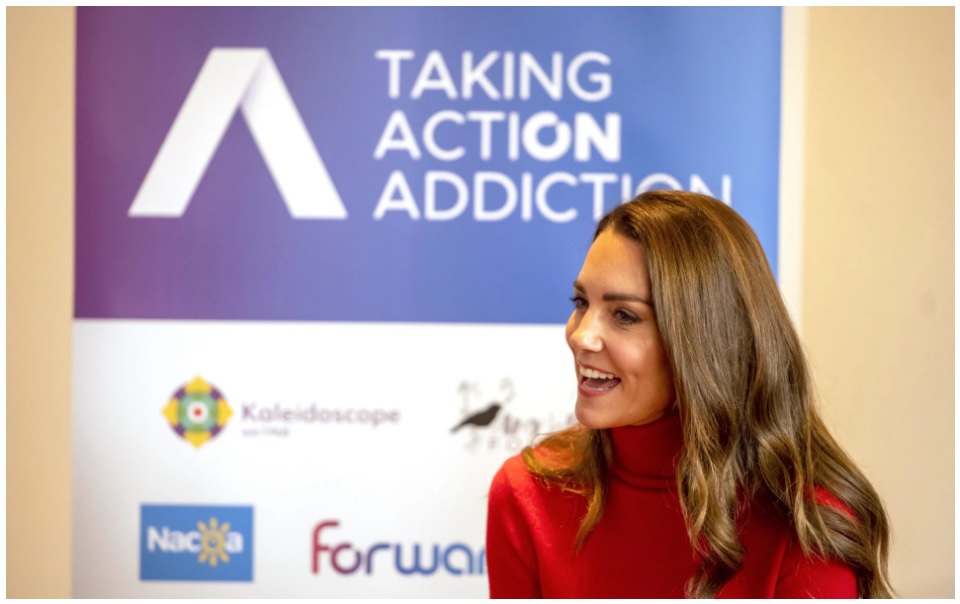
The Princess of Wales has called for an end to the ‘stigma’ of addiction 
Credit:Paul Grover/Daily Telegraph/PA Wire/PA Images

The Princess of Wales is patron of The Forward Trust, a charity devoted to assisting addicts to remain abstinent from their drug of addiction. She has just spoken out forcefully against the view that addiction is weakness of will or any kind of moral problem.

“Addiction is not a choice or a personal failing,” she said, implying thereby that it was a medical condition like any other, such as Parkinson’s disease or multiple sclerosis. She said that “people’s experience of addiction in still shaped by fear, shame and judgment, and that this ought to change”.

I am sure that HRH meant well, and that she feels genuine sympathy for addicts; but unfortunately, her view is simple, unsophisticated, dehumanising and empirically false.

It is dehumanising because, by denying that addiction is a choice, it deprives addicts of their agency both in theory and to a certain extent in practice. If, after all, you persuade someone that he does not make a choice in doing something, you also persuade him that choice cannot prevent him from doing it. He is not a human being like you and me, but a helpless feather on the wind of circumstance.

This turns him into an object, not a subject, both to himself and others. Such a view is implicitly degrading, demeaning and far from compassionate. It implies the need for an apparatus of care to look after him, much as one would look after an animal in a menagerie, with kindness but not with much respect.

Take the case of the injecting heroin addict and think what he has to do and learn to become such an addict. He has to learn where to obtain heroin and how to prepare it. He has to learn to disregard its unpleasant side effects. He has to overcome a natural aversion to pushing a needle into himself. This is not something that just happens to him.

Moreover, not only do most addicts take the drug for some time before becoming physically addicted to it, but they are fully aware in advance of the consequences of taking the drug long-term. Addicts are not “hooked” by heroin, as they often put it; rather, they hook heroin.

It is untrue that addicts require a professional apparatus to overcome their addiction. Millions of people have given up smoking, though nicotine is addictive. During the Vietnam War, thousands of American soldiers addicted themselves to heroin and gave up, with almost no assistance, one they returned home.

In 1980, Porter and Jick pointed out that people treated with strong painkillers as in-patients in hospital did not go on to become addicts once they left hospital. This was unfortunately interpreted to mean that such drugs were not addictive; but, on the contrary, it shows that addiction, in the sense of continuing addictive behaviour, is not straightforwardly a physiological condition.

At the root of the Princess’s misapprehension is the post-religious or secular view that if a person is the author of his own downfall, he is due no sympathy or compassion. It is a highly puritanical view, and since we do not want to be puritans, we make the problem a medical one instead. But since we are all sinners and the authors of our own downfall, at least in some respect or other, this also has the corollary that sympathy or compassion is due to no one when he needs it.

The Princess appears to think that if you say to an addict that he has behaved, and continues to behave, foolishly and badly, you are necessarily saying to him, “Go away, darken my doors no more”. She seems to think that the truth, far from setting people free, will imprison them until someone comes along with a technical key to unlock them.

Of course, some addicts benefit from assistance, but not for the reasons the Princess supposes. Medication may reduce their physical sufferings, and if we take once more the example of injecting heroin addicts, we discover that they may well have so destroyed their relations with everyone – their families and friends – that there is no one to whom to turn if they desire to change their ways. They thus need a helping hand, but this is not the same as removing fear or stigma (a very necessary, though not sufficient, aid to civilised life). Though she did not mean them to be so, the Princess’s words were not so much demoralising, as amoralising.

Source: https://www.telegraph.co.uk/gift/51db8fdbd5d80cb6

Filed under: Strategy and Policy,UK :
Identifying early neural vulnerabilities in adolescence could help guide prevention before substance abuse begins.
Credit: Neuroscience News

from neurosciencenews.com – November 21, 2025 

Key Facts:

  • Distinct Neural Patterns: Girls at risk showed higher transition energy in default-mode networks, while boys showed lower transition energy in attention networks.
  • Risk Before Substance Use: Differences appeared at ages 9–11, indicating early vulnerability unrelated to drug exposure.
  • Tailored Prevention: Findings point toward sex-specific early interventions targeting rumination in girls and impulse control in boys.

Source: Weill Cornell University

The roots of addiction risk may lie in how young brains function long before substance use begins, according to a new study from Weill Cornell Medicine.

The investigators found that children with a family history of substance use disorder (SUD) already showed distinctive patterns of brain activity that differ between boys and girls, which may reflect separate predispositions for addiction.

The research, published Nov. 21, in Nature Mental Health, analyzed brain scans from nearly 1,900 children ages 9 to 11 participating in the National Institutes of Health’s Adolescent Brain Cognitive Development (ABCD) Study. 

“These findings may help explain why boys and girls often follow different paths toward substance use and addiction,” said senior author Dr. Amy Kuceyeski, professor of mathematics and neuroscience in the Department of Radiology and the Feil Family Brain & Mind Research Institute at Weill Cornell. “Understanding those pathways could eventually help guide how we tailor prevention and treatment for each group.”

Tracking Neural Energy Shifts

To explore these neural differences, the researchers used a computational approach called “network control theory” to measure how the brain transitions between different patterns of activity during rest.

 “When you lie in an MRI scanner, your brain isn’t idle; it cycles through recurring patterns of activation,” said first author Louisa Schilling, doctoral candidate in the Computational Connectomics Laboratory at Weill Cornell.

“Network control theory lets us calculate how much effort the brain expends to shift between these patterns.” This transition energy indicates the brain’s flexibility, or its ability to shift from inward, self-reflective thought to external focus.

Disruptions in this process have been observed in people with heavy alcohol use and cocaine use disorder, and when under the influence of psychedelics.

Opposing Patterns in Boys and Girls

The study found that girls with a family history of SUD displayed higher transition energy in the brain’s default-mode network, which is associated with introspection. Compared with girls without such a family history, this elevated energy suggests their brains may work harder to shift gears from internal-focused thinking.

“That may mean greater difficulty disengaging from negative internal states like stress or rumination,” Schilling said.

“Such inflexibility could set the stage for later risk, when substances are used as a way to escape or self-soothe.”

In contrast, boys with a family history showed lower transition energy in attention networks that control focus and response to external cues.

“Their brains seem to require less effort to switch states, which might sound good, but it may lead to unrestrained behavior,”  Dr. Kuceyeski said.

“They may be more reactive to their environment and more drawn to rewarding or stimulating experiences.”

Put simply, she said, “Girls may have a harder time stepping on the brakes, while boys may find it easier to step on the gas when it comes to risky behaviors and addiction.” Since the brain differences appeared before any substance use, they may indicate inherited or early-life environmental vulnerability rather than the effects of drugs.

Toward More Personalized Prevention

The researchers emphasize the need to analyze data from boys and girls separately, since averaging results across both groups masked the contrasts. Separate analyses revealed distinct patterns, underscoring the importance of sex as a biological variable in brain and behavioral research.

The findings mirror what clinicians see in adults: women are more likely to use substances to relieve distress and progress more quickly to dependence, while men are more likely to seek substances to feel euphoria or excitement. Identifying early neural vulnerabilities in adolescence could help guide prevention before substance abuse begins.

“Recognizing that boys and girls may travel different neural roads toward the same disorder can help tailor how we intervene,” Dr. Kuceyeski said. “For example, programs for girls might focus on coping with internal stress, while for boys the emphasis might be on attention and impulse control.”

Key Questions Answered:1

Q: How does family history of substance use disorder affect young brains?

A: It is linked to distinct patterns of neural transition energy before any substance use begins.

Q: Why do boys and girls show different addiction risk pathways?

A: They display opposing neural flexibility patterns in attention and introspection networks.

Q: How can this research guide prevention?

A: It suggests tailored early interventions targeting stress coping for girls and impulse control for boys.

Source: https://neurosciencenews.com/neurodevelopment-addiction-sex-differences-29965/

From CADCA –  Marianne Varkiani – (GLOBE NEWSWIRE) ALEXANDRIA, VA

CADCA is proud to announce the recipients of its 2026 National Leadership Forum Awards. Every year, CADCA recognizes exceptional individuals that have made significant contributions to the field of substance use prevention and community coalition leadership. The awards will be presented during the 36th Annual National Leadership Forum, February 2-5, 2026 at the Gaylord National Resort and Convention Center in National Harbor, Maryland.

“Our honorees represent the very best of public service and community leadership, and we look forward to celebrating their achievements at our National Leadership Forum,” said CADCA President and CEO General Barrye L. Price, Ph.D. “These distinguished leaders have shown what it means to stand up for the well-being of our communities.”

This year’s honorees exemplify innovation and dedication to creating safer, healthier, and stronger communities.

Outstanding Youth Leader: Sharmada Venkataramani

Recognizes an outstanding young person for service to a coalition and their dedication to preventing substance misuse

Sharmada is a rising junior at South Forsyth High School, passionate about youth advocacy and prevention work. She began by publishing a piece on Big Pharma’s role in the opioid crisis for the state social studies fair and further engaged with the Forsyth County Drug Awareness Council. There, she launched the “Elevate with Awareness” campaign, highlighting the importance of teen marijuana use awareness. Sharmada also led students in advocating for nicotine regulation bill HB 1260. As the youth sector lead for the 2024-2025 school year, she guides 30+ students on various prevention projects.

Additionally, she collaborated with District 4 Commissioner Cindy Jones Mills to establish the Forsyth County Youth Mental Health Coalition, distributing over 750 mental health resource guides. Sharmada serves as the county organizing deputy director at the Georgia Youth Justice Coalition, representing over 1500+ students to advocate for youth-focused reforms. She is also the JV president of her school’s mock trial team, a state-level award winner, and an officer in her school’s Future Business Leaders of America Club. In her free time, she enjoys Indian classical dancing and spending time with friends. Sharmada aims to attend law school and pursue a career in securities law.

National Newsmaker Award: Amy Neville & Alexander Neville Foundation

Recognizes an individual or organization that has used their platform or media presence to bring national attention to substance use prevention issues

Amy Neville is the President of the Alexander Neville Foundation (ANF), an organization her family founded after the tragic loss of her 14-year-old son, Alexander. A drug dealer on Snapchat sold Alex a counterfeit pill laced with fentanyl that took his life. This unimaginable loss compelled Amy to confront the fentanyl crisis and the growing dangers of unregulated social media platforms.

Through ANF, Amy works closely with young people to co-create meaningful drug prevention and social media education programs. The foundation is rooted in youth collaboration and has become a guiding voice in efforts to curb substance misuse and reshape the digital environment for children and teens. Amy continues to speak nationally on synthetic drug dangers, social media harms, and the urgent need for corporate and legislative accountability.

In April 2025, Amy appeared in Bloomberg Media’s acclaimed documentary Can’t Look Away: The Case Against Social Media, which explores the real-life consequences of Big Tech’s unchecked power. Her powerful presence in the film underscores her message: “This is all about money… We need to take back the power from these companies.”

Amy has also shared her family’s story and insights on CNN, FOX, CBS, ABC, and in Rolling Stone’s investigative piece “Inside Snapchat’s Teen Opioid Crisis.” Her mission remains clear: to prevent more families from experiencing the devastation hers has endured and to ensure youth are protected both offline and online.

National Leadership Award: Kirk Lane

Recognizes leaders who have been longtime supporters of the community coalition movement and who use their voice and influence to educate the community about the importance of substance abuse prevention

Arkansas Drug Director Kirk Lane was appointed by Governor Asa Hutchinson on August 7, 2017. In his current role, Lane serves as the Director of the Arkansas Opioid Recovery Partnership (ARORP), which works to support communities across the state through innovative prevention, treatment, and recovery initiatives. Under his leadership, ARORP partnered with CADCA to help Arkansas coalitions build capacity to secure federal Drug-Free Communities (DFC) funding. As a result of this partnership, seven of 13 ARORP-supported coalitions were awarded DFC grants, bringing $4.3 million in federal investment to Arkansas communities.

Previously, Director Lane served as the Chief of Police for the City of Benton, Arkansas. Director Lane began his law enforcement career in 1982. In 1986, he worked for the Pulaski County Sheriff’s Office for 22 years rising to the rank of Captain. His assignments during this time period included Patrol, Narcotics, Investigations, SWAT and Honor Guard. In January of 2009, Lane retired from the Pulaski County Sheriff’s Office as the Investigation Division Commander and was appointed the Chief of Police of the Benton Police Department.

He attended the University of Virginia and the University of Arkansas-Little Rock. He is a graduate of the Arkansas Law Enforcement Academy, the Drug Enforcement Administration’s Drug Commander’s Academy and the FBI National Academy 197th session. He has served on boards representing Arkansas for the Regional Organized Crime Information Center and was the Chairman of the Arkansas Chief’s Association Legislative Committee. Director Lane also served on advisory boards for the Criminal Justice Institute, the Arkansas Prescription Monitoring Program and the Arkansas Alcohol and Drug Coordinating Council.

Director Lane is an active member of the Arkansas State working group for Prescription Drug Abuse Prevention and received the 2012 Marie Interfaith Leadership Award for his work in this area. He also serves on the CADCA Board of Directors.

CADCA Lifetime Achievement Award: Dr. Mark Gold

Honors an individual whose career and contributions have had a profound and sustained impact on the prevention field

Mark S. Gold, M.D. is a world-renowned expert on addiction-related diseases and has worked for 40+ years developing models for understanding the effects of opioid, tobacco, cocaine, and other drugs, as well as food, on the brain and behavior. Today, Dr. Gold continues his research, teaching, and consulting as an Adjunct Professor in the Department of Psychiatry at Washington University in St. Louis. He publishes a weekly article for Psychology Today that translates the latest science on addiction-related issues into easy to understand, accessible information for the general public that CADCA distributes to its members.

About CADCA

CADCA is the premier prevention association equipping coalitions with tools, knowledge, and support to create positive change in their communities. CADCA’s vision is safer, healthier, and stronger communities everywhere. Through our work we have built a network of more than 7,000 coalitions across the United States and over 28 countries. At the core of CADCA’s creation is the belief in the effectiveness and efficiency of local coalitions as catalysts for drug-free communities globally, combating substance misuse through the implementation of comprehensive strategies for community change.

Source: https://sg.finance.yahoo.com/news/cadca-honor-outstanding-leaders-substance-151500024.html

OPINION PIECE: 
by Muhammad Faizan –   Karachi  – published in Dawn, November 23rd, 2025


THE rising abuse of an anticonvulsant medication in the market is destroying the lives of the country’s youth. The drug, whose generic name is pregabalin and which is available under different brand names, decreases the number of pain signals that are sent out by damaged nerves in the body. Young individuals, even including teenagers, across the country are using it mixed with so-called energy drinks or soft drinks. They buy it over-the-counter (OTC) without any prescription, and mix it with caffeinated and carbonated drinks to intensify the effect and to have a strong kick. What begins as experimentation, often influenced by peer pressure or the desire for a cheap ‘high’, quickly spirals into severe addiction.

The misuse of these and other such drugs should serve as a wake-up call. These medications, meant to treat legitimate medical conditions, like epilepsy and neuropathic pain, are being treated as recreational drugs. The consequences are devastating — respiratory depression, overdose, addiction and, in worst cases, death.

What should trouble us the most is how accessible these dangerous substances have become. Any young person can walk into a pharmacy and buy them without a prescription or proper supervision. Pharmacies, either due to negligence or profit motives, are selling these controlled medications as if they were ordinary painkillers. Meanwhile, our youth remain unaware of the severe health risks they are taking.

Parents, teachers and community leaders must urgently educate society about this menace. We need to look for warning signs among our young. Unusual drowsiness, slurred speech, mood swings, declining academic performance, and withdrawal from family activities could indicate that a young person is trapped in this dangerous addiction.

The Drug Regulatory Authority of Pakistan (Drap) and provincial health departments must immediately declare all such drugs as controlled substances, and impose strict prescription require- ments through proper record-keeping at pharmacies. The pharmacists should exercise their professional responsibility, and stop selling these medications without valid prescriptions. Parents must stay vigilant and maintain open communication with their children. Educational institutions must organise awareness sessions about drug abuse, including misuse of prescription drugs. Media can help spread awareness about the crisis through dedicated campaigns and programmes. Finally, law-enforcement agencies should strengthen monitoring of pharmacies and take strict action against those violating regulations. This is not just a health crisis; it is a social emergency that threatens our future generation.

Source: https://www.dawn.com/news/1956844/rampant-drug-abuse

  • Emerging drugs, which include designer drugs and new psychoactive substances, are substances that have appeared or become more popular in the drug market in recent years.
  • Emerging drugs have unpredictable health effects. They may be as powerful or more powerful than existing drugs, and may be fatal.
  • Because drug markets change quickly, NIDA supports the National Drug Early Warning System (NDEWS), which tracks emerging substances. NIDA also advances the science on emerging drugs by supporting research on their use and on their health effects.

Source: https://nida.nih.gov/research-topics/emerging-drug-trends


The European Union Drugs Agency (EUDA) today launched the new EUDA Health and Security Threat Assessment System (ETAS), designed to strengthen Europe’s preparedness for serious and emerging drug-related threats and to support coordinated responses. Foreseen under the EUDA regulation, the service was unveiled at the meeting of the Heads of Reitox national focal points (NFPs), taking place this week in Lisbon, bringing together representatives from across Europe.

ETAS will help EU Member States identify, assess and respond to drug-related health and security threats linked to drug markets, illicit substances and changing patterns of use. The system provides structured, evidence-based assessments to support timely decisions on mitigation, early preparedness and strategic responses at national and EU level.

As a core component of the EUDA’s wider preparedness framework, ETAS operates in close coordination with the European Drug Alert System (EDAS), the EU Early Warning System on new psychoactive substances and the Network of forensic and toxicological laboratories. Together, these services combine early warning, rapid alerts and in-depth assessments, reinforcing Europe’s capacity to detect and respond to fast-evolving drug-related risks.

Threat assessments can be triggered by requests from an EU Member State or the European Commission or when signals from the EUDA’s monitoring, alert and early warning systems indicate that a coordinated response may be needed. Member State requests are submitted via the EUDA Management Board member or through the national focal point. The NFPs act as key contact points for ETAS and contribute throughout the assessment process.

Drawing on data from health, law enforcement and laboratory sources, as well as expert input from national authorities, ETAS delivers practical options for action, tailored to different threats.

The first assessments under the new system are focusing on highly potent synthetic opioids and the availability and harms of crack cocaine in the EU. These are being carried out in close cooperation with the countries concerned. A pilot threat assessment, published in June 2025, examined the evolving presence and impact of highly potent synthetic opioids (particularly ‘nitazenes’ and carfentanil) in the Baltic States.

These early cases illustrate how the new system will support Member States and EU institutions in turning evidence into concrete measures on the ground, contributing to a safer and more resilient Europe.

EUDA and national focal points discuss new partnership framework

A central issue at this week’s meeting is the ‘Reitox Alliance’, a new partnership framework between the EUDA and the NFPs. Building on decades of shared experience, the alliance aims to strengthen cooperation, enhance preparedness and ensure a coordinated European response to emerging drug-related challenges.

The new operating framework, set for adoption by the Management Board next month, will replace the previous Reitox operating framework, functioning since 2003. The alliance aligns the network’s activities with the EUDA’s updated mandate and promotes mutual support, capacity building and innovation among Member States.

The meeting will also focus on policy and institutional updates, scientific projects, national reporting, communication activities and planning for 2026. Topics include cannabis policy, prisons and international cooperation.

This is the last Reitox meeting under the current Executive Director, Alexis Goosdeel whose mandate ends on 31 December this year. Speaking at the event, Mr Goosdeel said: ‘The new Reitox Alliance will mark a significant step forward in how we work together as a European network, and will give us a stronger, more coordinated platform for tackling the complex drug challenges we face. ETAS is just one example of how this renewed partnership can translate shared expertise into concrete, operational services that help Member States anticipate threats and act quickly. As I conclude my mandate, I am proud of what we have achieved together and confident that this enhanced cooperation will support Europe’s preparedness for years to come.’

Source: https://www.euda.europa.eu/news/2025/new-threat-assessment-system-launched-strengthen-eu-response-drug-related-threats_en


by Email From Maggie Petito – 19.11.25

Neither the casino nor the four defendants admitted to knowingly laundering money for cartels or anyone else. But some investigators said that their actions helped bad actors hide the source of their illicit money.

“Federal laws that regulate the reporting of financial transactions are in place to detect and stop illegal activities,” said Carissa Messick, the special agent in charge for the Internal Revenue Service’s criminal investigations unit in Las Vegas, in a statement at the time. “Deliberately avoiding Bank Secrecy Act requirements is a form of money laundering.”

In a statement to CNN, Wynn Resorts said the company fully cooperated with the investigation and “immediately terminated the few employees involved because their actions violated the Company’s compliance program.”

“Wynn is committed to upholding the highest standards of integrity, compliance, and regulatory responsibility,” the Wynn casino said. “We accept responsibility for the historical deficiencies identified, have taken meaningful remediation, and are dedicated to ensuring that such failures do not reoccur.”

The cases of the four defendants that helped lead to Wynn’s historic settlement show how casinos have profited from having dirty money come through their coffers, and how drug cartels seek to legitimize the huge profits they generate from the sale of fentanyl and other drugs through legal gambling establishments, experts and investigators said. One prosecutor in Zhang’s case estimated that at least a hundred million dollars annually was being laundered through American casinos.

“Forty-eight hours ago, that was the proceeds of fentanyl,” said Chris Urben, a former assistant special agent in charge with the Drug Enforcement Administration’s Special Operations Division, speaking about some of the cash that Zhang and others moved through the Wynn and other casinos.

Although federal regulators and authorities have cracked down on banks and demanded tighter scrutiny on the cash deposits favored by cartels, regulators have been slower to apply that same pressure to casinos — despite their financial interest in looking the other way or even facilitating these crimes.

“They haven’t received as much scrutiny as financial institutions have in the past,” said Ian Messenger, founder and CEO of the Association of Certified Gaming Compliance Specialists in Toronto. “That is changing, with cases like Wynn.”

Hunger for cash

The schemes to move illicit money at Vegas casinos traced back to a simple problem: High-rolling gamblers from China — who are known to drop up to a million dollars on a single hand of blackjack — were having problems accessing their funds in the US.

A corruption crackdown by the Chinese government starting around 2016 led to stricter enforcement of rules prohibiting individuals from taking more than $50,000 a year out of the country.

How Chinese gamblers get illicit US cash to use at casinos

When big-money Chinese gamblers can’t get enough American cash to use at casinos because of Chinese government restrictions, they sometimes turn to a black market for the money. Here’s how middlemen in the US convert money from drug cartels and other illicit businesses into cash for them:

An “underground banker” drives around Las Vegas collecting money from customers who may have earned cash from illicit means – ranging from drug cartels to prostitution rings.

The underground banker pays them back for the cash by transferring the same amount, minus his fee, to a Chinese bank account, circumventing US safeguards.

A high stakes Chinese gambler arrives in Vegas, but he has a problem: He legally can’t bring more than $50,000 annually into the U.S. under Chinese law, and needs more to gamble.

The casino wants the gambler’s business. So a casino host calls the underground banker and asks him to bring cash, according to US authorities.

In a private room at the casino, the underground banker gives cash to the high-stakes Chinese gambler.

The Chinese gambler pays the underground banker back, plus a fee, by transferring Chinese money to a Chinese bank account — again evading US scrutiny.

The gambler takes that cash, which may have started with drug cartels, prostitutes and other illicit businesses, and turns it into chips at the casino.

For US authorities, this rule has created supersized demand among well-heeled Chinese visitors and expats. When they need large sums for purchasing real estate, buying a luxury car or other big expenses, many turn to underground bankers.

These illicit bankers, who are also often Chinese, have turned to criminal gangs such as Mexican drug cartels and prostitution rings, law enforcement officials told CNN.

In exchange for cash, the cartels and other providers are paid back through Chinese bank accounts that face no US financial scrutiny.

In recent years, these Chinese middlemen have essentially become the go-to bankers for the biggest players in the US drug trade, authorities have said, wresting control from Latin American interests in what has amounted to a bloodless coup.

And high-stakes Chinese gamblers quickly became important players in the financial scheme, authorities say.

The big break

In late 2018, Dave Mesler, a special agent with the Internal Revenue Service’s criminal investigation unit, got an intriguing tip from employees at another Las Vegas casino.

They’d noticed a strange pattern: A man would walk into the casino carrying a satchel and then would meet a host — a casino employee in charge of keeping high-value gamblers happy. The host would summon a high-roller, and the trio would disappear to a private setting like a hotel room. Then the man who came with the satchel would depart, often without having gambled.

Staff at the casino, which Mesler confirmed was not Wynn but declined to identify due to DOJ policy, eventually notified law enforcement about a handful of men all following the same pattern.

“The casino didn’t quite figure out what they were up to,” Mesler said, but “they realized these guys were up to something.”

Mesler and other investigators soon learned the IDs of four of the men: Lei Zhang, Bing Han, Liang Zhou and Fan Wang. All were Chinese nationals in their late 30s or 40s living in Las Vegas. (None of the men responded to CNN’s multiple efforts to reach them. )

Mesler, who at the time led the IRS’s Las Vegas Financial Crimes Task Force, subpoenaed their cell records. The results excited him so much he flew from his office in Las Vegas to San Diego to meet with a federal prosecutor.

“I found that these guys were talking to Wynn casino hosts multiple times a day every day,” Mesler said. “Hundreds a week. … I mean, I don’t even talk to my girlfriend this much.”

Investigators had already been interested in Wynn, a high-end resort with a sleek glass design with locations worldwide, including Macao – the only place in China where gambling is legal.

Investigators had earlier looked into bank accounts they suspected were being used by drug cartels to fund gambling at the casino, DEA sources said, but none of those probes led to any charges being filed. (Wynn said in its statement that the accounts were “established to allow out-of-state guests to make normal and customary payments to the Company” and that the casino followed all proper financial reporting procedures.)

Mesler believed something bigger was afoot with the new evidence involving the four Chinese men. “It was happening now – it didn’t happen years ago,” Mesler said. “This breathed a lot of new energy into the case.”

Mesler started reviewing surveillance footage from Wynn, and sure enough, the four men were making regular visits with casino hosts and high-rolling gamblers there.

With the evidence mounting in early 2019, other agencies joined the case: the US attorney’s office in San Diego, the DEA, the Department of Homeland Security and even the Las Vegas Metropolitan Police Department.

Through surveillance footage, undercover assignments and interviews with informants and the defendants, investigators were able to piece together a more complete picture of the sophisticated scheme.

Wynn casino and Mexican cartels

Investigators began watching as the four underground bankers or couriers working for them drove in and around Las Vegas and Los Angeles making cash pickups, law enforcement sources told CNN.

“They would take cash from anybody that had cash they didn’t want to deposit in a bank account for various reasons,” Mesler said.

The men would then shuttle the ill-gotten cash to Wynn and other casinos in Vegas, where they would meet with a casino host and an elite gambler from China for a hand-off.

“It didn’t always happen in a hotel room, but it could. It could happen in the hotel bathroom as well,” said Peter Fuller, a former detective in the Las Vegas police department who worked on the case. “It also happened in vehicles.”

Phone data seized from the four suspects showed they were frequently communicating with Wynn casino hosts, said Urben, the former DEA official — but also that some of their communications traced back to Mexican cartel operatives. He added that other intelligence, including surveillance and post-arrest interviews, also pointed to cartels as a significant source of cash.

CNN obtained an unclassified internal DEA document, which reported that agents suspected money launderers were feeding cash from Latin American drug cartels to Chinese gamblers, who were “reliable customers to purchase cash drug proceeds.” The intelligence report, which was shared with field offices across the country in 2021, also linked Vegas casino hosts with members of US-based drug trafficking organizations “seeking to launder drug proceeds.”

“The majority and the driver of this was Mexican cartel proceeds,” said Urben, who now works as a managing director at Nardello & Co., a private global investigations firm that specializes in corporate matters. “When I say that, I mean fentanyl, heroin, cocaine, methamphetamine.”

A Homeland Security investigator, who worked closely on the case and asked that his name not be used out of safety concerns, said much of the cash being sold by underground bankers to Chinese gamblers in Vegas at the time appeared to come from cartels.

It’s unclear how much the casino hosts or Chinese gamblers knew about the source of the money when coordinating the transactions, officials said.

But they all knew enough to be secretive about the activity, the Homeland Security investigator said, “so they must have known they were doing something bad.”

After using a Chinese social-messaging and mobile-payment app called WeChat to make a quick money transfer, the gambler would often take the cash, bring it inside the casino and exchange it for chips, officials said.

The end result was that everybody got what they wanted. The casino host got the golden-goose gambler to play at Wynn, the gambler received the cash, the “third-party” source was able to replace their dirty cash with a clean deposit in a financial institution, and the underground banker got his fee, all without having to send hefty dollar amounts across international borders.

In May 2019, investigators on the case carried out the first sting operation. It targeted Zhang.

Zhang had been lured to a Las Vegas casino hotel room by an undercover federal agent who called the money mover posing as a wealthy gambler looking to obtain $150,000 in cash.

As he made his way through the casino floor to the hotel room, agents working with Homeland Security Investigations waited in an adjoining room. Zhang had been instructed to show up alone, but he came with a woman. Zhang knocked on the door and the undercover agent answered.

The agents barged in.

“He looked very cool and suave,” said the Homeland Security investigator. “Cool sunglasses and hair. … Very Vegas.” The agents opened the satchel and discovered four brick-sized stacks of cash, the investigator said.

The woman, who had a handful of cell phones on her, was a “madam” who ran an escort service, he said. Two-thirds of the cash belonged to her, and she wanted to make sure the transaction went smoothly. The agents seized the cash; the woman was not arrested, he said.

That bust, he added, helped lead investigators to the other three suspects, who were arrested in similar stings throughout Las Vegas that summer.

The four defendants

With the evidence collected by Mesler and others, Zhang, Han, Zhou and Wang were charged in federal court between May and September of 2019 with operating an unlicensed money transmitting business.

Prosecutors said their scheme was just a fraction of the illicit money moving through casinos.

“The total magnitude of this problem, especially in Las Vegas, catering to high-roller Chinese gamblers who come into Las Vegas without easy access to United States cash, is certainly in the nine figures on an annual basis,” said prosecutor Mark Pletcher during Zhang’s sentencing hearing in 2020. “We’re talking about a problem in the hundred-million dollar range” yearly, he added.

In court, the defendants — who had all emigrated from China — described how they’d been drawn into the underground banking schemes because they needed money to help care for children or elderly parents, in a country where they had few connections and spoke little English.

By fall of 2020, all four pleaded guilty to a lesser crime than money laundering: operating an “unlicensed money transmitting business.” Investigators told CNN the money-laundering charge would require proving that the defendants themselves knew the source of the dirty cash they were bringing into the casino.

But another prosecutor, Daniel Silva, told the court that the activity “totally undermines the United States’ anti-money laundering laws.” The networks, he added, “are a huge, huge problem in the United States” and “will not be tolerated.”

Zhou, now 42, was ordered to repay the government $446,000. He was sentenced to six months in prison. The lightest sentence went to Wang, who received three months in home detention and was ordered to repay $225,000 for his role in the scheme.

A former professional poker player who also worked in the “junket” industry that brought Chinese gamblers to Las Vegas, Wang, now about 43, was charged last year with lying about his felony conviction while trying to purchase a semiautomatic assault rifle in Las Vegas, court documents state. He pleaded guilty to the weapons charge in April and was sentenced to time served.

The steepest forfeiture penalty went to Han, now 50, who was ordered to repay $500,000. Han told the courts he was granted asylum in the US in 2019 after suffering religious persecution in China for starting a church in his home, according to court records.

The stiffest prison sentence went to Zhang, now about 45, who’d claimed through his lawyer in court that he had no idea he was doing anything wrong. The judge handed Zhang 15 months in prison and ordered him to repay $150,000 – a formality as authorities had already seized that amount in the raid.

Fuller, the former detective with the Las Vegas police department, said it’s important to recognize the harm in the crime.

“You just can’t go take cash from anybody, because what ends up happening is, you end up taking it from Pablo Escobar,” said Fuller, who now works as a special agent for the IRS. “It’s basically the same thing that took place in the ’30s with Al Capone and all that, all the bankers and everybody. ‘Oh no, I, I don’t sell drugs. I’m not in organized crime. I just set up companies for people. I just move money.’”

Last fall, a little over two years after the last of the four men were sentenced, Wynn casino signed the non-prosecution agreement and admitted to its employees’ involvement in a range of schemes, including those catering to high-rolling Chinese gamblers. The casino, in a statement to CNN, said it was unaware of the details of the four individual criminal cases as they played out in court.

The agreement also highlighted earlier cases dating back to 2014 in which the Wynn casino “knowingly and intentionally conspired” with individuals – some with connections to Latin America – to set up illicit ways to get money to gamblers at the casino and to recruit foreign gamblers from places the US has identified as “major money laundering countries.”

In another scheme – referred to in the document as “human head gambling” – patrons who were prohibited by anti-money-laundering laws from gambling would stand behind a proxy gambler and give orders. One such patron had suspected connections to a transnational organized crime group.

Wynn casino’s involvement in the illicit activity wasn’t limited to casino hosts – it also included a company marketing executive and a senior executive of a company affiliate, the agreement says.

In its statement, Wynn said it has since made improvements outlined in its settlement, including adding high-level staff members to an office dedicated to enforcing anti-money-laundering laws, and establishing an independent compliance committee whose members are unaffiliated with the company.

An ‘explosion’ of Chinese money laundering

When Zhang and Han pleaded guilty in early 2020, they were the first in the US to be prosecuted for this form of underground banking, according to the DOJ.

Today, networks of Chinese underground bankers are the primary money launderers for not only the Mexican drug cartels, but organized crime groups around the world, including various Italian mafia groups, said Vanda Felbab-Brown, an expert on international organized crime with the Brookings Institution.

“Over the past eight years or so, you have this big explosion of Chinese money laundering in the states, in Mexico, in Europe,” she said.

Wynn isn’t the only casino that has been caught aiding criminals who evade banking laws.

In Australia, Crown Resorts casino was hit with a $300 million fine (in US dollars) in 2023 for running afoul of anti-money-laundering laws and continuing a business relationship with a junket operator despite the casino’s awareness of allegations the firm was connected to Chinese organized crime. “The company that committed these unacceptable, historic breaches is far removed from the company that exists today,” Crown Resorts said in a statement at the time.

In Canada, where this kind of crime has been rampant, a 2022 report by a government commission established to look into the issue revealed a common scheme in Vancouver that closely mirrors what investigators say was happening at Wynn: drug traffickers and Chinese loan sharks selling hockey bags filled with cash to Chinese gamblers who would wheel them into casinos to play a card game called baccarat.

Messenger, the gaming-compliance expert, said he wasn’t surprised that the historic Wynn settlement and similar cases haven’t attracted much public interest.

“The general public don’t typically have high expectations when it comes to the casino industry,” he said. “Everyone has Netflix. They’ve seen ‘Casino’; they’ve seen the other movies.”

The casino industry, however, has taken notice, and the culture of compliance with laws to prevent money laundering is improving, he said.

Even so, Messenger said, casinos – with their large volumes of cash and intensifying pressure to boost foot traffic and bring in high-rollers as online gambling gains in popularity – remain a rich venue for rinsing criminal proceeds.

“We see many, many cases of criminal funds or criminals attempting to deposit funds into the casino environment,” he said. “Not for the purposes of entertainment, but for the purposes of creating layers, creating explanations.”

Those criminal funds come from a business that has left a trail of devastation.

DEA official Brian Clark noted that the rise of Chinese money laundering coincided with a drug epidemic that in recent years has claimed over 100,000 lives annually in the US – the vast majority from opioids such as fentanyl.

“It’s all being fueled from this money laundering trade,” he said, “and it results in the death of Americans.”

Source: www.drugwatch.org

exp-customer-logo  TAMPA BAY TIMES
OPINION PIECE :

Patrik Ward is an economics student and member of the Adam Smith Society at the University of Tampa.

Abigail R. Hall is a senior fellow at the Independent Institute in Oakland, Calif., and an associate professor of economics at the University of Tampa.

What looks like an anti-drug measure may, in practice, be a show of power.
The recent U.S. strikes on alleged Venezuelan drug-traffickers in the Caribbean were framed as a necessary measure against transnational crime. Beyond their questionable legality, these measures risk deepening the very markets they seek to destroy. In attempting to sink traffickers at sea, the U.S. may have buoyed the economics of the drug trade.

In late October, U.S. naval forces carried out multiple strikes against vessels in the Caribbean suspected of transporting drugs linked to Venezuelan criminal networks. According to U.S. officials, the strikes sought to disrupt smuggling routes and weaken cartels. Venezuelan officials condemned the attacks as a violation of sovereignty.

Although U.S. leaders defended them as part of a broader campaign against narcotics trafficking, the timing and targets suggest a broader strategic move. Venezuela’s government remains deeply corrupt and internationally isolated, making it an easy symbol for demonstrating U.S. strength in the region. What looks like an anti-drug measure may, in practice, be a show of power—a bid to assert influence and signal strength, rather than a coordinated effort to reduce trafficking.

On a baseline level, a tougher stance on trafficking sounds like a beneficial policy. If the United States government raises the “punishment” for trafficking (i.e., killing traffickers on the open sea), smugglers may reconsider their choice.

However, illicit markets don’t mirror textbook logic. They adapt. By raising the risks, these strikes may have also raised the rewards, inflating prices, shifting routes and enriching the most dangerous agents.

This dynamic, common in financial markets, is often referred to as the “risk premium” — higher expected punishment leads traffickers to demand higher prices to compensate for the danger.

In the short run, some suppliers in the drug trade may exit the market. But those who stay are those most willing to take extreme risks or who already have the means to absorb them. In this case, cartels with deep pockets and little concern for collateral damage. Enforcement ends up selecting the most violent, not the most vulnerable.

As enforcement intensifies in one region, illegal activity doesn’t disappear — it relocates. This “balloon effect” means that squeezing the supposed drug trade in Venezuelan waters may simply push it toward alternative routes through Central America, the Caribbean or the West Coast. This doesn’t reduce the flow of drugs, but the geography of violence and corruption shifts, destabilizing communities far from the original target.

The economic effects don’t end there. As risk and costs climb, drug producers face incentives to cut corners and stretch profits by diluting drug purity. This generally takes the form of mixing cheaper — and often deadlier — additives like fentanyl. What begins as a “security measure abroad” can quickly spiral into a public-health crisis at home as domestic demand persists, and drug supply grows more potent and unpredictable.

These mechanisms reveal that when policy targets symptoms rather than the underlying causes or incentives, markets evolve faster than enforcement can adapt. The United States has spent decades trying to outgun an industry whose demand base is resilient and concentrated domestically. The real question isn’t whether to combat trafficking — it’s how. Every dollar spent on maritime strikes is a dollar not spent on reducing domestic demand, expanding treatment capacity or fostering economic alternatives in producer countries.

So, what can we do differently?

If the goal is to weaken trafficking networks, policymakers would do better to strike the cartels economically, not their boats. Forty years of interdictions — from the Caribbean to Plan Colombia — show that cutting supply routes rarely cuts supply. Research suggests that every dollar spent on treatment and prevention reduces drug consumption up to five times more than enforcement and interdiction spending.

Real deterrence starts at home. Expanding access to treatment, addressing poverty and mental health crises and targeting the financial pipelines that launder cartel profits strike demand and incentives directly. Cooperation with Latin American governments can then make enforcement smarter, not louder. The point isn’t to dominate the Caribbean — it’s to make drug trafficking a losing business model.

A purely militarized approach treats illicit markets as a law enforcement problem when it’s fundamentally an economic one. The logic of the market doesn’t vanish at sea — it simply resurfaces somewhere else.

Source: https://www.tampabay.com

Contact: Keila DePape – Organization: Media Relations, McGill University

Published: 18 November 2025

Researchers using brain imaging gain rare insight into how prenatal exposure to modern, high-THC cannabis affects brain development into adulthood

McGill University researchers at the Douglas Research Centre have found evidence that heavy cannabis use during pregnancy can cause delays in brain development in the fetus that persist into adulthood.

Using advanced MRI techniques, the team tracked the effects of prenatal cannabis exposure in mice across key developmental stages.

While public health agencies caution against cannabis use during pregnancy, most supporting evidence from humans is observational. The findings add biological evidence showing how heavy use can disrupt brain growth from early development to adulthood.

Published in Molecular Psychiatry, a Nature Portfolio journal, the preclinical study also reflects the higher-potency cannabis available today, helping to fill a gap in understanding its potential risks.

“Since cannabis legalization is relatively recent, we don’t yet have long-term human data on newer THC products,” said senior author Mallar Chakravarty, Full Professor in the Department of Psychiatry and researcher at the Douglas. “Our findings offer an early glimpse of possible outcomes a decade or two down the line.”

Tracking brain development over time

The average THC potency in dried cannabis has risen from about three per cent in the 1980s to roughly 15 per cent in 2022, with some strains reaching 30 per cent, according to Health Canada.

To model heavy use, researchers simulated daily exposure equivalent to one or two joints containing more than 10 per cent THC during a stage comparable to the first trimester of human pregnancy.

They observed developmental changes across three life stages:

  1. Late pregnancy: Embryos exposed to THC had smaller bodies and larger brain ventricles that signal abnormal brain development.
  2. Early life: Newborns gained weight faster, but their brains developed more slowly, suggesting a mismatch or delay.
  3. Adolescence to adulthood: Smaller brain volumes persisted, especially in females, who also showed more anxiety-like behaviours.

“The good news is that many of these developmental delays are subtle and could likely be offset with a supportive environment,” said Chakravarty.

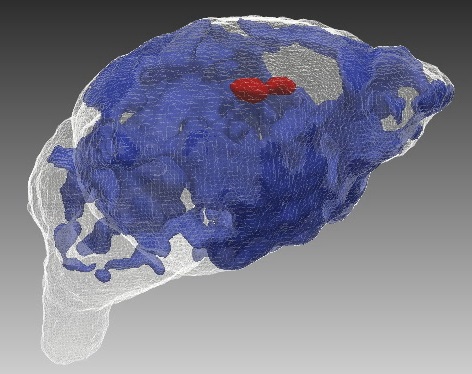
3D model of the neonatal brain showing regions of reduced growth (blue) and increased growth in the ventricles (red). (Source: Lani Cupo)

A rare look across the lifespan

The methods used provided a level of detail not often achieved in preclinical studies, the researchers explain.

“That’s partly because this type of research is incredibly resource intensive,” said first author Lani Cupo, who carried out the work over six years during her PhD at McGill. “We used live brain imaging to follow development across the lifespan, which isn’t commonly done in mice.”

Collaborators at the University of Victoria later used ultra-high-resolution microscopy to examine how brain cells changed after THC exposure.

Supporting informed choices

The researchers note that some people use cannabis before realizing they are pregnant, while others use it to manage nausea or to cope with anxiety and depression, conditions that can also affect pregnancy outcomes.

“There is no ‘ideal’ pregnancy,” said Chakravarty. “This isn’t about what is good or bad, it’s about giving people the information they need to make informed decisions.”

A follow-up study will explore whether other forms of cannabis, such as edibles, vaping and CBD products affect the brain differently.

About the study

“Impact of prenatal delta-9-tetrahydrocannabinol exposure on mouse brain development: a fetal-to-adulthood magnetic resonance imaging study” by Lani Cupo and Mallar Chakravarty et al., was published in Molecular Psychiatry. It was supported by the Canadian Institutes of Health Research.

From CADCA –

“Our honorees represent the very best of public service and community leadership, and we look forward to celebrating their achievements at our National Leadership Forum,” said CADCA President and CEO General Barrye L. Price, Ph.D. “These distinguished leaders have shown what it means to stand up for the well-being of our communities.”

This year’s honorees exemplify innovation and dedication to creating safer, healthier, and stronger communities.

Outstanding Youth Leader: Sharmada Venkataramani

Recognizes an outstanding young person for service to a coalition and their dedication to preventing substance misuse

Sharmada is a rising junior at South Forsyth High School, passionate about youth advocacy and prevention work. She began by publishing a piece on Big Pharma’s role in the opioid crisis for the state social studies fair and further engaged with the Forsyth County Drug Awareness Council. There, she launched the “Elevate with Awareness” campaign, highlighting the importance of teen marijuana use awareness. Sharmada also led students in advocating for nicotine regulation bill HB 1260. As the youth sector lead for the 2024-2025 school year, she guides 30+ students on various prevention projects.

Additionally, she collaborated with District 4 Commissioner Cindy Jones Mills to establish the Forsyth County Youth Mental Health Coalition, distributing over 750 mental health resource guides. Sharmada serves as the county organizing deputy director at the Georgia Youth Justice Coalition, representing over 1500+ students to advocate for youth-focused reforms. She is also the JV president of her school’s mock trial team, a state-level award winner, and an officer in her school’s Future Business Leaders of America Club. In her free time, she enjoys Indian classical dancing and spending time with friends. Sharmada aims to attend law school and pursue a career in securities law.

National Newsmaker Award: Amy Neville & Alexander Neville Foundation

Recognizes an individual or organization that has used their platform or media presence to bring national attention to substance use prevention issues

Amy Neville is the President of the Alexander Neville Foundation (ANF), an organization her family founded after the tragic loss of her 14-year-old son, Alexander. A drug dealer on Snapchat sold Alex a counterfeit pill laced with fentanyl that took his life. This unimaginable loss compelled Amy to confront the fentanyl crisis and the growing dangers of unregulated social media platforms.

Through ANF, Amy works closely with young people to co-create meaningful drug prevention and social media education programs. The foundation is rooted in youth collaboration and has become a guiding voice in efforts to curb substance misuse and reshape the digital environment for children and teens. Amy continues to speak nationally on synthetic drug dangers, social media harms, and the urgent need for corporate and legislative accountability.

In April 2025, Amy appeared in Bloomberg Media’s acclaimed documentary Can’t Look Away: The Case Against Social Media, which explores the real-life consequences of Big Tech’s unchecked power. Her powerful presence in the film underscores her message: “This is all about money… We need to take back the power from these companies.”

Amy has also shared her family’s story and insights on CNN, FOX, CBS, ABC, and in Rolling Stone’s investigative piece “Inside Snapchat’s Teen Opioid Crisis.” Her mission remains clear: to prevent more families from experiencing the devastation hers has endured and to ensure youth are protected both offline and online.

National Leadership Award: Kirk Lane

Recognizes leaders who have been longtime supporters of the community coalition movement and who use their voice and influence to educate the community about the importance of substance abuse prevention

Arkansas Drug Director Kirk Lane was appointed by Governor Asa Hutchinson on August 7, 2017. In his current role, Lane serves as the Director of the Arkansas Opioid Recovery Partnership (ARORP), which works to support communities across the state through innovative prevention, treatment, and recovery initiatives. Under his leadership, ARORP partnered with CADCA to help Arkansas coalitions build capacity to secure federal Drug-Free Communities (DFC) funding. As a result of this partnership, seven of 13 ARORP-supported coalitions were awarded DFC grants, bringing $4.3 million in federal investment to Arkansas communities.

Previously, Director Lane served as the Chief of Police for the City of Benton, Arkansas. Director Lane began his law enforcement career in 1982. In 1986, he worked for the Pulaski County Sheriff’s Office for 22 years rising to the rank of Captain. His assignments during this time period included Patrol, Narcotics, Investigations, SWAT and Honor Guard. In January of 2009, Lane retired from the Pulaski County Sheriff’s Office as the Investigation Division Commander and was appointed the Chief of Police of the Benton Police Department.

He attended the University of Virginia and the University of Arkansas-Little Rock. He is a graduate of the Arkansas Law Enforcement Academy, the Drug Enforcement Administration’s Drug Commander’s Academy and the FBI National Academy 197th session. He has served on boards representing Arkansas for the Regional Organized Crime Information Center and was the Chairman of the Arkansas Chief’s Association Legislative Committee. Director Lane also served on advisory boards for the Criminal Justice Institute, the Arkansas Prescription Monitoring Program and the Arkansas Alcohol and Drug Coordinating Council.

Director Lane is an active member of the Arkansas State working group for Prescription Drug Abuse Prevention and received the 2012 Marie Interfaith Leadership Award for his work in this area. He also serves on the CADCA Board of Directors.

CADCA Lifetime Achievement Award: Dr. Mark Gold

Honors an individual whose career and contributions have had a profound and sustained impact on the prevention field

Mark S. Gold, M.D. is a world-renowned expert on addiction-related diseases and has worked for 40+ years developing models for understanding the effects of opioid, tobacco, cocaine, and other drugs, as well as food, on the brain and behavior. Today, Dr. Gold continues his research, teaching, and consulting as an Adjunct Professor in the Department of Psychiatry at Washington University in St. Louis. He publishes a weekly article for Psychology Today that translates the latest science on addiction-related issues into easy to understand, accessible information for the general public that CADCA distributes to its members.

About CADCA

CADCA is the premier prevention association equipping coalitions with tools, knowledge, and support to create positive change in their communities. CADCA’s vision is safer, healthier, and stronger communities everywhere. Through our work we have built a network of more than 7,000 coalitions across the United States and over 28 countries. At the core of CADCA’s creation is the belief in the effectiveness and efficiency of local coalitions as catalysts for drug-free communities globally, combating substance misuse through the implementation of comprehensive strategies for community change.

Source: https://sg.finance.yahoo.com/news/cadca-honor-outstanding-leaders-substance-151500024.html

by Herschel Baker –  24 November 2025 

The Taskforce has been making many submission over a number of years to all States and Federal Government the increase danger of Illicit drugs on Australian roads. But our so-called experts do not recognize overseas research data.

Now The Taskforce at last has some Australian evidence see below.

National Data reveals drug driving is now responsible for more deaths on Australian roads than drink driving.

Drug driving is now responsible for more deaths on Australian roads than drink driving. National crash data shows that between 2010 and 2023, fatal crashes involving drugs, including cannabis, methamphetamine, MDMA and cocaine, more than doubled to 16-point-8 percent. At least one of those drugs is being detected in about 1 in 5 motorcycle deaths. Over the same 13-year period, crashes linked to drink driving decreased significantly Continuing a long-term downwards trend. There were ten times more random breath tests last year than roadside drug tests, but a drug test was ten times more likely to yield a positive result. Testing for drugs using a saliva swab is more complicated and more expensive than a breath test but states and territories have been incorporating more of them into their testing regimes. 

Source: https://drugprevent.org.uk/ppp/?p=20329&preview=true.

LAKELAND, Fla. — Officials are warning young people about the risks of an opioid-related ingredient increasingly added to energy drinks.

In her 25 years with InnerAct Alliance, a youth substance abuse prevention organization, Angie Ellison has witnessed the emergence of various drugs.

“We watch those things and try to let the community know about them because when it starts with college kids, it trickles down to high school and middle school,” said Ellison.

Ellison said energy drinks made with the synthetic form of kratom, known as 7-hydroxymitragynine (7-OH) are now widely available at gas stations, smoke shops and online.

“We’re just trying to make sure that everybody is aware of it, especially parents. Because a lot of times those drinks just look like maybe something to help you stay awake, but it could have very addictive traits to it,” said Ellison.

“It is a substance that can be dangerous when taken too much. It can cause dependence and addiction and when stopped, it can cause a pretty serious withdrawal syndrome,” said Dr. Eric Shamas, ER physician with Orlando Health Bayfront Hospital.

At the Crisis Center of Tampa Bay, they are seeing more college students experiencing withdrawal from the kratom byproduct.

“They get told to buy this kratom energy drink because it helped me get through studying for the finals. They start drinking it and then they get hooked. That’s when we find out it wasn’t containing natural kratom,” said Cameron Pelzel, community paramedic manager for Crisis Center of TampaBay.

Although Florida has recently made it illegal to sell 7-OH products, Pelzel said the ingredient can still be found in energy drinks, gummies and supplements.

“A lot of manufacturers are finding other synthetic compounds that mimic the 7-OH part, and they are adding it into it to get passed all the loopholes in the legal system so they can keep people buying these drinks. So we’re getting a lot of people that are solely addicted to it,” Pelzel said.

Source: https://www.tampabay28.com/news/region-polk/experts-raising-awareness-on-addiction-associated-with-energy-drinks-containing-kratom

Monitoring the Future study finds percentage of 12th graders admitting they would use marijuana reaching levels never before seen in 43-year history

More 12th graders than ever admitted they would use marijuana if it were legal, according to new numbers from the largest drug use survey in the United States. Specifically, one in four 12th graders thought that they would try marijuana, or that their use would increase, if marijuana were legalized. Prevalence of annual marijuana use also rose by a significant 1.3 percentage points to 23.9% in 2017, based on data from 8th, 10th, and 12th grades combined.

The survey reported “a greater proportion of youth than ever predicted they would use marijuana if it were legally available. Historic highs over the 43 years of the study were reached in the percentage of 12th grade students who reported that they would try marijuana if it were legal (15.2%), as well as users who reported that they would use it more often than their current level of use (10.1%). The percentage who reported they would not use marijuana even if it were legal significantly declined to less than 50% for the first time ever over the 43-year life of the study (specifically, to 46.5%).”

Overall, the rate of 12th graders saying they would not use marijuana if it were legalized fell 30% in the last ten years. Additionally, the rate of 12th graders who said they would use more marijuana if it were legal increased by almost 100% in the past decade. These changes are also significant when comparing rates from 2016. Marijuana sales are now allowed in eight states and D.C.

“These findings fly in the face of the Big Marijuana argument that somehow fewer young people will use marijuana if it is legalized,” said Dr. Kevin Sabet, founder and president of Smart Approaches to Marijuana. “These data are clear. As more states move to commercialize, legalize, and normalize marijuana – more young people are going to use today’s super-strength drug.”

The survey reported that “it is likely that the growing number of states that have legalized recreational marijuana use for adults plays a role in the increasing tolerance of marijuana use among 12th grade students, who may interpret increasing legalization as a sign that marijuana use is safe and state-sanctioned.”

Interestingly, the survey also found that 17% of 12th graders today believe that their parents would not disapprove of marijuana use. This is almost double that of the 8% average from the late 1970’s.

The 2017 Monitoring the Future survey, compiled by researchers at the University of Michigan and funded by the National Institutes of Health, is the benchmark for student drug use in the United States.

According to the survey, the combination of low levels of perceived risk when it comes to using marijuana and the low disapproval for regular use sets the stage for “potentially substantial” increases in the use of the substance in the future. In 2017 the proportion of 12th graders who favor legalization of marijuana was at the highest level ever recorded, at 49%.

“This survey confirms what public health advocates have long claimed: as more is done to make THC candies, cookies, sodas, concentrates look innocent and safe, young people are more attracted to them and hold favorable views of them,” said Dr. Sabet. “In states that have loosened their marijuana laws youth use is steadily rising. This is a trend that will continue if we do not pump the brakes on this failed experiment.”

Source: https://learnaboutsam.org/2018/06/new-study-finds-one-four-12th-graders-likely-use-marijuana-legalized/ June 2018

The number of people admitted to hospital in Scotland with alcohol-related brain damage has reached a 10-year high.

A total of 661 people required treatment for brain injury after alcohol misuse between 2016-17, the equivalent of nearly two people a day.

Alcohol-related brain damage can lead to problems with memory and learning.

NHS Greater Glasgow and Clyde had the most admissions at 230, followed by 99 in NHS Lothian.

The figures were released in response to a parliamentary question by the Scottish Conservative health spokesman Miles Briggs.

He said it was worrying that the statistics were continuing to rise despite efforts to combat alcohol misuse.

He said: “Scotland already has one of the worst records in Europe for alcohol consumption and, despite increased awareness, the problem only seems to be getting worse.”

He added: “The decision by SNP ministers to cut funding for alcohol and drug partnerships was wrong, and has clearly impacted on the delivery of services to support people addicted to alcohol.”

Mr Briggs called for more emphasis on recovery programmes and pilot schemes for new treatments.

The Scottish government said it had invested £746m to tackle alcohol and drug abuse in the past 10 years and would be delivering an additional £20m a year to further improve services.

‘Alcohol services’

A spokesman added: “We’ve recently implemented Minimum Unit Pricing to tackle the cheap, high strength alcohol that causes so much damage to families and communities across the country.

“We also provide funding to NHS boards to treat local health needs, including people with alcohol-related brain injury.

“We expect alcohol services, mental health services and social services to work jointly in these cases to ensure those injured receive the help they need to recover and any underlying mental health issues are addressed.”

301 deaths. 301 names, ages, faces removed. 301 families, communities, homes (or home equivalents) emptied. 

In 2023, there were 301 opioid-related overdose deaths in Alameda County. Standing alone, that figure isn’t alarming to those of us reading behind “safe” walls on our expensive devices. 

Nothing exposes us to the truth more than cold numbers. This data-driven meta-analysis will show there is far more to concern about the complexities that eventually result in the plague of opioids claiming those 301, and thousands more, lives.

The acceleration of the Alameda County crisis

Those 301 Alameda County lives claimed by opioids in 2023 represent a 60% increase  from 2022. Alameda County experienced the worst increase of all Bay Area counties in opioid overdose deaths from 2018-2021; Alameda’s rates tripled over this time while neighboring (Courtesy Alameda County)

There is an apparent inequity within the county. African-Americans’ fatal overdose rates are triple  that of the county average, and the homeless comprise 30% of all overdose deaths. 

(Courtesy Alameda County)

The teen paradox: Less use, more deaths

The focus is on teens, right? That would make sense. After all, teen substance use excluding cannabis is DOWN, compared to the 20.9% of high school juniors in 2002, the 8% figure of 2022 represents major improvement. 

Despite this, death rates are not improving. In fact, teen overdose deaths doubled in the eight short months between August 2019 and March 2020. As of 2022, 22 teens were dying WEEKLY from drug overdose in the United States. And overdoses are now the third leading cause of death for the youth, after guns and cars.

Fentanyl changed it all.

Now, over 75% of teen overdose victims’ lives are claimed by fentanyl. There was nearly a 300% INCREASE in fentanyl deaths aged 15-19 from 2018 to 2021. 

The problem isn’t necessarily addiction. It’s contamination. 

84% of teen overdose deaths are unintentional, and around a quarter of teen overdose deaths involve fake prescriptions. Fatal drugs like fentanyl spread through adult markets due to their potency and make their way to teens by accident. Most teens do not even get hooked onto the drugs that kill them.

Treatment inequality and solutions

Teen treatment right now is almost a scandal. While 42% of adults aged 45+ receive medications for opioid use disorder within three months of diagnosis, only 5% of teens do. Out of every five teens with substance use disorder, only one gets treatment.

Regardless of everything, prevention programs are still a solution. Project Towards No Drug Abuse (Project TND) has shown a 25% reduction in hard drug use. Medication-Assisted Treatment (MAT) reduces overdose deaths by 70-80%. Endless life-saving rescues by naloxone have been documented by near-death survivors. 

It is not that there are no solutions. Ironically, teens are the ones with the least access to drugs. We know what works, and Alameda County cares for its people. The change to prevent teen opioid overdose deaths must originate in expanding access and awareness to the systems proven to save lives.

Source: https://www.pleasantonweekly.com/alameda-county/2025/11/17/the-data-driven-paradox-of-prevention/


This article was written as part of a program to educate youth and others about Alameda County’s opioid crisis, prevention and treatment options. The program is funded by the Alameda County Behavioral Health Department and the grant is administered by Three Valleys Community Foundation.

The Government’s new mandate to carry out random oral-fluid roadside drug testing marks a milestone in New Zealand’s road safety policy

Under recently passed laws, police can now stop any driver, at any time, to screen with an oral swab for four illicit substances: THC (cannabis), cocaine, methamphetamine and MDMA (ecstasy).

Police will begin the rollout in Wellington in December, with nationwide coverage expected by mid next year.

Drivers will face an initial roadside swab taking a few minutes; a positive result triggers a second test. If confirmed, the driver will face an immediate 12-hour driving ban and have their initial sample sent to a lab for evidential testing.

With nearly a third of all road deaths involving an impairing drug, moves like this are clearly aimed at a serious problem.

Efforts by the previous Labour-led government stalled because no commercially available oral-fluid device met the evidentiary standards required at the roadside.

The government now appears to have what it needs to begin roadside testing. But it remains unclear whether this policy will achieve its goal of preventing truly impaired driving.

The science behind cannabis and driving

The research on cannabis and driving impairment is mixed. Many studies show an associative rather than causal link: people who use cannabis more often tend to report more crashes, but not whether those crashes happened while they were impaired.

Unlike alcohol – where blood-alcohol concentration closely tracks impairment – no such relationship exists for THC. Cannabis is fat-soluble, so traces linger in the body and appear in saliva long after any intoxicating effect has passed, making saliva testing a relatively poor proxy for impairment.

For the other targeted drugs – the stimulants methamphetamine, cocaine and MDMA – the connection to driving impairment is also unclear. At lower doses, stimulants can even improve certain motor skills. The risks are instead tied to perceptual shifts or lapses in attention, which a saliva test cannot detect.

Because cocaine and meth remain illegal globally, it is difficult to conduct the controlled studies needed to link presence and impairment.

The policy’s focus on just four illicit drugs also raises questions of scope. In practice, these are among the easiest and most visible substances to target: the low-hanging fruit.

Yet impairment from prescription medications such as sedatives or painkillers is far more common and remains largely self-policed.

Responsibility falls to individuals and their doctors to decide when it is safe to drive – a much bigger problem than many realise.

Police expect to conduct about 50,000 tests a year – around 136 a day nationwide – compared with more than four million alcohol breath tests annually.

While that’s a modest number, the introduction of roadside breath testing in the 1980s proved transformative. Alcohol consumption, which had been rising for decades, peaked around 1980 and then began to fall after the combined impact of breath testing and public awareness campaigns.

Whether the new drug-testing programme can produce a similar deterrent effect – without that level of visibility or education – remains to be seen.

Even if it does, the overall impact may be small. Drug use and drug-driving are far less common than alcohol use ever was, so the scope for large behavioural change is limited.

The problem of lingering traces

Another pressing question is what happens when the test detects traces of cannabis long after impairment has passed. THC can remain detectable in regular users for up to 72 hours, even though its intoxicating effects last only a few.

That means a medicinal cannabis patient who took a prescribed dose the night before – or a habitual user with high baseline levels – could therefore test positive while driving safely.

Although the law provides for a medical defence, there is still no clear procedure for proving a prescription at the roadside. Few people carry that documentation, and it’s uncertain whether digital GP records would be accepted.

In practice, some law-abiding drivers will inevitably be caught up in the process simply because of residual traces that pose no safety risk. Conversely, an inexperienced cannabis user may feel heavily impaired yet return a low reading.

This uncertainty reflects a deeper flaw in the system. When the previous government first designed the policy, it intended to test for impairment.

Because no devices could meet the evidentiary standard, the law was amended to test only for presence.

Perhaps the resulting regime’s relatively low-level penalties – such as a $200 fine and 50 demerit points for the confirmation of one “qualifying” substance – will help it withstand legal scrutiny, but they also highlight its scientific limitations.

Other jurisdictions have taken a different path. Many have returned to behavioural assessments of impairment – the traditional field-sobriety approach of observing coordination, balance and attention.

In the United States, for instance, officers often rely on such behavioural indicators because the law there still centres on proving a driver was impaired, not simply that they had used a substance.

In the end, a test that measures presence rather than impairment risks confusing detection with prevention – and may do little to make New Zealand’s roads any safer.

Author: Joseph Boden, Professor of Psychology, Director of the Christchurch Health and Development Study, University of Otago

Source: https://www.1news.co.nz/2025/11/17/will-drug-testing-drivers-really-make-nz-roads-safer/

At some point, just about every business will face the challenge of an employee struggling with substance use. While these situations can be complex and emotional, they also present an opportunity for employers to show compassion, strengthen their workplace culture, and retain valuable talent. Supporting an employee through treatment and recovery isn’t just the right thing to do; it’s also good business.

The U.S. Department of Labor’s Recovery Ready Workplace program asserts that “workers with SUDs take nearly 50% more days of unscheduled leave than other workers and have an average annual turnover rate 44% higher than the workforce as a whole.”1 While it may seem like the best choice is to terminate an employee with a substance use disorder, workers who are in “SUD recovery average nearly 10% fewer days of unscheduled leave per year than other workers. And, the turnover rate for employees in recovery is 12% lower than the overall average.”

Employees in recovery who feel supported often bring loyalty, commitment, and a strong work ethic. All of this helps to demonstrate the tangible labor and economic benefits of supporting employees through treatment and in recovery within your workplace. As an employer, understanding the basics of the treatment process can help you respond effectively.

Rehabilitation programs generally fall into two categories:

  • Inpatient programs, where an individual stays at a treatment facility for a set period of time.
  • Outpatient programs, which allow individuals to continue working while attending therapy sessions and medical appointments.

Employers should also remember that mental health conditions related to substance use disorders may qualify for protection under the Family and Medical Leave Act (FMLA) and the Americans with Disabilities Act (ADA).

Small business owners need to know that both the FMLA and ADA include important provisions related to treatment:

  • FMLA: Employees may qualify for job-protected leave to participate in a treatment program, as long as it’s directed by a healthcare provider. However, absences due to using drugs (rather than receiving treatment) are not covered. Employers can still enforce clear, consistently applied drug-free workplace policies.
  • ADA: Employees currently using illegal drugs are not protected under the ADA. However, individuals who have completed treatment or are actively participating in a supervised rehabilitation program are protected. Employers must avoid discrimination and provide reasonable accommodations, such as flexible scheduling for therapy appointments, when possible.

Navigating these laws can be tricky, and because city and state regulations also vary, consulting legal counsel before making major employment decisions is a smart step.

Even with clear policies in place, compassion should be at the heart of your response. Here are some ways small business owners can help employees in treatment and recovery:

  1. Know your resources. Understand what your group health plan, employee assistance program (EAP), and short-term disability coverage offer.
  2. Encourage open communication. Let employees know that asking for help is a sign of strength, not weakness.
  3. Review your policies. Ensure your drug-free workplace policy outlines procedures for support and rehabilitation, not just discipline.
  4. Train supervisors. Help managers recognize signs of distress and know how to connect employees with resources.
  5. Plan for return-to-work. Recovery doesn’t end when treatment does. Have a reintegration plan that includes flexibility, support, and accountability.

Helping an employee navigate treatment and recovery is challenging, but it can also be one of the most meaningful things a small business owner can do. When you foster a culture of understanding and support, you strengthen your team, reduce turnover, and contribute to a healthier community.

Source: Drug Free America Foundation | 333 3rd Avenue N Suite 200 | St. Petersburg, FL 33701 US

Supplementary Source:

A continuing discussion on the opioid epidemic in the workplace – Part 3. (2024, February 26). JD Supra. https://www.jdsupra.com/legalnews/a-continuing-discussion-on-the-opioid-4776444/

NATIONAL DRUG-FREE WORKPLACE ALLIANCE

As the workplace division of Drug Free America Foundation, NDWA’s mission is to be a national leader in the drug-free workplace industry by directly assisting employers and stakeholders, providing drug-free workplace program resources and assistance, and supporting a national coalition of drug-free workplace service providers.

For more information and drug-free workplace resources, visit NDWA at www.ndwa.org.


Rutgers University – News Release

Rutgers Health researchers reveal how attention difficulties and impulsivity may heighten vulnerability to early and frequent substance use among young sexual minority men

Young sexual minority men – a term used to describe gay, bisexual, and other men who have sex with men – with attention-deficit/hyperactivity disorder (ADHD) symptoms are more likely to begin using substances such as cigarettes, alcohol, cannabis, stimulants and illicit drugs at an earlier age, according to Rutgers Health researchers.

The study, published in the Journal of Gay & Lesbian Mental Health and led by the Center for Health, Identity, Behavior & Prevention Studies (CHIBPS) at the Rutgers School of Public Health, analyzed data from 597 young sexual minority men to assess ADHD symptoms and their associations with substance use.

The researchers found clinically significant ADHD symptoms were both common and strongly associated with heightened risk and earlier initiation of substance use. Inattentive symptoms were closely tied to cigarette use, while both inattentive and hyperactive/impulsive symptoms predicted earlier use across all substances assessed.

“Given that young sexual minority men are disproportionately impacted by several other mental and physical health problems, this phenomenon warrants further attention from healthcare providers, researchers, and policymakers alike,” said Kristen Krause, an assistant professor at the School of Public Health and co-author of the study.

Findings also suggested key differences across subgroups. The connection between ADHD and early-onset substance use was stronger among bisexual men than among gay men, suggesting that tailored prevention strategies may be needed to address distinct vulnerabilities within the sexual minority population.

Krause, who also is the deputy director of the center, said the findings underscore the importance of integrating mental health and substance use screening and prevention efforts for sexual minority youth, particularly young men. Early identification of ADHD and intervention strategies could help reduce long-term health disparities in this group.

“At CHIBPS, we have long understood that health risks do not occur in a vacuum but that they are the result of the complex interplay of person, social conditions, and physical and mental health,” said Perry N. Halkitis, dean of the School of Public Health and senior author of the study. “Modern and relevant public health approaches recognize that simply telling people to become vaccinated, wear a condom every time, and/or of banning menthol cigarettes is simply not enough.”

“The focus must be on the person not the drug or the pathogen,” said Halkitis, whose forthcoming book, Humanizing Public Health: How Pathogen-Centered Approaches Have Failed Us, will be published by Johns Hopkins University Press in the winter.

Halkitis, who is the director of the center, and the researchers said future studies should use different measurement tools to better estimate ADHD prevalence and severity in sexual minority men. Longitudinal approaches that account for factors such as resilience, mental health comorbidities and social support could offer deeper insights and inform more effective interventions.

Source: https://www.eurekalert.org/news-releases/1105751

ABOUT RUTGERS HEALTH 

As New Jersey’s academic health center, Rutgers Health takes the integrated approach of educating students, providing specialized and compassionate clinical care for its communities, and conducting innovative research, with the goal of life-changing health  for all. Rutgers Health is a “bench-to-bedside” institution, bringing discoveries in the lab  directly to patients across the state and around the world. It includes eight schools, a  behavioral health network, and 11 centers and institutes in Newark and New  Brunswick

From: Drug Free America Foundation – 11 November 2025 19:28


New research from the Journal of Adolescent Health reveals critical insights about how cannabis legalization affects youth behavior, and why local policies matter more than ever. The study, led by researchers at the Public Health Institute, Kaiser Permanente and University of California, examined cannabis use among over 377,000 California high school juniors before and after the state legalized recreational cannabis retail in 2018.

The findings highlight an alarming trend: Frequent cannabis use among teens increased significantly after legalization, particularly in communities that permitted retail storefronts and delivery.

What the Research Shows:

  • Teen cannabis use increased significantly following legalization (except in areas that permitted only medical delivery of cannabis products).
  • Frequent use, defined as 20 or more days a month, grew the most, reversing a previous downwards trend and continued to increase through 2020.
  • Communities that banned retail cannabis sales entirely, consistently had lower rates of youth use, both before and after legalization.
  • Local policies made an impact. Jurisdictions that allowed storefront or delivery sales saw a significantly higher rate of use among high school juniors.

 Why Does This Matter for Prevention?

  • Teen Vulnerability– The teenage brain is still developing until the mid-twenties, making it especially sensitive to substances like THC. Early cannabis use has been linked to problems with memory, mental health disorders and increased risk of addiction.
  • Frequent use– Using marijuana on 20 or more days per month is a serious concern for teens. Regular or heavy use greatly increases the risk of dependency and the development of cannabis use disorder, potentially disrupting academic, social, and emotional growth.
  • Increased exposure– Legalization brings broader marketing, normalized use and greater access, especially when retail stores and delivery services are allowed in local neighborhoods/communities.

Recommendations for Communities:

  • Adapt or maintain retail bans to limit access and reduce normalization of use.
  • Restrict cannabis marketing, particularly near schools or on digital platforms frequently visited by young people.
  • Support local prevention coalitions to help educate families and youth about the real risks of early cannabis use.
  • Have open conversations with teens.

The Bottom Line:

Legalization does not mean safety. As this study demonstrates, when cannabis becomes more visible and accessible, youth use follows. Communities that stand firm with restrictive policies and invest in prevention can make a real difference in protecting their teens.

Source: Drug Free America Foundation | 333 3rd Ave N Suite 200 | St. Petersburg, FL 33701 US

  • Shakira Pellow bought a batch of blue triangular tablets with the Duplo logo on
  • Took three deadly ecstasy tablets which cost £2 each and died within 12 hours
  • Comes as number of children dying after taking drugs has reaches record high

Rita Hole sits on a Newquay beach watching her 15-year-old daughter playing in the waves. She takes a photograph as Shakira laughs and dances on the sand — a little girl still in so many ways. It captures a perfect moment; one Rita will cherish, as it is her last image of her youngest daughter alive.

A few days later Shakira and a group of her friends buy a batch of blue triangular tablets. Chillingly, they bear a child-friendly Duplo logo — the Lego toddler’s building block — but they are deadly. According to her friends, Shakira took three of these ecstasy tablets which cost just £2 each. Twelve hours later she was dead; another teenage victim of a drug epidemic that has Britain’s schoolchildren in its grip.

The next photo Rita takes is heartbreaking. It shows Shakira unconscious in her hospital bed, surrounded by a mesh of tubes and wires, slowly dying as her body overheats and her internal organs collapse.

‘I watched the doctors fight to save her for 13 minutes,’ says Rita. ‘I could hear her bones breaking in her chest as they tried to revive her. But it didn’t work.

‘They turned off most of the machines as they could see it was too late. I cradled her head in my arms, telling her how much I loved her. I wanted her to know she wasn’t on her own, I was with her. I was willing her to live, pleading with everything I had.

The next photo Rita takes is heartbreaking. It shows Shakira unconscious in her hospital bed, surrounded by a mesh of tubes and wires, slowly dying as her body overheats and her internal organs collapse

‘It was 10.15am on Saturday when she died, drenched in my tears as I kissed her face.

‘No mother should have to lose her baby like this. It’s too much to bear.’

Shakira’s death is not an isolated case. She is just one tragic example of a growing trend. Drug deaths are rising, and the victims are getting younger. More schoolchildren than ever are gambling with their lives by taking illegal substances.

An NHS report published earlier this year into drug use among pupils reveals that more than one in ten 11-year-olds has taken recreational drugs, rising to more than a third of 15-year-olds.

Meanwhile, in 2016, almost a quarter of UK school pupils admitted to taking drugs — compared to 15 per cent in 2014. Almost half said they had bought them from a friend of the same age.

Last month, two drug dealers, Craig Banks, 40 and Dominic Evans, 21, were jailed by Liverpool Crown Court for selling ecstasy pills to schoolchildren through social media sites Facebook and Snapchat. Children then sold the drugs on to their classmates, seven of whom were hospitalised.

Just this week, video footage emerged online of pupils as young as 12 snorting white powder at a school in Sunderland, while in other schools in the New Forest, Hampshire and Taunton, Somerset, teachers have resorted to sending in sniffer dogs to search for drugs.

At the same time, the number of children dying after taking drugs — primarily ecstasy or MDMA to give it its chemical name — has reached a record high.

Shakira died a week ago today, a few days after Reece Murphy, 16, died from taking MDMA after finishing his GCSEs in Dorchester, Dorset. On June 23, showjumper Hannah Bragg, 15, from Tavistock, Devon, died after taking the Class A substance while also out celebrating the end of her exams.

In May, Joshua Connolly-Teale, 16, died after taking ecstasy on a camping trip with friends in Rochdale, Greater Manchester during a break from revising for his exams. Luke Pennington, 14, died after taking the synthetic drug Spice during a sleepover in March at a friend’s house in Stockport, Cheshire.

The tragic list goes on — a roll call of promising, and so very young, lives wasted.

It is now 23 years since the family of A-level student Leah Betts released the harrowing image of her on a life-support machine as she lay dying after taking a single ecstasy tablet on her 18th birthday.

But as Shakira’s death shows, the drug is still killing youngsters as indiscriminately as ever, and if anything, it is stronger and more deadly than two decades ago.

And Rita, 47, has released the photo of her dying daughter to warn other teenagers.

On the day she died, Shakira, the youngest of Rita’s three daughters — she is also mum to Nikita, 21, and Jessica, 26 — had been excited as three of her friends were coming for a sleepover after school.

Before leaving for her job as a community carer for the elderly, Rita prepared the spare room of their semi in Camborne, Cornwall, and stocked the kitchen with food for teens.

Her words to her daughter as she left for work were: ‘Be good’ and ‘look after each other.’ But soon after Rita returned from work at 10pm her world began to unravel.

‘Fifteen minutes later there was a knock at the door. It was one of Shakira’s friends.’

About 30 of them had been in the park where the tablets were taken. Whether it was planned, or they were approached by an opportunist dealer, police are yet to establish.

Shakira’s friend said she had fallen, complaining that she was in trouble — and was ‘going to die’.

Rita was horrified to learn her friends didn’t phone for help straight away. Unaware of the danger, and keen to capture the drama, they actually filmed her as she lay on the ground.

‘It was a woman who was walking past and saw what was going on who actually dialled 999.’

Rita and her partner Lee Butcher, 49, who works in a warehouse, ran to the park and found paramedics battling to save Shakira’s life after she suffered a cardiac arrest.

‘I was in a daze. I couldn’t process what was happening. But the police said I needed to go with them right away.

‘As we raced to the hospital in Truro with the blue flashing lights on, it started to sink in how serious things were.’

Soon after her arrival, Shakira suffered another cardiac arrest as her temperature soared way beyond normal body temperature of 37c.

‘The doctor said it was the highest temperature he’d ever seen. They put ice packs all over her. She seemed a bit more stable after this so we took the photo of her, to show her how lucky she’d been, how the next time she was thinking about going out and doing something daft like this, to remember.’

But a few hours later, Shakira suffered her third and final cardiac arrest and quickly deteriorated. The next morning she was dead. It was not the first time Shakira, a Year 10 pupil at Camborne Academy, had taken ecstasy.

She had admitted to her mother having tried it once before, but promised she never would again.

Tragically she broke her promise. Using money given to her by her father, Sean Pellow, 47, from whom Rita is separated, for a shopping trip, she and her friends bought the pills from a man at the park.

After her death, doctors found one of these tablets in her pocket.

Police have since arrested and bailed two 17-year-olds for possession with intent to supply. There are no official figures for the exact number of children who have died after taking drugs, but according to the Office of National Statistics, eight people under 20 died after taking MDMA in 2000, compared with 18 in 2016.

Similarly, deaths involving cannabis over the same period have risen from nine to 27.

So what are the reasons for the rise? And what can be done to stop children, as Rita says, from playing Russian roulette with their lives?

Andrew Halls, 59, headteacher of King’s College School in Wimbledon, South-West London, is so concerned about the availability of drugs to children, he has sent a letter to parents warning them of their availability online.

Even a cursory internet search brings up pages of websites offering everything from MDMA to crack cocaine, and promising doorstep deliveries.

‘Drugs are now more available to young people than ever before and they can get them anonymously, says Mr Halls. ‘They can buy them online or through a mobile phone number. They’ll be around on a moped quicker than Amazon.

‘If you’ve just finished your GCSEs and go to a festival you might be given ecstasy by a dealer who will say, “You can have this for free, but you have to give me your mobile number”.

‘They will get a call the following week offering more. That’s a great concern for me.’

After sending his letter, Mr Halls was contacted by other concerned headteachers who also recognise the problem. ‘There’s a great deal of moral relativism about it,’ says Mr Halls. ‘The sheer availability now creates an environment of acceptance.’

He adds: ‘Twenty years ago, when I became a headmaster, drug dealers were demonised. Now the dealer is probably your mate who ordered it over the internet and who’s going to give it to eight other people. The “real” supplier could be someone in a Shanghai lab.’

Fiona Spargo-Mabbs’s 16-year-old son Daniel died in January 2014 after taking MDMA at an illegal rave in South London. She now runs a foundation to help educate children about the dan-gers of drugs. She is concerned about the decline in drug awareness education in schools.

‘Teenagers think they’re invulnerable and we have to educate them about the dangers of these drugs. MDMA in particular has got stronger.

‘The time spent by schools teaching personal, social, health and economic education — which covers drug awareness — has dropped by at least a third in recent years and at the same time, there’s more accessibility, normalisation and glamorisation of drugs.’

Mark Byrne, of drugs charity Addaction, agrees: ‘The drug landscape has definitely changed: 17-year-olds used to buy them when they went clubbing and in social settings. Now 15-year-olds would find it hard to get into a club but it’s still easy for them to get hold of drugs.’

Many recent drugs deaths have been caused by MDMA, which was developed in Germany in 1912. It works as a releasing agent for serotonin, the chemical in the brain associated with feelings of happiness.

After peaking in popularity the Nineties, it fell out of favour, partly due to the Leah Betts campaign, and as ‘rave’ parties waned in popularity.

Sales were also affected by the rise of legal highs — psychoactive substances that mimic ‘traditional’ illegal drugs.

Then there was a dwindling supply of the oil-rich chemical safrole, an integral part of ecstasy manufacturing, but synthetic replacements have now been found and most disturbingly of all, the drug is being discovered by a new generation naive to its risks.

And the product is stronger than ever. In the Nineties, the average MDMA content was between 50 and 80mg. Now it’s closer to 125mg, while some ‘super pills’ are as a high as 340mg.

Not only is it stronger, it is cheaper, at £2 to £3 a pill compared to £20 in the Nineties.

And, cynically, manufacturers make them appealing to teenagers — and seemingly innocuous — by stamping them with familiar logos such as ‘Purple Ninja Turtles’ or Coca-Cola bottles. Sarah Lush, the mother of Reece Murphy, the teenager who died earlier this month after taking ecstasy in Dorchester, also released a powerful photograph of her son on a life support machine.

Single mother Sarah, 38, who works in a restaurant, says: ‘He was my only child and he had so many memories to make, that’s what breaks my heart.

‘Now I’m planning his funeral. Before this, drugs weren’t on my radar. I guess he took it because his friends were, because he was young and curious.

‘It’s just not sunk in yet, my body isn’t letting me accept it. I can’t believe he’s not here any more.’

For Sarah and Rita, only memories remain. Rita shows me her youngest daughter’s violin and guitar. She wanted to be a musician, she says.

A teddy bear sits on her bed. Her walls are covered with pictures of New York. She had dreamed of visiting the city.

‘I always told her she was amazing,’ Rita says. ‘That she could do anything she put her mind to. She wanted to travel, she could speak Dutch, French and Turkish. We were due to go on holiday together to Turkey soon. She was going to turn 16 in four months time and we were planning a big party.’

Her final warning is heartbreaking. ‘To any child thinking about taking ecstasy, please, please do not do it. You think you are going to have fun, but these drugs are so strong, they could kill you.

‘Just look at what happened to my Shakira. Her dreams are now never going to come true.’ 

Filed under: Ecstasy,UK,Youth :

Cannabis use directly increases the risk for psychosis in teens, new research suggests.

A large prospective study of teens shows that “in adolescents, cannabis use is harmful” with respect to psychosis risk, study author Patricia J. Conrod, PhD, professor of psychiatry, University of Montreal, Canada, told Medscape Medical News.

The effect was observed for the entire cohort. This finding, said Conrod, means that all young cannabis users face psychosis risk, not just those with a family history of schizophrenia or a biological factor that increases their susceptibility to the effects of cannabis.

“The whole population is prone to have this risk,” she said.

The study was published online June 6 in JAMA Psychiatry.

Rigorous Causality Test

Increasingly, jurisdictions across North America are moving toward cannabis legalization. In Canada, a marijuana law is set to be implemented later this year.

With such changes, there’s a need to understand whether cannabis use has a causal role in the development of psychiatric diseases, such as psychosis.

To date, the evidence with respect to causality has been limited, as studies typically assess psychosis symptoms at only a single follow-up and rely on analytic models that might confound intraindividual processes with initial between-person differences.

Determining causality is especially important during adolescence, a period when both psychosis and cannabis use typically start.

For the study, researchers used random intercept cross-lagged panel models (RI-CLPMs), which Conrod described as “a very novel analytic strategy.”

RI-CLPMs use a multilevel approach to test for within-person differences that inform on the extent to which an individual’s increase in cannabis use precedes an increase in that individual’s psychosis symptoms, and vice versa.

The approach provides the most rigorous test of causal predominance between two outcomes, said Conrod.

“One of the problems in trying to assess a causal relationship between cannabis and mental health outcomes is the chicken or egg issue. Is it that people who are prone to mental health problems are more attracted to cannabis, or is it something about the onset of cannabis use that influences the acceleration of psychosis symptoms?” she said.

The study included 3720 adolescents from the Co-Venture cohort, which represents 76% of all grade 7 students attending 31 secondary schools in the greater Montreal area.

For 4 years, students completed an annual Web-based survey in which they provided self-reports of past-year cannabis use and psychosis symptoms.

Such symptoms were assessed with the Adolescent Psychotic-Like Symptoms Screener; frequency of cannabis use was assessed with a six-point scale (0 indicated never, and 5 indicated every day).

Survey information was confidential, and there were no consequences of reporting cannabis use.

“Once you make those guarantees, students are quite comfortable about reporting, and they become used to doing it,” said Conrod.

Marijuana Use Highly Prevalent

The first time point occurred at a mean age of 12.8 years. Twelve months separated each assessment. In total, 86.7% and 94.4% of participants had a minimum of two time points out of four on psychosis symptoms and cannabis use, respectively.

The study revealed statistically significant positive cross-lagged associations, at every time point, from cannabis use to psychosis symptoms reported 12 months later, over and above the random intercepts of cannabis use and psychosis symptoms (between-person differences). The statistical significances varied from P < .001 to P < .05.

Cannabis use, in any given year, predicted an increase in psychosis symptoms a year later, said Conrod.

This type of analysis is more reliable than biological measures, such as blood tests, said Conrod.

“Biological measures aren’t sensitive enough to the infrequent and low level of use that we tend to see in young adolescents,” she said.

In light of these results, Conrod called for increased access by high school students to evidence-based cannabis prevention programs.

Such programs exist, but there are no systematic efforts to make them available to high school students across the country, she said.

“It’s extremely important that governments dramatically step up their efforts around access to evidence-based cannabis prevention programs,” she said.

Currently, marijuana use in teens is “very prevalent,” she said. Surveys suggest that about 30% of older high school students in the Canadian province of Ontario use cannabis.

“I’d like to see governments begin to forge some new innovative policy that will address this level of use in the underaged,” Conrad said.

Reducing access to and demand for cannabis among youth could lead to reductions in risk for major psychiatric conditions, she said.

A limitation of the study was that cannabis use and psychosis symptoms were self-reported and were not confirmed by clinicians. However, as the authors note, previous work has shown positive predictive values for such self-reports of up to 80%.

Unique Research

Commenting on the findings for Medscape Medical News, Robert Milin, MD, child and adolescent psychiatrist, addiction psychiatrist, and associate professor of psychiatry, University of Ottawa, said the study is at “the vanguard” of major research investigating cannabis use in adolescents over time that is being carried out by that National Institute on Drug Abuse in the United States.

“The study is at the forefront because it is specifically looking to measure psychosis symptoms and cannabis use in adolescents, and the model they are using strengthens the study,” said Milin.

That model uses “refined measures or improved measures to look at causality, vs what we call temporal associations,” he said.

The fact that the study investigated teens starting at age 13 years is unique, said Milin. In most related studies, the starting age of the participants is 15 or 16 years.

He emphasized that the study examined psychosis symptoms and not psychotic disorder, although having psychotic symptoms increases the risk for a psychotic disorder.

The study was supported by grants from the Canadian Institutes of Health Research. Dr Conrod and Dr Milin have disclosed no relevant financial relationships.

JAMA Psychiatry. Published online June 6, 2018Abstract

Source: https://www.medscape.com/viewarticle/898120#vp_1 June 2018

Key findings and conclusions

Key findings provides an overview of selected findings from the analysis presented in Drug market patterns and trends and the thematic chapters of Contemporary issues on drugs, while Special points of interest offers a framework for the main takeaways and policy implications that can be drawn from those findings.


Source: https://www.unodc.org/unodc/en/data-and-analysis/world-drug-report-2025-key-findings.html June 2025

by La Derecha Diario –  Editorial Team    17/10/2025     

Submitted by Maggie Petito, DWI – 20 October 2025

Opening remark by Maggie Petito:

This article is out of Argentina. The Cartel de los Soles has morphed, as many Latin cartels do, into differing allegiances and profit streams, it remains a fact that drug running corrupts.

Who is ‘El Pollo’ Carvajal: the Chavista spy who confessed to having financed the Kirchners with drug trafficking money

Hugo Carvajal confessed before the United States justice system that Hugo Chávez allocated millions of dollars from drug trafficking to support left-wing governments

    Hugo Armando “El Pollo” Carvajal, former chief of military intelligence for the Hugo Chávez regime, became a key figure for the U.S. justice system. Extradited from Spain in 2023, Carvajal faces charges of drug trafficking and narco-terrorism in the United States. In exchange for a reduced sentence, he decided to cooperate with the DEA and the Department of Justice, revealing how Chavismo used the state oil company PDVSA to finance left-wing movements throughout the region.

On June 25, Carvajal pleaded guilty to four drug trafficking-related offenses before Judge Alvin K. Hellerstein in the Southern District Court of New York. There, he admitted his membership in the Cartel de los Soles, a criminal organization embedded in the Venezuelan Armed Forces and considered terrorist by Washington. He also acknowledged having collaborated with Colombian guerrillas and supervised the shipment of tons of cocaine to North America.

Carvajal’s confession not only exposed the structure of Chavista drug trafficking, but also its international political financing network. In court statements and documents leaked to European media, the former spy claimed that Chavismo illegally financed left-wing movements for at least fifteen years, channeling money to allied leaders and parties in Latin America and Europe.

According to his testimony, among the main recipients of funds were Néstor Kirchner in Argentina, Lula da Silva in Brazil, Evo Morales in Bolivia, Gustavo Petro in Colombia, Fernando Lugo in Paraguay, and the Podemos party in Spain, as well as the Five Star Movement in Italy. “All of them were recipients of money sent by the Venezuelan Government,” the former military officer stated before the court.

Carvajal explained that the Bolivarian regime operated through diplomatic pouches and official flights to move the funds, coordinated by Tareck El Aissami, then Minister of the Interior, with the direct approval of Nicolás Maduro, who at that time was foreign minister. He stated that the same method was used to send money to the Kirchners.

In his most explosive testimony, Carvajal claimed that Hugo Chávez financed Cristina Fernández de Kirchner’s 2007 presidential campaign with 21 million dollars. The money allegedly arrived in Buenos Aires on 21 diplomatic flights, organized when Jorge Taiana—currently Fuerza Patria’s candidate—was Argentine foreign minister and a key figure in the political alliance between Caracas and Buenos Aires.

“The Venezuelan Government has illegally financed left-wing political movements around the world for at least 15 years,” Carvajal reiterated in a document submitted to the U.S. judge, also committing to provide unpublished documentation that would prove the route of those funds. The revelation shook both the international judicial sphere and Argentine politics, once again putting Chavista influence over Kirchnerism under scrutiny.

Who is Hugo Armando Carvajal?

Born in Puerto La Cruz in 1960, Carvajal was one of Hugo Chávez’s most trusted men. He reached the rank of major general in the Bolivarian Army, and for years led the General Directorate of Military Counterintelligence (DGCIM), where he controlled the regime’s secret operations. In 2008, he was sanctioned by the Office of Foreign Assets Control (OFAC) of the United States for his role in cocaine trafficking and his cooperation with the FARC. Since then, his name has appeared on the Clinton List, which identifies officials linked to drug trafficking and terrorism.

His political career took him to the Venezuelan Parliament as a PSUV deputy, but over time he distanced himself from Maduro and denounced internal corruption and the regime’s authoritarian drift. After breaking ranks, he fled the country and ended up detained in Spain, where he remained a fugitive until his extradition.

Today, on U.S. soil, Carvajal seeks to reduce his sentence—estimated at about 20 years—by offering evidence of how Chavismo bought political loyalties with drug trafficking money.

His testimony, which combines espionage, cocaine, and political corruption, could open a new judicial chapter in Latin America, exposing the illicit financing network that connected the Venezuelan narco-dictatorship with Kirchnerism and other left-wing governments.

Source: www.drugwatch.org

from BioMed/Substance Abuse Policy unit – 

by Amanda L. Graham, Sarah Cha,  Elizabeth K. Do,  Megan A.  Jacobs,  Giselle Edwards &  George D. Papandonatos 

[References not included – ignore all reference numbers. To see references, click on the Source link at the foot of this article]

Abstract

Objective

To examine patterns of abstinence from nicotine vaping and cannabis use among adolescent and young adult (YA) e-cigarette users in two text message vaping cessation trials.

Methods

Among adolescents with complete 7-month data (n = 1,016) at baseline, 25.4% were Exclusive E-cigarette Users (no past 30-day cannabis use) and 74.6% were Dual Users (past 30-day cannabis use). Among YAs with complete 7-month data (n = 1,829), 40.8% were Exclusive E-cigarette Users and 59.2% were Dual Users at baseline. Primary analyses examined the proportion of participants who were Dual Abstinent at 7-months by treatment arm differences. We also examined for interaction effects between baseline product use and vaping status at 7 months on cannabis use outcomes.

Results

At 7-months, adolescent categories of use were: Dual Abstinent, 31.7% (95% CI: 28.8, 34.6); Exclusive E-cigarette Users, 18.2% (95% CI: 15.9, 20.7); Exclusive Cannabis Users, 15.1% (95% CI: 12.9, 17.4); Dual Users, 35.0% (95% CI: 32.1, 38.1). Among YAs: Dual Abstinent, 15.6% (95% CI: 13.9, 17.3); Exclusive E-cigarette Users, 29.4% (95% CI: 27.3, 31.6); Exclusive Cannabis Users, 12.8% (95% CI: 11.3, 14.5); Dual Users, 42.2% (95% CI: 39.9, 44.5). Intervention outperformed Control in promoting rates of Dual Abstinence among adolescents (38.5% vs. 25.0%, p < 0.0001) and YAs (17.9% vs. 13.3%, p = 0.007). A higher proportion of Exclusive E-cigarette Users compared to Dual Users were Dual Abstinent at follow-up (adolescents: 37.6% vs. 29.7%, p = 0.019; YAs: 25.8% vs. 8.5%, p < 0.001).

Conclusion

A text message nicotine vaping cessation intervention promoted dual abstinence from e-cigarettes and cannabis among adolescents and YAs. Dual abstinence rates were higher among exclusive vapers than dual users, signaling the need to optimize cessation programs for dual users.

Trial Registration

Studies included were registered on ClinicalTrials.gov (NCT04251273, registered on January 31, 2020; NCT04919590, registered on June 9, 2021)

Background

E-cigarettes have been the most used tobacco product among young people for a decade [1]. More recently, co-use of cannabis alongside nicotine e-cigarettes (“co-use”) has become more common among adolescents and young adults (YA) [2, 3]. Estimates for the prevalence of nicotine vaping and cannabis co-use range from 16 to 50% among adolescent e-cigarette users [4, 5] and 34–60% among YA e-cigarette users [6,7,8].

Despite the high prevalence of co-use, few studies have addressed concurrent nicotine and cannabis use or cessation [9,10,11] and there are no clinical practice guidelines regarding cessation treatment approaches for co-use. In the limited number of nicotine vaping cessation trials that have been conducted among young people [12,13,14,15], high rates of co-use were documented (72–75% among adolescents, 59% among YA) but treatment effects on cannabis use or co-use were not examined [16].

This research gap is particularly concerning given the compounded health risks associated with co-use. Nicotine vaping carries serious consequences including respiratory problems [17], mental health issues [18], and addiction [19]. Cannabis use during adolescence is associated with structural brain changes affecting cognitive function [20, 21], increased depression and suicidality risk [22], and heightened addiction liability [23]. Cannabis vaping, in particular, introduces additional risks including respiratory symptoms [24], EVALI [25], and acute psychological effects [26, 27]. Co-use of nicotine and cannabis compounds these risks, leading to increased frequency and dependence for both products, poorer cessation outcomes [28, 29], and worse overall health functioning compared to single-substance use [30]. Research is needed to inform the development of cessation treatment approaches for nicotine and cannabis co-use [11].

The nicotine vaping cessation intervention tested in two trials among young people demonstrated a significant treatment effect in promoting dual abstinence from nicotine e-cigarettes and combustible tobacco products [14, 31], suggesting that targeting one form of substance use may have broader impacts on related substance use behaviors through shared mechanisms of behavior change. This study builds on these earlier findings to examine the following research questions about the co-use of nicotine e-cigarettes and cannabis: 1) What were the overall patterns of abstinence from nicotine e-cigarettes and cannabis at the primary 7-month study endpoint? 2) Were there treatment group differences in promoting abstinence from nicotine e-cigarettes and cannabis at follow-up? and 3) Did treatment effects vary by baseline product use? We also explored interactions between nicotine vaping status at 7 months and baseline tobacco product use on cannabis use outcomes. Addressing these questions is crucial for understanding the interplay between nicotine vaping and cannabis use in the context of cessation interventions, with important implications for the development of efficient and effective cessation programs for young people.

Methods

Trial design

This manuscript presents secondary analyses of data from two separate parallel, two-group, double-blind individually randomized controlled trials (RCT) that compared a tailored, interactive vaping cessation text message intervention to a text message assessment-only control. Study methods in the two trials were nearly identical. The RCT among n = 1,503 adolescent (13–17 years old) e-cigarette users was conducted from October 2021 to October 2023 and randomized participants to intervention (n = 759) or assessment-only control (n = 744); a third waitlist control group was included in the parent study [14] but is not included in these analyses. The RCT among n = 2,588 young adult (YA; 18–24 years old) e-cigarette users was conducted from December 2019 to November 2020 and randomized participants to intervention (n = 1304) or assessment-only control (n = 1284) [13].

Interventions

This is Quitting: This is Quitting (TIQ, now part of EX® Program), is an automated, tailored, interactive text message program for nicotine vaping cessation designed for adolescents (13–17 years old) and young adults (18–24 years old) [32]. It is grounded in best practices [33] and our experience delivering digital tobacco cessation interventions to people of all ages and informed by formative research with young people. The program is anchored around social cognitive theory [34] and positioned as a nonjudgmental friend. To reinforce perceived social norms and social support for quitting, messages written by other users (with appropriate editorial review) are incorporated throughout the program. The program is tailored to a user’s age, enrollment date or quit date, and vape brand. Those who do not set a quit date receive 4 weeks of messages focused on building skills and confidence. Those who set a quit date receive messages 6 weeks before and 8 weeks after their quit date that focus on the risks of vaping and benefits of quitting, exercises to build coping skills and self-efficacy, encouragement and support. Mental health support (e.g., mindfulness training, self-care), breathing training, and information about Crisis Text Line are delivered to all users. For adolescents, messages about nicotine replacement therapy describe its utility but note that consultation with a healthcare provider is required. Keywords such as TIPS, FEELS, and STRESS deliver cognitive and behavioral strategies for quitting and on-demand support for managing mood and stress, respectively. Support for quitting cannabis was not explicitly provided in the intervention.

From 2020 through December 2024, TIQ was promoted nationally through the truth® campaign, earned media, and local/national outreach. To isolate treatment effects and ensure participant blinding, all branding was removed from the intervention.

Assessment-Only Control: After a text message confirming enrollment, participants received only the retention messages described below. After completing the 7-month assessment, participants were instructed how to enroll in TIQ, if interested.

Recruitment, enrollment, and randomization

Eligibility criteria for both parent trials included: age (adolescents: 13–17 years; YAs: 18–24 years), past 30-day nicotine e-cigarette use, interest in quitting vaping in the next 30 days, mobile phone ownership with active text message plan, and US residence. Advertisements on Facebook/Instagram, Twitter, and Snapchat promoted a quit vaping study. Interested individuals were asked to complete online eligibility screening. A link to online informed assent/consent was emailed, requiring a valid email for study enrollment. Assent/consent information indicated that participants would be randomly assigned to a text message intervention; specific details about the nature of each study group were not provided, ensuring double blinding.

Assent/consent differed in the two trials. In the adolescent trial, a waiver of parental consent was approved by the review board. Eligible adolescents were required to provide assent and correctly answer a series of questions indicating decisional capacity to enroll. Providing assent and answering all decisional capacity questions correctly launched the baseline assessment. In the YA trial, acceptance of informed consent launched the baseline assessment. For both trials, those who completed the baseline assessment were randomly assigned to intervention or control via the survey platform and instructed to text the study number to complete enrollment. Those who responded to the confirmation text message within 24 hours were fully enrolled.

Detailed descriptions of the study samples have been published elsewhere [13, 14]. Briefly, the adolescent sample (n = 1,503) had an average age of 16.4 years (SD = 0.8), was 50.6% female, 42.5% sexual minority, 16.2% Hispanic ethnicity, and 62.6% White race. Participants were primarily daily e-cigarette users (median vaping days in the past month: 30) with moderate-high scores on multiple measures of nicotine dependence. The young adult sample (n = 2,588) had an average age of 20.4 years (SD = 1.7), was 50.3% female, 19.0% sexual minority, 10.6% Hispanic ethnicity, and 83.4% White race. A majority reported vaping nicotine daily (93.1%) and 82.3% reported vaping within 30 minutes of waking. Study groups in both samples were balanced on baseline characteristics.

Retention

To minimize differential attrition and optimize follow-up rates in both trials, incentivized text message assessments ($5 each) regarding e-cigarette use were sent to all participants 14 days post-randomization (Checking in: Have you cut down how much you vape nicotine in the past 2 weeks? Respond w/letter: A = I still use the same amount, B = I use less, C = I don’t use at all anymore) and monthly thereafter through the 6-month follow-up (How’s the quit going? When was the last time you vaped nicotine, even a puff of someone else’s? Respond w/letter: A = In the past 7 days, B = 8–30 days ago, C = More than 30 days ago). Data from these assessments were not used in outcome analyses.

Measures

The baseline survey in both trials was conducted online, hosted on a secure server. The 7-month assessment was conducted via mixed-mode follow-up: online non-responders were contacted by phone by research staff blind to treatment assignment; text messages and emails were final means of gathering data on vaping abstinence from non-responders. Participants earned $20 for completing the follow-up, with a $10 incentive for responding within 24 hours of initial invitation.

The full battery of measures administered at baseline and 7 months have been previously described [13, 14]. These secondary analyses focus on self-reported past 30-day use of nicotine e-cigarettes and cannabis at baseline and 7 months post-randomization. For e-cigarette use, participants were instructed at both timepoints “For these questions, please think of your use of vape product(s) that contain nicotine in your responses” and responded to the question “In the past 30 days, did you vape at all, even a puff of someone else’s?” Similarly, participants reported past 30-day use of other substances, including cannabis; the mode of cannabis use was not specified.

Statistical analyses

At baseline, participants were categorized as 1) Exclusive E-cigarette Users if they reported no past 30-day cannabis use, or 2) Dual Users if they also reported past 30-day cannabis use. At 7 months post-randomization, four groups of interest were defined: 1) Dual Abstinent, no past 30-day nicotine e-cigarette or cannabis use, 2) Exclusive E-cigarette Users: no past 30-day cannabis use, but any past 30-day nicotine e-cigarette use, 3) Exclusive Cannabis Users: no past 30-day nicotine e-cigarette use, but any past 30-day cannabis use, and 4) Dual Users: any past 30-day use of nicotine e-cigarettes and cannabis.

Primary analyses focused on the proportion of participants who were Dual Abstinent as the outcome of interest. We employed 2-sample Z-tests based on a normal approximation to the binomial distribution to examine between-arm differences in Dual Abstinence rates, both in the overall sample and by baseline substance use pattern (Exclusive E-cigarette vs. Dual Use).

Within-subject comparisons of cannabis use at baseline and 7-month follow-up were based on McNemar’s test [35]. Additional analyses of 7-month follow-up data explored whether cannabis use at follow-up was associated with nicotine vaping cessation.

All statistical analyses were conducted in R (v 4.5) [36].

Results

Among 1,503 adolescents randomized, the 7-month follow-up rate was 70.8% (n = 1,064). Data on cannabis use was missing for 48 participants, who provided data only on 7-month nicotine vaping status. Thus, the adolescent analytic sample comprised n = 1,016 participants with follow-up data on both e-cigarette and cannabis use. There was no differential attrition by treatment assignment (p = 0.20), with 66.0% (501 of 759) of Intervention participants retained at 7 months versus 69.2% (515 of 744) of Control. Likewise, there was no differential attrition by baseline cannabis use (p = 0.74), with 68.4% (258 of 377) of Exclusive E-cigarette Users retained at 7 months versus 67.3% (758 of 1126) of Dual Users. At baseline, 74.6% (95% CI = 71.8, 77.3) of adolescents reported past 30-day cannabis use, which decreased to 50.1% (47.0, 53.2) at 7 months, a 24.5% point change (95% CI = 20.8, 28.0; McNemar’s test p < 0.001).

Among 2,588 YAs randomized, the 7-month follow-up rate was 76.0% (n = 1,967). Data on cannabis use was missing for 138 participants, who provided data only on 7-month nicotine vaping status. Thus, the YA analytic sample comprised n = 1,829 participants with follow-up data on both e-cigarette and cannabis use. There was no differential attrition by treatment assignment (p = 0.14), with 69.3% (904 of 1304) of Intervention participants retained at 7 months versus 72.0% (925 of 1284) of Control. Likewise, there was no differential attrition by baseline cannabis use (p = 0.86), with 70.9% (747 of 1053) of Exclusive E-cigarette Users retained at 7 months versus 70.5% (1,082 of 1534) of Dual Users. At baseline, 59.2% (95% CI = 56.9, 61.4) of YAs reported past 30-day cannabis use, which decreased to 55.0% (95% CI = 52.7, 57.3) at 7 months, a 4.2% point change (95% CI = 1.9, 6.4; McNemar’s test p < 0.001).

What were the overall patterns of abstinence from e-cigarettes and cannabis at 7-months?

As shown in Table 1, 31.7% (95% CI = 28.8, 34.6) of adolescents were Dual Abstinent, 18.2% (95% CI = 15.9, 20.7) were Exclusive E-cigarette Users, 15.1% (95% CI = 12.9, 17.4) were Exclusive Cannabis Users, and 35.0% (95% CI = 32.1, 38.1) were Dual Users.

Table 1 Dual use of nicotine e-cigarettes and cannabis at 7 months by treatment assignment and baseline product use among adolescents (13–17 years) enrolled in a randomized trial of vaping cessation, n (%)

As shown in Table 2, 15.6% (95% CI = 13.9, 17.3) of YAs were Dual Abstinent, 29.4% (95% CI = 27.3, 31.6) were Exclusive E-cigarette Users, 12.8% (95% CI = 11.3, 14.5) were Exclusive Cannabis Users, and 42.2% (95% CI = 39.9, 44.5) were Dual Users.

Table 2 Dual use of nicotine e-cigarettes and cannabis at 7 months by treatment assignment and baseline product use among young adults (18–24 years) enrolled in a randomized trial of vaping cessation, n (%)

Was there a treatment effect in promoting dual abstinence at follow-up?

Yes. As shown in Table 1, among adolescents, the rate of Dual Abstinence was 13.5% points higher (95% CI = 7.8, 19.1; p < 0.0001) among those randomized to Intervention (38.5%; 95% CI = 34.4, 42.9) vs. Control (25.0%; 95% CI = 21.5, 29.0). As shown in Table 2, among YAs, the rate of Dual Abstinence was 4.6% points higher (95% CI = 1.3, 7.9; p = 0.007) among those randomized to Intervention (17.9%; 95% CI = 15.5, 20.6) vs. Control (13.3%; 95% CI = 11.2, 15.7).

Did treatment effects in promoting dual abstinence vary by baseline product use?

No. In the adolescent sample, the treatment advantage of Intervention over Control was comparable for Exclusive E-cigarette Users (12.4 points; 95% CI = 0.6, 23.8) and Dual Users (13.9 points; 95% CI = 7.4, 20.3), interaction p = 0.82 (Table 1). Among Exclusive E-cigarette Users, 44.0% of adolescents randomized to Intervention were Dual Abstinent (95% CI = 35.1, 53.1) compared to 31.6% of Control (95% CI = 23.8, 40.2). Among Dual Users, 36.7% of Intervention participants were Dual Abstinent (95% CI = 31.8, 41.8) compared to 22.8% of Control (95% CI = 18.7, 27.3).

Likewise, in the YA sample, the treatment advantage of Intervention over Control was comparable for Exclusive E-cigarette Users (7.4 points; 95% CI = 1.1, 13.7; p = 0.02) and Dual Users (3.7 points; 95% CI = 0.0, 7.1, p = 0.03), interaction p = 0.28 (Table 2). Among Exclusive E-cigarette Users, 29.7% of YAs randomized to Intervention were Dual Abstinent (95% CI = 25.0, 34.8) compared to 22.3% of Control (95% CI = 18.3, 26.8). Among Dual Users, 10.3% of Intervention participants were Dual Abstinent (95% CI = 7.9, 13.2) compared to 6.6% of Control (95% CI = 4.6, 9.0).

Was there an interaction effect between vaping status at 7 months and baseline tobacco product use on cannabis use outcomes?

Among adolescents, the difference in cannabis use at follow-up between continuing vapers and vaping abstainers was significantly weaker among baseline Exclusive E-cigarette Users than among baseline Dual Users (interaction p < 0.001). As shown in Supplemental Table 1, among 258 adolescent baseline Exclusive E-cigarette Users, cannabis use at 7 months was reported by 31.1% (95% CI = 23.4, 39.6) of those who were still nicotine vaping versus 21.1% (95% CI = 14.8, 29.2) of those who were vaping abstinent, a 10% point difference (95% CI = −0.8, 20.3). Among 758 baseline Dual Users, cannabis use at 7 months was reported by 77.3% (95% CI = 72.9, 81.3) of those who were still nicotine vaping versus 36.1% (95% CI = 31.1, 41.3) of those who were vaping abstinent, a 41.3% point difference (95% CI = 34.5, 47.4). In total, 97 out of 258 baseline Exclusive E-cigarette Users were dual abstinent (37.6%) compared to 225 out of 758 baseline Dual Users (29.7%), a significant difference at p = 0.019.

Among YAs, the difference in cannabis use at follow-up between continuing vapers and vaping abstainers was comparable (interaction p = 0.81) for baseline Exclusive E-cigarette Users and baseline Dual Users. As shown in Supplemental Table 2, among 747 YA baseline Exclusive E-cigarette Users, cannabis use at 7 months was reported by 27.2% (95% CI = 23.4, 31.2) of continuing nicotine vapers versus 16.8% (95% CI = 12.2, 22.3) of vaping abstainers, a 10.4% point difference (95% CI = 3.9, 16.2, p < 0.001). Among 1,082 baseline Dual Users, cannabis use at 7 months was reported by 79.5% (95% CI = 76.5, 82.2) of continuing nicotine vapers versus 68.1% (95% CI = 62.3, 73.4) of vaping abstainers, an 11.4% point difference (95% CI = 5.5, 17.6). In total, 193 out of 747 baseline Exclusive E-cigarette Users were dual abstinent (25.8%) compared to 92 out of 1082 baseline Dual Users (8.5%), a significant difference at p < 0.001.

Discussion

This study provides the first evidence that a text message intervention designed to promote nicotine vaping cessation also promoted dual abstinence from both nicotine e-cigarettes and cannabis among adolescents and young adults. The observed treatment effect is particularly noteworthy given that the intervention contained no explicit cannabis-specific content, highlighting the potential for spillover effects across substances that share common use patterns, contexts, and delivery mechanisms. The magnitude of the treatment effect was substantial, with the intervention demonstrating a 13.5% point advantage over control in promoting dual abstinence among adolescents (38.5% vs. 25.0%) and a 4.6% point advantage among young adults (17.9% vs. 13.3%). Importantly, these treatment effects were observed regardless of baseline cannabis use status, indicating the intervention’s broad efficacy across different patterns of substance use. The stronger effect observed in adolescents compared to young adults suggests potentially greater malleability of substance use behaviors during earlier developmental stages.

Several mechanisms may explain this beneficial spillover effect on cannabis use. First, it may reflect the increasingly common practice of cannabis vaping [37] the use of electronic delivery systems similar or identical to those used for nicotine to aerosolize liquid tetrahydrocannabinol (THC). When young people successfully quit using their vaping devices for nicotine, this behavior change would naturally extend to decreased cannabis consumption via the same delivery method, creating an incidental cessation effect for both substances simultaneously. Additionally, as young people stopped using e-cigarettes, they may have experienced decreased exposure to the people, places, and cues associated with cannabis use. The fact that baseline dual users who successfully quit vaping were significantly less likely to continue cannabis use compared to those who continued vaping aligns with this hypothesis. Second, participation in a cessation study may have triggered broader self-reflection about substance use patterns, prompting young people to reconsider their cannabis use independently. Third, the cognitive and behavioral skills taught for nicotine vaping cessation (e.g., identifying triggers, developing coping strategies, building self-efficacy) may have generalized to cannabis use behaviors through shared psychological mechanisms of behavior change. Fourth, the text message intervention may have resonated with dual users’ motivations to reduce multiple substances. Finally, young people’s perceptions of health risks associated with vaping may have extended to cannabis due to shared delivery mechanisms and overlapping health concerns. While some observed changes in cannabis use may reflect experimentation, the significant treatment group differences and interaction effects with vaping cessation status suggest intervention-specific mechanisms beyond spontaneous cessation patterns. These potential mechanisms represent a critical area for future research that could inform more efficient interventions addressing polysubstance use.

While these findings demonstrate promising spillover effects, they also reveal important heterogeneity in treatment response that has implications for future intervention development. The lower dual abstinence rates among baseline dual users compared to exclusive e-cigarette users suggest that while some young people may benefit from shared behavioral strategies that address both nicotine vaping and cannabis use simultaneously, individuals with established patterns of polysubstance use may require additional or enhanced intervention components beyond those targeting nicotine vaping alone. The nature of this additional support – whether it involves cannabis-specific content, modified behavioral strategies, increased intervention intensity, or entirely different therapeutic approaches – represents a critical area for future research. Developing and testing interventions that systematically address both substances while identifying which young people are most likely to benefit from integrated versus sequential treatment approaches are critical next steps.

The remarkably high rates of cannabis use observed in both trials (74.6% among adolescents and 59.2% among young adults) far exceeded national prevalence estimates from population-based surveys (approximately 25% for adolescents and 23% for young adults [38]). This disparity suggests that young people who vape nicotine represent a distinct high-risk population for polysubstance use. Notably, similarly high rates of cannabis use (71%) were reported in another recent vaping cessation trial targeting 16- to 25-year-olds [12], confirming that this pattern is not unique to our sample but rather characteristic of young people seeking nicotine vaping cessation support.

A notable age-related pattern emerged in our data: while adolescents reported higher baseline rates of cannabis use compared to young adults (74.6% vs. 59.2%), they also demonstrated substantially greater reductions in cannabis use at follow-up (24.5% points vs. 4.2% points). Adolescents also achieved higher rates of dual abstinence compared to young adults (31.7% vs. 15.6%), suggesting that younger populations may be more responsive to cessation interventions, potentially due to shorter duration of use, less entrenched habits, or greater neuroplasticity during this developmental period [39].

This study has several notable strengths. To our knowledge, it is the first to document treatment effects on cannabis use from a nicotine vaping cessation intervention that did not explicitly target cannabis. This finding is significant as it provides evidence that substance-specific interventions may yield beneficial effects on other substances, potentially reducing implementation burden for addressing multiple substance use. The large sample sizes across two distinct age groups enhance the generalizability of our findings and allow for meaningful age comparisons, which are particularly important given developmental differences in substance use patterns and cessation outcomes. Additionally, the randomized controlled trial design with high follow-up rates and no differential attrition provides robust evidence of intervention effects while mitigating selection bias.

An important limitation of our study is that assessment of cannabis use did not distinguish between different modes of administration (e.g., smoking, vaping, dabbing, edible). This limitation prevents us from determining whether reported reductions were specific to certain modes of administration, particularly vaping. We also cannot examine whether the intervention might have had stronger effects on cannabis vaping specifically, given similarities with nicotine vaping in terms of behavior patterns, devices, and contexts of use. Future research should assess mode of administration to enable more nuanced analyses of cessation patterns and intervention effects across different cannabis products. A second limitation is that abstinence from vaping and cannabis were not biochemically verified. Biochemical verification of substance use has shown to be challenging in other digital cessation studies [40]. Despite reliance on self-reported data that may be susceptible to social desirability bias, this low-intensity, fully automated intervention trial with low-demand characteristics that did not explicitly intend to address cannabis use, rates of misreporting are anticipated to be minimal. Two aspects of our measurement approach warrant comment: examination of interim timepoints beyond baseline and 7-month endpoints could provide important insights into the temporal dynamics of behavior change, and our use of a 30-day assessment window for cannabis use may not have captured infrequent or experimental use patterns, potentially underestimating baseline prevalence of cannabis use or overestimating cessation rates among less-than-monthly users. Another limitation is that both trials were conducted during the COVID-19 pandemic, which introduced unique stressors [41] and altered substance use patterns among young people [42, 43]. This context may have influenced both baseline substance use rates and cessation outcomes in ways that limit generalizability to non-pandemic conditions.

Conclusions

A text message nicotine vaping cessation intervention was effective in promoting abstinence from nicotine e-cigarettes and cannabis among adolescents and young adults, with stronger effects observed in adolescents. Treatment efficacy was comparable across exclusive e-cigarette users and dual users, though baseline exclusive e-cigarette users achieved higher dual abstinence rates. These findings demonstrate that substance-specific interventions can yield broader health benefits across multiple substances simultaneously, while also highlighting the need for enhanced approaches specifically targeting young people who use multiple substances.

Continued monitoring of substance use patterns among youth is needed given the evolving e-cigarette and cannabis landscape. The increasing prevalence of co-use highlights the growing need for concurrent treatment approaches [11]. This study demonstrates a promising, efficient pathway to address polysubstance use by leveraging existing intervention frameworks, potentially reducing implementation burden while maximizing public health impact.

Source: https://substanceabusepolicy.biomedcentral.com/articles/10.1186/s13011-025-00679-1

Why is the International Convention for the Suppression of Acts of Nuclear Terrorism (ICSANT) important for Small Island Developing States (SIDS)? Millions of radioactive sources are being transported and used worldwide for medical, agricultural and industrial purposes, and SIDS are not an exception. For instance, in virtually every country in the world there are radioactive sources being used for cancer treatment.

As recently stated by H. E. Ambassador Ron O. Pinder, Permanent Representative of The Bahamas to the International Atomic Energy Agency, the country is finalizing national legislation to ensure that all nuclear or radiological materials within the country’s territory are managed safely and securely. In this regard, adherence to ICSANT would help underpin these efforts.
During the Diplomatic Week 2025 “Delivering Security, Opportunity, and Justice through Diplomacy”, held on 19-23 October 2025 in Nassau, The Bahamas, UNODC discussed the Bahamas’ adherence to ICSANT, including how the Convention improves national, regional and international security. The Office also highlighted the role of ICSANT in detecting and identifying smuggled radioactive material and otherwise deterring terrorists and other criminals from using these substances. The event was opened by the Prime Minister the Honourable Philip EB Davis. It gathered over 200 delegates representing Bahamian ministers and diplomats as well as ambassadors from other countries and officials from international and regional organizations.
Ms. María Lorenzo Sobrado, Head of the Chemical, Biological, Radiological and Nuclear (CBRN) Terrorism Prevention Programme within UNODC’s Terrorism Prevention Branch spoke at the first high-level plenary session on “Emerging security threats: The Bahamas perspective”, which also featured the Honourable Wayne Munroe, KC, MP, Minister of National Security, representatives of the Royal Bahamas Police Force, the Royal Bahamas Defence Force and the Haiti Gang Suppression Force (formerly the Haiti Multinational Security Support Mission). In particular, Ms. Lorenzo Sobrado illustrated through concrete examples that the threat of terrorist and other criminal use of nuclear and other radioactive material is real for all States, not only for those ones with nuclear power programmes. She also emphasized that all States, including The Bahamas, need to establish robust and sustainable legal frameworks to counter this threat. ICSANT, to which The Bahamas is not yet party, is an essential tool at the country’s disposal to strengthen its criminal justice system and effectively prevent and combat malicious acts involving nuclear and other radioactive material.
Mr. Artem Lazarev, Programme Officer of UNODC’s CBRN Terrorism Prevention Programme, conducted a side-event on ICSANT. Through a fictional case study, he further raised awareness of relevant national stakeholders of The Bahamas on the main provisions of the Convention, benefits for the country of being party to it, and available technical and legislative assistance of UNODC.

The UNODC staff also conducted high‑level bilateral meetings on ICSANT with the following national officials: the Honourable Wayne Munroe, KC, MP, Minister of National Security; Mr. Jamahl Strachan, MP, Parliamentary Secretary, Ministry of Foreign Affairs; Her Excellency Ms. Jerusa Ali, Director General, Ministry of Foreign Affairs; and Mr. Ryan Sands, Legal Counsel, Civil Aviation Authority of The Bahamas. Among other things, the UNODC staff provided an overview of UNODC’s ICSANT‑related tools and the tailored technical and legislative assistance that the Office can offer to The Bahamas with regard to the country’s adherence to, and implementation of, ICSANT.

The country visit was conducted under a project funded by the Government of Canada.
Source: https://www.unodc.org/unodc/en/terrorism/latest-news/2025_unodc-promotes-the-international-convention-for-the-suppression-of-acts-of-nuclear-terrorism-at-the-annual-diplomatic-week-in-the-bahamas.html

by Mark Gold M.D. –  Reviewed by Michelle Quirk –  –

Key points

  • We screen and intervene early for hypertension, type 2 diabetes, and cancer; we can do the same for addiction.
  • Preaddiction thinking supports early engagement, attacks denial, and normalizes a harm-reducing mindset.
  • Delaying treatment increases risks and harms, contradicting outcomes research and ethical medical practice.

Raising “rock bottom” with early diagnosis and intervention in substance use.

The mistaken belief that people with substance use disorders (SUDs) must “hit rock bottom” has shaped addiction care for decades. This model contrasts with how medicine manages chronic illnesses, where early detection and proactive treatment are normal. The “bottom” in addiction is a moment of maximum despair and hopelessness. It also may be a life-changing event like getting fired, losing a relationship, or facing legal charges. It could mean a moment between considering changing one’s life or suicide.

For more than 30 years, I have proposed that addiction treatment must “move up the bottom” to reduce harm and have a better chance of working. Applying preaddiction logic holds promise for lowering SUD-related suffering, illness, and mortality. Denying early diagnosis and treatment may primarily stem from addiction stigma.

“Let them hit bottom” was (and is) the refrain in addiction care; suffering supposedly must crescendo before people with an SUD accept the need to stop using drugs. Whether arising from fear of people gaming the system and seeking opioids for fake injuries or the inherent austerity of public institutions, this belief still shapes policy and practice.

In the early 1970s, I encountered this idea as a medical student. People who came to the emergency room with overdoses were not admitted. Medicine had little to offer and might undermine a person’s journey toward readiness; a person might feel ready for treatment, but someone else decided they’d not hit bottom. How ridiculous is this?

But when physicians misuse substances, then early intervention, long-term monitoring, and structured support are considered necessary. These practices, codified in physicians’ health programs (PHPs) across the United States, help most physicians, yielding an excellent return-to-work rate and resumed function. The message is clear: The “rock bottom” model is neither ethical nor clinically efficient.

National Institute on Drug Abuse Director Nora Volkow has called the belief that someone must “hit rock bottom” before treatment “a myth that can have dire consequences.” While the rock-bottom narrative offers psychological neatness—drama, surrender, catharsis—it lacks scientific grounding. Substance use disorders rarely emerge overnight; they evolve with “use,” then “risky use,” often in adolescence or early adulthood. By the time someone meets all criteria for severe SUD, the hijacked brain is adept at finding and using drugs, and not getting caught or sent to treatment. The longer SUD continues, the more complex and complicated the reversal is.

Ethically, “waiting” is untenable. Delayed intervention amplifies harm, entrenches bad behavior, and puts family, friends, and others at risk of harm. An earlier intervention and treatment might prevent loss of friends, family, and job, as well as halt the addiction from becoming entrenched.

We don’t withhold antihypertensives until catastrophic bleeds occur. We don’t wait for myocardial infarction to begin statins. Medicine emphasizes upstream prevention and treatment. While many perceive addiction as a choice, impaired MDs will tell you they wish someone had intervened and helped them earlier.

The directors of the National Institute on Drug Abuse and the National Institute on Alcohol Abuse and Alcoholism proposed, in 2022, earlier identification and intervention for substance use and its consequences. Volkow, Koob, and McLellan introduced this preaddiction concept by paralleling prediabetes. These researchers used mild to moderate Diagnostic and Statistical Manual of Mental Disorders, 5th Edition, SUD criteria to help define pre-addiction, allowing early detection, brief treatment, or intervention before addiction-related neurobehavioral and psychosocial collapses occurred.

Research shows that at mild to moderate levels of SUD severity, patients often retain executive function, can reassert control over drugs, and may still re-engage and preserve intact relationships, work roles, and decision-making. At this preaddiction point, brief interventions, outpatient treatment, or educational measures have great potential to resolve the preaddiction. Sometimes, treatment might comprise advice and education rather than weeks in a treatment facility. In addition, early interventions may not require anti-craving medications, detoxification, opioid treatment medications, hospitalization, or extensive monitoring.

Preaddiction thinking supports early engagement, attacks denial, and normalizes a preventive mindset. Preaddiction communicates risk while preserving agency, as with prediabetes. It gives clinicians a structured rationale to screen, counsel, and refer before severe illness.

Early Intervention Works

Nowhere is “raising the bottom” more visible than in PHPs. These state-based programs often identify impaired doctors from anonymous reports of patients, staff, or other providers. They protect patients from impaired physicians by managing them through structured evaluation, mandated treatment, regular toxicology testing, workplace monitoring, and ongoing recovery support—often for five or more years.

This model is widely celebrated, even though its success depends partly on external leverage: Physicians are often told noncompliance may result in license suspension and loss of professional status. In a five-year, multi-state study, DuPont and colleagues found that more than 70 percent of the doctors returned to practice, sustaining functional recovery. The model used early identification, accountability, structured care, serial urine testing, and long-term follow-up. It’s preventive, continuous, and outcome-driven.

The PHP system contradicts the “hitting bottom” mantra. It’s a real-life demonstration of what addiction care could be: long-term, hopeful, and outcome-driven, but with accountability. The limited application of such systems beyond professional circles reflects a profound inequity—not a clinical limitation.

Physician colleagues have moral, ethical, and legal obligations to report coworkers whose impairment threatens patients. Avoiding “punishment” and promoting sharing, shame reduction, and physicians helping each other in camaraderie while in treatment is critical to the success of physician programs.

When structured and ethical, coercion may paradoxically enhance autonomy by restoring capacity. Treat coercion as a clinical tool—not punishment. Integrate preaddiction into medical education, focusing on prevention, brain changes, and ethical duties.

“Bottom” need not be the destination just before treatment. Waiting or delaying intervention until full disorder or voluntary self-referral risks disease progression, more entrenched brain/behavior changes, worse prognosis, and higher costs.

Summary

To align addiction with other chronic medical conditions, SUD screening must be routine for every healthcare, clinic, or emergency department visit. Duration, age of initiation at use, and severity should be assessed. The preaddiction concept provides a teachable inflection point rather than the binary “normal vs addicted,” and intervention may change the trajectory. Brief interventions may be the only treatment needed if interventions start early enough.

Medicine should abandon the myth that people with SUDs must earn the right to be helped by suffering “enough.” Medicine has shown numerous benefits of early screening, intervention, and assisting patients in changing. If we can intervene early for hypertension, for type 2 diabetes, and for breast and colon cancer, we can do the same for addiction. What’s holding us back?

Source: https://www.psychologytoday.com/us/blog/addiction-outlook/202511/preaddiction-intervention-could-save-lives

Kate Dubinski · CBC News ·

Faced with teens drinking alcohol and using drugs at higher rates than others in the province, a local health unit will try to reverse the trend by using a system first developed in Iceland.

The Icelandic Prevention Model will be adapted to reflect local data and community needs, officials with Southwestern Public Health told CBC News.

“Local health status data is clear: reported use of alcohol, cannabis, tobacco, and other substances among youth is higher here than in Ontario,” said Peter Heywood, director of healthy communities at the health unit, which covers St. Thomas, Woodstock, and Oxford and Elgin counties.

More than one in three young people in that region reported using alcohol, cannabis and smoking a full cigarette for the first time in Grade 9, according to public health data, and more than half of young people reported drinking alcohol in the previous year, about 10 per cent higher than the Ontario average.

High school students will be asked to take a survey from Nov. 24 to Dec. 5, asking about substance use. They’ll be asked about their experiences in school, their communication with parents and siblings, their friendships, what they do in their spare time, how they see their mental health and what substances they use and how they perceive that use.

The results will be analysed and will guide how officials apply the Icelandic model locally, said Jessica Austin, a health promotor with Southwestern Public Health.

“The Icelandic Prevention Model was developed in Iceland by social scientists in the 90s (who) looked at factors that influence youth substance use to inform their community that had high substance rates on where they could focus their efforts to lower those rates,” Austin said.

Iceland’s teenagers used drugs and alcohol at the highest rates in Europe. Now, their rates are among the lowest.

Approach adopted worldwide

The approach has been adopted in communities around the world, including some in Canada. It focuses on prevention rather than targeting specific behaviours. Using the local data, the health unit works with community agencies, recreational facilities, faith groups, police officers, and school boards to give teens a sense of belonging.

“We know substance use is a complex issue and it requires a complex solution,” Austin said. “We’ve done a lot of work using provincial data, but now we will be able to work more effectively with the local data, to come together and get into the root causes.”

It typically takes a few years for change to happen, she added.

“I think everybody gets excited when we see the Icelandic graph sitting at one per cent for smoking rates and six per cent for alcohol-use rates, when we are sitting in the nearly 50 per cent alcohol-use rates for our youth,” Austin said.

“We would love to get down to that under the 10 per cent marker. In the short term, we want to at least get to the provincial rate.”

Source: https://www.cbc.ca/news/canada/london/icelandic-prevention-model-southwestern-public-health-9.6971289

The New England Journal of Medicine is again promoting failed progressive public policies. This time, it is “harm reduction.” From “The Erosion of Harm Reduction,” by Joshua Barocas, M.D.

Unlike the targets of many other recent attacks on public health and medicine in the United States, harm reduction is not a formal bureaucracy, but a philosophy and an approach to health care. As defined by the Drug Policy Alliance, it is “a set of ideas and interventions that seek to reduce the harms associated with both drug use and punitive drug policies.” Harm reduction is embodied in syringe-services programs (SSPs), naloxone distribution, overdose education, overdose-prevention centers [i.e. “safe injection sites”], and decriminalization of drugs.

Barocas decries the Trump Administration’s executive order that limits such policies:

Perhaps most concerning, an executive order focused on homelessness and civil commitment issued on July 24, 2025, prohibits federal SAMHSA discretionary grants from being used to fund harm-reduction activities, proposes a freeze on federal funding to organizations that provide “drug paraphernalia,” and threatens legal action against harm-reduction organizations. The executive order states that these approaches “only facilitate illegal drug use and its attendant harm.”

The Streets of San Francisco

My wife, the Las Vegas Review-Journal columnist Debra J. Saunders, covered San Francisco’s harm reduction drug policies extensively back when she worked for the San Francisco Chronicle. It started with “needle exchange,” which she initially supported as a means of preventing the spread of HIV. The idea was for addicts to “exchange” dirty needles — a prime source of HIV transmission — for clean ones. The rule was: no used needle, no free clean replacement. Unfortunately, the program led to greater drug abuse. “Harm reduction” zealots eventually dropped the exchange requirement, which resulted in dangerous used needles littering San Francisco’s sidewalks and even children’s playgrounds.

Debra noticed the decay and decided to investigate. I’ll let her describe it. From a 2019 Review-Journal column:

In 2015, I learned that San Francisco had abandoned the “needle exchange” model — clinics would dispense one new needle in exchange for each used needle — in favor of needle “access.” Which means free needles.

So I walked into a downtown clinic and walked out with a “starter kit” of 20 needles in a paper bag filled with other paraphernalia meant to make it safer to shoot up. It was that easy.

You see, it had become too much to expect the city’s many junkies to return used needles to get free needles. (It also was too much to expect drug users to buy their own needles, which had been legalized.)

Instead the Special City, as some call it, put out drop boxes in the hope that the civic-minded would use them. How did that work out? Just look at the sidewalks. It’s not working.

Can You Imagine?

San Francisco was allowing harm reducers to give away “starter kits” to people so they could begin injecting drugs! That’s harm causation.

Policies have consequences. Those of San Francisco’s homelessness “harm reduction” protocols were dire. Human feces befouled the streets, to the point that a “poop map” was published to warn people about unsanitary messes. The downtown commercial center imploded. Once-thriving shopping hubs closed. Union Square became a ghost town. Squalor ruled blocks of Market Street. A total “harm reduction” catastrophe.

The Good Doctor Barocas

But don’t tell that to the good doctor Barocas, who concludes his NEJM piece thusly:

Harm reduction is evidence-based health care that is rooted in public health principles. There is no single best form of harm reduction — this model depends on the availability of an array of services that meet patients where they are. Undermining harm reduction and cutting related programs isn’t merely a funding decision; it is an assault on an approach to health care that prioritizes evidence, compassion, and dignity — values that are central to the medical profession. Such actions are in keeping with other moves by the federal government that encroach on clinical practice and the professional judgment of clinicians and undermine the autonomy of patients. Like many other aspects of public health and medical care, harm reduction is being dangerously and rapidly eroded.

I don’t think that “personal autonomy” and “human dignity” entail shooting up harmful substances, defecating in public, living (and dying) on the streets, or engaging in the many other behaviors associated with drug abuse (and mental illness) that have ruined too many of America’s formerly world-class cities.

Helping drug abusers as well as we can is an ethical imperative. The question therefore becomes: Do we love our addicted countrymen enough to insist that they diligently engage in programs to restore themselves to lives of dignity and self-respect? Harm reduction isn’t that. Indeed, the more we take that path, the worse things get. Facilitating drug abuse — which is what “harm reduction” does — causes terrible harm, often to the people it purports to help and certainly to the communities in which they reside.

Wesley J. Smith – Chair and Senior Fellow, Center on Human Exceptionalism

Wesley J. Smith is Chair and Senior Fellow at Discovery Institute’s Center on Human Exceptionalism. Wesley is a contributor to National Review and is the author of 14 books, in recent years focusing on human dignity, liberty, and equality. Wesley has been recognized as one of America’s premier public intellectuals on bioethics by National Journal and has been honored by the Human Life Foundation as a “Great Defender of Life” for his work against suicide and euthanasia. Wesley’s most recent book is Culture of Death: The Age of “Do Harm” Medicine, a warning about the dangers to patients of the modern bioethics movement.

Source: https://scienceandculture.com/2025/11/harm-reduction-harms-the-homeless/


Opening Statement from NDPA:

Commentary on psychiatry and its interaction with drug problems: Whilst this article sometimes includes CCHR’s campaigning rhetoric (and CCHR do much good work) there is also much of generic interest and usefulness on this specific subject – both in the article text and in the sources listed. For this reason, we include this in NDPA’s archive. (CCHR’s background and work can be reviewed via info@cchr.org.uk)

LOS ANGELES, Calif., Nov. 3, 2025 (SEND2PRESS NEWSWIRE) — Each May and October, millions are urged to “raise awareness” for mental health through national and international campaigns, including World Mental Health Day in October. Yet, according to the mental health industry watchdog, Citizens Commission on Human Rights International (CCHR), many of the advocacy campaigns driving these observances are dominated by pharmaceutical interests and a biomedical model reliant on psychotropic drugs, electroshock, and even psychosurgery. The outcome has been catastrophic: more than 76 million Americans take psychiatric drugs, and an estimated 100,000—including children as young as five—are electroshocked annually.

CCHR warns that modern mental-health awareness campaigns are not about understanding the mind but promoting psychiatry’s drug-driven model of “treatment.” Since its founding in 1969, the organization has used these awareness months to expose psychiatric abuse and coercion—particularly the drugging, electroshocking, and violent restraint of children in behavioral facilities. Working with parents, doctors, and lawmakers, CCHR has helped establish hundreds of laws globally to protect against psychiatric harm, including the first U.S. bans on electroshock for minors in California (1976) and Texas (1993), and the 1983 prohibition of Deep Sleep Treatment in Australia following 48 patient deaths—now a criminal offense to administer it in New South Wales and Western Australia.

CHALLENGING DRUG-INDUCED VIOLENCE

CCHR has documented the tragic outcomes of psychiatry’s drug-based approach, including its potential links to acts of senseless violence. It testified before the first inquest into the deaths of eight victims of a Kentucky mass shooting in 1989, where the perpetrator’s psychiatrist acknowledged that the antidepressant Prozac (fluoxetine) potentially contributed to the crime. A decade later, CCHR obtained confirmation that Columbine ringleader Eric Harris had the antidepressant Luvox in his system—despite clinical trials showing the drug could “form of psychosis characterized by exalted feelings, delusions of grandeur…and overproduction of ideas.”[1]

The watchdog’s efforts led to a 1999 Colorado government hearing on psychiatric drugs and violence, with the chair, State Rep. Penn Pfiffner, stating: “There is enough coincidence and enough professional opinion from legitimate scientists to cause us to raise the issue and to ask further questions.”[2] Working with Patricia Johnson, then-member of the Colorado State Board of Education, CCHR helped obtain a precedent-setting resolution urging academic—not chemical—solutions for classroom issues.[3]

CCHR also joined with medical experts and parents to press the U.S. Food and Drug Administration to issue its 2004 “black box” warning that antidepressants can cause suicidal behavior in children, which was later expanded in 2007 to include young adults up to age 24. Today, studies confirm that 46–71% of antidepressant users experience emotional blunting, dulling empathy, and increasing detachment—a factor present in numerous violent tragedies.[4]

Further reforms followed. In 2004, CCHR helped secure the federal Prohibition of Mandatory Medication amendment, banning schools from forcing children to take psychotropic drugs as a condition of education. Three years later, language CCHR helped introduce into the FDA reform bill required pharmaceutical ads to direct consumers to report drug side effects, causing adverse drug reporting to increase by 33 percent.[5]

CCHR’s investigations have also helped expose corruption and abuse in the psychiatric hospital and “troubled teen treatment” industry. Working with whistleblowers and journalists, it uncovered coercive admissions and insurance fraud within major private psychiatric hospital chains, leading to multiple state and federal investigations, criminal penalties, and closure of hundreds of abusive facilities. New laws were enacted to prohibit “bounty hunter” practices used to capture insured individuals for involuntary commitment and billing exploitation.[6]

Raising awareness, CCHR emphasizes, means parents can make better-informed choices and seek non-invasive, evidence-based help for their children. One expert has described the psychiatric polypharmacy trend as creating “a generation of child guinea pigs.” As The New York Times reported, “many psychiatric drugs commonly prescribed to adolescents are not approved for people under 18. And they are being prescribed in combinations that have not been studied for safety or for their long-term impact on the developing brain.”[7]

In 2013, nearly 8.4 million American children were taking psychiatric drugs.[8] By 2020, the IQVIA Total Patient Tracker Database showed that number had dropped to 6.1 million[9]—a notable decline that CCHR attributes in part to heightened public awareness, stronger warnings, and parental advocacy. However, millions of children remain drugged, underscoring that while progress has been made, the systemic overreliance on psychotropic drugs continues.

In addition to its feature-length documentaries, CCHR produces short educational videos on its YouTube channel to inform the public about mental health abuses and their prevention. Working alongside doctors, whistleblowers, parents, consumers, and civil and human rights organizations, CCHR continues to supply legislators and government agencies with documentation exposing psychiatric abuses and driving legislative reform to safeguard consumer and patient rights.

Today, both the World Health Organization (WHO) and United Nations agencies are calling for an end to coercive psychiatric practices—particularly those inflicted on children. Yet much of the mental-health establishment, including “patient-advocacy” groups with deep pharmaceutical ties, remains silent—endorsing mass drugging instead of confronting its documented dangers.

For more than five decades, CCHR International, which was originally established by the Church of Scientology and eminent professor of psychiatry, Dr. Thomas Szasz, has been a catalyst for reform, exposing human-rights violations in psychiatry and helping to achieve legislative and cultural change that has already begun to reduce child drugging and public acceptance of coercion. Its continuing campaigns seek a mental-health system based on transparency, informed consent, and respect for human dignity—affirming that lasting mental health will come not through drugs or shocks, but through compassion, truth, and accountability.

To learn more, visit: https://www.cchrint.org/2025/10/31/cchr-exposes-harms-behind-todays-mental-health-awareness-campaigns/

Sources:

[1] https://www.cchrint.org/2023/01/16/school-mental-health-programs-questioned-after-6-year-old-shot-teacher/

[2] https://www.cchrint.org/2023/01/16/school-mental-health-programs-questioned-after-6-year-old-shot-teacher/; Kelly P. O’Meara, “A Different Kind of Drug War,” Insight Magazine, 13 Dec. 1999

[3] https://www.cchrint.org/2023/01/16/school-mental-health-programs-questioned-after-6-year-old-shot-teacher/; “Resolution: Promoting the Use of Academic Solutions to Resolve Problems with Behavior, Attention, and Learning,” Colorado State Board of Education, 11 Nov. 1999

[4] https://www.cchrint.org/2022/09/05/the-travesty-of-6-million-youths-on-psychotropics-a-expert-calls-it-a-generation-of-child-guinea-pigs/https://www.verywellmind.com/can-antidepressants-make-you-feel-emotionally-numb-1067348

[5] https://www.cchrint.org/about-us/cchr-accomplishments/

[6] https://www.cchrint.org/about-us/cchr-accomplishments/

[7] https://www.cchrint.org/2022/09/05/the-travesty-of-6-million-youths-on-psychotropics-a-expert-calls-it-a-generation-of-child-guinea-pigs/https://nypost.com/2022/08/29/the-ny-times-suddenly-discovered-were-giving-kids-dangerous-drugs/https://www.nytimes.com/2022/08/27/health/teens-psychiatric-drugs.html

[8] https://www.cchrint.org/2016/11/30/cchr-launches-parents-know-your-rights-campaign/

[9] https://www.cchrint.org/psychiatric-drugs/children-on-psychiatric-drugs/

Source: https://www.yourvalley.net/stories/cchr-warns-mental-health-awareness-masking-drug-and-shock-abuse,630679

Red Ribbon Week and Cobb County School District, Georgia – Oct. 30, 2025

Every October, schools across the nation celebrate Red Ribbon Week, a time dedicated to promoting healthy, drug-free lifestyles for students of all ages. This year, the Cobb County School District and our school resource officers are joining forces to remind families that staying drug-free isn’t just a one-week message, but a lifelong commitment that begins with open and honest communication.

While traditional drugs are a concern, School Resource Officer Edwin Ainsworth says vaping has become one of the most visible and dangerous trends among students. 

Ainsworth explained that a distinct fruity scent is a telltale sign that students have been vaping. The smell of THC also doesn’t get past him. 

Officer Ainsworth estimates that as many as eight in ten high school students have tried vaping at least once.

“These kids like them because they’re easy. They can pull them out and smoke them quickly. Some of them are odourless, some don’t even have smoke coming out of them, and kids can hide them,” he said.

Beyond the discreet design and flavours, the health risks are real and long-lasting. “It can cause them to have a hole in their lung, and if they get really addicted, their attitude changes. They start being a little more defensive when you talk to them,” Ainsworth added, “If your lung capacity gets full with popcorn lung, you could end up on a ventilator.”

Best Practices from Cobb Schools Police

Cobb School Resource Officers emphasize that parents play the most powerful role in prevention. The best protection is to get involved. 

Here are some strategies to help keep students drug-free! 

  • Know the Signs. Watch for changes in friends, social groups, mood, and sleep patterns.
  • Stay Involved. Get to know your students’ teachers, coaches, and friends. Encourage participation in sports, clubs, and community activities. 
  • Set Clear Expectations. Be explicit about rules and consequences. Discuss them calmly and consistently. 
  • Teach the Facts. Talk about how drugs and vaping can affect decision-making, athletic performance, and future goals.
  • Start Early. Begin age-appropriate conversations in elementary school about making healthy choices.
  • Model Healthy Behaviour. Avoid using substances in front of students. 
  • Be Proactive. Conduct regular checks of bedrooms, backpacks, and vehicles.

When students make safe, healthy choices, classrooms become stronger, and communities thrive. Red Ribbon Week serves as a reminder that prevention begins at home through honest conversations, clear expectations, and supportive environments. 

Together, we can help every Cobb student stay drug-free for life.

Source: https://www.cobbk12.org/osborne/_ci/p/120665

Rising cocaine production and evolving trafficking routes are creating serious risks for commercial vessels, highlighting the need for vigilance, preventive measures, and fair treatment of crews.

by Kim Jefferies, Special Adviser, Loss Prevention, Kristin Urdahl, Senior Loss Prevention Executive – GARD, Arendal,Norway

– 05 November 2025

In its latest report , the United Nations Office on Drugs and Crime (UNODC) states that most indicators – those for production, seizures and use – point to 2023 being a record-breaking year for the global cocaine market. Estimated at 3,708 tons, production of cocaine increased by about a third more than the previous year. This is primarily a reflection of the increase in the size of the area under illicit coca bush cultivation in Columbia. The area under cultivation in Bolivia stabilized in 2023 and declined slightly in Peru, according to UNODC

The report also highlights that the main cocaine trafficking flows continue to be from the Andean countries to North America and from the Andean countries to Europe, either directly or, to a lesser extent by way of West and Central Africa. Based on rising seizures and increasing cocaine use as indicated by wastewater analysis, UNODC reports that cocaine flows to Europe have increased dramatically compared to North America. Furthermore, the cocaine seizure data indicate a recent expansion of cocaine trafficking to Asia.

In contrast to cocaine, Afghan opium and heroin production and transport remain at the lowest levels since 2001, according to UNODC. Production in Myanmar fell by 8% – a bit of good news in an otherwise gloomy outlook. That said the UNODC has raised the concern about the potential replacement of heroin with synthetic opioids like fentanyl the use of which has been spreading rapidly across regions worldwide.

In Gard’s experience cocaine trafficking using commercial vessels as unwitting “drug mules” is increasing with the associated perils to crew and ship when drugs are found. In this article, we therefore primarily focus on the cocaine seizures.

Key Findings:

Concealment of drugs on commercial ships
Packages of narcotics can be concealed within cargo inside of a container or within the structure of the container itself, hidden in the walls or below the floor. Reefer containers provide opportunities for hiding packages in the refrigeration units. Packages may be placed by rouge employees working for shipping companies or terminals and there have been reports of drug traffickers disguised as port officials and stevedores marking containers as checked with replicated official seals. Once a container is sealed and delivered for loading, the crew has no opportunity to inspect the interior.

Drug traffickers also conceal packages within bulk cargoes. In 2019, Malaysian authorities seized twelve tons of cocaine concealed in a bulk shipment of coal. One of Gard’s Members unwittingly loaded bulk sugar that contained packets of cocaine that were found when they became entangled within the shore hopper at discharge.

Smugglers also use the ship’s external structure by attaching a box to the hull or drugs can be concealed by a diver in the rudder trunk in water-tight bags. Seafarers are also vulnerable to coercion and manipulation by sophisticated drug cartels to hide drugs in void spaces within the ship.

Hot spots and preventive measures
High risk areas for cocaine smuggling include Colombia, Ecuador, Peru, Mexico, Brazil and Venezuela. Patterns may change due to increased pressure by law enforcement both by authorities in countries of production and countries where the drugs are found. Use of the military against suspected drug smuggling boats by the current U.S. administration may also push more activity toward commercial vessels.

Under the ISPS Code, it is the responsibility of port authorities, shipping companies and seafarers to ensure safety and security at port. This includes preventing unauthorised personnel from accessing port facilities or boarding vessels, implementing proper security plans, and ensuring all personnel are trained, aware and know how to detect and mitigate potential security threats. However, we advise vessel operators and their masters to exercise particular caution when calling at ports susceptible to drug smuggling, and to:

Obtain a port update from the vessel’s local agent and carry out a voyage specific threat and risk assessment prior to calling the port.

Review the Vessel’s Security Plan, adopt relevant preventive measures, and brief the crew accordingly. It is important that the master and crew take all possible precautions to limit access to the vessel and monitor the surrounding area adjacent to the vessel while in port, such as:

Enforcing single entry points onto the vessel and limit access to the vessel to essential personnel only.

Making sure all external persons record their appropriate details and paperwork before boarding and informing the Master or Chief Officer if there is doubt about an individual’s legitimate reasons to be onboard.

Registering all packages before allowing them to be brought on board.

Placing a permanent watchman in areas where stevedores or repair technicians are working onboard the ship.

Observing the vessel’s CCTV system and storing the feed for review.

Using the vessel’s lights to illuminate all accessible areas onboard and the surrounding waters.

Maintaining a proper lookout for any suspicious activity observed close to the vessel, for example, small boats or divers.

If crew members are allowed to go ashore, advise them to refuse to carry aboard any package requested of them by “newly made friends”.

Once cargo operations are completed, perform a full search of the vessel. If there are any suspicions that drugs may have been placed onboard, request a comprehensive vessel inspection, including inspection of the vessel’s hull below the waterline, before departure.

Contact one of Gard’s local correspondents for appointment of guards, sniffer dogs, and underwater hull inspections. Making the appointment through the correspondent ensures that the contracting companies are approved and certified for this type of service.

Report any attempt, or suspected attempt, of drug smuggling to the local authorities, vessel agent, and P&I correspondent. If drugs are found onboard, do not touch the drugs. Take a photo or video of the area of the vessel where the drugs were found and seal it off to prevent any unauthorised access.

Familiarize themselves with, and ensure their onboard procedures refer to, the “IMO Revised Guidelines for the Prevention and Suppression of the Smuggling of Drugs, Psychotropic Substances and Precursor Chemicals on Ships Engaged in International Maritime Traffic”

In Gard’s experience, there are only a small number of cases where drugs are discovered on board or attached to a vessel. The consequences can, however, be very severe for both the owners and the crew. The investigations by the authorities will take time. The vessel will almost certainly be delayed. The crew will be questioned closely and may be detained ashore, before being released – provided the authorities are satisfied none of them was involved in the attempt to smuggle drugs. If suspected of complicity, crew members may be detained ashore in prison and may in due course be charged with such an offence. Depending on the jurisdiction and the facts of the case, a substantial fine may be imposed and the vessel may be threatened with confiscation.

Members and clients are recommended to co-operate fully with any authority carrying out such an investigation irrespective of the jurisdiction and regardless of it being demanding and time-consuming for those involved. Gard will normally assist by facilitating the appointment of correspondents, lawyers and, if deemed necessary, experts.

Fair treatment of seafarers in the event of an investigation
Unfortunately, seafarers can be treated poorly and unfairly during drug seizures and investigations, even when they played no part in the crime. As noted by the ITF:

“When a vessel is involved in smuggling, transportation of illegal cargo or other criminal activities, it is common practice to detain the whole crew, sometimes for a long period of time, without there being justification for this. But if there is a media storm then the ship’s crew can be the easiest target when public authorities seek to demonstrate they are taking action. Seafarers have a right to undertake their work without fear of being treated unfairly, or, even worse, placed in detention without recourse to fair justice and representation.”

The criminal laws applicable to seafarers alleged to have assisted in drug smuggling depend upon the jurisdiction where the vessel is located when drugs are discovered and seized. While most if not all jurisdictions include some form of due process rights for those accused of crimes, the transitory nature of vessel port calls can result in prolonged detention of seafarers, particularly the vessel’s Master despite no indication of participation in the crime. In Gard’s recent experience, detention of crew pending investigation ranged from five weeks in one jurisdiction to a year and a half in another.

To address the international concern with the rights of seafarers, the ILO/IMO Guidelines on fair treatment of seafarers detained in connection with alleged crimes were developed by the Joint ILO–IMO Tripartite Working Group and adopted in November 2024. The Guidelines are not mandatory but intended as a reference for national policies, laws, and practices.

“The Guidelines are intended to reinforce existing human rights, including the principle of presumption of innocence until proven guilty by a proper legal process; and ensure that no seafarer is subject to arbitrary detention; no seafarer is deprived of their liberty, except on such grounds and in accordance with such procedures as established by law; and that no seafarer, in particular the Master, is detained on suspicion of committing an alleged crime solely because of their status on board the ship.”

The guidelines build upon the ILO/IMO Guidelines on the Fair Treatment of seafarers in the event of a maritime accident
published in 2006. The guidelines are also based on principles from the Maritime Labour Convention (MLC, 2006) and other international human rights instruments. The guidelines speak to the responsibilities of each stakeholder:

Port or Coastal States

Ensure due process, humane treatment, and access to legal and consular support.

Avoid unnecessary detention and consider non-custodial alternatives.

“ensure that seafarers, once interviewed or otherwise not required for a port or coastal State investigation, are permitted, without undue delay, to be re-embarked or repatriated at no cost to the seafarer concerned, in accordance with the provisions of the MLC, 2006; 9 consider non-custodial alternatives to pretrial detention (including detention as witnesses);”

Facilitate repatriation and visitation by family.

Flag States

Support detained seafarers through communication, legal assistance, and subsistence provisions.

Ensure shipowners meet contractual obligations.

Cooperate with other states to secure fair treatment and prompt release.

State of Nationality

Monitor treatment and well-being of detained nationals.

Facilitate repatriation and consular access.

Prevent discrimination or retaliation against seafarers.

Shipowners

Uphold human rights and contractual obligations.

Provide support during investigations, including wages, accommodation, and medical care.

“immediately, upon any detention of a seafarer, establish whether the seafarer has any specific needs, for example, in relation to their gender, their religious beliefs and any medical requirements, and, with the consent of the seafarer, communicate these specific needs to all substantially interested States with the aim of ensuring that these needs are met;”

Inform families and cooperate with authorities. Involvement of the Embassy for the seafarers’ home country is also recommended where detention is prolonged.

Seafarers

Encouraged to know their rights and attend pre-departure orientations.

Entitled to fair treatment, legal support, and repatriation without cost.

Prevention is better than cure
Those members that have experienced a drug seizure will confirm that the fall out is extremely stress-full for all involved, from the seafarers to the shore personnel. While Gard will assist the members, the criminal fines are not covered as a matter of right, and the inevitable detention of the vessel will likely result in the owner’s breach of contractual obligations resulting in uninsured financial losses. In addition to financial loss, intangible damage may be done to the member’s reputation and seafarers may experience trauma due to the investigation and detention. Clearly, exercising precautions in high-risk areas pays off.

PRESS RELEASE from Vienna/Kabul, 6 November – Sonya Yee, Chief, UNODC Advocacy Section 

 Opium poppy cultivation in Afghanistan in 2025 decreased by 20 per cent compared to the previous year, according to a new survey from the United Nations Office on Drugs and Crime (UNODC). The sharp contraction, together with market indicators, suggest that opium production and trafficking are undergoing major shifts in the region.

The total area under opium poppy cultivation in 2025 was estimated at 10,200 hectares, 20 per cent lower than in 2024 (12,800 hectares) and a fraction of the pre-ban levels recorded in 2022, when an estimated 232,000 hectares were cultivated nationwide.

Accordingly, opium production has also declined in 2025, at a rate even greater than that of cultivation, dropping by 32 per cent compared to 2024, to an estimated total of 296 tons.

Farmers’ income from opium sales fell by 48 per cent from US$260 million in 2024 to US$134 million in 2025. After the ban, many farmers shifted to growing cereals and other crops. Worsening weather conditions, such as droughts or low rainfall, however, resulted in over 40 per cent of farmland laying barren.

Simultaneously, the return of approximately four million Afghans from neighbouring countries, representing by now around 10 per cent of the country’s population, has intensified competition for scarce jobs and resources. All these factors, paired with the reductions in humanitarian aid can possibly make opium poppy cultivation more attractive.

“Afghanistan’s path to overcoming illicit crop cultivation requires coordinated, long-term investments, including through international partnerships. It is about placing equal emphasis on empowering Afghan farmers through alternative income-generating activities, eradicating illicit crops and countering drug trafficking, while reducing demand through enhanced prevention and treatment,” said Oliver Stolpe, UNODC Regional Representative for Afghanistan, Central Asia, Iran, and Pakistan (ROCA).

The price of dry opium in 2025 fell by 27 per cent to US$570 compared to US$780 in 2024, but it is still five times higher than the pre-ban average.

The reduction in price for opium together with a decline in production suggests a shift in market dynamics and might trigger an increase in attempts to cultivate illicit opium in other countries. Cultivation data, together with prices and seizures signal fundamental changes in drug markets and trafficking in and around Afghanistan.

“Afghanistan’s drug problem is not confined to its borders. The dynamics of supply, demand and trafficking involve both Afghan and international actors. Addressing this challenge requires collaboration among key stakeholders. The Counternarcotics Working Group under the Doha Process—serving as a vital engagement platform between the Afghan de facto authorities and the international community—is essential for developing common solutions,” said Georgette Gagnon, Deputy Special-Representative of the Secretary-General for Afghanistan and Officer in Charge of UNAMA.

Production and trafficking of synthetic drugs, especially methamphetamine, continues to increase since the ban. Seizures in and around Afghanistan were about 50 per cent more frequent by the end of 2024 compared with the third quarter of 2023.

As agricultural-based opiate production declines, synthetic drugs appear to have become the new business model for organized crime groups due to the relative ease of production, the greater difficulty in detection and relative resilience to climate changes. Counter-narcotics strategies must therefore broaden beyond opium to integrate synthetic drugs in monitoring, interdiction and analysis, as well as demand-reduction responses.

To read the full report, click here.

Source: https://www.unodc.org/unodc/en/press/releases/2025/November/afghanistan-opium-cultivation-falls-in-2025-shifting-regional-production-and-trafficking-patterns–says-new-unodc-survey.html

by Herschel Baker, International Liaison Director/Queensland Director, Drug Free Australia – 8 November 2025

Now the Australian drug cartels are using nitazenes (strong opioids) in refillable vape liquids see attached warning (click link at the foot of this article) it is now very important for the community to support strong legislation to stop illegal vapes. Drug Free Australia urgently request the West Australian Premier to please fast-track strong legislation to help stop vapes in W.A. and protect his community.

Main points of the warnings in the linked article are:

  1. Safety Notice is current at the issue date. Printed copies are uncontrolled.

NSW Health UPDATED: Further cases of dependence linked to use of nitazenes (strong opioids) in refillable vape liquids

  1. A New Type of Opioid Is Killing People in the US, Europe, and Australia

Nitazenes, a class of synthetic drugs 40 times more potent than fentanyl, are steadily becoming more common


  1. Clinical Experiences With the Nitazene Class of Synthetic Opioids: A Cohort Study https://www.sciencedirect.com/science/article/pii/S0196064425010406


This case series highlights that standard parenteral naloxone doses are typically effective, but ongoing monitoring is necessary to detect renarcotization. Nitazene opioids display novel consumption patterns, including exposure by vaping and unintentional use in products sold as containing another drug. The risk of opioid withdrawal from regular nitazene opioid use is a novel observation. Monitoring trends through active drug surveillance, public education, and community access to naloxone are crucial to mitigate the harm posed by nitazene opioid opioids.

  1. Nitazenes: review of comparative pharmacology and antagonist action.

Nitazenes represent an emerging public health challenge due to their high potency, unknown pharmacokinetics, and increasing presence in illicit drug supplies. While naloxone is effective in reversing nitazene poisoning, cases of prolonged toxicity suggest the need for extended monitoring and repeated naloxone dosing. The findings of this review highlight the importance of enhanced drug surveillance, improved clinical awareness, and the development of targeted harm reduction strategies, including the potential for novel opioid antagonists with prolonged efficacy. Future research should focus on defining nitazene receptor kinetics, post-mortem redistribution effects, and optimizing naloxone administration protocols for these emerging synthetic opioids. https://pubmed.ncbi.nlm.nih.gov/40422647/

To access the full document:

  1. Click on the link below.
  2. An image  – the front page of the full document will appear.
  3. Click on the image to open the full document.

Risks of nitazenes (strong opioids) in refillable vapes – from DFA

Recent research indicates a staggering increase of nearly 60% in drug-related accidental injury deaths across the United States over the past five years. This alarming trend was highlighted during the American College of Surgeons (ACS) Clinical Congress held in Chicago, revealing significant implications for public health and trauma care.

According to the study, which utilized data from the Centers for Disease Control and Prevention (CDC), the rise in deaths related to unintentional drug injuries has notably affected middle-aged adults. The study underscores the urgent need to reevaluate trauma response strategies to account for the complexities introduced by drug use. The researchers emphasized the importance of addressing overdoses not only as isolated incidents but as part of a broader issue of accidental injuries.

From 2018 to 2023, the total count of unintentional injury deaths in the U.S. reached approximately 534,000. Within this timeframe, drug-related mortality rates from these injuries rose from 19.5% to 30.8%. Notably, individuals aged 35 to 44 accounted for more than half (51.4%) of these deaths, indicating a critical demographic at risk.

The study further revealed that Black patients experienced the highest mortality rates, with 34.9% of drug-related accidental injury deaths occurring among this group. Furthermore, men were found to be at a higher risk, with death rates from drug-induced injuries being nearly double that of women, at 38.4% compared to 15.6%.

These findings have raised significant public health concerns, prompting researchers to call for a comprehensive approach to tackle the rising prevalence of drug use in accidental injuries. The lead author of the study pointed out the necessity of integrating addiction medicine with trauma care to effectively address the growing crisis of drug-related deaths.

As the CDC notes, nearly half of all Americans are on at least one prescription medication, and a significant portion of the population is using multiple drugs, both recreationally and medically. This trend highlights the crucial need for continued education on the safe use of medications and the potential risks associated with drug interactions.

Researchers plan to delve deeper into the underlying causes of this worrying trend and aim to develop targeted interventions. Future initiatives may involve collaboration between trauma care services and addiction specialists to better assess and meet the healthcare needs of individuals affected by drug-related injuries.

The study was co-authored by a team of experts in trauma care and public health, who collectively stress the importance of addressing this multifaceted issue to prevent further loss of life.

Source: https://themunicheye.com/increase-drug-related-accidental-deaths-us-27335

Overdose deaths among people 65 and older linked to fentanyl mixed with stimulants such as cocaine and methamphetamines have skyrocketed by 9,000% in the past eight years, reaching levels similar to those seen in younger adults. The findings, presented at the ANESTHESIOLOGY 2025 annual meeting, highlight an alarming and often overlooked trend affecting older Americans.

This research is one of the first to use Centers for Disease Control and Prevention (CDC) data to demonstrate that older adults, a group rarely centered in overdose studies, are now deeply involved in the growing wave of fentanyl-stimulant fatalities. Those 65 and older are particularly at risk because they are more likely to have chronic health issues, take multiple medications, and process drugs more slowly as they age.

The Fourth Wave of the Opioid Epidemic

The opioid crisis has evolved through four distinct stages, each dominated by a different substance driving overdose deaths: prescription opioids in the 1990s, heroin around 2010, fentanyl beginning in 2013, and a combination of fentanyl and stimulants starting in 2015.

“A common misconception is that opioid overdoses primarily affect younger people,” said Gab Pasia, M.A., lead author of the study and a medical student at the University of Nevada, Reno School of Medicine. “Our analysis shows that older adults are also impacted by fentanyl-related deaths and that stimulant involvement has become much more common in this group. This suggests older adults are affected by the current fourth wave of the opioid crisis, following similar patterns seen in younger populations.”

Tracking the Deadly Trend in CDC Data

To examine the trend, researchers analyzed 404,964 death certificates listing fentanyl as a cause of death between 1999 and 2023, using data from the CDC Wide-ranging Online Data for Epidemiologic Research (WONDER) system. Of these, 17,040 deaths were among people age 65 and older, while 387,924 were among those aged 25 to 64.

Between 2015 and 2023, fentanyl-related deaths rose from 264 to 4,144 among older adults (a 1,470% increase) and from 8,513 to 64,694 among younger adults (a 660% increase). The most striking finding was the rapid rise in deaths involving both fentanyl and stimulants. Among older adults, these cases grew from 8.7% (23 of 264 fentanyl deaths) in 2015 to 49.9% (2,070 of 4,144) in 2023—a 9,000% jump. For younger adults, the proportion rose from 21.3% (1,812 of 8,513) to 59.3% (38,333 of 64,694) over the same period, an increase of 2,115%.

Cocaine and Methamphetamine Drive the Surge

The researchers highlighted data from these individual years because 2015 marked the onset of the fourth wave of the opioid epidemic and was also the year fentanyl-stimulant deaths among older adults were at their lowest, and 2023 as it was the most recent year of CDC data available.

The researchers noted that the rise in fentanyl deaths involving stimulants in older adults began to sharply rise in 2020, while deaths linked to other substances stayed the same or declined. Cocaine and methamphetamines were the most common stimulants paired with fentanyl among the older adults studied, surpassing alcohol, heroin and benzodiazepines such as Xanax and Valium.

Multi-Substance Overdoses and Prevention Strategies

“National data have shown rising fentanyl-stimulant use among all adults,” said Mr. Pasia. “Because our analysis was a national, cross-sectional study, we were only able to describe patterns over time — not determine the underlying reasons why they are occurring. However, the findings underscore that fentanyl overdoses in older adults are often multi-substance deaths — not due to fentanyl alone — and the importance of sharing drug misuse prevention strategies with older patients.”

The authors noted that anesthesiologists and other pain medicine specialists should:

  • Recognize that polysubstance use can occur in all age groups, not only in young adults.
  • Be cautious when prescribing opioids to adults 65 or older by carefully assessing medication history, closely monitoring patients prescribed opioids who may have a history of stimulant use for potential side effects, and considering non-opioid options when possible.
  • Use harm-reduction approaches such as involving caregivers in naloxone education, simplifying medication routines, using clear labeling and safe storage instructions and making sure instructions are easy to understand for those with memory or vision challenges.
  • Screen older patients for a broad range of substance exposures, beyond prescribed opioids, to better anticipate complications and adjust perioperative planning.

A Call to Action for Clinicians and Caregivers

“Older adults who are prescribed opioids, or their caregivers, should ask their clinicians about overdose prevention strategies, such as having naloxone available and knowing the signs of an overdose,” said Richard Wang, M.D., an anesthesiology resident at Rush University Medical Center, Chicago and co-author of the study. “With these trends in mind, it is more important than ever to minimize opioid use in this vulnerable group and use other pain control methods when appropriate. Proper patient education and regularly reviewing medication lists could help to flatten this terrible trend.”

Source: https://scitechdaily.com/a-9000-spike-in-fentanyl-deaths-is-devastating-older-americans/


Canada is betting on the Icelandic Prevention Model to reduce youth drug use.
But does it fit Canada’s opioid crisis and diverse communities?

Since 2020, Canada has been piloting a new strategy to prevent youth from using drugs and alcohol.

The strategy is based on a highly successful model pioneered in Iceland in the 1990s — one that helped cut Iceland’s youth substance use from among Europe’s highest to the lowest.

But in Canada, the effectiveness of the Icelandic model remains unproven — and some experts say Canada needs a strategy that is better targeted to Canada’s own culture.

“The [Icelandic Prevention Model] was originally developed to address alcohol and tobacco use in Iceland in the 1990s,” Leslie Buckley, chief of addictions at the Centre for Addiction and Mental Health (CAMH), told Canadian Affairs in an email.

“It was not designed with opioids or mental health in mind and doesn’t appear to incorporate trauma-informed practices,” she said.

The Icelandic model

The Icelandic Prevention Model aims to deter youth substance use by treating “society as the patient.” 

The model is implemented through entire communities by a range of organizations, including town councils, schools, health providers, youth organizations and parent groups. 

Its aim is to strengthen the social conditions that affect youth substance use, such as peer pressure, parental influence, extracurriculars and community ties. For example, parents are encouraged to have their children at home in the evenings.

In Iceland, the strategy has yielded impressive results.

Between 1998 and 2013, the share of 15 to 16-year-olds who reported getting drunk in the past 30 days fell from 42 per cent to five per cent. Daily smoking dropped from 23 per cent to one per cent, and lifetime cannabis use fell from 17 per cent to six per cent.

But its founders stress that the model must always be adapted to a country’s own culture. 

“We don’t tell people what to do, but we provide this framework, and always it has to be culturally adapted,” said Jon Sigfusson, chairman of Planet Youth, the organization that created the Icelandic Prevention Model. 

“What works in Iceland doesn’t work in Canada or anywhere else.” 

In an email to Canadian Affairs, Planet Youth emphasized the importance of understanding the unique dynamics of the community in which the strategy is being rolled out. 

“The key strategies include building a strong coalition that works in the community for the community, using survey data that looks into risk and protective factors and specific community challenges, guiding decision-making based on data,” Planet Youth’s email said.

‘The entire community’

In Canada, the Icelandic Prevention Model was first piloted in 2020 among Grade 10 students in Lanark County, Ont.

Today, it is being piloted in seven communities across the country, including in Cape Breton, N.S., Mississauga, Ont., and the Grand Erie region of Ontario.

Canada’s adoption of the Icelandic Prevention Model marks a major shift from Canada’s pre-2020 approach to substance use prevention, which relied on short-term, targeted education campaigns to help youth recognize and resist peer pressure.

“The ‘just say no to drugs’ approach does not work and has been proven ineffective time and time again,” said Sefin Stefura, project manager of the Icelandic Prevention Model in Cape Breton.

Buckley, of CAMH, says the Icelandic Prevention Model’s focus on the entire community is one of its strengths.

“One positive aspect of the Icelandic Model is that it involves an entire community — and bringing people together to work on a common goal,” she said in her email.

At the same time, experts caution that the Icelandic Prevention Model — which was first implemented in the 1990s — was not designed to address the complex challenges Canadian youth face today.

The model needs rigorous evaluation in Canada due to its “different population, different sociocultural landscape, and differing substance[s],” Buckley said.

“We cannot highlight enough the importance of evaluation in the early pilots,” she said.

No silver bullet

A recent consultation by the Canadian Centre on Substance Use and Addiction found that Canadian youth want mental health support, peer-led education and non-judgmental tools for coping with stress and trauma.

“Youth often start using substances for social reasons — to fit in and socialize more effortlessly — but often continue because they are using it to cope with stress, mental health challenges or pain,” the report says. 

Cape Breton is adapting its strategy to ensure all research and interventions put mental health, accessibility and lived experience at the forefront, says project manager Stefura. The community also plans to create a youth congress to co-lead decisions with schools and municipal leaders.

“There is really no way to separate [trauma and mental health] from primary prevention,” she said.

In Ontario’s Grand Erie region, health promoters Lina Hassen and Josh Daley say they view the Icelandic Prevention Model as a valuable framework — but only when part of a larger approach.

“We don’t pretend or believe that this is a silver bullet,” said Daley. “We know it’s a complex issue, so it’s going to have a complex solution, and we think this is complementary to what’s going on.”

“We have a local drug and alcohol strategy,” Hassen added. 

“We are recognizing the need to embed mental health components — such as training for schools and community leaders on trauma-informed care — and aligning the model with local mental health resources.”

Dagmar Morgan-Sinclair, the executive director of the team implementing the Icelandic Prevention Model in Mississauga, says the model complements, but should not replace, other targeted substance use prevention programs.

PreVenture

In Canada, one such program is PreVenture. As Canadian Affairs previously reported, PreVenture is an evidence-based Canadian program used primarily in schools and universities that helps youth identify and mitigate behavioural traits that can correlate with substance use disorders.

“Our strategy is a ‘yes, and’ to some of these individualized-focused programs,” said Morgan-Sinclair. “This is something that works in tandem.”

Buckley agrees that the Icelandic Prevention Model’s broad, community-based approach should be paired with targeted programs like PreVenture, which have been proven to work in the Canadian context.

“Health Canada says the [Icelandic] program allows for local adaptation — but most of the funded communities are in smaller or rural areas, and don’t include places with the highest rates of youth drug use like Vancouver or Toronto,” she said. 

Canada’s efforts to reduce youth substance use have, so far, been modest. Health Canada, for example, committed just $20 million to the Icelandic Prevention Model over five years, while the opioid crisis is estimated to cost the country about $40 billion a year. 

“We have not invested in primary prevention as much as we should,” said Buckley. 

“We need to consider, invest in and test these upstream prevention practices in Canada,” Buckley said.

Source: https://www.canadianaffairs.news/2025/10/19/canada-follows-icelands-lead-on-drug-prevention/

Opening statement by NDPA:

Why are we addressing ‘gambling’ in a drug prevention website? We address it because gambling is but one of other behaviours which some professionals address under what they term a ‘family of compulsive behaviours’ – others in this ‘family’ will include, for example, sexual behaviour which may have become compulsive rather than ‘the norm’ (whatever that means in that context!)

<<<<<<<<<<<<<<<<<<<<>>>>>>>>>>>>>>>>>>>>>>

by Franny Lazarus – Ohio State News – Oct 212025

The ‘problem gambling’ issue can be devastating for college students

Since opening at The Ohio State University in 2015, the Higher Education Center for Alcohol and Drug Misuse Prevention and Recovery (HECAOD) has been developing college campus professionals who support alcohol and drug misuse prevention.

Beginning in 2023, HECAOD expanded its portfolio to focus on a new campus issue: gambling.

“The idea that college students are at higher risk of experiencing harms from gambling is not a new idea,” said Cindy Clouner, managing director. “Folks doing work in the community gambling space have known that for a long time. But on campuses, it’s not been on our radar.”

HECAOD established the Collegiate Problem Gambling Workgroup in 2023 to better learn what campuses are facing.

“It was necessary to understand quickly if we were going to do this work well,” said Jim Lange, the center’s executive director. “We invited all the people that we could find. It began to snowball – people were bringing other folks they knew. It’s been really helpful.”

One of the reasons that gambling can be a hard problem to track is that it’s not an obvious one.

“It’s a quieter issue,” Clouner said. “When students are experiencing harm from alcohol, they may be throwing up, being loud and obnoxious, vandalizing things. It can be easier to identify someone who may be impaired by substances. With the advent of online gambling, though, a student could be gambling on their phone, and no one would know.”

Gambling’s long-term impacts can be crippling, Lange said.

“We see that financial stress is a barrier to completing a college degree,” he said. “A gambling issue can be a risk factor for suicidal ideation and attempts. When you get to that extreme, it is literally deadly.”

HECAOD works closely with the Office of Student Life’s Student Wellness Center.

“Many campuses aren’t resourced like we are,” Clouner said. “We’re lucky at Ohio State. We have a large wellness center with multiple staff.”

Helping other schools develop resources is how HECAOD will use a $40,000 Agility Grant from the National Council on Problem Gambling, which the center received last year. HECAOD partners with the National Consortium of State Coalitions (NCSC) to reach campuses across the country.

“That group is made up of more than 30 statewide coalitions,” Clouner said. “They all operate differently and have different goals, but they bring together campus professionals who are focused on health and well-being initiatives.”

HECAOD will provide a turnkey training on collegiate gambling to NCSC members, who will then be able to deliver the training at their member institutions. Clouner said their goal is to reach 1,000 campuses.

“There may be one person doing all the wellness work at a university,” she said. “Putting something else on their plate is unrealistic. This way, we’ve established a go-to person in a region that multiple campuses can work with to develop knowledge and skills, provide resources and more.”

And these resources aren’t just for students worried about their own gambling.

“Sometimes a friend is seeking help,” Lange said. “They have a relationship with someone and they’re concerned about that person. That’s been identified as a really important component of the training of students.”

“If you’re concerned about yourself or someone else’s behavior,” Clouner said, “there are trained people who can help you get connected with resources.”

Source: https://news.osu.edu/ohio-state-center-leading-charge-against-problem-gambling/

Preventing drug use in vulnerable ages such as adolescence and youth must be analyzed with a comprehensive, multisectoral approach and with active participation from the individual, the community, the family, and society in a country where the policy is zero tolerance for this phenomenon.

To this end, the Joel Nieves Casas Community Mental Health Center reaches out to various Holguin communities each month. With its specialists to provide prevention messages and psychological support.

Regarding this topic of particular interest, Ariagna Ochoa Hidalgo, Master of Community Mental Health, explains that every third week of the month. When drug prevention interventions are carried out nationwide. We intensify health prevention actions and place great importance on reaching the community, schools, and every space where this topic can be addressed.

In this regard, the department head of the Community Mental Health Center states that “the first thing that must be done is to eliminate the stigmas and taboos associated with drugs.

As it is a complex issue to address, considering that our culture was not characterized by such a rapid increase in consumption and is not prepared to deal with it. It is not sure what to do in the event of such an incident, nor does it have the defense and prevention mechanisms to prevent young people from resorting to this type of consumption.”

When responding to drug use, it is necessary to identify the risk factors related to consumption. Among the individual factors are low self-esteem and frustration tolerance, and few coping mechanisms for dealing with everyday problems.
Among schoolchildren, the most common are declining academic performance, lack of motivation at school, overexertion, lack of self-control, behavioral problems, and behavioral disturbances. Dropping out of school and from school is another factor to consider. From a community perspective, the lack of recreational and leisure spaces can play a role.

This can trigger a red light and alert us that the adolescent or young person may be using drugs. Hence the importance of community preventive work. Also responsible for the Coordinator of the Mental Health Program in the municipality of Holguin, she concluded, the population must be sensitized to understand that they are dealing with an illness.

The best way to avoid it is always through prevention, keeping in mind that the rehabilitation process is complex, painful, long, inconsistent, and requires a great deal of effort and sacrifice. Therefore, it is best for young people to acquire defense mechanisms so they can voluntarily understand that a drug-free life, free from these uses, is better.

Addictions are considered a pandemic because they are on the rise worldwide, and Cuba is no exception. Also being a geographically vital hub surrounded by countries that sell and traffic drugs. The government’s commitment to preventing drug use is aimed at protecting the health and well-being of young people. As well as promoting healthy development and a full life in the future.

Source: https://www.radioangulo.cu/en/2025/10/24/mental-health-specialists-contribute-to-preventing-drug-use/

pubmed logo
by: Madeline E CrozierLorenzo LeggioMehdi Farokhnia

Abstract

Background: The Behavioral Inhibition System (BIS) and the Behavioral Approach System (BAS) are two core motivational systems linked to addictive behaviors. Understanding the biobehavioral mechanisms and correlates of Alcohol Use Disorder (AUD), including BIS/BAS, could lead to improved strategies for prevention, diagnosis, and treatment.

Methods: Using baseline data from five clinical studies, we conducted secondary analyses to explore the link between BIS/BAS and alcohol-related outcomes in people with AUD (N = 94). We hypothesized that lower BIS and higher BAS scores would be associated with more severe alcohol use, obsessive thoughts, and compulsive behaviors toward alcohol. In additional post-hoc analyses, we also explored the mediating effects of anxiety and depression in this regard.

Results: Higher BIS scores were associated with higher severity of alcohol use and more obsessive-compulsive drinking behaviors, as respectively measured by the Alcohol Use Disorder Identification Test (AUDIT) and the Obsessive-Compulsive Drinking Scale (OCDS). Anxiety (Spielberger State-Trait Anxiety Inventory) and depression (Montgomery-Asberg Depression Rating Scale) significantly mediated the positive associations between BIS scores and AUDIT/OCDS. No significant associations were found between BAS scores and alcohol-related measures.

Conclusions: These findings suggest that, in this sample of middle-aged people with AUD, a heightened BIS leads to more severe alcohol use, and this relationship is mediated by anxiety and depressive symptoms. Further prospective research in adults with AUD and varying levels of alcohol use is necessary to better understand the relationship between BIS/BAS and alcohol-related outcomes.

Editorial – Oct 29, 2025

You might remember them as the National Federation of Parents for Drug Free Youth, from back in the 1980s, but today, the renamed National Family Partnership continues its work to support families and communities “in nurturing the full potential of healthy, drug free youth.”

Among the efforts supported by the organization is National Red Ribbon Week, Oct. 23-31 each year, and established to honor the memory of U.S. Drug Enforcement Agency agent Enrique Camarena, who was killed, likely because of his work, in 1985.

At the time, according to the organization, “In honor of Camarena’s memory and his battle against illegal drugs, friends and neighbors began to wear red badges of satin.”

Today the observance has grown to include participation in classrooms across the country.

At Blennerhassett Middle School, in Wood County, W.Va., last week, students were joined by Gov. Patrick Morrisey, who reminded them they are not alone in their effort to help their fellow students remain drug-free and healthy.

Highlighting the West Virginia First Foundation, he maintained “that program is tackling the tough parts of the drug epidemic by focusing on supply, demand and prevention issues.”

Meanwhile, in places such as Highland County, Ohio, commissioners are encouraging all citizens, schools, businesses, organizations and agencies to join in raising awareness and standing beside our youth and working together to ensure that every child has the opportunity to grow up in a healthy, safe and strong environment,” according to an excerpt from a proclamation reported by The Highland County Press.

In Jefferson County, Ohio, WTOV reported agencies came together to mark the week and include a celebration of those in recovery.

“It really does take a group effort because it affects every aspect of someone’s life, really — every aspect,” said Michelle Miller, a judge for the Court of Common Pleas, according to WTOV. “Programs like the Phoenix Drug Court Program return that person to the community, back to their families to fulfill their responsibilities in that regard, and to fulfill their responsibilities to the community.”

Yes, the mission for which Camarena died 40 years ago has grown and is on the minds of more people than ever. But while the students participating in school efforts such as those at Blennerhassett Middle are no doubt determined to avoid becoming victims to the substance abuse plague, public officials all over the country who attached their names or their governmental bodies to the Red Ribbon Week effort must remember it is THEIR responsibility to work toward expanding and diversifying economies, provide top notch educations, work toward improving access to affordable mental health care, and generally aim for a better quality of life and HOPE for all those they were elected to serve.

Those are the prevention efforts that will do the most to ensure Camarena and so many others who have died in this fight did not lose their lives in vain.

Source: https://www.theintermountain.com/opinion/editorials/2025/10/prevention-7/

Abstract

Alcohol, tobacco, and drug misuse continue to rise globally, with adolescents at particular risk. In response, school-based prevention programs have been widely implemented, yet their efficacy and long-term impact remain under-discussed. This scoping review synthesised evidence on the effectiveness of three commonly used programs (Preventure, Unplugged, and IPSYcare) in Europe. A search of four databases (PubMed, Embase, PsycInfo, and Web of Science) identified 21 peer-reviewed articles published between 2008 and 2023, spanning 12 European countries. Unplugged was most frequently evaluated (10 studies), followed by Preventure (6 studies) and IPSYcare (5 studies). Findings showed that Preventure yielded mixed outcomes, delaying binge drinking and reducing substance use among high-risk groups but with limited generalisability. Unplugged was associated with reductions in cannabis use and heavy drinking at 15 months post-intervention. IPSYcare demonstrated longer-term benefits, including improved school connectedness and reductions in alcohol and tobacco use. Results suggest that while standardised programs such as Unplugged enable scalability, contextual adaptations may enhance effectiveness, and tailored approaches are valuable for high-risk populations. Overall, the programs show potential, but variability indicate the need for further longitudinal and qualitative research in order to improve program delivery and sustain long-term impacts.

Source: https://pubmed.ncbi.nlm.nih.gov/41154973/


United Nations – Office on Drugs and Crime   – Youth Initiative

October 30th 2025

As the second launch in the region, the Montenegro Friends in Focus pilot was made possible thanks to the support of the Government of Italy to UNODC. Another ingredient making the pilot possible is the strong local partnerships. The Ministry of Education warmly welcomed the programme and is endorsing the active participation of youth and schools in the cascade training sessions. And the key contributor to this pilot launch was CAZAS, a local non-governmental organization dedicated to promoting the healthy development of young people and advocating for youth education and drug use prevention. As the key implementing partner, CAZAS played a central role in organizing the Training of Trainers and recruiting youth trainers who will lead the dissemination of the programme in high schools of their communities.

Master trainers continue to be the core resource persons for each implementation round, providing essential knowledge and skills that enable youth trainers to confidently lead their own peer sessions on drug prevention. During 20 – 22 October, young people from Podgorica, Nikšić, and Bijelo Polje came together in Podgorica for a three-day Training of Trainers (ToT). Throughout the training, participants explored key topics around risk and protective factors related to drug use, challenged common misconceptions about substances, and reflected on the impact of social and group dynamics.

The successful launch of Friends in Focus in Montenegro marks a step forward in strengthening youth-led drug prevention efforts across South-Eastern Europe. With a newly certified regional Master Trainer and a cohort of empowered youth trainers, the programme is now better equipped to strengthen its content, expand its reach, deepen its local impact, and foster stronger regional collaboration. UNODC remains committed to supporting young people by creating spaces for learning, leadership, and resilience, ensuring that youth voices continue to shape the future of prevention in their communities and beyond.

Source: https://www.unodc.org/unodc/prevention/youth-initiative/youth-action/2025/October/regional-momentum-builds-as-friends-in-focus-reaches-montenegro.html

ScienceAlert

by Rebecca Dyer – Sat, November 1, 2025
Cannabis use may leave lasting fingerprints on the human body, a study of over 1,000 adults published in 2023 suggests – not in our DNA code itself, but in how that code is expressed.

US researchers found it may cause changes in the epigenome, which acts like a set of switches that activate or deactivate genes involved in how our bodies function; findings that were validated by a systematic literature review published in 2024 by researchers in Portugal.

“We observed associations between cumulative marijuana use and multiple epigenetic markers across time,” epidemiologist Lifang Hou from Northwestern University explained of his team’s findings in 2023.

Cannabis is a commonly used substance in the US, with nearly half of Americans having tried it at least once, Hou and team report in their published paper.

To investigate this, the researchers analyzed data from a long-running health study that had tracked around 1,000 adults over two decades.

Participants, who were between 18 and 30 years old when the study began, were surveyed about their cannabis use over the years and gave blood samples at the 15- and 20-year marks.

Using these blood samples from five years apart, Hou and her team looked at the epigenetic changes, specifically DNA methylation levels, of people who had used cannabis recently or for a long time.

When epigenetic factors, which can come from other genes or the environment inside a cell or beyond, recruit
a methyl group, it changes the expression of our genes. (ttsz/iStock/Getty Images)

Without changing the genomic sequence, DNA methylation affects how easily cells ‘read’ and interpret genes, much like someone covering up key lines in your set of instructions.

“We previously identified associations between marijuana use and the aging process as captured through DNA methylation,” Hou said.

The comprehensive data on the participants’ cannabis use allowed the researchers to estimate cumulative use over time as well as recent use and compare it with DNA methylation markers in their blood for analysis.

They found numerous DNA methylation markers in the 15-year blood samples, 22 that were associated with recent use, and 31 associated with cumulative cannabis use.

In the samples taken at the 20-year point, they identified 132 markers linked to recent use and 16 linked to cumulative use.

“Interestingly, we consistently identified one marker that has previously been associated with tobacco use,” Hou explained, “suggesting a potential shared epigenetic regulation between tobacco and marijuana use.”

It’s important to note that this study doesn’t prove that cannabis directly causes these changes or causes health problems.

“This research has provided novel insights into the association between marijuana use and epigenetic factors,” said epidemiologist Drew Nannini from Northwestern University.

“Additional studies are needed to determine whether these associations are consistently observed in different populations. Moreover, studies examining the effect of marijuana on age-related health outcomes may provide further insight into the long-term effect of marijuana on health.”

Source: https://www.yahoo.com/news/articles/cannabis-linked-epigenetic-changes-scientists-215447890.html?

Dr Elinore McCance-Katz,
Assistant Secretary Mental Health and Substance Abuse,
Substance Abuse and Mental Health Services Administration
Health and Human Services Administration,
5600 Fishers Lane,
Rockville,
MD,
USA, 20857.

Dear Dr. McCance-Katz,
Re:
Deteriorating Drug Use Social Pathologies in Colorado and California And Increase of Cannabis Associated Birth Defects
Thank you for your public opposition to the increased cannabis use implicit in cannabis legalization across USA. I wish to strongly assure you that your well informed professional stance has a positive and beneficial impact worldwide.

As you are aware I am concerned about the impact of cannabis on developing babies. My attention was therefore captured by the publication last week of a fascinating report of the tripling of the incidence of gastroschisis in California 1995-2012 reported in JAMA Surgery (7/25/2018 Anderson JE, doi: 10.1001/jamasurg.2018.1744, “Incidence of Gastrsochisis in California”)).

I was further impressed by the similarity of the gastroschisis map to the SAMHSA NSDUH maps for cannabis use across California, which seem to have changed little over time (attached). The SAMHSA NSDUH maps show:
1) A clear increased incidence of cannabis use in the north of California
2) The same areas as highest incidence of gastroschisis
3) A spatial association of cannabis use with:
i) Other illicit drug use,
ii) Cocaine use
iii) Binge alcohol use
iv) Any mental illness
v) Suicidal thoughts
vi) Serious mental illness
vii) Analgesic abuse
viii)Illicit drug dependence

All of these considerations made me wonder what might be happening in Colorado, another state famous for its cannabis industry.

 I have attached an analysis I prepared recently relating to the incidence of various major birth defects in Colorado with data taken from the Colorado Public Health Website at Colorado Responds to Children with Special Needs (CRCSN). It shows growth in many major congenital malformations especially those relating to the heart and a 70% rise in both total congenital anomalies and major cardiovascular anomalies in the period 2000-2013.

SAMHSA NSDUH maps are also attached for Colorado drug use. Whilst the rate of cannabis use in Colorado is rising, the rate of use of other drugs is falling – an important finding which implies that other drug use cannot be cited as a possible cause for the rising pattern of defects in Colorado.

The SAMHSA NSDUH maps are fascinating and reveal that cannabis use is correlated spatially at the substate level with:
1) Cocaine use
2) Binge alcohol use
3) Suicidal ideation
4) Depressive episodes
5) That the rate of alcoholism in the western part of Colorado – Area 1 – is rising quickly from the 2012-2014 to 2014-2016 triennium
6) That the rate of depression has increased rapidly also in the western cannabis using part of Colorado
7) That the rate of suicidal thoughts has also increased rapidly in the western part of Colorado from 2012-2014 to 2014-2016.

In summary the SAMHSA NSDUH maps paint a very concerning picture of the public health implications of increased cannabis use / abuse. Associations in both states with significantly rising patterns of cannabis related congenital defects implies far reaching paediatric and public health aspects to this industry which have not been widely considered.

It seems to me that SAMHSA together with partners at CDC, NIDA and reputable schools of public health would be well positioned to apply sophisticated spatial modelling statistical analysis to define and understand these relationships at the substate and national level by cannabis legalization states and over time.

Thank you for your consideration of the evidence which I now seek to place before you.
Thank you also for the fabulous maps produced by your service which are so useful and allow one to quickly understand multiple overlying and closely intertwined epidemics.

Yours sincerely,
Prof. Dr. Stuart Reece.

Email from Prof. Dr. Stuart Reece to Dr Elinore McCance-Katz, posted to Drug Watch International https://www.drugwatch.org/ July 2018

Dear friends,

We wanted to make sure you had seen four key studies from the past week:

  • groundbreaking study in The Lancet found that marijuana use over four years actually made it harder for patients to cope with chronic pain, and did not reduce their use of opioids
  • A study in Frontiers in Psychiatry found that increasing self-exposure to non-medical marijuana was a predictor of greater odds of opioid dependence diagnosis.
  • A study in the International Review of Psychiatry found an increased rate of serious mental illness in states that had legalized medical marijuana.
  • In JAMA: “(The) associated acute and long-term psychoactive effects on brain function (of marijuana) are…known. Expanding use of cannabis among pregnant and lactating women (as likely will occur with legalization) may lead to increased risk from fetal and child exposures if the teratogenic potential of cannabis remains underappreciated.”

Additional Resources on Link Between Marijuana and Opioids

These articles follow other warnings from medical professionals: the recent editorial published in the Journal of the Society for the Study of Addiction, which cautions against drawing policy conclusions from population studies, and the editorial comment from the American Society of Addiction Medicine on February 20, 2018. And don’t forget NIDA’s rigorous study showing pot users are twice as likely to have abused opioids and have an opioid use disorder than non-marijuana users

SAM has published a one-pager describing the overwhelming link between marijuana and opioid abuse. While not every marijuana user will go on to use heroin, nearly all heroin users previously abused marijuana. We need smart policies that discourage use, get people back on their feet, and restore people to participate in and contribute to society. States that have legalized marijuana, by contrast, see increased drugged driving, increased arrests of minority youth, and increased emergency room visits. Colorado is experiencing the highest number of drug overdoses in its history. Legalization is a failed experiment.

Please visit learnaboutsam.org to learn about a smarter approach.

Sincerely,

  Kevin Sabet

  President, Smart Approaches to Marijuana (SAM)

  Affiliated Fellow, Yale University

Source: Email from reply@learnaboutsam.org July 2018

A STUDY published in June that I have just come across provides unsurprising but nonetheless devastating and irrefutable evidence linking increased cannabis use with rising rates of breast and testicular cancers in young Americans.

The study covers the period between 2000 and 2019. The aim was clear: to test the hypothesis that the increasing incidence of testis and breast cancer in adolescent and young adult (AYA) Americans correlates with their increasing cannabis use. Its conclusions are stark: that North America has evidence which implicates cannabis as a potential etiologic factor contributing to the increasing incidence of breast carcinoma in young females and testis cancer in older adolescent and young adult males, and in most races and ethnicities. Temporal correlations suggest that a carcinogenic effect of cannabis is rapid, leading to cancer within a few years after cannabis exposure. You can read this extremely detailed and careful study here. 

Its overall study design involved comparing breast and testis cancer incidence trends in jurisdictions that had and had not legalised cannabis use. In the US, both breast carcinoma in 20- to 34-year-old females and testis cancer in 15- to 39-year-old males had annual incidence rate increases that were highly correlated (Pearson’s r = 0.95) with the increase in the number of cannabis-legalising jurisdictions during the period 2000–2019. Both were significantly greater during the period 2000–2019 in the cannabis-legalising than non-legalising states. (My italics)

During the period 2000–2019, registries in cannabis-legalising versus non-legalising states documented a 26 per cent versus 17 per cent increase in breast carcinoma and 24 per cent versus 14 per cent increase in testis cancer.

In the same age groups, the study (predictably) found Canada had an even greater increase in both breast and testis cancer incidence than the US. A UNICEF study on the well-being of children had already confirmed that Canadian adolescents (aged 11 to 15) have the highest rate of cannabis use among the 29 advanced economies of the world. Of particular concern that legalising advocates would do well to note is the considerable percentage of the Canadian youth who are daily or weekly users – approximately 22 per cent of boys and 10 per cent of girls. And that amongst the older 16-19s the upward trend in use which increased to 43 per cent in 2023 compared with 36 per cent in 2018 follows the country’s nationwide legalisation of cannabis for over-18s in 2018.

This link between cannabis and these forms of cancer should come as no surprise.  A report from the American Cancer Society (ACS) in February this year identified non-seminoma testis cancer as the cancer type most closely linked to cannabis use. 

More shocking is that this relationship has been known about for years. In 2009, scientists at the Fred Hutchinson Cancer Research Centre in Seattle investigated the possibility of a link ‘after learning that the testes were one of the few organs in the body to contain receptors for the main psychoactive substance in the drug, tetrahydrocannabinol (THC)‘.   The same scientists noted that there had also been a rise in testicular cancer cases that had ‘mirrored the rise in marijuana use since the 1950s’. 

The 2025 study is of course of a different type and order of magnitude. It was certainly needed. Its findings warrant the utmost attention of our national and local public health authorities which were so zealous to promote child covid vaccination but have remained over the years so strangely silent about cannabis.

This valuable study should also serve as a warning to cannabis legalisers including Sir Sadiq Khan that their endorsement of the drug and indifference to the impact of legalisation on teen health is not just irresponsible but near-criminal.  

Postscript: There are other disturbing elements regarding the underlying mechanisms noted in the study’s findings. These, its authors state, ‘may involve genotoxic effects, oxidative stress, and mitochondrial dysfunction caused by cannabis, leading to genomic instability’. For further elucidation of this a 2024 study published in Addiction Biology provides some key insights into cannabis-cancer pathobiology and genotoxicity. You can read this report here

Source:  https://www.conservativewoman.co.uk/the-irrefutable-link-between-cannabis-and-cancer-in-young-americans/

issued by DEA Public Affairs – September 30, 2025

WASHINGTON – Forty years after the death of DEA Special Agent Enrique ‘Kiki’ Camarena, the U.S. Drug Enforcement Administration continues to honor his legacy by supporting the nation’s largest drug prevention initiative—the Red Ribbon Campaign—throughout the month of October. 

“The ultimate sacrifice made by Special Agent Enrique ‘Kiki’ Camarena inspires the men and women of DEA to continue our critical mission with unwavering determination.  In order to win this battle, we must fight it together,” said DEA Administrator Terrance Cole. “Drug prevention is a critical and powerful tool that enhances knowledge and builds resilience.  The Red Ribbon Campaign – the nation’s largest and longest drug prevention campaign – reminds us that a healthy, drug-free lifestyle can build a safer, stronger America for generations to come.”

This year’s Red Ribbon theme is “Life is a Puzzle, Solve it Drug Free,” highlighting how living a drug-free lifestyle helps build a stronger and brighter future, one piece at a time. 

October is a cornerstone for DEA’s efforts around drug prevention, education, and community outreach. Through a unified focus on fentanyl enforcement, public awareness initiatives, and the National Prescription Drug Take Back Campaign, DEA works tirelessly throughout the month to promote community safety and encourage healthy, drug-free lifestyles.

DEA’s 2025 Virtual National Red Ribbon Rally is now live on www.dea.gov. The Red Ribbon Rally will be available throughout the month on demand at www.DEA.gov/redribbon and www.getsmartaboutdrugs.com.

The Virtual National Red Ribbon Rally includes remarks by DEA Administrator Terrance Cole; a musical performance by students from Center Stage Academy for the Arts in Clinton, Maryland; Color Guards from DC’s Young Marines and ChalleNGe Academy in Maryland; remarks from country music artists on the dangers of counterfeit pills; inspirational remarks from NFL Pro Football Hall of Famer and former Baltimore Raven Ray Lewis, and several scout troops from around the country discussing the Red Ribbon Patch Program. The winners of DEA’s 2025 Community Drug Prevention Awards and Visual Arts Contest will be announced, and viewers will learn many ways schools, community organizations, and families can get involved in this year’s Red Ribbon Campaign.

Every year, DEA recognizes October 23 through October 31 as Red Ribbon Week, which offers a great opportunity for parents, teachers, educators, and community organizations to raise awareness about substance misuse. In addition to our heightened outreach and awareness efforts you will see DEA #GoRedforKiki to honor Special Agent Camarena’s life and legacy. 

Red Ribbon Week began in 1985 in Kiki’s hometown of Calexico, California, and quickly gained momentum across the state and then across the rest of the country. The National Family Partnership turned Red Ribbon Week into a national drug awareness campaign, an eight-day event proclaimed by the U.S. Congress and chaired by then President and Mrs. Reagan.  Every year since, Red Ribbon Week has been celebrated in schools and throughout communities.

October is also recognized as National Substance Use Prevention Month by the Substance Abuse and Mental Health Services Administration (SAMHSA). As part of Red Ribbon Week, DEA and SAMHSA are sponsoring the 10th Annual Red Ribbon Campus Video PSA Contest. Last year’s winners and information on how campuses can submit a PSA can be found at www.campusdrugprevention.gov/psacontest. 

DEA is also a co-sponsor of the National Family Partnership’s annual Red Ribbon Week Photo Contest. More information is available at www.redribbon.org.

Readers are encouraged to follow DEA’s social media accounts on Instagram, X, Facebook, LinkedIn, YouTube, and Flickr to help spread awareness. Additional resources including the Red Ribbon Pledge, posters, and PSAs can be found in the Tool Kit on www.dea.gov/redribbon.


Source:  https://www.dea.gov/press-releases/2025/09/30/dea-champions-2025-red-ribbon-campaign 

by John Suarez (612) 367-6845/ Janisset Rivero (786) 208-6056  –   Center for a Free Cuba, September 29th, 2025, Washington, DC. 

The Havana regime’s historical ties to drug trafficking and its role as an intermediary and coordinator in the hemisphere for drug trafficking into the United States have been presented in the report “Cuba: Precursor of the Cartel of the Suns. Drug Trafficking in the Hands of the State,” compiled by the Ibero-American Alliance for Global Security, the Cuba in Transition Association, and the Center for a Free Cuba.

The report has been sent to numerous organizations and entities dedicated to documenting drug trafficking and illegal activities, including the UN International Narcotics Control Board; the Global Initiative against Transnational Organized Crime; the OAS Inter-American Drug Abuse Control Commission; the International Crisis Group; the United Nations Office on Drugs and Crime (UNODC); the United States Southern Command (SOUTHCOM); among other institutions.

“The Cuban regime’s connection to drug trafficking is well documented. There is an abundance of evidence gathered from court proceedings, defector testimonies, investigations, and historical records that detail the involvement of high-ranking officials and Cuban institutions—particularly the Armed Forces—in drug trafficking.the report states:

“Drugs have served Castroism as a lethal weapon to damage American capitalist society, as corroborated by the testimony of retired Romanian general Ion Mihai Pacepa, who documented Fidel Castro and Ceaușescu’s plans during their visit to Havana in 1972 to flood the West with drugs to weaken capitalism. According to Pacepa, Castro told Ceaușescu that “drugs could do more damage to imperialism than atomic bombs.

From that date to the present, evidence of the Havana regime’s involvement in drug trafficking linked to the Colombian guerrillas, the control of Venezuela’s ports of entry and exit by Cuban military personnel to counter Plan Colombia, and the coordination of drug trafficking efforts in the region with other states such as Nicaragua with the Sandinistas under Ortega’s command and Panama during the Noriega regime, are based on direct testimony from former military personnel, former guerrillas, and drug traffickers prosecuted by the U.S. justice system, which directly implicates Cuba as a contact and support center for these illegal operations.”

“We support the international community taking direct measures to stem the flow of drugs into their respective countries and to curb the growing number of young people dying from drug overdoses. We must remember that Venezuela and Maduro bear significant responsibility for these criminal acts, but the driving force is in Havana, and the facts prove it,” said John Suárez, executive director of the Center for a Free Cuba.”

PDF version of the report downloadable here: https://www.scribd.com/document/923479521/Cuba-Precursor-of-the-Cartel-of-the-Suns

SOURCE:  Submitted by drug-watch-international@googlegroups.com On Behalf Of mlp3@starpower.net –   30 September 2025 01:04

Back to top of page

Powered by WordPress