INTERNATIONAL NEWS

INTRODUCTION

The present report reviews the evolution of the drug control policy in Sweden, one of the most widely examined and debated drug control policies in the world.

The Swedish drug control policy is guided by the vision and the ultimate goal of achieving a drugfree society and the unequivocal rejection of drugs, their trafficking and abuse is considered somewhat unique. This is particularly so when the drug policy in Sweden is compared to drug control policies in other countries of the European Union. Over the years, the drug control policy in Sweden has been subject to scrutiny numerous times, either at the national level, mostly by expert Commissions established specifically for that purpose, or by scientific researchers both in Sweden and internationally.

As part of its ongoing series on drug control policies at local and national level, UNODC has decided to review the Swedish drug control policy that has evolved over the past forty years. It is a rapid assessment, based on open-source documents, supplemented by Government documents and information obtained from Government officials. While the report does not aim to be comprehensive or exhaustive, an attempt has been made to thoroughly review the available evidence, including data on drug abuse, dating back to the 1940s.

The document examines important junctures in Swedish drug control policy, including the often discussed Stockholm experiment of drug prescription, the introduction of methadone maintenance programmes and, of course, the vision of a drug-free society. An analysis of the drug control situation in Sweden over the years accompanies the document and shows how the drug control situation has evolved over time.

It is difficult to establish a direct and causal relationship between specific policy measures and the resulting drug situation. Nevertheless, in the case of Sweden, the clear association between a restrictive drug policy and low levels of drug use is striking. Few people in Sweden are likely to take drugs in their lifetime, and even less likely to use drugs regularly. Attitudes towards drugs and their abuse is clearly negative. Preliminary calculations for the UNODC Illicit Drug Index, a single measure of a country’s overall drug problem, show a very low value for Sweden which indicates that its drug problem is small, compared to that of other States. However, the relatively high proportion of heavy drug use among drug abusers remains a concern that has been difficult to address. This document cannot provide definite answers to questions about how the levels of drug abuse are influenced by policy measures. It can only present the facts and leave the readers to draw their own conclusions.

Source: https://www.unodc.org/pdf/research/Swedish_drug_control.pdf February 2007

Submitted by Maggie Petito – drug-watch-international – 12 February 2026 

Opening remarks by Maggie Petito – DWI:

Subject: CuraLeaf

Here is more than a cautionary tale… Big Marijuana corporations and unproven medical treatments based on unproven claims?

“Ms McKenna said the psychiatrist who reviewed Mr Robinson’s case at Curaleaf and prescribed the medicinal cannabis was a children’s and adolescent psychiatrist and “had no consultant level experience in treating adult patients with Oliver’s complex presentation”. The coroner warned: “In my opinion there is a risk that future deaths will occur unless action is taken.” After the inquest, Alice Wood, of Farleys Solicitors, said: “There are real concerns here about the role of medicinal cannabis prescribers and their ethical duties. ‘First do no harm’ is a fundamental principle of medical ethics.

“Here, cannabis was prescribed to a vulnerable individual with known addictive behaviours, and there was a lack of consideration as to the impact on his mental health, and whether he could afford the cost of the private prescriptions. “The expert psychiatrist gave clear evidence that there is a lack of evidence in relation to the efficacy of medicinal cannabis in treating depression, and on the contrary there is evidence to suggest it can cause depression, or make depression worse.” A spokesman for Curaleaf said: “This is a truly tragic situation, and our thoughts remain with Mr Robinson’s family and everyone affected by his death.”

How often is this repeated? – Maggie Petito

TELEGRAPH, LONDON –  ARTICLE 

by Samuel Montgomery News Reporter The London Telegraph – 12 February 2026

Oliver Robinson, 34, died in Nov 2023 Credit: UGC/FAMILY/FARLEYS

A man with a psychiatric disorder killed himself after being prescribed cannabis, his family has claimed. Oliver Robinson, 34, was prescribed the drug through the private company, Curaleaf.

Catherine McKenna, the coroner for Manchester North, said the prescription for medicinal cannabis “acted as an obstacle” to him receiving appropriate psychiatric care.

At an inquest held at Rochdale coroner’s court, she ruled his death was by misadventure and found his actions were “undertaken as a means of communicating distress rather than with an intention to end his life”.

His family’s legal team said the ruling is thought to be the first time a prescription for medical cannabis had been found to have contributed to a death. They said there were “real concerns” about the role of medical cannabis prescribers and the drug’s efficacy for treating depression.

Under guidance from the British National Formulary, medicinal cannabis should not be prescribed to patients with a history of severe psychiatric disorders.

Mr Robinson, from Bury in Greater Manchester, was first given medicinal cannabis from May 2022 after a consultation with a psychiatrist at Curaleaf, one of the largest private cannabis clinics in the country.

He enrolled in a research study run by the London-based clinic in April that year for the “treatment of treatment-resistant depression”, where a psychiatrist relied on an “out-of-date” GP summary to issue the prescription, according to the coroner.

She had been unaware that Mr Robinson was receiving psychiatric treatment from the Priory for mental health issues thought to arise from cannabis dependency. When the clinic became aware of his “addictive tendencies”, they did not review his treatment plan, a prevention of future deaths report found.

The coroner said Mr Robinson was diagnosed with “recurrent depressive disorder and mental and behavioural disorder due to cannabinoid dependency” following an assessment by an NHS psychiatrist in April 2023. However, he continued to receive medical cannabis prescriptions until Nov 17 2023. Mr Robinson was found hanged at his home on Nov 24 2023.

Farleys Solicitors, which represented his family at the inquest, said the clinic knew Mr Robinson was also buying illicit street cannabis when he could not afford his prescription.

The coroner reported that the continuing prescription for medical cannabis “acted as an obstacle” to Mr Robinson “receiving appropriate psychiatric and addictions care”.

Alexander Robinson, Oliver’s brother, said his family had been through years of torment.

In a statement, he said: “My brother’s last year of his life was torture for him too. It is our belief that if he had not been prescribed cannabis, not only would he still be with us today, but a lot of this pain and suffering could have been avoided.

“We’re pleased that the coroner has found that this prescription probably contributed to his death.”

Coroner warns of future risks

The coroner wrote that Mr Robinson had a “background history of addictive tendencies which included excessive cannabis use” and had been under the care of a consultant psychiatrist at the Priory between Sept 2019 and Sept 2022.

Ms McKenna said the psychiatrist who reviewed Mr Robinson’s case at Curaleaf and prescribed the medicinal cannabis was a children’s and adolescent psychiatrist and “had no consultant level experience in treating adult patients with Oliver’s complex presentation”.

The coroner warned: “In my opinion there is a risk that future deaths will occur unless action is taken.”

After the inquest, Alice Wood, of Farleys Solicitors, said: “There are real concerns here about the role of medicinal cannabis prescribers and their ethical duties. ‘First do no harm’ is a fundamental principle of medical ethics.

“Here, cannabis was prescribed to a vulnerable individual with known addictive behaviours, and there was a lack of consideration as to the impact on his mental health, and whether he could afford the cost of the private prescriptions.

“The expert psychiatrist gave clear evidence that there is a lack of evidence in relation to the efficacy of medicinal cannabis in treating depression, and on the contrary there is evidence to suggest it can cause depression, or make depression worse.”

A spokesman for Curaleaf said: “This is a truly tragic situation, and our thoughts remain with Mr Robinson’s family and everyone affected by his death.

“We note the coroner’s conclusion of death by misadventure, and the recognition that this occurred in the context of multiple contributing factors. Cases involving mental health are complex and deeply distressing, and we respect the important role of the inquest in examining the circumstances surrounding Mr Robinson’s death.

“We will carefully consider any recommendations arising from the inquest and respond in line with the required process. Our priority remains providing responsible, clinically led care within established medical and regulatory frameworks.

“Out of respect for the family and patient confidentiality, it would not be right to comment further on the individual circumstances of this case. Our focus remains on supporting patients safely and responsibly.”

Source: www.drugwatch.org

10 Feb 2026 | By Benjamin Ferrer

by WRD News Team February 6, 2026          


Between 1980 and now, something fundamental has shifted in how we approach drugs, and understanding this transformation requires examining the historical record with clear eyes. Peter Stoker’s peer-reviewed paper, published in The Journal of Global Drug Policy and Practice in 2007, and very recently merged from a three-part in the Journal version into a single document, republished in the NDPA Website, traces the harm reduction history that changed everything, and his analysis, backed by over 250 references, makes for profoundly uncomfortable reading.

Back in 1980, America had just pulled off something remarkable in public health terms. Through coordinated prevention efforts involving parent groups and community organisations, drug use had dropped by 60%, with approximately thirteen million people stopping entirely. Parent groups had mobilised thousands of families around clear messaging that worked precisely because it was straightforward and uncompromising.

Today we’re told that same approach is not only outdated but fundamentally impossible to replicate. Prevention doesn’t work, the contemporary consensus insists, and the only realistic option is managing drug use rather than preventing it. Schools now teach children how to use drugs “more safely” instead of why they shouldn’t use them at all, representing a philosophical shift so profound that many who lived through both eras struggle to explain how it happened.

So what changed between then and now, and more importantly, how did such a dramatic reversal occur in barely more than a generation?

When Prevention Actually Worked

The 1970s were extraordinarily rough for American communities grappling with escalating drug use across virtually all demographic groups. By 1979, one in three teenagers had tried illegal drugs, whilst among high school seniors the figure approached an alarming two in three. Parents watched their children getting swept up in drug culture and recognised that something fundamental had to give.

Groups like the National Federation of Parents for Drug-Free Youth and PRIDE refused to accept this trajectory as inevitable or irreversible. They developed coordinated responses centred on three straightforward goals: stop kids starting, help users quit, and ensure treatment was available for those who genuinely needed it.

The results, documented across multiple independent studies, speak powerfully to the effectiveness of well-implemented prevention. Between 1980 and 1992, overall drug use fell 60%, representing one of the most successful public health interventions in modern American history. This wasn’t achieved through complex interventions or expensive pharmaceutical solutions, but through clear messaging and communities working together around shared values.

Then, almost imperceptibly at first but with gathering momentum, the tide began turning in a different direction entirely.

Liverpool’s Place in Harm Reduction History

Liverpool in the 1980s was struggling with profound challenges that had been building for years. The Toxteth riots of 1981 had left deep psychological and economic wounds, leaving the city angry, economically battered, and desperately searching for new answers to seemingly intractable problems.

A group of activists saw an opportunity to advance a radically different approach. Peter McDermott, now an editor at the International Journal on Drug Policy, later admitted with remarkable candour what they’d really been pursuing. The goal, in his own words, was to “signify a break with the philosophy that placed a premium on seeking to achieve abstinence,” and this moment would prove absolutely pivotal in harm reduction history.

What happened next is profoundly telling about the unintended consequences that emerge when ideology drives policy ahead of careful evaluation. Liverpool’s heroin users had historically smoked their drugs, a pattern that carried risks but avoided the particular harms of injection. After new programmes started handing out unlimited needles, the city shifted dramatically towards majority injecting use, and Hepatitis C rates climbed sharply during the same period.

A Liverpool mother whose two children battled heroin addiction told Stoker what she saw firsthand. Workers gave out needles “by the bag full,” and they even supplied known drug dealers who’d been promised they wouldn’t be arrested if caught carrying equipment.

The question nobody seemed willing to ask, or perhaps didn’t want to face honestly, was whether this represented genuine public health intervention or something else entirely.

Following the Money

George Soros, operating through various philanthropic entities under his control, had spent over $90 million by 1997 specifically pushing for fundamental changes in drug law and policy. Current estimates, based on tracking available records, put the cumulative total somewhere closer to $200 million invested over subsequent years in supporting liberalisation efforts.

That substantial financial backing funded major advocacy organisations including the Drug Policy Alliance, the Lindesmith Institute, and countless international conferences that shaped policy discourse globally. The money paid for glossy publications reaching policymakers, sustained media campaigns influencing public perception, and full-time lobbyists who could dedicate themselves entirely to advancing liberalisation agendas.

Prevention groups, by stark contrast, operated almost entirely on modest donations and small grants, and the financial mismatch was absolutely crushing in its practical effects on policy influence.

When you can afford international conferences bringing together hundreds of policymakers, employ professional PR firms that understand media dynamics, and fund sympathetic academic research whilst your opponents scrape by on volunteer hours, the playing field isn’t merely uneven. It’s tilted at such an extreme angle that meaningful competition becomes virtually impossible.

How Harm Reduction History Shaped Education

England and Wales had approximately 100 drug education coordinators serving 50 million people during the 1980s, which isn’t a particularly large number to convince if you’re attempting to shift fundamental policy direction. Focused advocacy groups recognised this vulnerability and exploited it systematically.

By the 1990s, British schools were incorporating materials suggesting “drug use is fun” and encouraging students to explore “the benefits of drug taking” without corresponding emphasis on risks. One widely distributed curriculum posed the question: “If adults drink alcohol why should I not take Ecstasy?” without providing any framework for evaluating the obvious differences in legal status, risk profiles, and social consequences.

Australia went considerably further, making these approaches mandatory components of school-based education across entire state systems.

The philosophical groundwork had been carefully laid over preceding decades through broader changes in educational theory. Carl Rogers had developed “values clarification” with the worthy intention of helping students discover values that would serve their development and communities. In practice, however, it morphed into something quite different, as external moral guidance came to be characterised as “anti-democratic” imposition. The new orthodoxy insisted that children should work out their own values largely independently, without what was dismissively termed “interference” from adults.

Rogers himself, watching how his concepts were being implemented and recognising troubling outcomes, later expressed profound reservations. He referred to what his work had enabled as “this damned thing” and questioned publicly whether he’d unwittingly initiated something “fundamentally mistaken.”

By the time Rogers voiced these concerns, however, the educational approaches his work inspired had already achieved such widespread implementation that reversing course would have required acknowledging systemic failure on a scale that bureaucracies rarely prove willing to contemplate.

What the Research Actually Shows

Needle exchange programmes consistently get presented as obvious public health victories, yet the accumulated research tells a considerably more complicated and often quite troubling story.

In Vancouver, HIV rates amongst participants jumped from 2% in 1988 to 23% in subsequent measurements. The city now holds the unfortunate distinction of Canada’s highest overdose death rate, and more than a quarter of participants continue sharing needles despite regular access to sterile equipment.

Montreal found participants had a 33% probability of HIV infection, whilst comparable non-participants showed only 13% probability, raising serious questions about whether participation might actually increase risk.

In India, baseline measurements before programme implementation showed HIV prevalence of 1%, Hepatitis B of 8%, and Hepatitis C of 17%. Following several years of operation, these figures had risen to 2%, 18%, and a truly alarming 66% respectively.

Analysis of 131 American programmes found that of nearly 20 million needles distributed, over 7 million were never returned, leading researchers to characterise many initiatives not as genuine exchanges but as distribution programmes.

Meanwhile, rigorous studies indicated that standard addiction treatment focused on reducing or stopping injection provided substantially superior protection against HIV and Hepatitis C compared to needle programmes operating without treatment components. This finding, however, doesn’t fit comfortably within the preferred narrative and consequently receives minimal attention.

Sweden’s Different Path

Sweden’s experience provides particularly instructive contrast. Following experimentation with permissive policies after World War II and evaluation revealing unfavourable outcomes, Sweden implemented comprehensive prevention-focused strategies as national policy.

The measurable results demonstrate what’s possible when commitment remains consistent over extended periods. Sweden maintains Europe’s lowest substance use rates across virtually all categories and age groups, a remarkable achievement sustained over several decades. Treatment centres operating both voluntary and court-mandated programmes achieve comparable success rates, suggesting quality matters more than admission pathway. Education systematically prioritises preventing initiation rather than teaching “safer” consumption methods.

The Swedish experience demonstrates conclusively that prevention can achieve substantial results when adequately resourced, systematically implemented, and sustained through consistent policy commitment over the time periods required for cultural change to take root.

The Power of Words

Language plays an extraordinarily significant role in shaping how different policy approaches are perceived by stakeholders, from policymakers to the general public. Certain terminology choices have proven remarkably influential precisely because the terms themselves carry implicit assumptions that bypass critical evaluation.

The term “soft drugs” implies substantially reduced harm potential, creating categorical distinctions that research doesn’t necessarily support. “Recreational use” frames consumption within normative leisure contexts, stripping away the reality that we’re discussing powerful psychoactive substances with genuine addiction potential. “Medical use,” when applied to smoking unprocessed plant material rather than tested pharmaceutical preparations, deliberately borrows credibility from established medical practice.

Perhaps the cleverest rhetorical trick has been characterising prevention as “prohibition,” a term that deliberately evokes 1920s American alcohol policy. The word triggers immediate images of gangsters and policy failure, despite substantial historical evidence that actual prohibition achieved measurable public health improvements.

Historical analysis by Robert Peterson demonstrates that prohibition outcomes contradicted common perceptions. Cirrhosis mortality decreased by over a third, alcohol-related psychosis declined markedly, and contrary to widespread belief, murder rates rose far more slowly during prohibition than before or after.

These facts receive minimal attention in contemporary discourse, strongly suggesting that terminology choices serve rhetorical rather than analytical functions, designed to trigger emotional responses rather than encourage careful evidence evaluation.

What Users Actually Want

Professor Neil McKeganey at Glasgow University’s Centre for Drug Misuse Research did something that should be standard practice but apparently represented something quite radical. He systematically surveyed substantial cohorts of drug-dependent individuals, directly asking what services they actually wanted.

The findings revealed patterns that fundamentally contradicted prevailing assumptions underlying current service delivery. The overwhelming majority didn’t request expanded needle programmes or indefinite methadone prescriptions. Instead, they expressed clear desire for clinical assistance in achieving complete cessation and sustained recovery, essentially asking for help to stop entirely rather than support for continued use under marginally safer conditions.

This peer-reviewed finding, published in respected journals and subjected to standard methodological scrutiny, contradicts the entire philosophical rationale underlying approaches focused on managing ongoing use. The research demonstrates that when you actually ask users what they want, they articulate goals aligning much more closely with prevention and treatment than with harm reduction philosophies. These findings, however, have received remarkably limited attention in subsequent policy development and funding decisions.

Europe’s Funding Games

The European Union formally maintains that drug policy falls outside its competence and remains under member state authority through subsidiarity principles. In practical operation, however, the EU exercises considerable influence through strategic funding decisions, policy recommendations carrying significant political weight, and coordination mechanisms shaping national development.

Former Swedish MEP MaLou Lindholm systematically documented troubling patterns in how these mechanisms operate. The European Cities on Drug Policy, representing approximately 30 cities favouring liberalisation, received substantial EU funding sustained over multiple years. Meanwhile, the European Cities Against Drugs, representing over 250 cities supporting UN conventions and prevention strategies, received outright rejections on multiple applications despite membership nearly ten times larger.

The Italian Radical Party, focused explicitly on drug liberalisation advocacy, maintains permanent office space within the EU Parliament building itself. The organisation utilises Parliament telecommunications, internet, and facilities, all taxpayer-funded, to lobby elected officials who often lack detailed policy knowledge.

Analysis suggests most elected representatives possess remarkably limited knowledge of harm reduction history and policy evidence, potentially increasing susceptibility to focused lobbying from well-resourced organisations that can afford professional staff dedicated entirely to influencing legislative processes. Most politicians know almost nothing substantive beyond simplified talking points provided by whichever advocacy groups reach them first.

The Evidence Double Standard

For decades, advocates attacked prevention for supposedly lacking sufficient evidence and failing to demonstrate effectiveness through rigorous evaluation. Demanding evidence-based policy certainly represents legitimate practice, and holding prevention to high standards is entirely appropriate.

What makes this problematic is the glaring double standard in how evidentiary demands get applied depending on which approach is under scrutiny. Anna Bradley, former Director of Britain’s Institute for the Study of Drug Dependence, acknowledged publicly in the late 1990s that “there is no research base for harm reduction,” essentially admitting that programmes promoted as evidence-based alternatives lacked the systematic evaluation their advocates demanded from prevention.

Stoker personally observed a 1988 presentation by Alan Parry, a Liverpool activist, who forcefully demanded rigorous proof from prevention programmes whilst simultaneously acknowledging his own programmes had no evaluation protocols due to “limited funding.” Assessment relied on subjective impressions that approaches appeared “working well.”

This differential standard continues characterising policy discourse in ways seriously undermining claims that contemporary drug policy is genuinely evidence-based. Prevention faces relentless demands for rigorous trials and demonstrated effectiveness, whilst approaches managing active use operate with substantially reduced scrutiny and minimal evaluation requirements.

Why Opposition Got Crushed

The massive resource differential created constraints so severe that fair debate on policy merits became virtually impossible. Well-funded liberalisation groups, backed by hundreds of millions, maintained capacity for activities prevention groups could barely imagine.

They organised international conferences attracting hundreds of participants, providing networking and coordinated messaging shaping global discourse. They afforded professional publication and distribution through established channels. They employed full-time staff and structured lobbying operations developing long-term policymaker relationships. They ran sustained media campaigns across multiple platforms. They funded research programmes and academic positions generating ostensibly independent scholarship supporting preferred directions.

Prevention organisations, operating primarily through volunteer contributions and modest grants, simply couldn’t compete effectively. When prevention advocates secured media attention, they frequently received characterisation as punitive and moralistic. Liberalisation advocates, meanwhile, benefited from portrayal as compassionate, evidence-based, and appropriately pragmatic.

These treatment patterns both reflected and substantially reinforced underlying disparities, creating self-reinforcing cycles where funding advantages translated into media advantages which further entrenched funding advantages through enhanced credibility.

The Cultural Shift Behind Harm Reduction History

Understanding harm reduction history comprehensively requires considering much broader cultural transformations occurring simultaneously. Substance use behaviours don’t occur in isolation but are substantially shaped by prevailing cultural environments and normative frameworks.

From the 1960s onwards, individual rights received progressively increasing prioritisation over community responsibility and collective wellbeing. Traditional authority figures experienced progressive reduction in societal influence. Non-judgementalism became increasingly elevated as paramount virtue, to the point where making moral distinctions between choices became culturally problematic.

Values-based education underwent substantial transformation towards pure individualism. Young people received consistent messaging that external moral guidance constituted “anti-democratic” imposition inappropriate in pluralistic societies. They were systematically encouraged to develop autonomous values without reference to adult perspectives or accumulated cultural wisdom.

Family structures underwent profound changes including dramatically increased divorce rates and single-parent households. Community bonds providing support networks and shared identity weakened substantially as people moved more frequently and participated less in traditional institutions. Materialistic values and immediate gratification became increasingly dominant. Self-focused outlooks progressively superseded concern for collective wellbeing.

Into this comprehensively transformed environment, creating what might be characterised as a moral vacuum, came messaging suggesting drug use represented merely another legitimate lifestyle choice. The message insisted it required professional management rather than moral evaluation or prevention efforts, fitting perfectly within broader currents elevating individual choice whilst dismissing traditional frameworks as outdated.

Drug policy didn’t change in isolation but was intimately connected to cultural shifts creating the environment where harm reduction history could unfold precisely as it did.

Where Things Stand

British drug education reflects substantial influence from approaches systematically prioritising managing use over preventing initiation. DrugScope, receiving up to £3 million annually in government funding, has consistently promoted these approaches whilst prevention perspectives receive substantially marginalised treatment in policy forums and funding decisions.

The Drug Education Forum and Drug Education Practitioners Forum, influential bodies shaping practice across thousands of schools, have been substantially influenced over extended periods by individuals known for publicly opposing prevention priority. Schools consequently receive official guidance tending systematically to undermine clear anti-drug messaging in favour of approaches focused on purported harm reduction.

Australia implemented similar approaches as mandatory national policy several years prior, whilst Canada systematically redirected substantial prevention funding towards programmes serving active users rather than preventing initiation. Across European jurisdictions, prevention organisations face persistent resource constraints whilst liberalisation advocacy receives substantial EU funding.

Nevertheless, recent developments suggest potential for significant reassessment. McKeganey’s research on user preferences created evident discomfort amongst groups claiming to represent user interests authentically. Sweden’s sustained success maintaining remarkably low rates through consistent prevention remains extremely difficult to dismiss. Some former advocates, speaking privately, have begun acknowledging limitations and disappointing outcomes of current approaches, though such admissions rarely translate into policy reversals.

What Harm Reduction History Teaches Us

Stoker’s analysis, drawing systematically on over 250 references spanning decades across numerous jurisdictions, establishes several key evidence-based conclusions deserving serious consideration.

Prevention demonstrates measurable effectiveness when adequately implemented and sustained over sufficient time periods. America’s dramatic 60% reduction during the 1980s provides powerful evidence that prevention works at population scale when communities mobilise around clear messaging. Sweden’s sustained low rates maintained consistently across decades offer additional compelling confirmation.

Current approaches focused predominantly on managing active use whilst neglecting prevention have produced disappointing outcomes across multiple domains. These approaches have demonstrably failed to align with stated user preferences, whom research indicates primarily desire complete cessation rather than indefinite management. They’ve failed families experiencing profound disruption from member addiction. They’ve failed communities experiencing elevated drug-related crime and social disorder.

The substantial financial advantage enjoyed by liberalisation organisations, sustained through foundation funding counted in hundreds of millions, requires explicit acknowledgement and strategic response if prevention voices are to receive fair hearing. Without comparable resources enabling professional operations and sustained engagement, prevention groups will continue facing persistent structural disadvantages.

Media treatment patterns systematically favouring liberalisation require critical examination and direct challenge. The assumption that liberalisation automatically represents compassionate pragmatism whilst prevention represents punitive moralising fundamentally lacks empirical foundation. Genuine compassion would logically prioritise preventing harmful initiation over managing consequences of initiated use.

Educational approaches require systematic reorientation towards messaging clearly communicating evidence-based realities: drugs present genuine health risks, initiation is demonstrably preventable, and young people deserve meaningful protection from exploitation and misguided frameworks normalising harmful behaviours.

Fundamentally, broader cultural renewal merits serious consideration. Shared values, despite contemporary dismissal as outdated, serve crucial protective functions. Community bonds provide essential support structures and accountability mechanisms. Clear guidance from caring adults serves essential protective functions during developmental periods when young people establish lifelong patterns.

Young people benefit substantially from learning that certain choices produce demonstrably better outcomes, not through judgementalism but from genuine concern for their wellbeing and ability to build lives worth living.

The Bottom Line

Stoker’s analysis reveals a well-funded, strategically sophisticated campaign that transformed drug policy over four decades. This transformation wasn’t driven by evidence or user preferences. Research shows users want help to quit, not indefinite management of continued use.

Instead, the shift was driven by ideological commitments backed by unprecedented funding from philanthropic sources, promoted through captured institutions, and facilitated by sympathetic media.

The consequences are troubling. Millions of lives have been negatively impacted by substance use that prevention might have forestalled. Families have been torn apart. Communities struggle with drug-related crime and social disorder. Billions have been allocated to approaches producing limited results whilst prevention remains underfunded.

But it’s not predetermined. Sweden proves prevention works when properly resourced. McKeganey’s research shows academic questioning is emerging. Parent organisations are growing.

The question is whether sufficient will exists to learn from harm reduction history’s lessons. Prevention produces results when adequately funded. Alternative approaches have proven expensive whilst producing disappointing outcomes, despite compassionate rhetoric.

The evidence points towards clear conclusions for anyone genuinely committed to reducing harm.


Source: www.wrdnews.org

 Two articles submitted by Maggie Petito – Drug Watch International – 03 February 2026

FIRST ARTICLE: 

Organised crime strikes gold in the Amazon region –  from Diálogo Americas – Southern Command – January 30, 2026             

Organized crime has become a dominant force in the Amazon region, especially in border towns, the Amazon Underworld platform, which specializes in cross-border crime, indicated in a recent report. The report highlights the alarming expansion of transnational criminal organizations (TCOs) into the Amazon’s fragile ecosystem, confirming the region is increasingly becoming a strategic refuge and operational hub for these groups.

According to the study, at least 67 percent of a total of 987 Amazonian municipalities across six major countries (Bolivia, Brazil, Colombia, Ecuador, Peru, and Venezuela) face the presence of criminal networks and armed groups. These TCOs are diverse and highly influential. They include major regional groups such as Brazil’s First Capital Command (PCC) and Red Command (CV); Colombia’s National Liberation Army (ELN) and dissidents from the Revolutionary Armed Forces of Colombia (FARC); Ecuador’s Los Lobos; and Venezuelan groups like the Cartel of the Suns (CdS) and the Tren de Aragua (TdA).

This expansion has devastating consequences for local communities and the environment. “The arrival or expansion of armed groups represents a turning point for many local communities that are seeing their natural environment destroyed,” notes the Amazon Underworld report. “Violence is reaching unprecedented levels, and young people are being drawn into activities such as gold mining and drug trafficking.”

The convergence of crime and environmental destruction

TCOs have dramatically escalated their activity by diversifying their illicit economies, creating a dangerous nexus between drug trafficking and environmental crime often referred to as “narco-mining” or “narco-deforestation.” Reports indicate that as much as 91 percent of forest loss in the Brazilian Amazon was linked to illegal activity orchestrated by well-structured criminal enterprises.

Illegal gold mining, in particular, has become one of the fastest-growing illicit economies in the Western Hemisphere, in some countries generating more revenue for organized crime than the drug trade itself. TCOs use the profits from cocaine smuggling to invest in mining operations, which in turn provides a method for laundering billions of dollars. This criminal convergence is acutely felt across Brazil’s Legal Amazon, where groups like the PCC and CV have rapidly expanded into environmental crimes, establishing a national scope of interconnected illicit economies that now challenge the Brazilian state across multiple regions. Over 4,000 illegal mining sites were identified across the Amazon region in 2023, underscoring the exponential growth of this market.

Tri-Border hotspots and the urban threat

The TCO crisis is particularly volatile in the Amazonian triple frontiers. In the Tri-Border Area of Brazil, Colombia, and Peru, Brazilian criminal groups have struck partnerships with Colombian guerrilla factions and Peruvian drug trafficking outfits to control the drug supply chain from coca cultivation in the Peruvian Amazon all the way to Atlantic ports. The expansion of the CV and the PCC has been rapid, with criminal gangs now operating in 344 out of 772 municipalities in the Brazilian Amazon (roughly 45 percent), according to a November 2025 report from the Brazilian Forum on Public Security.

The hundreds of rivers and clandestine airstrips scattered across the Amazon, originally used for the drug trade, are now also leveraged for the transport of illicit gold, facilitating the movement of contraband across borders to evade crackdowns. This competition for control has led to an explosion of violence. Large Amazonian cities such as Manaus and Belém, and even smaller towns like Tabatinga (Brazil) and Leticia (Colombia), have seen homicide rates surge as TCOs fight for criminal governance, establishing their own rules and exacting violent punishment for transgressions.

Targeting protected lands and Indigenous communities

The TCOs’ expansion poses a direct threat to the Amazon’s most protected areas. A significant portion of environmental crime hotspots, including illegal timber harvesting and mining, falls within designated Indigenous lands and Conservation Units. Indigenous communities are disproportionately affected, facing forcible displacement, mercury poisoning from mining, and violent recruitment of their youth into criminal ranks.

Reports indicate that these indigenous territories, which historically have been the most effective barriers against deforestation, are now on the verge of being breached by encroaching loggers, land grabbers, and racketeers.

The transnational challenge

While the TCO crisis spans the entire basin, certain regions have historically served as critical nerve centers — refuges and logistical support bases that facilitate TCOs’ regional expansion. For years, geographic complexities that lead to gaps in institutional oversight, as well as the presence of permissive environments have allowed criminal networks to use strategic ports for trafficking.

In these sectors, a sophisticated network of illicit actors managed to integrate illegal gold mining and drug transit into a singular financial engine. This system allows for the large-scale extraction of minerals, where criminal organizations often operate by exerting control over local populations and exacting “taxes” through these corridors. This created a self-sustaining cycle where the profits from one illicit market — such as cocaine — provided the liquid capital to expand into others, like gold and timber.

Basin-wide

The increasing sophistication of these illicit systems marks a critical phase in the Amazon’s history. Groups like the PCC and CV, whose power lies in their control over the “logistical veins” of the rainforest, have spent decades building their operations. By utilizing clandestine airstrips and an intricate network of rivers, these organizations move contraband across international boundaries, effectively treating the entire basin as a single, borderless theater of operations.

The convergence of TCOs and environmental destruction demands a unified, transnational strategy that treats the rainforest’s preservation as inseparable from regional security. By leveraging the comprehensive support of international partners with the firsthand operational knowledge of Amazonian nations, the region can move from being a sanctuary for crime to a stronghold for the rule of law. This integrated approach must do more than just disrupt crime; it must dismantle the systemic illicit economies that threaten the sovereign rights of the communities who call the forest home.

SECOND ARTICLE:

The Mining Arc: The Silent Operation that Sustains the Maduro Regime

Sabina Nicholls/Diálogo Americas – Southern Command – December 17, 2025

Gold has become the new lifeblood flowing through the veins of the Nicolás Maduro regime. With the oil industry collapsing and international sanctions restricting access to foreign currency, the Venezuelan regime has found in the extractive industry a critical alternative revenue stream and a mechanism for political control.

The Orinoco Mining Arc, a vast zone covering millions of hectares of the Amazon rainforest in southern Venezuela, has devolved into a battleground for armed groups, military factions, and criminal networks — all operating with the regime’s complicity.

“The Maduro regime demands a share of the revenues obtained in this area and acts as an arbiter in disputes between the organizations operating there,” Ryan C. Berg, director of the Americas Program and head of the Future of Venezuela Initiative at the Center for Strategic and International Studies (CSIS), told Diálogo.

Under the pretense of national development, the Mining Arc functions in practice as a network for the extraction and smuggling of illicit gold. This operation feeds international financial networks, circumvents sanctions, and guarantees a steady flow of foreign currency.

Having become the new financial lifeline of Chavismo, Venezuelan gold also acts as a powerful mechanism for political cohesion. Through this metal, the regime guarantees the loyalty of segments of the Venezuelan Armed Forces (FANB), enriches elites close to power, and sustains local structures linked to transnational criminal organizations, ultimately consolidating territorial control and reinforcing Maduro’s permanence in power.

Illegal mining with state complicity

In 2016, the Maduro regime established the Orinoco Mining Arc National Strategic Development Zone, a megaproject covering nearly 12 percent of Venezuelan territory, an area almost the size of Portugal. This region is rich in resources such as bauxite, coltan, industrial diamonds, and most crucially, gold.

The magnitude of this illicit economy was highlighted in a report by the Financial Accountability and Corporate Transparency (FACT) Coalition, which revealed that at least 86 percent of Venezuelan gold is produced illegally. Approximately 70 percent is subsequently smuggled, with an estimated illicit value of $4.4 billion in 2021. Though Venezuela accounts for only 5.6 percent of the Amazonian territory, it concentrates more than 30 percent of the illegal mining centers in the basin.

This scheme directly and indirectly benefits the Maduro regime. The semi-official mining sector, comprising state-owned companies such as Minerven and the Military Company for Mining, Oil, and Gas Industries (CAMIMPEG), sources minerals from illegal mines and exports them primarily to Turkey and the United Arab Emirates. Part of these profits flow directly into the regime’s coffers, according to the CSIS report, Illegal Mining in Venezuela: Death and Devastation in the Amazon and Orinoco Regions.

However, these operations represent only a fraction of the business. The majority of the gold leaves the country as contraband and is then formalized on the international market, with the regime and security forces securing a significant portion of the profits at every stage of the process.

The corruption machinery

The creation of the Mining Arc allowed the regime to deploy military units under the guise of protecting strategic areas and attracting investment. However, investigations reveal that this initiative serves to consolidate state control over mineral extraction and ensure the direct participation of military actors in the business.

A 2024 U.S. State Department report presented to Congress denounced the Mining Arc as a system of institutionalized corruption. Military personnel and officials have transformed access to the mines into a source of personal enrichment. This network of high-ranking military and regime officials led by Maduro himself, which facilitates large-scale illicit gold extraction and narcotrafficking, is widely known as the Cartel of the Suns.

“The Arc, home to numerous indigenous peoples, has become a center for mining and illicit gold smuggling. The extraction and sale of this mineral have become a lucrative financial scheme for some well-connected Venezuelans and members of the Bolivarian National Armed Forces,” the State Department document states.

The International Crisis Group (ICG), in its report, The Curse of Gold: Mining and Violence in Southern Venezuela, warns that the military deployment is part of a reconfiguration of territorial control. According to the study, many officers have evolved from mere security forces into direct economic actors. They allow illegal miners to operate in exchange for payments that can reach 20 percent of production or agreements to sell gold below market price. Some prominent generals in the area receive up to $800,000 a month in bribes, according to the ICG.

This dynamic reflects the Armed Forces’ increasingly central role in the political and economic fabric of Chavismo, a role reinforced after their decisive support for Maduro in the 2024 elections. “In a deeply polarized political landscape, these mechanisms allow the regime to ensure the loyalty of the Armed Forces,” Berg said.

Mining as political currency

Maduro has further used mining to consolidate the loyalty of political leaders. In November 2019, he announced that the 19 Chavista governors would each receive direct control of a gold mine, with the possibility of using the profits to bolster regional budgets, CSIS reported.

Even more alarming are allegations of state complicity and military permissiveness in the face of transnational criminal networks. According to the ICG, the FANB delegates control of mines to non-state armed groups, cementing a hybrid system involving the military, criminal organizations, and local authorities.

“The Maduro regime uses all means at its disposal to stay in power, and the current price of gold offers incentives to continue illegal mining in the infamous Mining Arc,” Berg said.

A mosaic of guerrillas and transnational crime

With the complicity of the state, southern Venezuela has been transformed into a mosaic of criminal actors who divide territory and gold profits in exchange for political loyalty to the regime.

According to the ICG, active cooperation exists between the FANB and the National Liberation Army (ELN), a Colombian guerrilla group historically linked to Chavismo. Both forces reportedly operate in coordination in areas of Yapacana and Canaima National Parks, imposing gold taxes, recruiting indigenous youth, and exercising social control through violence.

The ELN also allegedly controls the exploitation of a mine in San Martín de Turumbang, on the border with Guyana, a site reportedly ceded by the Venezuelan regime, according to InSight Crime. Simultaneously, the dissident FARC faction known as Segunda Marquetalia is disputing territory with the ELN, consolidating the presence of Colombian armed groups in southern Venezuela.

“The regime tries to arbitrate between the different groups wherever they operate, allowing those willing to pay kickbacks and collaborate with it to act, while persecuting and punishing those who refuse to do so,” Berg explained. According to him, the Venezuelan regime’s support for these guerrilla groups, designated terrorist organizations, “provides Maduro with security options in case his power is threatened, while generating income from illicit activities.”

Added to this network is the Venezuelan criminal organization Tren de Aragua (TdA), also designated a terrorist organization by several countries in the region. In Bolívar state, TdA acts as a mining syndicate, controlling operations in Las Claritas with protection from local and military authorities, InSight Crime reported. During the 2024 elections, the streets of Las Claritas were covered with pro-regime propaganda and images of the character “Super Bigote” (Super Moustache). This regime-created superhero cartoon based on Maduro became a visible symbol of the fusion between state propaganda and organized crime in a zone under the influence of terrorist organizations.

On the border with Brazil, the First Capital Command (PCC) has also extended its influence, operating in Yanomami territories and using air and river routes to extract Venezuelan gold. According to InSight Crime, this transnational smuggling circuit crosses Brazil, Guyana, and the Caribbean, financing armed structures, buying political loyalties, and propping up the regime in the face of international isolation.

Environmental crime and human cost

In addition to the expansion of organized crime, environmental devastation is advancing unchecked in southern Venezuela. The Mining Arc has become a hotbed of ecological destruction affecting the Venezuelan Amazon rainforest, one of the most biodiverse areas in the country. Illegal logging is giving way to mines, roads, and camps, while illicit operations are rapidly invading protected areas.

According to data cited by Infobae, by 2023 these operations had penetrated 27 of the 41 protected areas in the Venezuelan Amazon, and deforestation had skyrocketed by 170 percent annually. Between 2017 and 2020, more than 22,000 hectares were cleared in national parks such as Caura, Canaima, and Yapacana. Even Cerro Delgado Chalbaud, the source of the Orinoco River, was ravaged by Brazilian miners. Environmental monitoring infrastructure has virtually disappeared due to budget cuts and corruption, Infobae reported.

Added to the devastation is the massive use of mercury and other toxic chemicals that pollute rivers and soils, damaging human health, biodiversity, and Amazonian ecosystems. Data revealed by CSIS show that high levels of this element have been found in nearby rivers that supply drinking water to Colombia and Brazil and flow within Canaima National Park. Elevated levels of mercury have also been found in freshwater fish in the region, which are exported for consumption in Brazil, Guyana, and Trinidad and Tobago.

Criminal control also fuels human trafficking and sexual exploitation in mining camps, exacerbating the vulnerability of a region where Indigenous communities represent almost half of the population of Amazonas state. Agriculture has been displaced by mining, creating a dependence on illicit networks and causing high school dropout rates. Despite the apparent gold rush, poverty persists. In Bolívar, 82 percent of the population lived in extreme poverty in 2021, according to data from Crisis Group.

For Berg, “the Maduro regime is a full-fledged, devastating criminal regime that has empowered itself through relationships with criminal organizations in the heart of South America and poses a major challenge to regional and global order,” he concluded.

Source: www.drugwatch.org

Submitted by Maggie Petito – Drug watch International – 01 February 2026

By  Nav Rahi with Ben Simon in Toronto – AFP NEWS        Jan 31, 2026

Over 35 years as a drug user, Vancouver resident Garth Mullins said he’s had “hundreds and hundreds” of interactions with police, and long believed drug decriminalization was smart policy.

“I was first arrested for drug possession when I was 19, and it changes your life,” said Mullins, who is now in his 50s and was an early backer of Canadian province British Columbia’s decriminalization program that ended on Saturday.

“That time served inside can add up for a lot of people. They do a lifetime jolt in a series of three‑month bits,” he told AFP.

BC’s three-year experiment with drug decriminalization, which launched in 2023 and shielded people from arrest for possession of up to 2.5 grams of hard drugs, was ground-breaking for Canada.

Many praised it as a bold effort to ensure the intensifying addiction crisis devastating communities across the country was treated as a healthcare challenge, not a criminal justice issue.

But on January 14, BC’s Health Minister Josie Osborne announced the province would not be extending the program.

“The intention was clear: to make it easier for people struggling with addiction to reach out for help without fear of being criminalized,” Osborne said.

The program “has not delivered the results we hoped for,” she told reporters. For Mullins, the province’s desired results were never realistic.

The former heroin user, who currently takes methadone, is an activist and broadcaster who co‑founded the Vancouver Area Network of Drug Users (VANDU), which advised BC’s government on decriminalization.

At VANDU’s office in Vancouver’s Downtown Eastside neighborhood, home to many drug users, the walls are full of pictures honoring those who have died from overdose.

“The idea behind decriminalization was one simple thing: to stop all of us from going to jail again and again and again,” he said.

Breaking the cycle of arrests is crucial because criminal records make it more difficult to find work and housing, often perpetuating addiction, experts say.

But thinking decriminalization could help steer waves of users into rehab was misguided, and misinforming the public about the possible outcomes of the policy risked a backlash, Mullins said.

“For everybody out there, in society, sending fewer junkies to jail might not sound like a good thing to do.”

After the province announced the program’s expiration, Canadian media was filled with critics who said it had been mishandled.

Vancouver police chief Steven Rai said his force had been willing to support the plan, but “it quickly became evident that it just wasn’t working.”

Decriminalization “was not matched with sufficient investments in prevention, drug education, access to treatment, or support for appropriate enforcement,” he added.

Cheryl Forchuk, a mental health professor at Western University who has worked on addiction for five decades, said BC “never really fully implemented” decriminalization because the essential complementary programs — especially affordable housing supply — were never ramped up. “It was like they wanted to do something, but then really didn’t put the effort into it and then said, gee, it didn’t work,” she told AFP.

BC’s experience mirrors that in the US state of Oregon, which rolled back its pioneering drug decriminalization program in 2024 after a four-year trial.

Like in Oregon, BC’s program faced fierce criticism, with many saying public safety was threatened by a tolerance of open use.

A flashpoint moment in the western Canadian province was a 2024 incident where a person was filmed smoking what appeared to be a narcotic inside a Tim Hortons, the popular coffee shop chain frequented by families across the country.

Local politicians in Maple Ridge, BC, attributed the incident to a permissiveness about drugs ushered in by decriminalization. But for Mullins, the incident spoke to broader misconceptions about the intent of the policy.

Decriminalization did not allow for drug use inside a restaurant, and the person could have been arrested. Drug user advocates, he added, don’t want policy that makes the broader public feel threatened.

“We need something where everybody feels safe, right? If people who are walking with their kids don’t feel safe, that’s a problem for me,” he said. But, he added, security also matters to users for whom “the world feels very scary and unsafe.”

Source: www.drugwatch.org

‘HIS LOSS IS MASSIVE’ … THE DEATH OF GUS

by Alex Homer – BBC News Shared Data Unit – 12 February 2026

Additional reporting: Navtej Johal       Additional data journalism: Paul Bradshaw

Highly potent synthetic opioid drugs called nitazenes, which experts say can be many times more potent than heroin, have been linked to hundreds of deaths in the UK.

Records show some people are taking them by accident, as they are mixed in with other drugs as cheap substitutes.

So how are nitazenes making their way into the supply chain, and are the authorities doing enough to curb their spread?

Undecided about what he wanted to do after his A-levels, Gus tried a range of jobs and travelled overseas.

He filmed himself hiking up volcanoes in Mexico and captured the effects of climate change. It made up his mind to apply for a university’s journalism course.

A week after he returned home his mother Nicola found he had unintentionally overdosed and died at the age of 21.

“I loved him very much and his loss is massive,” she said. “The awful thing is, I think he was at one of the best places in his life.”

Gus had sat down to watch a film and eat a takeaway and taken what he believed was a tablet of oxycodone, external, a strong pain medication which he had bought illicitly.

Three months later, Nicola received a post-mortem report saying the tablet was actually a type of nitazene.

Despite a career spent in medicine as a consultant radiologist, she had never heard of these synthetic opioid drugs.

A coroner later concluded her son’s death was drug-related, caused by the “substitution” of a nitazene in place of what he had sought to buy.

Nicola said: “I can tell you that is the most awful thing to suddenly open an e-mail and read your child’s post-mortem.

“It said that there was nitazene in his bloodstream and this was thought to be the cause of death, and I thought ‘what the hell is that?'”

Gus is among hundreds of people whose deaths have been linked to nitazenes since they first made news in the UK in 2021.

Professor Michel Kazatchkine, a founding member of the Global Commission on Drugs Policy, said the numbers of deaths meant the UK was “by far outpacing all other countries [in Europe] and it’s even outpacing Canada”.

The BBC Shared Data Unit has analysed exclusive data from The National Programme on Substance Use Mortality (NPSUM), external. It is made up of voluntary reports of inquest records from coroners in England, Wales and Northern Ireland.

The records are not exhaustive because not all coroners volunteer them and it takes seven months on average for drug-related deaths to be registered, external, so some appear in the following year’s figures.

The records analysed are for 286 inquests involving deaths linked forensically to nitazenes by the end of March 2025.

Dr Caroline Copeland, director of NPSUM and senior lecturer in pharmacology and toxicology at King’s College London, said the records showed some of those affected were among the “most marginalised”.

More than one in five people in the records had “a lack of stable housing, living in the most deprived parts of the country with incredibly high levels of unemployment and with a high burden of mental health disorders,” she said.

Our analysis also found:

  • Nine in 10 of the inquest records were for men

  • Ages ranged from 17 to 66, with many in their 40s

  • Most were known to use drugs

  • More than half the people died in their homes

  • Almost every inquest concluded the death was by accident

The amount of nitazene – ordered legitimately for research purposes – in this vial was enough for a potentially fatal dose for ten people, Copeland said

The opioid antidote naxolone is viewed as key to preventing deaths from substances like nitazenes, but was detected in just one in every seven inquest records.

In January 2025, the coroner reviewing the death of Joe Black raised concerns, external naloxone was only available to take home from some substance misuse services and many people who used drugs were also not engaging with them.

Joe, who had schizophrenia and substance misuse disorder, was found dead aged 39 from an overdose including heroin adulterated with nitazenes at a hostel in Camden, London.

Neither the hostel nor the mental health NHS Trust which were treating Joe were permitted to give naloxone kits to their residents or patients who were known to use drugs.

In December, the Department of Health and Social Care began a 10-week consultation, external on proposed legislative changes to expand naloxone access in the UK.

His mother Jude said: “Joe was a wonderful, sensitive, caring, intelligent, talented young man. And he, like everybody else, had a right to live.

“He also was carrying this terrible illness and coping as best he could, and was hugely vulnerable to exploitation and accidental overdose.”

She said it was “negligent” it had taken nearly a year since the inquest for the consultation to begin.

“I feel it diminishes the value of my son’s life and the tragedy of his death.

“People like Joe are still hugely at risk and I’m sure they’re still dying.”

In Sandwell, West Midlands, the charity Cranstoun is trialling a new type of outreach service.

Sue McCutcheon goes out proactively to find people on the street who have substance dependence issues and may not be willing or able to use traditional services for help.

She is a nurse with more than 30 years’ experience and can prescribe treatments and hand out naloxone, which she describes as “like a duty of care or a moral issue”.

She said: “If these people don’t come into our buildings to get naloxone, where are they going to get it from?”

The National Crime Agency (NCA) believes nitazenes are being smuggled into the UK through the post. Due to their strength, they can be secreted in small volumes in parcels.

The ban on harvesting opium poppies in Afghanistan has previously been suggested as the cause. Opium is the key ingredient for heroin.

Adam Thompson, the NCA’s head of drugs threat, said while heroin purity had dropped on the streets, there were still no signs of shortage in the UK.

“In most cases, organised criminals’ sole motivation for using nitazenes is greed. They buy potent nitazenes cheaply and mix them with other drugs… to strengthen the product being sold and make significant profits,” he said.

The government said it would keep enhancing its surveillance and early warning systems to alert people when new drugs emerged.

Analysis of the inquest records showed multiple drugs were being increasingly implicated in people’s deaths – called polydrug use.

Dr Alex Lawson is a consultant clinical scientist in toxicology for University Hospitals Birmingham NHS Foundation Trust.

After a spike in nitazene-related deaths in the city in summer 2023, lessons have been shared, external by the city’s agencies to inform contingency plans elsewhere if there were a similar outbreak.

One in every seven of the NPSUM records we analysed were from the coroner’s area Lawson’s team covers.

They routinely tests blood, urine and other tissues for the presence of up to 2,500 different types of drugs – but that level of investigation is not uniform across all coroner areas.

“Things are improving but the nitazenes that people are testing for will vary from lab to lab, and not every laboratory will be able to keep up to date with the newest nitazenes that are on the market,” Lawson said.

Copeland has co-authored research published this week which says nitazenes-related deaths may have been under-estimated by up to a third.

The research found the drugs deteriorate in post-mortem blood samples more quickly than most forensic samples are handled in the real world, so they may not be detected.

Concerns over mis-selling

The most recent annual report, external from the UK’s only national drug-testing service, WEDINOS, found more than a third of the samples it tested did not contain what the purchaser had intended to buy, while some contained extra substances.

Copeland said at the start of 2023 nitazenes were mostly found contaminating heroin, but now they are being found as a complete substitute for other drugs.

“The complete mis-selling is something that is very concerning for nitazenes, because people don’t know what they’re taking, so they’re not going to be able to take the necessary precautions,” she said.

In October 2025, the government began a new campaign targeting 16 to 24-year-olds and social media users to raise awareness of harms from drugs, including nitazenes.

It said it had guaranteed funding for council public health schemes for the next three years, including £3.4bn protected for drug and alcohol prevention, treatment and recovery.

The BBC’s request for an interview was declined, but a spokesperson said its strategy involved strengthening border security to block “these lethal substances from entering the country”.

Naloxone was also now being carried by officers in 32 police forces out of the 45 covering the UK, they said.

Nicola said: “You don’t want your child to be judged. There’s always a stigma with certain types of death and substances is one of them.

“And I didn’t want Gus to be tarred with any of that, so at first you don’t say anything and then I thought, I have to tell his friends and I have to tell people.

“He wasn’t a great sleeper. I think he just thought he would take something, it would relax him and he would just have a nice sleep that night, and it put him to sleep and he never woke up.”

Source: https://www.bbc.co.uk/news/articles/ce3enqnnpy8o


 Working Group Meeting in Colorado Springs, Colorado

February 13, 2026

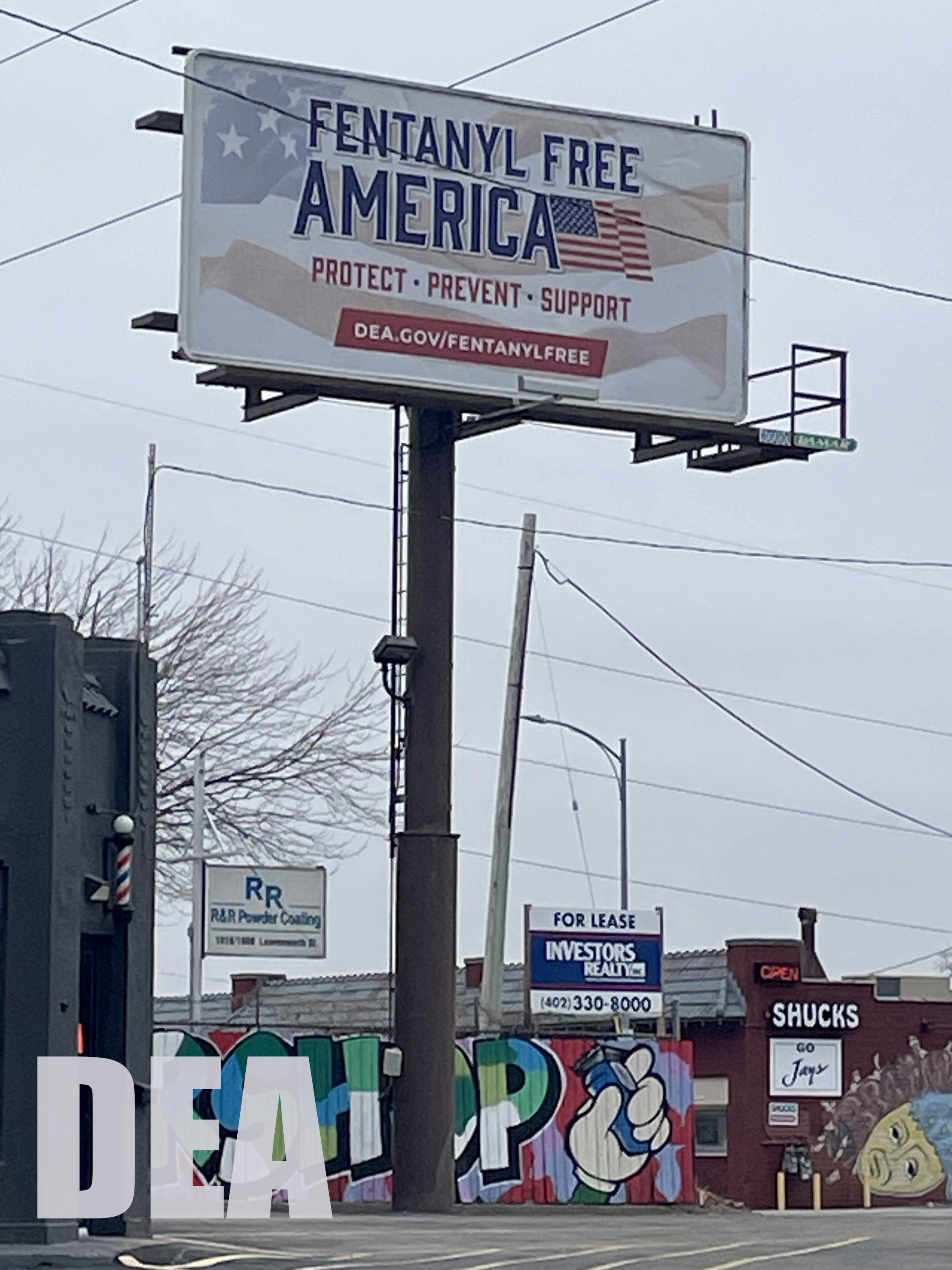
Washington – The U.S. Drug Enforcement Administration in coordination with federal partners and the People’s Republic of China convened the Bilateral Drug Intelligence Working Group (BDIWG) in Colorado Springs February 10 to 12, 2026.  This working group brought together law enforcement, prosecutors, customs, border security, public security, financial supervision, and technical experts to advance practical cooperation against the global threat of illicit synthetic drugs, including fentanyl, and the criminal networks that profit from them.

The shared, urgent, and life‑saving priority to stem fentanyl and other synthetic opioids has been emphasized by both President Trump and President Xi.  

The working group reviewed recent progress and agreed on concrete next steps to disrupt chemical supply chains, prevent diversion, and target illicit finance tied to transnational criminal organizations.  This included a look at drug trafficking trends in both countries, the impact of precursor chemicals on the drug supply, pill presses and related equipment, and the role of online advertising.   

DEA was joined by representatives from the Department of Justice, Department of Homeland Security, Department of the Treasury, and U.S. Customs and Border Protection along with counterparts from China’s Ministry of Public Security (MPS), China Customs, Supreme People’s Procuratorate, People’s Bank of China, and staff from key provincial police bureaus.

Recognizing the terrible human toll of synthetic drugs, in particular fentanyl, the United States and China are committed to working together, in line with the guidance from both countries’ leaders, to save lives, protect communities, and uphold the rule of law.

Source: DEA Public Affairs

Filed under: Strategy and Policy,USA :
Health Promotion International, Volume 41, Issue 1, February 2026, daag002.
Oxford University Press

Abstract

School-based health promotion is a key setting for fostering positive youth health behaviours. Digital and immersive technologies offer promising opportunities to engage young people. This study explores a virtual reality (VR) intervention designed to prevent alcohol, vaping, and cannabis use among secondary school students. The intervention allowed students to navigate realistic, branching scenarios simulating peer pressure and substance use, aiming to enhance refusal strategies, critical thinking, and decision-making skills. A mixed-methods evaluation involving 277 students and nine teachers across four Australian schools was conducted. Postintervention surveys assessed engagement, immersion, emotional responses, and skill development, while focus groups and interviews explored participant experiences. Results indicate that students found the VR experience immersive and valuable, particularly for rehearsing peer resistance and evaluating the consequences of risky behaviours. Teachers viewed the intervention as a powerful tool for prompting reflection and discussion and a strong complement to existing health education curricula. Thematic analysis highlighted the importance of realism and interactivity for student engagement. While some technical and content improvements were identified, both students and teachers considered the VR tool effective for enhancing health literacy and behavioural readiness. This study shows that immersive VR can be a scalable, engaging addition to school-based health promotion, improving prevention skills and confidence in managing substance-related situations. As adolescent health behaviours are increasingly shaped by digital environments, immersive interventions such as VR offer a promising avenue for skill building and reflection. Further research should assess long-term impacts, with greater attention to implementation and equity considerations.

Introduction

Alcohol, vaping, and other drug (AOD) prevention for youth remains a pivotal public health concern, particularly in countries with high rates of underage substance use. In Australia, underage alcohol consumption declined significantly from the early 2000s to the late 2010s, with a notable increase in the proportion of teenage abstainers. However, since 2019, this trend has plateaued, and rates of underage drinking have begun to rise again. Currently, approximately one-third of Australian adolescents aged 14–17 report consuming alcohol in the past year (Australian Institute of Health and Welfare 2024b). Parallel to this, the use of e-cigarettes among young Australians has increased substantially. In 2023, 9.3% of individuals aged 18–24 reported daily e-cigarette use, highlighting the growing prevalence of vaping among younger demographics (Australian Institute of Health and Welfare 2024a). Emerging nicotine products, such as nicotine pouches, are also gaining popularity among Australian youth, further complicating efforts to address substance use (Jongenelis et al. 2024, Watts et al. 2024). Compounding these challenges, recent research shows that young people are frequently exposed to online marketing of nicotine products, despite advertising restrictions in many Western countries. Misinformation about health and wellbeing is also increasingly circulated by social media influencers, whose content is often viewed as credible due to high engagement and parasocial relationships. Mulcahy et al. (2025) demonstrate that high-virality influencer posts can lower perceived deception and facilitate the spread of misinformation, especially when accompanied by supportive user comments. These dynamics create a digital environment in which adolescents are vulnerable to misleading substance-related content, highlighting the need for forward-looking, media-literate interventions that strengthen critical thinking and digital discernment. McGlinchy et al. (2025) similarly found that children as young as 11 frequently encounter vape and tobacco marketing online, where traditional advertising restrictions are often ineffective. Buchanan et al. (2018) further show that digital marketing negatively shapes young people’s attitudes and behaviours towards unhealthy products, with peer-endorsed content blurring boundaries between advertising and social interaction. In parallel, adolescents today are growing up in a digital-first environment that strongly influences their health behaviours and perceptions. As Raeside (2025) explains, adolescent health promotion must evolve alongside young people’s digital engagement habits by using community-based and digital-only platforms that reflect their lived experiences and expectations. This involves prioritizing youth voice, digital safety, and participatory design to avoid reinforcing inequities and to address emerging digital determinants of health. In a world-first effort to limit young people’s exposure to harmful online environments, Australia has restricted social media use to individuals aged 16 and over, highlighting growing concern about risks in unregulated digital spaces.

Amid these developments, schools continue to play a central role in universal AOD prevention by providing structured opportunities to shape young people’s attitudes and behaviours before risky substance use patterns emerge. Schools are uniquely positioned for this work because they reach most children and adolescents during key developmental years. The literature shows that social and emotional factors, including peer influence, social norms, and perceived acceptance within family and school environments, are important drivers of adolescent AOD behaviours (Biles et al. 2025). The school environment has long been central to public health and educational interventions. Traditional school-based AOD programmes, such as didactic seminars, health education units, and expert-led presentations, aim to delay initiation and reduce substance use by increasing knowledge, shifting attitudes and norms, and enhancing self-efficacy. Yet these approaches often suffer from low engagement, limited personalization, and poor translation of knowledge into practice (Liu et al. 2022, Gardner et al. 2024). In contrast, emerging approaches such as immersive virtual reality (VR) offer a new vehicle to engage young people through dynamic and experiential learning. VR allows students to actively participate in simulated environments that replicate real-life social scenarios, making abstract concepts more concrete and emotionally resonant (AlGerafi et al. 2023, Marougkas et al. 2024). By embedding decision-making moments within engaging narratives and real-world 360° footage, VR can support adolescents in critically reflecting on substance use, rehearsing resistance strategies, and building confidence in navigating risky situations. However, despite growing interest, few AOD programmes have integrated or rigorously evaluated VR interventions targeting adolescent substance use, largely due to technological barriers such as cost, equipment requirements, and setup complexity. While VR is known to be engaging (Jiang et al. 2026), its potential remains underexplored, as existing studies often rely on limited outcome measures, leaving a critical evidence gap. Building on this knowledge base, this paper examines the implementation of a VR intervention component of a larger AOD programme aimed at high school students. It builds and expands the existing evidence base and explores how VR can influence a range of psychological, emotional, experiential, and behavioural factors such as engagement, immersion, emotional responses, peer resistance, critical thinking, problem-solving, and overall satisfaction. By supporting harm minimization approaches and strengthening practical decision-making and refusal skills, VR offers a promising tool for prevention particularly in the face of growing digital influences on young people’s perceptions and behaviours.

To access the full document:

  1. Click on the ‘Source’ link below.
  2. An image of the front page of the full document will appear.
  3. Click on the image to open the full document.

Source: https://academic.oup.com/heapro/article/41/1/daag002/8441976

by Erikka Loftfield, PhD, MPH – NIH – January 26, 2026

Key takeaways:

  • Consistent heavy alcohol use and higher lifetime consumption may raise risk for colorectal cancer, particularly rectal tumors.
  • Data suggest a benefit of alcohol cessation among former moderate/heavy drinkers.

An analysis of more than 88,000 U.S. adults provides new insights into how duration and extent of alcohol consumption may affect colorectal cancer risk.

Current and consistent heavy alcohol intake throughout adulthood appeared associated with a near-doubling of risk compared with current, consistent light drinking, data from a population-based randomized screening trial showed.

Data derived from O’Connell CP, et al. Cancer. 2026;doi:10.1002/cncr.70201.

Higher lifetime alcohol consumption also appeared associated with significantly higher risk, particularly for rectal tumors.

In addition, the findings suggested benefits of alcohol cessation, including lower odds for colorectal cancer or nonadvanced adenomas.

Erikka Loftfield states that “The findings of this study support — and really give empirical weight to — guidance from internationally recognized bodies that recommend limiting or abstaining from alcohol intake to reduce cancer risk,” .

Filling an evidence gap

Research has intensified over the past several years into alcohol’s role in cancer development.

A population-based study led by International Agency for Cancer Research linked alcohol consumption to more than 740,000 new cancer diagnoses in 2020, equivalent to 4% of cases worldwide.

Loftfield and colleagues analyzed data from the Prostate, Lung, Colorectal, and Ovarian (PLCO) Cancer Screening Trial — designed to determine the effects of screening on cancer-related mortality among cancer-free adults — to estimate the association between lifetime alcohol consumption and incident colorectal cancer or adenoma.

“Prior studies have established that alcohol consumption is associated with increased risk of cancer, but there’s very little data regarding how lifetime patterns of drinking affect colorectal adenoma and cancer risk,” Loftfield said. “We wanted to try to fill that gap. We know a lot about how smoking cessation lowers cancer risk, but we wanted to learn more about what reduction or cessation of alcohol drinking means for future cancer risk.”

In the PLCO trial, researchers randomly assigned people aged 55 to 74 years to cancer screening or standard care. Colorectal cancer screening consisted of flexible sigmoidoscopy at baseline, and again either 3 years or 5 years later.

Trial participants completed risk factor and dietary history questionnaires. They reported alcohol intake during four age periods —18 to 24 years, 25 to 39 years, 40 to 54 years, and 55 years and older — using 10 predefined frequency categories, as well as current drinking frequency at baseline.

Loftfield and colleagues categorized participants as current drinkers, former drinkers or never drinkers.

They used multiple categories to quantify average lifetime drinking — less than one drink per week, one to less than seven drinks per week, seven to less than 14 per week, or 14 or more per week — and they used past and current drinking frequency to define broader alcohol intake patterns through adulthood.

They used sex-specific U.S. dietary guidelines to classify light drinking (less than 14 drinks per week for men, less than seven per week for women), moderate drinking (14 to 21 drinks per week for men, seven to 14 per week for women) and heavy drinking (22 or more per week for men, 15 or more per week for women).

‘Timely’ findings

During 20 years of follow-up, 1,679 incident colorectal cancer cases occurred among 88,092 PLCO trial participants.

Current drinkers who had an average lifetime alcohol intake of 14 or more drinks per week exhibited a 25% (HR = 1.25; 95% CI, 1.01-1.53) higher risk for colorectal cancer than those with average lifetime intake of one drink or less per week.

Those with higher average lifetime alcohol intake had nearly double the risk for rectal cancer (HR = 1.95; 95% CI, 1.17-3.28).

“This finding is timely because we are seeing increasing rates of colorectal cancer among younger people, and that increase has been driven predominantly by rectal tumors,” Loftfield said.

Consistent heavy drinking appeared associated with a near-doubling of colorectal cancer compared with light drinking (HR = 1.91; 95% CI, 1.17-3.12).

The data also suggested benefits of alcohol cessation.

Former drinkers who had been moderate to heavy drinkers earlier in life exhibited similar colorectal cancer risk as light drinkers.

An analysis of about 12,000 PLCO trial participants who had negative baseline screens compared former drinkers with current drinkers who averaged less than one drink per week in their lifetime. Results showed former drinkers had numerically lower risk for any adenoma (OR = 0.78; 95% CI, 0.59-1.02) and significantly lower risk for nonadvanced adenoma (OR = 0.58; 95% CI, 0.39-0.84).

“From a clinical perspective, that is pretty robust evidence to support that there is a benefit to drinking cessation,” Loftfield said.

The mechanisms of alcohol’s impact on cancer risk have been well studied, specifically related to how alcohol in the body converts to acetaldehyde, a known carcinogen. Less is known about how alcohol affects the gut microbiome and the impact that may have on colorectal cancer risk, Loftfield said.

Loftfield and colleagues hope to conduct additional research exploring the impact of lifetime alcohol use — and alcohol cessation — on other malignancies, such as liver cancer.

Further study into the effects of alcohol cessation on people who average one to two drinks per day also could be valuable, Loftfield said.

“We know a lot more about heavy drinkers who quit drinking or reduce their alcohol intake,” she said. “A better understanding of what happens for moderate drinkers, and how their biology changes when they reduce or quit drinking, may help inform what we know about cancer prevention.”

Source: Herschel Baker – International Liaison Director, Queensland Director, Drug Free Australia

Cannabis use, vaping and the use of psychedelic drugs are at or near all-time highs, research shows.

The percentage of young and midlife adults using nicotine pouches significantly increased last year, while cannabis use, vaping and the use of psychedelic drugs are at or near all-time highs, according to the latest data from the University of Michigan’s Monitoring the Future (MTF) Panel survey funded by the National Institute on Drug Abuse of the National Institutes of Health (NIDA).

Alcohol continues to be the most used substance across age groups, followed by cannabis and nicotine. The patterns of substance use are changing over time, with cannabis use, vaping of both nicotine and cannabis, and psychedelic drug use increasing across all age groups. In 2025, there was also an increase in the use of nicotine pouches across all age groups.

Key findings include:

  • Nicotine pouch use (past 12-month use) significantly increased from 2023 to 2024 among all age groups (ages 19 to 30, 35 to 50 and 55 to 65). Nicotine pouch use was first measured in 2023, and it has doubled in one year, with 9.5% of 19-to-30-year-olds reporting past 12-month use in 2024.
  • Cannabis use (past 12-month, past 30-day and daily use) in 2024 remained near or at the recent highest levels ever recorded among adults ages 19 to 30, all with significant increases across the past five and 10 years. Among adults ages 35 to 50, cannabis use (past 12-month, past 30-day and daily use) prevalence has doubled or nearly doubled (and significantly increased) over the past five and 10 years. In addition, cannabis use disorder has increased over the past five years among adults ages 40 to 50.
  • Vaping cannabis (past 12-month and past 30-day use) reached the highest levels ever recorded in 2024. Among adults ages 19 to 30, prevalence in the past year doubled since it was first measured in 2017 for this group, increasing significantly over the past five years. Vaping cannabis significantly increased among adults ages 35 to 50 (past 12-month) and among adults ages 55 to 65 (past 12-month and past 30-day), also reaching new high levels in 2024.
  • Vaping nicotine (past 12-month and past 30-day use) reached the highest levels ever recorded in 2024. For example, among adults ages 19 to 30, prevalence in the past month tripled since this measure was first added to the survey in 2017. Vaping nicotine (past 12-month and past 30-day) significantly increased over the past five years among adults ages 19 to 30 and 35 to 50, reaching new historic high levels in 2024.
  • Use of psychedelic drugs/hallucinogens (past 12-month use) has continued to rise, reaching the highest levels ever recorded in 2024 among adults ages 19 to 30 and 35 to 50, following significant increases over the past five and 10 years in these age groups. In addition, there have been significant increases in stimulant drug use (amphetamines and cocaine, past 12-month) over the past ten years among adults ages 35 to 50.

A longitudinal panel study component of MTF conducts follow-up surveys on a subset of these participants (about 20,000 people per year), collecting data from individuals every other year from ages 19 to 30 and every five years after age 30 to track their drug use through adulthood. Participants self-report their drug use behaviors across various periods, including lifetime, past-year (12 months), past-month (30 days), and other use frequencies depending on the substance type.

Researchers say the power of surveys such as MTF allows for documentation of how substance use evolves in the population over time. As more of the original survey takers—first recruited as teens—now enter later adulthood, researchers are also able to examine the effects of drug use throughout the life course on health and well-being decades later.

Behavior and public perceptions about drug use can shift rapidly, based on drug availability and other factors. It’s important to track this so that public health professionals and communities can be prepared to respond. Collecting data to document these population-level patterns is critical for informing our nation’s public health priorities.

SAFE, Inc. is the only alcohol and substance abuse prevention, intervention and education agency in the City of Glen Cove. Its Coalition is conducting alcohol, marijuana, tobacco and other drug use prevention awareness campaigns entitled, “Keeping Glen Cove SAFE,” to educate and update the community regarding alcohol, prescription and illicit drug use and its consequences. To learn more about the SAFE Glen Cove Coalition please follow us on www.facebook.com/safeglencove or visit SAFE’s website to learn more at www.safeglencove.org.

SOURCE: https://patch.com/new-york/glencove/safe-gc-coalition-nicotine-pouch-cannabis-vaping-psychedelic-use-rise

by Drew Davison and Catherine LaBrenz – UTA – Jan 28, 2026 •

One in four U.S. adolescents is exposed to violence in their neighborhood, and those teens are more than twice as likely to use cigarettes, alcohol or drugs to cope, according to a new study from The University of Texas at Arlington.

Published in the Journal of Affective Disorders, the study was led by UT Arlington School of Social Work Professor Philip Baiden and drew on national data from the 2023 Youth Risk Behavior Survey. Researchers analyzed responses from 20,005 adolescents ages 12 to 18, offering new insights into early pathways to substance use, a persistent public health concern.

“Our study reminds us that violence is not a rare or isolated experience for many young people—it is a daily reality,” Dr. Baiden said. “Youth exposed to neighborhood violence often carry the psychological weight of chronic stress, fear and trauma. Many turn to alcohol, marijuana, vaping or other substances to self-medicate or numb the emotional impact of these experiences.”

According to the 2024 National Institute on Drug Abuse annual report, 58.3% of individuals ages 12 or older reported using tobacco, vaping nicotine, alcohol or an illicit drug in the prior month. Substance misuse contributes to preventable illness and death nationwide.

Catherine LaBrenz, coauthor of the study and a UTA School of Social Work associate professor, noted that previous research has shown neighborhood violence can alter how the brain processes emotions.

“When teens experience chronic fear or trauma, it can increase vulnerability to substance use,” Dr. LaBrenz said.

The researchers examined five substance categories: cigarette smoking, alcohol use, electronic vaping products, marijuana use, and prescription opioid misuse. Exposure to neighborhood violence was associated with higher odds of using all five substances, even after controlling for demographics, mental health symptoms, physical activity and bullying involvement.

The study also revealed several notable patterns. Cyberbullying is more strongly linked to substance use than traditional school bullying. In addition, students who participate in team sports tend to report higher rates of alcohol use.

“Cyberbullying is distinct in that it follows adolescents everywhere—there is no escape,” Baiden said. “If someone is bullied on a school playground, it’s traumatizing but you could brush it off and might be able to outgrow it. When it is cyberbullying, it spreads widely, persists indefinitely and you don’t know who has access to it, which makes its emotional impact even more traumatic. You can’t just delete it.”

Related: Researchers uncover surprising link to stroke risk

The study also identified a nuanced relationship between team sports and substance use. Participation in team sports such as football, for example, was linked to increased alcohol use.

“Team sports can offer structure, belonging and social support, but they also expose adolescents to peer cultures where alcohol use may be normalized,” Baiden said. “That helps explain why we see increased odds of drinking among youth who participate.”

Baiden and LaBrenz said the findings could help inform policies and prevention strategies aimed at reducing substance use among adolescents. Further research will focus on specific populations and potential interventions.

“It’s not enough to document adverse effects,” Baiden said. “We want to identify interventions that counselors, mental health professionals and social workers can use when working with youth who experience neighborhood violence.”

UTA Social Work professors Angela J. Hall and Joshua Awua were contributing authors to the study.

About The University of Texas at Arlington (UTA)

The University of Texas at Arlington is a growing public research university in the heart of the thriving Dallas-Fort Worth metroplex. With a student body of over 42,700, UTA is the second-largest institution in the University of Texas System, offering more than 180 undergraduate and graduate degree programs. Recognized as a Carnegie R-1 university, UTA stands among the nation’s top 5% of institutions for research activity. UTA and its 280,000 alumni generate an annual economic impact of $28.8 billion for the state. The University has received the Innovation and Economic Prosperity designation from the Association of Public and Land Grant Universities and has earned recognition for its focus on student access and success, considered key drivers to economic growth and social progress for North Texas and beyond.

Source: https://www.uta.edu/academics/schools-colleges/social-work/news/releases/2026/01/28/one-in-four-teens-face-violence-higher-substance-use

by Ric Treble and Caroline Copeland – News Release

The illicit drug trade is international, and different countries have developed different strategies intended to minimize its negative effects, most commonly through controls on, or prohibition of, specified substances. But which approaches to banning substances are actually most effective in reducing harm? 

The advent of NPS, and the range of subsequent legislative controls introduced by different countries, has created a natural experiment. Using data from the UK’s National Programme on Substance Abuse Mortality (NPSUM), our study examines how different national and international control strategies have translated into real-world outcomes within England, Wales, and Northern Ireland by examining NPS deaths.

Internationally, there has been a high degree of consistency in drug control. The United Nations (UN) annually reviews and updates the lists of substances (and precursors) named in its drugs conventions, based on recommendations from the World Health Organization’s expert committee. All signatory nations of the conventions are then required to incorporate these controls into their national laws. However, this process of problem identification, data compilation, formulation of recommendations, and achieving international consensus followed by national legislation, is inevitably slow. In contrast, the appearance and spread of NPS within drug markets can be incredibly rapid, so there can be significant delays between local identification of issues arising from novel substances and the international introduction of new controls.

Beyond international laws

In response, some nations have therefore chosen to act sooner, introducing their own national controls in response to local concerns, in advance of, or in addition to, those required by the UN. This means that there is an international patchwork of legislation regarding emerging drug threats, with different substances being controlled in different countries at different times. Whilst challenging for policymakers, this variation provides a valuable opportunity to assess the impact of the application of different nations’ controls on particular substances.

In the UK, there have been very few examples of the illicit synthesis of NPS and the vast majority of such substances are imported instead, often facilitated by internet trading and ‘fast parcel’ delivery services. To address the rapid appearance of NPS, the UK’s Misuse of Drugs Act (1971) has been supplemented by other measures, such as the introduction of Temporary Class Drugs Orders (2011) and the much broader Psychoactive Substances Act (2016). These measures effectively prevented open sale of NPS via ‘head shops’ and UK-based websites. However, NPS remained accessible to both individuals and distributors via internet trading and traditional drug distribution networks. 

The power of foreign legislation

Over the period studied, the major sources of NPS in the UK were chemical supply companies based in China. In response to both local and international concerns, China introduced a series of national controls over and above those required by UN scheduling, initially on specifically named substances and, more recently, on whole families of NPS by means of ‘generic’ controls. 

When we compared trends in NPS detections within the NPSUM’s mortality data with the timing of the UN’s international control requirements and the UK’s and China’s national legislations respectively, a clear pattern emerged: controls implemented in the producing countries were associated with larger reductions in NPS detections in deaths than controls introduced solely within the consuming country.

Action at home

National legislation within consumer countries is, of course, still essential. It enables national law-enforcement activity, including restricting the import and trafficking supply chain and the implementation of possession offences. However, national legislation and enforcement alone cannot eliminate drug use or its associated harms. For this reason, they must be complemented by wide-ranging harm-reduction strategies. However, legislative controls can also drive unintended consequences. Targeted bans on specific substances often stimulate the development of novel NPS, including the production of new, as yet uncontrolled, variants of substances controlled by name. This pattern has been particularly evident in the case of synthetic cannabinoids, where successive generations of legislation-avoiding substances have continued to appear, prompting the development of ever broader generic controls.

However, even generic controls have limits. Where entire families of drugs are prohibited, new drug families which produce similar effects may emerge instead. This dynamic is currently being seen in the case of highly potent synthetic opioids, a particularly concerning cause of drug-related deaths. Broad controls on fentanyl and their pre-cursors have been followed by the appearance of nitazenes and, as controls on nitazenes are being introduced, a new group of potent opioids, the orphines, has begun to appear. These cycles of control and innovation are therefore likely to continue.

Early legislative action by consumer countries remains necessary to limit the distribution and harms of newly emerging NPS. The findings of our study also demonstrate the particular effectiveness of prompt action to restrict production within source countries to prevent international distribution. If, as a result of Chinese legislative actions, production of NPS for the illicit drug trade becomes more geographically diverse, action to identify new sources of production and to encourage and support supplier nations to restrict production as soon as practicable will be required. This will present particular challenges if the substances being produced and exported are not perceived to present a threat within the producing country.

However, supply-side interventions alone cannot provide a lasting solution: as long as there is sustained demand for psychoactive substances, there will be strong incentives for suppliers to adapt, innovate, and profit. Reducing drug harms will therefore require not only responsive legislation and international co-operation, but also investment in education, prevention, and treatment to address the drivers of demand.

Source: https://www.eurekalert.org/news-releases/1113837

published by Aurora – January 31, 2026

Fentanyl has become one of the greatest health, social, and security challenges of the 21st century. This synthetic opioid, originally created for medical purposes, is now at the center of an unprecedented crisis that is hitting the United States particularly hard and is beginning to spread alarmingly to other countries around the world

More potent than heroin and morphine, cheap to produce, and extremely addictive, fentanyl has transformed the illegal drug market and caused hundreds of thousands of overdose deaths in the last decade. Its impact extends far beyond public health: it affects security, the economy, social stability, and international relations.

Origin and medical use of fentanyl

Fentanyl was developed in the 1960s as a pain reliever for hospital use. In the medical field, it remains a key tool for treating severe pain, especially in surgery, palliative care, and cancer patients. Under medical supervision, its use is safe and effective.

The problem arises when this substance leaves the legal market and begins to be produced clandestinely. On the black market, fentanyl is manufactured without controls, in unpredictable doses, and is mixed with other drugs such as heroin, cocaine, or methamphetamines, often without the user’s knowledge.

The fentanyl crisis in the United States

The United States is the epicenter of the crisis. In recent years, fentanyl has become the leading cause of overdose deaths in the country. Its low cost and enormous potency have made it attractive to criminal networks, which use it to enhance other drugs and maximize profits.

The social impact is devastating. Entire families are experiencing irreparable losses, healthcare systems are overwhelmed, and whole communities, both urban and rural, are facing profound decline. The crisis does not discriminate based on age, social class, or region: it affects young people, adults, and the elderly.

Why is fentanyl so lethal?

The main reason it’s dangerous is its potency. A minimal dose can be enough to cause a fatal overdose. Furthermore, when mixed with other substances, the user loses all sense of the amount ingested.

Another key factor is how quickly it acts in the body. Fentanyl depresses the respiratory system, which can lead to death within minutes if there is no immediate intervention.

The role of drug trafficking and illegal production

The illegal production and distribution of fentanyl is a global phenomenon. The chemical precursors are typically manufactured in different countries, then assembled in clandestine laboratories, and finally distributed through transnational networks.

This has turned fentanyl into a geopolitical problem. Governments must coordinate efforts to control chemical precursors, combat drug trafficking, and strengthen borders, while also recognizing that this is a public health crisis.

The challenge for the rest of the world

Although the United States accounts for the majority of deaths, other countries are beginning to register warning signs. In Latin America, Europe, and Asia, cases of drugs adulterated with fentanyl are increasingly being detected, raising the risk of overdose even among occasional users.

The American experience serves as a warning. Without preventative policies, prepared health systems, and international cooperation, the crisis could be replicated in other regions.

Prevention, treatment and public policies

Addressing the fentanyl problem requires a comprehensive approach. Prevention is key, especially through education and information. Many deaths occur because people are unaware they are using an extremely dangerous substance.

Access to addiction treatment, the availability of medications to reverse overdoses, and the strengthening of healthcare systems are fundamental pillars. At the same time, it is necessary to combat the criminal organizations that profit from this drug.

A threat that demands a global response

Fentanyl is not just a problem in the United States. It is a global threat that challenges governments, healthcare systems, and entire societies. Its spread demonstrates how quickly drug trafficking adapts to market opportunities, even at the cost of thousands of lives.

The fight against this deadly drug requires international cooperation, evidence-based policies, and a human-centered approach that understands addiction as a public health problem. Otherwise, the world risks facing an even greater crisis in the coming years.

Source: https://www.aurora-israel.co.il/en/fentanyl-lethal-drug-United-States/

A new publication by the United Nations Office on Drugs and Crime (UNODC) finds that drug use in Afghanistan remains dominated by traditional substances, while the use of synthetic substances and misused pharmaceutical drugs is increasing. In this assessment, men most frequently cited cannabis (46%) and opium (19%) as the drugs used in their communities, while “Tablet K” (11%) and methamphetamine (7%) were also mentioned.

This publication is the third and final volume of UNODC’s National Survey on Drug Use in Afghanistan (NSDA), funded by UNDP. It builds on two earlier health-focused volumes on mapping of facilities for treatment of substance use disorders and assessing high-risk drug use. The last national measurement of drug use in Afghanistan was in 2015.

The findings highlight the economic burden of household dependence. The cost of substances such as methamphetamine and opium can exceed a full day’s wage. For example, one day of methamphetamine use can cost up to 138% of a casual worker’s daily income or 67% of a skilled worker’s wage. Respondents linked ongoing drug use mainly to poverty, unemployment, and financial hardship. They also cited physical pain and ill health, psychological distress, family challenges, and dependence. Overall, the results show strong links between substance use and wider socio-economic pressures.

“Our findings show drug use is closely linked to poverty, unemployment, and untreated health needs. Effective responses must integrate treatment and harm reduction with primary health care, mental health support, and social protection to reduce harmful self-medication and support recovery”. Said Mr Oliver Stolpe, UNODC Regional Representative, Regional Office for Afghanistan, Central Asia, Iran, and Pakistan.

“This national survey gives us a clear picture of the realities of drug use in Afghanistan and the challenges people are facing. The findings will help shape stronger policies and programmes to address the health dimensions related to drug use, support recovery, and tackle the root causes of drug use, including lack of jobs and economic opportunities. It also shows what we can achieve when UN agencies work together, combining our strengths to deliver better results for the Afghan people.” Said Mr. Stephen Rodriques, UNDP Resident Representative in Afghanistan.

Earlier findings from UNODC’s High-Risk Drug Use Survey emphasis the health risks associated with Afghanistan’s changing drug landscape. The survey found that 8% reported having injected drugs in their lifetime, and among those who injected, more than 75% reported sharing needles and around half reported inconsistent access to sterile equipment, pointing to gaps in harm reduction coverage.

A gender gap was also evident, with only 29% of women reporting treatment compared with 53% of men, underscoring the need to expand women-specific services.

While de facto authorities report treating large numbers of people who use drugs, the first volume in this series, UNODC’s mapping of facilities for treatment of substance use disorders, shows that major gaps persist in distribution, accessibility, quality, and gender coverage. Nearly two-thirds of facilities serve men only, 17.1% serve women only, and in the 32 provinces surveyed, just over one-third have services available for women. The mapping also found ongoing constraints, including shortages of qualified health professionals and insufficient infrastructure.

“These studies are essential to further guide the response of the de facto authorities, donors, UN and partners to this extremely serious problem. The study recommends a people-centred response: putting people first by ending the stigma and discrimination surrounding drug use,” said Georgette Gagnon, Officer in Charge of UNAMA and Deputy Special Representative of the UN Secretary-General in Afghanistan. “We reiterate that prevention is the most essential, cost-effective strategy to halt the flow of drugs, protect communities, and reduce demand.”

Based on the three volumes and international standards, UNODC recommends expanding voluntary, rights-based treatment and harm reduction services for men and women, alongside investments in health worker training and minimum facility standards. Responses should be linked to primary health care, mental health and psychosocial support, and social protection and employment assistance to address poverty, pain and distress. Interventions should also be tailored to provincial drug market patterns and reduce the burden on households through family-centred services and livelihood support for people in treatment.

The three reports can be accessed via the links below:

  1. Afghanistan Drug Insights, Volume 3: Mapping of Facilities for Treatment of Substance Use Disorders: Addressing Service Provision Challenges in a Humanitarian Crisishttps://www.unodc.org/documents/cropmonitoring/Afghanistan/Afghanistan_Drug_Insights_V3.pdf
  2. Afghanistan Drug Insights, Volume 5: High Risk Drug Use in Afghanistan: https://www.unodc.org/coafg/uploads/documents/Afghanistan_Drug_Insights_Volume_5.pdf
  3. Afghanistan Drug Use Assessment 2025: https://www.unodc.org/documents/crop-monitoring/Afghanistan/Afghanistan_drug_use_assessment_2026.pdf

Source: https://www.unodc.org/coafg/en/Press-Release/unodc-report-finds-drug-use-in-afghanistan-is-shifting-toward-synthetic-drugs-and-the-misuse-of-pharmaceutical-drugs.html

The previous site of the overdose prevention site is seen on the intersection of Seymour Street and Helmcken Street. The site moved to Howe Street in April 2024, which has now closed. (Justine Boulin/CBC)

A Vancouver overdose prevention site has closed less than two years after it moved from its previous location, raising concerns among health officials and harm reduction advocates as the province sees record number of overdose calls to emergency services.

The Thomus Donaghy Overdose Prevention Site, located at 1060 Howe St., shut its doors Saturday, according to Vancouver Coastal Health.

The health authority says the owner of the building, Prima Properties, notified them to leave the property by the end of January after hearing a number of complaints from nearby residents.

CBC News reached out to the building’s owner to understand the scope and nature of the complaints but did not hear back by deadline. 

Dr. Patricia Daly, VCH’s chief medical health officer said the health authority took steps to address neighbourhood concerns, including hiring security, conducting needle sweeps, and placing staff on the sidewalk to prevent disorder.

“I myself frequently went down and observed that things seemed to be operating as they should,” Daly said.

The Howe Street location opened after the site was moved from Seymour Street in Yaletown in April 2024 following public safety concerns and backlash from nearby residents.

“It was actually a very good location, not visible to people on the street,” Daly said. 

It was the only one of its kind in what VCH calls the Vancouver City Centre area, which includes most of downtown, the West End and Fairview.

“That neighbourhood has the second highest rate of overdose deaths in our region, and the third highest rate in the entire province,” Daly said.

Daly says the OPS typically saw about 400 to 500 visits per week and has reversed more than 300 overdoses since its opening.

Across Vancouver, there are 12 overdose prevention sites, most of them located in the Downtown Eastside. But with the latest closure, that number drops to 11.

People who relied on the site will be directed to services in the Downtown Eastside, which is about a 30-minute walk away.

************

Earlier this week, the B.C. Centre for Disease Control issued a province-wide drug alert, noting new substances in the unregulated drug supply are putting people at risk province-wide. 

It says medetomidine, used primarily by veterinarians to sedate animals, is now being mixed with opioids like fentanyl.

Harm reduction and recovery advocate Guy Felicella said closing overdose prevention sites at a time like this is “disappointing and sad.”

“With the drug supply this deadly, not only you’re going to see people consuming substances out in the community, we could also witness people dying out in the community,” he said.

Felicella says overdose prevention sites played a critical role in his personal life. 

“I struggled in this area and the Downtown Eastside for decades and I was brought back to life multiple times at these services,” he said. 

Daly says the health authority is working with the City of Vancouver and other partners to identify a permanent or at least a temporary replacement location but she says it has become increasingly difficult to find a location that would host overdose prevention services.

“We hope to have something available on at least a temporary basis within the next week or two,” she said.

Source: https://www.cbc.ca/news/canada/british-columbia/thomus-donaghy-overdose-prevention-site-closing-9.7069806


Image via Substance Abuse and Mental Health Services Administration

by Leah Harris – filtermag.org – February 4, 2026

At a sumptuous resort just outside Washington, DC, on February 2 for “Prevention Day,” Health and Human Services Secretary Robert F. Kennedy Jr. announced his Safety Through Recovery, Engagement and Evidence-based Treatment and Supports (STREETS) Initiative. He opened by scapegoating people who use drugs as “negative producers” and “drags on the whole [health care] system.” 

STREETS is billed as a $100-million investment to “solve long-standing homelessness issues, fight opioid addiction and improve public safety by expanding treatment.” It will be piloted in eight as-yet-unspecified cities, and is designed to operate in tandem with “assisted outpatient treatment” (AOT)—court-ordered psychiatric probation, similar to probation for drug violations. AOT saddles participants with the ever-present threat of being involuntarily committed to a psychiatric facility for noncompliance, or even just a technical violation. HHS will soon offer $10 million in AOT grants (though this amount has been higher in previous years). 

Kennedy now wants provider organizations to “take charge of an addict” for a period of one to three years. Providers would receive bundled payments if they ensure that the people in their custody remain in compliance with an abstinence-only model. This will prove beneficial to providers with stake in urinalysis testing—possibly the most notorious financial scheme in the rehab industry—but is not likely to result in long-term abstinence. It also incentivizes providers to employ policies that are increasingly punitive, result in misleading data, or both.

“While ICE terrorizes our families and communities, STREETS will do little to address our addictions, mental health and homelessness crises.”

STREETS furthers President Donald Trump’s July 2025 executive order titled “Ending Crime and Disorder on America’s Streets,” which was widely condemned as a declaration of war on unhoused people. The Legal Defense Fund likened it to a resurrection of the Black Codes preceding today’s “vagrancy” laws.

The Housing First model, which does not require abstinence as a precondition of access to permanent supportive housing, was created to address the failures of the “tough on homelessness” approach favored in the 1980s. Trump’s HHS has characterized Housing First and harm reduction-based programs as “misguided,” falsely claiming that they’ve been ineffective and “enabled future drug use.” This is reminiscent of proponents of involuntary commitment falsely contending that deinstitutionalization failed, when it was never fully implemented and was arguably still the most successful decarceration effort in United States history.

“While ICE terrorizes our families and communities, STREETS will do little to address our addictions, mental health and homelessness crises,” former Substance Abuse and Mental Health Services Administration official Paolo del Vecchio told Filter, “turning away from proven harm reduction and Housing First approaches while embracing failed practices of coercion and criminalization.”

In red and blue jurisdictions alike, messaging is shifting from public health to public safety. Policymakers are expanding the reach of civil commitment laws to remove unhoused people from public view, disappeared into a vast system of coercive programs. Some fear these may include forced labor farms and detention camps.

Investment in faith-based treatment and “outcome-oriented” payment models all but guarantee increased coercion from providers.

In 2025 the White House announced its Faith Office, which supports “faith-based entities, community organizations and houses of worship” in competing on “a level playing field” for federal grants and other funding opportunities.

“Faith-based organizations play a critical role in helping people re-establish their connections to community,” Kennedy, a 12-step devotee, told the audience on February 2. The same day, Faith Center Director Monty Burks spoke at a separate, virtual event introducing STREETS to community stakeholders.

Several of the Prevention Day event speakers signaled the desire to phase out the health insurance industry’s current fee-for-service models, in which providers are reimbursed based on quantity, and instead use “outcome-oriented” or “values-based” payments that incentivize based on quality—and are still rife with inequities. The costs and administrative burdens of both approaches could be eliminated if we ditched the predatory health insurance industry in favor of Medicare for All.

Investment in faith-based treatment and “outcome-oriented” payment models all but guarantee increased coercion from providers, potentially in violation of the First Amendment

In January, a separate executive order establishing the “Great American Recovery Initiative” (of which Kennedy is a co-chair) warned that most people who need treatment don’t think that they do. It appears that the public is being primed for the widespread involuntary detention of unhoused people who use drugs and/or have visible symptoms of mental illness. 

“We intervene early,” Kennedy told Chris Cuomo of News Nation on February 3. “We catch people on the street and channel them into treatment, out of crisis through detox, treatment, outpatient and into sober housing.” 

Cuomo gently pushed back: “You can’t make people get treatment if they don’t want to.”

“We have a community care program that involves the courts,” Kennedy retorted. This, he said, is a more “efficient, economic and humane” approach to those who refuse services.

Source: https://filtermag.org/hhs-streets-initiative-treatment-prevention-day/amp/


     Staff Sgt. Shane Sanders  – 161st Air Refueling Wing    

Red Ribbon Week, the nation’s largest and longest running drug prevention campaign, serves as a reminder of the importance of prevention, education, and community involvement.

by Staff Sgt. Shane Sanders  – 01.28.2026 – PHOENIX, ARIZONA, UNITED STATES

Observed annually from Oct. 23 through Oct. 31, the campaign brings together schools, families, and organizations nationwide to promote drug-free lifestyles and encourage young people to make healthy choices.

The campaign was established in honor of Drug Enforcement Administration Special Agent Enrique “Kiki” Camarena, who was killed in 1985 while investigating drug cartels in Mexico. His sacrifice sparked a national movement symbolized by the red ribbon, which represents a collective stand against substance misuse and a commitment to protecting future generations. Since then, Red Ribbon Week has educated millions through educational programs, student pledges, rallies, and prevention-focused activities.

In Arizona, the Counterdrug Task Force’s Drug Demand Reduction and Outreach (DDRO) program has played an increasing role in Red Ribbon Week by expanding statewide prevention efforts and access to education and outreach services.

In 2023, DDRO recorded 8,107 engagements during Red Ribbon Week, along with 8,050 student pledges. In 2024, those numbers tripled to 25,183 engagements and 11,110 pledges. In 2025, DDRO reached a new milestone, achieving 82,829 engagements and 28,236 student pledges during the campaign.

These figures represent more than attendance totals, they reflect points of connection where prevention messaging reached students, families, and communities. Engagements included in-person classroom presentations, community outreach events, public service announcements, online interactions, YouTube views, and joint outreach efforts conducted with the Drug Enforcement Administration (DEA). DDRO also expanded access through virtual presentations, ensuring schools and organizations unable to host in-person events could still participate.

A major enhancement in 2025 was DDRO’s decision to extend Red Ribbon Week outreach beyond the traditional calendar. Instead of limiting activities to a single week, prevention efforts were expanded from Oct. 1 through Nov. 5. This extended timeframe provided schools greater flexibility to participate, increased accessibility for underserved communities, and amplified statewide impact.

According to Daniel Morehouse, Community Outreach Specialist with the U.S. Drug Enforcement Administration, collaboration between DDRO and DEA played a critical role in amplifying prevention messaging during this year’s Red Ribbon Week. He emphasized that the scale of reach achieved in 2025 would not have been possible without shared resources and coordinated efforts. When agencies work together, Morehouse noted, audiences, particularly youth, are more engaged and receptive.

“Our drive for a Fentanyl Free America requires not just the enforcement side of things, but also outreach and education,” Morehouse said, adding that DDRO’s professionalism and prevention expertise significantly strengthens DEA’s prevention tools and messaging.

The success of DDRO’s Red Ribbon Week is rooted in strong partnerships. Schools across Arizona coordinated schedules, engaged students, and supported prevention activities. Community organizations, prevention coalitions, and agency partners worked alongside DDRO to strengthen outreach and reinforce consistent prevention messaging.

Merilee Fowler, Executive Director of the Substance Awareness Coalition Leaders of Arizona, highlighted the importance of collaboration in achieving meaningful impact. She shared that it was inspiring to see the number of students and adults reached during the 2025 campaign; noting that students across Arizona proudly pledged to grow up safe, healthy, and drug-free.

Fowler emphasized that coordinated prevention efforts strengthen communities statewide. When prevention organizations and coalitions work together, she explained, they create collective impact that improves the ability to prevent and reduce substance use. She also stressed the importance of a comprehensive approach that balances enforcement with education and outreach.

“Preventing and solving drug problems in our communities is complex and requires a combination of enforcement, education, and outreach,” Fowler said. “Success depends on all of us working together as a united team.”

She further noted that effective prevention must include families as well as youth. Partnerships among DDRO, SACLAZ, DEA, and other organizations have expanded outreach to parents and caregivers, and open conversations at home about the real harms of substance use play a critical role in prevention, she said.

U.S. Arizona Air National Guard Senior Master Sgt. Michael Gunderson, serves as the Non-Commission Officer in Charge of Arizona DDRO. In this role, Gunderson oversees the planning, coordination, and execution of statewide substance-use prevention and education efforts, working closely with schools, community coalitions, law-enforcement agencies, and prevention partners.

“At the heart of Red Ribbon Week and DDRO’s expanding efforts are the students themselves. Each pledge represents a personal commitment, and each engagement reflects a conversation that may influence future decisions,” said Gunderson. “The continued growth of DDRO’s Red Ribbon Week outreach demonstrates the power of prevention when communities unite around a shared purpose, protecting youth, honoring legacy, and building healthier, safer futures.”

As DDRO continues to grow, the program remains committed to refining its practices through evaluation, evidence-based strategies, and flexible delivery methods tailored to community needs. These efforts ensure prevention messaging remains accessible, relevant, and effective.

Source: https://www.dvidshub.net/news/556965/arizona-red-ribbon-week-expands-reach-spreading-prevention-awareness

Boston University School of Public Health – News Release
by Jillian McKoy, Michael Saunders
OPENING STATEMENT BY NDPA:
We publish this article for its general interest, whilst at the same time noticing several remarks favouring policy change, which suggest this article may be loaded with some degree of bias – nevertheless it is worthy of study … we recommend that readers just keep a pinch of salt handy!

As the federal government begins to loosen restrictions on cannabis, a new study found that removing legal barriers to cannabis use may reduce daily opioid use and, thus, the risk of opioid-related overdoses among people who inject drugs

Legalizing cannabis for both medical and recreational use may lead to a decline in daily opioid use among people who inject drugs in the United States, according to a new study led by a Boston University School of Public Health researcher (BUSPH).

Published in the journal Drug and Alcohol Dependence, the study found that US states that legalized marijuana for medical and adult recreational use saw a 9-to-11-percentage-point decline in daily opioid use among this population, compared to states that legalized marijuana for medical use only.

While the harms and benefits of cannabis use and cannabis reform continue to be debated on the national stage, these findings highlight one major potential advantage of widespread access to marijuana: this increased access may enable people to substitute their use of the unstable and toxic opioid  supply with comparatively safer cannabis and, thus, lower their chances of experiencing opioid-related harms or dying from an overdose. In the US, opioids contribute to more than 75 percent of fatal drug overdoses.

The study was published on the heels of a significant shift in US drug policy that will indeed lower restrictions on cannabis. Last December, President Donald Trump signed an executive order to downgrade cannabis from a Schedule 1 classification (assigned to drugs such as heroin and ecstasy) to a Schedule 3 classification, which refers to drugs that pose minimal to moderate risk of physical or psychological dependence. Nearly all US states and Washington, DC have legalized cannabis for medical use, while 48 percent of states allow cannabis for adult recreational use.

People who inject drugs are part of a population that is at the epicenter of the opioid crisis in America, and they stand to benefit the most from policies that increase access to cannabis. By focusing on this group, the study builds upon past research on cannabis use and opioid mortality that has primarily examined the general population—which has a lower risk of experiencing opioid-related harms—with mixed results.

“The magnitude of decrease in opioid use that we observed among a population that is experienced with opioid use and likely to experience unpleasant withdrawal symptoms after reducing this use is very profound and important,” says study lead and corresponding author Dr. Danielle Haley, assistant professor of community health sciences at BUSPH. 

The takeaway, she says, is that creating a safe and regulated supply of a substance is a valuable overdose prevention tactic because it can reduce use of non-regulated and more dangerous substances. “Legalized cannabis tends to be higher quality and more potent. As these products become more available and cheaper, people might be able to reduce their opioid use even without increasing how often they use cannabis.” 

For the study, Dr. Haley and colleagues utilized data from the Centers for Disease Control and Prevention’s National HIV Behavioral Surveillance, including self-reported use of cannabis and non-medical opioid use among within the last 12 months among nearly 29,000 people who inject drugs, comparing data from states that did not legalize cannabis, legalized it for medical use only, or legalized it for both medical and adult recreational use. The data spanned 13 states in four waves: 2012, 2015, 2018, and 2022.

The decline in opioid use was equivalent across all racial and ethnic groups, as well as among males and females. 

“This study adds to a growing body of evidence that sensible changes to our outdated drug policies can have a positive health impact, especially among some of our most vulnerable neighbors,” says study coauthor Dr. Leo Beletsky, professor of law and health sciences at Northeastern University.

The team did not observe overall links between cannabis legalization and daily cannabis use, but cannabis use did increase by five percentage points among White participants living in states that transitioned from no legalization to legalizing cannabis for medical use only. This increase among White participants could reflect long-standing racial inequities in healthcare that make it easier for White people to navigate health systems and services than people of other races, the researchers say.

Understanding how policies related to substance use benefit the health of people who use drugs is essential for effective cannabis reform. 

“What this study shows is the potential impact of decriminalization paired with access to a regulated supply,” says Stephen Murray, adjunct clinical assistant professor of community health sciences at BUSPH, who is also an overdose survivor and former paramedic with expertise in overdose prevention. Murray was not involved in the study. “When legal barriers are removed and people have safer alternatives available, we see meaningful reductions in daily opioid use—even among people with long histories of injection drug use. That’s a powerful signal.”

But the findings also serve as a reminder that the design and implementation of these policies matter, he says. “Commercialized access to cannabis does not benefit all communities equally, and without intentional equity-focused policy, longstanding racial disparities in healthcare access and criminalization can persist even under legalization.”

The researchers say future research should further investigate links between legal medical and recreational cannabis and reduced opioid use, as well consider benefits in other areas, such as a reduction in cases of blood-borne infections through injection.

The study’s senior author is Dr. Hannah Cooper, Rollins Chair of Substance Use Disorders Research and professor of behavioral, social, and health education sciences at Emory University’s Rollins School of Public Health.

** 

About Boston University School of Public Health 

Founded in 1976, Boston University School of Public Health is one of the top ten ranked schools of public health in the world. It offers master’s- and doctoral-level education in public health. The faculty in six departments conduct policy-changing public health research around the world, with the mission of improving the health of populations—especially the disadvantaged, underserved, and vulnerable—locally and globally.

SOURCE:

by Deborah Brauser, Medscape Medical News – January 16, 2026

Researchers have identified the specific number of weekly delta-9-tetrahydrocannabinol (THC) units beyond which the risk for cannabis use disorder (CUD) increases.

Using standard THC units — defined as 5 mg of THC per unit — the investigators found that consuming more than 8.3 units per week among adults (about 41 mg of THC) and more than 6.0 units per week among adolescents (about 30 mg of THC) represented the optimal cutoffs for increased risk for any CUD.

Higher thresholds — 13.4 units per week for adults and 6.45 units per week for adolescents — were associated with the risk for moderate-to-severe CUD. The UK study, which included adults and teens, showed the accuracy of using weekly standard THC units to identify CUD was high across all models assessed.

Lead author Rachel Lees Thorne, MD, Addiction and Mental Health Group, Department of Psychology at the University of Bath, Bath, England, noted that 8 units per week equate to approximately 0.33 g of herbal cannabis on the UK market.

“This will likely be a lower amount than people who use cannabis regularly would typically consume and highlights that CUD can occur even with relatively lower levels of consumption,” Thorne told Medscape Medical News.

She added that although the findings may not be generalizable to other settings where cannabis products and use patterns differ, the investigators hope that framing use in THC units could help clinicians have more informed conversations with patients and better track cannabis-related behaviors.

The investigators also noted that theirs is the first study to estimate risk thresholds for CUD based on standard THC units mirroring the way alcohol units are used to calculate higher risk for drinking.

The findings were published online on January 12 in Addiction.

Risk Threshold

About 22% of individuals who use cannabis go on to develop CUD, a pattern of use that leads to clinically significant distress and/or impairment. The investigators noted that in the UK, cannabis use is cited as a problem drug by 87% of patients younger than 18 years who are in drug treatment programs.

A paper published in 2019 proposed that in the US, a “standard THC unit” should be set at 5 mg of THC across all cannabis products and methods of administration.

In 2021, NOT-DA-21-049: Notice of Information: Establishment of a Standard THC Unit to be used in Research     the US National Institutes of Health (NIH) agreed, defining a standard THC unit as “any formulation of cannabis plant material or extract that contains 5 mg of THC.” In its announcement, the NIH added that the definition would apply to any future applications proposing research on cannabis or THC.

In the current study, the investigators used data from the observational CannTeen study of 65 adults aged 26-29 years (54% men) and 85 teens aged 16-17 years (56% girls) from London who reported using cannabis at least once during the 1-year study period.

The Enhanced Cannabis Timeline Followback was used to estimate mean weekly THC units by assessing quantity, frequency, and potency of consumed cannabis. A diagnosis of CUD was assessed using the Diagnostic and Statistical Manual of Mental Disorders, Fifth Edition, with “any CUD” describing a composite of mild, moderate, or severe versions of the condition.

Receiver operating characteristic curve models were used to determine how well weekly standard THC units could distinguish between no CUD and either any CUD or moderate/severe CUD.

Results showed an area under the curve (AUC) of < 0.7 for all models assessing discrimination accuracy of weekly standard THC units on CUD.

For determining no CUD from any CUD, the AUC was 0.79 in the adult-only model and an “outstanding” 0.94 for adolescents. The AUCs were 0.82 and 0.94, respectively, for determining no CUD from moderate/severe CUD.

The optimal risk cutoffs for any CUD were 8.3 units of THC per week for adults and 6.0 units per week for adolescents; for moderate/severe CUD, the optimal risk thresholds were 13.4 and 6.45 units per week, respectively.

Measuring cannabis use with standard THC units “appears to show good discrimination accuracy of [CUD] at different severities and in different age groups,” the investigators wrote.

“Safer levels of cannabis use, defined by low weekly standard THC unit consumption, could be recommended in lower risk cannabis use guidelines,” they added. 

‘A Much Needed Start’

In an expert roundup by the Science Media Centre, Marta Di Forti, MD, PhD , Institute of Psychiatry, Psychology & Neuroscience at King’s College London in London, England, noted that using this type of standardized measurement could become an “important tool” in both research and clinical settings — in about the same way standardized alcohol units have become.

However, “it is important to remember that cannabis, unlike alcohol, does not contain only one active ingredient but over 144 cannabinoids,” said Di Forti, who was not involved in the current research.

Still, THC units are, “undoubtedly, a very important and much needed start,” she added.

David Nutt, DM, Edmond J. Safra Professor of Neuropsychopharmacology and director of the Neuropsychopharmacology Unit in the Division of Brain Sciences – Faculty of Medicine at Imperial College London in London, noted in the roundup that the analysis provided a “welcome update” on recreational THC risks that can lead to dependence.

“What needs to be done now is to facilitate recreational cannabis users in determining exactly how much they are using to help them control their risk,” Nutt said.

“The best way would be through a regulated cannabis market with clear product quality and identification of unit amounts…plus a credible and honest educational program,” he added.

Source: Medscape Medical News

by the Advisory Council on the Misuse of Drugs (ACMD) – 28 January 2026

The ACMD has advised the government ketamine should remain a class B controlled substance, but that police forces and health care professionals must receive greater support to better identify, prevent and respond to ketamine‑related harms.

In January 2025, the government asked the ACMD to review the prevalence and harms of the misuse of ketamine. After examining the latest evidence, engaging with people with lived or living experience with the substance, consulting stakeholders, and reviewing academic research, the ACMD concluded ketamine should not be reclassified and should remain in class B.

Findings and decisions

In reaching its decision, the ACMD noted that the acute harms of ketamine – such as toxicity and deaths – align with its current class B status.

The ACMD also expressed concern about the growing use of high‑dose ketamine – described in some cases as “chronic”- and the long‑term harms associated with it.

However, as these harms were established in the 2013 ketamine assessment, the group focused its discussions on identifying new and emerging risks.

The ACMD report highlighted that many acute harms experienced by ketamine users are likely to be significantly influenced by using other drugs at the same time, and that reclassifying ketamine in isolation would unlikely reduce prevalence or misuse.

Individuals with personal experience of ketamine use and harms who contributed to the review said they did not believe upgrading ketamine to class A would reduce its use. Health and social care professionals similarly, largely, voiced opposition to reclassification.

Ultimately, the ACMD concluded that a public health‑centred approach is essential for reducing ketamine-related harms. This approach requires co-ordinated action across public bodies, health services, and community organisations.

The ACMD Chair Professor David Wood said in relation to the report:

The ACMD report highlights the need for a ‘whole system approach’ through its recommendations to tackle issues related to ketamine use, as no single recommendation is sufficient to do this alone.

Recommendations  

The ACMD’s recommendations are outlined in full in their report. This includes recommendations on classification, improving treatment of ketamine-related harms, international control, intelligence gathering, education and training, harm reduction and research.

Source: https://www.gov.uk/government/news/acmd-announces-decision-on-the-classification-of-ketamine

by Jan Hoffman, NY Times – 15.12.2025

Medetomidine, a veterinary sedative, mixed into fentanyl has sent thousands to hospitals, not only for overdose but for life-threatening withdrawal. It is spreading to other cities.

Joseph is newly in recovery from fentanyl mixed with medetomidine, a veterinary sedative. Philadelphia’s hospitals are strained by cases of medetomidine withdrawal, which have life-threatening symptoms.

Around 2 a.m., Joseph felt the withdrawal coming on, sudden and hard. He fell to the floor convulsing, vomiting ferociously. The delirium and hallucinations were starting.

He shook awake his friend, who had let him in earlier to shower, wash his clothes and grab some sleep. “Do you have a few dollars?” he pleaded. “I have to get right.”

The friend, a community outreach worker who had been trying for years to get him into treatment, looked up at him standing over her raving and unfocused.

“Either leave or let me call an ambulance,” she demanded.

At 34, Joseph (who, with his friend, recounted the evening in interviews with The New York Times) had been through opioid withdrawals many times — on Philadelphia streets, in jail, in rehab. But he had never experienced anything as terrifyingly all-consuming as this.

A new drug has been saturating the fentanyl supply in Philadelphia and moving to other cities throughout the East and Midwestern United States: medetomidine, a powerful veterinary sedative that causes almost instantaneous blackouts and, if not used every few hours, brings on life-threatening withdrawal symptoms.

It has created a new type of drug crisis — one that is occasioned not by overdosing on the drug, but by withdrawing from it.

Source: https://www.nytimes.com/2025/12/15/health/medetomidine-withdrawal-symptoms-treatment.html?

By Corinne Boyer – Montreal City News – January 25, 2026 

A new remote service has launched in Quebec to help prevent drug overdoses, offering callers access to counselors by phone or video in a province grappling with rising overdose deaths.

Quebec’s overdose crisis has reached alarming levels. A report from the province’s institute for public health shows there were 645 drug overdose deaths in 2024 alone, with projections for 2025 expected to exceed 600.

Drugs: Help and Referral recently introduced the Remote Service for Overdose Prevention (RSOP) to provide immediate support for those at risk.

“In Canada, we’ve seen a decrease of overdoses, in Quebec, we’ve seen the opposite!” said David Galipeau, assistant coordinator at RSOP.

RSOP counselors follow a structured approach, explaining rules to callers, obtaining consent to contact emergency services if necessary, assessing overdose risk, providing wellness checks when there’s no immediate danger, and deleting personal information once the call ends to maintain anonymity.

“Here is really a support,” said Galipeau. “So the person could just use substances completely in silence and will just be there and monitor and see if the person is still well and then punctually just check up on the person. We stay on the phone throughout the entire time. But sometimes, the person just wants to talk about what they’re feeling. Sometimes, it can bring out some emotions and stuff like that. Then we can intervene and we can support those types of cases. But the person can choose the level of which, the support that they get from our team.”

Counselors emphasize that the service is not about stopping drug use but preventing fatal overdoses.

“We’re not there to tell them what to do, we’re not there to stop them from using the drug, we’re not asking them to stop, we’re just asking them to do it with someone, to not do it alone,” said Karelle Chevrier, addiction counselor at RSOP.

Officials note that most overdose-related deaths in Quebec occur when people use drugs alone at home, which significantly increases the risk of a fatal outcome.

“Drug usage in general is very stigmatized in society, and some people, due to that stigmatization and self-stigmatization as well, experience loneliness,” said Galipeau. “It leads them to use substances alone in their house or elsewhere in the city in secluded areas.”

“The danger when we do it alone is so high and we just don’t want people to die basically so just call us to do it with us and we won’t judge you,” added Chevrier. “We’ll be there for you and we’re not going to tell you what to do.”

After the pilot project launched in June 2025 proved successful, RSOP has grown to nearly 30 employees handling 120 to 160 calls a day, with recent spikes reaching 200 daily calls.

“Frequency is slowly going up but it’s more the number of different people that is becoming bigger faster and also we did lose some of our callers because they ended up going to our other program so they used with us and then they stopped using and now they moved on to the regular line where they can talk about how they want to keep sober and they want to stay sober and they want to go to therapy,” said Chevrier.

The service is free, confidential, bilingual, and available seven days a week from 11 a.m. to 2:30 a.m. Callers can connect with an RSOP counselor by contacting Drugs: Help and Referral at 1-800-265-2626 and choosing option 2.

Source: https://montreal.citynews.ca/2026/01/25/quebec-launches-remote-service-drug-overdoses/

Forwarded by Maggie Petito – Dec 31 2025

The following are two articles forwarded by Maggie Petito of Drug Watch International. The first article touches on recruiting young ones as assassins for the rackets/cartels. The second article says: “SFS applauds the Trump Administration for taking this step and encourages it to go further, by expanding the list of individuals and entities working in both countries and broadening it to China and Russia which are also working with Iran to prop up the Maduro regime and weaken the U.S. in the region.”

First article sent by Maggie Petito:

– – The Financial Times – Barney Jopson: “Criminal drug gangs have become a grave threat to European security by flooding the streets with South American cocaine, seeking to corrupt officials and hiring a new wave of paid assassins, according to the EU’s drugs agency. Due to financial crises, terrorism, Covid-19 and the Ukraine war, European policymakers had not paid enough attention to the criminal organisations that had built sprawling drugs businesses, said Alexis Goosdeel, outgoing director of the EU Drugs Agency (EUDA). Now, Europe was belatedly waking up to the “hyper-availability” of illegal drugs and to traffickers’ pervasive attempts to intimidate and corrupt officials in ports, police forces and the judiciary, Goosdeel added. `We discovered the tip of the iceberg and we have not seen what is under the surface,’ he told the Financial Times at the end of his 10-year term as head of the Lisbon-based EUDA. `I think for the moment it’s not even possible to imagine the dimensions.’ This year has served up stark examples. A police union in southern Spain said the state had `lost control’ of the fight against traffickers. A judge said Belgium was at risk of becoming a `narco-state.’ And the killing of an anti-drug activist’s brother in Marseille heightened fears that France was heading the same way. Alexis Goosdeel: ‘Assassination as a service involves young people who are recruited using social media’ Goosdeel warned that the trade in illicit drugs posed a `multidimensional’ menace to Europe, extending from lethal violence to institutional corruption. `The threat today is very high,’ he said.  This month, the European Commission unveiled a new narcotics action plan, calling drug trafficking a `major threat to Europeans’ wellbeing’ that demanded a `stronger, co-ordinated response across the EU…’ Goosdeel said there has been an “encouraging” increase in European criminals finally being extradited from their sanctuaries in Dubai, which remains home to notorious figures including Daniel Kinahan, the Irish boss of the Kinahan organised crime group.”

Second article sent by Maggie Petito:

Drug gangs pose grave threat to European security, agency warns

Scale of Europe’s narcotics crisis ‘not even possible to imagine’, says EUDA director Alexis Goosdeel

The Financial Times    Barney Jopson in Madrid  12-31-25

Criminal drug gangs have become a grave threat to European security by flooding the streets with South American cocaine, seeking to corrupt officials and hiring a new wave of paid assassins, according to the EU’s drugs agency. Due to financial crises, terrorism, Covid-19 and the Ukraine war, European policymakers had not paid enough attention to the criminal organisations that had built sprawling drugs businesses, said Alexis Goosdeel, outgoing director of the EU Drugs Agency (EUDA). Now, Europe was belatedly waking up to the “hyper-availability” of illegal drugs and to traffickers’ pervasive attempts to intimidate and corrupt officials in ports, police forces and the judiciary, Goosdeel added. “We discovered the tip of the iceberg and we have not seen what is under the surface,” he told the Financial Times at the end of his 10-year term as head of the Lisbon-based EUDA. “I think for the moment it’s not even possible to imagine the dimensions.” This year has served up stark examples. A police union in southern Spain said the state had “lost control” of the fight against traffickers. A judge said Belgium was at risk of becoming a “narco-state”.

 And the killing of an anti-drug activist’s brother in Marseille heightened fears that France was heading the same way. Alexis Goosdeel: ‘Assassination as a service involves young people who are recruited using social media’ Goosdeel warned that the trade in illicit drugs posed a “multidimensional” menace to Europe, extending from lethal violence to institutional corruption. “The threat today is very high,” he said.

This month, the European Commission unveiled a new narcotics action plan, calling drug trafficking a “major threat to Europeans’ wellbeing” that demanded a “stronger, co-ordinated response across the EU”. The biggest recent change has been a surge in the production and trafficking of cocaine, mainly from Colombia, Peru and Bolivia, Goosdeel said. “For the last six, seven years we have seen a really exponential increase in the availability of cocaine on the European market, with stable prices, a very high level of purity,” he said. As a result, “there is pressure from the producers to find new customers or to make customers use more”, creating sharper competition between rival drug organisations. Europe is also experiencing a rise of “crime as a service”, including hired assassins to take out rivals and contractors who can set up industrial-scale amphetamine labs. “Assassination as a service involves young people who are recruited using social media,” Goosdeel said. “They are brought to another country to commit a crime, then they are brought back.” Goosdeel said it was not possible to know how US President Donald Trump’s recent strikes on alleged Venezuelan drug trafficking boats would affect Europe “because there is no documentation” and “there were no legal cases brought against those people and those boats”. The ubiquity of drugs in Europe is linked in part to large-scale trafficking via commercial shipping containers, an import route that was far less common 10 years ago, he said. Ports are joining forces to fight trafficking. Some, such as Antwerp, have introduced stricter controls on dockers, including biometric IDs and preset timeframes for access to containers and cranes. But Goosdeel said that had prompted criminal gangs to shift their attention to managers who control container movements. “Criminal organisations will not easily renounce corruption. Corruption is a way for them to reach their objectives,” he said. “They try at every level.” But Goosdeel said there has been an “encouraging” increase in European criminals finally being extradited from their sanctuaries in Dubai, which remains home to notorious figures including Daniel Kinahan, the Irish boss of the Kinahan organised crime group. He argued that governments must go beyond enforcement to address why demand for dangerous substances — both illicit drugs and misused medicines — was rising. “Using substances at different moments in our life or in the day to cope with anxiety, with difficulties or to improve our performance is much more widespread than it was 10 or 20 years ago,” he said. He linked the change to socio-economic pressures, such as the struggles of young people to find a job or afford a home, together with anxiety over Covid and the Ukraine war. “We need to understand that the fact that we have more users doesn’t mean that they are all criminals or all addicts,” Goosdeel said. A new approach would involve more investment in harm reduction, plus new treatment protocols for drug dependence, especially on cocaine. But he said it should also encompass the root causes of drug abuse, even as countries across Europe are pressured to spend less on social welfare and more on defence. “We are at a moment where it’s really time to find a way to reinvest in living together,” he said.

Source: www.drugwatch.org

As 30 Days of Drug Facts comes to an end this December, we encourage you to take time to learn about drugs. When you know the risks and effects, you can prevent misuse, avoid harmful interactions, and recognize warning signs early to help those in need.

Accurate information also protects against the danger of hearing incorrect information from your peers or through social media. Education strengthens both you and your community’s safety by lowering crime and health issues linked to drug abuse.

DEA.gov offers many drug fact sheets where you can find descriptions of a drug’s effects on the body and mind, history, legal status, and other key facts. Remember, you play a vital role in educating your friends, family, and colleagues on how to make healthy, informed decisions. Learn more today.

To access the full document:

  1. Click on the ‘Source’ link below.
  2. An image of the front page of the full document will appear.
  3. Click on the image to open the full document.

Source: https://www.dea.gov/factsheets?Utm_campaign=20251230_30days&utm_medium=email&utm_source=govdelivery

Published by Michigan State University College of Human Medicine:

Michigan State University College of Human Medicine. (2025). At least 1 in 6 pregnant Michigan women uses cannabis. MSUToday. https://humanmedicine.msu.edu/news/2025-at-least-1-in-6-pregnant-michigan-women-uses-cannabis.html

Marijuana use among pregnant women has exponentially increased over the last 20 years. According to the American College of Obstetricians and Gynecologists (ACOG), pregnant women, especially those from high-income countries like the United States, have reported use ranging from 3.9% to 22.6%. This change in the landscape of substance use is observed in states like Michigan where both medical and recreational marijuana are legal. As access expands and perception shifts, researchers are racing to understand the number of pregnant women using marijuana and what factors shape that decision.

A recent study from the University of Michigan analyzed data of self-reported marijuana use and urine toxicology testing from 1,100 mothers in Michigan between 2017 and 2023, finding that 1 in 6 pregnant mothers used marijuana and in some parts of the state, that number is as high as 1 in 4.

Other key findings include:

·    25% reported using marijuana 3 months prior to becoming pregnant

·    12.3% self-reported using marijuana while pregnant

·    13.3% tested positive from urine toxicology testing

When self-reported use was considered together with urine toxicology results, the prevalence reached 16.8%, substantially higher than the national average of 9.8%. This study also found that single pregnant individuals, those with lower educational attainment, individuals who presented with symptoms of depression, or who had a history of Adverse Childhood Experiences (ACEs) had a higher likelihood of prenatal marijuana use.

Why are pregnant women turning to marijuana?

·    Perceived safety: nearly 1 in 5 pregnant women believed that weekly marijuana use poses “no risk”

·    Affordability: Michigan’s cannabis market is one the largest in the country, with prices dropping from ~$267 to $65/ounce in 2025

·    Symptom relief: 81.5% reported using it to relieve stress, anxiety

·    Ease of acquisition: 91.7% of pregnant users said that it was easy to obtain

The increased prevalence of marijuana use discovered in this and many other studies, suggest that many pregnant individuals may not fully understand the risks or may be using marijuana for symptom relief without the guidance of their healthcare provider.

To learn more about the risks of marijuana use during pregnancy and parenthood, visit marijuanaknowthetruth.org/marijuana-and-pregnancy for science-based resources, including fast facts, videos, and the latest research.

Source: Drug Free America Foundation | 333 3rd Ave N Suite 200 | St. Petersburg, FL 33701 US

INTRODUCTORY STATEMENT BY NDPA:

This paper was originally published in 2007/2008 in the Journal of Global Drug Policy and Practice, which was established by Drug Free America Foundation (based in St Petersburg, Florida). Late in 2025, OVOM Sweden expressed interest in re-publishing this paper in their own website, and this prompted several associates of NDPA in other countries to express interest in re-visiting the paper – almost 20 entities have applied so far, and been sent ‘merged’ copies. (NDPA pointed out that because of the size of the paper – approaching 25,000 words – the original paper, as published, had been split into three parts and published in three consecutive volumes of the Journal. To facilitate study of the paper, NDPA undertook to merge the three parts back into one paper, as now presented in this current, merged  re-publishing).

Some of the ‘encouragements’ while undertaking this sizeable task included the following:

  • ‘Peter, thank you very much, we will find a good place for it’. Renee Besseling – OVOM – (NDL)
  • ‘Peter, Excellent paper – I read it through and through’. John Coleman – President, DWI (USA)
  • ‘Thanks – appreciate your always-fine work’. Shane Varcoe – Director, Dalgarno Institute (Au)
  • ‘Great idea – Peter’s articles are a great contribution’. Gary Christian, tpg (Au)
  • ‘This sounds like a great and much-needed initiative, Peter’. Jo Baxter, Exec Director, DFA (Au)
  • ‘Wonderful. Thank you!’. Amy Ronshausen, Exec Director, DFAF, (USA)
  • ‘Thank you very much!’. Beatriz Velasco Munoz Ledo (Mexico)
  • ‘Thank you so much, Peter’. Stuart Reece (Au)


PREFACE

Introduction to this re-print – January 2026

This paper was written in the light of the author’s enormous respect for the many organisations he had collaborated with to that point in time – 2007 –  (and with many of whom he continues to collaborate, at this present time in 2026). It also tries to charitably respect those who advocate a Harm Reduction oriented approach to drug strategy and policy (whilst not conclusively respecting their standpoint!). Courtesies aside, a more important point is that this paper dates from 2007, and a lot of water has flowed under the Harm Reduction and the Drug Policy bridges since then!

Whilst it is informative to re-visit this literature, and understand the provenance and the politics of Harm Reduction, it could be very useful if someone were to develop and report on what has passed between 2007 and 2026. (“But don’t look at me!” says Mr Stoker).


FOREWORD

Mr. Stoker is Director of the National Drug Prevention Alliance (NDPA), which he helped form. He has completed more than 40 years in this field and has helped three other charities to form, all running well. His first 7 years in the field were as a drugs/alcohol counsellor in a London drug agency; he also created and delivered a wide range of trainings and was a Government ‘Drug Education Advisor’ to some 100 primary and secondary schools. In 1987 he completed a one month study tour throughout America, under the auspices of the US State Department. He has delivered workshops at more than 10 PRIDE conferences, and in 2004 he received the PRIDE Youth Programs International Award for services to prevention. He has completed technology transfer trainings in Poland, Germany, Portugal and Bulgaria. In 2001 he was awarded a First Prize in the Stockholm Challenge contest for websites with a health promotion value. Mr. Stoker is often to be seen or heard on TV, radio or in national/regional newspapers and has authored many articles and papers. For 30 years prior to this career he worked as a Professional (Chartered) Civil Engineer, running projects which would have totalled approaching £10 Billion at present day values.


Peter Stoker


ABSTRACT

The history of ‘so–called Harm Reduction’ — starting with its conception in and dissemination from the Liverpool area of Britain in the 1980s — is described in comparison with American liberalisers’, ‘Responsible Use’ stratagem in the 1970s and with subsequent so–called Harm Reduction initiatives in the USA, Canada, Australia, Britain and mainland Europe. As the scope of a historical review of Harm Reduction — over several decades and across several countries — is necessarily large, this paper is presented in 3 parts. Part 1 examines the developments in the USA; whilst Part 2 looks at Britain, Canada, and Australia. Part 3 considers mainland Europe, and then goes on to explore reasons why the package called ‘Harm Reduction’ has fared better than ‘Responsible Use’ as well as some possible reasons why the present, Harm–Reduction–biased situation has come about. The text takes extracts from or synopses of papers presented by various writers on both sides of the argument. Reasons as to why the packaging of ‘Harm Reduction’ has fared better than ‘Responsible Use’ are explored as are some possible reasons why the present, Harm–Reduction–biased situation has come about. The paper concludes by suggesting possible ways forward for those advocating a prevention–focused approach –– learning from history.

To access the full document:

  1. Click on the ‘Source’ link below.
  2. An image of the front page of the full document will appear.
  3. Click on the image to open the full document.


Source: History of HR – P&P _ Peter Stoker

PHOENIX, ARIZONA, UNITED STATES

by Staff Sgt. Shane Sanders  – 161st Air Refueling Wing  01.28.2026

Red Ribbon Week, the nation’s largest and longest running drug prevention campaign, serves as a reminder of the importance of prevention, education, and community involvement.

Observed annually from Oct. 23 through Oct. 31, the campaign brings together schools, families, and organizations nationwide to promote drug-free lifestyles and encourage young people to make healthy choices.

The campaign was established in honor of Drug Enforcement Administration Special Agent Enrique “Kiki” Camarena, who was killed in 1985 while investigating drug cartels in Mexico. His sacrifice sparked a national movement symbolized by the red ribbon, which represents a collective stand against substance misuse and a commitment to protecting future generations. Since then, Red Ribbon Week has educated millions through educational programs, student pledges, rallies, and prevention-focused activities.

In Arizona, the Counterdrug Task Force’s Drug Demand Reduction and Outreach (DDRO) program has played an increasing role in Red Ribbon Week by expanding statewide prevention efforts and access to education and outreach services.

In 2023, DDRO recorded 8,107 engagements during Red Ribbon Week, along with 8,050 student pledges. In 2024, those numbers tripled to 25,183 engagements and 11,110 pledges. In 2025, DDRO reached a new milestone, achieving 82,829 engagements and 28,236 student pledges during the campaign.

These figures represent more than attendance totals, they reflect points of connection where prevention messaging reached students, families, and communities. Engagements included in-person classroom presentations, community outreach events, public service announcements, online interactions, YouTube views, and joint outreach efforts conducted with the Drug Enforcement Administration (DEA). DDRO also expanded access through virtual presentations, ensuring schools and organizations unable to host in-person events could still participate.

A major enhancement in 2025 was DDRO’s decision to extend Red Ribbon Week outreach beyond the traditional calendar. Instead of limiting activities to a single week, prevention efforts were expanded from Oct. 1 through Nov. 5. This extended timeframe provided schools greater flexibility to participate, increased accessibility for underserved communities, and amplified statewide impact.

According to Daniel Morehouse, Community Outreach Specialist with the U.S. Drug Enforcement Administration, collaboration between DDRO and DEA played a critical role in amplifying prevention messaging during this year’s Red Ribbon Week. He emphasized that the scale of reach achieved in 2025 would not have been possible without shared resources and coordinated efforts. When agencies work together, Morehouse noted, audiences, particularly youth, are more engaged and receptive.

“Our drive for a Fentanyl Free America requires not just the enforcement side of things, but also outreach and education,” Morehouse said, adding that DDRO’s professionalism and prevention expertise significantly strengthens DEA’s prevention tools and messaging.

The success of DDRO’s Red Ribbon Week is rooted in strong partnerships. Schools across Arizona coordinated schedules, engaged students, and supported prevention activities. Community organizations, prevention coalitions, and agency partners worked alongside DDRO to strengthen outreach and reinforce consistent prevention messaging.

Merilee Fowler, Executive Director of the Substance Awareness Coalition Leaders of Arizona, highlighted the importance of collaboration in achieving meaningful impact. She shared that it was inspiring to see the number of students and adults reached during the 2025 campaign; noting that students across Arizona proudly pledged to grow up safe, healthy, and drug-free.

Fowler emphasized that coordinated prevention efforts strengthen communities statewide. When prevention organizations and coalitions work together, she explained, they create collective impact that improves the ability to prevent and reduce substance use. She also stressed the importance of a comprehensive approach that balances enforcement with education and outreach.

“Preventing and solving drug problems in our communities is complex and requires a combination of enforcement, education, and outreach,” Fowler said. “Success depends on all of us working together as a united team.”

She further noted that effective prevention must include families as well as youth. Partnerships among DDRO, SACLAZ, DEA, and other organizations have expanded outreach to parents and caregivers, and open conversations at home about the real harms of substance use play a critical role in prevention, she said.

U.S. Arizona Air National Guard Senior Master Sgt. Michael Gunderson, serves as the Non-Commission Officer in Charge of Arizona DDRO. In this role, Gunderson oversees the planning, coordination, and execution of statewide substance-use prevention and education efforts, working closely with schools, community coalitions, law-enforcement agencies, and prevention partners.

“At the heart of Red Ribbon Week and DDRO’s expanding efforts are the students themselves. Each pledge represents a personal commitment, and each engagement reflects a conversation that may influence future decisions,” said Gunderson. “The continued growth of DDRO’s Red Ribbon Week outreach demonstrates the power of prevention when communities unite around a shared purpose, protecting youth, honoring legacy, and building healthier, safer futures.”

As DDRO continues to grow, the program remains committed to refining its practices through evaluation, evidence-based strategies, and flexible delivery methods tailored to community needs. These efforts ensure prevention messaging remains accessible, relevant, and effective.

Source: https://www.dvidshub.net/news/556965/arizona-red-ribbon-week-expands-reach-spreading-prevention-awareness

OPENING STATEMENT BY NDPA:

This article combines two emails – the first from Herschel Baker of Drug Free Australia and the reply from John Coleman,  President of the Board of Directors of Drug Watch International, and they therefore need to be studied as a collective assessment by experts on this subject.

From: John Coleman <john.coleman.phd@gmail.com>
Sent: 06 January 2026 14:30
To: Herschel Baker <hmbaker1938@hotmail.com>;
Subject: Re:

Herschel, 

Thank you for the very informative report. And yes, there are TV commercials playing in the Washington DC area thanking Trump for closing the border, reducing taxes, and rescheduling cannabis. The ad says that recognizing cannabis as a medicine will end the cartel’s monopoly, help the elderly, and military vets, etc. 

It is truly amazing how often we repeat history, much to our own detriment. In 1858, after two wars fought with China over the importation and sale of opium, produced by the East India Company in India, then a British colony, several treaties were executed between the defeated empire and Western powers having assets and interests in the region. 

The British treaty (there were four separate treaties between China and Russia, China and the U.S., China and the United Kingdom, and China and Russia) was perhaps the most important at the time because of the UK’s opium interests in India and China and the two very destructive wars that had been fought between the ill-equipped Chinese and the well-trained and well-equipped British forces (supported, of all things, by soldiers of the Second French Empire). 

Lord Elgin aka James Bruce, 8th Earl of Elgin and 12th Earl of Kincardine, was sent by the U.K. to fight the war and, later, negotiate the peace treaty to end it. He was, to say the least, ruthless in war and cunning in peace. In the treaty, Elgin forced the Chinese to continue to accept British imports of Indian opium that, in turn, would be taxed at the port and the monies used to assist persons and families adversely affected by smoking opium. I give Elgin credit for inventing the  theory of Harm Reduction (apologies to Al Lindesmith). 

Elgin’s plan worked horribly because overnight a domestic market in China for producing opium sprung up to compete (successfully) with the taxed and more expensive imported British opium. In time, China became not just an opium consuming nation but a prolific opium producer, as well. 

In 1893, Queen Victoria, responding to growing criticism at home and abroad, formed a Royal Commission to study the opium trade between India and China. In its report to the Queen whose titles included Empress of India, the Commission concluded that, “the temperate use of opium in India should be viewed in the same light as the temperate use of alcohol in England.” The Commission largely ignored the effect of the opium trade on China where, five years later, The Times of London reported that 70 percent of adult males were using opium. 

It would take at least another half-century to undo Elgin’s plan. Beginning in 1949, revolutionary dictator Mao Zedong had to murder and banish millions of addicts over the course of his long reign as head of the PRC to end what Elgin started. 

But not to worry. The cannabis industry today and their TV ads promise that this time around things will be better and making cannabis a medicine will accomplish great things and destroy the cartels. The French have a good saying for this: Plus ça change, plus c’est la même chose (The more things change, the more they remain the same.) 

Amazing!

John Coleman

From: Herschel Baker <hmbaker1938@hotmail.com>
Sent: Monday, January 5, 2026 10:23 PM
To: John Coleman -john.coleman.phd@gmail.com
Subject: DOJ could ignore Trump’s cannabis rescheduling order?

Good Afternoon,

1.      It appears that Trump has dismissed the drug prevention network concerns regarding very the harmful effects on America future Generations by strong THC. Please note that both the PAC and MAGA Inc., lists Charles Gantt as its treasurer it appears that MAGA has received $1 million from the marijuana industry.
.,
2.      I believe that Erika Kirk of Turning Point maybe the best approach to President Trump who is trying to move Medical Marijuana from Scheduling 1 because Turning Point is strongly focus on students and this change to a very weak Scheduling 3 is just a money maker for Big Cannabis. Erika Kirk of Turning Point is the one that can lead the debate to President Trump that he has been dupe and con regarding both the Mental and Physical health cause to the community by very strong THC in Medical Marijuana and edibles.

Please note additional information below.
Re: President Donald Trump recent marijuana rescheduling order, some are arguing that it will “destroy” the illicit market and support seniors and military veterans who could benefit from cannabis.
“Trump’s action will destroy the cartel’s illicit black market, expand medical research and ensure seniors and veterans safely receive the care they need,”
The description of the impact of the executive order is somewhat exaggerated, in part because it suggests the rescheduling deal is done. In reality, the order directs the attorney general to expeditiously complete the process of moving marijuana from Schedule I to Schedule III of the Controlled Substances Act (CSA).

The Justice Department has not given a timeline for when that might happen, and congressional researchers recently pointed out that it’s possible the agency could start the process over again, or decline to move forward all together.

But even if and when the process is finalized, it’s unclear how that would “destroy” the illicit market. Rescheduling cannabis wouldn’t federally legalize it, which advocates have argued would be necessary in order to meaningfully disrupt illegal sales.
The tax parity impact of moving marijuana to Schedule III is one of the more significant reasons industry stakeholders have been pushing for the incremental reform, even if it doesn’t immediately legalize cannabis. Beyond that, a Schedule III designation would symbolically recognize the plant’s medical value and loosen certain research restrictions tied to Schedule I drugs.
Notably, the organization behind the new ad is associated with the similarly named America First Agriculture Action Inc., a PAC that lists Charles Gantt as its treasurer. Gantt is also the treasurer of Trump’s own political committee, MAGA Inc., which reported receiving $1 million from a marijuana industry PAC that’s supported by multiple major cannabis companies.

That committee, the American Rights and Reform PAC, separately released ads in May that attacked former President Joe Biden’s marijuana policy record in an apparent attempt to push Trump to go further on the issue.

Meanwhile, a coalition of Republican state attorneys general are criticizing Trump’s decision to federally reschedule marijuana, saying cannabis is “properly” classified as a Schedule I drug with no accepted medical use and a high potential for abuse.
Earlier this month, groups of House and Senate Republican lawmakers also sent letters urging Trump not to reschedule cannabis. Trump, however, dismissed those concerns—pointing out that an overwhelming majority of Americans support the reform and that cannabis can help people who are suffering from serious health issues, including his personal friends.

This following link is to a piece is from a pro pot source but sheds light on what is behind the move:.
https://www.marijuanamoment.net/group-with-ties-to-trump-linked-pac-applauds-marijuana-rescheduling-move-in-new-ad-saying-itll-help-veterans-and-destroy-illicit-market/

Kind regards

Herschel Baker
International Liaison Director
Queensland Director
Drug Free Australia

Source:   President of the Board of Directors of Drug Watch International -john.coleman.phd@gmail.com


From: drug-watch-international@googlegroups.com On Behalf Of Maggie Petito mlp3@starpower.net
Sent: 08 January 2026 11:46 

According to his captors, the Venezuelan president is not a mere cartel boss. He is the most powerful drug trafficker ever to face justice

by London Daily Telegraph – Colin Freeman – 07 January 2026

(The following article is derived from a previous article by a Mr. Maltz, U.S. DEA, Ret)

For customs agents at Paris’s Charles de Gaulle airport, the haul was like nothing they had ever seen. Packed into 30 suitcases on an airliner from Venezuela’s Maiquetia airport was 1.3 tonnes of pure cocaine – the biggest airport seizure in French history. It was, however, clearly no routine “drug mule” operation. Whoever had got such a huge amount through Venezuelan airport security must surely have had inside help. According to an indictment unsealed in a New York courtroom this week, that help went well beyond a few corrupt baggage handlers. Instead, the ultimate “insider” was Venezuelan president, Nicolás Maduro, who appeared in court on Monday, accused of drug trafficking on a mammoth scale.

Maduro, prosecutors allege, “abused” his public roles for over 25 years, and “partnered with his co-conspirators to use his illegally obtained authority… to transport thousands of tonnes of cocaine” from airports, airstrips and ports run by conniving regime officials to America and Europe.

The Department of Justice’s (DOJ) indictment says that following the Paris airport seizure in 2013, Maduro’s regime arrested dozens of local officials as a “cover up”. However, behind the scenes, he held a panicked summit with Diosdado Cabello, Venezuela’s current interior minister, and Hugo Carvajal, the former head of military intelligence.

A member of the National Guard watches over 2.6 tonnes of cocaine seized in Zulia, Venezuela, in 2013 Credit: Jimmy Pirela/AFP/Getty Images

“During the meeting, Maduro told Cabello and Carvajal that they should not have used the airport for drug trafficking after the 2006 seizure in Mexico [where five tonnes of cocaine were discovered in a commercial plane arriving from Venezuela], and that they should instead use other well-established drug routes.  “Shortly thereafter, Maduro authorised the arrests of certain Venezuelan military officials in an effort to divert public and law enforcement scrutiny away from the shipment and its cover up.”

‘Cartel of the Suns’

Inside details of the Paris airport bust emerged after Maduro was snatched from Caracas by US commandos on Saturday, along with his wife, Cilia Flores, who faces similar charges.

Both have pleaded not guilty, with the erstwhile Venezuelan leader declaring himself a “prisoner of war” when he stood in the dock on Monday.

Yet if US officials are to be believed, he is possibly the most powerful trafficker ever to face justice – not a mere cartel boss, like Colombia’s Pablo Escobar or Mexico’s Joaquín “El Chapo” Guzmán, but the serving head of a nation state, who used its levers of power to flood the West with cocaine.  The DOJ’s indictment alleges that he heads the “Cartel of the Suns”, a military-run trafficking group, so named because of the sun-shaped stars on Venezuelan generals’ epaulettes.

Whether US prosecutors can prove their claims is another matter. Doubts have already been raised, for example, over whether the Cartel of the Suns is a genuine syndicate in the manner of Escobar’s or Guzmán’s. Some analysts claim it is nothing more than Venezuelan slang for any official figure suspected of corruption. And while Trump has called Maduro a drug “kingpin”, the courtroom battle will come down to whether lawyers are able to marshal solid, detailed evidence to convince any judge and jury of his alleged crimes.

Nonetheless, the indictment cites multiple instances of Maduro directly facilitating the drug trade, from organising diplomatic passports for known gangsters to hosting cocaine trafficking paramilitaries at his presidential palace.

A narco-state

Irrespective of his personal culpability, most analysts also agree that under Maduro and his predecessor, Hugo Chavez, Venezuela has become a classic narco-state – a lawless, gun-ruled country, where drugs are one of the few ways to make money.

Law enforcement officials say it is now a major hub for cocaine from neighbouring Colombia, with its position on Latin America’s north east coastline making it a perfect launch spot for shipping to Europe. According to UN estimates, 40 per cent of the class A drug that reaches Europe passes through Venezuelan borders first.

In fairness, the country was a smugglers’ paradise even before Chavez took over in 1999. With a porous 1,500-mile border with Colombia – where most cocaine is produced – and a long Caribbean coastline, plus lots of dense, remote jungles, it has long been a place that is both easy to hide in and hard to police. At the same time, its modern networks of roads and ports – built with Venezuela’s oil wealth in stabler times – make it easy for gangs to transit contraband quickly.

According to Insight Crime, which reports extensively on Latin America’s drug trade, Cosa Nostra mafia clans also settled there in decades gone by as part of a post-war wave of Italian immigration. From the 1980s, they embraced the cocaine trade, which soon also began corrupting the Venezuelan government.

Things got dramatically worse, however, under Chavez’s hardline socialist regime. A ferocious critic of the “imperialist” US, he took the view that Venezuela was not to blame for the cocaine habits of wealthy North Americans. In 2005, he expelled the US Drug Enforcement Administration (DEA) from Venezuela, claiming that its “war on drugs” was an excuse to spy on his regime.

Western officials, however, linked the expulsion to his partnership with Colombia’s Left-wing FARC paramilitary group, which paid huge bribes to traffic cocaine through Venezuelan territory.

‘Cocaine Air’

As Chavez’s socialist policies gradually wrecked the economy, smuggling profits became key to regime survival, with ministers, the security services and powerful street gangs all involved.

Named in the US indictment alongside Maduro, for example, is Hector Rusthenford Guerrero Flores, the leader of Venezuela’s notorious Tren de Aragua gang. The indictment claims that heavily armed Tren de Aragua footsoldiers would escort cocaine shipments to airports and secret airstrips.

So emboldened were Venezuela’s traffickers that they would even commandeer old airliners to export their product, in what was dubbed “Cocaine Air”. One prominent case cited in the indictment was in 2006, when a DC9 airliner carrying 5.5 tonnes of cocaine was seized in Mexico. It had taken off from the presidential runway at Maiquetia airport, which lies just outside Caracas.

The shipment is thought to have been organised by Walid Makled, a Venezuelan businessman later jailed for other trafficking crimes. During his trial, he declared, “All my business associates are generals.”

Maduro is also accused of selling diplomatic passports to known traffickers when he served as foreign minister. This, the indictment says, was to help channel bags of cash from drug sales in Mexico back into Venezuela, using diplomatic cover to stop the bags from being searched.

“On these occasions, Maduro called the Venezuelan embassy in Mexico to advise that a diplomatic mission would be arriving by private plane,” the indictment says. “Then, while the traffickers met with the Venezuelan ambassador to Mexico under the auspices of a diplomatic mission from Maduro, their plane was loaded with the drug proceeds. The plane would then return to Venezuela under diplomatic cover.”

Trafficking product through Africa

Drug enforcement experts believe that “Cocaine Air” was only possible because Venezuela’s traffickers had access to proper airports, where full-size airliners could take off and land. The larger planes also extended the traffickers’ reach, allowing them to open up new smuggling routes to West Africa, where product would be warehoused before being shipped to Europe.

In 2009, a burned-out Venezuelan Boeing 727 was found in a remote area of Mali, having apparently ferried up to 10 tonnes of cocaine. Venezuelan smugglers were also flying cocaine into the bankrupt west African nations of Guinea and Guinea Bissau. Both were burgeoning narco-states at the time, with cocaine cartels having bought up almost their entire governments.

The US first publicly accused Maduro of trafficking in 2020, when he was named in an indictment along with Carvajal and Cabello. The latest indictment expands the allegations against Maduro and also accuses him of partnering with “narco-terrorists” including FARC, Mexico’s Sinaloa and Los Zetas cartels, and the Tren de Aragua gang.

Among the five others named in the indictment is Maduro’s son, Nicolás Ernesto Maduro Guerra, who is accused of flying drug packages to Margarita Island, a known smuggling haunt off Venezuela’s northern coast. In 2020, Guerra also allegedly met with FARC guerrillas in Colombia to discuss smuggling “large quantities of cocaine and weapons into the United States over the course of the next six years”.

The indictment also mentions the notorious “narco-nephews” case, in which two nephews of Maduro’s wife were arrested on drug trafficking charges by undercover DEA agents in Haiti in 2015.

The pair, who flew into Haiti on a plane carrying 800 kilos of cocaine, were jailed for 18 years in New York in 2017.

Former allies turning against Maduro?

Among those who will be following Maduro’s trial closely is retired narcotics agent, Derek Maltz, who headed the DEA’s Special Operations Division from 2005 to 2014. He helped lead the team that went on to capture “El Chapo” 12 years ago and also monitored Venezuela’s rising prominence as a narco-hub. He believes the US authorities would not have moved on Maduro without building up a strong case first.

“They have a huge amount of experience in putting these kinds of cases together,” he says. “In my experience, these investigations usually rely on high-level confidential sources, which are then corroborated with other evidence.”

Maltz adds the prosecution could well draw on testimony from fellow Maduro regime members, several of whom have already been arrested by the US over the years, and who might cooperate in return for reduced sentences. 

One possible figure is Carvajal, who was arrested in Spain in 2021, and sentenced to life imprisonment on trafficking charges in the US last June. He is now tipped as a possible star witness, having reportedly written a letter to President Donald Trump last month in which he said he was willing to testify.

Maduro’s son, Nicolás Ernesto Maduro Guerra, is accused of flying drug packages to Margarita Island Credit: Leonardo Fernandez Viloria/Reuters

Maltz compares it to the groundbreaking 1990s prosecution of New York mob boss, John Gotti – dramatised in the 1994 film, Getting Gotti, in which a former associate, Sammy “The Bull” Gravano, gave evidence in return for leniency for his own crimes.

“Carvajal is thought to have set up a lot of the smuggling infrastructure, running operations under both Maduro and Chavez,” Maltz says. “A guy like that could be very useful. These kinds of people can also usually produce corroborative evidence, whether it’s phone call records, emails, bank account details or whatever.”

Given that Maduro and his wife will be able to afford America’s best defence lawyers, it remains to be seen whether evidence will secure convictions. But for Maltz, the prospect of seeing Venezuela’s role in the drug trade aired in a courtroom will be welcome in itself.

“When I took over the Special Operations Division in 2005, it came to my attention almost immediately that Venezuela was growing in importance as a command and control hub,” he says. “The traffickers could operate there with impunity, partly because we had limited visibility there after Chavez shut down the DEA.” Maltz also feels that Europe should be grateful for the US’ action despite the unease from some leaders, including Sir Keir Starmer, over the legality of the operation.

“The Venezuelans have been weaponising drugs to harm Americans, and inundating Europe with cocaine too – I don’t think Europeans quite realise how much of a major player Venezuela has become in the drug trade,” Maltz says. “President Trump isn’t [only] helping keep America free of this trade, he’s helping Europe too.”

Source:  www.drugwatch.org

The Lexington Times

by  Anabel Peterman (This post was originally published by CivicLex) –  January 11, 2026
This story was produced as part of a joint Equitable Cities Reporting Fellowship for Rural-Urban Issues between CivicLex and Next City.

While serving a three-year prison sentence for meth trafficking, Matewood Gerald got the call that she’d soon be a grandmother.

Gerald started abusing drugs when she was just 13, and she says everyone in the small town of Irvine has seen her at her worst. But she had to become the best version of herself for her granddaughter.

“​​I would lay there and think, is she gonna like me? Am I going to be perfect whenever I get out?” Gerald says.

Less than five years later, she is a peer support specialist with Mercy Health Marcum and Wallace Hospital in rural Irvine, Kentucky. It’s the only hospital serving a four-county region, including Estill County. In this role, she and other medical professionals meet with people struggling with active addiction – people who almost always recognize her – and ensure they have clean supplies and are in a safe environment. They always offer rehabilitation services for anyone who’s ready.

Harm reduction measures, like syringe exchanges and narcan distribution, are gaining strength in Estill County. It became a state-certified ‘Recovery Ready’ county last month. The Irvine city council prohibited syringe exchange in 2020, so hospital officials and the Estill County Health Department found creative ways to reach people in active addiction, including a mobile clinic

“It has not always been popular in our area. Actually, just about six months ago, [syringe exchange] wasn’t even allowed in the city limits,” says Trena Lynn Stocker, president of Mercy Health Marcum and Wallace Hospital in Irvine, Kentucky. “We are now garnering support at the city level. We didn’t always have that. We had a police chief that, at one point, if you had fentanyl testing strips, he was going to get you for paraphernalia.”

Across all of Kentucky, too, harm reduction is gaining traction. More than 30 of its counties are deemed ‘recovery ready,’ signifying they run accessible drug and alcohol abuse programs. More than half of the state has implemented harm reduction protocols. These numbers encourage the idea that the Commonwealth is taking steps to protect those battling addiction.

Estill County ranked fifth out of Kentucky’s 120 counties for drug overdose deaths per 100,000 residents in 2024. But that’s an improvement – Estill had the highest rate of overdose deaths statewide in both 2021 and 2023.

These practitioners explain that harm reduction, which brings resources and life-saving materials to people already abusing drugs, is helping save lives in rural Kentucky. Yet, it doesn’t get to the root cause of drug abuse. That’s why they showed up on a rainy Tuesday evening to the Estill Development Alliance’s second Parent Cafe.

It’s one piece of the Estill Pathfinder Initiative Coalition (EPIC), a holistic approach to drug prevention in the local youth that’s inspired by an evidence-based model from overseas. Officials say the Development Alliance supports this programming through its unique development model, focused on being a one-stop shop for community health and wellbeing.

“GIVE THEM SOMETHING TO DO”

Since 1983, the D.A.R.E program has been the standard for drug prevention across America. Police officers give lecture-style presentations to elementary schoolers about the dangers of drug and alcohol use, encouraging them to ‘just say no.’ D.A.R.E does not address root factors in individual communities or teach its students how to be safe if they do engage in drugs. Critics say that’s why the program has been ineffective. Yet, the curriculum is still actively used in many Kentucky schools.

Suzanne Waite has worked in the Estill County school system for years, so she saw these trends firsthand and sought out a different approach. Two years ago, she came across a better fit for residents’ needs, which inspired her to team up with the Estill Development Alliance and create EPIC.

The Icelandic Prevention Model was first conceptualized in the 1990s, when rates of drinking and drug use among European teenagers were at their peak. About 23% of 15- and 16- year olds in Iceland had reported smoking daily, and 42% had drank alcohol in the previous month. 

In response, the Icelandic government decided to implement new regulations for its youth. A mandatory country-wide curfew for children under 16 was set, though that facet of the model hasn’t gained much traction outside of its home country. 

What did stick: parental involvement and bolstering recreational programs for students. When Waite took on leadership of EPIC this year, that’s what she honed in on.

“It’s looking at your community, coming together to address this issue, and looking at things that are more preventative upstream”, Waite says.

The Icelandic prevention model has been adopted by organizations in 19 countries, though EPIC is one of the few official partners in the United States. The process starts with the same in-depth survey that the Icelandic Model uses, provided by a global group called Planet Youth. 

Waite’s learned they can’t always take survey responses at face value, as many teens start off afraid to admit their own drug use. 

“They do ask the questions in multiple ways, like many tests. It’ll say, ‘have you engaged in drugs?’ [and] 23% of them might say yes,” Waite explains. “But amazingly, 85% know a friend that has.”

She says it’s no wonder why kids turn to substance use instead of recreation. The small town of 2,000 has limited infrastructure; at first glance, it can be hard to find variety in activities, especially for kids.

“There’s no local movie theater. There’s no local bowling alley. There’s no local skating rink. You’ve got to go out of town for all of those things. And there’s not a community center that would just be [for] fun activity,” Waite says. “And then, there’s no public transportation.”

Many of these kids can only congregate with each other at school. So that’s where Waite started: a new leadership club at Estill County High School. In EPIC’s first two years, students launched and took full charge of the “Council of Engineers Leading for Tomorrow.”

“Our schools’ mascots are the engineers,” Waite explains. “Last year’s group, they did a color run to raise some funding [and] raise some awareness … Currently, we got a grant through the Kentucky Retail Survey Project. And we went out into the environment and did an environmental scan of the different tobacco retailer outlets here.”

These students are learning about environmental factors that correlate to certain shops selling tobacco products to underage customers. Another advantage of this ‘environmental scan’ is that they are eagerly engaging with the Estill County community and local leadership.

“We actually got them on the agendas for four different groups in the county,” Waite says. The club was signed up to present this environmental scan at the local city council, fiscal court, school board and Estill Development Alliance’s chamber meeting. “[I told them], ‘OK, you don’t have to do all four. But these are the adults that would like to hear from you and what you found out.’ And they said, ‘we’ll do them all!’” 

It gives young students a sense of accomplishment and involvement, especially hard to find in a rural county, she says. That’s what resonated most with EPIC when its leaders learned about the Icelandic Prevention Model from Planet Youth.

“Drug abuse ends up being because something is broken. So, what is broken that you’re trying to fix?” Waite says. “We’re trying to let you see that you don’t have to be dependent upon some substance, to get that feeling of, ‘I feel good about myself,’ if you can get that from people in your life that do care about you.”

EPIC is planning a lot more activities; through a grant with Operation UNITE, she anticipates hosting a youth talent show in the spring, where local musicians will mentor students hoping to perform. And last year, the CELT club began working with Irvine City Council to build a city park on a vacant parcel of land in town. 

In the next two years, officials with the Estill Development Alliance also hope to convert their facility into a gathering spot for youth to drop in as they wish. Once that’s complete, their offices will provide yet another service to their community. 

ESTILL DEVELOPMENT ALLIANCE

EPIC is one of multiple divisions within the Estill Development Alliance. Even within such a small town, Estill Development Alliance communications director Payten Rice says, the Chamber of Commerce itself is bustling.

“We have about 104 businesses that are members of our chamber that serve to support our local economy. We always are doing events and fundraising in ways [so] businesses can get involved with the community,” Rice says. 

In most cases, the local chamber of commerce is more connected to the city or county municipal government, often independent organizations that benefit from government support. The Estill Development Alliance instead hosts the Chamber of Commerce, which Rice says helps the organization avoid any sort of bias. 

“It’s a working relationship, but we’re pretty independent,” Rice explains.

The money invested into the Chamber of Commerce gets a positive return; those funds, combined with grants, very limited local government contributions, and personal donations, have kept the Estill Development Alliance’s lights on for more than 20 years. 

In turn, it powers the organization’s other divisions, like the outdoor-recreation based Estill County Action Group, the five-county regional leadership group LEAP, and several philanthropic and civic engagement initiatives. One division, the River City Players, leads a community theatre group and supports the revitalization of the local historic theatre.

“There’s not a lot of development alliances that have a very old movie theater that they’re rebuilding. And let me tell you, that’s a passionate group of people,” says Stocker. In addition to her role at Mercy Health, she is also a board member of almost every Estill Development Alliance division. 

Stocker explains these branches may seem unrelated, but they all serve the purpose of strengthening the infrastructure and social health of their town. This further contributes to the mission of EPIC.

“We have it here,” Stocker says. “You just have to have some ownership in figuring out what is going on in your community.”

She says Estill County has enough economic momentum; it will take a combination of the preventative work from EPIC and Mercy Health’s harm reduction to help this money go toward local businesses instead of drugs.

“It goes hand in hand because of the amount of money that is being wasted on drugs by community members and the tax on the healthcare system,” Stocker says. “Nobody can get a job – or the money.”

GETTING PEOPLE IN THE DOOR 

The Estill Development Alliance’s new Parent Cafe program is meant to provide a quiet space for parents to learn about warning signs of early drug addiction in their kids; the event was catered, and childcare was ready. Instead, the library basement sat empty, aside from the EPIC coordinators and Mercy Health members.  

That’s a problem for drug awareness and prevention events in any place, Stocker says. Even when hosting events for the community’s only hospital, she says, attendance for these addiction-related events can be extremely volatile. Just last month, she saw it first hand. 

“On a miserably rainy evening, [we] had over 160 people come to the recovery rally. But then a week later, we have the memorial event for those that we’ve lost this year [to addiction], and we had six show up,” Stocker says. 

EPIC has great participation in the school system through the CELT club, and Waite and Stocker consistently secure new grants– soon they’ll have customized T-shirts, the youth talent show, and more recreational programs for kids to get immersed in. 

The next challenge is getting their movement off the ground. EPIC is faced with a community that lacks public transportation and relies on social media algorithms to get the word out about local events. Leaders are working vigorously to build community trust – which is especially difficult in a small town, they explain – and get the word out. 

EPIC’s current goal: Find the best way to get people, even adults, excited and ready to participate. 

“I wish I knew,” Waite laughs. “[I] sat down with the board members, talked to them about, hey, what else can we be doing … what else have I not thought of?”

Commentary-  Articles| – January 18, 2026

by Brian Walker, RPh

Substances marketed as “legal” or “natural” alternatives are increasingly accessible to adolescents through gas stations, convenience stores, and vape shops. Although legality may reassure consumers, pharmacists are seeing a growing disconnect between regulatory status and clinical risk. Products such as nitrous oxide inhalants, kratom, Delta-8 and Delta-9 tetrahydrocannabinol (THC), and Salvia divinorum are associated with dependence, neurologic injury, psychiatric effects, and accidental harm—particularly in younger populations.

As medication experts, pharmacists are uniquely positioned to recognize the public health implications of these products and to educate patients, caregivers, and policymakers on risks that often remain hidden in plain sight.

Nitrous Oxide: Retail Availability, Clinical Consequences

Nitrous oxide—commonly referred to as “whippets” or “laughing gas” and increasingly marketed under brand names such as “Galaxy Gas”—has gained popularity among adolescents through social media exposure. Although intended for culinary use, flavored nitrous oxide canisters are frequently misused for their euphoric effects.3

Clinically, nitrous oxide misuse has been associated with hypoxia, syncope, cardiac arrhythmias, and vitamin B12 depletion leading to myeloneuropathy.4-6 Chronic exposure can result in irreversible neurologic injury, including gait disturbance and sensory loss. Of concern to pharmacists, no standardized manufacturing or purity requirements exist for recreational nitrous oxide products sold at retail, contributing to unpredictable dosing and adverse outcomes.7

Kratom: Opioid Activity Without Oversight

Kratom (Mitragyna speciosa) is marketed as a dietary supplement for pain relief, anxiety, and opioid withdrawal. Its primary alkaloids—mitragynine and 7-hydroxymitragynine—exert activity at μ-opioid receptors, conferring both analgesic and addictive potential.8.9

Although not federally scheduled, kratom has been linked to seizures, hepatotoxicity, hypertension, and opioid-like withdrawal symptoms.10,11 FDA analyses have identified contamination with heavy metals and pathogenic organisms in unregulated products.12 Regulatory approaches vary by state, creating inconsistent consumer protections and increasing the likelihood of misuse.

Delta-8 and Delta-9 THC: Potency and Labeling Concerns

Delta-8 THC and Delta-9 THC products are widely marketed as legal cannabis alternatives in the form of edibles, vape cartridges, and tinctures. Delta-9 THC is the primary psychoactive component of cannabis, and Delta-8 THC is a synthetically derived isomer with similar psychoactive effects.13

FDA and CDC warnings have highlighted concerns regarding inaccurate labeling, excessive THC concentrations, and contamination with residual solvents from chemical synthesis.14,15 Adverse events reported include anxiety, paranoia, impaired cognition, and psychosis—effects that may be amplified in adolescents and young adults.16

Salvia Divinorum: A Legal Hallucinogen

Salvia divinorum, a potent kappa-opioid receptor agonist, remains legal in several US jurisdictions despite its intense psychoactive effects. When smoked or chewed, salvinorin A produces rapid-onset hallucinations, dissociation, and loss of environmental awareness.17

From a safety perspective, Salvia use has been associated with panic reactions, accidental injuries, and prolonged psychological distress.18 Its sale as a novelty or incense product may obscure its clinical risks.

Implications for Pharmacy Practice

The normalization of these substances—amplified by influencer culture and online marketing—has outpaced regulatory oversight. Many do not appear on standard toxicology screens, complicating detection and counseling.19

Pharmacists can play a critical role by:

  • Educating patients and caregivers on risks associated with legally marketed substances
  • Monitoring emerging substance-use trends
  • Encouraging age restrictions and improved labeling standards
  • Collaborating with clinicians and public health organizations

Legality does not equate to safety. Increased awareness and pharmacist engagement are essential to addressing the public health risks posed by these widely available products.

Source: https://www.drugtopics.com/view/hidden-in-plain-sight-legal-substances-putting-children-at-risk

by The Office of the Police and Crime Commissioner for Devon, Cornwall and the Isles of Scilly –

Successful drugs in pubs police crackdown sends out clear message 

On a freezing cold January Friday night in Paignton, I joined police officers on an unannounced Pubs Against Drugs (PAD) operation to disrupt and deter drug use and make nights out safer in the town. 

These operations are carried out across Devon and Cornwall throughout the year. It is such a great way to show people that the police take tackling drugs seriously and sends out a clear message that drug use will not be tolerated in our pubs and clubs. 

In Paignton, incredibly well-trained police drug dog Jasper was joined by policing teams from South Devon, as well as Special Constables who give up their time for free to help keep our communities safe. 

During the evening, visits to eight pubs in the town were carried out. It was heartwarming to see people out enjoying themselves in the pubs, especially at a time when the industry is struggling to stay afloat. 

It was reassuring to see the efforts being made by licensees to keep their pubs safe and the positive way they interacted with police during the operation.  

At two of the pubs the police visited, managers went out of their way to tell me how much they welcomed the police action because of the message it sends to their customers about drug use not being acceptable.  

Although little drug use was found, inevitably some positive searches were conducted. Quantities of both Class A and Class B drugs were found. The presence of police in the pubs also resulted in the arrests of two wanted men. 

One was wanted on warrant and the other was being sought in relation to domestic violence offences which demonstrates how beneficial these operations are in tackling crime. 

Paignton Inspector Pete Giesens, who heads up the local Neighbourhood Police Team, organised the action in the town. He told me about the great relationship his officers have with licensees and bar staff, as well as door security officers, to ensure that unwanted behaviour is dealt with in the night time economy. 

Tackling drugs remains one of key priorities in my Police and Crime Plan because residents tell me they want it pushed out of their communities. Operations such as PAD show it will not be tolerated and action will be taken. 

My office remains committed to supporting education for both adults and children to help cut crime and save lives.  

A few days after my night out with the police in Paignton I visited Cornwall College in Camborne where many students completed my Young Voices in Policing online survey. Alarmingly, out of all the responses we have gathered so far, 40 per cent were either concerned or very concerned about drug use in their age group, and eight per cent said they have experienced or witnessed drug use in the past 18 months. 

There is no place for drugs in our region. Issues can only be tackled by disrupting organised criminal groups, reducing supply and demand, delivering effective treatment, and protecting young people from exploitation.  

A holistic and trauma responsive approach to tackle the root causes is required and that’s why I am such an advocate of specialist providers such as Harbour Housing in St Austell. I have personally seen how its incredible model and ethos has transformed the lives of its service uses by tackling homelessness, drugs, alcohol, mental health issues and unemployment.  

It also brings great benefits to the local community by reducing antisocial behaviour, and I would love to see this model replicated across Devon. 

There are also many other organisations and charities out there who are playing their part such as North-Devon based Addicts to Athletes. Last year, under my office’s Community Grant Scheme, they were awarded £5,000 – the biggest grant they have received – to continue delivering the benefits of free physical activity to help adults suffering with addiction, including drugs, alcohol and gambling. 

Source: https://devonandcornwall-pcc.gov.uk/successful-drugs-in-pubs-police-crackdown-sends-out-clear-message

OPINION

By Michael T. Abrams, M.P.H., Ph.D. – January 20, 2026

On January 14, 2026, an estimated 2,800 grants under the auspices of the federal Substance Abuse and Mental Health Services Administration (SAMHSA) were abruptly and completely defunded. SAMHSA’s expert staff, already diminished by large cuts in 2025, were reportedly not consulted prior to the announcement that their agency would immediately cancel an additional $2 billion in committed funds for frontline efforts to prevent and treat brain-based illnesses including opioid addiction, depression and schizophrenia. Fortunately, within 24 hours — due to resistance from many behavioral health advocates and some members of Congress —  those SAMHSA cuts were rescinded, for now.

With yet another budgetary shutdown looming at the close of January 2026, and given Trump’s strident desire to slash government services in exchange for tax breaks for billionaires, more reckless cuts to SAMHSA must be anticipated and resisted for the good of the nation’s overall well-being.

Here’s what is at stake.

SAMHSA is a 33-year-old agency under the U.S. Department of Health and Human Services (HHS). This subagency’s mission is to lead public health efforts that advance the nation’s behavioral health, especially the oversight and evolution of systems that address addiction and other serious disorders such as generalized anxiety; post-traumatic stress; and social, emotional and learning disability experienced by children (school-based violence prevention programs, for example, are the purview of SAMHSA).

The programs targeted for defunding reportedly included those that aim to help people recover from psychiatric breakdowns and overdoses, among other serious and often recurring illness episodes. Important subpopulations of interest in these projects are vulnerable groups such as racial and ethnic minorities, LGBTQ+ individuals, young children or transition-age adults, low-income people, rural residents and people who have been arrested or incarcerated. Reportedly, the administration aimed to eliminate these grants because they do not comport with President Trump’s and HHS Secretary Robert F. Kennedy, Jr.’s health priorities. At least one report noted the irony of the health secretary’s destructive approach given his personal challenges with addiction.

Had these latest SAMHSA budget cuts been implemented, they would have exacerbated the ones instigated in 2025 that slashed $1.7 billion dollars from that agency. Prior to the 2025 cuts, SAMHSA’s total budget was $7.5 billion. For comparison, consider that this year’s budget for the Department of Homeland Security’s Immigration and Customs Enforcement (ICE) is nearly $10 billion, and under legislation recently signed by President Trump, the ICE budget will swell to over $30 billion per year through 2029. The 2025 SAMHSA cuts began the evisceration of the nation’s mental health and substance use prevention and treatment effort. Here are of some of the program and staff reductions that occurred in 2025:

  • 500 of 900 total employees left or were terminated, turning the headquarters of SAMHSA into what some referred to as a “ghost town” and further hobbling its expert independence.
    • Departures of at least 12 of 17 senior leaders
    • Cutting 130 staff from the Center for Mental Health Services, including all but one individual responsible for youth programs
    • Losing other key leadership such as Yngvild Olsen, M.D., M.P.H., who in 2024 led the effort to advance the nation’s antiquated and stigmatizing approach to delivering methadone treatment to people with opioid use disorders
    • “Temporary reassignment” of senior staff from SAMHSA’s Washington, D.C., headquarters to remote locations in the west, including the reassignment (to an Indian Health Service facility in Montana) of the respected biostatistics researcher and the Director of the Center for Substance Abuse Prevention, Captain Christopher M. Jones, Pharm.D., Dr.P.H., M.P.H.
    • Laying off numerous personnel involved in convening a new workgroup studying the use of psychedelics as potential therapies for psychiatric illnesses, including addiction
    • Laying off personnel involved in developing “involuntary commitment” as a strategy to address the most severe manifestations of psychiatric illness
  • $350 million in reductions specifically regarding addiction and overdose prevention
  • Halting a crisis hotline in Wisconsin
  • Dropping clients at a Pennsylvania recovery organization
  • Laying off state employees at an organization in Nevada that supports children with “severe emotional disturbances”
  • Laying off local personnel focused on reducing the scourge of homelessness

Had the January 2026 SAMHSA cuts been implemented, the following types of local programs would have been damaged or completely eliminated:

  • Programs delivering “comprehensive treatment” of opioid addiction, including adolescent and young-adult addiction-prevention efforts, harm-reduction strategies including naloxone rescue and referral-to-treatment strategies, and buprenorphine induction and maintenance programs
  • The $15-million-per-year Opioid Response Network, a program that specifically offers training to local authorities
  • The $6 million Building Communities of Recovery Program, which provides resources enabling recovery for people with substance use disorders, illnesses that typically are long term and cycling
  • Programs delivering tailored services to people with behavioral health challenges who also face the common comorbidities of serious infectious diseases such as HIV or hepatitis
  • Mental health and substance abuse “first-responder” programs, which are designed to address in-community crises where law enforcement is ill equipped
  • The American Psychiatric Association Foundation’s (APAF’s) behavioral health Workforce Development Initiative, which encourages high school and college students to consider a career in psychiatry
  • The APAF’s Notice. Talk. Act. At School Program, which provides free mental health training for K-12 staff
  • Chicago’s Haymarket Center, the largest nonprofit center in that city, which treats individuals with all types of addiction. Haymarket also faced the immediate loss of $1.8 million to offer employment training to individuals suffering from homelessness.
  • Programs specifically designed to treat pregnant women suffering from addiction
  • Programs aimed at reducing the occurrence of suicide
  • A $5.2 million program to train staff to appropriately use overdose-reversal medications such as naloxone (NARCAN)
  • $20 million to the American Academy of Addiction Psychiatry’s programs that educate 500,000 doctors, social workers and nurses about screening and treating individuals addicted to opioids and further addresses the prevention of such disorders as well as the stigma that is persistently tied to them
  • Programs to reduce underage drinking and cannabis use

Accordingly, as SAMHSA shrinks under the cruel, ideologic weight of President Trump’s second term in office, the behavioral health of the U.S. population worsens. Moreover, as SAMHSA faces additional unwarranted budgetary assaults, damage mounts because of the uncertainty and stigma such threats bring to the already challenging endeavor of coping with behavioral health issues, which are distinctively exacerbated by such machinations and undeniably connected to our overall wellbeing. The only hope one can take from Trump and Kennedy’s latest attempt to eviscerate SAMHSA is that their brazen effort was thwarted by advocates, including families, patients and experts on the frontline of service implementation.

As a public health researcher for more than 30 years, I have often relied on SAMHSA as a quintessential source of trustworthy data and practical solutions related to the ongoing challenges posed by illnesses impacting brain health. The Trump administration seems both foolish and wicked regarding their management of SAMHA; indeed, Trump and Kennedy seem bent on near-complete destruction of that effort. Evidence-based resistance against these harmful Trump/Kennedy tendencies is more important than ever. Our collective wellbeing is at stake.

Source: https://www.citizen.org/news/chaos-reigns-as-trump-administration-cancels-then-reinstates-2-billion-worth-of-federal-grants-supporting-addiction-and-mental-health-services/


Introduction

Illicit drugs and new psychoactive substances (NPS) are commonly used across Europe.
Acute toxicity from their use, along with acute toxicity from the non-medical use (misuse) of
prescription medicines, can lead to emergency department (ED) presentations with the
potential for significant morbidity and/or mortality. For the purpose of this protocol, the term
‘recreational drug’ encompasses these three substance groups. A previous study showed
that there are limited systematic data available at a national or international level on acute
harm related to the use of recreational drugs (Heyerdahl et al., 2014). It is not possible to
easily collect these data from national/central sources because of the limitations in the
coding of acute drug toxicity using coding systems such as ICD-10 (Wood et al., 2019). This
lack of systematic data on acute drug toxicity represented a significant gap in the public
health understanding of the implications of drug use in Europe.
To address this gap, the European Drug Emergencies Network (Euro-DEN) project was set
up in 2013, originally funded for 12 months by the DPIP/ISEC Programme of the European
Union. The project has continued as the Euro-DEN Plus project, with support from the
EMCDDA/EUDA. The aim of the project is to increase knowledge on ED presentations with
acute toxicity related to the use of recreational drugs across Europe, in order to contribute,
along with other sources of information, to monitoring and act as an early warning system on
drug-related harms, as well as to inform responses and policies in Europe.
A network of sentinel centres across Europe was developed to collect systematic data on
acute drug and NPS toxicity presentations. Data are collected using a purpose-built
representative minimum dataset (Wood et al., 2014). These data are collected from routine
hospital medical records, with no additional information collected over and above that
collected as part of routine clinical care. Data were initially collected in an Excel spreadsheet
(from 2013-2022). In 2022, the project adopted the secure and EU-approved REDCap online
database for data collection. The data are collated by the Euro-DEN Plus coordinating centre
in London, UK. The EUDA provides support with data quality control for the Euro-DEN
dataset.
The initial Euro-DEN project involved 16 centres in 10 European countries. Over the lifetime
of the Euro-DEN Plus project, 53 centres in 27 countries have contributed data. In 2025,
there were 37 active centres in 21 countries, and over 90 000 presentations were recorded
in the database. The description of the centres is available in the Source table section of the
Euro-DEN Plus data explorer (EUDA, 2025). The location of the centres who reported data
for the year 2024 is presented in the map below (Figure 1).


To access the full document:

  1. Click on the ‘Source’ link below.
  2. An image  – the front page of the full document will appear.
  3. Click on the image to open the full document.

Source: euro-den-plus-protocol

by LEE Sanghyun – Maeil Business Newpaper(MK) – South Korea – 2025-12-28
If a person who habitually drives under the influence of alcohol acquires a license again, a conditional license system that requires the attachment of a “drunk driving prevention device” will take effect in October next year.

According to the “2026 Road Traffic Act” released by the National Police Agency on the 28th, people who have driven drunk twice or more within the past five years must install a DUI prevention device on their vehicle when they re-acquire their license after a two-year disqualification period.

The device prevents the vehicle from starting at all when alcohol is detected. The cost of installation is about 3 million won, and the police said they are in talks with the Korea Expressway Corporation to allow rental.

In addition, driving without installing preventive devices could result in up to a year in prison or a fine of up to 3 million won. It is also possible to revoke a driver’s license.

If another person is caught driving after avoiding alcohol detection by breathing instead, he or she will be sentenced to up to three years in prison or fined up to 30 million won.

According to the police, about 40% of drunk drivers have recidivism within five years. The police’s plan is to “block the source” as a device to prevent the possibility of such recidivism.

From next year, punishment for “drug driving” will also be strengthened. The move comes as the number of accidents while driving under the influence of psychotropic drugs such as propofol and zolpidem increases rapidly.

When drug driving is caught, it has been raised from “imprisonment of up to three years or a fine of up to 10 million won” to “imprisonment of up to five years or a fine of up to 20 million won.” A new provision has also been established that will result in “imprisonment of up to five years or a fine of up to 20 million won” for non-compliance with drug measurements.

The issuance of Type 1 licenses will also become stricter. Previously, if only the seven-year accident-free requirement was met, type 2 driver’s license holders could obtain type 1 licenses only by aptitude tests. Starting next year, you can get a type 1 license after an aptitude test only if you prove your actual driving experience with a certificate of auto insurance.

The standard for calculating the renewal period of a driver’s license will be changed from the existing annual unit (January 1st to December 31st) to six months for each individual’s birthday. The related system will also be adjusted so that trainees can legally train on the road to the places and courses they want without visiting the driver’s license academy in person.

Kim Ho-seung, director of the National Police Agency’s Living Safety Transportation Bureau, said, “We will strongly crack down on activities that threaten the lives of the people on the road and actively improve daily inconveniences.”

Opening Statement by National Drug Prevention Alliance – 11 Jan 2026:

This article, forwarded to NDPA by DWI’s Maggie Petito, is included in NDPA’s website to complete the contemporaneous picture around this extraordinary initiative by President Trump … it is noteworthy that the three main protagonists of this proposal were a CEO of a marijuana company which has donated $750,000 to the (presidential?) inauguration; a police sheriff who has become a supporter of legalising marijuana for recreational use (not just for medicinal use); and a long-term friend of the President in the Mar-a-Lago membership body. It has to be said that this whole episode smells of interest-led lobbying gaining what it wanted, rather than any research-based development of drug policy – this may be an uncharitable conclusion, but time will tell where the truth lies.

From: drug-watch-international –   On Behalf Of Maggie Petito –  Sent: 28 December 2025 
Subject: The Wall Street Journal’sPiece12-28-25

Paraphrasing an article by The Wall Street Journal’s Josh Dawsey, in a front-page story (included below) Maggie Petito informs on details of how  a concerted lobbying push by a cannabis CEO, a Florida sheriff and a Mar-a-Lago member helped persuade the president …

<<<<<<<<<<<<<<<<<<<<<<<<<<<<<<>>>>>>>>>>>>>>>>>>>>>>>>>>>

After a two-hour Oval Office debate about marijuana in December, President Trump overrode some on the religious right, White House aides and senior Republican lawmakers and decided to reschedule the green leaf as a lower-level drug.

Trump watched as Kim Rivers, the CEO of Trulieve, a Florida-based marijuana company, Gordon Smith, a Florida sheriff, and Howard Kessler, a Mar-a-Lago member and longtime Trump friend, argued the president should reschedule marijuana, according to people with knowledge of the meeting… The decision to reschedule marijuana from a Schedule I drug to a Schedule III drug followed an aggressive 18-month lobbying campaign by Rivers. The CEO and her company cut large checks to Trump’s political groups, attended at least three fundraisers, repeatedly raised the issue with White House aides and hired influential lobbyists. Rivers’s efforts delivered the marijuana industry one of its biggest victories. In addition to making medical research easier, the order is expected to eliminate tax burdens that have made profitability an uphill battle for many cannabis companies. Cannabis executives say the order will help normalize the business environment for marijuana sellers and improve access for buyers… Rivers first met with Trump on marijuana in summer 2024, when she cut a seven-figure check to a political group helping him, people familiar with the meeting said. Trump then supported a referendum allowing recreational marijuana in Florida… Rivers hired lobbyists close to Trump, including Brian Ballard and Nick Iarossi. The lobbyists pitched conservatives to write positive op-eds about the marijuana push, among other things, and generate support within the administration. White House officials described Rivers as particularly aggressive in making her case. Trulieve gave another $750,000 to the inauguration. After Trump indicated to Rivers and other donors at a New Jersey fundraiser this summer that he would follow through on rescheduling the drug, industry officials were hopeful. That fundraiser was billed at $1 million a guest… A follow-up meeting was scheduled, and Rivers asked Gordon Smith, the sheriff of Bradford County—a small county in northern Florida between Jacksonville and Tallahassee—to join her. She also brought two cancer survivors and a Duke University professor. Smith had introduced Trump at a rally about a decade ago and had become one of the first conservative sheriffs to endorse recreational marijuana use.

Inside the Oval Office, Trump talked with Kessler, a financial executive who has advocated for medical cannabis, and others about expensive properties in Palm Beach, donations to the White House ballroom and a golf course he wanted to renovate in Washington, Smith recalled. Trump gave opinions on appearances from daughter-in-law Lara Trump on Fox News and talked about Sylvester Stallone’s climbing trees and hurting his back… Trump reviewed polling on rescheduling and said he had heard from many people—including boxer Mike Tyson—that he should reschedule. He continually reiterated they were not legalizing it. Smith said Dr. Mehmet Oz, who leads Medicaid and Medicare, Health Secretary Robert F. Kennedy, and White House chief of staff Susie Wiles also watched the debate… Smith’s brother, a military veteran, had been helped by medical marijuana, he said, and he believed it was safer than alcohol and other substances. The sheriff’s concern, he said, was fentanyl-laced marijuana that killed people. When Speaker Johnson called in, the president put him on the phone with the sheriff, who tried to persuade Johnson. `It’s a gateway drug,’ Johnson argued, according to the sheriff. Smith said Johnson was a `nice guy’ and he answered Johnson’s questions. Another person familiar with the meeting said Johnson cited studies and research. Oz argued for rescheduling as Schedule II, Smith and others said.  Johnson declined to comment through a spokesman.”

 Again from Dawsey: “…the order is expected to eliminate tax burdens that have made profitability an uphill battle for many cannabis companies. Cannabis executives say the order will help normalize the business environment for marijuana sellers and improve access for buyers.”

We do not have a fulsome roster of who or what these largesse-receiving “companies” are or do. “Normalizing” differing from “legalizing” loses its distinction when financial access for little known companies or rackets gain tax reductions and financial access, forbidden to similar rackets sometimes called vice or “businesses” and crypto/bitcoin’s opaque/unaccountable systems seeking false junctures with sound monetary structures. We do not know whose polling was applied. I do not check Trulieve’s financial statements.

THE WALL STREET JOURNAL ARTICLE:  by Josh Dawsey       Dec. 27, 2025

How Trump Became the Unlikely Champion of Easing Marijuana Restrictions – Concerted lobbying push by a cannabis CEO, a Florida sheriff and a Mar-a-Lago member helped persuade the president

The president agreed to make marijuana a Schedule III drug. Evan Vucci/AP

President Trump decided to reschedule marijuana as a lower-level drug after an Oval Office debate, overriding some Republicans and religious right figures.

After a two-hour Oval Office debate about marijuana in December, President Trump overrode some on the religious right, White House aides and senior Republican lawmakers and decided to reschedule the green leaf as a lower-level drug.

Trump watched as Kim Rivers, the CEO of Trulieve, a Florida-based marijuana company, Gordon Smith, a Florida sheriff, and Howard Kessler, a Mar-a-Lago member and longtime Trump friend, argued the president should reschedule marijuana, according to people with knowledge of the meeting. It was time to open the door for medical research and improve access to cannabidiol products, they argued.

House Speaker Mike Johnson (R., La.) on speakerphone urged the president against the decision and senior aides warned the move could be dangerous to some Americans.

After listening, Trump, a teetotaler who eschews alcohol and drugs, sided with the pro-marijuana camp and delivered the biggest softening of federal cannabis policy since U.S. states began legalizing recreational marijuana in 2012.

“It was a little surreal,” Rivers said in an interview. 

The decision to reschedule marijuana from a Schedule I drug to a Schedule III drug followed an aggressive 18-month lobbying campaign by Rivers. The CEO and her company cut large checks to Trump’s political groups, attended at least three fundraisers, repeatedly raised the issue with White House aides and hired influential lobbyists. 

Rivers’s efforts delivered the marijuana industry one of its biggest victories. In addition to making medical research easier, the order is expected to eliminate tax burdens that have made profitability an uphill battle for many cannabis companies. Cannabis executives say the order will help normalize the business environment for marijuana sellers and improve access for buyers.

“The president heard from many different people on this issue and ultimately felt it was the best policy and political decision to make for the country. On all issues, the president is the final decision maker,” said White House press secretary Karoline Leavitt.

Conservative and religious leaders, such as the Faith and Freedom Coalition’s Ralph Reed, had asked the White House not to reclassify the drug, saying it could be a gateway to other drugs and didn’t fit with the president’s agenda. Reed and allies argued medical studies had not shown health or medicinal benefits. Heidi Overton, a top aide on the conservative domestic policy council, repeatedly weighed in against it, including in the meeting where Trump made the decision, people with knowledge of the meeting said. Through a spokeswoman, she declined to comment.

Some White House officials, including deputy chief of staff James Blair, told Trump that many Republicans were opposed, and aides showed him a letter signed by 22 senators urging against it, White House officials said.

“The only winners from rescheduling will be bad actors such as Communist China, while Americans will be left paying the bill,” the senators wrote.

Leavitt, the White House spokeswoman, said that “it’s Blair’s job to convey to the president what the Hill thinks, and what the politics are, on every issue.”

For many months, the policy seemed on hold. Rivers first met with Trump on marijuana in summer 2024, when she cut a seven-figure check to a political group helping him, people familiar with the meeting said. Trump then supported a referendum allowing recreational marijuana in Florida. Trump also said on the campaign trail that he would reschedule the drug, but it wasn’t in his first slate of executive orders. Some in the industry grew frustrated, believing Trump’s staff was stalling. 

Rivers hired lobbyists close to Trump, including Brian Ballard and Nick Iarossi. The lobbyists pitched conservatives to write positive op-eds about the marijuana push, among other things, and generate support within the administration. White House officials described Rivers as particularly aggressive in making her case. Trulieve gave another $750,000 to the inauguration.

After Trump indicated to Rivers and other donors at a New Jersey fundraiser this summer that he would follow through on rescheduling the drug, industry officials were hopeful. That fundraiser was billed at $1 million a guest. Behind the scenes, White House officials expressed frustration, people familiar with the matter said, and Trump waffled when publicly asked about rescheduling days later.

Rivers didn’t give up, and again came to a golf fundraiser for Sen. Lindsey Graham (R., S.C.) in November. She and Trump spoke briefly, and she asked for a White House meeting.

“When I’m there, it’s a natural conversation topic—he asks me about business and how things are going,” Rivers said of the fundraiser. “The president has been very consistent on this issue.”

Rivers’s efforts appeared to be bearing fruit when Trump invited her to the Oval Office to make her case. She was met in the Oval by Overton, who disagreed, and Trump didn’t make a final decision.

A follow-up meeting was scheduled, and Rivers asked Gordon Smith, the sheriff of Bradford County—a small county in northern Florida between Jacksonville and Tallahassee—to join her. She also brought two cancer survivors and a Duke University professor. Smith had introduced Trump at a rally about a decade ago and had become one of the first conservative sheriffs to endorse recreational marijuana use.

Inside the Oval Office, Trump talked with Kessler, a financial executive who has advocated for medical cannabis, and others about expensive properties in Palm Beach, donations to the White House ballroom and a golf course he wanted to renovate in Washington, Smith recalled. Trump gave opinions on appearances from daughter-in-law Lara Trump on Fox News and talked about Sylvester Stallone’s climbing trees and hurting his back.

Trulieve CEO Kim Rivers triumphed despite objections from some of those close to the president. Douglas R. Clifford/Zuma Press

“Some of the conversation was way above my pay grade,” Smith said. Kessler didn’t respond to requests for comment. 

Trump reviewed polling on rescheduling and said he had heard from many people—including boxer Mike Tyson—that he should reschedule. He continually reiterated they were not legalizing it. Smith said Dr. Mehmet Oz, who leads Medicaid and Medicare, Health Secretary Robert F. Kennedy, and White House chief of staff Susie Wiles also watched the debate. Wiles left early. At one point, Trump zeroed in on Smith.

“He turned to me and said, ‘Sheriff, what do you think?’ ” Smith’s brother, a military veteran, had been helped by medical marijuana, he said, and he believed it was safer than alcohol and other substances. The sheriff’s concern, he said, was fentanyl-laced marijuana that killed people.

When Speaker Johnson called in, the president put him on the phone with the sheriff, who tried to persuade Johnson. “It’s a gateway drug,” Johnson argued, according to the sheriff. Smith said Johnson was a “nice guy” and he answered Johnson’s questions. Another person familiar with the meeting said Johnson cited studies and research. Oz argued for rescheduling as Schedule II, Smith and others said.  Johnson declined to comment through a spokesman. 

The president said Democrats should have rescheduled the drug “because it was really a Democratic issue.” The Biden administration started the process of reclassifying pot last year, but didn’t finish. After about two hours, Trump said he was going to reschedule the drug and said he wanted to post on Truth Social, the sheriff recalled. Trump said he wanted everyone on board.

“The lawyers and his staff, they started yelling, ‘No sir, you can’t yet; there’s a 30-day period, it’s gotta go through this and that,’ ” Smith said. “They had to stop him from posting.”

Trump then instructed the sheriff and staffers to go into another room and put together an executive order. Trump wanted to put the “real story of why we are doing this in the order,” Smith said.

“I was in awe of the whole thing,” he said.

Trump invited Smith to come back the next week and see him sign the order, but Smith said he couldn’t—he had to attend an execution in Florida that evening. Trump told others that Rivers had pushed him to do it, said people familiar with the matter.

Announcing the order from the White House podium on Dec. 18, Trump thanked Kessler, saying, “We have people begging for me to do this, people that are in great pain. I have probably received more phone calls on this, on doing what we’re doing.”

Source: www.drugwatch.org

Use of most drugs remains low among U.S. teens and abstention from drug use remains at historic highs, according to NIDA.

According to the National Institute on Drug Abuse (NIDA), reported use of most drugs remains low among U.S. teens and abstention from drug use remains at historic highs, according to the 2025 Monitoring the Future Survey. Monitoring the Future (MTF) is one of the nation’s most relied upon scientific sources of valid information on trends in use of licit and illicit psychoactive drugs by U.S. adolescents, college students, young adults, and adults up to age 60. MTF is conducted each year by researchers at the University of Michigan, Ann Arbor, and funded by the National Institute on Drug Abuse (NIDA), part of the National Institutes of Health and has been doing so since 1975.

The MTF survey is given annually to students in eighth, 10th, and 12th grades who self-report their substance use behaviors over various time periods, such as past 30 days, past 12 months, and lifetime. The survey also documents students’ perception of harm, disapproval of use, and perceived availability of drugs. The results were gathered from a national representative sample, and the data were statistically weighted to provide national numbers. The investigators collected 23,726 surveys from students enrolled across 270 public and private schools nationwide from February through June 2025. Students took the in-school survey via the web – either on tablets or on a computer.

For the fifth year in a row, use of most substances among teenagers in the United States has continued to hover around the low-water mark reached in 2021. Researchers detected a sharp decline in reported use of most drugs from 2020 to 2021. This substantial falloff was largely attributed to disruptions in drug availability and in the social lives of teens during the pandemic, when many were isolated at home with parents or other caregivers and spending less time with friends. The researchers also found that the percentage of teens currently abstaining from alcohol, tobacco, and nicotine use held steady at historically high levels.

The data indicates that, compared to 2024, reported use of most drugs in most grades held steady in 2025. These are some of the key findings:
  • Abstaining from, or not using, marijuana, alcohol, and nicotine remained stable for all grades, with 91% of eighth graders 82% of 10th graders, and 66% of 12th graders reporting abstaining in the past 30 days.
  • Alcohol use remained stable among all three grade levels, with 11% of eighth graders, 24% of 10th graders, and 41% of 12th graders reporting use in the past 12 months.
  • Cannabis use remained stable among all grades, with 8% of eighth graders, 16% of 10th graders, and 26% of 12th graders reporting use in the past 12 months. Of note, 2% of 8th graders, 6% of 10th graders, and 9% of 12th graders reported use of cannabis products made from hemp, which include intoxicating products such as delta-8-tetrahydrocannabinol, in the past 12 months.
  • Nicotine vaping remained stable among all grades, with 9% of eighth graders, 14% of 10th graders, and 20% of 12th graders reporting use in the past 12 months.
  • Nicotine pouch use remained stable among all grades, with 1% of eighth graders, 3% of 10th graders, and 7% of 12th graders reporting use in the past 12 months.
  • Nicotine pouch use remained stable among all grades, with 1% of eighth graders, 3% of 10th graders, and 7% of 12th graders reporting use in the past 12 months.
  • Cocaine use also remained low and stable for 10th graders, with 0.7% reporting use in the past 12 months; though values increased significantly among the other grades surveyed, with 0.6% of eighth graders (compared to 0.2% in 2024) and 1.4% of 12th graders (compared to 0.9% in 2024) reporting use in the past 12 months.
  • Heroin use among all three grades remains low, though values increased significantly from 2024, with 0.5% of eighth graders (compared to 0.2% in 2024), 0.5% of 10th graders (compared to 0.1% in 2024), and 0.9% of 12th graders (compared to 0.2% in 2024) reporting use in the past 12 months.

Researchers maintain the slight increase in cocaine and heroin use warrants close monitoring. However, to put these current levels of use in context, they are leagues below what they were decades ago.

SAFE, Inc. is the only alcohol and substance abuse prevention, intervention and education agency in the City of Glen Cove. Its Coalition is conducting alcohol, tobacco and other drug use prevention awareness campaigns entitled, “Keeping Glen Cove SAFE,” to educate and update the community regarding alcohol, prescription and illicit drug use and its consequences. To learn more about the SAFE Glen Cove Coalition please follow us on www.facebook.com/safeglencove or visit SAFE’s website to learn more at www.safeglencove.org.

Source: https://patch.com/new-york/glencove/safe-gc-coalition-nida-reports-encouraging-news-regarding-youth-alcohol-substance

Former Fox News contributor Sara Carter will oversee the White House drug policy agenda.

A former Fox News contributor who has reported on drug trafficking, Carter will lead the White House Office of National Drug Control Policy as President Donald Trump’s top drug policy adviser. In his second term, Trump has used the fight against illicit drug trafficking to depose Venezuela’s president, Nicolás Maduro, and to threaten other countries in the region with military action.

Trump touted Carter’s coverage of the illegal drug trade when he tapped her for the job last March.

“My work in the frontlines wasn’t just about telling stories, it was about mapping the enemy,” Carter told senators in the Judiciary Committee during her September nomination hearing. She touted her work covering drug cartels and said Trump’s border crackdown reduced the flow of drugs like fentanyl into the United States. That crackdown also reduced the flow of U.S. weapons into Mexico, she argued, which often end up in cartels’ possession.

“I have seen these predatory criminal empires operate with impunity in our hemisphere. That impunity ends now,” Carter told senators. “This is not just a public health crisis, it’s a chemical war being waged against the American people.”

As head of ONDCP, Carter will play a crucial role in overseeing federal policy and funding related to drug trafficking, substance use prevention, treatment and recovery.

But some Democrats don’t think she’s the right person for the role.

Sen. Dick Durbin of Illinois, the Judiciary Committee’s top Democrat, pointed to Carter’s lack of government, public health or law enforcement experience, which he said makes her unqualified for ONDCP’s top job.

Carter said that while she isn’t “a doctor, a general or a lawyer,” she is a “more than two-decade investigative journalist who was on the ground in the field, witnessing firsthand what these cartels and what these terrorist organizations have not only done to our nation and to the rest of the world, but to our children.”

While her Senate testimony largely focused on stopping the supply of drugs by aggressive action against foreign drug cartels, Carter also pointed to reducing domestic demand for drugs “through robust prevention, treatment and recovery support.” She said educators, faith and community leaders and law enforcement need to work together to prevent drug use by creating a “culture of resilience, where staying drug-free is the norm.”

The Judiciary Committee advanced Carter’s nomination on a 12-10 party-line vote in October.

Carter’s confirmation comes weeks after Trump signed an executive order directing the Justice Department to speed efforts to expand access to marijuana for medical purposes. While Carter won’t control the process of rescheduling the drug that’s necessary to make it more widely available to medical researchers and patients, she could play a key role in influencing medical marijuana policy.

Though she has previously championed cannabis for “medicinal purposes and medical reasons,” Carter did not confirm whether she’d work to help legalize medical marijuana on the federal level in her written response to a follow-up question from Judiciary Committee members after her nomination hearing. Instead, Carter wrote that she’d “comply with all federal laws” and “ensure an examination of all the facts and evidence as part of any scheduling or policy actions.”

Source: https://www.politico.com/live-updates/2026/01/06/congress/senators-confirm-trumps-drug-czar-00713038

Filed under: Political Sector,USA :

<drug-watch-international@googlegroups.com> on behalf of Maggie Petito – mlp3@starpower.net – 09 January 2026 13:47

This reportage derives from a UK newspaper item – published in the The London Telegraph on 09 January 2026 – -by Charles Hymas Home Affairs Editor and Meike Eijsberg Data journalist      

Starmer accused of ignoring more significant safety issue while planning to cut drinking limit for motorists

Drugs are now a bigger factor in road deaths than alcohol, official figures show.

The number of deceased drivers who tested positive for drugs increased by 78 per cent, from 106 to 189, in the decade to 2023, according to the Department for Transport (DfT) and police data.

By contrast, the number of dead motorists with alcohol proved to be present in their system rose by 5 per cent in the same period, from 162 to 171.

Sir Keir Starmer, the Prime Minister, now stands accused of ignoring the bigger problem of drug-driving while planning to reduce the drink-driving limit, which critics fear will “strangle” struggling pubs.

The Government’s proposals have prompted a backlash from MPs and publicans, who say the move will put pubs under more pressure following an increase in business rates.

Britain lost an average of one pub each day in 2025, and industry bosses have warned that rising tax bills and wages, on top of higher energy costs, will drive hundreds more out of business.

The Telegraph has launched a campaign to save the nation’s pubs, calling on Labour to stop its assault on Britain’s locals, and to cut tax and red tape.

Ministers are now expected to announce a climbdown, saying they are working on relief measures to be announced in the coming days. But the about-turn relates to jumps in business rates for landlords, not the new drink-drive limit.

DfT figures show that the percentage of fatal collisions in which drink-driving was involved has been relatively stable over the past 10 years, at 13 per cent.

However, the proportion in which drug-driving played a role has doubled from 5 per cent in 2014 to 10 per cent in 2023.

While drug-driving convictions rose by 13.5 per cent in 2024 to 27,000, the number of drivers convicted of drink-driving offences fell by 6 per cent to 36,415.

Meanwhile, injuries from drink-driving incidents have significantly decreased since 1980, from around 20,000 annually to about 5,000 since 2020.

Despite this, the Government’s new road strategy proposes “taking tougher action on drink-driving” by reducing the legal limit of 80mg of alcohol per 100ml of blood to 50mg, or around a pint.

It would be the most significant reform to road safety laws since 1967, when the blood alcohol limit was first introduced.

Chris Philp, the shadow home secretary, said: “Labour are now proposing even more measures that will endanger country pubs.

“At the same time, the Government is completely failing to do more to address a more rapidly growing road safety issue – drug-driving. More drivers killed in a collision had drugs in their system than alcohol.

“The Government should prioritise toughening up on drug-drivers above measures which will strangle struggling country pubs.”

‘Further pressure’ on pubs

The British Beer and Pub Association warned that any toughening of measures on drink-driving would harm rural pubs in areas without public transport or reliable taxi services.

A spokesman said: “The pub sector continues to face huge challenges, so any additional policy measures that further impact trade will be of real concern to licensees, especially those in rural areas.”

Drug-drivers face similar penalties as those caught drinking, including a minimum 12-month driving ban and up to six months in prison for serious or repeat offences.

Limits for illegal drugs such as cannabis, cocaine, ketamine and heroin are set at extremely low levels, but not at zero, to account for accidental exposure.

However, Government-funded research has suggested that dangerous drug-drivers have been escaping prosecution – and putting lives at risk – because some police forces ration the number of testing kits issued to officers to just one a day.

The study, by the Parliamentary Advisory Council for Transport Safety, found there was a “geographical lottery” where the best-performing forces were catching 10 times more drug-drivers per head of population than the worst.

Drivers can also escape justice because of delays of four to five months in processing blood tests. Officers have only six months to prosecute. Dangerous driving penalties to be reviewed

The Government’s new road safety strategy proposes that there should be a review of penalties and mandatory training for drink and drug-driving offences.

It has also pledged to explore alternative processing and evidence collection for drug-driving to “improve speed of results, supporting more robust enforcement outcomes.”

A DfT spokesman said the strategy would “save thousands of lives by targeting the root causes of deaths, including the impact of both alcohol and drugs”.

They added: “We’re determined to crack down on drug-driving, and the strategy includes new measures to modernise how we tackle it, including new testing methods, and powers to suspend driving licenses for those caught under the influence.

“We do not expect the new limit to harm pubs; experience in Scotland shows such changes have minimal impact on local businesses while making roads safer.”

Source: Maggie Petito – mlp3@starpower.net

By Press Advantage – January 01, 2026

Muse Treatment Alcohol & Drug Rehab Los Angeles has published a new educational resource examining how opioid tolerance develops and why it plays a significant role in substance use disorder progression and treatment planning. The article, titled “How Does Opioid Tolerance Develop”, provides research-informed context for patients, families, and healthcare professionals seeking a clearer understanding of opioid-related risk, dependence, and recovery pathways.

According to the National Institute on Drug Abuse, opioid tolerance occurs when repeated exposure to opioids reduces the body’s response to the drug, leading people to require higher doses to achieve the same effect. This physiological adaptation is a central driver of escalating use and overdose risk. The Centers for Disease Control and Prevention reports that opioids remain a major contributor to drug-related mortality in the United States, with tolerance and dose escalation frequently cited in toxicology findings. Peer-reviewed research published in journals such as The New England Journal of Medicine further confirms that tolerance alters brain chemistry and reward pathways, making cessation more complex without structured treatment support.

The newly published resource outlines how tolerance develops at the cellular and neurological level, emphasizing that it is not a failure of willpower but a predictable biological response. This distinction is supported by guidance from the Substance Abuse and Mental Health Services Administration, which frames substance use disorders as chronic medical conditions requiring evidence-based care. By presenting opioid tolerance through a clinical lens, the article reinforces the importance of early intervention and medically appropriate treatment selection.

This educational release aligns with the clinical services at the Los Angeles location, where inpatient treatment programs are designed around evidence-based frameworks used in accredited addiction treatment facilities. Program information is available at Muse Treatment Los Angeles. Services include medically supervised care models that address alcohol and opioid use disorders through structured programming, including intensive outpatient alcohol rehab and partial hospitalization alcohol rehab. These levels of care reflect standards outlined by SAMHSA, which identifies continuity of care and treatment intensity matching as key predictors of positive outcomes.

Patients seeking care often come from across Los Angeles and surrounding communities, reflecting the regional need for accessible, medically grounded addiction treatment. People searching for drug rehab near me in LA frequently include residents from West LA, where proximity and flexible treatment scheduling influence engagement. Downtown LA is also represented among patients accessing services, highlighting the demand for structured care models that integrate clinical oversight with community-based recovery. East LA similarly relies on nearby treatment options that support consistent participation without extended travel.

The reach of care extends into neighborhoods such as Glendale,Westwood and Westwood Village, where patients often seek programs that balance privacy with evidence-based clinical support. Little Holmby and Holmby Hills are included as well, underscoring the role of localized treatment availability when families evaluate the best alcohol rehab centers and related services. Bel Air shows similar patterns, reinforcing the importance of geographically relevant care when people decide whether to initiate treatment and follow through.

National outcome data support the treatment approaches discussed in the article. The National Institute on Drug Abuse reports that relapse rates for substance use disorders are comparable to those of other chronic conditions, such as diabetes and hypertension, emphasizing that effective care focuses on long-term management rather than short-term detoxification alone. Programs offering partial hospitalization alcohol rehab and intensive outpatient alcohol rehab are well-positioned to support patients as they transition between levels of care, particularly when tolerance and withdrawal symptoms complicate recovery.

The article also contributes to broader public health education around opioid risk. The CDC notes that tolerance can lower perceived risk while increasing physiological danger, as higher doses strain respiratory and cardiovascular systems. Understanding this dynamic is critical for patients and families evaluating treatment options, particularly in regions with sustained opioid exposure.

Accreditation standards further inform the clinical framework reflected in the services described. Organizations such as The Joint Commission emphasize medication management, patient safety, and evidence-based treatment protocols as benchmarks for quality addiction care. Independent analyses have shown that accredited programs demonstrate stronger adherence to clinical guidelines and improved coordination between medical and behavioral health services.

As healthcare search trends continue to show rising interest in opioid tolerance, overdose prevention, and structured treatment pathways, educational resources grounded in third-party research play a critical role in informed decision-making. By publishing this article and integrating it within a broader continuum that includes intensive outpatient alcohol rehab and partial hospitalization alcohol rehab services, Muse Treatment reinforces the role of education as a foundation of effective addiction treatment.

The resource serves as a reference point for patients, families, and healthcare professionals seeking clarity on how opioid tolerance develops, while supporting broader efforts to reduce preventable harm and improve recovery outcomes through evidence-based care across Los Angeles and surrounding communities.

Source: https://markets.financialcontent.com/wral/article/pressadvantage-2026-1-1-opioid-tolerance-explained-in-new-educational-resource-published-by-muse-treatment

People in B.C. who are prescribed safe alternatives to deadly street drugs must now take their meds in front of a witness. Here’s why advocates are concerned.

British Columbia’s overdose-prevention safer supply program underwent a significant shift Tuesday.

With a few exceptions, participants in the program will now need to ingest their prescribed alternatives to street drugs in front of a health-care professional—often a pharmacist.

It’s a change the opposition B.C. Conservatives say is an improvement, and an acknowledgment that safer supply isn’t really working.

“This is really just managing someone’s decline,” said Claire Rattee, the B.C. Conservative critic for mental health and addictions. “We don’t do this in any other area of mental health or medicine.”

The shift was announced in February, prompted by leaked documents confirming what critics had warned about and the NDP had disputed—that significant amounts of the prescribed alternatives were being diverted and sold on the streets.

“The government continues to paint this as a problem with bad actors in pharmacies, but the reality was that it was a government policy of giving out large quantities of highly addictive opioids,” said Elenore Sturko, the Independent MLA for Surrey-Cloverdale.

Sturko is the one who exposed the truth about diversion. She’s happy about the changes, but wants a public inquiry and more answers, including about the status of investigations into the dozens of pharmacies alleged to have enabled the diversion and how widespread it was.

“We need to have answers and clarity,” said Sturko on Tuesday. “Where is the accountability for those pharmacies that were under investigation?”

The latest stats show 150 lives lost to toxic drug overdoses in October.

Some worry Tuesday’s changes could actually add to those numbers, with street drugs becoming more convenient than prescribed alternatives.

“My concern is always that if people don’t go to get their prescription medications, then where will they go?” asked harm reduction advocate Guy Felicella.

The Health Ministry tells CTV News that investigations into the pharmacies began more than nine months ago and are ongoing. It says it remains committed to monitoring the program to ensure it’s working as intended to save lives in a crisis that’s already claimed more than 16,000 lives in nine years.

Source: https://www.ctvnews.ca/vancouver/article/critics-react-to-changes-to-bc-overdose-prevention-program/

The HOPI Substance Abuse Prevention Center reports great success with clients being successfully reintegrated as members of the community. Manager Bryan Humetewa says he has had the joy of seeing clients return to their homes, holding jobs and witnessing “the miracle” of being back with their children.

“Working with the community collaboratively is key, especially with limited resources,” he said.

The center works cooperatively with First Mesa Elementary School, Hopi Junior Senior High School, Hopi Court and the Navajo Department of Corrections in Tuba City. For those who need a higher level of care, they can be referred to Hopi Behavioral Health, Native Americans for Community Action, Sonora Prevention Works in the Phoenix area or Scottsdale Recovery Center.

Humetewa said the staff is committed to helping clients who have used illegal drugs and alcohol. “It depends on what the individual needs,” he said.

Of the 79 clients served last year, only five individuals were referred to higher levels of service. Humetewa says most of their clients are coming to them as part of their aftercare program.

Hopi Behavioral Health assesses the clients. “We utilize our lived experiences to provide evidence-based curriculum, utilizing our teachings and values,” he said.

Clients are influenced by where they grew up and their environment, says Humetewa. Generational disconnection has been a problem, he reports. Many individuals have problems living in the two worlds: One of their homeland and the other the Western European way of life.

“We use language and culture to reintroduce the values and teachings. They need to first find out where they were disconnected and then reconnect with their culture. They need to be right with themselves first before they can be in touch with a higher power.”

HOPI Substance Abuse Prevention Center offers a 12-step program. Also beneficial, he says, are community wellness programs. Humetewa says clients return to their communities to help and mentor others. Many have returned to education and earned degrees.

Humetewa has been through his own ordeal, but recently celebrated 21 years of recovery. He graduated from an Indian recovery program in 2004. He says he learned that sobriety and recovery are two different things: Sobriety is being sober, and recovery is realizing the work it takes to be well, physically, spiritually and psychologically.

Humetewa said finding transitional housing for those in recovery, especially on Hopi where housing is limited, can be a challenge. This is where peer support becomes crucial. “I’m working on this, but it’s not easy.”

Humetewa said it’s always encouraging to come home to help your people, but when people come home, they find few jobs or resources to help them. Still, Humetewa has seen many successes. “I enjoy watching the miracles of change and seeing people as they start looking well,” he said. “They share their stories of recovery. They work at getting well.”

The HOPI Substance Abuse Prevention Center is part of the Hopi Foundation and funded through grants It serves clients from the Navajo Nation, as well. Humetewa praises his staff and mentors Cordell Sakeva and Kristie Kewenvoyouma for the work they do.

The HOPI Substance Abuse Prevention Center provides daily support in recovery through programs, satellite locations and on-call services. It also promotes collaborative work that strengthens individuals, families and cultural values. FBN

Source: https://www.flagstaffbusinessnews.com/hopi-recovery-center-sees-miracles-of-change-through-culture-based-healing/

Srinagar, Jan 3: Leaving the pulpits of their Masjids for the meeting hall of the Institute of Mental Health and Neurosciences (IMHANS) at Government Medical College (GMC), Srinagar, Imams from across Kashmir gathered on Saturday to take on another religious responsibility of saving the youth from the grip of drugs.

The resolve of the gathering was to reduce demand for drugs, while strengthening channels where those who are already in the deadly trap could be helped free from it.

A day-long brainstorming session was organised at the IMHANS, GMC Srinagar.

It aimed to equip religious leaders with the skills and information to speak about substance abuse and reach young people vulnerable to addiction.

The initiative was organised to empower the religious leaders with medical knowledge and Islamic insights to create an environment for the prevention of substance abuse. The event included sessions on early detection and referral of individuals struggling with addiction, ultimately towards the goal of reducing drug demand among youth.

The event saw the participation of religious scholars, medical experts, and officials from the administration, joining hands to create a bridge between spiritual guidance and professional treatment.

The pivotal role of Imams as trusted figures in local communities was highlighted and explored.

An interactive session on ‘Imams as First Responders’ moderated by Dr Fazle Roub, Assistant Professor Psychiatry, GMC Srinagar, opened pathways to youth.

The discussion covered how community members often turn to Imams first for help.

The participants spoke about their understanding and scientific view on dos and don’ts while providing assistance. It weighed various approaches to encourage youth to seek help at de-addiction centres while maintaining confidentiality and reducing stigma.

The participants discussed the Quranic guidance and Islamic perspective on addiction.

Masjids and Friday sermons, the participants agreed, could help in breaking through the shells that people with addiction disorders often retreat into.

“Religious scholars are key to raising awareness, reducing stigma, and encouraging early help-seeking,” said Anshul Garg, Divisional Commissioner, Kashmir, who was the chief guest on the occasion.

He reiterated the administration’s endeavour to a multi-sectoral strategy involving health services, civil society, and religious institutions.

Guest of honour, Akshay Labroo, echoed these sentiments and stressed the need for coordinated action.

He said that Imams with the tools to address addiction compassionately could strengthen community-based responses and protect youth from this growing menace.

Principal GMC Srinagar Prof Iffat Hassan Shah underscored the importance of Imams in prevention efforts, early intervention, and reducing societal stigma around addiction. Head of the Department of Psychiatry, GMC Srinagar, Prof Arshad Hussain, delved deep into the escalating burden of substance use disorders while emphasising early intervention and broad community involvement.

Dr Sajjid Wani, Assistant Professor of Psychiatry, GMC Srinagar, talked about ‘medical understanding of addiction’ and explained addiction as a disease rather than a moral failing. He detailed common substances abused in Kashmir, warning signs for families and brain changes that undermine willpower.

Source: https://www.greaterkashmir.com/front-page-2/imams-join-fight-against-drug-abuse/

 (translated using AI)
If a person who habitually drives under the influence of alcohol acquires a license again, a conditional license system that requires the attachment of a “drunk driving prevention device” will take effect in October next year.

According to the “2026 Road Traffic Act” released by the National Police Agency on the 28th, people who have driven drunk twice or more within the past five years must install a DUI prevention device on their vehicle when they re-acquire their license after a two-year disqualification period.

The device prevents the vehicle from starting at all when alcohol is detected. The cost of installation is about 3 million won, and the police said they are in talks with the Korea Expressway Corporation to allow rental.

In addition, driving without installing preventive devices could result in up to a year in prison or a fine of up to 3 million won. It is also possible to revoke a driver’s license.

If another person is caught driving after avoiding alcohol detection by breathing instead, he or she will be sentenced to up to three years in prison or fined up to 30 million won.

According to the police, about 40% of drunk drivers have recidivism within five years. The police’s plan is to “block the source” as a device to prevent the possibility of such recidivism.

From next year, punishment for “drug driving” will also be strengthened. The move comes as the number of accidents while driving under the influence of psychotropic drugs such as propofol and zolpidem increases rapidly.

When drug driving is caught, it has been raised from “imprisonment of up to three years or a fine of up to 10 million won” to “imprisonment of up to five years or a fine of up to 20 million won.” A new provision has also been established that will result in “imprisonment of up to five years or a fine of up to 20 million won” for non-compliance with drug measurements.

The issuance of Type 1 licenses will also become stricter. Previously, if only the seven-year accident-free requirement was met, type 2 driver’s license holders could obtain type 1 licenses only by aptitude tests. Starting next year, you can get a type 1 license after an aptitude test only if you prove your actual driving experience with a certificate of auto insurance.

The standard for calculating the renewal period of a driver’s license will be changed from the existing annual unit (January 1st to December 31st) to six months for each individual’s birthday. The related system will also be adjusted so that trainees can legally train on the road to the places and courses they want without visiting the driver’s license academy in person.

Kim Ho-seung, director of the National Police Agency’s Living Safety Transportation Bureau, said, “We will strongly crack down on activities that threaten the lives of the people on the road and actively improve daily inconveniences.”

 by Karim Easterbrook* – Oman Observer – Dec 27, 2025 the author is a former school principal and author

Preventative action in the earliest stages is urgently needed; the earlier the better. Silence is perceived as consent. Thus, schools in Oman carry a heavy responsibility. They are among the first places where changes in behaviour can be noticed. Experience from Western societies shows that drug dealers approach even very young schoolchildren, who are easily influenced. However, schools must be careful: drug warnings founded solely on fear soon lose their force.Fear fades and curiosity or defiance takes its place. What endures is clarity: age‑appropriate information about the physical and psychological harm of drugs, the legal consequences that follow and the social isolation that often accompanies dependency.

Teachers, frequently the first adults to sense that something is wrong, must be trained to recognise early warning signs and to respond with confidence.

A school ruled by punishment alone encourages concealment, whereas one that allows students to seek help without stigma and reprisal may prevent lasting harm. Strengthening life skills, particularly resistance to peer pressure regarding drugs, remains a practical and effective defence. The damage extends far beyond users. It spreads through public health, education and economic life, weakening each in turn. Careers are lost and communities lose capable members long before the problem is acknowledged.

Social stability is central to national identity and long‑term progress. Illegal drugs represent a serious threat to Omani society. The experience of North America and Europe offers a stark warning. There, widespread drug availability has contributed to rising addiction, increasing overdose deaths and the decline of once‑stable communities.

Drug dealers are everywhere, health services struggle with long‑term physical and psychological harm, families fracture and crime increases. Youngsters are especially vulnerable because judgement, concentration and emotional balance are still forming. Exposure to drugs at this early age can cause lasting impairment: academic failure, school dropout, mental illness and long‑term dependency.

Government action must therefore be firm and consistent. Drug trafficking thrives where enforcement is weak or uneven. Strong border controls, intelligence‑led policing, police departments dedicated to arresting drug dealers and swift prosecution send a clear message that trafficking will not be tolerated.

While users require rehabilitation rather than punishment, those who profit from supplying drugs must face severe penalties. Delay and denial allow the problem to grow quietly until it becomes deeply entrenched.

Rumours that illegal drugs in Oman are sold mainly by non‑Omani residents must be treated with caution. Assigning blame on the basis of nationality distorts justice and weakens enforcement. Responsibility must be determined by evidence and applied impartially to all involved: Omanis and expats.

Families can be the most influential line of defence. Young people who feel supported and connected to their families are far less vulnerable to external pressure.

Open discussion, clear boundaries, awareness of friendships and online influences and early intervention when concerns arise can prevent experimentation from becoming a habit.

Waiting for unmistakable signs is often waiting too long. International evidence also indicates that vaping devices are sometimes used to consume illegal drugs discreetly, increasing the need for awareness at home and in schools.

Protecting Omani youth requires coordinated effort rather than isolated gestures. Families, schools and authorities must act together. Oman’s stability has been built patiently over generations.

Allowing illegal drugs to spread would place that inheritance at risk. Early, decisive action remains far less costly than prevention attempted too late. What is needed immediately, especially for parents and their children, is a drug hotline which can be called for advice without fear of social repercussions.

Source: https://www.omanobserver.om/article/1181724/opinion/why-schools-must-act-early-against-drugs

Posted by drug-watch-international@googlegroups.com On Behalf Of Maggie Petito (of DWI) – Subject: TelegraphArticle12-22-25

Opening comments by Maggie Petito of DWI: the following is a report from The Telegraph, UK on transnational multi-purpose/multi-crime rackets/cartels. The report confirms much reliance on bitcoin/crypto to avoid detection. An FBI agent in Baltimore over a year ago told me that several of these Chinese-backed crime centers have located in rural India and now several in Pakistan and across Africa with a few in Mexico. I have no additional facts. -Maggie Petito

And a correspondent of Maggie added this comment: Subject: Re: TheAtlanticArticle12-20-25 – Maggie, You are correct in stating that there are Americans cooperating with the Chinese.  I found several real estate transactions between Americans and Chinese in rural Colorado that are very suspect and could even represent a form of money laundering.   The big problem is that these shady transactions are being overlooked or just outright ignored. Best, Jay

TELEGRAPH ARTICLE –  by Sarah Newey 12.22.2025 :

The ‘special economic zone’ on the banks of the Mekong river has become famed for boundless criminality. Has its luck run out?

Newey reports “ The Telegraph has travelled to `Sin City’, a lawless zone in the Golden Triangle, where Laos, Thailand and Myanmar meet. Set up almost 20 years ago by Zhao Wei, a Chinese gambling magnate, the `special economic zone’ on the banks of the Mekong river has become famed for boundless criminality. The Zhao Wei Transnational Criminal Organisation (TCO) – as the operation is known to the US authorities – is allegedly involved in the illicit drug trade, human trafficking, bribery, wildlife trafficking and other forms of organised crime… In 2018, the US Treasury placed sanctions on it for alleged involvement in laundering money and assisting in the storage and distribution of heroin, methamphetamine, and other narcotics. Then in 2023, the UK followed up with sanctions on Zhao and his wife, Su, for their links to human trafficking and forced criminality.

`Wei is the owner and president of Kings Romans Group which controls the Golden Triangle Special Economic Zone,’ reads the UK deposition. `Therefore, he bears responsibility for, supported and obtained benefit from the trafficking of individuals to the Zone, where they were forced to work as scammers targeting English-speaking individuals and subject to physical abuse and further cruel, inhuman and degrading treatment or punishment.’

`Chatting companies’ is the euphemism locals use for the brutal scam centres described in the UK sanctions deposition quoted above.

Poor locals and migrant workers from across the developing world are trafficked or tricked into joining the `chatting companies’, which swindle billions from unsuspecting individuals and businesses across the globe.

Schemes – often aided with AI – include romance scams, cryptocurrency cons, impersonation schemes, long haul fraud and cyber crime.

Even as recently as August 2024, Sin City was booming. A census put the overall population at around 120,000 people, while karaoke bars, casinos and hotels were full and construction of new buildings continued apace.

At its height, it is estimated that roughly 300,000 people – many of them victims of human trafficking – were working in scam centres across the wider Golden Triangle region, including some 85,000 in Sin City and Laos.

Aided by armed groups and corrupt officials, the criminal syndicates operating these centres have made billions. In Cambodia, Myanmar and Laos combined, at least $43.8 billion (£33.8bn) is being stolen yearly, according to a report from the US Institute of Peace.

There is little doubt that on his way up Zhao Wei benefited from support from Beijing and close ties to the Laos government.

Only last year he was awarded a state medal for “contributions to policing” by the authorities in Vientiane, the capital of Laos, while local media have reported on friendships with the political elite. The Laotian authorities did not respond to Telegraph requests for comment.

`The evidence is just overwhelming that these are state-sponsored criminal industries,’ said Jacob Sims, a visiting fellow at Harvard University’s Asia Centre and expert on cybercrime in the Mekong. `The level of collaboration is historically unprecedented, in terms of the scale and the volume of money passing through these industries…’ `While we’re seeing less of the ‘dungeon’ set up with overt trafficking and torture, this is still a very abusive system… You don’t have a strong hand when a crime syndicate has taken your passport.’

There is also little sign of a real plan to systematically dismantle Sin City or Zhao Wei’s Kings Romans Group.”

Inside ‘Sin city’ 

The gamblers at the baccarat table have lost all track of time. Outside, night has given way to day, but inside the game of chance rolls on.

It’s a gaudy scene. The players – mostly Chinese and Thais, with a handful of Russians – smoke continuously, their bleary eyes fixed on the hands of an immaculately dressed croupier as she deals yet another round of cards. They all hoard chips denominated in Chinese Yuan, though the biggest pile now sits with the House.

As we look on, an unsmiling security guard eyes the Telegraph suspiciously. “There are no Western games here,” he says cryptically, pausing next to us on his patrol of the lush casino floor. The hint taken, we nod politely and get up to go.

Outside, a stretch Hummer and three Polaris Slingshots are parked by a side entrance, while a pair of gleaming Rolls Royce take pride of place in the forecourt. Across a waterway is a vast Venetian-style plaza, which looks like an abandoned set from a Hollywood fairytale.

The Telegraph has travelled to “Sin City”, a lawless zone in the Golden Triangle, where Laos, Thailand and Myanmar meet. Set up almost 20 years ago by Zhao Wei, a Chinese gambling magnate, the “special economic zone” on the banks of the Mekong river has become famed for boundless criminality.

The Zhao Wei Transnational Criminal Organisation (TCO) – as the operation is known to the US authorities – is allegedly involved in the illicit drug trade, human trafficking, bribery, wildlife trafficking and other forms of organised crime.

In 2018, the US Treasury placed sanctions on it for alleged involvement in laundering money and assisting in the storage and distribution of heroin, methamphetamine, and other narcotics. Then in 2023, the UK followed up with sanctions on Zhao and his wife, Su, for their links to human trafficking and forced criminality.

“Wei is the owner and president of Kings Romans Group which controls the Golden Triangle Special Economic Zone,” reads the UK deposition. “Therefore, he bears responsibility for, supported and obtained benefit from the trafficking of individuals to the Zone, where they were forced to work as scammers targeting English-speaking individuals and subject to physical abuse and further cruel, inhuman and degrading treatment or punishment.”

Much of this illicit activity is said to be conducted through the Kings Romans gambling group – the flagship casino of which we have just departe ‘The chatting companies have left’: If you are thinking Sin City sounds like a real-life Bond villain’s hideout you would not be wrong. Yet its golden facade now seems to be fracturing.

Less than a year ago, the streets, bars and brothels of this enclave were a hive of activity. But today the 10,000 hectare stretch of land, in which Zhoa is estimated to have invested $3.5bn since acquiring it in 2007, is all but a ghost town, its illicit industries relocating to new ground.

When the Telegraph visited ahead of Christmas, the streets were eerily quiet and new high rise buildings stood empty, their development stalled. At night, the faux-Venetian playground was cloaked in darkness, while the turreted casino – usually illuminated – had only a few lights on.

“They do not turn on those lights,” said a receptionist at Kings Romans casino and hotel, where we were able to book rooms at a discounted rate. “It’s to save the cost, the economy is not so good. It’s been bad for two months.”

Later that night at a strip of bars where images of scantily clad women are plastered across nightclub walls, locals told the same story.

“There is almost no one here because the situation is not good,” said one woman in her 20s, gesturing with long, claw-like nails. “I don’t know much about it, but I saw the police coming in and checking [buildings]. It was not so long ago.”

A barman adds: “It’s quiet because the chatting companies have left.” “Chatting companies” is the euphemism locals use for the brutal scam centres described in the UK sanctions deposition quoted above.

Since the pandemic, the enclave has become the global epicentre for this new type of industrialised telephone and internet fraud.

Poor locals and migrant workers from across the developing world are trafficked or tricked into joining the “chatting companies”, which swindle billions from unsuspecting individuals and businesses across the globe.

Schemes – often aided with AI – include romance scams, cryptocurrency cons, impersonation schemes, long haul fraud and cyber crime.

Even as recently as August 2024, Sin City was booming. A census put the overall population at around 120,000 people, while karaoke bars, casinos and hotels were full and construction of new buildings continued apace.

At its height, it is estimated that roughly 300,000 people – many of them victims of human trafficking – were working in scam centres across the wider Golden Triangle region, including some 85,000 in Sin City and Laos.

Aided by armed groups and corrupt officials, the criminal syndicates operating these centres have made billions. In Cambodia, Myanmar and Laos combined, at least $43.8 billion (£33.8bn) is being stolen yearly, according to a report from the US Institute of Peace.

The scam centres in Sin City and Laos alone were estimated to be generating $10.9bn (£8.76bn) in illicit revenue annually, it said.

But now things are changing. The criminal boom in Sin City has turned to bust as global regulatory authorities, including the Chinese have moved in.

‘State-sponsored criminal industries’: There is little doubt that on his way up Zhao Wei benefited from support from Beijing and close ties to the Laos government.

Only last year he was awarded a state medal for “contributions to policing” by the authorities in Vientiane, the capital of Laos, while local media have reported on friendships with the political elite. The Laotian authorities did not respond to Telegraph requests for comment.

“The evidence is just overwhelming that these are state-sponsored criminal industries,” said Jacob Sims, a visiting fellow at Harvard University’s Asia Centre and expert on cybercrime in the Mekong. “The level of collaboration is historically unprecedented, in terms of the scale and the volume of money passing through these industries.” But across the Mekong, efforts to crack down on the scam centres have been ramping up – with police raids, sanctions and even military action.

The junta in Myanmar, under pressure from China, recently bombed and demolished buildings used for fraud in two notorious scam centres called KK Park and Shwe Kokko, for instance.

International pressure is driving the change. Across Europe, America, the Middle East and even China itself too many citizens have been either defrauded or trafficked for the problem to be ignored.

In October, the US and UK sanctioned 146 entities and individuals connected to the Prince Group, another “sprawling cyberfraud empire”, this one based in Cambodia. Its chairman, Chen Zhi, was among those targeted.

“The leader of the network, Chen Zhi, and his web of enablers have incorporated their businesses in the British Virgin Islands and invested in the London property market, including a £12 million mansion on Avenue Road in North London, a £100 million office building on Fenchurch Street in the City of London, and seventeen flats on New Oxford Street and in Nine Elms in South London”, said the Home Office. “The sanctions will freeze these businesses and properties with immediate effect, locking Chen and his network out of the UK’s financial system”.

The Foreign Secretary Yvette Cooper added: “The masterminds behind these horrific scam centres are ruining the lives of vulnerable people and buying up London homes to store their money.

“Together with our US allies, we are taking decisive action to combat the growing transnational threat posed by this network – upholding human rights, protecting British nationals and keeping dirty money off our streets”.

Mr Sims of Harvard said the action being taken by the US and others was changing the calculus of the fraudsters. “Instead of just raiding and performatively arresting low level perpetrators, you’re actually going after the kingpins,” he said.

Richard Horsey, a senior Myanmar analyst at Crisis Group, agreed. Noting the action of the Myanmar government, he said: “Claims of destruction have run ahead of the dynamite, but there’s a definite intent by the regime to demonstrate – to China, to the US, to the Thais and to everyone else – that they’re trying to do something serious about this problem. Even though the military are themselves complicit in some of it.”

“The same thing has happened in Laos – there was a crackdown because the scam centre became too high profile.”

‘Things may not be going well for Zhao’s criminal network’

As China has boomed, it has exported criminality to many areas, like most expansionist powers. Gambling and prostitution in particular have proliferated across the Pacific and large parts of Asia and Africa as Chinese businesses and entrepreneurs have set up there.

Such criminality is not typically sanctioned by Beijing but nor is it actively moved against until it becomes a diplomatic impediment.

Now, it seems, Zhao and the Kings Romans Group have crossed this line. Last August, just eight months after the first round of UK sanctions targeting Sin City’s scam centres, he appeared at a ceremony with a local governor and ordered all illegal online activity in the Special Economic Zone to be dismantled within a fortnight.

By December this year, some 900 people working in the scam centres had been arrested and repatriated by Laos authorities, according to the Mekong Risk Monitor published last week.

“Things may not be going well for Zhao’s criminal network,” according to Jason Tower, a senior expert at the Global Initiative Against Transnational Organized Crime and co-author of the Mekong Risk Monitor.

Zhao at a rare public appearance in 2024 Credit: SOPA Images

Not only have Zhao and his family been largely absent from public appearances, but the entire executive leadership of the Special Economic Zone have left their jobs. Census data suggests the city’s population has halved, to 65,300 people, while there was another crackdown targeting scam compounds there between the 2 and 18 November.

“At present, the strategy of the Kings Romans Group seems to be to work with authorities in a ‘campaign style’ to advance what are portrayed as crackdowns,” wrote Mr Towers. “This means that scam syndicates need to hand over several hundred individuals per crackdown and spend significant amounts of time operating outside of the zone.”

“The police raided there,” confirmed a rickshaw driver in Sin City, pointing at a padlocked brown high rise as we cruised through the outskirts of town. “A lot of African and South Asian people recruited to run cyber scams used to live here, but it’s all shut now.”

‘This is still a very abusive system’: So what now for Sin City and the scam centres across the Mekong?

Most experts are not optimistic and say the current enforcement actions are unlikely to lead to lasting change. For the most part they are just displacing the problem, they say.

“We’re seeing a metamorphisation of the scam centres,” said Mr Horsey of the Crisis Group. “They’re constantly evolving across the region … after a crackdown, we see them dislodged to other areas.

“At the moment, there’s a sense that the big hotspots are expensive to build but too easy to shut down if there’s a will. So a tonne of the operators, especially smaller ones, are spreading to office buildings or guest houses in new areas.”

One such area is Vientiane, some 400 miles downstream from the Golden Triangle. Here taxi drivers told the Telegraph that the last six months had seen a surge in people from South Asia and Africa who said they were in Laos to work rather than travel. The city’s casinos are also booming. “The general trend is that scam centres are now trying to blend in and not be obvious,” said Mr Horsey. “There’s always been a range, from really sordid operators who treat their staff as prisoners, to those who let them do whatever they want when not on shift.

“While we’re seeing less of the ‘dungeon’ set up with overt trafficking and torture, this is still a very abusive system… You don’t have a strong hand when a crime syndicate has taken your passport.”

There is also little sign of a real plan to systematically dismantle Sin City or Zhao Wei’s Kings Romans Group.

“The primary issue is that Laos and Chinese authorities continue to rely on the Kings Romans Group as a partner to address problems,” Mr Tower wrote in the Mekong Risk Monitor.

Within Sin City, locals hope things will bounce back. They believe they just have to ride out a tough few months – and whispers are circulating of a plan to both reverse the exodus.

“I heard at the end of the year, there will be another investment project … they say they will bring something big,” said a restaurant owner. “The business will be back.”

And it’s true that in Telegram channels seen by the Telegraph, there are a near-constant stream of posts advertising jobs as models, developers, receptionists and “chat support specialists” in Laos, Cambodia and Myanmar. Some mention “chatting platforms” or “call centres” obliquely – others more explicitly reference “scms”. But for now at least, Sin City is down, if not out.

In its intricately decorated version of “Chinatown”, a distressed monkey paces a small, rusting cage while a Porsche without number plates has stopped outside a gold shop.

We take a seat at a hotpot restaurant for a bite to eat before heading back across the Mekong to Thailand. After taking our food order, the owner offers to procure “girls” should we want them later that night. Prices start at 800 yuan (£85) for a Laotian woman for two hours, rising to 1,400 if we prefer someone Vietnamese. We make our excuses and leave.

Source: www.drugwatch.org     drug-watch-international@googlegroups.com


by  Mark S. Gold M.D. – Addiction Outlook – Posted  


The change was made despite lack of evidence of medicinal benefits.

  • President Trump directed federal agencies to expedite the process of reclassifying cannabis to Schedule III.
  • Now what? Many actions are needed, including new research and protection of adolescents.
  • Placebo-controlled, double-blind trials of pharmaceutical-grade cannabis constituents are needed.

The most consequential shift in cannabis policy in more than 50 years is now happening. A December 2025 executive order from President Trump has directed the federal government to down-schedule cannabis from Schedule I (illegal) to Schedule III (a lawful drug designation with a lower level of harm than Schedules I or II) . This is despite the alarming lack of research evidence for medicinal cannabis.

Rescheduling cannabis will provide significant tax advantages to the industry, allowing billions in previously banned business expense deductions that could hugely boost marketing efforts, research, or both. The executive order (EO) does not explicitly recognize cannabis as medicine. It also does not set national standards for cannabis labeling, dosages, or youth protection, all of which are essential.

Whether you view the EO as long overdue or ill-advised, the key questions now are how this change will be implemented, who will control the downstream effects of cannabis, and whether public health experts or lobbyists seeking to accelerate commercial momentum will define what happens next.

Currently, any cannabis warning labels are inconsistent across states, often minimal, and frequently omit critical risks, such as mental health effects, breastfeeding harms, and other dangers stemming from high-potency cannabis products.

5 Examples of Warning Labels 
5 Examples of Warning Labels – THIS NEEDS A BORDER AND ENLARGEMENT AND ‘PACKAG?? – H
Source: Dr Mark Gold

The executive order simultaneously instructs federal agencies—particularly the National Institutes of Health and the Food and Drug Administration—to expand, streamline, and lower barriers to cannabis/cannabinoid research.

Indeed, the now-history LSD-like Schedule I status of cannabis imposed hurdles to research. Nevertheless, considerable research has been done, even though a special license was necessary to use the drug in studies. However, rescheduling marijuana doesn’t guarantee adequate research funding, FDA approval for cannabis, THC, or CBD, or high-quality research.

What Drug Experts Say

Among the EO’s most vocal critics is Kevin Sabet, drug policy expert who served both Republican and Democratic administrations and now president of Smart Approaches to Marijuana, who sees the order as devoid of public health wisdom. Sabet warns that rescheduling signals medical endorsement despite cannabis’s association with significant health risks, especially for young users. Sabet highlights that the EO moves cannabis from Schedule I (not legal) to Schedule III (controlled but legal), although the medicinal effects of cannabis have never been FDA-proven or approved.

Harvard’s Kevin Hill, M.D., supports rescheduling for improving research facilitation, arguing that current cannabis use lacks clinical guidance. He emphasizes funding as crucial for quality research. Hill ‘s position is pragmatic: Lack of scientific certainty is not a reason to avoid research—it’s the reason research is needed.

Hill also places responsibility for research funding on states and industry. Legal cannabis markets generate billions in revenue, yet only a fraction is reinvested in rigorous research, prevention, or treatment. Ethical stewardship, he argues, demands that those profiting from cannabis bear responsibility for understanding its risks and benefits.

Thirty percent of cannabis users, including adolescents, develop a substance use disorder, according to Mt Sinai School of Medicine’s Dr. Yasmin Hurd. She emphasizes the importance of pairing research expansion with clear regulations to avoid exacerbating risks linked with cannabis.

A crucial area for future research is safe and effective dosing of THC (the intoxicant in cannabis) amid imminently rising sales of high-potency products. Large-scale, longitudinal studies tracking neurodevelopmental outcomes in relation to timing and potency of cannabis exposure are essential.

At the same time, policymakers face a proliferation of unregulated intoxicating cannabinoids sold outside state-licensed cannabis systems. Products such as delta-8 and other synthetic or semi-synthetic cannabinoids are widely available in gas stations and convenience stores, often with minimal oversight. These products disproportionately attract youth, undermining consumer safety. Closing loopholes has become a public-health necessity.

Recognizing the Rising Risks

Some media reports suggest the EO was pushed through despite vociferous objections highlighting the risks of cannabis use among adolescents and young adults. The link between early-age cannabis exposure and increased risk of schizophrenia, mood disorders, and long-term functional impairment is no longer speculative. The disorders carry lifelong healthcare, social, and economic costs. Yet current data are insufficient to guide prevention efforts. Without guidelines, prevention efforts will remain reactive and politically vulnerable. Nowhere are the stakes higher than among adolescents and young adults.

One of the nation’s leading scientists and long-time vocal opponents of legalizing cannabis, Yale’s Deepak D’Souza, M.D., has focused on the increasing amount of cannabis, its increased potency, frequency of use, and duration of effects, causing severe consequences in young people. Cannabis and some of its constituents produce acute impairments in memory, attention, executive function, impulsivity and risk-taking behaviour, and psychomotor coordination, critical for driving a car. Nora Volkow, M.D., director of the National Institute for Drug Abuse (NIDA) has underscored the need for balanced research, acknowledging both benefits and risks of cannabis.

Dose is another urgent research priority, since higher THC concentrations are associated with increased risks of psychosis, cannabis use disorder, cardiovascular events, and cognitive impairment. More isn’t always better. A post-rescheduling agenda should include an investigation into minimum effective doses, upper safety thresholds, and the feasibility of reducing THC concentrations while preserving potential therapeutic effects.

Since rescheduling will be interpreted as an implicit medical endorsement, regardless of official intent, a national, evidence-based prevention strategy is needed, modeled on successful tobacco-control frameworks Such a strategy needs to include school-based education, clinician training, parental guidance, and public-health messaging that’s scientifically grounded rather than moralistic/alarmist.

Federal consumer protection agencies need to become empowered to monitor misleading cannabis advertising.

Finally, the integrity of emerging research depends on maintaining a firewall between scientific inquiry and commercial influence. Industry participation in research isn’t inherently problematic, but it must be governed by transparency, independent oversight, and conflict-of-interest safeguards.

Acceptance Without Complacency

The December 2025 executive order is now a reality. There is likely to be a huge cash infusion without regulation, causing a commercialization boom in cannabis, with the potential to harm our youth more than ever. Industry needs to step up and fund academic research.

Youth protection and guardrails are indispensable. A good start would be warning labels, funding of prevention efforts directed toward teens and young adults, and increasing NIDA’s funding for cannabis/THC/CBD translational research .

If cannabis products remain legal and available, consumers need clear, standardized warnings reflecting the best available evidence on cannabis use disorder and psychosis risk; impaired driving; memory effects; and adolescent brain vulnerability. Public health warnings should not be optional, nor diluted by marketing language implying medical endorsement where none exists.

Source: https://www.psychologytoday.com/au/blog/addiction-outlook/202512/marijuana-rescheduling-is-now-real

by Ryan Mancini –  The Hill – 12/03/25

A vomiting disorder linked to frequent marijuana use is on the rise, prompting global health officials to allow researchers to track the condition and study it.

Dubbed on social media as “scromiting,” short for screaming and vomiting, cannabis hyperemesis syndrome (CHS) cases saw a jump in emergency department visits between 2016 and 2022, according to a November study by the medical journal JAMA Network Open released in November. CHS was first identified in Australia in 2004.

Specifically, researchers found that the jump in visits was isolated to 2020 and 2021, when there were 188 million reported emergency department visits among adults between 18 and 35 years old.

Symptoms of CHS include cyclical nausea and vomiting, with abdominal pain with no organic cause, according to the National Institutes of Health’s (NIH) National Library of Medicine. Those with CHS will compulsively bathe in hot water, which long-term marijuana use of more than a year can induce.

“It’s pretty universal for these patients to say they need a really, really hot shower, or a really hot bath, to improve their symptoms,” Dr. Sam Wang, pediatric emergency medicine specialist and toxicologist at Children’s Hospital Colorado, told CNN.

Wang described patients who were “writhing, holding their stomach, complaining of really bad abdominal pain and nausea,” with painful vomiting that lasted for hours before they took “a scalding hot shower before they came to the ER but it didn’t help.”

The hot water side-effect of CHS appears to be a learned behavior, NIH noted. After a short while, the hot water bathing can become a compulsion.

How someone can develop CHS is unclear, as researchers do not yet know how much marijuana use on a daily or weekly basis can cause it. Patients could go through years of suffering from debilitating CHS symptoms and, even with several diagnostic tests, still not have a clear diagnosis or treatment plan, NIH stated.

It can take days, weeks or months for someone with CHS to recover after a “scromiting” incident. This can be fueled by general wellness and normal eating patterns, along with regained weight and a regular bathing routine, NIH stated. If someone continues to use marijuana, CHS symptoms can start all over again.

A study conducted by the George Washington University School of Medicine and Health Sciences found that 44 percent of those surveyed were hospitalized once due to CHS symptoms. The study also found that 40 percent of respondents used marijuana over five times a day before CHS symptoms developed. Using marijuana at an early age was also more likely to lead to CHS.

Researchers argue that while there are limitations in understanding CHS, including why patients bathe themselves with scalding water, there is a need for greater clinical awareness.

“Targeted screening for cannabis use and recognition of symptom patterns could improve diagnostic accuracy,” JAMA Network Open wrote, adding that more studies can help prevent a misdiagnosis for someone with CHS symptoms.

Source: drug-watch-international@googlegroups.com


www.drugwatch.org
drug-watch-international@googlegroups.com

United Nations

Office on Drugs and Crime – Youth Initiative – 23 December 2025

With the year 2025 coming to an end, it is a great pleasure to reflect on this year’s highlights and express our sincere appreciation for the support of all partners and collaborators of the Youth Initiative.

Friends in Focus

From the outset, 2025 has been a fruitful and exciting year for the Youth Initiative, with its reach expanding and its positive impact growing. Following the successful prototype development in 2024, UNODC’s new youth-based, peer-to-peer drug prevention programme, Friends in Focus, began its pre-pilot testing in 2025 with the support of local partners, UNODC field offices, and most importantly the youth participants across various countries. Friends in Focus is an evidence-informed prevention programme that equips youth with practical skills and knowledge in drug use prevention, encouraging them to act as positive peer influencers within their communities

The initial pre-pilot was launched in Serbia in February, marking the programme’s first transition from theory to practice. Building on this launch, the pre-pilot implementation expanded throughout the year to Italy (Trento and Piedmont, respectively) and Montenegro. In addition to these national and local efforts, UNODC also initiated regional trainings of Friends in Focus in Central Asia (involving youth from Kazakhstan, Kyrgyzstan, Tajikistan, Turkmenistan, and Uzbekistan) and in Central America (with youth from Guatemala, Costa Rica, and the Dominican Republic). These regional pre-pilots have been particularly valuable in making Friends in Focus available in widely spoken languages such as Russian and Spanish, creating opportunities for further scaling of the programme in these regions.

These pre-pilot implementations stand among the key achievements of 2025, enabling the initiation of the assessment of the programme’s feasibility and applicability globally. Moreover, the wide reach achieved across the globe provides UNODC with a valuable opportunity to hear perspectives from youth in diverse cultural and societal contexts, and to evaluate whether Friends in Focus continues to resonate and remain relevant across different settings

Youth Forum on Drug Use Prevention

As in previous years, the Youth Forum took place on the sidelines of the annual Commission on Narcotic Drugs (CND) in March 2025. With the participation of 32 youth from 25 countries, the Youth Forum provided a safe environment for the youth from diverse cultures to come together, learn, and exchange insights about evidence-based drug use prevention efforts in line with the UNODC/WHO International Standards on Drug Use Prevention. The youth participated in interactive sessions throughout the Forum, and also had the opportunity to get a glimpse of UNODC’s Friends in Focus programme.

Continuing a cherished tradition, the youth drafted and delivered their joint Youth Statement, underscoring the importance of their peers’ active involvement in prevention work. They emphasized that “Prevention efforts must not only be about us, but led by us,” and that “When prevention is a priority, resilience becomes a reality.” Watch the highlight video of the Youth Forum 2025 here.

DAPC Grants

In 2025, the Drug Abuse Prevention Center (DAPC) continued to provide steadfast support to NGOs around the world in implementing youth-focused prevention projects. This year, local implementing partners from Cambodia, Iraq, Sri Lanka, Zimbabwe, Guatemala, Costa Rica, the Dominican Republic, and the Philippines were recommended and selected to receive the DAPC grants. These new projects will be implemented in their respective communities, promoting health, drug prevention and peer support, through active engagement with local stakeholders and young people. These initiatives highlight UNODC’s commitment to fostering resilient and healthier communities shaped with the meaningful participation of young people.

This year, the Youth Initiative continued to thrive as Youth Alumni advanced their active involvement in prevention work. After her participation in the UNODC Youth Forum 2024, Habiba Raslan collaborated with the National Fund for Drug Control and Treatment of Addiction (FDCTA) in Egypt, delivering impactful prevention messages to children and teenagers. She also remained active in the UNODC MENA Youth Network, and was also involved in the launch of the Egyptian Youth Network, bringing together young people committed to substance use prevention.

In April, 2023 youth alumna Inês Costa Louro delivered a remarkable address at the ECOSOC Youth Forum 2025 on the role of youth in public health policy and the need to address the digital determinants of health, particularly in relation to substance use and mental well-being. In June, at the high-level conference commemorating 30 years since the Beijing Declaration and Platform for Action, Yeanoh Rukoh Bai-Kamara, a Sierra Leonean participant of this year’s Youth Forum, shared her perspectives as a young woman and highlighted her organisation’s efforts to empower women and support youth. She emphasized the inequalities women face in relation to drugs and the need to better address their specific needs. Later in the summer, Nathan Morris, another participant of the Youth Forum 2025 from Jamaica, contributed his perspectives as a youth advocate during the CND/CCPCJ joint side event at the 2025 High-level Political Forum, “Engaging children and youth in drug control, crime prevention and criminal justice efforts.”

Another key highlight of the year was the 2nd UNODC Youth Forum Alumni Reunion, which welcomed former Youth Forum participants from 20 countries. Notably, the event brought together participants from across the history of the Youth Forum, spanning from its early days in 2014 to the most recent cohort of 2025, marking over a decade of youth leadership. Through youth-led presentations and peer-to-peer discussions, the reunion reinforced the importance of mainstreaming youth perspectives and ensuring meaningful participation, strengthening young leaders’ roles as co-creators rather than merely beneficiaries of prevention efforts.

Looking Ahead

We extend our deep gratitude to all youth participants and alumni, DAPC grantees, local implementing partners of Friends in Focus, and supporters for their meaningful contributions to the Youth Initiative in 2025. This year was particularly significant, as we were able to reach far and wide through the new tools and resources, enabling youth to be more meaningfully engaged in prevention efforts. We look forward to continuing our collaboration with all partners and to the new possibilities that the coming year will bring, as we further strengthen youth engagement in prevention.

Source: https://www.unodc.org/unodc/prevention/youth-initiative/youth-action/2025/December/global-youth-leadership-in-drug-prevention_-key-highlights-from-2025.html

by Morgan Ebert, Managing Editor – contemporarypediatrics.com. – morgan-petronelliDecember 23, 2025

Teen use of alcohol, cannabis, and nicotine remained stable in 2025, while daily energy drink use rose and heroin and cocaine use showed small increases.

Substance use among adolescents in the United States has remained at historically low levels for the fifth consecutive year, according to new data from the Monitoring the Future (MTF) study conducted by the University of Michigan’s Institute for Social Research. The findings suggest that declines in teen drug use observed during the COVID-19 pandemic have persisted, rather than rebounding to pre-pandemic levels as many experts anticipated.1,2

The MTF study is an annual, nationally representative survey of substance use behaviors and attitudes among eighth, 10th, and 12th graders and has been supported by the National Institutes of Health for more than five decades. The 2025 report reflects responses from 23,726 students enrolled in 270 public and private schools across the United States, with data collected between February and June 2025. Students completed the survey online while in school, and results were statistically weighted to generate national estimates.

Researchers found that the proportion of adolescents abstaining from alcohol, tobacco, and nicotine remained stable at levels first documented in 2021, following a sharp decline in reported substance use between 2020 and 2021. That earlier decline was widely attributed to pandemic-related disruptions, including reduced social interaction, limited access to substances, and increased time spent at home with caregivers.

“One of the main findings from the survey this year is that teen use of the most common drugs has not rebounded after the large decline during the pandemic,” said Richard Miech, PhD, research professor at the Institute for Social Research and team lead of the MTF study. “Many expected teen drug use levels to return to pre-pandemic levels once the social distancing policies were lifted, but this has not happened.”

Abstinence and common substances

In 2025, abstinence from marijuana, alcohol, and nicotine in the past 30 days remained high across all grades. Among eighth graders, 91% reported abstaining, compared with 82% of 10th graders and 66% of 12th graders.

Alcohol use over the past 12 months also remained stable, reported by 11% of eighth graders, 24% of 10th graders, and 41% of 12th graders. Cannabis use showed a similar pattern, with 8% of eighth graders, 16% of 10th graders, and 26% of 12th graders reporting use in the past year.

The survey also assessed use of cannabis products derived from hemp, including intoxicating products such as delta-8-tetrahydrocannabinol. In the past 12 months, 2% of eighth graders, 6% of 10th graders, and 9% of 12th graders reported using these products.

Nicotine vaping remained stable across grades, with past-year use reported by 9% of eighth graders, 14% of 10th graders, and 20% of 12th graders. Use of nicotine pouches was less common but also stable, reported by 1% of eighth graders, 3% of 10th graders, and 7% of 12th graders.

Energy drinks and illicit substances

One notable exception to overall stability was daily consumption of energy drinks or energy shots. Daily use in the past 30 days was reported by 18% of eighth graders, 20% of 10th graders, and 23% of 12th graders. Among 10th graders, this represented a statistically significant increase from 17% in 2024.

Use of heroin and cocaine remained uncommon across all grades but showed statistically significant increases compared with the previous year. Past-year heroin use was reported by 0.5% of eighth graders, 0.5% of 10th graders, and 0.9% of 12th graders, up from 2024 levels. Cocaine use remained stable among 10th graders at 0.7% but increased among eighth graders to 0.6% and among 12th graders to 1.4%.

“The slight but significant increase we see in heroin and cocaine use warrants close monitoring. However, to put these current levels of use in context, they are leagues below what they were decades ago,” Miech said.

Implications for clinicians and prevention

Nora Volkow, MD, director of the National Institute on Drug Abuse, emphasized the importance of continued surveillance and prevention efforts, noting that overall levels of adolescent drug use remain low.

“It is encouraging that adolescent drug use overall remains relatively low and that so many teens choose not to use drugs at all,” Volkow said. “It is critical to continue to monitor these trends closely to understand how we can continue to support teens in making healthy choices and target interventions where and when they are needed.”

For pediatricians and other clinicians caring for adolescents, the findings underscore the value of routine screening, anticipatory guidance, and counseling tailored to emerging trends, including energy drink consumption and evolving cannabis products.

Source: https://www.contemporarypediatrics.com/view/teen-substance-use-remains-historically-low-in-2025-with-stability-across-most-drugs

Opioids are often shown in movies, music, and social media as party drugs, symbols of fun, rebellion, or a carefree lifestyle. Instead of highlighting the real dangers of addiction, withdrawal or overdose, entertainment culture turns powerful and deadly substances into aesthetic props. 

This glamorized image shapes how teens and young adults think about opioids, making the risks seem smaller and the consequences less real.

In music videos, party scenes, and viral content, opioids like Percocet or Oxycodone are often linked to the idea of “relaxing,” “forgetting your problems,” or just “vibing.” 

According to researchers at the University of Texas, popular rap songs mentioning opioids increased over 100 percent between 2010 and 2020, and the lyrics usually portray the drugs as recreational or harmless. 

When teens hear their favorite artists talk about pills casually, it can normalize misuse and blur the line between entertainment and real-life danger.

Social media adds another layer. On platforms like TikTok and Instagram, trends involving “party drugs” often show pills as colorful, fun, or part of a night out. Content creators rarely show addiction, emergency room visits, or the long-term mental and physical damage. 

The problem with this portrayal is that it hides the truth. Opioids are not harmless party favors. They are powerful drugs that can alter the brain’s reward system, cause dependence in a short amount of time, and lead to deadly overdoses. 

The Centers for Disease Control and Prevention (CDC) reported that opioid-involved overdose deaths reached more than 80,000 people in 2023, the highest number ever recorded. 

Nothing about that is glamorous.

The media’s glamorization also contributes to stigma. By focusing on “fun” drug imagery, entertainment prevents people from seeing addiction as a medical condition. 

Instead of understanding opioid use disorder as something that requires treatment, support, and compassion, society often sees it as a “bad decision” gone wrong. This stigma makes it harder for people to seek help and easier for audiences to ignore the suffering behind the real opioid epidemic.

Perception shapes reality. When teens constantly see pills framed as harmless fun, it becomes easier to underestimate the risks. It also becomes harder to recognize warning signs in themselves or friends. The National Institute on Drug Abuse (NIDA) warns that early exposure to positive portrayals of opioids increases the likelihood of experimentation, especially among younger audiences.

The solution isn’t to ban music or shut down social  media. It’s to shift the conversation. 

Entertainment platforms can show the full reality of drug use, not just the parts that look exciting on screen. Schools and families can teach teens to question what they see online and understand the difference between a fictional party scene and a real overdose. Communities can focus on education, mental health support, and honest conversations about substance misuse.


This article was written as part of a program to educate youth and others about Alameda County’s opioid crisis, prevention and treatment options. The program is funded by the Alameda County Behavioral Health Department and the grant is administered by Three Valleys Community Foundation.

Source: https://www.pleasantonweekly.com/alameda-county/2025/12/22/entertainment-vs-reality-how-media-glamorizes-opioids-and-warps-teens-perception/


From the French Connection to today’s criminal networks, drug trafficking in France has undergone profound transformations, evolving from centralized, predictable structures to decentralized, technologically advanced organizations. This article examines these changes and highlights the need for a comprehensive approach that combines targeted law enforcement, social prevention programs, financial monitoring, and international cooperation. By reflecting on historical experience, policymakers and law enforcement agencies can better understand modern trafficking methods, anticipate the adaptability of criminal networks, and enhance the overall effectiveness of strategies aimed at reducing the social, economic, and security impacts of drug-related crime

Introduction

Over the past decade, the illicit drug market in France has undergone unprecedented expansion, underscoring the magnitude of a phenomenon long underestimated by public authorities. A research note published in December 2025 by Christian Ben Lakhdar and Sophie Massin, professors at the University of Lille, estimates that the economic value of this market nearly tripled between 2010 and 2023, reaching approximately 7.9 billion U.S. dollars annually. This growth reflects not merely rising consumption levels but a profound restructuring of procurement dynamics: while cannabis remains dominant in terms of volume, cocaine has emerged as the most profitable substance, and synthetic drugs have experienced particularly rapid expansion. These trends point to the consolidation of criminal networks capable of optimizing pricing, purity, and distribution channels on an international scale. As a result, drug trafficking has become a major security and public health concern, extending well beyond the boundaries of conventional criminal activity. Understanding this contemporary landscape, however, requires a historical perspective, as today’s challenges are embedded in a longer continuum of State efforts to confront highly structured and adaptive criminal organizations in France.

The war on drugs in France has unfolded through multiple historical phases, each revealing shifts in criminal structures and governmental responses. During the 1960s and 1970s, a criminal network based in Marseille controlled the flow of heroin to the United States. This network, popularized globally by William Friedkin’s film The French Connection(1971), consisted of Corsican mobsters and Marseille traffickers operating clandestine laboratories where heroin was refined before being shipped by sea to New York and Boston . French authorities, cooperating closely with the U.S. Drug Enforcement Administration (DEA), relied on traditional intelligence methods: physical surveillance, infiltration, and monitoring of laboratories and transport routes. These operations identified key leaders, disrupted the trafficking network, and enabled the seizure of large heroin shipments. A notable example is the arrest of French TV presenter Jacques Angelvin in New York in 1962, resulting from a Franco-American joint investigation, which demonstrates how international collaboration facilitated the progressive dismantling of the French Connection while highlighting the interplay between domestic policing and transatlantic intelligence coordination.

Today, drug trafficking in France has become a pressing public health and security challenge, far more complex than in the 1960s. According to the French Monitoring Centre for Drugs and Drug Addiction, roughly 1.1 million people used cocaine at least once in 2023, while cannabis remained the most widely consumed illicit drug, with 5 million adults reporting use during the same year. Other substances, including heroin and synthetic drugs, circulate through ports, airports, and dense urban networks. Modern traffickers rely on encrypted communications and opaque financial flows to evade detection. Law enforcement agencies must sift through extensive data—from wiretaps and financial transfers to social media activity—to track the movement of drugs and identify key actors. Violence associated with trafficking is escalating, marked by targeted shootings, score-settling, and even acts of torture, underscoring the urgent need for multidimensional strategies to curb traffickers’ influence across France. The scale and sophistication of contemporary operations demand a response that combines physical, digital, and social interventions, illustrating that historical methods alone are insufficient for addressing modern organized crime.

A comparison between historical and contemporary criminal networks illuminates how organized crime has evolved and identifies levers for modern enforcement. The French Connection was dismantled due to its centralized structure and high visibility, but today’s networks require more sophisticated, adaptive approaches. Effective action now combines digital and field intelligence, targeted arrests, disruption of supply chains, financial tracking, and social initiatives to reduce traffickers’ appeal among vulnerable populations. International coordination is equally essential: France collaborates with Europol, Interpol, and other agencies to monitor drug and money flows across borders. Historical lessons provide a framework for evaluating the effectiveness of cooperation, infiltration, and criminal flow management, while also highlighting the necessity of adapting policing and judicial methods to technological innovation. By reconciling enforcement, prevention, and social protection, France aims to address current and future challenges in the war on drugs, reflecting the dynamic and multifaceted nature of modern trafficking networks.

France’s Narco Challenge

Over the past decade, France has faced a worrying surge in drug-related violence, affecting both the suburbs of major cities and medium-sized towns. According to the Ministry of the Interior, more than 110 tons of narcotics were seized in 2024, including 53 tons of cocaine—more than double the previous year’s haul (). Cannabis seizures exceeded 50 tons, alongside the destruction of nearly 700,000 plants. Meanwhile, 110 drug-related deaths and several hundred injuries were reported. Cities historically less affected, such as Clermont-Ferrand (150,000 inhabitants) and Avignon (92,000 inhabitants), were designated “reinforced security zones” following fatal shootings, while metropolitan hubs like Nantes saw over 1,100 drug-dealing hotspots dismantled between September 2022 and September 2023. Marseille, long a hub for drug trafficking, continues to experience deadly incidents, including the November 2025 murder of 20-year-old Mehdi Kessaci, apparently intended to intimidate his brother, an anti-drug activist. This event sparked widespread local protests, highlighting the persistence and territorial reach of criminal networks despite sustained law enforcement efforts. The scale and visibility of these operations underscore the pressing challenge posed by modern trafficking, both in terms of public safety and operational complexity.

The social and economic consequences of rising drug-related violence are profound. In neighborhoods of Marseille, Lyon, and Nantes, fear shapes daily life: residents restrict movement, shops close earlier or intermittently, and families hesitate to let children travel alone. Police presence, though increased through patrols and identity checks, is often seen as inadequate, fostering feelings of abandonment and vulnerability. In areas sometimes described as “no-go zones,” minors as young as 14 are recruited by traffickers for final distribution, surveillance, or territorial security, perpetuating cycles of violence and criminality. Public demonstrations, such as those following Mehdi Kessaci’s assassination, reflect dual social demands: for a more visible and efficient justice system capable of deterrence and for community support programs that reduce trafficking’s appeal among vulnerable youth. Authorities themselves acknowledge the limits of their power in these contexts. These dynamics illustrate that modern drug violence is not merely a law enforcement problem, but a deeply rooted social and economic issue, requiring coordinated interventions that address both criminal operations and the broader community environment.

Despite intensified policing, repression alone proves insufficient against criminal networks, whose sophistication surpasses the French Connection. Traffickers rely on undetectable smartphones, encrypted messaging, and cryptocurrencies to obscure financial flows, complicating investigations and prolonging operational timelines. “XXL clean-up” operations in spring 2024 resulted in thousands of arrests and the seizure of weapons, narcotics, and criminal assets, demonstrating short-term effectiveness but failing to curb trafficking long-term. Experts advocate a multidimensional strategy that combines targeted enforcement, digital surveillance, financial control, prevention measures, and social reintegration programs. This holistic approach draws lessons from historical dismantling but must adapt to modern realities: criminal networks are flexible, decentralized, and technologically sophisticated, making AI-driven analysis of big data critical. The contrast with the French Connection underscores both continuity and evolution: the principles of disruption remain valid, but operational methods must now account for mobility, cryptography, and the fluidity of modern criminal ecosystems.

Inside the French Connection

The French Connection, active primarily in the 1960s and 1970s, represents a historical model of organized crime built around a highly centralized supply chain. Groups based in Marseille controlled the production, refining, and export of heroin to the United States by importing morphine base from Turkey and the Middle East. Clandestine laboratories in the Marseille countryside transformed diacetylmorphine into highly pure heroin for U.S markets. The most notorious of these laboratories, the “Césari Lab,” linked to chemist Joseph Césari, was dismantled in March 1972 with nearly 100 kg of heroin seized. Cell leaders managed security, coordination, and transport, often relying on predictable routes: overland transfer to Marseille, concealment in shipments of fruit, textiles, or machinery, followed by maritime dispatch to the East Coast. While this organization enabled industrial efficiency, it also created vulnerability: fixed routes and concentrated production points made surveillance and interceptions easier, ultimately contributing to the network’s downfall. This paradox highlights the balance between operational efficiency and exposure in centralized criminal systems.

Authorities dismantled the French Connection through a three-pronged strategy. First, international cooperation with the U.S. DEA was significantly strengthened, ensuring continuous intelligence sharing on routes, laboratories, couriers, and financiers. This collaboration produced high-profile joint operations, including the January 1973 arrests of Jean-Baptiste Croce and Joseph Mari, key figures in Marseille’s heroin export to the United States. Second, French services applied classic intelligence techniques: surveillance, wiretapping, supply chain mapping, and meticulous monitoring of regional hubs. The investigations identified clandestine laboratories and intermediary networks. Third, targeted operations seized shipments, arrested chemists, and systematically dismantled production units, gradually weakening the network. These successive strikes revealed that what made the operation efficient also made it exploitable, demonstrating the inherent vulnerability of tightly centralized criminal structures.

These combined efforts exposed the internal weaknesses of a system the media depicted as sprawling. Dependence on fixed routes, the concentration of laboratories, and the public visibility of influential figures—including Marcel Francisci, a businessman and politician—facilitated intelligence work. By late 1973, these operations led President Richard Nixon to declare that Marseille heroin had effectively vanished from the American market. The French Connection provides a valuable framework for understanding contemporary criminal networks can be neutralized when flows, actors, and infrastructure are clearly identified, even without modern technology. Yet, comparing past and present highlights change: centralized, predictable structures have given way to fragmented and mobile networks using encrypted communications, digital services, and dispersed logistics. The enduring lesson is that law enforcement effectiveness depends on a combination of patient intelligence, international cooperation, and strategic adaptability—principles that remain essential for understanding today’s sophisticated criminal networks.

Modern Challenges in Narcotics Enforcement

Drug trafficking in France today relies on far more fragmented structures than those of the French Connection. Contemporary criminal networks operate through autonomous, interchangeable cells capable of functioning independently and dissolving rapidly under intense police pressure. This flexible design allows traffickers to simultaneously exploit multiple supply chains: cocaine is imported by container in Le Havre, cannabis resin transits via the Iberian Peninsula, heroin arrives from the Belgian Dutch border region, and synthetic drugs circulate within party circuits. Clandestine apartments, storage units, and logistical hubs outside city centers are used to split shipments into smaller loads, reducing the risk of interception. The mobility of these networks complicates the identification of operational bases: a single network may coordinate transactions from Paris, store merchandise in Brittany, and redistribute it in Lille neighborhoods. Furthermore, the systematic use of encrypted phones, VPNs, and ephemeral messaging services makes surveillance increasingly difficult. This operational fluidity creates a decentralized criminal environment without visible ringleaders, compelling investigators to combine traditional physical observation with digital intelligence and financial tracking to monitor complex networks efficiently.

The sophistication of modern trafficking is not unique to France. Criminal organizations worldwide are increasingly adopting advanced technologies to secure supply chains, reducing the role of human couriers. In July 2025, the Colombian Navy intercepted the first unmanned narco-submersible near Santa Marta, remotely controlled via satellite and capable of carrying up to 1.5 tons of cocaine. Still in testing, the vessel sailed several hundred kilometers offshore, demonstrating the integration of civilian technologies, including satellite connectivity for real-time navigation. Coordinated tracking between patrol vessels and aerial drones allowed authorities to monitor its trajectory before interception. This operation highlights a new form of trafficking in which removing the human factor—a criminal network’s primary vulnerability—creates a “black hole” for intelligence services. France, confronting mobile and interconnected traffickers, must combine physical surveillance, digital monitoring, and technological anticipation to maintain operational effectiveness, demonstrating the growing need for multidimensional approaches to narcotics enforcement.

France’s response centers on the Office Anti-Stupéfiants (OFAST), the French Anti-Narcotics Office created in 2020. OFAST coordinates police, gendarmerie, customs, and international counterparts, enabling rapid intelligence sharing on ports, transit routes, and financial flows. Between 2023 and 2024, OFAST conducted nearly 4,000 operations, including long-term infiltrations, high-risk container tracking, and analysis of encrypted smartphones seized during arrests. Local units focus on mapping criminal networks, tracing financial flows via cryptocurrencies, and identifying clandestine warehouses. Asset seizures totaled more than US$140 million in 2024, reflecting a strategy targeting the economic core of criminal organizations. By integrating human, digital, and financial expertise, France has developed a comprehensive approach to decentralized and mobile trafficking, illustrating that effective law enforcement now requires coordination across multiple domains rather than isolated interventions.

Long-term strategies aim not only to arrest traffickers but also to disrupt the structural and logistical foundations of criminal ecosystems. Operations target transit points, warehouses, money-laundering networks, and suppliers of encrypted equipment, while monitoring digital communications. Legal measures reinforce enforcement: the 2025 anti-drug trafficking law allows authorities to seize crypto assets, freeze assets linked to money laundering, and temporarily close premises. Complementary social programs aim to prevent recruitment in vulnerable neighborhoods, providing community mediation, educational support, and personalized guidance for at-risk youth. This holistic strategy demonstrates that combating modern trafficking requires simultaneous action across economic, digital, logistical, and social dimensions, limiting traffickers’ adaptability while restoring state control over affected territories.

By contrast, the United States focuses primarily on securing entry points and intercepting shipments before they reach national territory. In August 2025, Operation Pacific Viper, led by the U.S. Coast Guard, seized 34 tons of drugs, including cocaine and marijuana. The operation relied on intensive maritime patrols, surveillance of suspicious vessels, and coordination with the U.S. DEA and other federal agencies. Under the Donald Trump administration, the strategy prioritized upstream disruption, aiming to stop drug flows at the source rather than intervening in urban areas. This contrasts with the French approach, which combines intelligence gathering, field operations, financial tracking, and social interventions. The comparison highlights a central point: the effectiveness of anti-drug operations depends on adapting methods to the mobility, fragmentation, and technological sophistication of trafficking networks. Revisiting lessons from the French Connection demonstrates how precise identification of key players and routes allows disruption of centralized criminal networks, providing a valuable framework for contemporary enforcement strategies.

Continuity and Change in Narcotics Operations

Comparing the French Connection with today’s criminal networks reveals both enduring lessons and major structural shifts. Historically, the French Connection relied on a centralized, hierarchical organization with identifiable leaders and relatively fixed routes connecting laboratories, ports, and international markets. This visibility allowed targeted physical infiltrations and direct seizure of shipments, while communication remained limited to trusted messengers. Key principles—tracking flows, monitoring logistical hubs, and making targeted arrests—enabled authorities to disrupt the network for extended periods, demonstrating the importance of interagency coordination and precise intelligence. However, applying these methods directly to contemporary trafficking would be insufficient: the mobility, encryption, and decentralization of modern cells render the old model largely obsolete. Nevertheless, studying historical criminal networks remains invaluable for identifying the levers of action and disruption logic while cautioning against mechanically reproducing outdated practices in a vastly transformed technological and structural environment.

Modern trafficking operates through decentralized, autonomous networks functioning across multiple routes and territories. Leaders are no longer visible, cells can dissolve quickly, and financial flows move through shell companies or electronic wallets, evading conventional oversight. As Pamela F. Izaguirre noted regarding Mexico, the high-profile arrest of a cartel leader did not change the overall dynamics of criminal organizations, which continued to adapt and reconfigure themselves. Today’s criminal networks display even greater plasticity, forcing law enforcement to integrate traditional methods with advanced tools: physical surveillance and targeted interventions remain essential but must be complemented by cyber-surveillance, big data analytics, and financial tracing. The contrast with the French Connection is striking: predictability and centralization no longer simplify police operations. Contemporary strategies demand a combination of field operations, digital intelligence, and real-time international coordination to counter constantly evolving criminal structures.

Nevertheless, some principles persist: accurate intelligence, interagency cooperation, and sustained effort remain the foundation of effective enforcement. For instance, a 2025 joint operation between France and Spain, involving surveillance, electronic monitoring, searches, interceptions, and real-time intelligence sharing, led to the arrest of 24 network members, including leaders, and the seizure of more than 150 kg of drugs. This demonstrates that classic investigative methods—carefully adapted—retain relevance, while international coordination ensures rapid information exchange, harmonization of procedures, and mobilization of specialized teams. The evolution of trafficking also highlights the need to link coercive and social strategies. Unlike the export-focused, relatively invisible French Connection, today’s criminal networks operate within cities and suburbs, spreading violence and insecurity. A balanced approach combining law enforcement, technological innovation, and social intervention is therefore essential to restore territorial control and reduce traffickers’ adaptive capacity.

Conclusion

Almost every week, French media report drug-related violence, from gang shootouts and score-settling accompanied by torture to tense neighborhoods. In early December 2025, north of Paris, a fight between two gangs of traffickers erupted in a kindergarten playground, terrifying three-year-olds. The war on drugs has become a pressing reality at the heart of national debate, as President Emmanuel Macron concludes his term amid public confusion and limited popular support for his policies. Contemporary trafficking networks—decentralized, mobile, and technologically sophisticated—no longer follow the traditional models of the French Connection, rendering targeted arrests insufficient. French authorities now rely on advanced investigations, international cooperation, and digital monitoring. Europol, Interpol, and cross-border agencies enable near-instantaneous sharing of information on drug flows, financial transactions, and encrypted communications. Specialized units analyze this intelligence to trace supply chains, identify key players, and map trafficking hotspots. Revisiting historical practices demonstrates that lessons from the French Connection remain relevant, emphasizing the enduring value of combining patient intelligence, strategic coordination, and technological adaptation to combat modern, adaptive criminal networks effectively.

The social, legislative, and technological dimensions are equally critical for a sustained response, requiring strategies that go beyond immediate enforcement. Neighborhoods plagued by violence demand comprehensive prevention, educational support, community engagement, and targeted programs to limit the pool of potential recruits for dealers and lookouts—efforts supported by social organizations, local authorities, and political actors across the spectrum. Concurrently, French authorities are leveraging AI, predictive analytics, and financial tracking tools while reinforcing legislation on cryptocurrencies and money laundering to disrupt fluid and technologically sophisticated criminal networks. Logistical monitoring, mapping of hotspots, and coordinated international cooperation further strengthen these efforts. Beyond law enforcement, these measures aim to restore state authority, rebuild public trust, and address the structural vulnerabilities exploited by traffickers. Rising public demand for harsher repression risks polarizing society, yet solidarity and strategic foresight remain essential, particularly as Europe faces mounting geopolitical pressures, including the imperial ambitions of Vladimir Putin, demonstrating the inextricable link between domestic security and international stability.

Source: https://smallwarsjournal.com/2025/12/24/frances-war-on-drugs/


THIS ARTICLE IS A COLLATION OF THE SUBMISSION BY DAVID EVANS OF A JAMA RESEARCH BY MICHAEL HSU ET AL, PLUS COMMENTS BY JOHN COLEMAN AND BERTHA MADRAS

Comment by John Coleman, – john.coleman.phd@gmail.com- 14 December 2025 

Subject: Re: FROM DAVID EVANS MOST RECENT META ANALYSIS OF THERAPUETIC USE OF CANNABIS

Bertha,

You raise an interesting point, i.e., could someone argue (and who would it be?) that because cannabis was a medicine prior to the 1938 Amendments to the Food and Drug Act, is pre-market approval required, or can it be considered “grandfathered-in”? My copy of the 1936 National Formulary lists the only cannabis medicine as a tincture and gives the formula for the medicinal composition (see below). The 1937 Marihuana Tax Act prohibited prescribing and dispensing marihuana without a federal registration and payment of a special tax. That, in effect, dissuaded its use as a medicine, and by 1941, it was removed from the U.S. Pharmacopeia.

In 1968, Harvard Professor Timothy Leary brought his case to the Supreme Court. Leary and his daughter had been arrested entering Texas from Mexico with a kilo of marijuana. In deciding for Leary, the Court invalidated much of the Marihuana Tax Act of 1937, under which Leary had been convicted in lower courts. This problem was addressed by Congress in 1970 with the enactment of the Comprehensive Drug Abuse and Control Act, Title II of which is the Controlled Substances Act. This ended the uncertainty and placed cannabis (marihuana and THCs) in Schedule I, confirming that it was not approved for use in treatment in the U.S.

The 1938 Food, Drug, and Cosmetic Act grandfathered all drugs on the market at the time the bill was enacted. They did not require additional safety and effectiveness testing required for all new drugs. But this came with a caveat requiring grandfathered drugs to retain the same formulation and chemical composition as before the 1938 Act. This means that the Tincture described in the attachment would have to be replicated today, assuming such an argument might prevail. Personally, I think the CSA of 1970 mooted this issue forever, and anyone making such an argument today would likely be laughed at … (But it is an interesting hypothesis!)

John Coleman

<<<<<<<<<<<<<<<<<<<<<<<<<<<<>>>>>>>>>>>>>>>>>>>>>>>>>>>

Comment by Bertha Madras,  <bertha_madras@hms.harvard.edu> Sent: Sunday, December 14, 2025 

Subject: Re: FROM DAVID EVANS MOST RECENT META ANALYSIS OF THERAPUETIC USE OF CANNABIS

Let us not forget that FDA approval is highly desirable for a drug to be included in S2-S5, but it is not essential. A number of drugs were “grandfathered in”.  I am unaware of any recent drug that landed in a “medical” S2-S5 schedule  without FDA approval. Perhaps Philip Drum is aware of them.  That’s how HHS shaped their argument, on the basis of 8-factor analysis and not FDA approval.

The best rebuttal for how S1 prevents research is to use CBD as an example. It was S1 (and generic CBD remains there) but GW decided to invest in it, did the clinical trials, generated Phase 3 data sufficiently adequate for the FDA to approve. Then Epidiolex eventually was removed from CSA (de-scheduled) because of any evidence it has abuse liability.

Bertha K Madras

<<<<<<<<<<<<<<<<<<<<<<<<<<<<<<<<<<<>>>>>>>>>>>>>>>>>>>>>>>>>>>>

Submission by DAVID EVANS – December 14, 2025 

MOST RECENT META ANALYSIS OF THERAPEUTIC USE OF CANNABIS – 11.26.2025

Approximately 27% of adults in the US and Canada report having ever used cannabis for medical purposes. An estimated 10.5% of the US population reports using cannabidiol (CBD), a chemical compound extracted from cannabis that does not have psychoactive effects, for therapeutic purposes.

Observations  Conditions for which cannabinoids have approval from the US Food and Drug Administration include HIV/AIDS–related anorexia, chemotherapy-induced nausea and vomiting, and certain pediatric seizure disorders. A meta-analysis of randomized clinical trials reported a small but significant reduction in nausea and vomiting from various causes (eg, chemotherapy, cancer) when comparing prescribed cannabinoids (eg, dronabinol, nabilone) with placebo or active comparators (eg, alizapride, chlorpromazine; standardized mean difference [SMD], −0.29 [95% CI, −0.39 to −0.18]). A meta-analysis of randomized clinical trials among patients with HIV/AIDS reported that cannabinoids had a moderate effect on increasing body weight compared with placebo (SMD, 0.57 [95% CI, 0.22 to 0.92]). Evidence-based guidelines do not recommend the use of inhaled or high-potency cannabis (≥10% or 10 mg Δ9-tetrahydrocannabinol [Δ9-THC]) for medical purposes. High-potency cannabis compared with low-potency cannabis use is associated with increased risk of psychotic symptoms (12.4% vs 7.1%) and generalized anxiety disorder (19.1% vs 11.6%). A meta-analysis of observational studies reported that 29% of individuals who used cannabis for medical purposes met criteria for cannabis use disorder. Daily inhaled cannabis use compared with nondaily use was associated with an increased risk of coronary heart disease (2.0% vs 0.9%), myocardial infarction (1.7% vs 1.3%), and stroke (2.6% vs 1.0%). Evidence from randomized clinical trials does not support the use of cannabis or cannabinoids for most conditions for which it is promoted, such as acute pain and insomnia. Before considering cannabis or cannabinoids for medical use, clinicians should consult applicable institutional, state, and national regulations; evaluate for drug-drug interactions; and assess for contraindications (eg, pregnancy) or conditions in which risks likely outweigh benefits (eg, schizophrenia or ischemic heart disease). For patients using cannabis or cannabinoids for treatment of medical conditions, clinicians should discuss harm reduction strategies, including avoiding concurrent use with alcohol or other central nervous system depressants such as benzodiazepines, using the lowest effective dose, and avoiding use when driving or operating machinery.

Conclusions and Relevance  Evidence is insufficient for the use of cannabis or cannabinoids for most medical indications. Clear guidance from clinicians is essential to support safe, evidence-based decision-making. Clinicians should weigh benefits against risks when engaging patients in informed discussions about cannabis or cannabinoid use.

Therapeutic Use of Cannabis and Cannabinoids –

A Review

Published in JAMA Online: November 26, 2025
ABSTRACT:

Importance  Approximately 27% of adults in the US and Canada report having ever used cannabis for medical purposes. An estimated 10.5% of the US population reports using cannabidiol (CBD), a chemical compound extracted from cannabis that does not have psychoactive effects, for therapeutic purposes.

Observations  Conditions for which cannabinoids have approval from the US Food and Drug Administration include HIV/AIDS–related anorexia, chemotherapy-induced nausea and vomiting, and certain pediatric seizure disorders. A meta-analysis of randomized clinical trials reported a small but significant reduction in nausea and vomiting from various causes (eg, chemotherapy, cancer) when comparing prescribed cannabinoids (eg, dronabinol, nabilone) with placebo or active comparators (eg, alizapride, chlorpromazine; standardized mean difference [SMD], −0.29 [95% CI, −0.39 to −0.18]). A meta-analysis of randomized clinical trials among patients with HIV/AIDS reported that cannabinoids had a moderate effect on increasing body weight compared with placebo (SMD, 0.57 [95% CI, 0.22 to 0.92]). Evidence-based guidelines do not recommend the use of inhaled or high-potency cannabis (≥10% or 10 mg Δ9-tetrahydrocannabinol [Δ9-THC]) for medical purposes. High-potency cannabis compared with low-potency cannabis use is associated with increased risk of psychotic symptoms (12.4% vs 7.1%) and generalized anxiety disorder (19.1% vs 11.6%). A meta-analysis of observational studies reported that 29% of individuals who used cannabis for medical purposes met criteria for cannabis use disorder. Daily inhaled cannabis use compared with nondaily use was associated with an increased risk of coronary heart disease (2.0% vs 0.9%), myocardial infarction (1.7% vs 1.3%), and stroke (2.6% vs 1.0%). Evidence from randomized clinical trials does not support the use of cannabis or cannabinoids for most conditions for which it is promoted, such as acute pain and insomnia. Before considering cannabis or cannabinoids for medical use, clinicians should consult applicable institutional, state, and national regulations; evaluate for drug-drug interactions; and assess for contraindications (eg, pregnancy) or conditions in which risks likely outweigh benefits (eg, schizophrenia or ischemic heart disease). For patients using cannabis or cannabinoids for treatment of medical conditions, clinicians should discuss harm reduction strategies, including avoiding concurrent use with alcohol or other central nervous system depressants such as benzodiazepines, using the lowest effective dose, and avoiding use when driving or operating machinery.

Conclusions and Relevance  Evidence is insufficient for the use of cannabis or cannabinoids for most medical indications. Clear guidance from clinicians is essential to support safe, evidence-based decision-making. Clinicians should weigh benefits against risks when engaging patients in informed discussions about cannabis or cannabinoid use

Source: www.drugwatch.org

Forwarded by Maggie Petito, DWI – 03 December 2025

A variety of news reports* are out concurrently regarding the massive drugs transit schemes to move cocaine, etc. on horrifyingly diseased cattle, etc. illegally flagged tankers. Other tankers ferried sheep and cocaine via the al Kuwait relying on Croatian rackets.

  * Drug cartels are using ships packed with disease-ridden cattle to smuggle huge quantities of cocaine to Europe.

Police do not seize the vessels because it is a “logistical nightmare” to deal with the thousands of cows, intelligence sources have told The Telegraph.

The festering and foul-smelling conditions on board, with many of the animals dead or having spent months wallowing in faeces, put officers off searching the ships.

In the gang-controlled ports of Santos and Belem in Brazil, and in Colombia’s Cartagena, up to 10,000 cows at a time are loaded on to the decrepit 200m long ships, according to sources at the Maritime Analysis and Operations Centre, Narcotics (MAOC-N).”

Every single part of these reports indicates criminal – racketeering- actions where no justice prevails. Source ports in Colombia and Brazil pack for the uninspected ocean carriers. Near-failed state Lebanon and Egypt, previously linked with Latin America’s Hezbollah cartels, receive the tankers of diseased cattle. No reports on the health of the tanker crew.

Moreover: “The 50-year-old carriers set sail around the Caribbean or South America to collect cocaine packages from smaller ships, typically picking up four to 10 tons, worth up to around £450m. The crew conceal the packages in the ship’s giant grain silos and other hiding places, the sources said. The vessels will fly flags of convenience – where the ship is registered in a country different to its ownership, often in those with less stringent maritime regulations, such as Panama and Tanzania.

The vessels are officially bound for the ports of Beirut in Lebanon or Damietta in Egypt, where sanitation regulations for livestock are less stringent than in Europe. However, the ship’s most lucrative cargo is destined for the major seaports of Antwerp or Rotterdam, Europe’s gateways for cocaine. At some point across the Atlantic, the crew tie the packages of cocaine to inflatables, attach GPS devices, and jettison them overboard where they are then picked up by “go-fast boats” and smuggled to Belgium and the Netherlands.

The method is so effective that in the past 18 years, European police have seized only one livestock vessel carrying cocaine. At least one suspicious livestock ship departs every week from South America towards Europe, The Telegraph understands.

The law enforcement group is made up of 10 member countries, including the UK, and works closely with the National Crime Agency, Britain’s equivalent of the FBI.”

One must ask: If 10,000 diseased cattle are shipped to Africa or Europe or the Middle East weekly, in three months this is over 100,000 diseased cows entering such zones. What becomes of these animals?

Hats off to Australia: “Meanwhile, last week Australian police disclosed that a livestock ship carrying sheep had been used to try to smuggle £84m of cocaine into the country.

Fishermen found the cocaine tied to a floating drum off the western coast of Lancelin, about 75 miles north of Perth, on Nov 6.

The Western Australia Joint Organised Crime Taskforce alleged the drugs were dropped into the ocean from a livestock carrier, the Al Kuwait, on its way to Fremantle Harbour.”

So-called shadow fleets and rickety tankers moving god-knows-what, under fake flags and no transponders, are the tools of criminal rackets.

Recently Spain suffered an outbreak of swine flu derived from Spain’s large holiday ham sales. Fearing swine flu transmittal, unsafe ham is being banned.

Unsafe, filthy practices permit the spread of the food of addictions and attendant deadly diseases.

It has been penny wise, so some think, yet pound foolish to curtail USDA staff.

<<<<<<<<<<<<<<<<<<<<<<<<<<<<<<<<<>>>>>>>>>>>>>>>>>>>>>>>>>>>>>>>>

Cocaine cows: How cartels use livestock to smuggle drugs to Europe

Gangs pack narcotics into carriers with dead and dying cattle to deter police from searching on board

Telegraph     Max Stephens International Crime Correspondent      02 December 2025

Drug cartels are using ships packed with disease-ridden cattle to smuggle huge quantities of cocaine to Europe.

Police do not seize the vessels because it is a “logistical nightmare” to deal with the thousands of cows, intelligence sources have told The Telegraph.

The festering and foul-smelling conditions on board, with many of the animals dead or having spent months wallowing in faeces, put officers off searching the ships.

In the gang-controlled ports of Santos and Belem in Brazil, and in Colombia’s Cartagena, up to 10,000 cows at a time are loaded on to the decrepit 200m long ships, according to sources at the Maritime Analysis and Operations Centre, Narcotics (MAOC-N).

MAOC-N is an EU law enforcement group based in Lisbon that combats drug-trafficking by sea.

The Orion V was intercepted in the Canary Islands carrying 4,500 kilos of cocaine in Jan 2023 Credit: Policia Nacional

The 50-year-old carriers set sail around the Caribbean or South America to collect cocaine packages from smaller ships, typically picking up four to 10 tons, worth up to around £450m. The crew conceal the packages in the ship’s giant grain silos and other hiding places, the sources said.

The vessels will fly flags of convenience – where the ship is registered in a country different to its ownership, often in those with less stringent maritime regulations, such as Panama and Tanzania.

The vessels are officially bound for the ports of Beirut in Lebanon or Damietta in Egypt, where sanitation regulations for livestock are less stringent than in Europe.

However, the ship’s most lucrative cargo is destined for the major seaports of Antwerp or Rotterdam, Europe’s gateways for cocaine.

At some point across the Atlantic, the crew tie the packages of cocaine to inflatables, attach GPS devices, and jettison them overboard where they are then picked up by “go-fast boats” and smuggled to Belgium and the Netherlands.

The method is so effective that in the past 18 years, European police have seized only one livestock vessel carrying cocaine. At least one suspicious livestock ship departs every week from South America towards Europe, The Telegraph understands.

The law enforcement group is made up of 10 member countries, including the UK, and works closely with the National Crime Agency, Britain’s equivalent of the FBI.

An intelligence analyst for the MAOC-N told The Telegraph: “You would not want to spend more than one minute on one of these vessels, you can only imagine the smell. The authorities don’t want to have these vessels at their ports.

“Logistically, the countries don’t like to do inspections on board these vessels. The bad guys, they know this and that’s why they are using it.”

When police and customs officers reached the Orion V they faced the terrible stench of dead and dying cows Credit: Policia Nacional

Sniffer dogs are near useless at detecting drugs because they are so put off by the cows and their stench, they added.

The source described the scale of the problem as a “black hole”. Without intelligence detailing exactly where the drugs were onboard, it was almost impossible to meet the threshold for convincing national police authorities to do a seizure.

They said: “You can imagine the cost of such an operation, to get to a port, take all the cattle out, get all the authorities in to do an inspection on a vessel that is very big, a lot of concealment [for drugs]. They [the gangs] are very professional and they know exactly what they can take advantage of.”

On January 24 2023, Spanish police made the first ever seizure of a cattle ship trafficking cocaine in European waters. Armed police intercepted the 100m long Orion V 62 nautical miles south-west of the Canary Islands during its voyage from Colombia to Lebanon.

Officers discovered 4,500kg of cocaine, with a value of around £82m, hidden in packages in cattle food silos. Footage from body-worn police cameras showed officers wading through dung and urine from the 1,750 cows on board.

Packages of drugs, alleged by Australian police to have been carried on a ship full of sheep Credit: Western Australia Police

The vessel, flying a Togolese flag, was towed to Las Palmas de Gran Canaria and its 28 crew members, of nine different nationalities, were arrested. Locals in the port city reportedly complained of the rotting smell emanating from the vessel.

Meanwhile, last week Australian police disclosed that a livestock ship carrying sheep had been used to try to smuggle £84m of cocaine into the country.

Fishermen found the cocaine tied to a floating drum off the western coast of Lancelin, about 75 miles north of Perth, on Nov 6.

The Western Australia Joint Organised Crime Taskforce alleged the drugs were dropped into the ocean from a livestock carrier, the Al Kuwait, on its way to Fremantle Harbour.

Police said the drugs were dropped into the ocean from a livestock carrier Credit: Western Australia Police

The day after the drugs were found, police charged the vessel’s chief officer, a 46-year-old Croatian national, with attempting to import a commercial quantity of cocaine. Investigators searched his ship and found a blue drum and ropes similar to those allegedly found with the drugs.

Two men from Sydney, aged 19 and 36, and a 52-year-old Perth man were all allegedly part of the shore party, and responsible for collecting the cocaine and bringing it to shore.

<<<<<<<<<<<<<<<<<<<<<<<<<<<<<<<<>>>>>>>>>>>>>>>>>>>>>>>>>>>>>>>>>>

Trump’s Pardon for Cocaine Juan

A jury found Honduras’s former President guilty. Why set him free?

Wall Street Journal   The Editorial Board     Dec. 2, 2025

President Trump, like other politicians, sometimes does something unpopular to please his base. But what is the audience for Mr. Trump’s pardon of former Honduran President Juan Orlando Hernández?

He was sentenced in 2024 to 45 years in prison, after a federal jury in New York found him guilty of participating in a conspiracy to traffic 400 tons of cocaine to the U.S.

“The jury heard the testimony of Juan Orlando Hernández, and saw right through his polished demeanor,” Judge P. Kevin Castel told the court during last year’s sentencing. “They saw him for what he was, a two-faced politician, hungry for power, who presented himself as a champion against gangs, murder, crime, and drug trafficking, but secretly protected a select group of drug traffickers.”

Those 400 tons of cocaine, trans-shipped via Honduras, were worth $10 billion in the U.S. “In 2013, El Chapo Guzman, head of the Sinaloa Cartel, paid a $1 million bribe to Hernández and his campaign, delivered directly to Hernández’s brother,” the judge said. While the former Honduran leader wasn’t accused of a direct role in the conspiracy’s killings, “he knew and understood the violence that accompanies drug trafficking, and in facilitating trafficking, he knowingly facilitated the violence.”

That’s the voice of the federal judge who presided over the trial, saw the evidence, and supervised the jury. So why did Mr. Trump decide to set Mr. Hernández free?

“I was asked by Honduras, many of the people of Honduras, they said it was a Biden set up,” Mr. Trump told a reporter Sunday on Air Force One. “They basically said he was a drug dealer because he was the President of the country. And they said it was a Biden Administration set up, and I looked at the facts, and I agreed with them.”

Would Mr. Trump care to elaborate for a perplexed public, including Republicans on Capitol Hill? The Trump Administration is saying that illegal drugs are a threat serious enough to justify U.S. military strikes on alleged trafficking boats in the Caribbean, and it’s also trying to push out Venezuelan dictator Nicolás Maduro. “Why would we pardon this guy and then go after Maduro for running drugs into the United States?” Sen. Bill Cassidy wrote on social media. “Lock up every drug runner! Don’t understand why he is being pardoned.”

Mr. Hernández pleaded for clemency in a sycophantic letter to Mr. Trump that is dated Oct. 28. “I have found strength from you, Sir, your resilience to get back in that great office notwithstanding the persecution and prosecution you faced, all for what, because you wished to make your country Great Again,” the Honduran wrote. “Like you, I was recklessly attacked by radical leftist forces.”

The White House denied that Mr. Trump saw this fawning message before he announced the pardon late last week, but the letter was reportedly passed along to him by Roger Stone, the Beltway gadfly whom Mr. Trump pardoned in the first term after a conviction for lying to Congress.

Meantime, the results of Sunday’s presidential election in Honduras remain too close to call. Mr. Stone had argued on his blog that a “well-timed pardon” for Mr. Hernández could help to prod the election in a direction favorable to American interests.

What a strange turn of events. Perhaps Mr. Trump thinks he’s playing geopolitical chess, but he has a long record of high susceptibility to flattery, and his pardon without explanation undermines the rule of law and the prosecutors who put Mr. Hernández away. Which convicted criminals will be the next to discover that praising Donald Trump’s magnificence is a get-out-of-jail-free card?

Source: www.drugwatch.org

Opening Statement by NDPA:

This essay by Gillis-Smith is published here not through any support of its content, but as an example of the published works in this area of the drugs policy/practice field at large. Readers must draw their own conclusions as to its validity and value.

by Paul Gillis-Smith – program lead on psychedelics and spirituality,  Harvard Law School – November 30, 2025

“psychedelics golden age” of access, research, and culture. A significant reason is their assumption that psychedelics were easy to get because few laws criminalized their possession or sale prior to the Comprehensive Drug Abuse Prevention and Control Act of 1970. But that story leaves out the legal predecessors to the Controlled Substances Act, specifically the Food, Drug, and Cosmetic Act (FDCA) of 1938. 

This essay corrects the false notion of a legal psychedelic “free-for-all” through the story of Lisa Bieberman, an LSD enthusiast and Harvard Square denizen of the 1960s. I draw upon archival research at the Peter Stafford Papers at Columbia University for Bieberman’s bimonthly publication, the Psychedelic Information Center Bulletin, and the Cambridge Public Library Archives for Bieberman’s never-published memoir manuscript, To Mark A Spot: A Psychedelic Pilgrimage. Bieberman was prosecuted under the FDCA, which gave the FDA authority to regulate food, drugs, medical devices, and cosmetics. According to a story in the Harvard Crimson, she was the first person in New England prosecuted for an LSD violation under the FDCA, for illegally shipping LSD through the mail. 

Bieberman was a Radcliffe graduate (’63) who encountered psychedelics through Timothy Leary and Richard Alpert, two faculty in Harvard’s Department of Social Relations, just as their time at Harvard screeched to a halt. Upon her graduation, she worked for Leary and Alpert’s para-academic organization, the International Federation for Internal Freedom, which Bieberman describes in her memoir as continuing Leary and Alpert’s research, starting a pharmaceutical lab, and launching a combination clinic-utopian colony (71-72). She kept their Cambridge headquarters afloat while Leary, Alpert, and company flew off to Mexico, the Caribbean, and eventually upstate New York. 

Bieberman started the Psychedelic Information Center (PIC) in Harvard Square in 1965, releasing a bimonthly bulletin where she reported on changing drug laws, sold mushroom grow guides, publicized new psychedelic churches, and attempted to correct myths, like whether smoked banana peels are a psychedelic (they aren’t).

IMAGE: Psychedelic Information Center Bulletin 3; December 1965; Peter G. Stafford papers; Box 29 Folder “Psychedelic Information Center Bulletin (Cambridge, Mass.)”; Rare Book and Manuscript Library, Columbia University Library

In 1965, in the third installment of her PIC Bulletin, Bieberman provided an open offer for LSD for Christmas: “Santa Claus has a batch of LSD, but the law won’t let him carry it across state lines in his little red sleigh.” Based on the offer, it is clear she was aware of her limitations per the FDCA. Nevertheless, based on information in her memoir, she mailed LSD to a handful of out-of-state requests (242). Bieberman reports that on March 18, 1966, she received a letter from the FDA that threatened prosecution for shipments of LSD across state lines to Kansas, Missouri, and California with improper labeling (under FDCA, (502)(e)(1)(A)(i), per the FDA Papers, 35). She had sent sugar cubes to a student in Kansas who had apparently publicized his acquisition a bit too loudly; and Bieberman alleged that the FDA caught wind of him (242-243). She was arraigned in the summer of 1966 and pleaded not guilty. The day after her arraignment, Bieberman left Boston for UC Berkeley’s LSD Conference. 

In mid-November of 1966, Bieberman at last had her day in court — three days, in fact. According to her memoir, she found her lawyer inept —Bieberman felt she had done far more research on her case than her lawyer could ever be convinced of doing (295-297). The judge found her guilty of violating the Food, Drug, and Cosmetic Act: four counts of mailing LSD without proper labeling. She was sentenced to a year of probation. 

While the state’s sentence was light, the extralegal consequences were worse. After her sentencing, Bieberman reported that she was urged by her department at Brandeis University, where she had just begun a PhD in Psychology, to resign (299). Because of her drug conviction, the Massachusetts Registry of Motor Vehicles refused to renew her driver’s license.

Bieberman’s run-in with the law did not dissuade her from psychedelic advocacy. Two months after her sentencing, she published Session Games People Play: A Manual for the Use of LSD. In her Bulletin in April 1967, she devoted several paragraphs to the confused state of the law regarding psychedelic research and how researchers can obtain and manufacture their own LSD. She implores her readers to pick up the Drug Abuse and Control Amendments (1965) for themselves, as “too few people read the law books, and (contrary to popular belief) they are really not hard to read.” 

Bieberman’s case demonstrates that the FDA would prosecute cases involving psychedelics in the ’60s, counter to the common conception that all activities involving psychedelics were legally unrestricted until the Controlled Substances Act. In fact, this was a known risk, as Bieberman notes in her Christmas coupon, and in her frequent admonitions against secrecy and paranoia among psychedelic enthusiasts. 

In an essay for The Boston Globe Magazine in 1968, Bieberman insisted that paranoia and underground activities cannot be the winning strategy – nor were religious arguments likely to be compelling if they were disingenuous: “Most psychedelic groups up till now have kept their activities nine-tenths submerged; when they get in trouble they scream religious persecution. But I do not think our courts will ultimately choose to persecute religion, where it proves itself genuine and conscientious.” While Bieberman did not take up a legal defense on the grounds of religion for her use and advocacy of LSD, she did become a devout Quaker. In an essay titled “Phanerothyme: A Western Approach to the Religious Use of Psychochemicals,” Bieberman offered a model of using psychedelics in a Quaker style. Rather than offering legal protection, Bieberman’s religious approach to LSD was intended to support the lessons that a psychedelic experience “has to teach, to support one’s companions in their search, and to put the insights gained into practice in living.”  

This post is part of a digital symposium titled The PULSE of Psychedelics, Law, and Spirituality. 

About the author – Paul Gillis-Smith

  • Paul Gillis-Smith is a program lead on psychedelics and spirituality, as part of the Transcendence and Transformation Initiative at the Center for the Study of World Religions. He is an alum of Harvard Divinity School (M.Div ’24), where he focused on the history of psychiatry as it relates to psychedelic medicine and chaplaincy.

Source: https://petrieflom.law.harvard.edu/2025/11/30/lsd-gospel-christmas-tidings-and-the-fda-during-the-psychedelic-sixties/

Opening statement by NDPA:

NDPA has mixed feelings about Harm Reduction – in one form, aiming to minimise harm in users while they consider cessation of drug use, it is something which NDPA supports, but in another form it is a ‘closet legalisation ploy’ – promoting the notion that drug use is valid and one should only seek to reduce the harm users experience – and NDPA clearly does not support this form. With this caveat, this article is included as an opinion piece for reading.

by Ricardo Fuertes, EATG member and representative at the EU Civil Society Forum on Drugs – December 17, 2025

Earlier this month, Mr Fuertes participated in the Civil Society Forum on Drugs as a representative of EATG. The discussions offered important insights into the current direction of EU drug policy and the conditions under which civil society organisations are operating.

The New EU Drugs Strategy: An Unbalanced Approach and the Downgrading of Harm Reduction

The European Commission presented the new EU Drugs Strategy. From the perspective of many civil society organisations, the Strategy is notably unbalanced. While prevention, treatment, and social integration are clearly highlighted and structured as core pillars, harm reduction is treated differently. Rather than being recognised as a distinct and essential pillar, it is dispersed across the document, diluted in its language, and separated from the other approaches.

At the same time, the Strategy is highly detailed when it comes to security-related themes, threats, and supply reduction. Considerable attention is given to law enforcement and control measures, while approaches grounded in public health and human rights receive comparatively less emphasis. Decriminalisation and the legal regulation of drugs are entirely absent from the framework. In addition, the Strategy lacks a defined timeframe or end date, raising concerns about accountability and evaluation. It is also not accompanied by a dedicated budget or a comprehensive action plan beyond an Action Plan against drug trafficking.

These concerns have been explicited in a joint letter coordinated by the International Drug Policy Consortium and signed by a wide number of organisations, including EATG, as a tool to encourage negotiation with Member States.

Systemic Barriers and Excluded Populations

Discussions throughout the Forum highlighted the need to better address systemic barriers affecting vulnerable populations. While HIV and viral hepatitis are mentioned within the EU Drugs Strategy, this is done in broad terms, without clearly identifying who is being left behind and why.

From EATG’s perspective, undocumented migrants must be explicitly included in prevention and treatment efforts. Legal precarity, fear of detection, and administrative barriers continue to exclude many undocumented migrants from access to drug services, HIV prevention, and care for viral hepatitis. A generic commitment to identifying systemic barriers is not sufficient; concrete measures are needed to ensure that prevention and treatment are accessible to all, regardless of migration status.

Civil Society Participation Under Pressure

A noticeable decline in participation at this year’s Forum was also observed. This reflects the increasingly difficult conditions under which many civil society organisations are operating across Europe. Participants reported funding cuts, staff reductions and layoffs, as well as decisions to limit participation in international meetings. These pressures are forcing organisations to reduce activities and service provision, with harm reduction particularly affected.

Across the Forum, there was a shared sense that civil society space is narrowing and that critical voices are at risk of being marginalised.

As debates around the EU Drugs Strategy continue, EATG will continue to underline the importance of protecting civil society space, restoring harm reduction as a central pillar of drug policy, and ensuring that prevention and treatment genuinely reach the most marginalised, including undocumented migrants. A balanced, public health- and rights-based approach is not an abstract principle; it requires concrete actions, political commitment, and sustained investment.

           Photo: Delegates at the Civil Society Forum on Drugs – December 17, 2025

Source:  https://www.eatg.org/blogs/the-new-eu-drugs-strategy-an-unbalanced-approach-and-the-downgrading-of-harm-reduction/

by Wall Street Journal   The Editorial Board        Dec. 19, 2025

Forwarded by Maggie Petito, DWI – 20 Dec 2025

Rescheduling pot sends the wrong message to vulnerable young brains.

Joe Biden sought to wave away student debt to attract young people. Now President Trump is making a play for the bro vote by relaxing federal regulations on marijuana. Can’t afford to buy a home? Don’t worry, dude. Puff away your economic anxieties in mom and dad’s basement.

Mr. Trump’s move on Thursday to reschedule marijuana runs counter to his Administration’s goals on public health, the economy and culture. Mr. Trump said his order “doesn’t legalize marijuana in any way, shape, or form, and in no way sanctions its use as a recreational drug.”

Yes, and no. Reclassifying marijuana under the Controlled Substances Act doesn’t legalize the drug under federal law. But it does let marijuana sellers deduct expenses from their taxes like other companies. It also sends the signal to young people that marijuana isn’t all that harmful, despite mounting evidence that it is. ***

Marijuana is currently a Schedule I drug, meaning it has “no currently accepted medical use and a high potential for abuse.” Mr. Trump aims to change it to Schedule III—akin to anabolic steroids—indicating that it has some legitimate medical uses and “a moderate to low potential for physical and psychological dependence.”

Yet a recent review of 15 years of research found the evidence of marijuana’s medical benefits to be weak or inconclusive. “The evidence does not support the use of cannabis or cannabinoids at this point for most of the indications that folks are using it for,” said the study’s lead author Michael Hsu.

Far stronger evidence points to its potential harm. Mr. Trump may not realize that weed today is four to five times more potent than in the 1990s. The drug’s dangers and risks of dependency increase with potency. The Centers for Disease Control and Prevention (CDC) estimates that about three in 10 people who use marijuana will develop an addiction.

A study this year found that 40% of car drivers who died in accidents in an Ohio county tested positive for THC, the psychoactive ingredient in marijuana. Marijuana advocates claim weed is no worse than alcohol. They ignore that cannabis has longer-term impact than alcohol, especially among the young.

As the CDC says, “cannabis use directly affects the parts of the brain responsible for memory, learning, attention, decision-making, coordination, emotion, and reaction time.” Medical imaging of adolescent brains shows structural changes in areas involved in impulse control and decision-making.

It can cause psychotic symptoms, especially at higher potency. A bag of cannabis gummies can cause a bad trip for some users. The CDC this summer reported that at least 85 people who frequented a Wisconsin restaurant that had mistakenly used THC-infused oil in pizza dough experienced symptoms of cannabis intoxication. Nearly half of those who got sick suffered paranoia and a quarter hallucinated. The number of cannabis-related incidents reported to poison-control centers has surged 23-fold since 2009, mostly among teens and children.

As we reported last week, young pot users are showing up with rising frequency at emergency rooms with uncontrolled vomiting and psychotic symptoms. One study this year found young users had a sixfold higher risk of heart attacks and fourfold greater of strokes. Yet the same Administration that targets Tylenol—which has proven benefits and minimal risks—now says marijuana is fine.

The cannabis lobby claims rescheduling will allow more research on the drug, but the industry can run trials on marijuana now. It simply has no incentive to do so because it can sell its products in most states without Food and Drug Administration approval. ***

So why ease regulation on pot? Occam’s razor says Mr. Trump wants to shore up support among young voters. On Thursday he volunteered that rescheduling polls well.

Is he sure? Ballot measures to legalize the drug for recreational use failed in South and North Dakota, Arkansas and Florida in recent years. Voters in Maine and Massachusetts have launched referenda campaigns to repeal legalization. Pot smoking is a leading reason employers reject job applicants after drug tests.

We’re not for punishing casual pot smokers. But sending a message to teens and 20-year-olds that marijuana is harmless is a recipe for more damaged brains and human tragedy.

COMMENTARY FOLLOWS ON THE ABOVE WSJ ARTICLE, PUBLISHED IN A VIDEO, FEATURING TWO COMMENTATORS – MS FINLEY AND MS STRASSEL

The Wall Street Journal’s Editorial Board, in today’s edition, astutely notates the contra-indicators of lives under the cloud of marijuana.

“Now President Trump is making a play for the bro vote by relaxing federal regulations on marijuana. Can’t afford to buy a home? Don’t worry, dude. Puff away your economic anxieties in mom and dad’s basement.

Mr. Trump’s move on Thursday to reschedule marijuana runs counter to his Administration’s goals on public health, the economy and culture. Mr. Trump said his order “doesn’t legalize marijuana in any way, shape, or form, and in no way sanctions its use as a recreational drug.”

Yes, and no. Reclassifying marijuana under the Controlled Substances Act doesn’t legalize the drug under federal law. But it does let marijuana sellers deduct expenses from their taxes like other companies. It also sends the signal to young people that marijuana isn’t all that harmful, despite mounting evidence that it is… Mr. Trump may not realize that weed today is four to five times more potent than in the 1990s… So why ease regulation on pot? Occam’s razor says Mr. Trump wants to shore up support among young voters. On Thursday he volunteered that rescheduling polls well. Is he sure? Ballot measures to legalize the drug for recreational use failed in South and North Dakota, Arkansas and Florida in recent years. Voters in Maine and Massachusetts have launched referenda campaigns to repeal legalization. Pot smoking is a leading reason employers reject job applicants after drug tests. We’re not for punishing casual pot smokers. But sending a message to teens and 20-year-olds that marijuana is harmless is a recipe for more damaged brains and human tragedy.”

Ms. Finley states that the new EO benefits the marijuana conglomerates/rackets to be treated as if a bona fide “legitimate” pharmaceutical company….at @ 2:40

She says the EO’s position, as claimed, needs the change to ease research….which she claims as “hooey.”

The “high risk for abuse” and addiction/dependency is a fact of marijuana.

Ms. Strassel notes that Marijuana’s potency is 4 to 5 xx more potent. The psychoactive ingredient of marijuana “soaks into the brain” impacting coordination, memory, reduces impulse control, causes psychotic behaviors…and so on.

Over 17 million Americans use marijuana daily.

The arguments deliver more than enough factors to reconsider the benefits of the new EO on reclassifying marijuana, much of which ignores medical and psychiatric crises as well as public safety.

Ms. Finley claims that marijuana regulation is quite faulty, mostly a `trust but verify’ non-regulatory structure passing off marijuana as an experiment.

I believe this Executive Order was issued based on flawed justifications which could benefit the marijuana and attendant other rackets but not human health. Personally, I do not hold that America’s Veterans are furthered with marijuana addiction.

Ms. Strassel, whose professional track record indicates her preference for President Trump’s on-the-job behaviors, cites Trump’s Oval Office comments as if he is speaking out of both sides of his mouth.

Strassel states that the EO does not alter the standing but “directs.” She claims that many lawsuits will soon follow. Marijuana is a non-FDA approved drug.

MAHA = Make America High Again is now a slogan by some. Strassel notes that the claimed 82% public approval for re-classifying is suspicious with untested public health consequences.

Ms. Strassel claims “sending a message” is underway with recreational drugs exploding. Getting the warnings before the public is missing as public approval for de-classifying proceeds.

SOURCE: www.drugwatch.org

Virus-free.www.avast.com

by Robert F. Bukaty/Associated Press – Wall Street Journal      The Editorial Board           Dec. 9, 2025

Forwarded by Maggie Petito, DWI –  10 December 2025

Two new studies show that the ill effects of THC are increasing.

Here’s some surprising political news: A referendum campaign is gaining support in Massachusetts, of all places, to reverse the state’s 2016 legalization of recreational marijuana. Not coincidentally, two new studies report a surge in young pot users showing up at hospital emergency rooms.

Doctors at Mass General Brigham hospital found that the share of adolescents with psychiatric emergencies who tested positive for THC—the psychoactive ingredient in marijuana—jumped nearly four-fold after the drug was legalized for recreational sale and consumption in the state. The prevalence of other cannabis-related disorders among adolescents increased by a similar amount.

“Young people with mental health challenges are more vulnerable to the negative effects of cannabis use, which can catalyze or worsen psychiatric symptoms,” author Cheryl Yunn Shee Foo writes. She adds that legalization of the drug can lead to “greater accessibility, social acceptability, and advertising” that increases use among young people.

This last point is common sense. Legalization removes a stigma from marijuana use, as well as increasing its availability.

Meantime, a new study in the Journal of the American Medical Association (JAMA) finds a surge in young adults nationwide showing up at hospital emergency rooms with cannabinoid hyperemesis syndrome (CHS). This is cyclical vomiting, often with nausea or stomach pain, that is far more severe than what someone might experience after a night of binge drinking. It is caused by heavy marijuana use, especially at high potencies.

ER visits for the disorder increased nearly eight-fold in the spring of 2020 as Covid lockdowns took hold. Visits dropped some in 2022, but remained about five times higher than before the pandemic. The U.S. Northeast and West experienced the biggest spikes, perhaps not surprising since most states in those regions have legalized marijuana and they also imposed strict lockdowns.

California, New York and other progressive states allowed pot dispensaries to stay open during the lockdowns by deeming them “essential businesses.” Instead of working, young people got high at home.

The study notes that better awareness among physicians of the disorder may contribute to the increase in ER diagnoses. An earlier study found that patients with the syndrome visited the ER on average 18 times before getting diagnosed, costing on average $76,920 per patient. Maybe someone can investigate how much Medicaid is spending on treating pothead maladies.

An accompanying commentary in JAMA says that stopping marijuana use is the “cornerstone” of preventing the syndrome, but “abrupt discontinuation may lead to withdrawal and high rates of relapse.” Legalization proponents downplay marijuana’s negative effects and addictive potential, but daily marijuana use is more common than daily alcohol use, according to a Carnegie Mellon University analysis last year of national survey data.

A group in Massachusetts last week submitted more than 74,000 signatures for a ballot referendum next November to reverse the state’s legalization experiment. These days this is a counterculture cause, but it’s one that may gain momentum as the ills of pothead culture and especially from pot use among the young become more widespread.

Source: www.drugwatch.org

Opening Statement by DEA Administrator Terrance Cole – December 15, 2025:

DESIGNATING FENTANYL AS A WEAPON OF MASS DESTRUCTION

By the authority vested in me as President by the Constitution and the laws of the United States of America, it is hereby ordered:

Section 1.  Purpose and Policy.  Illicit fentanyl is closer to a chemical weapon than a narcotic.  Two milligrams, an almost undetectable trace amount equivalent to 10 to 15 grains of table salt, constitutes a lethal dose.  Hundreds of thousands of Americans have died from fentanyl overdoses.

The manufacture and distribution of fentanyl, primarily performed by organized criminal networks, threatens our national security and fuels lawlessness in our hemisphere and at our borders.  The production and sale of fentanyl by Foreign Terrorist Organizations and cartels fund these entities’ operations — which include assassinations, terrorist acts, and insurgencies around the world — and allow these entities to erode our domestic security and the well-being of our Nation.  The two cartels that are predominantly responsible for the distribution of fentanyl in the United States engage in armed conflict over territory and to protect their operations, resulting in large-scale violence and death that go beyond the immediate threat of fentanyl itself.  Further, the potential for fentanyl to be weaponized for concentrated, large-scale terror attacks by organized adversaries is a serious threat to the United States.  

As President of the United States, my highest duty is the defense of the country and its citizens.  Accordingly, I hereby designate illicit fentanyl and its core precursor chemicals as Weapons of Mass Destruction (WMD).

Sec. 2.  Implementation.  The heads of relevant executive departments and agencies (agencies) shall take appropriate action to implement this order and eliminate the threat of illicit fentanyl and its core precursor chemicals to the United States.  This includes the following actions:

(a)  the Attorney General shall immediately pursue investigations and prosecutions into fentanyl trafficking, including through criminal charges as appropriate, sentencing enhancements, and sentencing variances;

(b)  the Secretary of State and the Secretary of the Treasury shall pursue appropriate actions against relevant assets and financial institutions in accordance with applicable law for those involved in or supporting the manufacture, distribution, and sale of illicit fentanyl and its core precursor chemicals;

(c)  the Secretary of War and the Attorney General shall determine whether the threats posed by illicit fentanyl and its impact on the United States warrant the provision of resources from the Department of War to the Department of Justice to aid in the enforcement of title 18 of the United States Code, as consistent with 10 U.S.C. 282;

(d)  the Secretary of War, in consultation with the Secretary of Homeland Security, shall update all directives regarding the Armed Forces’ response to chemical incidents in the homeland to include the threat of illicit fentanyl; and

(e)  to ensure the United States uses the full array of appropriate counter-fentanyl tools, the Secretary of Homeland Security, as consistent with applicable law and in coordination with the heads of relevant agencies, as appropriate, shall identify threat networks related to fentanyl smuggling using WMD- and nonproliferation-related threat intelligence to support the full spectrum of counter-fentanyl operations.

Sec. 3.  Definitions.  (a)  “Illicit fentanyl” means fentanyl that is manufactured, distributed, or dispensed, or possessed with intent to manufacture, distribute, or dispense in violation of section 401 and 406 of the Controlled Substances Act (21 U.S.C. 841, 846). 

(b)  “Core precursor chemicals” means the core chemicals that create illicit fentanyl and its analogues, such as Piperidone or other Piperidone-based substances.

Sec. 4.  General Provisions.  (a)  Nothing in this order shall be construed to impair or otherwise affect:

(i)   the authority granted by law to an executive department or agency, or the head thereof; or

(ii)  the functions of the Director of the Office of Management and Budget relating to budgetary, administrative, or legislative proposals.

(b)  This order shall be implemented consistent with applicable law and subject to the availability of appropriations.

(c)  This order is not intended to, and does not, create any right or benefit, substantive or procedural, enforceable at law or in equity by any party against the United States, its departments, agencies, or entities, its officers, employees, or agents, or any other person.

(d)  The costs for publication of this order shall be borne by the Department of Justice.

                              DONALD J. TRUMP

THE WHITE HOUSE,

    December 15, 2025.

Source: https://www.dea.gov/documents/2025/2025-12/2025-12-15/fentanyl-designated-weapon-mass-destruction

El Dorado News Times logo 

Published December 15, 2025

A new and growing drug threat is quietly reaching communities across the country, including rural areas like ours. It’s being called “fentanyl-plus,” and it’s different from what many people think of when they hear the word fentanyl.

This danger is not limited to people seeking opioids. In many cases, individuals never intend to use fentanyl at all.

What is “Fentanyl-Plus”?

“Fentanyl-plus” refers to fentanyl mixed with other substances, such as:

  • Methamphetamine
  • Cocaine
  • Xanax or other anti-anxiety pills
  • Unknown chemicals like xylazine or powerful sedatives

Sometimes the mixing is intentional. Other times, it happens without the user knowing, especially when pills or powders are bought on the street or shared by friends.

National drug surveillance systems report that this type of drug mixing has become more common in the later stages of the opioid crisis, increasing the risk of overdose and death.

Why this matters in rural communities

Rural areas face unique risks when it comes to fentanyl-plus:

  • Slower emergency response times
  • Limited access to treatment and detox services
  • Greater reliance on shared or non-prescribed medications
  • Higher exposure to methamphetamine and counterfeit pills

In Arkansas, youth prevention data already shows early experimentation with alcohol, vaping, marijuana, and prescription drugs. These substances can unintentionally expose young people and adults to fentanyl through contaminated or counterfeit products.

The hidden pill problem

One of the most alarming trends involves counterfeit pills. Fake Xanax and pain pills are being manufactured to look nearly identical to real prescriptions but often contain fentanyl or other dangerous drugs.

Someone may believe they are taking a pill to relax, sleep, or ease anxiety — but instead are exposed to a substance that can slow or stop breathing within minutes.

Parents, grandparents, and caregivers should know:

Not all pills are what they appear to be.

Naloxone helps — but it’s not enough

Naloxone (Narcan) saves lives and should always be used in an overdose emergency. However, some substances now found mixed with fentanyl do not fully respond to naloxone, especially when sedatives like benzodiazepines or xylazine are involved.

This makes prevention, awareness, and early education more important than ever.

What families and communities can do

Prevention begins with awareness and conversation. Health experts recommend:

  • Talking openly with youth about mixed drugs and fake pills
  • Never sharing prescription medications
  • Locking up medications at home
  • Learning the signs of overdose
  • Calling 911 immediately in any overdose situation
  • Keeping naloxone available, even if opioids are not used in the home

A community responsibility

Churches, schools, civic groups, and families all play a vital role by creating safe spaces for education without stigma or shame.

This issue is not about blame. It is about protecting lives.

Fentanyl-plus is appearing in places many never expected — including small towns, farming communities, and close-knit neighborhoods. Awareness today can prevent tragedy tomorrow.

For more information about local prevention programs, parent education, or community trainings, contact Bridging The Gaps of Arkansas at 1.888.978.8441 or www.BTGArkansas.org

Sources & Data

This article is based on national and state public health data, including:

  • National Drug Early Warning System (NDEWS)
  • U.S. Special Report on EMS encounters for nonfatal fentanyl-plus overdoses (2024–2025) — Reports over 31,000 nonfatal overdoses involving fentanyl mixed with stimulants or other substances, with 29% occurring in Southern states.
  • Ciccarone, D. (2025). “Fentanyl-Plus”
  • Donovan Memorial Fund Lecture; NDEWS Scientific Advisory Group — Documents the rise of intentional and unintentional drug mixing involving fentanyl, stimulants, benzodiazepines, and adulterants.
  • Peer-Reviewed Research
  • Nature Neuropsychopharmacology (2025): Research on fentanyl mixed with other psychoactive substances and increased overdose risk.
  • Journal of Prevention Science / Springer (2025): Studies highlighting polysubstance use and fatal overdose patterns.
  • Arkansas Prevention Needs Assessment (APNA), 2024
  • Arkansas Department of Human Services / UA Little Rock MidSOUTH Center — Regional data showing early substance initiation and prescription drug misuse among youth in Southwest Arkansas.

________________________________________

About Bridging The Gaps of Arkansas

Bridging The Gaps of Arkansas provides community-based substance misuse prevention, youth leadership development, and family education services across Southwest Arkansas, working with schools, churches, and local partners to build healthier, safer communities.

Source: https://www.eldoradonews.com/news/2025/dec/15/a-new-drug-danger-is-emerging-and-its-not-what/

Kevin Sabet’s message is getting through. Credit: Getty
by Sohrab Ahmari – US editor of UnHerd  – 29 Nov 2025 

In June 2014, Maureen Dowd published a column that has since acquired legendary status in drug-policy circles. In it, the New York Times writer recounted her experience trying a marijuana candy bar on a visit to Denver not long after Colorado legalized pot. After a calm first hour, the drug plunged her into a personal hell: panting, shudders, confusion, deep paranoia. Eventually: “I became convinced that I had died, and no one was telling me.”
Social media gently mocked Dowd when her column first appeared: silly Boomer, she didn’t dose it right — couldn’t handle the ride. Momentum for legalization was gathering back then, driven by the anti-antidrug Left, the free-market Right, and lobbyists and entrepreneurs who could just hear the cha-ching sounding from the next big vice industry. Twenty-three states plus the District of Columbia would follow in Colorado’s footsteps in the decade that followed.
The picture of weed shared by many older Americans, drawn from their own college years, helped ease the path of legalization. Weed, the mellow drug. The Cheech-and-Chong drug. The Grateful-Dead-road-trip drug. The munchies drug. The drug that, if anything, makes you overly cautious behind the wheel. Dowd thought of marijuana along similar lines — that is, until she tried the legalized stuff for herself and nearly lost her ever-loving mind. 
Since then, weed potency has only intensified, with some concentrates reaching near-pure levels of THC, the plant’s primary psychoactive compound. Only now are policy makers and opinion elites reckoning with what Big Weed has wrought: “turning a drug that used to be 5% THC, and made people pass out for a few hours and eat Cheetos, into one that triggers psycho killers,” as Kevin Sabet, a former drug adviser in successive Democratic and GOP administrations, tells me.
Sabet admits that such talk can make him sound like Reefer Madness, the classic anti-weed propaganda film from 1936. “But if you look at almost every single mass shooting in this country, there are many common denominators, and one of them is a substance. And it’s not alcohol, and it’s not meth, and it’s not fentanyl. So you can guess what it is. It’s marijuana.”  
Take Robert Westman, the 23-year-old who murdered two children and wounded 30 people in a gun rampage at a Minnesota Catholic school in August. In his diaries, Westman, who both used weed and worked at a dispensary, blamed the drug for his violent tendencies. “Gender and weed fucked up my head,” he wrote. “I wish I never tried experimenting with either. Don’t let your kids smoke weed or change gender until they are, like, 17.” 
A 2025 study, published in the East Asian Archives of Psychiatry, found a definite and growing link between US mass-shooting perpetrators and the use, possession, and distribution of cannabis. Moreover, the researchers found that younger mass killers are more likely to be involved with marijuana. They concluded that the drug is particularly harmful to “subgroups of individuals” prone to such violent eruptions.
Even if they don’t go full Columbine, young people who regularly use today’s high-potency varieties are at elevated risk for psychosis, per a 2019 study published in Lancet Psychiatry. King’s College London, home to the lead author, sums up the grim finding: “In cities where high-potency cannabis is widely available, such as London and Amsterdam, . . . a significant proportion of new cases of psychosis are associated with daily cannabis use.”
Things have gotten so bad that The Guardian, which once pooh-poohed concerns about weed, now regularly runs warnings about its adverse effects on health (it doubles the risk of heart death, to mention just one recent finding). Most recently, the paper took readers inside a pioneering London clinic specially dedicated to addressing cannabis psychosis. It’s a crisis that goes far beyond a typical “bad trip,” shattering minds and leading many users to take their own lives.
“We are dealing with a fundamentally different drug,” says Sabet, “that has been genetically modified and bred by a powerful industry that we are now sanctioning and encouraging, and allowing to contribute to inaugurations.. . . The fact that we are allowing this, to me, that’s immoral.” Despite bipartisan opposition from a pro-weed lobby led by the likes of John Boehner, the former Republican House speaker, Sabet’s calls for limits have begun to break through.
Most notably, Sabet has led the campaign urging President Trump not to remove marijuana from Schedule I, the most serious category in the federal government’s scheme for classifying drugs. As he wrote in a widely read UnHerd essay, reclassification wouldn’t mean federal legalization. But it would grant the drug a false federal “imprimatur of being safer,” thus allowing Big Weed to enjoy tax deductions from which they are currently barred. 
So far, Sabet’s campaign seems to have stayed Trump’s hand, even as the president has floated the idea of Medicaid coverage of marijuana products as a stress and pain balm for seniors. “This [reclassification] isn’t a priority for the president,” Sabet tells me. “But on the other hand, there are some lobbyists and maybe friends of his son-in-law and others in the business” who would benefit from rescheduling and its associated tax benefits, meaning Sabet’s work is far from over.
Kevin Sabet came to the drug problem from an unusual personal angle. Born in the Midwest to a Bahai family that left Iran before the 1979 Islamic Revolution, he remembers a childhood in which he didn’t know anyone who so much as drank. (The Bahai religion, which is persecuted by Iran’s ruling Islamists, preaches the unity of all faiths — and total abstinence). When he moved to Orange County as a teenager, his perspective was radically different from that of his peers. And what he saw of addiction encouraged him to fight it. 
As an undergrad at the University of California, Berkeley, in the mid-’90s, he says, “I saw the influence of the [drug] culture. I saw marijuana shops before that was even a thing.” Then the rave culture arrived, giving rise to what he describes as a “mini-epidemic” associated with the hallucinogen ecstasy, also known as MDMA. As a student, he’d go to clubs and hand out postcards showing scans of drug-addled brains on one side, and a call-for-help number on the other.
His activism won him some attention in the press — and then a phone call from Barry McCaffrey, the retired US Army general then serving as President Bill Clinton’s drug czar. “I thought the call was fake,” Sabet recalls. But it wasn’t. Gen. McCaffrey was offering him a job as a speechwriter. Sabet accepted and moved to Washington before heading to Oxford to earn a master’s degree in social policy.
“Weed potency has only intensified, with some concentrates reaching near-pure levels of THC.” 
After 9/11, many of Sabet’s friends went off to Afghanistan in defense of the homeland, and he felt guilty writing papers at “Oxford, of all places, a comfortable place.” As it happens, the White House called again — this time, the George W. Bush administration with an offer to hire him as a senior speech writer on drug policy. “ ‘We want you to serve your country,’ ” he remembers the caller saying. “ ‘We know you’re not a Republican, but we also know you’re not a Democrat, and that’s fine with us.’ ” (His politics, as far as I can tell, are: whatever will stop this scourge.)
Yet another White House stint came during the Obama administration, which tapped him as senior drug-policy adviser (by then he’d finished his master’s and a doctorate at Oxford). It was around that time, the 2010s, that marijuana legalization went from a pothead’s dream to a serious business and political enterprise. Weed, the legalizers said, is harmless. Sabet disagreed, and he published a book, Reefer Sanity, to push back against the complacent mythology.
The book, in turn, led to his founding of a restrictionist advocacy group, Smart Approaches to Marijuana, or SAM, today the most visible drug-policy organization in Washington (a telling indicator of the growing concern about Big Weed).
But why the focus on marijuana? Why not the likes of fentanyl or heroin? Marijuana, Sabet answers, “is the most dangerous drug in my mind because it’s the most misunderstood.” There was a time when one could “experiment” with pot as part of the transition to adult responsibility and success. “The marijuana of today is doing the opposite,” he says, potentially derailing a person for life. “It’s causing violence, it’s causing erratic people to lose any sense of reality.”
And it’s addictive, a truth that Americans are still reluctant to accept. Sabet recalls speaking to a large group about the addiction angle, only for a member of the audience to tell him during the Q&A portion: “I use it every day, Kevin, and I’m qualified to tell you it’s not addictive.” 
The numbers say otherwise. As the Associated Press reported on Tuesday, regular use of marijuana has now outpaced drinking, with 18 million Americans reporting daily use, up from fewer than 1 million in the 1990s. In tandem, there has been an explosion in diagnoses of cannabis-use disorder — an insatiable craving for the drug that leaves people incapable of fulfilling ordinary responsibilities; 1 in 3 pot users suffers from it, with symptoms classified from mild to severe.
But aren’t alcohol and tobacco just as destructive? Why not call for a new Prohibition and extend it to cigarettes for good measure? 
“The reason I would say that Prohibition wasn’t sustainable as a policy in America is because alcohol has been so ingrained in Western civilization, since before the time of the Old Testament.” Then, too, alcohol is associated with human sociality, and for most people, the substance and its effects leave the body after 24 hours. Not so with weed, which lingers for much longer and at a cellular level. Sabet thus dismisses the argument that we shouldn’t restrict marijuana until alcohol is under control: “That’s like saying my headlights are broken, and just to be consistent, I’m going to break my tail lights, too.”
As for smoking: “Ninety percent of the people who built the Brooklyn Bridge were smokers. They were smoking at the time they built the Brooklyn Bridge. They could function. Maybe it even made them concentrate better,” Sabet says. The cigarette — unlike tobacco itself — “is a relatively new invention.” 
Lung-cancer deaths before the 1920s were almost unheard of. Only with the rise of a cigarette industry did the smoking crisis appear. And that, he says, is also what’s happening with legalized, industrial weed, a product hawked by growers chasing ever higher THC yields — mental health be damned. Moreover, as cigarette smoking rates decline, Big Tobacco is looking to enter the weed market, Sabet says.
So what to do now, beyond restriction (a cause that’s already lost in half of US states)? At the root of the drug crisis, Sabet thinks, is a “moral and spiritual breakdown.” Drugs, he suggests, offer too-easy answers to the search for meaning; or else they palliate the pain associated with modern life. Even so, Western societies can erect guardrails, for example by hindering the spread of weed advertising to ever-younger audiences. 
As for those already trapped, Sabet sees a role for behavioral incentive systems, such as programs that offer cash rewards for addicts who don’t use — or ones in which they face a choice between doing time or going to rehab. 
“I’m calling for a new effort on drugs,” he says, aware of the odium attached to the War on Drugs. “I don’t love the war analogy because wars have defined ends, or they should. And this will never stop. We will never stop having to stop drug use among young generations. . . . I embrace aiming for a drug-free society, even if it’s not possible. We’ve never had a violence-free society, but that doesn’t mean that we don’t want to aim for that.” 
Source : https://archive.is/DrvMY#selection-480.0-487.55

Drug Enforcement Administration

by Rosa Valle-Lopez – December 03, 2025

|LOS ANGELES – The U.S. Drug Enforcement Administration is intensifying its fight against the deadly threat of synthetic opioids with the launch of Fentanyl Free America, a comprehensive enforcement initiative and public awareness campaign aimed at reducing both the supply and demand for fentanyl. This effort underscores DEA’s unwavering commitment to protecting American lives and communities from the devastating impacts of fentanyl, which claimed nearly 50,000 lives last year according to the Centers for Disease Control and Prevention (CDC). 

Through intensified enforcement operations and heightened intelligence, DEA is applying unprecedented pressure on the global fentanyl supply chain, forcing narco-terrorists, like the Sinaloa Cartel and CJNG Cartel, to change their business practices. This has led to encouraging signs of progress. DEA laboratory testing indicates 29% of fentanyl pills analyzed during fiscal year (FY) 2025 contained a potentially lethal dose, a significant drop from 76% of pills tested just two years prior in FY 2023. Additionally, fentanyl powder purity decreased to 10.3%, down from 19.5% during the same time period. These reductions in potency and purity correlate with a decline in synthetic opioid deaths to levels not seen since April 2020. 

As of December 1, 2025, DEA has seized more than 45 million fentanyl pills, and more than 9,320 pounds of fentanyl powder, removing an estimated 347 million potentially deadly doses of fentanyl from our communities. DEA intelligence indicates a shift in cartel operations, with increased trafficking of fentanyl powder and domestic production of fentanyl pills. The seizure of more than two dozen pill press machines in October further highlights this trend.

“Fentanyl Free America represents DEA’s unwavering commitment to save American lives and end the fentanyl crisis, we are making significant progress in this fight, and we must continue to intensify efforts to disrupt the fentanyl supply and reduce demand,” said DEA Administrator Terrance Cole. “DEA is striking harder and evolving faster to dismantle the foreign terrorists fueling this crisis, while empowering all our partners to join the fight to prevent fentanyl-related tragedies. Together, we can achieve a fentanyl free America and create a safer future for generations to come.” 

The DEA Los Angeles Field Division was one of 23 domestic field divisions and seven foreign divisions that initiated Operation Fentanyl Free America in October.  This targeted enforcement effort resulted in the seizure of:

  • 1,027,206 Counterfeit pills
  • 70.97 kilograms of fentanyl powder
  • 978 kilograms methamphetamine
  • 149.32 kilograms of cocaine
  • 3 pill press machines
  • 15 firearms
  • $28,852,441 U.S. currency

Brian Clark, Special Agent in Charge of the Los Angeles Field Division, said, “Our country will be safer, healthier, and more secure when fentanyl no longer threatens our communities. A fentanyl-free America is within reach thanks to increased enforcement, education, awareness, and prevention. We all play a critical role in the fight against fentanyl. We’ve made substantial progress, but we can’t stop now.”

The threat of poly-drug organizations; cartels that traffic a portfolio of drugs opposed to a single substance became even more apparent during Operation Fentanyl Free America.  Aside from producing less potent fentanyl, the cartels have increasingly diversified their operations in an attempt to minimize their risks and maximize profits, an evolution driven by opportunity and greed.

DEA remains at the forefront of the fight to disrupt trafficking networks and strengthen the government’s response to this epidemic.  Fentanyl Free America represents DEA’s heightened focus on enforcement, education, public awareness, and strategic partnerships. The goal of the campaign is clear: eliminate the fentanyl supply fueling the nation’s deadliest drug crisis. Since 2021, synthetic opioids have claimed nearly 325,000 American lives. 

The Fentanyl Free America campaign also emphasizes the importance of public engagement.  DEA encourages everyone from community leaders, clergy, educators, parents, physicians, pharmacists, and law enforcement to take an active role in raising awareness by protecting others through education; preventing fentanyl poisonings by understanding the dangers; and supporting those impacted.  Free resources including posters, radio advertising, billboards, and social media resources are available at dea.gov/fentanylfree.  

DEA’s efforts are part of a larger whole-of-government strategy to dismantle transnational criminal organizations and protect U.S. communities from fentanyl.  

Source: https://www.dea.gov/press-releases/2025/12/03/dea-launches-fentanyl-free-america-initiative-combat-synthetic-drug-2

Published in Deccan Herald  – Deccan, India, 13 December 2025,

Overall, 15.1 per cent of participants reported lifetime use, 10.3 per cent reported past year use, and 7.2 per cent reported use in the past month of any substance, the study found.

New Delhi: School-going children are picking up drug and smoking habits and engaging in consumption of alcohol, with the average age of introduction to such harmful substances found to be around 13 years, suggesting a need for earlier interventions as early as primary school, a multi-city survey by AIIMS-Delhi said.

The findings also showed substance use increased in higher grades, with grade XI/XII students two times more likely to report use of substances when compared with grade VIII students. This emphasised the importance of continued prevention and intervention through middle and high school.
The study led by Dr Anju Dhawan of AIIMS’s National Drug Dependence Treatment Centre, published in the National Medical Journal of India this month, looks at adolescent substance use across diverse regions.

The survey included 5,920 students from classes 8, 9, 11 and 12 in urban government, private and rural schools across 10 cities — Bengaluru, Chandigarh, Delhi, Dibrugarh, Hyderabad, Imphal, Jammu, Lucknow, Mumbai, and Ranchi. The data were collected between May 2018 and June 2019.

The average age of initiation for any substance was 12.9 (2.8) years. It was lowest for inhalants (11.3 years) followed by heroin (12.3 years) and opioid pharmaceuticals (without prescription; 12.5 years).

Overall, 15.1 per cent of participants reported lifetime use, 10.3 per cent reported past year use, and 7.2 per cent reported use in the past month of any substance, the study found.

The most common substances used in the past year, after tobacco (4 per cent) and alcohol (3.8 per cent), were opioids (2.8 per cent), followed by cannabis (2 per cent) and inhalants (1.9 per cent). Use of non-prescribed pharmaceutical opioids was most common among opioid users (90.2 per cent).

On being asked, ‘Do you think this substance is easily available for a person of your age’ separately for each substance category, nearly half the students (46.3 per cent) endorsed that tobacco products and more than one-third of the students (36.5 per cent) agreed that a person of their age can easily procure alcohol products.

Similarly, for Bhang (21.9 per cent), ganja/charas (16.1 per cent), inhalants (15.2 per cent), sedatives (13.7 per cent), opium and heroin (10 per cent each), the students endorsed that these can be easily procured.

About 95 per cent of the children, irrespective of their grade, agreed with the statement that ‘drug use is harmful’.

The rates of substance use (any) among boys were significantly higher than those of girls for substance use (ever), use in the past year and use in the past 30 days. Compared to grade VIII students, grade IX students were more likely, and grade XI/XII students were twice as likely to have used any substance (ever).

The likelihood of past-year use of any substance was also higher for grade IX students and for grade XI/XII students as compared to grade VIII students.

About 40 per cent of students mentioned that they had a family member who used tobacco or alcohol each. The use of cannabis (any product) and opioid (any product) by a family member was reported by 8.2 per cent and 3.9 per cent of students, respectively, while the use of other substances, such as inhalants/sedatives by family was 2-3 per cent, the study found.

A relatively smaller percentage of students reported use of tobacco or alcohol among peers as compared to among family members, while a higher percentage reported inhalants, sedatives, cannabis or opioid use among peers.

Children using substances (past year) compared to non-users reported significantly higher any substance use by their family members and peers.

There were 25.7 per cent students who replied ‘yes’ to the question ‘conflicts/fights often occur in your family’. Most students also replied affirmatively to ‘family members are aware of how their time is being spent’ and ‘damily members are aware of with whom they spend their time’.

Source: https://www.deccanherald.com/india/average-age-of-school-going-children-picking-up-drugs-smoking-habit-in-10-indian-cities-around-13-years-study-3829926

by Jared Culligan – Program Manager, Safety –

From 2019 to 2023, the National Highway Traffic Safety Administration (NHTSA) recorded more than 4,931 deaths in drunk driving traffic crashes during the month of December. In addition, a study by NHTSA found more than 54% of injured drivers had some amount of alcohol or drugs in their system at the time of the incident.

While this month focuses primarily on reducing impaired driving on the road, it’s also crucial to extend this conversation to safety in the workplace and how drunk and drug impaired driving can impact the construction industry.

What can your organization do to prevent drunk and drug impaired driving incidents?

  • Perform random and post-incident drug testing and have a recovery-ready workplace to engage and support employees in stopping substance misuse whenever possible.
  • Provide education and training materials on the effects of certain substances.

NAHB has several Video Toolbox Talks, available in English and Spanish, that cover drunk and drug impaired driving and its underlying causes. Please be sure to check out our content and help spread awareness as we approach the holidays:

In addition, several government establishments are promoting materials during this time of year. Check out their available resources here:

If you know of anybody that needs immediate help, please reach out to the 988 Suicide and Crisis Lifeline or SAMHSA’s National Helpline, 1-800-662-HELP (4357).

In fact, 20% of people over 50 who use cannabis products reported that at least once in the past year, they had driven within two hours of using the drug.

That means they likely got on the road while the THC in cannabis still impaired their reaction times, attention and other abilities that are important to driving safely.

The findings, from a University of Michigan team led by addiction psychologist Erin E. Bonar, Ph.D., are published in the journal Drug and Alcohol Dependence. The data behind the study come from the National Poll on Healthy Aging, based at the U-M Institute for Healthcare Policy and Innovation.

Bonar and the poll team published an initial analysis in late 2024, but the new paper dives deeper into the data.

So much of the effort to reduce ‘driving while high’ through awareness campaigns has focused on young people, but our findings show this is a cross-generational issue. Targeting messages at those middle age and older adults with the highest risk of post-use driving could also include message about the options for addressing the health issues that they may be trying to self-treat with cannabis.”

Erin E. Bonar, Ph.D., professor of psychiatry, U-M Medical School

Those most likely to drive after using cannabis

Adults age 50 and over who use cannabis products daily or nearly daily were three times as likely to say they had driven soon after using, compared with those who only use cannabis rarely, the study finds.

Those who use cannabis for mental health reasons were twice as likely to say they’d driven after using it, compared with those who didn’t list mental health among their reasons for choosing to use cannabis.

And men over 50 who use cannabis were 72% more likely to drive after using THC-containing products, compared with women in the same age group who use cannabis.

In all, the poll showed that 21% of people age 50 and up had used a cannabis product at least once in the last year, including 27% of those aged 50 to 64 and 17% of those aged 65 and up.

Of the 729 respondents over 50 who said they had used cannabis in the past year, 27% said they use it daily or almost daily, while 43% had used it only once or twice. The rest were divided between those who use monthly (14%) and weekly (16%).

Beyond the riskiest groups

While the study results suggest some groups of people over 50 who could especially benefit from targeted preventive messaging about the risks of driving after using cannabis, broad-based messaging appears to be needed, Bonar says.


There were also no differences in post-use driving by age, race, ethnicity, income, history of loneliness, or caregiver status.

Those who live in states where recreational cannabis has been legalized were no more likely to drive after using the drug than those living in other states.

In addition to mental health, the poll asked about other reasons that adults over 50 might use cannabis, including several related to health. In all, 52% of people over 50 who use cannabis cited a mental health or mood-related motive for using cannabis, and 67% cited a sleep-related motive.

There was no difference in whether participants drove after cannabis use based on using it for pain, other medical reasons or sleep-related reasons, once the researchers adjusted the data. However, there was some signal that those who use it for sleep reasons may be more likely to drive after using.

This suggests a need to help adults age 50 and up understand that there are options for treating these conditions that have much more evidence behind them than cannabis, said Bonar. It also highlights the need for more robust research on which health conditions cannabis might address most effectively.

Age-specific messaging

Bonar and her coauthors also note that driving guidelines for people over age 50 who choose to use cannabis should also consider the effects of aging on cognitive and motor abilities, and the potential for interactions between cannabis and the prescription drugs that these adults are more likely to take.

Helping adults over 50 who choose to use cannabis understand the potential impacts of today’s more potent cannabis, compared with the forms available in their younger years, is also important, says Bonar.

And when advising people over 50 about reducing driving risks related to their cannabis use, she said, health care providers and public health agencies may want to focus on strategies like using cannabis at times when they’re unlikely to need to drive, such as before bedtime, and the importance of planning ahead for safe transportation via a designated driver or ride share service.

Bonar is a member of IHPI and of the U-M Addiction Center, the U-M Injury Prevention Center and the U-M Eisenberg Family Depression Center.

In addition to the new paper on cannabis use and driving among people over 50, the National Poll on Healthy Aging recently issued a report on driving behaviors among people age 65 and over. Find it at https://michmed.org/w4Ayn

Bonar and colleagues also recently published an Injury Prevention Center report on the impact of recreational cannabis legalization in Michigan, including data on motor vehicle crashes and fatalities linked to cannabis.

In addition to Bonar, the study’s authors are Lianlian Lei, Matthias Kirch, Kristen P. Hassett, Erica Solway, Dianne C. Singer, Sydney N. Strunk, J. Scott Roberts, Preeti N. Malani, and NPHA director Jeffrey T. Kullgren.

Source: https://www.news-medical.net/news/20251209/Prevention-efforts-for-cannabis-impaired-driving-should-also-focus-on-older-adults.aspx

by Erin E. Bonar, Ph.D et al. – News Release Michigan Medicine – University of Michigan

Among people over 50 who use cannabis, those most likely to drive after partaking are men, people who use daily, and those who use THC-containing products for mental health reasons

With cannabis-related vehicle crashes on the rise, a new study suggests that prevention campaigns shouldn’t focus just on young people.

In fact, 20% of people over 50 who use cannabis products reported that at least once in the past year, they had driven within two hours of using the drug.

That means they likely got on the road while the THC in cannabis still impaired their reaction times, attention and other abilities that are important to driving safely.

The findings, from a University of Michigan team led by addiction psychologist Erin E. Bonar, Ph.D., are published in the journal Drug and Alcohol Dependence. The data behind the study come from the National Poll on Healthy Aging, based at the U-M Institute for Healthcare Policy and Innovation.

Bonar and the poll team published an initial analysis in late 2024, but the new paper dives deeper into the data.

“So much of the effort to reduce ‘driving while high’ through awareness campaigns has focused on young people, but our findings show this is a cross-generational issue,” said Bonar, a professor of psychiatry at the U-M Medical School. “Targeting messages at those middle age and older adults with the highest risk of post-use driving could also include message about the options for addressing the health issues that they may be trying to self-treat with cannabis.”

Those most likely to drive after using cannabis

Adults age 50 and over who use cannabis products daily or nearly daily were three times as likely to say they had driven soon after using, compared with those who only use cannabis rarely, the study finds.

Those who use cannabis for mental health reasons were twice as likely to say they’d driven after using it, compared with those who didn’t list mental health among their reasons for choosing to use cannabis.

And men over 50 who use cannabis were 72% more likely to drive after using THC-containing products, compared with women in the same age group who use cannabis.

In all, the poll showed that 21% of people age 50 and up had used a cannabis product at least once in the last year, including 27% of those aged 50 to 64 and 17% of those aged 65 and up.

Of the 729 respondents over 50 who said they had used cannabis in the past year, 27% said they use it daily or almost daily, while 43% had used it only once or twice. The rest were divided between those who use monthly (14%) and weekly (16%).

Beyond the riskiest groups

While the study results suggest some groups of people over 50 who could especially benefit from targeted preventive messaging about the risks of driving after using cannabis, broad-based messaging appears to be needed, Bonar says.

In all, 65% of the people in the survey who said they use cannabis were between the ages of 50 and 64, with the rest over 65. But there was no difference between the age groups in likelihood of post-cannabis-use driving.

There were also no differences in post-use driving by age, race, ethnicity, income, history of loneliness, or caregiver status.

Those who live in states where recreational cannabis has been legalized were no more likely to drive after using the drug than those living in other states.

In addition to mental health, the poll asked about other reasons that adults over 50 might use cannabis, including several related to health. In all, 52% of people over 50 who use cannabis cited a mental health or mood-related motive for using cannabis, and 67% cited a sleep-related motive.

There was no difference in whether participants drove after cannabis use based on using it for pain, other medical reasons or sleep-related reasons, once the researchers adjusted the data. However, there was some signal that those who use it for sleep reasons may be more likely to drive after using.

This suggests a need to help adults age 50 and up understand that there are options for treating these conditions that have much more evidence behind them than cannabis, said Bonar. It also highlights the need for more robust research on which health conditions cannabis might address most effectively.

Age-specific messaging

Bonar and her co-authors also note that driving guidelines for people over age 50 who choose to use cannabis should also consider the effects of aging on cognitive and motor abilities, and the potential for interactions between cannabis and the prescription drugs that these adults are more likely to take.  

Helping adults over 50 who choose to use cannabis understand the potential impacts of today’s more potent cannabis, compared with the forms available in their younger years, is also important, says Bonar.

And when advising people over 50 about reducing driving risks related to their cannabis use, she said, health care providers and public health agencies may want to focus on strategies like using cannabis at times when they’re unlikely to need to drive, such as before bedtime, and the importance of planning ahead for safe transportation via a designated driver or ride share service.

Bonar is a member of IHPI and of the U-M Addiction Center, the U-M Injury Prevention Center and the U-M Eisenberg Family Depression Center.

In addition to the new paper on cannabis use and driving among people over 50, the National Poll on Healthy Aging recently issued a report on driving behaviors among people age 65 and over. Find it at https://michmed.org/w4Ayn

Bonar and colleagues also recently published an Injury Prevention Center report on the impact of recreational cannabis legalization in Michigan, including data on motor vehicle crashes and fatalities linked to cannabis.

In addition to Bonar, the study’s authors are Lianlian Lei, Matthias Kirch, Kristen P. Hassett, Erica Solway, Dianne C. Singer, Sydney N. Strunk, J. Scott Roberts, Preeti N. Malani, and NPHA director Jeffrey T. Kullgren.

Citation: Driving after cannabis consumption among US adults ages 50 years and older: A short communication, Drug and Alcohol Dependence, DOI:10.1016/j.drugalcdep.2025.112985, https://authors.elsevier.com/a/1mCG51LiD3LPLZ

Source: https://www.eurekalert.org/news-releases/1109142

It isn’t just people — when given the chance rats may also use cannabis to cope with stress, according to a study by researchers at Washington State University.

Published in the journal Neuropsychopharmacology, the study was designed to examine cannabis-seeking behavior and found that rats with higher natural stress levels are far more likely to self-administer the popular recreational drug.

“We ran rats through this extensive battery of behavioral and biological tests, and what we found was that when we look at all of these different factors and all the variables that we measured, stress levels seem to matter the most when it comes to cannabis use,” said Ryan McLaughlin, associate professor in WSU’s College of Veterinary Medicine.

Looking at traits ranging from social behaviors to sex, cognition, reward, and arousal, McLaughlin and his team of undergraduate and graduate student researchers created a behavioral profile for each rat. Then, over the course of three weeks, rats were observed for one hour daily as they were given the option to self-administer cannabis by poking their nose in a vapor port to release a three-second dispersal of cannabis vapor in an air-tight chamber.

During that one-hour period, student researchers tracked the number of “nose-pokes” by each rat and found a direct correlation to the number of nose-pokes and baseline stress hormone levels.

By measuring the stress hormone corticosterone in the rodents, the equivalent to the stress hormone cortisol in humans, the team found rats with higher natural stress hormone levels were far more likely to self-administer cannabis.

“If you want to really boil it down, there are baseline levels of stress hormones that can predict rates of cannabis self-administration, and I think that only makes sense given that the most common reason that people habitually use cannabis is to cope with stress,” McLaughlin said.

He said it’s important to note that it was a rat’s resting baseline stress levels that were associated with cannabis self-administration, not stress that fluctuates in real time with exercise or mentally challenging tasks. Stress hormone levels were also calculated after exposure to a stressor and showed no significant link to cannabis-seeking behavior.

There were also significant relationships between rates of cannabis self-administration and measures of “cognitive flexibility”, which is our ability to adapt to changing rules.

“Animals that were less flexible in shifting between rules, when we tested them in a cognitive task, tended to show stronger rates of cannabis-seeking behavior,” he said. “So, animals that rely more heavily on visual cues to guide their decision making, those rats, when we tested their motivation to self-administer cannabis vapor, were also very highly motivated rats.”

The study also identified a link between high morning corticosterone and low endocannabinoid levels to cannabis self-administration, although not as strongly as baseline stress.

‘Our findings highlight potential early or pre-use markers that could one day support screening and prevention strategies’ – Ryan McLaughlin, associate professor, Washington State University

Endocannabinoids are compounds produced on demand to help the body maintain a state of physiological balance, or homeostasis.

“There’s some thought behind why people might be more prone to use cannabis, and that maybe THC serves as a reasonable substitute for endocannabinoids in individuals that have lower endocannabinoid levels,” McLaughlin said. “So, perhaps there’s more of a drive to supplement that with cannabis.”

With more and more states decriminalizing cannabis and legalizing recreational cannabis, McLaughlin said it’s critical to understand the effects of the drug and the grips of drug abuse.

“Our findings highlight potential early or pre-use markers that could one day support screening and prevention strategies,” McLaughlin said. “I could certainly envision a scenario where having an assessment of baseline cortisol might provide some level of insight into whether there’s an increased propensity for you to develop problematic drug use patterns later in life.”

Media Contacts

  • Ryan McLaughlin and Josh  Babcock, WSU Department of Integrative Physiology and Neuroscience

Source:https://news.wsu.edu/press-release/2025/12/11/rats-may-seek-cannabis-to-cope-with-stress-wsu-research-finds/

By  CLAIRE RUSH, Associated Press –


November 17, 2025

PORTLAND, Ore. (AP) — A federal judge on Monday ruled there would be no prison time for a former Alaska Airlines pilot who had taken psychedelic mushrooms days before he tried to cut the engines of a passenger flight in 2023 while riding off-duty in the cockpit.

U.S. District Court Judge Amy Baggio in Portland, Oregon, sentenced Joseph Emerson to time served and three years’ supervised release, ending a case that drew attention to the need for cockpit safety and more mental health support for pilots.

Federal prosecutors wanted a year in prison, while his attorneys sought probation.

“Pilots are not perfect. They are human,” Baggio said. “They are people and all people need help sometimes.”

Emerson hugged his attorneys and tearfully embraced his wife after he was sentenced.

Emerson was subdued by the flight crew after trying to cut the engines of a Horizon Air flight from Everett, Washington, to San Francisco on Oct. 22, 2023, while he was riding in an extra seat in the cockpit. The plane was diverted and landed in Portland with more than 80 people.

Emerson told police he was despondent over a friend’s recent death, had taken psychedelic mushrooms about two days earlier, and hadn’t slept in over 40 hours. He has said he believed he was dreaming and was trying to wake up by grabbing two red handles that would have activated the fire suppression system and cut fuel to the engines.

He spent 46 days in jail and was released pending trial in December 2023, with requirements that he undergo mental health services, stay off drugs and alcohol, and keep away from aircraft.

Attorney Ethan Levi described his client’s actions as “a product of untreated alcohol use disorder.” Emerson had been drinking and accepted mushrooms “because of his lower inhibitions,” Levi said.

Emerson went to treatment after jail and has been sober since, he added.

Baggio said the case is a cautionary tale. Before she sentenced him, Emerson said he regretted the harm he caused.

“I’m not a victim. I am here as a direct result of my actions,” he told the court. “I can tell you that this very tragic event has forced me to grow as an individual.”

The judge sentenced Emerson to time served (46 days) and put him on probation for 3 years, with some restrictions. 

Source: Claire Rush – Associated Press

<<<<<<<<<<<<<<<<<<<<<<<<<<<<<<>>>>>>>>>>>>>>>>>>>>>>>>>>>

Addendum by John Coleman Ph D, President, Drug Watch International

From: John J. Coleman. PhD <john.coleman.phd@gmail.com>
Sent: 19 November 2025 13:21
To: ndpa@drugprevent.org.uk
Subject: RE: Question about Psilocybin

It is now known that his employer, Horizon Airlines, terminated him as soon as his arrest was reported. Feelings here are very mixed over this outcome and some thought he should have been given some additional prison time. Had he been drunk on alcohol, things would have been different and he likely would have wound up in prison. In John Coleman’s opinion, being under the influence of psychedelics is even worse because the person can appear normal, as this fellow did, and still pose a serious risk to self and others.

Coleman  wrote the judge a letter and recommended she include several thousand hours of community service in the form of lecturing school children and young adults on the dangers of psychedelics, but she apparently didn’t consider it. 

Here’s what Coleman advised the judge:

November 11, 2025 to The Hon. Amy M. Baggio – United States District Judge – District of Oregon

In re: Sentencing of Joseph David Emerson, defendant in case #3:25-cr-00306, USA v. Emerson

Dear Judge Baggio,

Please forgive me for using an email to send this letter to you. I’m afraid regular mail would be too slow to get from one side of the country to the other.

On Monday, November 17, 2025, I believe you have scheduled a sentencing hearing for the defendant, Joseph David Emerson, who, in 2023, while under the influence of psilocybin, a Schedule I controlled substance, attempted to cause the destruction of an Alaska Airlines flight containing 84 passengers and crew, including himself. Emerson has admitted to the charge, among others, of interfering with a flight and flight crew (Title 49, United States Code, Section 46504). He has signed a plea agreement, and media reports indicate that the federal prosecutor has agreed to recommend a sentence of one year, along with restitution for costs incurred in the emergency landing and the rebooking of stranded passengers.

On a personal note, I served 33 years as a special agent for the Drug Enforcement Administration and headed several offices, including that of Assistant Administrator for Operations, the top non-appointed position in the agency. During the course of my long career, especially when working as a street agent in New York City, Chicago, Washington, D.C., Newark, and Boston, I was often asked what the most dangerous drug a drug abuser could take. My answer, your honor, was always the same: psilocybin. Over the years, I witnessed hundreds of people severely addicted to opiates and stimulants (like amphetamines and cocaine), and after completing treatment, they would bounce back and be productive members of society again. Some today are famous people, even high-level government officials, people I knew when they were hitting the bottom of the proverbial barrel. Many, indeed, most, rebounded in ways that I can only say were inspiring for me and my fellow officers.

The sole exception for which recovery never seemed possible involved those using psilocybin, especially chronic users of the drug. I was told by someone who would know that in street parlance, “psilocybin burns out the brain cells.” Some of the most bizarre crimes I ever encountered – people cutting off their own limbs and the heads of their spouses and children – were more often than not the result of taking psilocybin. Some were just too gruesome for words. My colleagues and I, in such instances, would suspect long before the tox or autopsy reports came in that psilocybin was the causative agent.

In closing, I would ask that, whatever you decide to do with Mr. Emerson as a result of his imprudent use of psilocybin, you consider including several thousand hours of directed community service in which he is accepted by an appropriate state or federal department, on behalf of which he will make presentations to school audiences and others about the dangers of using psychedelic drugs, especially psilocybin. Mr. Emerson was a commercial pilot, someone who even now might draw a considerable amount of attention. His personal experiences, given in a format of educating others, would surely go a long way toward keeping this and other dangerous drugs away from vulnerable people. And it might even go a long way toward helping him to deal with his own mental health issues.

Thank you for considering this suggestion, and thank you for your service to our nation.

Sincerely, – J. Coleman – [signed]

Source: John J. Coleman, PhD. President – Drug Watch International, Inc.

by Rosa Valle-Lopez – November 19, 2025

The synthetic opioid is 100 times more potent than Fentanyl

LOS ANGELES – An operation led by the Drug Enforcement Administration Los Angeles Field Division in October uncovered 628,000 pills containing carfentanil. According to the DEA, carfentanil is a synthetic opioid approximately 10,000 times more potent than morphine and 100 times more potent than fentanyl. The majority of the pills were seized from one stash location in Los Angeles County. The operation also resulted in the arrest of one suspected drug trafficker.

Brian Clark, Special Agent in Charge of the DEA Los Angeles Field Division, said, “This is a massive seizure, 628,000 carfentanil pills taken from a single drug trafficker. Our agents, with vital backing from local partners, mitigated a catastrophic danger. The urgency of this matter cannot be overstated, another stark reminder to those vulnerable to drug misuse. Know what you’re taking, because one pill can kill.”

According to the DEA, carfentanil was originally developed for veterinary use, more specifically to tranquilize large animals such as elephants. The white powdery drug closely resembles other substances like fentanyl or cocaine and can come in several forms. The DEA warns that carfentanil and other fentanyl analogues present a serious risk to public safety, first responder, medical, treatment, and laboratory personnel.

This operation was led by DEA L.A. Field Division Southwest Border Group 1 special agents and task force officers, with key support from the Vernon Police Department, the Baldwin Park Police Department, and the Los Angeles County Sheriff’s Department. Testing of the seized pills was performed by the DEA Southwest Regional Laboratory.

According to DEA L.A. Field Division, local law enforcement and first responders have recently seen an increased presence of carfentanil in the illicit drug market, which has been linked to a number of overdose deaths in various parts of the country. According to the CDC, deaths involving carfentanil increased approximately sevenfold – from 29 deaths from January to June 2023, to 238 deaths from January to June 2024. Carfentanil has now been detected in 37 states.

The L.A. Field Division stands as one of the DEA’s most complex and high-impact divisions, covering Southern California, Nevada, Hawaii, and the U.S. Territories of Guam and Saipan.

For additional safety information, please see the resource below:

https://www.dea.gov/stories/2025/2025-05/2025-05-14/carfentanil-synthetic-opioid-unlike-any-other

Source: https://www.dea.gov/press-releases/2025/11/19/dea-operation-nets-628000-carfentanil-pills-la-county

News Article by US News ReporterDec 01, 2025

There is “insufficient” evidence supporting the use of cannabis or cannabinoids for most medical purposes, a new review has concluded.

“We reviewed the totality of the evidence—over a thousand studies with emphasis on randomized trials, meta-analyses, and systematic reviews,” Dr Kevin Hill, one of the review authors, and director of addiction psychiatry at Beth Israel Deaconess Medical Center, and a professor of psychiatry at Harvard University, told Newsweek.

He said that “beyond the FDA-approved indications, the evidence for cannabis and cannabinoids as a medical treatment is limited.”

The review was published online in the peer-reviewed medical journal JAMA Network on November 26.

Why It Matters

There has been increasing use of cannabis and cannabinoids for medical treatment in recent years. It has gained popularity among cancer patients, for managing nausea, pain and reduced appetite, and it is favored among patients with chronic pain for its analgesic properties.

However, its use medically has gathered some concern, as while certain patients may experience benefits, some medical professionals have said that there is not enough research to determine if the positives outweigh any future negatives.

After the Senate passed its funding package to end the U.S. government shutdown, which included a measure that will lead to the banning of many THC products, the issue of cannabis use has been in the spotlight.

What The Review Found

The review found that 27 percent of adults from the U.S. and Canada have used cannabis for medical purposes, while 10.5 percent of Americans report using cannabidiol (CBD) for therapeutic purposes.

“Cannabis and cannabinoids like CBD have a broad range of effects, so, with so many people suffering from medical problems, it is not hard to see why they might consider cannabis and cannabinoids as treatments,” Hill said.

However, he said that “the evidence is not strong” for their use medically.

While doctors may “consider cannabis and cannabinoids as third-line treatments in various clinical scenarios,” Hill said, “the lack of evidence coupled with significant risks means that, most often, the risks outweigh the benefits.”

The review found that almost a third of adult users of medical cannabis go on to develop a cannabis use disorder—a complex condition that is a type of substance use disorder, where a patient can experience a problematic pattern of cannabis use that causes them distress or impairs their life.

It also found that daily inhaled cannabis use compared to nondaily use was associated with higher risks of coronary heart disease, heart attack, and stroke,

“The adverse effects of cannabis upon one’s physical health are becoming more well-defined,” Hill said.

He said that the purpose of this review was to provide clinicians and patients with “better information with which to have sensible, evidence-based conversations,” conversations about medical treatment which he said should take place between doctors and patients, and “not between budtenders and customers in dispensaries.”

What Other Experts Think

Jonathan Caulkins, a professor of operations research and public policy at Carnegie Mellon University, who was not involved in the review, told Newsweek that while there is “high-quality evidence supporting certain very specific medical uses,” most medical use is “predicated on much less evidentiary basis, and below what is expected for FDA approval.”

He said that what is “important” about this review is that it helps “counter the messaging from cannabis treatment advocates, who promote the good news, and the hopes, without balance or caution.”

“The actual situation is nuanced, and more gets written that pushes for an overly optimistic view of cannabis’ medical value,” he said.

Yasmin Hurd, chair of translational neuroscience and the director of the Addiction Institute at Mount Sinai, also told Newsweek that the findings are “notable” because it “confirms what has been previously published from other reviews and consensus reports like those from the National Academies, noting that there is insufficient evidence for the use of cannabis to treat most medical conditions.”

While the authors have “done a very comprehensive and in my view very useful review of this topic,” Dr Igor Grant, a professor of psychiatry and director of the HIV Neurobehavioral Research Program and Center for Medicinal Cannabis Research, at the University of California, San Diego, told Newsweek, “it is clear from the way the article is written that the authors have significant concerns about the use of medicinal cannabis, and as such have tended to emphasize many of the negatives, including potential side effects.”

He said that this “does not mean that the side effects are not there, nor does it negate the fact that evidence for efficacy of medicinal cannabis is weak in many areas. But there does seem to be a definite slant.”

He also said that while this review highlights cardiovascular risks, other research has also shown there is “actually no statistically reliable evidence to suggest that cannabis users suffer more cardiovascular risk, including no effect on hypertension, myocardial infarction, and presence of coronary atherosclerosis.”

What People Are Saying

Caulkins told Newsweek: “We customarily expect medicinal drugs to be produced in a way that guarantees consistency from dose to dose. Every pill in a bottle of pills that is prescribed by a physician, manufactured by a pharmaceutical company and distributed by a licensed pharmacy should have essentially the exact same dose. With the exception of the FDA-approved and regulated cannabinoids (which account for a tiny share of all consumption that is described or understood to be “medical cannabis”), there is not that same quality control for medical cannabis.”

He added: “Cannabis smoke contains known carcinogens. Sometimes good medical practice exposes patients to carcinogenic risk, notably radiation treatment does. But we do that carefully and knowingly, because the risk of untreated cancer is greater than the risk that radiation therapy will create new cancer. But given that in many cases the upside benefit of medical cannabis is not well established, it is striking how cavalier the system is with respect to known carcinogens present in cannabis smoke. For most categories of consumer products, the presence of known carcinogens is sufficient to have that product taken off the shelves, even if there are not epidemiological studies documenting effects on cancer rates at the population level. For whatever reason or reasons, we collectively seem surprisingly unconcerned about that risk regarding smoked cannabis, medical or non-medical.”

Hurd told Newsweek: “There remain numerous concerns about cannabis for medical use since there is so little known about whether it works, what particular conditions it might be helpful to treat and what dose and dosing regime for clinicians to recommend. In addition, there are also concerns that individuals will use ‘medicinal cannabis’ obtained from sources where the contents are not verified and cannabis with high THC concentration has well known significant side effects. Cannabis should be used with caution in medical settings. As such, like many medicines, especially where there is very limited information available, it is best to start low dose and go slow. Also, cannabis should not be the first line therapy and instead used only for conditions where conventional therapies have failed.”

She added: “It is important that the public also begins to better understand that cannabis is a very complex plant with hundreds of chemicals whereas ‘medicine’ is normally a product that has specific, well studied components. Also, cannabis is different from specific cannabinoids, like cannabidiol (CBD), which has FDA approval for the treatment of certain epilepsy conditions.”

Grant told Newsweek: “While I agree that physicians who are counseling patients about potential use of cannabis for various indications need to both warn patients about lack of evidence in many cases, the possibility of side effects, and certainly evaluate a patient in the event they have major psychiatric or substance use disorder, there are, as they note protocols for doing this, and in some ways, assuring safety. I believe also that the risk of people who use medicinal cannabis, who are often people who are older with various kinds of chronic conditions, is rather low that they will systematically increase their use to the point of developing a cannabis use disorder. Cannabis use disorder is real, and a concern, but very unlikely to be a problem in the clinical setting. The article tends at times to conflate recreational and medicinal use: that’s a bit like using data from opioid addiction to comment on appropriate use of opioids in a clinical setting.”

Source: https://www.newsweek.com/does-cannabis-actually-have-medical-benefits-11118810

Story by Camilla Jessen – Received by DWI: 02 December 2025 
Cannabis users warn of painful syndrome linked to long-term use

A growing number of regular cannabis users in the U.S. are coming forward with accounts of a severe and little-known disorder linked to long-term marijuana use.

The condition, now officially recognized by global health authorities, has led some people to hospital with pain so intense they describe it as unbearable.

<cs-card “=”” class=”card-outer card-full-size ” card-fill-color=”#FFFFFF” card-secondary-color=”#E1E1E1″ gradient-angle=”112.05deg” id=”native_ad_inarticle-1-a4414e4e-f3d5-4c5e-9912-8a6bea8629d7″ size=”_2x_1y” part=””>

Holland & Barrett Tribiotic Mind Balance Capsules – 60 Capsules

Holland & Barrett UK

Sponsored
call to action icon

Troubling symptoms

As of 2023, roughly 17% of Americans reported using cannabis, with 24 states legalizing recreational use.

But while the drug is widely used for its therapeutic and recreational effects, doctors are increasingly treating patients who present with repeated vomiting, severe abdominal pain and dehydration.

The pattern has been identified as cannabis hyperemesis syndrome (CHS), a disorder seen primarily in people who use cannabis daily or near-daily over long periods.

UW Medicine says symptoms often appear within 24 hours of the most recent use and can persist for days.

The syndrome is sometimes nicknamed “scromiting,” a blend of “screaming” and “vomiting,” due to the intensity of the episodes.

<cs-card “=”” class=”card-outer card-full-size ” card-fill-color=”#FFFFFF” card-secondary-color=”#E1E1E1″ gradient-angle=”112.05deg” id=”native_ad_inarticle-2-8407cf5e-ce0b-4b17-a88e-460321ec5385″ size=”_2x_1y” part=””>

George Vi British Empire Stamps Collection – 100 To 500 Different Used & Off Paper Collecting, Crafting

Etsy.com

Sponsored
call to action icon

Users speak out

Many who have experienced CHS have shared their stories online.

One TikTok user described the onset as “the worst physical pain I’ve ever experienced… and I birthed a 9-pound baby.”

Another said she “almost died,” explaining she couldn’t keep food or water down for a week.

Despite the episodes, some users admitted they continued smoking, which only worsened the symptoms. One woman, now six months sober, said quitting was the only way to stop the cycle.

“Smoking nearly killed me,” she said.

Medical uncertainty

Doctors still do not fully understand why the condition occurs.

The Cleveland Clinic says one leading theory is that chronic use overstimulates cannabinoid receptors in the body’s endocannabinoid system, disrupting normal digestive regulation.

The World Health Organization has listed CHS in its International Classification of Diseases, allowing clinicians to formally track cases for the first time.

<cs-card “=”” class=”card-outer card-full-size ” card-fill-color=”#FFFFFF” card-secondary-color=”#E1E1E1″ gradient-angle=”112.05deg” id=”native_ad_inarticle-3-7e46df70-dd14-456d-9b37-1e9f0a653474″ size=”_2x_1y” part=””>

Sage Intacct for Manufacturers – Sage™ Intacct® – Official Site – Unleash the Power of Intacct

sage.com

Sponsored
call to action icon

Researchers say the new designation will provide more reliable data on cannabis-related health problems.

Calls for more awareness

Beatriz Carlini of the University of Washington School of Medicine said the classification will help quantify a growing issue.

“A new code for cannabis hyperemesis syndrome will supply important hard evidence on cannabis-adverse events,” she noted.

Sources: UW Medicine; Cleveland Clinic; WHO ICD, Unilad

Source: https://www.msn.com/en-au/health/other/cannabis-users-warn-of-painful-syndrome-linked-to-long-term-use/ar-AA1Rya8d?

December 03, 2025

|

Houston –The U.S. Drug Enforcement Administration is intensifying its fight against the deadly threat of synthetic opioids with the launch of Fentanyl Free America, a comprehensive enforcement initiative and public awareness campaign aimed at reducing both the supply and demand for fentanyl. This effort underscores DEA’s unwavering commitment to protecting American lives and communities from the devastating impacts of fentanyl, which claimed nearly 50,000 lives last year according to the Centers for Disease Control and Prevention (CDC). 

Through intensified enforcement operations and heightened intelligence, DEA is applying unprecedented pressure on the global fentanyl supply chain, forcing narco-terrorists, like the Sinaloa Cartel and CJNG Cartel, to change their business practices. This has led to encouraging signs of progress. DEA laboratory testing indicates 29% of fentanyl pills analyzed during fiscal year (FY) 2025 contained a potentially lethal dose, a significant drop from 76% of pills tested just two years prior in FY 2023. Additionally, fentanyl powder purity decreased to 10.3%, down from 19.5% during the same time period. These reductions in potency and purity correlate with a decline in synthetic opioid deaths to levels not seen since April 2020. 

As of December 1, 2025, DEA has seized more than 45 million fentanyl pills, and more than 9,320 pounds of fentanyl powder, removing an estimated 347 million potentially deadly doses of fentanyl from our communities. DEA intelligence indicates a shift in cartel operations, with increased trafficking of fentanyl powder and domestic production of fentanyl pills. The seizure of more than two dozen pill press machines in October further highlights this trend.

The DEA Houston Field Division was one of 23 domestic field divisions and seven foreign divisions that initiated Operation Fentanyl Free America in October. During a period of a month, this targeted enforcement effort resulted in the seizure of:

  • 350 Counterfeit pills 

    • which is equivalent to 103 deadly doses 

  • 149 pounds fentanyl powder

  • 3154 pounds methamphetamine

  • 30 pounds of cocaine

  • 36 firearms

  • $249,285 U.S. currency

“Operation Fentanyl Free America seizures in October highlighted the ongoing threat of fentanyl. Despite the steady decline in overdoses in most of the South Texas,” said Special Agent in Charge of the Houston Field Division Jonathan C. Pullen. Fentanyl is still an imminent threat, and we can’t afford to look the other way. We will continue to get this poison off the streets, ensuring safer communities for generations to come” 

The threat of poly-drug organizations; cartels that traffic a portfolio of drugs opposed to a single substance became even more apparent during Operation Fentanyl Free America.  Aside from producing less potent fentanyl, the cartels have increasingly diversified their operations in an attempt to minimize their risks and maximize profits, an evolution driven by opportunity and greed.

DEA remains at the forefront of the fight to disrupt trafficking networks and strengthen the government’s response to this epidemic.  Fentanyl Free America represents DEA’s heightened focus on enforcement, education, public awareness, and strategic partnerships. The goal of the campaign is clear: eliminate the fentanyl supply fueling the nation’s deadliest drug crisis. Since 2021, synthetic opioids have claimed nearly 325,000 American lives. 

The Fentanyl Free America campaign also emphasizes the importance of public engagement.  DEA encourages everyone from community leaders, clergy, educators, parents, physicians, pharmacists, and law enforcement to take an active role in raising awareness by protecting others through education; preventing fentanyl poisonings by understanding the dangers; and supporting those impacted.  Free resources including posters, radio advertising, billboards, and social media resources are available at dea.gov/fentanylfree.  

DEA’s efforts are part of a larger whole-of-government strategy to dismantle transnational criminal organizations and protect U.S. communities from fentanyl.  

SOURCE: https://www.dea.gov/press-releases/2025/12/03/dea-launches-fentanyl-free-america-initiative-combat-synthetic-drug-3

European Commission logo  EUROPEAN COMMISSION

  • News article from Directorate-General for Communication – 4 December 2025

Drug trafficking is a global criminal business that is undermining health and security in Europe. Criminal networks that sell illicit drugs such as cocaine and synthetic drugs drive violence and corruption in our streets. Drug abuse, particularly among the young, poses an increasing problem. The European Commission has responded to this challenge with a new drugs strategy and action plan to stop the traffic of narcotics into the EU.

Drug traffickers change their trafficking routes frequently and increasingly operate online. The strategy will tackle this behaviour by focusing on 5 key areas:

  •  Enhancing preparedness and response to drug related threats
  • Protecting public health, by strengthening prevention, treatment and reintegration measures
  • Strengthening security, with stricter rules against organised crime
  • Measures to prevent drug-related harm focused on protecting young people from recruitment into organised crime
  • Stronger partnerships with non-EU countries

The EU Drugs Agency with its new, stronger mandate, will play a key role in supporting EU countries in these proposed areas of action.

The strategy is complemented by an action plan that will focus on:

  • Adapting to evolving routes and methods used by criminal networks
  • Preventing crime and reduce drug-related violence, particularly among young people
  • Stepping up cooperation of law enforcement, judiciary and customs authorities
  • Addressing the challenge of synthetic drugs and drug precursors (chemicals used to manufacture narcotics)
  • Advancing research and development and innovation  
  • Strengthening international cooperation and further reinforcing partnerships with key countries.

The European Commission has also proposed new rules to make the monitoring and controlling of drug precursors and designer precursors clearer and simpler. Proposed new measures include real-time reporting of significant seizures of drug precursors and a ban on designer precursors.

Source:  https://commission.europa.eu/news-and-media/news/new-measures-tackle-drug-trafficking-and-help-protect-europes-health-and-security-2025-12-04_en

Coordinator for this subject : David G. Evans, Esq. Senior Counsel, Cannabis Industry Victims Educating Litigators (CIVEL)

Contribution from: thinkon908 via Drug Watch International <drug-watch-international@googlegroups.com>
Sent: 19 November 2025 15:27
Subject: FROM DAVE EVANS REPORT OF THE CANNABIS REGULATORS ASSOCIATION WHAT IS WRONG IN POT STATES?

FOR SOME OF YOU THE FILE ATTACHED WAS TOO LARGE – YOU CAN GET IT ONLINE – SEE BELOW:

https://www.ncdhhs.gov/national-landscape-cannabis-regulators-association-cannra-presentation/download?attachment

Cannabis Regulators Association

CRITIQUE BY DAVID EVANS:

They claim to be a national organization of cannabis regulators that provides policy makers and regulatory agencies with the resources to make informed decisions when considering whether and how to legalize and regulate cannabis.

However, in our experience, the state agencies protect the marijuana industry and not the public. They engage in a denial of the harms of marijuana use and its addictiveness. They falsely support the medical utility of cannabis and THC products.

THIS IS A SCANDAL THAT NEEDS TO BE EXPOSED

In their power point presentation to the North Carolina Cannabis Advisory Council, it notes specific problems:

SLIDE 6:  The industry is innovative and fast moving (faster than science). THIS ALSO MEANS THE INDUSTRY ARE FASTER (AND SMARTER) THAN THE STATE AGENCIES

State regulatory agencies have been limited in their resources given the needs. THEY DO NOT HAVE ENOUGH RESOURCES TO ENFORCE REGULATION. THE LEGALIZATION BILLS SEE TO THAT BY NOT AUTHORIZING FUNDS.

SLIDE 25:  There are regulatory gaps concerning these products:

Chemically derived impairing cannabinoids (Delta8, Delta-10. HHC, THCO, etc.)

THCA gap –  Products being marketed with high levels of THCA that are indistinguishable from cannabis products.

0.3% gap  – Impairing amounts of Delta-9 THO in products that meet the legal definition of “hemp” per the 2018 farm bill.

SLIDE 27:  Consumer Safety Concerns
Consumer confusion
Molecules that are new and unknown
Lack of product testing and oversight
Medical claims that are not approved by the FDA and/or supported by research

IN OTHER WORDS, THEY HAVE NO IDEA WHAT THEY ARE DOING !!

SLIDE 29: State Regulatory Challenges from the Current Landscape

No or limited state regulatory authority over cannabinoid hemp products

Lack of research to help guide regulatory decisions on many of these molecules; insufficient surveillance for current landscape. IN OTHER WORDS, THEY HAVE NO IDEA WHAT THEY ARE DOING

Increased challenges understanding data on safety and adverse events. IN OTHER WORDS, THEY HAVE NO IDEA WHAT THEY ARE DOING

Enforcement challenges

Increasingly blurred lines with the illicit market; increased cartel activity. INABILITY TO CONTROL CARTELS. WASN’T LEGALIZATION SUPPOSED TO STOP THE CARTELS?

SLIDE 37: Research finds that cannabis smoke contains many of the same carcinogens as tobacco smoke.

<<<<<<<<<<<<<>>>>>>>>>>>

Comments by J. Coleman. PhD: drug-watch-international@googlegroups.com <drug-watch-international@googlegroups.com>  Sent: 19 November 2025 16:38

To: thinkon908@aol.com;

David,

Good work exposing these folks as frauds. It’s a common strategy for cannabis promoters to recommend stringent rules, knowing full well they cannot be enforced. An example of this is the 2018 Farm Bill that legalized the production and distribution of “lawful hemp” and its derivatives. Reading the statute, one might think that the restrictions in the law, e.g., 0.3 percent or below THC content by dry weight in hemp, would keep commercial pot out of the market. The bill obviously was written by hemp lobbyists, knowing that the complex and confusing regulations would impress hardliners but have no practical effect on the industry because a) there were no resources in the bill to enforce them, and b) determining compliance with the statute would take expensive in-lab analysis that no one was likely to do.

Of course, now that we have seen the lawful hemp industry operate for several years, it’s evident that the controls initially included in the statute are now being ignored. Just last week, Congress had to revisit the 2018 Farm Act to tighten up the hemp provisions to prohibit hemp products with excessive levels of THC from being sold.

Enacting statutes that have no practical effect is one way to prevent the government from regulating the industry. Another way is getting Congress to include in its appropriations bills restrictions prohibiting the DEA from making so-called medical marijuana cases in states where this activity has become a surrogate for legalizing the drug.

For example, in each fiscal year since FY2015, a decade ago, Congress has included provisions in appropriations acts to prohibit the Department of Justice from using appropriated funds to prevent states, territories, and the District of Columbia from “implementing their own laws that authorize the use, distribution, possession, or cultivation of medical marijuana.” The FY2024 provision lists 52 jurisdictions, including every U.S. jurisdiction that has legalized medical cannabis use at the time it was enacted.

There seems to be a constitutional issue here, but I have no idea how to make it justiciable. Whether the issue is immigration or drugs, it seems like some states no longer recognize the Supremacy Clause or what it means.

According to the NSDUH: In 2023, 21.8 percent of people aged 12 or older (or 61.8 million people) used marijuana in the past year regardless of mode (Figures 12 and 13 and Table A.5B). The percentage was highest among young adults aged 18 to 25 (36.5 percent or 12.4 million people), followed by adults aged 26 or older (20.8 percent or 46.5 million people), then by adolescents aged 12 to 17 (11.2 percent or 2.9 million people). (See: Key Substance Use and Mental Health Indicators in the United States: Results from the 2023 National Survey on Drug Use and Health)

The same government survey (NSDUH) in 2013 reported: As noted in the illicit drug use section, an estimated 22.2 million Americans aged 12 or older in 2014 were current users of marijuana (Figure 1). The number of past-month marijuana users corresponds to 8.4 percent of the population aged 12 or older (Figure 3). The percentage of people aged 12 or older who were current marijuana users in 2014 was higher than the percentages from 2002 to 2013. This rise in marijuana use among those aged 12 or older may reflect the increase in marijuana use by adults aged 26 or older and, to a lesser extent, increases in marijuana use among young adults aged 18 to 25 compared with the percentages of young adults who reported marijuana use in 2002 to 2009 (See: Behavioral Health Trends in the United States: Results from the 2014 National Survey on Drug Use and Health).

Of interest here is the increase in use that appears linear with the expansion of the “legal” cannabis industry. The percentage of Americans 12 years or older reporting use of cannabis increased 178 percent, from 22.2 million in 2013, to 61.8 million in 2023.

I’ve often compared the cannabis industry to winemaking. With the latter, as anyone who’s ever tried making homemade wine knows, after adding the yeast to the mashed grapes, the yeast consumes the sugar and excretes alcohol in the process. At a certain level, the alcohol produced will kill off the remaining live yeast. There are ways of fortifying the wine, but left on its own, it will settle at about 11-14 percent alcohol, depending upon the sugar content of the source material. At some point in the future (hopefully soon), the cannabis industry may reach a level at which its success draws the attention of state attorneys general who will do the math and realize that the return in tax revenue is a lot less each year from pot than the potential return on suing the industry for harm and suffering, etc. The opiates MDL in Cleveland is a good model. Like those hapless wine yeasts, the action of the industry will have put itself out of business just by doing what it does.

John Coleman – www.drugwatch.org

Dr. Smita Das often hears the same myth: You can’t get hooked on pot .

And the misconception has become more widespread as a growing number of states legalize marijuana . Around half now allow recreational use for adults and 40 states allow medical use.
But “cannabis is definitely something that someone can develop an addiction to,” said Das, an addiction psychiatrist at Stanford University.
It’s called cannabis use disorder and it’s on the rise, affecting about 3 in 10 people who use pot, according to the U.S. Centers for Disease Control and Prevention.
Here’s how to know whether you or a loved one are addicted to marijuana — and what kinds of treatment exist.
How to identify signs of cannabis use disorder

If pot interferes with your daily life, health or relationships, those are red flags.

“The more that somebody uses and the higher potency that somebody uses, the higher the risk of that,” Das said.

It’s become more common as cannabis has gotten stronger in recent years. In the 1960s, most pot that people smoked contained less than 5% THC, the ingredient that gets you high. Today, the THC potency in cannabis flower and concentrates in dispensaries can reach 40% or more, according to the National Institute on Drug Abuse.

Cannabis use disorder is diagnosed the same way as any other substance use disorder — by looking at whether someone meets certain criteria laid out in the latest version of the Diagnostic and Statistical Manual of Mental Disorders, the main guide for mental health providers.

These include needing more of the drug to get the same effect, having withdrawal symptoms and spending a lot of time trying to get or use it.

“When we break it down into these criteria that have to do with the impacts of their use, it’s a lot more relatable,” Das said.

What the different levels of addiction are

If you’ve met just two of the criteria for cannabis use disorder in the last year, doctors say you have a mild form of the condition. If you meet six or more, you have a more severe form.

According to the latest version of the National Survey on Drug Use and Health, 7% of all people 12 or older had cannabis use disorder in 2024 and most had a mild form. About 1 in 5 had a severe form.
People can be dependent on and addicted to substances. Dependence is physical, while addiction involves behavior changes.

Where people can get help for cannabis use disorder

Many marijuana users first come to Das for help coping with something else, like alcohol use disorder. Later, she said, they’ll often come back and mention a struggle with cannabis.

She assures them that there are effective treatments for the disorder.

One is called motivational interviewing, a goal-oriented counseling style that helps people find internal motivation to change their behavior. Another is cognitive behavioral therapy or CBT, a form of talk therapy that helps people to challenge negative thought patterns and reduce unhelpful behaviors.
Twelve-step programs like Marijuana Anonymous can also be helpful, Das said. But whether someone chooses to join a group or not, even being able to lean on a community of people who aren’t using pot is an important part for recovery.

Dave Bushnell, a retired digital executive creative director, started a Reddit group 14 years ago for people who, like him, had developed an addiction or dependency to cannabis and wanted help recovering. Its discussion forum has 350,000 members and continues to grow.

Bushnell, 60, said peer support is essential to recovery and some people feel more comfortable chatting online than in person. “This is potheads taking care of potheads,” he said.

Doctors urged people who need help to get it, whether it’s with a professional or in a peer group.

As with alcohol, “just because something’s legal doesn’t mean that it’s safe,” Das said.

___

Associated Press reporter Leah Willingham in Boston contributed to this story.

Source: https://www.washingtonpost.com/health/2025/11/22/pot-cannabis-use-disorder-marijuana-addiction/dcfff9a4-c7ac-11f0-be23-3ccb704f61ac_story.html

by DFAF – November 26, 2025

YOUTH DECLARATION – NOTES FROM THE PROCEEDINGS:

In this episode of Pathways to Prevention, host Dave Closson spotlights a powerful youth-led global effort: the Youth Declaration on Prevention, Treatment, and Recovery.

What began as a spark at a CND side event in Vienna grew into a global core youth group, a multi-country survey, and a declaration that centers one clear message: nothing about us without us.

Dave is joined by youth leaders and organizers from across the world, including Cressida (World Federation Against Drugs), SanaFuhaira, and Muhammad (Pakistan Youth Organization). Together, they unpack how this declaration came to life, what they learned from youth in 60+ countries, and why meaningful youth participation must be treated as a design principle—not a box to tick.

In This Episode:

  • How it all started
    • The side event at CND that sparked the idea for a global youth declaration
    • How WFAD, Drug Free America Foundation, and Pakistan Youth Organization partnered to form a global core youth group
  • Mobilizing a global youth survey
    • How youth leaders reached respondents in Pakistan, Kenya, the U.S., Colombia, Macau, China, and beyond
    • The practical challenges of mobilizing youth across time zones, cultures, and contexts
    • Why open-ended questions were essential to capturing authentic youth voices, even when they made participation harder
  • What the data revealed
    • Key themes that showed up again and again across regions:
      • Listen to us and involve us” – youth want real seats at the table, not symbolic roles
      • The importance of education, jobs, and opportunities as prevention factors
      • The need for youth-sensitive, timely, and accessible services
    • Early takeaways from both the quantitative and qualitative analysis
  • From survey results to a Youth Declaration
    • How the team analyzed thousands of responses and distilled them into six core recommendations
    • Why the declaration is best understood as youth empowerment in its truest form—moving beyond paper commitments to real participation in:
      • Prevention
      • Treatment
      • Recovery
      • Policy formulation
  • What didn’t work (and what they changed)
    • Initial struggles with low response rates
    • How youth coordinators used WhatsApp, campus focal persons, and in-person conversations to increase participation
    • Lessons learned about communication, trust, and making youth feel their contribution matters
  • Why this matters now
    • How global recognition of the Youth Declaration signals a powerful shift toward taking youth expertise seriously
    • The “triangle” of government, community, and youth and why all three must be engaged for prevention to work

Key Themes

  • Youth participation is not a token gesture. It is a design principle.
  • Prevention and recovery efforts must be:
    • Co-created with youth
    • Modern in outreach, including social platforms and mobile-first content
    • Non-stigmatizing and grounded in real lived experience
  • When youth are trusted and given real space to contribute, they bring innovative ideas, energy, and solutions that adults alone will never generate.

Call to Action

If you are a youth leader or work with youth-serving organizations, this episode is your invitation to:

  1. Read the Youth Declaration and its full report to see where your current work already aligns with the six recommendations.
  2. Share your story: If you’re already taking action that reflects the declaration—programs, policies, campaigns, or peer-led initiatives—send your activities and outcomes to info@wfad.se for possible inclusion in an upcoming global youth declaration web magazine.
  3. Create real seats at the table: In your organization, community, or network, ask where youth are currently informed versus where they are truly involved in decision-making.

Source: https://www.dfaf.org/the-road-to-youth-declaration-mobilizing-a-global-youth-movement/

Opening Statement by NDPA:

This research provides useful information which is relevant to study of prevention of health-compromising behaviours, such as drug misuse.


Image source,Monty Rakusen/Getty

by James Gallagher  – BBC Health and science correspondent – 25 November 2025The brain goes through five distinct phases in life, with key turning points at ages nine, 32, 66 and 83, scientists have revealed.

Around 4,000 people up to the age of 90 had scans to reveal the connections between their brain cells.

Researchers at the University of Cambridge showed that the brain stays in the adolescent phase until our early thirties when we “peak”.

They say the results could help us understand why the risk of mental health disorders and dementia varies through life.

The brain is constantly changing in response to new knowledge and experience – but the research shows this is not one smooth pattern from birth to death.

Instead, these are the five brain phases:

  • Childhood – from birth to age nine
  • Adolescence – from nine to 32
  • Adulthood – from 32 to 66
  • Early ageing – from 66 to 83
  • Late ageing – from 83 onwards

“The brain rewires across the lifespan. It’s always strengthening and weakening connections and it’s not one steady pattern – there are fluctuations and phases of brain rewiring,” the lead author of the research, Dr Alexa Mousley, told the BBC.

Some people will reach these landmarks earlier or later than others – but the researchers said it was striking how clearly these ages stood out in the data.

These patterns have only now been revealed due to the quantity of brain scans available in the study, which was published in the journal Nature Communications.

The five brain phases

Childhood – The first period is when the brain is rapidly increasing in size but also thinning out the overabundance of connections between brain cells, called synapses, created at the start of life.

The brain gets less efficient during this stage. It works like a child meandering around a park, going wherever takes their fancy, rather than heading straight from A to B.

Adolescence – That changes abruptly from the age of nine when the connections in the brain go through a period of ruthless efficiency. “It’s a huge shift,” said Dr Mousley, describing the most profound change between brain phases.

This is also the time when there is the greatest risk of mental health disorders beginning.

Unsurprisingly adolescence starts around the onset of puberty, but this is the latest evidence suggesting it ends much later than we assumed. It was once thought to be confined to the teenage years, before neuroscience suggested it continued into your 20s and now early 30s.

This phase is the brain’s only period when its network of neurons gets more efficient. Dr Mousely said this backs up many measures of brain function suggesting it peaks in your early thirties, but added it was “very interesting” that the brain stays in the same phase between nine and 32.

Adulthood – Next comes a period of stability for the brain as it enters its longest era, lasting three decades.

Change is slower during this time compared with the fireworks before, but here we see the improvements in brain efficiency flip into reverse.

Dr Mousely said this “aligns with a plateau of intelligence and personality” that many of us will have witnessed or experienced.

Early ageing – This kicks in at 66, but it is not an abrupt and sudden decline. Instead there are shifts in the patterns of connections in the brain.

Instead of coordinating as one whole brain, the organ becomes increasingly separated into regions that work tightly together – like band members starting their own solo projects.

Although the study looked at healthy brains, this is also the age at which dementia and high blood pressure, which affects brain health, are starting to show.

Late ageing – Then, at the age of 83, we enter the final stage. There is less data than for the other groups as finding healthy brains to scan was more challenging. The brain changes are similar to early ageing, but even more pronounced.

Dr Mousely said what really surprised her was how well the different “ages align with a lot of important milestones” such as puberty, health concerns later in life and even the pretty big social shifts in your early 30s such as parenthood.

‘A very cool study’

The study did not look at men and women separately, but there will be questions such as the impact of menopause.

Duncan Astle, professor of neuroinformatics at the University of Cambridge and part of the team responsible for the research, said: “Many neurodevelopmental, mental health and neurological conditions are linked to the way the brain is wired. Indeed, differences in brain wiring predict difficulties with attention, language, memory, and a whole host of different behaviours.”

The director of the centre for discovery brain sciences at the University of Edinburgh, Prof Tara Spires-Jones, who did not work on the research paper, said: “This is a very cool study highlighting how much our brains change over our lifetimes.”

She said the results “fit well” with our understanding of brain ageing, but cautioned “not everyone will experience these network changes at exactly the same ages”.

Source: https://www.bbc.co.uk/news/articles/cgl6klez226o.amp

HRH has good intentions, but her view is dehumanising and damaging

The Princess of Wales has called for an end to the ‘stigma’ of addiction 
Credit:Paul Grover/Daily Telegraph/PA Wire/PA Images

The Princess of Wales is patron of The Forward Trust, a charity devoted to assisting addicts to remain abstinent from their drug of addiction. She has just spoken out forcefully against the view that addiction is weakness of will or any kind of moral problem.

“Addiction is not a choice or a personal failing,” she said, implying thereby that it was a medical condition like any other, such as Parkinson’s disease or multiple sclerosis. She said that “people’s experience of addiction in still shaped by fear, shame and judgment, and that this ought to change”.

I am sure that HRH meant well, and that she feels genuine sympathy for addicts; but unfortunately, her view is simple, unsophisticated, dehumanising and empirically false.

It is dehumanising because, by denying that addiction is a choice, it deprives addicts of their agency both in theory and to a certain extent in practice. If, after all, you persuade someone that he does not make a choice in doing something, you also persuade him that choice cannot prevent him from doing it. He is not a human being like you and me, but a helpless feather on the wind of circumstance.

This turns him into an object, not a subject, both to himself and others. Such a view is implicitly degrading, demeaning and far from compassionate. It implies the need for an apparatus of care to look after him, much as one would look after an animal in a menagerie, with kindness but not with much respect.

Take the case of the injecting heroin addict and think what he has to do and learn to become such an addict. He has to learn where to obtain heroin and how to prepare it. He has to learn to disregard its unpleasant side effects. He has to overcome a natural aversion to pushing a needle into himself. This is not something that just happens to him.

Moreover, not only do most addicts take the drug for some time before becoming physically addicted to it, but they are fully aware in advance of the consequences of taking the drug long-term. Addicts are not “hooked” by heroin, as they often put it; rather, they hook heroin.

It is untrue that addicts require a professional apparatus to overcome their addiction. Millions of people have given up smoking, though nicotine is addictive. During the Vietnam War, thousands of American soldiers addicted themselves to heroin and gave up, with almost no assistance, one they returned home.

In 1980, Porter and Jick pointed out that people treated with strong painkillers as in-patients in hospital did not go on to become addicts once they left hospital. This was unfortunately interpreted to mean that such drugs were not addictive; but, on the contrary, it shows that addiction, in the sense of continuing addictive behaviour, is not straightforwardly a physiological condition.

At the root of the Princess’s misapprehension is the post-religious or secular view that if a person is the author of his own downfall, he is due no sympathy or compassion. It is a highly puritanical view, and since we do not want to be puritans, we make the problem a medical one instead. But since we are all sinners and the authors of our own downfall, at least in some respect or other, this also has the corollary that sympathy or compassion is due to no one when he needs it.

The Princess appears to think that if you say to an addict that he has behaved, and continues to behave, foolishly and badly, you are necessarily saying to him, “Go away, darken my doors no more”. She seems to think that the truth, far from setting people free, will imprison them until someone comes along with a technical key to unlock them.

Of course, some addicts benefit from assistance, but not for the reasons the Princess supposes. Medication may reduce their physical sufferings, and if we take once more the example of injecting heroin addicts, we discover that they may well have so destroyed their relations with everyone – their families and friends – that there is no one to whom to turn if they desire to change their ways. They thus need a helping hand, but this is not the same as removing fear or stigma (a very necessary, though not sufficient, aid to civilised life). Though she did not mean them to be so, the Princess’s words were not so much demoralising, as amoralising.

Source: https://www.telegraph.co.uk/gift/51db8fdbd5d80cb6

Filed under: Strategy and Policy,UK :
Identifying early neural vulnerabilities in adolescence could help guide prevention before substance abuse begins.
Credit: Neuroscience News

from neurosciencenews.com – November 21, 2025 

Key Facts:

  • Distinct Neural Patterns: Girls at risk showed higher transition energy in default-mode networks, while boys showed lower transition energy in attention networks.
  • Risk Before Substance Use: Differences appeared at ages 9–11, indicating early vulnerability unrelated to drug exposure.
  • Tailored Prevention: Findings point toward sex-specific early interventions targeting rumination in girls and impulse control in boys.

Source: Weill Cornell University

The roots of addiction risk may lie in how young brains function long before substance use begins, according to a new study from Weill Cornell Medicine.

The investigators found that children with a family history of substance use disorder (SUD) already showed distinctive patterns of brain activity that differ between boys and girls, which may reflect separate predispositions for addiction.

The research, published Nov. 21, in Nature Mental Health, analyzed brain scans from nearly 1,900 children ages 9 to 11 participating in the National Institutes of Health’s Adolescent Brain Cognitive Development (ABCD) Study. 

“These findings may help explain why boys and girls often follow different paths toward substance use and addiction,” said senior author Dr. Amy Kuceyeski, professor of mathematics and neuroscience in the Department of Radiology and the Feil Family Brain & Mind Research Institute at Weill Cornell. “Understanding those pathways could eventually help guide how we tailor prevention and treatment for each group.”

Tracking Neural Energy Shifts

To explore these neural differences, the researchers used a computational approach called “network control theory” to measure how the brain transitions between different patterns of activity during rest.

 “When you lie in an MRI scanner, your brain isn’t idle; it cycles through recurring patterns of activation,” said first author Louisa Schilling, doctoral candidate in the Computational Connectomics Laboratory at Weill Cornell.

“Network control theory lets us calculate how much effort the brain expends to shift between these patterns.” This transition energy indicates the brain’s flexibility, or its ability to shift from inward, self-reflective thought to external focus.

Disruptions in this process have been observed in people with heavy alcohol use and cocaine use disorder, and when under the influence of psychedelics.

Opposing Patterns in Boys and Girls

The study found that girls with a family history of SUD displayed higher transition energy in the brain’s default-mode network, which is associated with introspection. Compared with girls without such a family history, this elevated energy suggests their brains may work harder to shift gears from internal-focused thinking.

“That may mean greater difficulty disengaging from negative internal states like stress or rumination,” Schilling said.

“Such inflexibility could set the stage for later risk, when substances are used as a way to escape or self-soothe.”

In contrast, boys with a family history showed lower transition energy in attention networks that control focus and response to external cues.

“Their brains seem to require less effort to switch states, which might sound good, but it may lead to unrestrained behavior,”  Dr. Kuceyeski said.

“They may be more reactive to their environment and more drawn to rewarding or stimulating experiences.”

Put simply, she said, “Girls may have a harder time stepping on the brakes, while boys may find it easier to step on the gas when it comes to risky behaviors and addiction.” Since the brain differences appeared before any substance use, they may indicate inherited or early-life environmental vulnerability rather than the effects of drugs.

Toward More Personalized Prevention

The researchers emphasize the need to analyze data from boys and girls separately, since averaging results across both groups masked the contrasts. Separate analyses revealed distinct patterns, underscoring the importance of sex as a biological variable in brain and behavioral research.

The findings mirror what clinicians see in adults: women are more likely to use substances to relieve distress and progress more quickly to dependence, while men are more likely to seek substances to feel euphoria or excitement. Identifying early neural vulnerabilities in adolescence could help guide prevention before substance abuse begins.

“Recognizing that boys and girls may travel different neural roads toward the same disorder can help tailor how we intervene,” Dr. Kuceyeski said. “For example, programs for girls might focus on coping with internal stress, while for boys the emphasis might be on attention and impulse control.”

Key Questions Answered:1

Q: How does family history of substance use disorder affect young brains?

A: It is linked to distinct patterns of neural transition energy before any substance use begins.

Q: Why do boys and girls show different addiction risk pathways?

A: They display opposing neural flexibility patterns in attention and introspection networks.

Q: How can this research guide prevention?

A: It suggests tailored early interventions targeting stress coping for girls and impulse control for boys.

Source: https://neurosciencenews.com/neurodevelopment-addiction-sex-differences-29965/

From CADCA –  Marianne Varkiani – (GLOBE NEWSWIRE) ALEXANDRIA, VA

CADCA is proud to announce the recipients of its 2026 National Leadership Forum Awards. Every year, CADCA recognizes exceptional individuals that have made significant contributions to the field of substance use prevention and community coalition leadership. The awards will be presented during the 36th Annual National Leadership Forum, February 2-5, 2026 at the Gaylord National Resort and Convention Center in National Harbor, Maryland.

“Our honorees represent the very best of public service and community leadership, and we look forward to celebrating their achievements at our National Leadership Forum,” said CADCA President and CEO General Barrye L. Price, Ph.D. “These distinguished leaders have shown what it means to stand up for the well-being of our communities.”

This year’s honorees exemplify innovation and dedication to creating safer, healthier, and stronger communities.

Outstanding Youth Leader: Sharmada Venkataramani

Recognizes an outstanding young person for service to a coalition and their dedication to preventing substance misuse

Sharmada is a rising junior at South Forsyth High School, passionate about youth advocacy and prevention work. She began by publishing a piece on Big Pharma’s role in the opioid crisis for the state social studies fair and further engaged with the Forsyth County Drug Awareness Council. There, she launched the “Elevate with Awareness” campaign, highlighting the importance of teen marijuana use awareness. Sharmada also led students in advocating for nicotine regulation bill HB 1260. As the youth sector lead for the 2024-2025 school year, she guides 30+ students on various prevention projects.

Additionally, she collaborated with District 4 Commissioner Cindy Jones Mills to establish the Forsyth County Youth Mental Health Coalition, distributing over 750 mental health resource guides. Sharmada serves as the county organizing deputy director at the Georgia Youth Justice Coalition, representing over 1500+ students to advocate for youth-focused reforms. She is also the JV president of her school’s mock trial team, a state-level award winner, and an officer in her school’s Future Business Leaders of America Club. In her free time, she enjoys Indian classical dancing and spending time with friends. Sharmada aims to attend law school and pursue a career in securities law.

National Newsmaker Award: Amy Neville & Alexander Neville Foundation

Recognizes an individual or organization that has used their platform or media presence to bring national attention to substance use prevention issues

Amy Neville is the President of the Alexander Neville Foundation (ANF), an organization her family founded after the tragic loss of her 14-year-old son, Alexander. A drug dealer on Snapchat sold Alex a counterfeit pill laced with fentanyl that took his life. This unimaginable loss compelled Amy to confront the fentanyl crisis and the growing dangers of unregulated social media platforms.

Through ANF, Amy works closely with young people to co-create meaningful drug prevention and social media education programs. The foundation is rooted in youth collaboration and has become a guiding voice in efforts to curb substance misuse and reshape the digital environment for children and teens. Amy continues to speak nationally on synthetic drug dangers, social media harms, and the urgent need for corporate and legislative accountability.

In April 2025, Amy appeared in Bloomberg Media’s acclaimed documentary Can’t Look Away: The Case Against Social Media, which explores the real-life consequences of Big Tech’s unchecked power. Her powerful presence in the film underscores her message: “This is all about money… We need to take back the power from these companies.”

Amy has also shared her family’s story and insights on CNN, FOX, CBS, ABC, and in Rolling Stone’s investigative piece “Inside Snapchat’s Teen Opioid Crisis.” Her mission remains clear: to prevent more families from experiencing the devastation hers has endured and to ensure youth are protected both offline and online.

National Leadership Award: Kirk Lane

Recognizes leaders who have been longtime supporters of the community coalition movement and who use their voice and influence to educate the community about the importance of substance abuse prevention

Arkansas Drug Director Kirk Lane was appointed by Governor Asa Hutchinson on August 7, 2017. In his current role, Lane serves as the Director of the Arkansas Opioid Recovery Partnership (ARORP), which works to support communities across the state through innovative prevention, treatment, and recovery initiatives. Under his leadership, ARORP partnered with CADCA to help Arkansas coalitions build capacity to secure federal Drug-Free Communities (DFC) funding. As a result of this partnership, seven of 13 ARORP-supported coalitions were awarded DFC grants, bringing $4.3 million in federal investment to Arkansas communities.

Previously, Director Lane served as the Chief of Police for the City of Benton, Arkansas. Director Lane began his law enforcement career in 1982. In 1986, he worked for the Pulaski County Sheriff’s Office for 22 years rising to the rank of Captain. His assignments during this time period included Patrol, Narcotics, Investigations, SWAT and Honor Guard. In January of 2009, Lane retired from the Pulaski County Sheriff’s Office as the Investigation Division Commander and was appointed the Chief of Police of the Benton Police Department.

He attended the University of Virginia and the University of Arkansas-Little Rock. He is a graduate of the Arkansas Law Enforcement Academy, the Drug Enforcement Administration’s Drug Commander’s Academy and the FBI National Academy 197th session. He has served on boards representing Arkansas for the Regional Organized Crime Information Center and was the Chairman of the Arkansas Chief’s Association Legislative Committee. Director Lane also served on advisory boards for the Criminal Justice Institute, the Arkansas Prescription Monitoring Program and the Arkansas Alcohol and Drug Coordinating Council.

Director Lane is an active member of the Arkansas State working group for Prescription Drug Abuse Prevention and received the 2012 Marie Interfaith Leadership Award for his work in this area. He also serves on the CADCA Board of Directors.

CADCA Lifetime Achievement Award: Dr. Mark Gold

Honors an individual whose career and contributions have had a profound and sustained impact on the prevention field

Mark S. Gold, M.D. is a world-renowned expert on addiction-related diseases and has worked for 40+ years developing models for understanding the effects of opioid, tobacco, cocaine, and other drugs, as well as food, on the brain and behavior. Today, Dr. Gold continues his research, teaching, and consulting as an Adjunct Professor in the Department of Psychiatry at Washington University in St. Louis. He publishes a weekly article for Psychology Today that translates the latest science on addiction-related issues into easy to understand, accessible information for the general public that CADCA distributes to its members.

About CADCA

CADCA is the premier prevention association equipping coalitions with tools, knowledge, and support to create positive change in their communities. CADCA’s vision is safer, healthier, and stronger communities everywhere. Through our work we have built a network of more than 7,000 coalitions across the United States and over 28 countries. At the core of CADCA’s creation is the belief in the effectiveness and efficiency of local coalitions as catalysts for drug-free communities globally, combating substance misuse through the implementation of comprehensive strategies for community change.

Source: https://sg.finance.yahoo.com/news/cadca-honor-outstanding-leaders-substance-151500024.html

OPINION PIECE: 
by Muhammad Faizan –   Karachi  – published in Dawn, November 23rd, 2025


THE rising abuse of an anticonvulsant medication in the market is destroying the lives of the country’s youth. The drug, whose generic name is pregabalin and which is available under different brand names, decreases the number of pain signals that are sent out by damaged nerves in the body. Young individuals, even including teenagers, across the country are using it mixed with so-called energy drinks or soft drinks. They buy it over-the-counter (OTC) without any prescription, and mix it with caffeinated and carbonated drinks to intensify the effect and to have a strong kick. What begins as experimentation, often influenced by peer pressure or the desire for a cheap ‘high’, quickly spirals into severe addiction.

The misuse of these and other such drugs should serve as a wake-up call. These medications, meant to treat legitimate medical conditions, like epilepsy and neuropathic pain, are being treated as recreational drugs. The consequences are devastating — respiratory depression, overdose, addiction and, in worst cases, death.

What should trouble us the most is how accessible these dangerous substances have become. Any young person can walk into a pharmacy and buy them without a prescription or proper supervision. Pharmacies, either due to negligence or profit motives, are selling these controlled medications as if they were ordinary painkillers. Meanwhile, our youth remain unaware of the severe health risks they are taking.

Parents, teachers and community leaders must urgently educate society about this menace. We need to look for warning signs among our young. Unusual drowsiness, slurred speech, mood swings, declining academic performance, and withdrawal from family activities could indicate that a young person is trapped in this dangerous addiction.

The Drug Regulatory Authority of Pakistan (Drap) and provincial health departments must immediately declare all such drugs as controlled substances, and impose strict prescription require- ments through proper record-keeping at pharmacies. The pharmacists should exercise their professional responsibility, and stop selling these medications without valid prescriptions. Parents must stay vigilant and maintain open communication with their children. Educational institutions must organise awareness sessions about drug abuse, including misuse of prescription drugs. Media can help spread awareness about the crisis through dedicated campaigns and programmes. Finally, law-enforcement agencies should strengthen monitoring of pharmacies and take strict action against those violating regulations. This is not just a health crisis; it is a social emergency that threatens our future generation.

Source: https://www.dawn.com/news/1956844/rampant-drug-abuse

  • Emerging drugs, which include designer drugs and new psychoactive substances, are substances that have appeared or become more popular in the drug market in recent years.
  • Emerging drugs have unpredictable health effects. They may be as powerful or more powerful than existing drugs, and may be fatal.
  • Because drug markets change quickly, NIDA supports the National Drug Early Warning System (NDEWS), which tracks emerging substances. NIDA also advances the science on emerging drugs by supporting research on their use and on their health effects.

Source: https://nida.nih.gov/research-topics/emerging-drug-trends


The European Union Drugs Agency (EUDA) today launched the new EUDA Health and Security Threat Assessment System (ETAS), designed to strengthen Europe’s preparedness for serious and emerging drug-related threats and to support coordinated responses. Foreseen under the EUDA regulation, the service was unveiled at the meeting of the Heads of Reitox national focal points (NFPs), taking place this week in Lisbon, bringing together representatives from across Europe.

ETAS will help EU Member States identify, assess and respond to drug-related health and security threats linked to drug markets, illicit substances and changing patterns of use. The system provides structured, evidence-based assessments to support timely decisions on mitigation, early preparedness and strategic responses at national and EU level.

As a core component of the EUDA’s wider preparedness framework, ETAS operates in close coordination with the European Drug Alert System (EDAS), the EU Early Warning System on new psychoactive substances and the Network of forensic and toxicological laboratories. Together, these services combine early warning, rapid alerts and in-depth assessments, reinforcing Europe’s capacity to detect and respond to fast-evolving drug-related risks.

Threat assessments can be triggered by requests from an EU Member State or the European Commission or when signals from the EUDA’s monitoring, alert and early warning systems indicate that a coordinated response may be needed. Member State requests are submitted via the EUDA Management Board member or through the national focal point. The NFPs act as key contact points for ETAS and contribute throughout the assessment process.

Drawing on data from health, law enforcement and laboratory sources, as well as expert input from national authorities, ETAS delivers practical options for action, tailored to different threats.

The first assessments under the new system are focusing on highly potent synthetic opioids and the availability and harms of crack cocaine in the EU. These are being carried out in close cooperation with the countries concerned. A pilot threat assessment, published in June 2025, examined the evolving presence and impact of highly potent synthetic opioids (particularly ‘nitazenes’ and carfentanil) in the Baltic States.

These early cases illustrate how the new system will support Member States and EU institutions in turning evidence into concrete measures on the ground, contributing to a safer and more resilient Europe.

EUDA and national focal points discuss new partnership framework

A central issue at this week’s meeting is the ‘Reitox Alliance’, a new partnership framework between the EUDA and the NFPs. Building on decades of shared experience, the alliance aims to strengthen cooperation, enhance preparedness and ensure a coordinated European response to emerging drug-related challenges.

The new operating framework, set for adoption by the Management Board next month, will replace the previous Reitox operating framework, functioning since 2003. The alliance aligns the network’s activities with the EUDA’s updated mandate and promotes mutual support, capacity building and innovation among Member States.

The meeting will also focus on policy and institutional updates, scientific projects, national reporting, communication activities and planning for 2026. Topics include cannabis policy, prisons and international cooperation.

This is the last Reitox meeting under the current Executive Director, Alexis Goosdeel whose mandate ends on 31 December this year. Speaking at the event, Mr Goosdeel said: ‘The new Reitox Alliance will mark a significant step forward in how we work together as a European network, and will give us a stronger, more coordinated platform for tackling the complex drug challenges we face. ETAS is just one example of how this renewed partnership can translate shared expertise into concrete, operational services that help Member States anticipate threats and act quickly. As I conclude my mandate, I am proud of what we have achieved together and confident that this enhanced cooperation will support Europe’s preparedness for years to come.’

Source: https://www.euda.europa.eu/news/2025/new-threat-assessment-system-launched-strengthen-eu-response-drug-related-threats_en


by Email From Maggie Petito – 19.11.25

Neither the casino nor the four defendants admitted to knowingly laundering money for cartels or anyone else. But some investigators said that their actions helped bad actors hide the source of their illicit money.

“Federal laws that regulate the reporting of financial transactions are in place to detect and stop illegal activities,” said Carissa Messick, the special agent in charge for the Internal Revenue Service’s criminal investigations unit in Las Vegas, in a statement at the time. “Deliberately avoiding Bank Secrecy Act requirements is a form of money laundering.”

In a statement to CNN, Wynn Resorts said the company fully cooperated with the investigation and “immediately terminated the few employees involved because their actions violated the Company’s compliance program.”

“Wynn is committed to upholding the highest standards of integrity, compliance, and regulatory responsibility,” the Wynn casino said. “We accept responsibility for the historical deficiencies identified, have taken meaningful remediation, and are dedicated to ensuring that such failures do not reoccur.”

The cases of the four defendants that helped lead to Wynn’s historic settlement show how casinos have profited from having dirty money come through their coffers, and how drug cartels seek to legitimize the huge profits they generate from the sale of fentanyl and other drugs through legal gambling establishments, experts and investigators said. One prosecutor in Zhang’s case estimated that at least a hundred million dollars annually was being laundered through American casinos.

“Forty-eight hours ago, that was the proceeds of fentanyl,” said Chris Urben, a former assistant special agent in charge with the Drug Enforcement Administration’s Special Operations Division, speaking about some of the cash that Zhang and others moved through the Wynn and other casinos.

Although federal regulators and authorities have cracked down on banks and demanded tighter scrutiny on the cash deposits favored by cartels, regulators have been slower to apply that same pressure to casinos — despite their financial interest in looking the other way or even facilitating these crimes.

“They haven’t received as much scrutiny as financial institutions have in the past,” said Ian Messenger, founder and CEO of the Association of Certified Gaming Compliance Specialists in Toronto. “That is changing, with cases like Wynn.”

Hunger for cash

The schemes to move illicit money at Vegas casinos traced back to a simple problem: High-rolling gamblers from China — who are known to drop up to a million dollars on a single hand of blackjack — were having problems accessing their funds in the US.

A corruption crackdown by the Chinese government starting around 2016 led to stricter enforcement of rules prohibiting individuals from taking more than $50,000 a year out of the country.

How Chinese gamblers get illicit US cash to use at casinos

When big-money Chinese gamblers can’t get enough American cash to use at casinos because of Chinese government restrictions, they sometimes turn to a black market for the money. Here’s how middlemen in the US convert money from drug cartels and other illicit businesses into cash for them:

An “underground banker” drives around Las Vegas collecting money from customers who may have earned cash from illicit means – ranging from drug cartels to prostitution rings.

The underground banker pays them back for the cash by transferring the same amount, minus his fee, to a Chinese bank account, circumventing US safeguards.

A high stakes Chinese gambler arrives in Vegas, but he has a problem: He legally can’t bring more than $50,000 annually into the U.S. under Chinese law, and needs more to gamble.

The casino wants the gambler’s business. So a casino host calls the underground banker and asks him to bring cash, according to US authorities.

In a private room at the casino, the underground banker gives cash to the high-stakes Chinese gambler.

The Chinese gambler pays the underground banker back, plus a fee, by transferring Chinese money to a Chinese bank account — again evading US scrutiny.

The gambler takes that cash, which may have started with drug cartels, prostitutes and other illicit businesses, and turns it into chips at the casino.

For US authorities, this rule has created supersized demand among well-heeled Chinese visitors and expats. When they need large sums for purchasing real estate, buying a luxury car or other big expenses, many turn to underground bankers.

These illicit bankers, who are also often Chinese, have turned to criminal gangs such as Mexican drug cartels and prostitution rings, law enforcement officials told CNN.

In exchange for cash, the cartels and other providers are paid back through Chinese bank accounts that face no US financial scrutiny.

In recent years, these Chinese middlemen have essentially become the go-to bankers for the biggest players in the US drug trade, authorities have said, wresting control from Latin American interests in what has amounted to a bloodless coup.

And high-stakes Chinese gamblers quickly became important players in the financial scheme, authorities say.

The big break

In late 2018, Dave Mesler, a special agent with the Internal Revenue Service’s criminal investigation unit, got an intriguing tip from employees at another Las Vegas casino.

They’d noticed a strange pattern: A man would walk into the casino carrying a satchel and then would meet a host — a casino employee in charge of keeping high-value gamblers happy. The host would summon a high-roller, and the trio would disappear to a private setting like a hotel room. Then the man who came with the satchel would depart, often without having gambled.

Staff at the casino, which Mesler confirmed was not Wynn but declined to identify due to DOJ policy, eventually notified law enforcement about a handful of men all following the same pattern.

“The casino didn’t quite figure out what they were up to,” Mesler said, but “they realized these guys were up to something.”

Mesler and other investigators soon learned the IDs of four of the men: Lei Zhang, Bing Han, Liang Zhou and Fan Wang. All were Chinese nationals in their late 30s or 40s living in Las Vegas. (None of the men responded to CNN’s multiple efforts to reach them. )

Mesler, who at the time led the IRS’s Las Vegas Financial Crimes Task Force, subpoenaed their cell records. The results excited him so much he flew from his office in Las Vegas to San Diego to meet with a federal prosecutor.

“I found that these guys were talking to Wynn casino hosts multiple times a day every day,” Mesler said. “Hundreds a week. … I mean, I don’t even talk to my girlfriend this much.”

Investigators had already been interested in Wynn, a high-end resort with a sleek glass design with locations worldwide, including Macao – the only place in China where gambling is legal.

Investigators had earlier looked into bank accounts they suspected were being used by drug cartels to fund gambling at the casino, DEA sources said, but none of those probes led to any charges being filed. (Wynn said in its statement that the accounts were “established to allow out-of-state guests to make normal and customary payments to the Company” and that the casino followed all proper financial reporting procedures.)

Mesler believed something bigger was afoot with the new evidence involving the four Chinese men. “It was happening now – it didn’t happen years ago,” Mesler said. “This breathed a lot of new energy into the case.”

Mesler started reviewing surveillance footage from Wynn, and sure enough, the four men were making regular visits with casino hosts and high-rolling gamblers there.

With the evidence mounting in early 2019, other agencies joined the case: the US attorney’s office in San Diego, the DEA, the Department of Homeland Security and even the Las Vegas Metropolitan Police Department.

Through surveillance footage, undercover assignments and interviews with informants and the defendants, investigators were able to piece together a more complete picture of the sophisticated scheme.

Wynn casino and Mexican cartels

Investigators began watching as the four underground bankers or couriers working for them drove in and around Las Vegas and Los Angeles making cash pickups, law enforcement sources told CNN.

“They would take cash from anybody that had cash they didn’t want to deposit in a bank account for various reasons,” Mesler said.

The men would then shuttle the ill-gotten cash to Wynn and other casinos in Vegas, where they would meet with a casino host and an elite gambler from China for a hand-off.

“It didn’t always happen in a hotel room, but it could. It could happen in the hotel bathroom as well,” said Peter Fuller, a former detective in the Las Vegas police department who worked on the case. “It also happened in vehicles.”

Phone data seized from the four suspects showed they were frequently communicating with Wynn casino hosts, said Urben, the former DEA official — but also that some of their communications traced back to Mexican cartel operatives. He added that other intelligence, including surveillance and post-arrest interviews, also pointed to cartels as a significant source of cash.

CNN obtained an unclassified internal DEA document, which reported that agents suspected money launderers were feeding cash from Latin American drug cartels to Chinese gamblers, who were “reliable customers to purchase cash drug proceeds.” The intelligence report, which was shared with field offices across the country in 2021, also linked Vegas casino hosts with members of US-based drug trafficking organizations “seeking to launder drug proceeds.”

“The majority and the driver of this was Mexican cartel proceeds,” said Urben, who now works as a managing director at Nardello & Co., a private global investigations firm that specializes in corporate matters. “When I say that, I mean fentanyl, heroin, cocaine, methamphetamine.”

A Homeland Security investigator, who worked closely on the case and asked that his name not be used out of safety concerns, said much of the cash being sold by underground bankers to Chinese gamblers in Vegas at the time appeared to come from cartels.

It’s unclear how much the casino hosts or Chinese gamblers knew about the source of the money when coordinating the transactions, officials said.

But they all knew enough to be secretive about the activity, the Homeland Security investigator said, “so they must have known they were doing something bad.”

After using a Chinese social-messaging and mobile-payment app called WeChat to make a quick money transfer, the gambler would often take the cash, bring it inside the casino and exchange it for chips, officials said.

The end result was that everybody got what they wanted. The casino host got the golden-goose gambler to play at Wynn, the gambler received the cash, the “third-party” source was able to replace their dirty cash with a clean deposit in a financial institution, and the underground banker got his fee, all without having to send hefty dollar amounts across international borders.

In May 2019, investigators on the case carried out the first sting operation. It targeted Zhang.

Zhang had been lured to a Las Vegas casino hotel room by an undercover federal agent who called the money mover posing as a wealthy gambler looking to obtain $150,000 in cash.

As he made his way through the casino floor to the hotel room, agents working with Homeland Security Investigations waited in an adjoining room. Zhang had been instructed to show up alone, but he came with a woman. Zhang knocked on the door and the undercover agent answered.

The agents barged in.

“He looked very cool and suave,” said the Homeland Security investigator. “Cool sunglasses and hair. … Very Vegas.” The agents opened the satchel and discovered four brick-sized stacks of cash, the investigator said.

The woman, who had a handful of cell phones on her, was a “madam” who ran an escort service, he said. Two-thirds of the cash belonged to her, and she wanted to make sure the transaction went smoothly. The agents seized the cash; the woman was not arrested, he said.

That bust, he added, helped lead investigators to the other three suspects, who were arrested in similar stings throughout Las Vegas that summer.

The four defendants

With the evidence collected by Mesler and others, Zhang, Han, Zhou and Wang were charged in federal court between May and September of 2019 with operating an unlicensed money transmitting business.

Prosecutors said their scheme was just a fraction of the illicit money moving through casinos.

“The total magnitude of this problem, especially in Las Vegas, catering to high-roller Chinese gamblers who come into Las Vegas without easy access to United States cash, is certainly in the nine figures on an annual basis,” said prosecutor Mark Pletcher during Zhang’s sentencing hearing in 2020. “We’re talking about a problem in the hundred-million dollar range” yearly, he added.

In court, the defendants — who had all emigrated from China — described how they’d been drawn into the underground banking schemes because they needed money to help care for children or elderly parents, in a country where they had few connections and spoke little English.

By fall of 2020, all four pleaded guilty to a lesser crime than money laundering: operating an “unlicensed money transmitting business.” Investigators told CNN the money-laundering charge would require proving that the defendants themselves knew the source of the dirty cash they were bringing into the casino.

But another prosecutor, Daniel Silva, told the court that the activity “totally undermines the United States’ anti-money laundering laws.” The networks, he added, “are a huge, huge problem in the United States” and “will not be tolerated.”

Zhou, now 42, was ordered to repay the government $446,000. He was sentenced to six months in prison. The lightest sentence went to Wang, who received three months in home detention and was ordered to repay $225,000 for his role in the scheme.

A former professional poker player who also worked in the “junket” industry that brought Chinese gamblers to Las Vegas, Wang, now about 43, was charged last year with lying about his felony conviction while trying to purchase a semiautomatic assault rifle in Las Vegas, court documents state. He pleaded guilty to the weapons charge in April and was sentenced to time served.

The steepest forfeiture penalty went to Han, now 50, who was ordered to repay $500,000. Han told the courts he was granted asylum in the US in 2019 after suffering religious persecution in China for starting a church in his home, according to court records.

The stiffest prison sentence went to Zhang, now about 45, who’d claimed through his lawyer in court that he had no idea he was doing anything wrong. The judge handed Zhang 15 months in prison and ordered him to repay $150,000 – a formality as authorities had already seized that amount in the raid.

Fuller, the former detective with the Las Vegas police department, said it’s important to recognize the harm in the crime.

“You just can’t go take cash from anybody, because what ends up happening is, you end up taking it from Pablo Escobar,” said Fuller, who now works as a special agent for the IRS. “It’s basically the same thing that took place in the ’30s with Al Capone and all that, all the bankers and everybody. ‘Oh no, I, I don’t sell drugs. I’m not in organized crime. I just set up companies for people. I just move money.’”

Last fall, a little over two years after the last of the four men were sentenced, Wynn casino signed the non-prosecution agreement and admitted to its employees’ involvement in a range of schemes, including those catering to high-rolling Chinese gamblers. The casino, in a statement to CNN, said it was unaware of the details of the four individual criminal cases as they played out in court.

The agreement also highlighted earlier cases dating back to 2014 in which the Wynn casino “knowingly and intentionally conspired” with individuals – some with connections to Latin America – to set up illicit ways to get money to gamblers at the casino and to recruit foreign gamblers from places the US has identified as “major money laundering countries.”

In another scheme – referred to in the document as “human head gambling” – patrons who were prohibited by anti-money-laundering laws from gambling would stand behind a proxy gambler and give orders. One such patron had suspected connections to a transnational organized crime group.

Wynn casino’s involvement in the illicit activity wasn’t limited to casino hosts – it also included a company marketing executive and a senior executive of a company affiliate, the agreement says.

In its statement, Wynn said it has since made improvements outlined in its settlement, including adding high-level staff members to an office dedicated to enforcing anti-money-laundering laws, and establishing an independent compliance committee whose members are unaffiliated with the company.

An ‘explosion’ of Chinese money laundering

When Zhang and Han pleaded guilty in early 2020, they were the first in the US to be prosecuted for this form of underground banking, according to the DOJ.

Today, networks of Chinese underground bankers are the primary money launderers for not only the Mexican drug cartels, but organized crime groups around the world, including various Italian mafia groups, said Vanda Felbab-Brown, an expert on international organized crime with the Brookings Institution.

“Over the past eight years or so, you have this big explosion of Chinese money laundering in the states, in Mexico, in Europe,” she said.

Wynn isn’t the only casino that has been caught aiding criminals who evade banking laws.

In Australia, Crown Resorts casino was hit with a $300 million fine (in US dollars) in 2023 for running afoul of anti-money-laundering laws and continuing a business relationship with a junket operator despite the casino’s awareness of allegations the firm was connected to Chinese organized crime. “The company that committed these unacceptable, historic breaches is far removed from the company that exists today,” Crown Resorts said in a statement at the time.

In Canada, where this kind of crime has been rampant, a 2022 report by a government commission established to look into the issue revealed a common scheme in Vancouver that closely mirrors what investigators say was happening at Wynn: drug traffickers and Chinese loan sharks selling hockey bags filled with cash to Chinese gamblers who would wheel them into casinos to play a card game called baccarat.

Messenger, the gaming-compliance expert, said he wasn’t surprised that the historic Wynn settlement and similar cases haven’t attracted much public interest.

“The general public don’t typically have high expectations when it comes to the casino industry,” he said. “Everyone has Netflix. They’ve seen ‘Casino’; they’ve seen the other movies.”

The casino industry, however, has taken notice, and the culture of compliance with laws to prevent money laundering is improving, he said.

Even so, Messenger said, casinos – with their large volumes of cash and intensifying pressure to boost foot traffic and bring in high-rollers as online gambling gains in popularity – remain a rich venue for rinsing criminal proceeds.

“We see many, many cases of criminal funds or criminals attempting to deposit funds into the casino environment,” he said. “Not for the purposes of entertainment, but for the purposes of creating layers, creating explanations.”

Those criminal funds come from a business that has left a trail of devastation.

DEA official Brian Clark noted that the rise of Chinese money laundering coincided with a drug epidemic that in recent years has claimed over 100,000 lives annually in the US – the vast majority from opioids such as fentanyl.

“It’s all being fueled from this money laundering trade,” he said, “and it results in the death of Americans.”

Source: www.drugwatch.org

exp-customer-logo  TAMPA BAY TIMES
OPINION PIECE :

Patrik Ward is an economics student and member of the Adam Smith Society at the University of Tampa.

Abigail R. Hall is a senior fellow at the Independent Institute in Oakland, Calif., and an associate professor of economics at the University of Tampa.

What looks like an anti-drug measure may, in practice, be a show of power.
The recent U.S. strikes on alleged Venezuelan drug-traffickers in the Caribbean were framed as a necessary measure against transnational crime. Beyond their questionable legality, these measures risk deepening the very markets they seek to destroy. In attempting to sink traffickers at sea, the U.S. may have buoyed the economics of the drug trade.

In late October, U.S. naval forces carried out multiple strikes against vessels in the Caribbean suspected of transporting drugs linked to Venezuelan criminal networks. According to U.S. officials, the strikes sought to disrupt smuggling routes and weaken cartels. Venezuelan officials condemned the attacks as a violation of sovereignty.

Although U.S. leaders defended them as part of a broader campaign against narcotics trafficking, the timing and targets suggest a broader strategic move. Venezuela’s government remains deeply corrupt and internationally isolated, making it an easy symbol for demonstrating U.S. strength in the region. What looks like an anti-drug measure may, in practice, be a show of power—a bid to assert influence and signal strength, rather than a coordinated effort to reduce trafficking.

On a baseline level, a tougher stance on trafficking sounds like a beneficial policy. If the United States government raises the “punishment” for trafficking (i.e., killing traffickers on the open sea), smugglers may reconsider their choice.

However, illicit markets don’t mirror textbook logic. They adapt. By raising the risks, these strikes may have also raised the rewards, inflating prices, shifting routes and enriching the most dangerous agents.

This dynamic, common in financial markets, is often referred to as the “risk premium” — higher expected punishment leads traffickers to demand higher prices to compensate for the danger.

In the short run, some suppliers in the drug trade may exit the market. But those who stay are those most willing to take extreme risks or who already have the means to absorb them. In this case, cartels with deep pockets and little concern for collateral damage. Enforcement ends up selecting the most violent, not the most vulnerable.

As enforcement intensifies in one region, illegal activity doesn’t disappear — it relocates. This “balloon effect” means that squeezing the supposed drug trade in Venezuelan waters may simply push it toward alternative routes through Central America, the Caribbean or the West Coast. This doesn’t reduce the flow of drugs, but the geography of violence and corruption shifts, destabilizing communities far from the original target.

The economic effects don’t end there. As risk and costs climb, drug producers face incentives to cut corners and stretch profits by diluting drug purity. This generally takes the form of mixing cheaper — and often deadlier — additives like fentanyl. What begins as a “security measure abroad” can quickly spiral into a public-health crisis at home as domestic demand persists, and drug supply grows more potent and unpredictable.

These mechanisms reveal that when policy targets symptoms rather than the underlying causes or incentives, markets evolve faster than enforcement can adapt. The United States has spent decades trying to outgun an industry whose demand base is resilient and concentrated domestically. The real question isn’t whether to combat trafficking — it’s how. Every dollar spent on maritime strikes is a dollar not spent on reducing domestic demand, expanding treatment capacity or fostering economic alternatives in producer countries.

So, what can we do differently?

If the goal is to weaken trafficking networks, policymakers would do better to strike the cartels economically, not their boats. Forty years of interdictions — from the Caribbean to Plan Colombia — show that cutting supply routes rarely cuts supply. Research suggests that every dollar spent on treatment and prevention reduces drug consumption up to five times more than enforcement and interdiction spending.

Real deterrence starts at home. Expanding access to treatment, addressing poverty and mental health crises and targeting the financial pipelines that launder cartel profits strike demand and incentives directly. Cooperation with Latin American governments can then make enforcement smarter, not louder. The point isn’t to dominate the Caribbean — it’s to make drug trafficking a losing business model.

A purely militarized approach treats illicit markets as a law enforcement problem when it’s fundamentally an economic one. The logic of the market doesn’t vanish at sea — it simply resurfaces somewhere else.

Source: https://www.tampabay.com

Contact: Keila DePape – Organization: Media Relations, McGill University

Published: 18 November 2025

Researchers using brain imaging gain rare insight into how prenatal exposure to modern, high-THC cannabis affects brain development into adulthood

McGill University researchers at the Douglas Research Centre have found evidence that heavy cannabis use during pregnancy can cause delays in brain development in the fetus that persist into adulthood.

Using advanced MRI techniques, the team tracked the effects of prenatal cannabis exposure in mice across key developmental stages.

While public health agencies caution against cannabis use during pregnancy, most supporting evidence from humans is observational. The findings add biological evidence showing how heavy use can disrupt brain growth from early development to adulthood.

Published in Molecular Psychiatry, a Nature Portfolio journal, the preclinical study also reflects the higher-potency cannabis available today, helping to fill a gap in understanding its potential risks.

“Since cannabis legalization is relatively recent, we don’t yet have long-term human data on newer THC products,” said senior author Mallar Chakravarty, Full Professor in the Department of Psychiatry and researcher at the Douglas. “Our findings offer an early glimpse of possible outcomes a decade or two down the line.”

Tracking brain development over time

The average THC potency in dried cannabis has risen from about three per cent in the 1980s to roughly 15 per cent in 2022, with some strains reaching 30 per cent, according to Health Canada.

To model heavy use, researchers simulated daily exposure equivalent to one or two joints containing more than 10 per cent THC during a stage comparable to the first trimester of human pregnancy.

They observed developmental changes across three life stages:

  1. Late pregnancy: Embryos exposed to THC had smaller bodies and larger brain ventricles that signal abnormal brain development.
  2. Early life: Newborns gained weight faster, but their brains developed more slowly, suggesting a mismatch or delay.
  3. Adolescence to adulthood: Smaller brain volumes persisted, especially in females, who also showed more anxiety-like behaviours.

“The good news is that many of these developmental delays are subtle and could likely be offset with a supportive environment,” said Chakravarty.

3D model of the neonatal brain showing regions of reduced growth (blue) and increased growth in the ventricles (red). (Source: Lani Cupo)

A rare look across the lifespan

The methods used provided a level of detail not often achieved in preclinical studies, the researchers explain.

“That’s partly because this type of research is incredibly resource intensive,” said first author Lani Cupo, who carried out the work over six years during her PhD at McGill. “We used live brain imaging to follow development across the lifespan, which isn’t commonly done in mice.”

Collaborators at the University of Victoria later used ultra-high-resolution microscopy to examine how brain cells changed after THC exposure.

Supporting informed choices

The researchers note that some people use cannabis before realizing they are pregnant, while others use it to manage nausea or to cope with anxiety and depression, conditions that can also affect pregnancy outcomes.

“There is no ‘ideal’ pregnancy,” said Chakravarty. “This isn’t about what is good or bad, it’s about giving people the information they need to make informed decisions.”

A follow-up study will explore whether other forms of cannabis, such as edibles, vaping and CBD products affect the brain differently.

About the study

“Impact of prenatal delta-9-tetrahydrocannabinol exposure on mouse brain development: a fetal-to-adulthood magnetic resonance imaging study” by Lani Cupo and Mallar Chakravarty et al., was published in Molecular Psychiatry. It was supported by the Canadian Institutes of Health Research.

From CADCA –

“Our honorees represent the very best of public service and community leadership, and we look forward to celebrating their achievements at our National Leadership Forum,” said CADCA President and CEO General Barrye L. Price, Ph.D. “These distinguished leaders have shown what it means to stand up for the well-being of our communities.”

This year’s honorees exemplify innovation and dedication to creating safer, healthier, and stronger communities.

Outstanding Youth Leader: Sharmada Venkataramani

Recognizes an outstanding young person for service to a coalition and their dedication to preventing substance misuse

Sharmada is a rising junior at South Forsyth High School, passionate about youth advocacy and prevention work. She began by publishing a piece on Big Pharma’s role in the opioid crisis for the state social studies fair and further engaged with the Forsyth County Drug Awareness Council. There, she launched the “Elevate with Awareness” campaign, highlighting the importance of teen marijuana use awareness. Sharmada also led students in advocating for nicotine regulation bill HB 1260. As the youth sector lead for the 2024-2025 school year, she guides 30+ students on various prevention projects.

Additionally, she collaborated with District 4 Commissioner Cindy Jones Mills to establish the Forsyth County Youth Mental Health Coalition, distributing over 750 mental health resource guides. Sharmada serves as the county organizing deputy director at the Georgia Youth Justice Coalition, representing over 1500+ students to advocate for youth-focused reforms. She is also the JV president of her school’s mock trial team, a state-level award winner, and an officer in her school’s Future Business Leaders of America Club. In her free time, she enjoys Indian classical dancing and spending time with friends. Sharmada aims to attend law school and pursue a career in securities law.

National Newsmaker Award: Amy Neville & Alexander Neville Foundation

Recognizes an individual or organization that has used their platform or media presence to bring national attention to substance use prevention issues

Amy Neville is the President of the Alexander Neville Foundation (ANF), an organization her family founded after the tragic loss of her 14-year-old son, Alexander. A drug dealer on Snapchat sold Alex a counterfeit pill laced with fentanyl that took his life. This unimaginable loss compelled Amy to confront the fentanyl crisis and the growing dangers of unregulated social media platforms.

Through ANF, Amy works closely with young people to co-create meaningful drug prevention and social media education programs. The foundation is rooted in youth collaboration and has become a guiding voice in efforts to curb substance misuse and reshape the digital environment for children and teens. Amy continues to speak nationally on synthetic drug dangers, social media harms, and the urgent need for corporate and legislative accountability.

In April 2025, Amy appeared in Bloomberg Media’s acclaimed documentary Can’t Look Away: The Case Against Social Media, which explores the real-life consequences of Big Tech’s unchecked power. Her powerful presence in the film underscores her message: “This is all about money… We need to take back the power from these companies.”

Amy has also shared her family’s story and insights on CNN, FOX, CBS, ABC, and in Rolling Stone’s investigative piece “Inside Snapchat’s Teen Opioid Crisis.” Her mission remains clear: to prevent more families from experiencing the devastation hers has endured and to ensure youth are protected both offline and online.

National Leadership Award: Kirk Lane

Recognizes leaders who have been longtime supporters of the community coalition movement and who use their voice and influence to educate the community about the importance of substance abuse prevention

Arkansas Drug Director Kirk Lane was appointed by Governor Asa Hutchinson on August 7, 2017. In his current role, Lane serves as the Director of the Arkansas Opioid Recovery Partnership (ARORP), which works to support communities across the state through innovative prevention, treatment, and recovery initiatives. Under his leadership, ARORP partnered with CADCA to help Arkansas coalitions build capacity to secure federal Drug-Free Communities (DFC) funding. As a result of this partnership, seven of 13 ARORP-supported coalitions were awarded DFC grants, bringing $4.3 million in federal investment to Arkansas communities.

Previously, Director Lane served as the Chief of Police for the City of Benton, Arkansas. Director Lane began his law enforcement career in 1982. In 1986, he worked for the Pulaski County Sheriff’s Office for 22 years rising to the rank of Captain. His assignments during this time period included Patrol, Narcotics, Investigations, SWAT and Honor Guard. In January of 2009, Lane retired from the Pulaski County Sheriff’s Office as the Investigation Division Commander and was appointed the Chief of Police of the Benton Police Department.

He attended the University of Virginia and the University of Arkansas-Little Rock. He is a graduate of the Arkansas Law Enforcement Academy, the Drug Enforcement Administration’s Drug Commander’s Academy and the FBI National Academy 197th session. He has served on boards representing Arkansas for the Regional Organized Crime Information Center and was the Chairman of the Arkansas Chief’s Association Legislative Committee. Director Lane also served on advisory boards for the Criminal Justice Institute, the Arkansas Prescription Monitoring Program and the Arkansas Alcohol and Drug Coordinating Council.

Director Lane is an active member of the Arkansas State working group for Prescription Drug Abuse Prevention and received the 2012 Marie Interfaith Leadership Award for his work in this area. He also serves on the CADCA Board of Directors.

CADCA Lifetime Achievement Award: Dr. Mark Gold

Honors an individual whose career and contributions have had a profound and sustained impact on the prevention field

Mark S. Gold, M.D. is a world-renowned expert on addiction-related diseases and has worked for 40+ years developing models for understanding the effects of opioid, tobacco, cocaine, and other drugs, as well as food, on the brain and behavior. Today, Dr. Gold continues his research, teaching, and consulting as an Adjunct Professor in the Department of Psychiatry at Washington University in St. Louis. He publishes a weekly article for Psychology Today that translates the latest science on addiction-related issues into easy to understand, accessible information for the general public that CADCA distributes to its members.

About CADCA

CADCA is the premier prevention association equipping coalitions with tools, knowledge, and support to create positive change in their communities. CADCA’s vision is safer, healthier, and stronger communities everywhere. Through our work we have built a network of more than 7,000 coalitions across the United States and over 28 countries. At the core of CADCA’s creation is the belief in the effectiveness and efficiency of local coalitions as catalysts for drug-free communities globally, combating substance misuse through the implementation of comprehensive strategies for community change.

Source: https://sg.finance.yahoo.com/news/cadca-honor-outstanding-leaders-substance-151500024.html

by Herschel Baker –  24 November 2025 

The Taskforce has been making many submission over a number of years to all States and Federal Government the increase danger of Illicit drugs on Australian roads. But our so-called experts do not recognize overseas research data.

Now The Taskforce at last has some Australian evidence see below.

National Data reveals drug driving is now responsible for more deaths on Australian roads than drink driving.

Drug driving is now responsible for more deaths on Australian roads than drink driving. National crash data shows that between 2010 and 2023, fatal crashes involving drugs, including cannabis, methamphetamine, MDMA and cocaine, more than doubled to 16-point-8 percent. At least one of those drugs is being detected in about 1 in 5 motorcycle deaths. Over the same 13-year period, crashes linked to drink driving decreased significantly Continuing a long-term downwards trend. There were ten times more random breath tests last year than roadside drug tests, but a drug test was ten times more likely to yield a positive result. Testing for drugs using a saliva swab is more complicated and more expensive than a breath test but states and territories have been incorporating more of them into their testing regimes. 

Source: https://drugprevent.org.uk/ppp/?p=20329&preview=true.

LAKELAND, Fla. — Officials are warning young people about the risks of an opioid-related ingredient increasingly added to energy drinks.

In her 25 years with InnerAct Alliance, a youth substance abuse prevention organization, Angie Ellison has witnessed the emergence of various drugs.

“We watch those things and try to let the community know about them because when it starts with college kids, it trickles down to high school and middle school,” said Ellison.

Ellison said energy drinks made with the synthetic form of kratom, known as 7-hydroxymitragynine (7-OH) are now widely available at gas stations, smoke shops and online.

“We’re just trying to make sure that everybody is aware of it, especially parents. Because a lot of times those drinks just look like maybe something to help you stay awake, but it could have very addictive traits to it,” said Ellison.

“It is a substance that can be dangerous when taken too much. It can cause dependence and addiction and when stopped, it can cause a pretty serious withdrawal syndrome,” said Dr. Eric Shamas, ER physician with Orlando Health Bayfront Hospital.

At the Crisis Center of Tampa Bay, they are seeing more college students experiencing withdrawal from the kratom byproduct.

“They get told to buy this kratom energy drink because it helped me get through studying for the finals. They start drinking it and then they get hooked. That’s when we find out it wasn’t containing natural kratom,” said Cameron Pelzel, community paramedic manager for Crisis Center of TampaBay.

Although Florida has recently made it illegal to sell 7-OH products, Pelzel said the ingredient can still be found in energy drinks, gummies and supplements.

“A lot of manufacturers are finding other synthetic compounds that mimic the 7-OH part, and they are adding it into it to get passed all the loopholes in the legal system so they can keep people buying these drinks. So we’re getting a lot of people that are solely addicted to it,” Pelzel said.

Source: https://www.tampabay28.com/news/region-polk/experts-raising-awareness-on-addiction-associated-with-energy-drinks-containing-kratom

Monitoring the Future study finds percentage of 12th graders admitting they would use marijuana reaching levels never before seen in 43-year history

More 12th graders than ever admitted they would use marijuana if it were legal, according to new numbers from the largest drug use survey in the United States. Specifically, one in four 12th graders thought that they would try marijuana, or that their use would increase, if marijuana were legalized. Prevalence of annual marijuana use also rose by a significant 1.3 percentage points to 23.9% in 2017, based on data from 8th, 10th, and 12th grades combined.

The survey reported “a greater proportion of youth than ever predicted they would use marijuana if it were legally available. Historic highs over the 43 years of the study were reached in the percentage of 12th grade students who reported that they would try marijuana if it were legal (15.2%), as well as users who reported that they would use it more often than their current level of use (10.1%). The percentage who reported they would not use marijuana even if it were legal significantly declined to less than 50% for the first time ever over the 43-year life of the study (specifically, to 46.5%).”

Overall, the rate of 12th graders saying they would not use marijuana if it were legalized fell 30% in the last ten years. Additionally, the rate of 12th graders who said they would use more marijuana if it were legal increased by almost 100% in the past decade. These changes are also significant when comparing rates from 2016. Marijuana sales are now allowed in eight states and D.C.

“These findings fly in the face of the Big Marijuana argument that somehow fewer young people will use marijuana if it is legalized,” said Dr. Kevin Sabet, founder and president of Smart Approaches to Marijuana. “These data are clear. As more states move to commercialize, legalize, and normalize marijuana – more young people are going to use today’s super-strength drug.”

The survey reported that “it is likely that the growing number of states that have legalized recreational marijuana use for adults plays a role in the increasing tolerance of marijuana use among 12th grade students, who may interpret increasing legalization as a sign that marijuana use is safe and state-sanctioned.”

Interestingly, the survey also found that 17% of 12th graders today believe that their parents would not disapprove of marijuana use. This is almost double that of the 8% average from the late 1970’s.

The 2017 Monitoring the Future survey, compiled by researchers at the University of Michigan and funded by the National Institutes of Health, is the benchmark for student drug use in the United States.

According to the survey, the combination of low levels of perceived risk when it comes to using marijuana and the low disapproval for regular use sets the stage for “potentially substantial” increases in the use of the substance in the future. In 2017 the proportion of 12th graders who favor legalization of marijuana was at the highest level ever recorded, at 49%.

“This survey confirms what public health advocates have long claimed: as more is done to make THC candies, cookies, sodas, concentrates look innocent and safe, young people are more attracted to them and hold favorable views of them,” said Dr. Sabet. “In states that have loosened their marijuana laws youth use is steadily rising. This is a trend that will continue if we do not pump the brakes on this failed experiment.”

Source: https://learnaboutsam.org/2018/06/new-study-finds-one-four-12th-graders-likely-use-marijuana-legalized/ June 2018

The number of people admitted to hospital in Scotland with alcohol-related brain damage has reached a 10-year high.

A total of 661 people required treatment for brain injury after alcohol misuse between 2016-17, the equivalent of nearly two people a day.

Alcohol-related brain damage can lead to problems with memory and learning.

NHS Greater Glasgow and Clyde had the most admissions at 230, followed by 99 in NHS Lothian.

The figures were released in response to a parliamentary question by the Scottish Conservative health spokesman Miles Briggs.

He said it was worrying that the statistics were continuing to rise despite efforts to combat alcohol misuse.

He said: “Scotland already has one of the worst records in Europe for alcohol consumption and, despite increased awareness, the problem only seems to be getting worse.”

He added: “The decision by SNP ministers to cut funding for alcohol and drug partnerships was wrong, and has clearly impacted on the delivery of services to support people addicted to alcohol.”

Mr Briggs called for more emphasis on recovery programmes and pilot schemes for new treatments.

The Scottish government said it had invested £746m to tackle alcohol and drug abuse in the past 10 years and would be delivering an additional £20m a year to further improve services.

‘Alcohol services’

A spokesman added: “We’ve recently implemented Minimum Unit Pricing to tackle the cheap, high strength alcohol that causes so much damage to families and communities across the country.

“We also provide funding to NHS boards to treat local health needs, including people with alcohol-related brain injury.

“We expect alcohol services, mental health services and social services to work jointly in these cases to ensure those injured receive the help they need to recover and any underlying mental health issues are addressed.”

301 deaths. 301 names, ages, faces removed. 301 families, communities, homes (or home equivalents) emptied. 

In 2023, there were 301 opioid-related overdose deaths in Alameda County. Standing alone, that figure isn’t alarming to those of us reading behind “safe” walls on our expensive devices. 

Nothing exposes us to the truth more than cold numbers. This data-driven meta-analysis will show there is far more to concern about the complexities that eventually result in the plague of opioids claiming those 301, and thousands more, lives.

The acceleration of the Alameda County crisis

Those 301 Alameda County lives claimed by opioids in 2023 represent a 60% increase  from 2022. Alameda County experienced the worst increase of all Bay Area counties in opioid overdose deaths from 2018-2021; Alameda’s rates tripled over this time while neighboring (Courtesy Alameda County)

There is an apparent inequity within the county. African-Americans’ fatal overdose rates are triple  that of the county average, and the homeless comprise 30% of all overdose deaths. 

(Courtesy Alameda County)

The teen paradox: Less use, more deaths

The focus is on teens, right? That would make sense. After all, teen substance use excluding cannabis is DOWN, compared to the 20.9% of high school juniors in 2002, the 8% figure of 2022 represents major improvement. 

Despite this, death rates are not improving. In fact, teen overdose deaths doubled in the eight short months between August 2019 and March 2020. As of 2022, 22 teens were dying WEEKLY from drug overdose in the United States. And overdoses are now the third leading cause of death for the youth, after guns and cars.

Fentanyl changed it all.

Now, over 75% of teen overdose victims’ lives are claimed by fentanyl. There was nearly a 300% INCREASE in fentanyl deaths aged 15-19 from 2018 to 2021. 

The problem isn’t necessarily addiction. It’s contamination. 

84% of teen overdose deaths are unintentional, and around a quarter of teen overdose deaths involve fake prescriptions. Fatal drugs like fentanyl spread through adult markets due to their potency and make their way to teens by accident. Most teens do not even get hooked onto the drugs that kill them.

Treatment inequality and solutions

Teen treatment right now is almost a scandal. While 42% of adults aged 45+ receive medications for opioid use disorder within three months of diagnosis, only 5% of teens do. Out of every five teens with substance use disorder, only one gets treatment.

Regardless of everything, prevention programs are still a solution. Project Towards No Drug Abuse (Project TND) has shown a 25% reduction in hard drug use. Medication-Assisted Treatment (MAT) reduces overdose deaths by 70-80%. Endless life-saving rescues by naloxone have been documented by near-death survivors. 

It is not that there are no solutions. Ironically, teens are the ones with the least access to drugs. We know what works, and Alameda County cares for its people. The change to prevent teen opioid overdose deaths must originate in expanding access and awareness to the systems proven to save lives.

Source: https://www.pleasantonweekly.com/alameda-county/2025/11/17/the-data-driven-paradox-of-prevention/


This article was written as part of a program to educate youth and others about Alameda County’s opioid crisis, prevention and treatment options. The program is funded by the Alameda County Behavioral Health Department and the grant is administered by Three Valleys Community Foundation.

The Government’s new mandate to carry out random oral-fluid roadside drug testing marks a milestone in New Zealand’s road safety policy

Under recently passed laws, police can now stop any driver, at any time, to screen with an oral swab for four illicit substances: THC (cannabis), cocaine, methamphetamine and MDMA (ecstasy).

Police will begin the rollout in Wellington in December, with nationwide coverage expected by mid next year.

Drivers will face an initial roadside swab taking a few minutes; a positive result triggers a second test. If confirmed, the driver will face an immediate 12-hour driving ban and have their initial sample sent to a lab for evidential testing.

With nearly a third of all road deaths involving an impairing drug, moves like this are clearly aimed at a serious problem.

Efforts by the previous Labour-led government stalled because no commercially available oral-fluid device met the evidentiary standards required at the roadside.

The government now appears to have what it needs to begin roadside testing. But it remains unclear whether this policy will achieve its goal of preventing truly impaired driving.

The science behind cannabis and driving

The research on cannabis and driving impairment is mixed. Many studies show an associative rather than causal link: people who use cannabis more often tend to report more crashes, but not whether those crashes happened while they were impaired.

Unlike alcohol – where blood-alcohol concentration closely tracks impairment – no such relationship exists for THC. Cannabis is fat-soluble, so traces linger in the body and appear in saliva long after any intoxicating effect has passed, making saliva testing a relatively poor proxy for impairment.

For the other targeted drugs – the stimulants methamphetamine, cocaine and MDMA – the connection to driving impairment is also unclear. At lower doses, stimulants can even improve certain motor skills. The risks are instead tied to perceptual shifts or lapses in attention, which a saliva test cannot detect.

Because cocaine and meth remain illegal globally, it is difficult to conduct the controlled studies needed to link presence and impairment.

The policy’s focus on just four illicit drugs also raises questions of scope. In practice, these are among the easiest and most visible substances to target: the low-hanging fruit.

Yet impairment from prescription medications such as sedatives or painkillers is far more common and remains largely self-policed.

Responsibility falls to individuals and their doctors to decide when it is safe to drive – a much bigger problem than many realise.

Police expect to conduct about 50,000 tests a year – around 136 a day nationwide – compared with more than four million alcohol breath tests annually.

While that’s a modest number, the introduction of roadside breath testing in the 1980s proved transformative. Alcohol consumption, which had been rising for decades, peaked around 1980 and then began to fall after the combined impact of breath testing and public awareness campaigns.

Whether the new drug-testing programme can produce a similar deterrent effect – without that level of visibility or education – remains to be seen.

Even if it does, the overall impact may be small. Drug use and drug-driving are far less common than alcohol use ever was, so the scope for large behavioural change is limited.

The problem of lingering traces

Another pressing question is what happens when the test detects traces of cannabis long after impairment has passed. THC can remain detectable in regular users for up to 72 hours, even though its intoxicating effects last only a few.

That means a medicinal cannabis patient who took a prescribed dose the night before – or a habitual user with high baseline levels – could therefore test positive while driving safely.

Although the law provides for a medical defence, there is still no clear procedure for proving a prescription at the roadside. Few people carry that documentation, and it’s uncertain whether digital GP records would be accepted.

In practice, some law-abiding drivers will inevitably be caught up in the process simply because of residual traces that pose no safety risk. Conversely, an inexperienced cannabis user may feel heavily impaired yet return a low reading.

This uncertainty reflects a deeper flaw in the system. When the previous government first designed the policy, it intended to test for impairment.

Because no devices could meet the evidentiary standard, the law was amended to test only for presence.

Perhaps the resulting regime’s relatively low-level penalties – such as a $200 fine and 50 demerit points for the confirmation of one “qualifying” substance – will help it withstand legal scrutiny, but they also highlight its scientific limitations.

Other jurisdictions have taken a different path. Many have returned to behavioural assessments of impairment – the traditional field-sobriety approach of observing coordination, balance and attention.

In the United States, for instance, officers often rely on such behavioural indicators because the law there still centres on proving a driver was impaired, not simply that they had used a substance.

In the end, a test that measures presence rather than impairment risks confusing detection with prevention – and may do little to make New Zealand’s roads any safer.

Author: Joseph Boden, Professor of Psychology, Director of the Christchurch Health and Development Study, University of Otago

Source: https://www.1news.co.nz/2025/11/17/will-drug-testing-drivers-really-make-nz-roads-safer/

At some point, just about every business will face the challenge of an employee struggling with substance use. While these situations can be complex and emotional, they also present an opportunity for employers to show compassion, strengthen their workplace culture, and retain valuable talent. Supporting an employee through treatment and recovery isn’t just the right thing to do; it’s also good business.

The U.S. Department of Labor’s Recovery Ready Workplace program asserts that “workers with SUDs take nearly 50% more days of unscheduled leave than other workers and have an average annual turnover rate 44% higher than the workforce as a whole.”1 While it may seem like the best choice is to terminate an employee with a substance use disorder, workers who are in “SUD recovery average nearly 10% fewer days of unscheduled leave per year than other workers. And, the turnover rate for employees in recovery is 12% lower than the overall average.”

Employees in recovery who feel supported often bring loyalty, commitment, and a strong work ethic. All of this helps to demonstrate the tangible labor and economic benefits of supporting employees through treatment and in recovery within your workplace. As an employer, understanding the basics of the treatment process can help you respond effectively.

Rehabilitation programs generally fall into two categories:

  • Inpatient programs, where an individual stays at a treatment facility for a set period of time.
  • Outpatient programs, which allow individuals to continue working while attending therapy sessions and medical appointments.

Employers should also remember that mental health conditions related to substance use disorders may qualify for protection under the Family and Medical Leave Act (FMLA) and the Americans with Disabilities Act (ADA).

Small business owners need to know that both the FMLA and ADA include important provisions related to treatment:

  • FMLA: Employees may qualify for job-protected leave to participate in a treatment program, as long as it’s directed by a healthcare provider. However, absences due to using drugs (rather than receiving treatment) are not covered. Employers can still enforce clear, consistently applied drug-free workplace policies.
  • ADA: Employees currently using illegal drugs are not protected under the ADA. However, individuals who have completed treatment or are actively participating in a supervised rehabilitation program are protected. Employers must avoid discrimination and provide reasonable accommodations, such as flexible scheduling for therapy appointments, when possible.

Navigating these laws can be tricky, and because city and state regulations also vary, consulting legal counsel before making major employment decisions is a smart step.

Even with clear policies in place, compassion should be at the heart of your response. Here are some ways small business owners can help employees in treatment and recovery:

  1. Know your resources. Understand what your group health plan, employee assistance program (EAP), and short-term disability coverage offer.
  2. Encourage open communication. Let employees know that asking for help is a sign of strength, not weakness.
  3. Review your policies. Ensure your drug-free workplace policy outlines procedures for support and rehabilitation, not just discipline.
  4. Train supervisors. Help managers recognize signs of distress and know how to connect employees with resources.
  5. Plan for return-to-work. Recovery doesn’t end when treatment does. Have a reintegration plan that includes flexibility, support, and accountability.

Helping an employee navigate treatment and recovery is challenging, but it can also be one of the most meaningful things a small business owner can do. When you foster a culture of understanding and support, you strengthen your team, reduce turnover, and contribute to a healthier community.

Source: Drug Free America Foundation | 333 3rd Avenue N Suite 200 | St. Petersburg, FL 33701 US

Supplementary Source:

A continuing discussion on the opioid epidemic in the workplace – Part 3. (2024, February 26). JD Supra. https://www.jdsupra.com/legalnews/a-continuing-discussion-on-the-opioid-4776444/

NATIONAL DRUG-FREE WORKPLACE ALLIANCE

As the workplace division of Drug Free America Foundation, NDWA’s mission is to be a national leader in the drug-free workplace industry by directly assisting employers and stakeholders, providing drug-free workplace program resources and assistance, and supporting a national coalition of drug-free workplace service providers.

For more information and drug-free workplace resources, visit NDWA at www.ndwa.org.


Rutgers University – News Release

Rutgers Health researchers reveal how attention difficulties and impulsivity may heighten vulnerability to early and frequent substance use among young sexual minority men

Young sexual minority men – a term used to describe gay, bisexual, and other men who have sex with men – with attention-deficit/hyperactivity disorder (ADHD) symptoms are more likely to begin using substances such as cigarettes, alcohol, cannabis, stimulants and illicit drugs at an earlier age, according to Rutgers Health researchers.

The study, published in the Journal of Gay & Lesbian Mental Health and led by the Center for Health, Identity, Behavior & Prevention Studies (CHIBPS) at the Rutgers School of Public Health, analyzed data from 597 young sexual minority men to assess ADHD symptoms and their associations with substance use.

The researchers found clinically significant ADHD symptoms were both common and strongly associated with heightened risk and earlier initiation of substance use. Inattentive symptoms were closely tied to cigarette use, while both inattentive and hyperactive/impulsive symptoms predicted earlier use across all substances assessed.

“Given that young sexual minority men are disproportionately impacted by several other mental and physical health problems, this phenomenon warrants further attention from healthcare providers, researchers, and policymakers alike,” said Kristen Krause, an assistant professor at the School of Public Health and co-author of the study.

Findings also suggested key differences across subgroups. The connection between ADHD and early-onset substance use was stronger among bisexual men than among gay men, suggesting that tailored prevention strategies may be needed to address distinct vulnerabilities within the sexual minority population.

Krause, who also is the deputy director of the center, said the findings underscore the importance of integrating mental health and substance use screening and prevention efforts for sexual minority youth, particularly young men. Early identification of ADHD and intervention strategies could help reduce long-term health disparities in this group.

“At CHIBPS, we have long understood that health risks do not occur in a vacuum but that they are the result of the complex interplay of person, social conditions, and physical and mental health,” said Perry N. Halkitis, dean of the School of Public Health and senior author of the study. “Modern and relevant public health approaches recognize that simply telling people to become vaccinated, wear a condom every time, and/or of banning menthol cigarettes is simply not enough.”

“The focus must be on the person not the drug or the pathogen,” said Halkitis, whose forthcoming book, Humanizing Public Health: How Pathogen-Centered Approaches Have Failed Us, will be published by Johns Hopkins University Press in the winter.

Halkitis, who is the director of the center, and the researchers said future studies should use different measurement tools to better estimate ADHD prevalence and severity in sexual minority men. Longitudinal approaches that account for factors such as resilience, mental health comorbidities and social support could offer deeper insights and inform more effective interventions.

Source: https://www.eurekalert.org/news-releases/1105751

ABOUT RUTGERS HEALTH 

As New Jersey’s academic health center, Rutgers Health takes the integrated approach of educating students, providing specialized and compassionate clinical care for its communities, and conducting innovative research, with the goal of life-changing health  for all. Rutgers Health is a “bench-to-bedside” institution, bringing discoveries in the lab  directly to patients across the state and around the world. It includes eight schools, a  behavioral health network, and 11 centers and institutes in Newark and New  Brunswick

From: Drug Free America Foundation – 11 November 2025 19:28


New research from the Journal of Adolescent Health reveals critical insights about how cannabis legalization affects youth behavior, and why local policies matter more than ever. The study, led by researchers at the Public Health Institute, Kaiser Permanente and University of California, examined cannabis use among over 377,000 California high school juniors before and after the state legalized recreational cannabis retail in 2018.

The findings highlight an alarming trend: Frequent cannabis use among teens increased significantly after legalization, particularly in communities that permitted retail storefronts and delivery.

What the Research Shows:

  • Teen cannabis use increased significantly following legalization (except in areas that permitted only medical delivery of cannabis products).
  • Frequent use, defined as 20 or more days a month, grew the most, reversing a previous downwards trend and continued to increase through 2020.
  • Communities that banned retail cannabis sales entirely, consistently had lower rates of youth use, both before and after legalization.
  • Local policies made an impact. Jurisdictions that allowed storefront or delivery sales saw a significantly higher rate of use among high school juniors.

 Why Does This Matter for Prevention?

  • Teen Vulnerability– The teenage brain is still developing until the mid-twenties, making it especially sensitive to substances like THC. Early cannabis use has been linked to problems with memory, mental health disorders and increased risk of addiction.
  • Frequent use– Using marijuana on 20 or more days per month is a serious concern for teens. Regular or heavy use greatly increases the risk of dependency and the development of cannabis use disorder, potentially disrupting academic, social, and emotional growth.
  • Increased exposure– Legalization brings broader marketing, normalized use and greater access, especially when retail stores and delivery services are allowed in local neighborhoods/communities.

Recommendations for Communities:

  • Adapt or maintain retail bans to limit access and reduce normalization of use.
  • Restrict cannabis marketing, particularly near schools or on digital platforms frequently visited by young people.
  • Support local prevention coalitions to help educate families and youth about the real risks of early cannabis use.
  • Have open conversations with teens.

The Bottom Line:

Legalization does not mean safety. As this study demonstrates, when cannabis becomes more visible and accessible, youth use follows. Communities that stand firm with restrictive policies and invest in prevention can make a real difference in protecting their teens.

Source: Drug Free America Foundation | 333 3rd Ave N Suite 200 | St. Petersburg, FL 33701 US

  • Shakira Pellow bought a batch of blue triangular tablets with the Duplo logo on
  • Took three deadly ecstasy tablets which cost £2 each and died within 12 hours
  • Comes as number of children dying after taking drugs has reaches record high

Rita Hole sits on a Newquay beach watching her 15-year-old daughter playing in the waves. She takes a photograph as Shakira laughs and dances on the sand — a little girl still in so many ways. It captures a perfect moment; one Rita will cherish, as it is her last image of her youngest daughter alive.

A few days later Shakira and a group of her friends buy a batch of blue triangular tablets. Chillingly, they bear a child-friendly Duplo logo — the Lego toddler’s building block — but they are deadly. According to her friends, Shakira took three of these ecstasy tablets which cost just £2 each. Twelve hours later she was dead; another teenage victim of a drug epidemic that has Britain’s schoolchildren in its grip.

The next photo Rita takes is heartbreaking. It shows Shakira unconscious in her hospital bed, surrounded by a mesh of tubes and wires, slowly dying as her body overheats and her internal organs collapse.

‘I watched the doctors fight to save her for 13 minutes,’ says Rita. ‘I could hear her bones breaking in her chest as they tried to revive her. But it didn’t work.

‘They turned off most of the machines as they could see it was too late. I cradled her head in my arms, telling her how much I loved her. I wanted her to know she wasn’t on her own, I was with her. I was willing her to live, pleading with everything I had.

The next photo Rita takes is heartbreaking. It shows Shakira unconscious in her hospital bed, surrounded by a mesh of tubes and wires, slowly dying as her body overheats and her internal organs collapse

‘It was 10.15am on Saturday when she died, drenched in my tears as I kissed her face.

‘No mother should have to lose her baby like this. It’s too much to bear.’

Shakira’s death is not an isolated case. She is just one tragic example of a growing trend. Drug deaths are rising, and the victims are getting younger. More schoolchildren than ever are gambling with their lives by taking illegal substances.

An NHS report published earlier this year into drug use among pupils reveals that more than one in ten 11-year-olds has taken recreational drugs, rising to more than a third of 15-year-olds.

Meanwhile, in 2016, almost a quarter of UK school pupils admitted to taking drugs — compared to 15 per cent in 2014. Almost half said they had bought them from a friend of the same age.

Last month, two drug dealers, Craig Banks, 40 and Dominic Evans, 21, were jailed by Liverpool Crown Court for selling ecstasy pills to schoolchildren through social media sites Facebook and Snapchat. Children then sold the drugs on to their classmates, seven of whom were hospitalised.

Just this week, video footage emerged online of pupils as young as 12 snorting white powder at a school in Sunderland, while in other schools in the New Forest, Hampshire and Taunton, Somerset, teachers have resorted to sending in sniffer dogs to search for drugs.

At the same time, the number of children dying after taking drugs — primarily ecstasy or MDMA to give it its chemical name — has reached a record high.

Shakira died a week ago today, a few days after Reece Murphy, 16, died from taking MDMA after finishing his GCSEs in Dorchester, Dorset. On June 23, showjumper Hannah Bragg, 15, from Tavistock, Devon, died after taking the Class A substance while also out celebrating the end of her exams.

In May, Joshua Connolly-Teale, 16, died after taking ecstasy on a camping trip with friends in Rochdale, Greater Manchester during a break from revising for his exams. Luke Pennington, 14, died after taking the synthetic drug Spice during a sleepover in March at a friend’s house in Stockport, Cheshire.

The tragic list goes on — a roll call of promising, and so very young, lives wasted.

It is now 23 years since the family of A-level student Leah Betts released the harrowing image of her on a life-support machine as she lay dying after taking a single ecstasy tablet on her 18th birthday.

But as Shakira’s death shows, the drug is still killing youngsters as indiscriminately as ever, and if anything, it is stronger and more deadly than two decades ago.

And Rita, 47, has released the photo of her dying daughter to warn other teenagers.

On the day she died, Shakira, the youngest of Rita’s three daughters — she is also mum to Nikita, 21, and Jessica, 26 — had been excited as three of her friends were coming for a sleepover after school.

Before leaving for her job as a community carer for the elderly, Rita prepared the spare room of their semi in Camborne, Cornwall, and stocked the kitchen with food for teens.

Her words to her daughter as she left for work were: ‘Be good’ and ‘look after each other.’ But soon after Rita returned from work at 10pm her world began to unravel.

‘Fifteen minutes later there was a knock at the door. It was one of Shakira’s friends.’

About 30 of them had been in the park where the tablets were taken. Whether it was planned, or they were approached by an opportunist dealer, police are yet to establish.

Shakira’s friend said she had fallen, complaining that she was in trouble — and was ‘going to die’.

Rita was horrified to learn her friends didn’t phone for help straight away. Unaware of the danger, and keen to capture the drama, they actually filmed her as she lay on the ground.

‘It was a woman who was walking past and saw what was going on who actually dialled 999.’

Rita and her partner Lee Butcher, 49, who works in a warehouse, ran to the park and found paramedics battling to save Shakira’s life after she suffered a cardiac arrest.

‘I was in a daze. I couldn’t process what was happening. But the police said I needed to go with them right away.

‘As we raced to the hospital in Truro with the blue flashing lights on, it started to sink in how serious things were.’

Soon after her arrival, Shakira suffered another cardiac arrest as her temperature soared way beyond normal body temperature of 37c.

‘The doctor said it was the highest temperature he’d ever seen. They put ice packs all over her. She seemed a bit more stable after this so we took the photo of her, to show her how lucky she’d been, how the next time she was thinking about going out and doing something daft like this, to remember.’

But a few hours later, Shakira suffered her third and final cardiac arrest and quickly deteriorated. The next morning she was dead. It was not the first time Shakira, a Year 10 pupil at Camborne Academy, had taken ecstasy.

She had admitted to her mother having tried it once before, but promised she never would again.

Tragically she broke her promise. Using money given to her by her father, Sean Pellow, 47, from whom Rita is separated, for a shopping trip, she and her friends bought the pills from a man at the park.

After her death, doctors found one of these tablets in her pocket.

Police have since arrested and bailed two 17-year-olds for possession with intent to supply. There are no official figures for the exact number of children who have died after taking drugs, but according to the Office of National Statistics, eight people under 20 died after taking MDMA in 2000, compared with 18 in 2016.

Similarly, deaths involving cannabis over the same period have risen from nine to 27.

So what are the reasons for the rise? And what can be done to stop children, as Rita says, from playing Russian roulette with their lives?

Andrew Halls, 59, headteacher of King’s College School in Wimbledon, South-West London, is so concerned about the availability of drugs to children, he has sent a letter to parents warning them of their availability online.

Even a cursory internet search brings up pages of websites offering everything from MDMA to crack cocaine, and promising doorstep deliveries.

‘Drugs are now more available to young people than ever before and they can get them anonymously, says Mr Halls. ‘They can buy them online or through a mobile phone number. They’ll be around on a moped quicker than Amazon.

‘If you’ve just finished your GCSEs and go to a festival you might be given ecstasy by a dealer who will say, “You can have this for free, but you have to give me your mobile number”.

‘They will get a call the following week offering more. That’s a great concern for me.’

After sending his letter, Mr Halls was contacted by other concerned headteachers who also recognise the problem. ‘There’s a great deal of moral relativism about it,’ says Mr Halls. ‘The sheer availability now creates an environment of acceptance.’

He adds: ‘Twenty years ago, when I became a headmaster, drug dealers were demonised. Now the dealer is probably your mate who ordered it over the internet and who’s going to give it to eight other people. The “real” supplier could be someone in a Shanghai lab.’

Fiona Spargo-Mabbs’s 16-year-old son Daniel died in January 2014 after taking MDMA at an illegal rave in South London. She now runs a foundation to help educate children about the dan-gers of drugs. She is concerned about the decline in drug awareness education in schools.

‘Teenagers think they’re invulnerable and we have to educate them about the dangers of these drugs. MDMA in particular has got stronger.

‘The time spent by schools teaching personal, social, health and economic education — which covers drug awareness — has dropped by at least a third in recent years and at the same time, there’s more accessibility, normalisation and glamorisation of drugs.’

Mark Byrne, of drugs charity Addaction, agrees: ‘The drug landscape has definitely changed: 17-year-olds used to buy them when they went clubbing and in social settings. Now 15-year-olds would find it hard to get into a club but it’s still easy for them to get hold of drugs.’

Many recent drugs deaths have been caused by MDMA, which was developed in Germany in 1912. It works as a releasing agent for serotonin, the chemical in the brain associated with feelings of happiness.

After peaking in popularity the Nineties, it fell out of favour, partly due to the Leah Betts campaign, and as ‘rave’ parties waned in popularity.

Sales were also affected by the rise of legal highs — psychoactive substances that mimic ‘traditional’ illegal drugs.

Then there was a dwindling supply of the oil-rich chemical safrole, an integral part of ecstasy manufacturing, but synthetic replacements have now been found and most disturbingly of all, the drug is being discovered by a new generation naive to its risks.

And the product is stronger than ever. In the Nineties, the average MDMA content was between 50 and 80mg. Now it’s closer to 125mg, while some ‘super pills’ are as a high as 340mg.

Not only is it stronger, it is cheaper, at £2 to £3 a pill compared to £20 in the Nineties.

And, cynically, manufacturers make them appealing to teenagers — and seemingly innocuous — by stamping them with familiar logos such as ‘Purple Ninja Turtles’ or Coca-Cola bottles. Sarah Lush, the mother of Reece Murphy, the teenager who died earlier this month after taking ecstasy in Dorchester, also released a powerful photograph of her son on a life support machine.

Single mother Sarah, 38, who works in a restaurant, says: ‘He was my only child and he had so many memories to make, that’s what breaks my heart.

‘Now I’m planning his funeral. Before this, drugs weren’t on my radar. I guess he took it because his friends were, because he was young and curious.

‘It’s just not sunk in yet, my body isn’t letting me accept it. I can’t believe he’s not here any more.’

For Sarah and Rita, only memories remain. Rita shows me her youngest daughter’s violin and guitar. She wanted to be a musician, she says.

A teddy bear sits on her bed. Her walls are covered with pictures of New York. She had dreamed of visiting the city.

‘I always told her she was amazing,’ Rita says. ‘That she could do anything she put her mind to. She wanted to travel, she could speak Dutch, French and Turkish. We were due to go on holiday together to Turkey soon. She was going to turn 16 in four months time and we were planning a big party.’

Her final warning is heartbreaking. ‘To any child thinking about taking ecstasy, please, please do not do it. You think you are going to have fun, but these drugs are so strong, they could kill you.

‘Just look at what happened to my Shakira. Her dreams are now never going to come true.’ 

Filed under: Ecstasy,UK,Youth :

Key findings and conclusions

Key findings provides an overview of selected findings from the analysis presented in Drug market patterns and trends and the thematic chapters of Contemporary issues on drugs, while Special points of interest offers a framework for the main takeaways and policy implications that can be drawn from those findings.


Source: https://www.unodc.org/unodc/en/data-and-analysis/world-drug-report-2025-key-findings.html June 2025

by La Derecha Diario –  Editorial Team    17/10/2025     

Submitted by Maggie Petito, DWI – 20 October 2025

Opening remark by Maggie Petito:

This article is out of Argentina. The Cartel de los Soles has morphed, as many Latin cartels do, into differing allegiances and profit streams, it remains a fact that drug running corrupts.

Who is ‘El Pollo’ Carvajal: the Chavista spy who confessed to having financed the Kirchners with drug trafficking money

Hugo Carvajal confessed before the United States justice system that Hugo Chávez allocated millions of dollars from drug trafficking to support left-wing governments

    Hugo Armando “El Pollo” Carvajal, former chief of military intelligence for the Hugo Chávez regime, became a key figure for the U.S. justice system. Extradited from Spain in 2023, Carvajal faces charges of drug trafficking and narco-terrorism in the United States. In exchange for a reduced sentence, he decided to cooperate with the DEA and the Department of Justice, revealing how Chavismo used the state oil company PDVSA to finance left-wing movements throughout the region.

On June 25, Carvajal pleaded guilty to four drug trafficking-related offenses before Judge Alvin K. Hellerstein in the Southern District Court of New York. There, he admitted his membership in the Cartel de los Soles, a criminal organization embedded in the Venezuelan Armed Forces and considered terrorist by Washington. He also acknowledged having collaborated with Colombian guerrillas and supervised the shipment of tons of cocaine to North America.

Carvajal’s confession not only exposed the structure of Chavista drug trafficking, but also its international political financing network. In court statements and documents leaked to European media, the former spy claimed that Chavismo illegally financed left-wing movements for at least fifteen years, channeling money to allied leaders and parties in Latin America and Europe.

According to his testimony, among the main recipients of funds were Néstor Kirchner in Argentina, Lula da Silva in Brazil, Evo Morales in Bolivia, Gustavo Petro in Colombia, Fernando Lugo in Paraguay, and the Podemos party in Spain, as well as the Five Star Movement in Italy. “All of them were recipients of money sent by the Venezuelan Government,” the former military officer stated before the court.

Carvajal explained that the Bolivarian regime operated through diplomatic pouches and official flights to move the funds, coordinated by Tareck El Aissami, then Minister of the Interior, with the direct approval of Nicolás Maduro, who at that time was foreign minister. He stated that the same method was used to send money to the Kirchners.

In his most explosive testimony, Carvajal claimed that Hugo Chávez financed Cristina Fernández de Kirchner’s 2007 presidential campaign with 21 million dollars. The money allegedly arrived in Buenos Aires on 21 diplomatic flights, organized when Jorge Taiana—currently Fuerza Patria’s candidate—was Argentine foreign minister and a key figure in the political alliance between Caracas and Buenos Aires.

“The Venezuelan Government has illegally financed left-wing political movements around the world for at least 15 years,” Carvajal reiterated in a document submitted to the U.S. judge, also committing to provide unpublished documentation that would prove the route of those funds. The revelation shook both the international judicial sphere and Argentine politics, once again putting Chavista influence over Kirchnerism under scrutiny.

Who is Hugo Armando Carvajal?

Born in Puerto La Cruz in 1960, Carvajal was one of Hugo Chávez’s most trusted men. He reached the rank of major general in the Bolivarian Army, and for years led the General Directorate of Military Counterintelligence (DGCIM), where he controlled the regime’s secret operations. In 2008, he was sanctioned by the Office of Foreign Assets Control (OFAC) of the United States for his role in cocaine trafficking and his cooperation with the FARC. Since then, his name has appeared on the Clinton List, which identifies officials linked to drug trafficking and terrorism.

His political career took him to the Venezuelan Parliament as a PSUV deputy, but over time he distanced himself from Maduro and denounced internal corruption and the regime’s authoritarian drift. After breaking ranks, he fled the country and ended up detained in Spain, where he remained a fugitive until his extradition.

Today, on U.S. soil, Carvajal seeks to reduce his sentence—estimated at about 20 years—by offering evidence of how Chavismo bought political loyalties with drug trafficking money.

His testimony, which combines espionage, cocaine, and political corruption, could open a new judicial chapter in Latin America, exposing the illicit financing network that connected the Venezuelan narco-dictatorship with Kirchnerism and other left-wing governments.

Source: www.drugwatch.org

from BioMed/Substance Abuse Policy unit – 

by Amanda L. Graham, Sarah Cha,  Elizabeth K. Do,  Megan A.  Jacobs,  Giselle Edwards &  George D. Papandonatos 

[References not included – ignore all reference numbers. To see references, click on the Source link at the foot of this article]

Abstract

Objective

To examine patterns of abstinence from nicotine vaping and cannabis use among adolescent and young adult (YA) e-cigarette users in two text message vaping cessation trials.

Methods

Among adolescents with complete 7-month data (n = 1,016) at baseline, 25.4% were Exclusive E-cigarette Users (no past 30-day cannabis use) and 74.6% were Dual Users (past 30-day cannabis use). Among YAs with complete 7-month data (n = 1,829), 40.8% were Exclusive E-cigarette Users and 59.2% were Dual Users at baseline. Primary analyses examined the proportion of participants who were Dual Abstinent at 7-months by treatment arm differences. We also examined for interaction effects between baseline product use and vaping status at 7 months on cannabis use outcomes.

Results

At 7-months, adolescent categories of use were: Dual Abstinent, 31.7% (95% CI: 28.8, 34.6); Exclusive E-cigarette Users, 18.2% (95% CI: 15.9, 20.7); Exclusive Cannabis Users, 15.1% (95% CI: 12.9, 17.4); Dual Users, 35.0% (95% CI: 32.1, 38.1). Among YAs: Dual Abstinent, 15.6% (95% CI: 13.9, 17.3); Exclusive E-cigarette Users, 29.4% (95% CI: 27.3, 31.6); Exclusive Cannabis Users, 12.8% (95% CI: 11.3, 14.5); Dual Users, 42.2% (95% CI: 39.9, 44.5). Intervention outperformed Control in promoting rates of Dual Abstinence among adolescents (38.5% vs. 25.0%, p < 0.0001) and YAs (17.9% vs. 13.3%, p = 0.007). A higher proportion of Exclusive E-cigarette Users compared to Dual Users were Dual Abstinent at follow-up (adolescents: 37.6% vs. 29.7%, p = 0.019; YAs: 25.8% vs. 8.5%, p < 0.001).

Conclusion

A text message nicotine vaping cessation intervention promoted dual abstinence from e-cigarettes and cannabis among adolescents and YAs. Dual abstinence rates were higher among exclusive vapers than dual users, signaling the need to optimize cessation programs for dual users.

Trial Registration

Studies included were registered on ClinicalTrials.gov (NCT04251273, registered on January 31, 2020; NCT04919590, registered on June 9, 2021)

Background

E-cigarettes have been the most used tobacco product among young people for a decade [1]. More recently, co-use of cannabis alongside nicotine e-cigarettes (“co-use”) has become more common among adolescents and young adults (YA) [2, 3]. Estimates for the prevalence of nicotine vaping and cannabis co-use range from 16 to 50% among adolescent e-cigarette users [4, 5] and 34–60% among YA e-cigarette users [6,7,8].

Despite the high prevalence of co-use, few studies have addressed concurrent nicotine and cannabis use or cessation [9,10,11] and there are no clinical practice guidelines regarding cessation treatment approaches for co-use. In the limited number of nicotine vaping cessation trials that have been conducted among young people [12,13,14,15], high rates of co-use were documented (72–75% among adolescents, 59% among YA) but treatment effects on cannabis use or co-use were not examined [16].

This research gap is particularly concerning given the compounded health risks associated with co-use. Nicotine vaping carries serious consequences including respiratory problems [17], mental health issues [18], and addiction [19]. Cannabis use during adolescence is associated with structural brain changes affecting cognitive function [20, 21], increased depression and suicidality risk [22], and heightened addiction liability [23]. Cannabis vaping, in particular, introduces additional risks including respiratory symptoms [24], EVALI [25], and acute psychological effects [26, 27]. Co-use of nicotine and cannabis compounds these risks, leading to increased frequency and dependence for both products, poorer cessation outcomes [28, 29], and worse overall health functioning compared to single-substance use [30]. Research is needed to inform the development of cessation treatment approaches for nicotine and cannabis co-use [11].

The nicotine vaping cessation intervention tested in two trials among young people demonstrated a significant treatment effect in promoting dual abstinence from nicotine e-cigarettes and combustible tobacco products [14, 31], suggesting that targeting one form of substance use may have broader impacts on related substance use behaviors through shared mechanisms of behavior change. This study builds on these earlier findings to examine the following research questions about the co-use of nicotine e-cigarettes and cannabis: 1) What were the overall patterns of abstinence from nicotine e-cigarettes and cannabis at the primary 7-month study endpoint? 2) Were there treatment group differences in promoting abstinence from nicotine e-cigarettes and cannabis at follow-up? and 3) Did treatment effects vary by baseline product use? We also explored interactions between nicotine vaping status at 7 months and baseline tobacco product use on cannabis use outcomes. Addressing these questions is crucial for understanding the interplay between nicotine vaping and cannabis use in the context of cessation interventions, with important implications for the development of efficient and effective cessation programs for young people.

Methods

Trial design

This manuscript presents secondary analyses of data from two separate parallel, two-group, double-blind individually randomized controlled trials (RCT) that compared a tailored, interactive vaping cessation text message intervention to a text message assessment-only control. Study methods in the two trials were nearly identical. The RCT among n = 1,503 adolescent (13–17 years old) e-cigarette users was conducted from October 2021 to October 2023 and randomized participants to intervention (n = 759) or assessment-only control (n = 744); a third waitlist control group was included in the parent study [14] but is not included in these analyses. The RCT among n = 2,588 young adult (YA; 18–24 years old) e-cigarette users was conducted from December 2019 to November 2020 and randomized participants to intervention (n = 1304) or assessment-only control (n = 1284) [13].

Interventions

This is Quitting: This is Quitting (TIQ, now part of EX® Program), is an automated, tailored, interactive text message program for nicotine vaping cessation designed for adolescents (13–17 years old) and young adults (18–24 years old) [32]. It is grounded in best practices [33] and our experience delivering digital tobacco cessation interventions to people of all ages and informed by formative research with young people. The program is anchored around social cognitive theory [34] and positioned as a nonjudgmental friend. To reinforce perceived social norms and social support for quitting, messages written by other users (with appropriate editorial review) are incorporated throughout the program. The program is tailored to a user’s age, enrollment date or quit date, and vape brand. Those who do not set a quit date receive 4 weeks of messages focused on building skills and confidence. Those who set a quit date receive messages 6 weeks before and 8 weeks after their quit date that focus on the risks of vaping and benefits of quitting, exercises to build coping skills and self-efficacy, encouragement and support. Mental health support (e.g., mindfulness training, self-care), breathing training, and information about Crisis Text Line are delivered to all users. For adolescents, messages about nicotine replacement therapy describe its utility but note that consultation with a healthcare provider is required. Keywords such as TIPS, FEELS, and STRESS deliver cognitive and behavioral strategies for quitting and on-demand support for managing mood and stress, respectively. Support for quitting cannabis was not explicitly provided in the intervention.

From 2020 through December 2024, TIQ was promoted nationally through the truth® campaign, earned media, and local/national outreach. To isolate treatment effects and ensure participant blinding, all branding was removed from the intervention.

Assessment-Only Control: After a text message confirming enrollment, participants received only the retention messages described below. After completing the 7-month assessment, participants were instructed how to enroll in TIQ, if interested.

Recruitment, enrollment, and randomization

Eligibility criteria for both parent trials included: age (adolescents: 13–17 years; YAs: 18–24 years), past 30-day nicotine e-cigarette use, interest in quitting vaping in the next 30 days, mobile phone ownership with active text message plan, and US residence. Advertisements on Facebook/Instagram, Twitter, and Snapchat promoted a quit vaping study. Interested individuals were asked to complete online eligibility screening. A link to online informed assent/consent was emailed, requiring a valid email for study enrollment. Assent/consent information indicated that participants would be randomly assigned to a text message intervention; specific details about the nature of each study group were not provided, ensuring double blinding.

Assent/consent differed in the two trials. In the adolescent trial, a waiver of parental consent was approved by the review board. Eligible adolescents were required to provide assent and correctly answer a series of questions indicating decisional capacity to enroll. Providing assent and answering all decisional capacity questions correctly launched the baseline assessment. In the YA trial, acceptance of informed consent launched the baseline assessment. For both trials, those who completed the baseline assessment were randomly assigned to intervention or control via the survey platform and instructed to text the study number to complete enrollment. Those who responded to the confirmation text message within 24 hours were fully enrolled.

Detailed descriptions of the study samples have been published elsewhere [13, 14]. Briefly, the adolescent sample (n = 1,503) had an average age of 16.4 years (SD = 0.8), was 50.6% female, 42.5% sexual minority, 16.2% Hispanic ethnicity, and 62.6% White race. Participants were primarily daily e-cigarette users (median vaping days in the past month: 30) with moderate-high scores on multiple measures of nicotine dependence. The young adult sample (n = 2,588) had an average age of 20.4 years (SD = 1.7), was 50.3% female, 19.0% sexual minority, 10.6% Hispanic ethnicity, and 83.4% White race. A majority reported vaping nicotine daily (93.1%) and 82.3% reported vaping within 30 minutes of waking. Study groups in both samples were balanced on baseline characteristics.

Retention

To minimize differential attrition and optimize follow-up rates in both trials, incentivized text message assessments ($5 each) regarding e-cigarette use were sent to all participants 14 days post-randomization (Checking in: Have you cut down how much you vape nicotine in the past 2 weeks? Respond w/letter: A = I still use the same amount, B = I use less, C = I don’t use at all anymore) and monthly thereafter through the 6-month follow-up (How’s the quit going? When was the last time you vaped nicotine, even a puff of someone else’s? Respond w/letter: A = In the past 7 days, B = 8–30 days ago, C = More than 30 days ago). Data from these assessments were not used in outcome analyses.

Measures

The baseline survey in both trials was conducted online, hosted on a secure server. The 7-month assessment was conducted via mixed-mode follow-up: online non-responders were contacted by phone by research staff blind to treatment assignment; text messages and emails were final means of gathering data on vaping abstinence from non-responders. Participants earned $20 for completing the follow-up, with a $10 incentive for responding within 24 hours of initial invitation.

The full battery of measures administered at baseline and 7 months have been previously described [13, 14]. These secondary analyses focus on self-reported past 30-day use of nicotine e-cigarettes and cannabis at baseline and 7 months post-randomization. For e-cigarette use, participants were instructed at both timepoints “For these questions, please think of your use of vape product(s) that contain nicotine in your responses” and responded to the question “In the past 30 days, did you vape at all, even a puff of someone else’s?” Similarly, participants reported past 30-day use of other substances, including cannabis; the mode of cannabis use was not specified.

Statistical analyses

At baseline, participants were categorized as 1) Exclusive E-cigarette Users if they reported no past 30-day cannabis use, or 2) Dual Users if they also reported past 30-day cannabis use. At 7 months post-randomization, four groups of interest were defined: 1) Dual Abstinent, no past 30-day nicotine e-cigarette or cannabis use, 2) Exclusive E-cigarette Users: no past 30-day cannabis use, but any past 30-day nicotine e-cigarette use, 3) Exclusive Cannabis Users: no past 30-day nicotine e-cigarette use, but any past 30-day cannabis use, and 4) Dual Users: any past 30-day use of nicotine e-cigarettes and cannabis.

Primary analyses focused on the proportion of participants who were Dual Abstinent as the outcome of interest. We employed 2-sample Z-tests based on a normal approximation to the binomial distribution to examine between-arm differences in Dual Abstinence rates, both in the overall sample and by baseline substance use pattern (Exclusive E-cigarette vs. Dual Use).

Within-subject comparisons of cannabis use at baseline and 7-month follow-up were based on McNemar’s test [35]. Additional analyses of 7-month follow-up data explored whether cannabis use at follow-up was associated with nicotine vaping cessation.

All statistical analyses were conducted in R (v 4.5) [36].

Results

Among 1,503 adolescents randomized, the 7-month follow-up rate was 70.8% (n = 1,064). Data on cannabis use was missing for 48 participants, who provided data only on 7-month nicotine vaping status. Thus, the adolescent analytic sample comprised n = 1,016 participants with follow-up data on both e-cigarette and cannabis use. There was no differential attrition by treatment assignment (p = 0.20), with 66.0% (501 of 759) of Intervention participants retained at 7 months versus 69.2% (515 of 744) of Control. Likewise, there was no differential attrition by baseline cannabis use (p = 0.74), with 68.4% (258 of 377) of Exclusive E-cigarette Users retained at 7 months versus 67.3% (758 of 1126) of Dual Users. At baseline, 74.6% (95% CI = 71.8, 77.3) of adolescents reported past 30-day cannabis use, which decreased to 50.1% (47.0, 53.2) at 7 months, a 24.5% point change (95% CI = 20.8, 28.0; McNemar’s test p < 0.001).

Among 2,588 YAs randomized, the 7-month follow-up rate was 76.0% (n = 1,967). Data on cannabis use was missing for 138 participants, who provided data only on 7-month nicotine vaping status. Thus, the YA analytic sample comprised n = 1,829 participants with follow-up data on both e-cigarette and cannabis use. There was no differential attrition by treatment assignment (p = 0.14), with 69.3% (904 of 1304) of Intervention participants retained at 7 months versus 72.0% (925 of 1284) of Control. Likewise, there was no differential attrition by baseline cannabis use (p = 0.86), with 70.9% (747 of 1053) of Exclusive E-cigarette Users retained at 7 months versus 70.5% (1,082 of 1534) of Dual Users. At baseline, 59.2% (95% CI = 56.9, 61.4) of YAs reported past 30-day cannabis use, which decreased to 55.0% (95% CI = 52.7, 57.3) at 7 months, a 4.2% point change (95% CI = 1.9, 6.4; McNemar’s test p < 0.001).

What were the overall patterns of abstinence from e-cigarettes and cannabis at 7-months?

As shown in Table 1, 31.7% (95% CI = 28.8, 34.6) of adolescents were Dual Abstinent, 18.2% (95% CI = 15.9, 20.7) were Exclusive E-cigarette Users, 15.1% (95% CI = 12.9, 17.4) were Exclusive Cannabis Users, and 35.0% (95% CI = 32.1, 38.1) were Dual Users.

Table 1 Dual use of nicotine e-cigarettes and cannabis at 7 months by treatment assignment and baseline product use among adolescents (13–17 years) enrolled in a randomized trial of vaping cessation, n (%)

As shown in Table 2, 15.6% (95% CI = 13.9, 17.3) of YAs were Dual Abstinent, 29.4% (95% CI = 27.3, 31.6) were Exclusive E-cigarette Users, 12.8% (95% CI = 11.3, 14.5) were Exclusive Cannabis Users, and 42.2% (95% CI = 39.9, 44.5) were Dual Users.

Table 2 Dual use of nicotine e-cigarettes and cannabis at 7 months by treatment assignment and baseline product use among young adults (18–24 years) enrolled in a randomized trial of vaping cessation, n (%)

Was there a treatment effect in promoting dual abstinence at follow-up?

Yes. As shown in Table 1, among adolescents, the rate of Dual Abstinence was 13.5% points higher (95% CI = 7.8, 19.1; p < 0.0001) among those randomized to Intervention (38.5%; 95% CI = 34.4, 42.9) vs. Control (25.0%; 95% CI = 21.5, 29.0). As shown in Table 2, among YAs, the rate of Dual Abstinence was 4.6% points higher (95% CI = 1.3, 7.9; p = 0.007) among those randomized to Intervention (17.9%; 95% CI = 15.5, 20.6) vs. Control (13.3%; 95% CI = 11.2, 15.7).

Did treatment effects in promoting dual abstinence vary by baseline product use?

No. In the adolescent sample, the treatment advantage of Intervention over Control was comparable for Exclusive E-cigarette Users (12.4 points; 95% CI = 0.6, 23.8) and Dual Users (13.9 points; 95% CI = 7.4, 20.3), interaction p = 0.82 (Table 1). Among Exclusive E-cigarette Users, 44.0% of adolescents randomized to Intervention were Dual Abstinent (95% CI = 35.1, 53.1) compared to 31.6% of Control (95% CI = 23.8, 40.2). Among Dual Users, 36.7% of Intervention participants were Dual Abstinent (95% CI = 31.8, 41.8) compared to 22.8% of Control (95% CI = 18.7, 27.3).

Likewise, in the YA sample, the treatment advantage of Intervention over Control was comparable for Exclusive E-cigarette Users (7.4 points; 95% CI = 1.1, 13.7; p = 0.02) and Dual Users (3.7 points; 95% CI = 0.0, 7.1, p = 0.03), interaction p = 0.28 (Table 2). Among Exclusive E-cigarette Users, 29.7% of YAs randomized to Intervention were Dual Abstinent (95% CI = 25.0, 34.8) compared to 22.3% of Control (95% CI = 18.3, 26.8). Among Dual Users, 10.3% of Intervention participants were Dual Abstinent (95% CI = 7.9, 13.2) compared to 6.6% of Control (95% CI = 4.6, 9.0).

Was there an interaction effect between vaping status at 7 months and baseline tobacco product use on cannabis use outcomes?

Among adolescents, the difference in cannabis use at follow-up between continuing vapers and vaping abstainers was significantly weaker among baseline Exclusive E-cigarette Users than among baseline Dual Users (interaction p < 0.001). As shown in Supplemental Table 1, among 258 adolescent baseline Exclusive E-cigarette Users, cannabis use at 7 months was reported by 31.1% (95% CI = 23.4, 39.6) of those who were still nicotine vaping versus 21.1% (95% CI = 14.8, 29.2) of those who were vaping abstinent, a 10% point difference (95% CI = −0.8, 20.3). Among 758 baseline Dual Users, cannabis use at 7 months was reported by 77.3% (95% CI = 72.9, 81.3) of those who were still nicotine vaping versus 36.1% (95% CI = 31.1, 41.3) of those who were vaping abstinent, a 41.3% point difference (95% CI = 34.5, 47.4). In total, 97 out of 258 baseline Exclusive E-cigarette Users were dual abstinent (37.6%) compared to 225 out of 758 baseline Dual Users (29.7%), a significant difference at p = 0.019.

Among YAs, the difference in cannabis use at follow-up between continuing vapers and vaping abstainers was comparable (interaction p = 0.81) for baseline Exclusive E-cigarette Users and baseline Dual Users. As shown in Supplemental Table 2, among 747 YA baseline Exclusive E-cigarette Users, cannabis use at 7 months was reported by 27.2% (95% CI = 23.4, 31.2) of continuing nicotine vapers versus 16.8% (95% CI = 12.2, 22.3) of vaping abstainers, a 10.4% point difference (95% CI = 3.9, 16.2, p < 0.001). Among 1,082 baseline Dual Users, cannabis use at 7 months was reported by 79.5% (95% CI = 76.5, 82.2) of continuing nicotine vapers versus 68.1% (95% CI = 62.3, 73.4) of vaping abstainers, an 11.4% point difference (95% CI = 5.5, 17.6). In total, 193 out of 747 baseline Exclusive E-cigarette Users were dual abstinent (25.8%) compared to 92 out of 1082 baseline Dual Users (8.5%), a significant difference at p < 0.001.

Discussion

This study provides the first evidence that a text message intervention designed to promote nicotine vaping cessation also promoted dual abstinence from both nicotine e-cigarettes and cannabis among adolescents and young adults. The observed treatment effect is particularly noteworthy given that the intervention contained no explicit cannabis-specific content, highlighting the potential for spillover effects across substances that share common use patterns, contexts, and delivery mechanisms. The magnitude of the treatment effect was substantial, with the intervention demonstrating a 13.5% point advantage over control in promoting dual abstinence among adolescents (38.5% vs. 25.0%) and a 4.6% point advantage among young adults (17.9% vs. 13.3%). Importantly, these treatment effects were observed regardless of baseline cannabis use status, indicating the intervention’s broad efficacy across different patterns of substance use. The stronger effect observed in adolescents compared to young adults suggests potentially greater malleability of substance use behaviors during earlier developmental stages.

Several mechanisms may explain this beneficial spillover effect on cannabis use. First, it may reflect the increasingly common practice of cannabis vaping [37] the use of electronic delivery systems similar or identical to those used for nicotine to aerosolize liquid tetrahydrocannabinol (THC). When young people successfully quit using their vaping devices for nicotine, this behavior change would naturally extend to decreased cannabis consumption via the same delivery method, creating an incidental cessation effect for both substances simultaneously. Additionally, as young people stopped using e-cigarettes, they may have experienced decreased exposure to the people, places, and cues associated with cannabis use. The fact that baseline dual users who successfully quit vaping were significantly less likely to continue cannabis use compared to those who continued vaping aligns with this hypothesis. Second, participation in a cessation study may have triggered broader self-reflection about substance use patterns, prompting young people to reconsider their cannabis use independently. Third, the cognitive and behavioral skills taught for nicotine vaping cessation (e.g., identifying triggers, developing coping strategies, building self-efficacy) may have generalized to cannabis use behaviors through shared psychological mechanisms of behavior change. Fourth, the text message intervention may have resonated with dual users’ motivations to reduce multiple substances. Finally, young people’s perceptions of health risks associated with vaping may have extended to cannabis due to shared delivery mechanisms and overlapping health concerns. While some observed changes in cannabis use may reflect experimentation, the significant treatment group differences and interaction effects with vaping cessation status suggest intervention-specific mechanisms beyond spontaneous cessation patterns. These potential mechanisms represent a critical area for future research that could inform more efficient interventions addressing polysubstance use.

While these findings demonstrate promising spillover effects, they also reveal important heterogeneity in treatment response that has implications for future intervention development. The lower dual abstinence rates among baseline dual users compared to exclusive e-cigarette users suggest that while some young people may benefit from shared behavioral strategies that address both nicotine vaping and cannabis use simultaneously, individuals with established patterns of polysubstance use may require additional or enhanced intervention components beyond those targeting nicotine vaping alone. The nature of this additional support – whether it involves cannabis-specific content, modified behavioral strategies, increased intervention intensity, or entirely different therapeutic approaches – represents a critical area for future research. Developing and testing interventions that systematically address both substances while identifying which young people are most likely to benefit from integrated versus sequential treatment approaches are critical next steps.

The remarkably high rates of cannabis use observed in both trials (74.6% among adolescents and 59.2% among young adults) far exceeded national prevalence estimates from population-based surveys (approximately 25% for adolescents and 23% for young adults [38]). This disparity suggests that young people who vape nicotine represent a distinct high-risk population for polysubstance use. Notably, similarly high rates of cannabis use (71%) were reported in another recent vaping cessation trial targeting 16- to 25-year-olds [12], confirming that this pattern is not unique to our sample but rather characteristic of young people seeking nicotine vaping cessation support.

A notable age-related pattern emerged in our data: while adolescents reported higher baseline rates of cannabis use compared to young adults (74.6% vs. 59.2%), they also demonstrated substantially greater reductions in cannabis use at follow-up (24.5% points vs. 4.2% points). Adolescents also achieved higher rates of dual abstinence compared to young adults (31.7% vs. 15.6%), suggesting that younger populations may be more responsive to cessation interventions, potentially due to shorter duration of use, less entrenched habits, or greater neuroplasticity during this developmental period [39].

This study has several notable strengths. To our knowledge, it is the first to document treatment effects on cannabis use from a nicotine vaping cessation intervention that did not explicitly target cannabis. This finding is significant as it provides evidence that substance-specific interventions may yield beneficial effects on other substances, potentially reducing implementation burden for addressing multiple substance use. The large sample sizes across two distinct age groups enhance the generalizability of our findings and allow for meaningful age comparisons, which are particularly important given developmental differences in substance use patterns and cessation outcomes. Additionally, the randomized controlled trial design with high follow-up rates and no differential attrition provides robust evidence of intervention effects while mitigating selection bias.

An important limitation of our study is that assessment of cannabis use did not distinguish between different modes of administration (e.g., smoking, vaping, dabbing, edible). This limitation prevents us from determining whether reported reductions were specific to certain modes of administration, particularly vaping. We also cannot examine whether the intervention might have had stronger effects on cannabis vaping specifically, given similarities with nicotine vaping in terms of behavior patterns, devices, and contexts of use. Future research should assess mode of administration to enable more nuanced analyses of cessation patterns and intervention effects across different cannabis products. A second limitation is that abstinence from vaping and cannabis were not biochemically verified. Biochemical verification of substance use has shown to be challenging in other digital cessation studies [40]. Despite reliance on self-reported data that may be susceptible to social desirability bias, this low-intensity, fully automated intervention trial with low-demand characteristics that did not explicitly intend to address cannabis use, rates of misreporting are anticipated to be minimal. Two aspects of our measurement approach warrant comment: examination of interim timepoints beyond baseline and 7-month endpoints could provide important insights into the temporal dynamics of behavior change, and our use of a 30-day assessment window for cannabis use may not have captured infrequent or experimental use patterns, potentially underestimating baseline prevalence of cannabis use or overestimating cessation rates among less-than-monthly users. Another limitation is that both trials were conducted during the COVID-19 pandemic, which introduced unique stressors [41] and altered substance use patterns among young people [42, 43]. This context may have influenced both baseline substance use rates and cessation outcomes in ways that limit generalizability to non-pandemic conditions.

Conclusions

A text message nicotine vaping cessation intervention was effective in promoting abstinence from nicotine e-cigarettes and cannabis among adolescents and young adults, with stronger effects observed in adolescents. Treatment efficacy was comparable across exclusive e-cigarette users and dual users, though baseline exclusive e-cigarette users achieved higher dual abstinence rates. These findings demonstrate that substance-specific interventions can yield broader health benefits across multiple substances simultaneously, while also highlighting the need for enhanced approaches specifically targeting young people who use multiple substances.

Continued monitoring of substance use patterns among youth is needed given the evolving e-cigarette and cannabis landscape. The increasing prevalence of co-use highlights the growing need for concurrent treatment approaches [11]. This study demonstrates a promising, efficient pathway to address polysubstance use by leveraging existing intervention frameworks, potentially reducing implementation burden while maximizing public health impact.

Source: https://substanceabusepolicy.biomedcentral.com/articles/10.1186/s13011-025-00679-1

Why is the International Convention for the Suppression of Acts of Nuclear Terrorism (ICSANT) important for Small Island Developing States (SIDS)? Millions of radioactive sources are being transported and used worldwide for medical, agricultural and industrial purposes, and SIDS are not an exception. For instance, in virtually every country in the world there are radioactive sources being used for cancer treatment.

As recently stated by H. E. Ambassador Ron O. Pinder, Permanent Representative of The Bahamas to the International Atomic Energy Agency, the country is finalizing national legislation to ensure that all nuclear or radiological materials within the country’s territory are managed safely and securely. In this regard, adherence to ICSANT would help underpin these efforts.
During the Diplomatic Week 2025 “Delivering Security, Opportunity, and Justice through Diplomacy”, held on 19-23 October 2025 in Nassau, The Bahamas, UNODC discussed the Bahamas’ adherence to ICSANT, including how the Convention improves national, regional and international security. The Office also highlighted the role of ICSANT in detecting and identifying smuggled radioactive material and otherwise deterring terrorists and other criminals from using these substances. The event was opened by the Prime Minister the Honourable Philip EB Davis. It gathered over 200 delegates representing Bahamian ministers and diplomats as well as ambassadors from other countries and officials from international and regional organizations.
Ms. María Lorenzo Sobrado, Head of the Chemical, Biological, Radiological and Nuclear (CBRN) Terrorism Prevention Programme within UNODC’s Terrorism Prevention Branch spoke at the first high-level plenary session on “Emerging security threats: The Bahamas perspective”, which also featured the Honourable Wayne Munroe, KC, MP, Minister of National Security, representatives of the Royal Bahamas Police Force, the Royal Bahamas Defence Force and the Haiti Gang Suppression Force (formerly the Haiti Multinational Security Support Mission). In particular, Ms. Lorenzo Sobrado illustrated through concrete examples that the threat of terrorist and other criminal use of nuclear and other radioactive material is real for all States, not only for those ones with nuclear power programmes. She also emphasized that all States, including The Bahamas, need to establish robust and sustainable legal frameworks to counter this threat. ICSANT, to which The Bahamas is not yet party, is an essential tool at the country’s disposal to strengthen its criminal justice system and effectively prevent and combat malicious acts involving nuclear and other radioactive material.
Mr. Artem Lazarev, Programme Officer of UNODC’s CBRN Terrorism Prevention Programme, conducted a side-event on ICSANT. Through a fictional case study, he further raised awareness of relevant national stakeholders of The Bahamas on the main provisions of the Convention, benefits for the country of being party to it, and available technical and legislative assistance of UNODC.

The UNODC staff also conducted high‑level bilateral meetings on ICSANT with the following national officials: the Honourable Wayne Munroe, KC, MP, Minister of National Security; Mr. Jamahl Strachan, MP, Parliamentary Secretary, Ministry of Foreign Affairs; Her Excellency Ms. Jerusa Ali, Director General, Ministry of Foreign Affairs; and Mr. Ryan Sands, Legal Counsel, Civil Aviation Authority of The Bahamas. Among other things, the UNODC staff provided an overview of UNODC’s ICSANT‑related tools and the tailored technical and legislative assistance that the Office can offer to The Bahamas with regard to the country’s adherence to, and implementation of, ICSANT.

The country visit was conducted under a project funded by the Government of Canada.
Source: https://www.unodc.org/unodc/en/terrorism/latest-news/2025_unodc-promotes-the-international-convention-for-the-suppression-of-acts-of-nuclear-terrorism-at-the-annual-diplomatic-week-in-the-bahamas.html

by Mark Gold M.D. –  Reviewed by Michelle Quirk –  –

Key points

  • We screen and intervene early for hypertension, type 2 diabetes, and cancer; we can do the same for addiction.
  • Preaddiction thinking supports early engagement, attacks denial, and normalizes a harm-reducing mindset.
  • Delaying treatment increases risks and harms, contradicting outcomes research and ethical medical practice.

Raising “rock bottom” with early diagnosis and intervention in substance use.

The mistaken belief that people with substance use disorders (SUDs) must “hit rock bottom” has shaped addiction care for decades. This model contrasts with how medicine manages chronic illnesses, where early detection and proactive treatment are normal. The “bottom” in addiction is a moment of maximum despair and hopelessness. It also may be a life-changing event like getting fired, losing a relationship, or facing legal charges. It could mean a moment between considering changing one’s life or suicide.

For more than 30 years, I have proposed that addiction treatment must “move up the bottom” to reduce harm and have a better chance of working. Applying preaddiction logic holds promise for lowering SUD-related suffering, illness, and mortality. Denying early diagnosis and treatment may primarily stem from addiction stigma.

“Let them hit bottom” was (and is) the refrain in addiction care; suffering supposedly must crescendo before people with an SUD accept the need to stop using drugs. Whether arising from fear of people gaming the system and seeking opioids for fake injuries or the inherent austerity of public institutions, this belief still shapes policy and practice.

In the early 1970s, I encountered this idea as a medical student. People who came to the emergency room with overdoses were not admitted. Medicine had little to offer and might undermine a person’s journey toward readiness; a person might feel ready for treatment, but someone else decided they’d not hit bottom. How ridiculous is this?

But when physicians misuse substances, then early intervention, long-term monitoring, and structured support are considered necessary. These practices, codified in physicians’ health programs (PHPs) across the United States, help most physicians, yielding an excellent return-to-work rate and resumed function. The message is clear: The “rock bottom” model is neither ethical nor clinically efficient.

National Institute on Drug Abuse Director Nora Volkow has called the belief that someone must “hit rock bottom” before treatment “a myth that can have dire consequences.” While the rock-bottom narrative offers psychological neatness—drama, surrender, catharsis—it lacks scientific grounding. Substance use disorders rarely emerge overnight; they evolve with “use,” then “risky use,” often in adolescence or early adulthood. By the time someone meets all criteria for severe SUD, the hijacked brain is adept at finding and using drugs, and not getting caught or sent to treatment. The longer SUD continues, the more complex and complicated the reversal is.

Ethically, “waiting” is untenable. Delayed intervention amplifies harm, entrenches bad behavior, and puts family, friends, and others at risk of harm. An earlier intervention and treatment might prevent loss of friends, family, and job, as well as halt the addiction from becoming entrenched.

We don’t withhold antihypertensives until catastrophic bleeds occur. We don’t wait for myocardial infarction to begin statins. Medicine emphasizes upstream prevention and treatment. While many perceive addiction as a choice, impaired MDs will tell you they wish someone had intervened and helped them earlier.

The directors of the National Institute on Drug Abuse and the National Institute on Alcohol Abuse and Alcoholism proposed, in 2022, earlier identification and intervention for substance use and its consequences. Volkow, Koob, and McLellan introduced this preaddiction concept by paralleling prediabetes. These researchers used mild to moderate Diagnostic and Statistical Manual of Mental Disorders, 5th Edition, SUD criteria to help define pre-addiction, allowing early detection, brief treatment, or intervention before addiction-related neurobehavioral and psychosocial collapses occurred.

Research shows that at mild to moderate levels of SUD severity, patients often retain executive function, can reassert control over drugs, and may still re-engage and preserve intact relationships, work roles, and decision-making. At this preaddiction point, brief interventions, outpatient treatment, or educational measures have great potential to resolve the preaddiction. Sometimes, treatment might comprise advice and education rather than weeks in a treatment facility. In addition, early interventions may not require anti-craving medications, detoxification, opioid treatment medications, hospitalization, or extensive monitoring.

Preaddiction thinking supports early engagement, attacks denial, and normalizes a preventive mindset. Preaddiction communicates risk while preserving agency, as with prediabetes. It gives clinicians a structured rationale to screen, counsel, and refer before severe illness.

Early Intervention Works

Nowhere is “raising the bottom” more visible than in PHPs. These state-based programs often identify impaired doctors from anonymous reports of patients, staff, or other providers. They protect patients from impaired physicians by managing them through structured evaluation, mandated treatment, regular toxicology testing, workplace monitoring, and ongoing recovery support—often for five or more years.

This model is widely celebrated, even though its success depends partly on external leverage: Physicians are often told noncompliance may result in license suspension and loss of professional status. In a five-year, multi-state study, DuPont and colleagues found that more than 70 percent of the doctors returned to practice, sustaining functional recovery. The model used early identification, accountability, structured care, serial urine testing, and long-term follow-up. It’s preventive, continuous, and outcome-driven.

The PHP system contradicts the “hitting bottom” mantra. It’s a real-life demonstration of what addiction care could be: long-term, hopeful, and outcome-driven, but with accountability. The limited application of such systems beyond professional circles reflects a profound inequity—not a clinical limitation.

Physician colleagues have moral, ethical, and legal obligations to report coworkers whose impairment threatens patients. Avoiding “punishment” and promoting sharing, shame reduction, and physicians helping each other in camaraderie while in treatment is critical to the success of physician programs.

When structured and ethical, coercion may paradoxically enhance autonomy by restoring capacity. Treat coercion as a clinical tool—not punishment. Integrate preaddiction into medical education, focusing on prevention, brain changes, and ethical duties.

“Bottom” need not be the destination just before treatment. Waiting or delaying intervention until full disorder or voluntary self-referral risks disease progression, more entrenched brain/behavior changes, worse prognosis, and higher costs.

Summary

To align addiction with other chronic medical conditions, SUD screening must be routine for every healthcare, clinic, or emergency department visit. Duration, age of initiation at use, and severity should be assessed. The preaddiction concept provides a teachable inflection point rather than the binary “normal vs addicted,” and intervention may change the trajectory. Brief interventions may be the only treatment needed if interventions start early enough.

Medicine should abandon the myth that people with SUDs must earn the right to be helped by suffering “enough.” Medicine has shown numerous benefits of early screening, intervention, and assisting patients in changing. If we can intervene early for hypertension, for type 2 diabetes, and for breast and colon cancer, we can do the same for addiction. What’s holding us back?

Source: https://www.psychologytoday.com/us/blog/addiction-outlook/202511/preaddiction-intervention-could-save-lives

Kate Dubinski · CBC News ·

Faced with teens drinking alcohol and using drugs at higher rates than others in the province, a local health unit will try to reverse the trend by using a system first developed in Iceland.

The Icelandic Prevention Model will be adapted to reflect local data and community needs, officials with Southwestern Public Health told CBC News.

“Local health status data is clear: reported use of alcohol, cannabis, tobacco, and other substances among youth is higher here than in Ontario,” said Peter Heywood, director of healthy communities at the health unit, which covers St. Thomas, Woodstock, and Oxford and Elgin counties.

More than one in three young people in that region reported using alcohol, cannabis and smoking a full cigarette for the first time in Grade 9, according to public health data, and more than half of young people reported drinking alcohol in the previous year, about 10 per cent higher than the Ontario average.

High school students will be asked to take a survey from Nov. 24 to Dec. 5, asking about substance use. They’ll be asked about their experiences in school, their communication with parents and siblings, their friendships, what they do in their spare time, how they see their mental health and what substances they use and how they perceive that use.

The results will be analysed and will guide how officials apply the Icelandic model locally, said Jessica Austin, a health promotor with Southwestern Public Health.

“The Icelandic Prevention Model was developed in Iceland by social scientists in the 90s (who) looked at factors that influence youth substance use to inform their community that had high substance rates on where they could focus their efforts to lower those rates,” Austin said.

Iceland’s teenagers used drugs and alcohol at the highest rates in Europe. Now, their rates are among the lowest.

Approach adopted worldwide

The approach has been adopted in communities around the world, including some in Canada. It focuses on prevention rather than targeting specific behaviours. Using the local data, the health unit works with community agencies, recreational facilities, faith groups, police officers, and school boards to give teens a sense of belonging.

“We know substance use is a complex issue and it requires a complex solution,” Austin said. “We’ve done a lot of work using provincial data, but now we will be able to work more effectively with the local data, to come together and get into the root causes.”

It typically takes a few years for change to happen, she added.

“I think everybody gets excited when we see the Icelandic graph sitting at one per cent for smoking rates and six per cent for alcohol-use rates, when we are sitting in the nearly 50 per cent alcohol-use rates for our youth,” Austin said.

“We would love to get down to that under the 10 per cent marker. In the short term, we want to at least get to the provincial rate.”

Source: https://www.cbc.ca/news/canada/london/icelandic-prevention-model-southwestern-public-health-9.6971289

The New England Journal of Medicine is again promoting failed progressive public policies. This time, it is “harm reduction.” From “The Erosion of Harm Reduction,” by Joshua Barocas, M.D.

Unlike the targets of many other recent attacks on public health and medicine in the United States, harm reduction is not a formal bureaucracy, but a philosophy and an approach to health care. As defined by the Drug Policy Alliance, it is “a set of ideas and interventions that seek to reduce the harms associated with both drug use and punitive drug policies.” Harm reduction is embodied in syringe-services programs (SSPs), naloxone distribution, overdose education, overdose-prevention centers [i.e. “safe injection sites”], and decriminalization of drugs.

Barocas decries the Trump Administration’s executive order that limits such policies:

Perhaps most concerning, an executive order focused on homelessness and civil commitment issued on July 24, 2025, prohibits federal SAMHSA discretionary grants from being used to fund harm-reduction activities, proposes a freeze on federal funding to organizations that provide “drug paraphernalia,” and threatens legal action against harm-reduction organizations. The executive order states that these approaches “only facilitate illegal drug use and its attendant harm.”

The Streets of San Francisco

My wife, the Las Vegas Review-Journal columnist Debra J. Saunders, covered San Francisco’s harm reduction drug policies extensively back when she worked for the San Francisco Chronicle. It started with “needle exchange,” which she initially supported as a means of preventing the spread of HIV. The idea was for addicts to “exchange” dirty needles — a prime source of HIV transmission — for clean ones. The rule was: no used needle, no free clean replacement. Unfortunately, the program led to greater drug abuse. “Harm reduction” zealots eventually dropped the exchange requirement, which resulted in dangerous used needles littering San Francisco’s sidewalks and even children’s playgrounds.

Debra noticed the decay and decided to investigate. I’ll let her describe it. From a 2019 Review-Journal column:

In 2015, I learned that San Francisco had abandoned the “needle exchange” model — clinics would dispense one new needle in exchange for each used needle — in favor of needle “access.” Which means free needles.

So I walked into a downtown clinic and walked out with a “starter kit” of 20 needles in a paper bag filled with other paraphernalia meant to make it safer to shoot up. It was that easy.

You see, it had become too much to expect the city’s many junkies to return used needles to get free needles. (It also was too much to expect drug users to buy their own needles, which had been legalized.)

Instead the Special City, as some call it, put out drop boxes in the hope that the civic-minded would use them. How did that work out? Just look at the sidewalks. It’s not working.

Can You Imagine?

San Francisco was allowing harm reducers to give away “starter kits” to people so they could begin injecting drugs! That’s harm causation.

Policies have consequences. Those of San Francisco’s homelessness “harm reduction” protocols were dire. Human feces befouled the streets, to the point that a “poop map” was published to warn people about unsanitary messes. The downtown commercial center imploded. Once-thriving shopping hubs closed. Union Square became a ghost town. Squalor ruled blocks of Market Street. A total “harm reduction” catastrophe.

The Good Doctor Barocas

But don’t tell that to the good doctor Barocas, who concludes his NEJM piece thusly:

Harm reduction is evidence-based health care that is rooted in public health principles. There is no single best form of harm reduction — this model depends on the availability of an array of services that meet patients where they are. Undermining harm reduction and cutting related programs isn’t merely a funding decision; it is an assault on an approach to health care that prioritizes evidence, compassion, and dignity — values that are central to the medical profession. Such actions are in keeping with other moves by the federal government that encroach on clinical practice and the professional judgment of clinicians and undermine the autonomy of patients. Like many other aspects of public health and medical care, harm reduction is being dangerously and rapidly eroded.

I don’t think that “personal autonomy” and “human dignity” entail shooting up harmful substances, defecating in public, living (and dying) on the streets, or engaging in the many other behaviors associated with drug abuse (and mental illness) that have ruined too many of America’s formerly world-class cities.

Helping drug abusers as well as we can is an ethical imperative. The question therefore becomes: Do we love our addicted countrymen enough to insist that they diligently engage in programs to restore themselves to lives of dignity and self-respect? Harm reduction isn’t that. Indeed, the more we take that path, the worse things get. Facilitating drug abuse — which is what “harm reduction” does — causes terrible harm, often to the people it purports to help and certainly to the communities in which they reside.

Wesley J. Smith – Chair and Senior Fellow, Center on Human Exceptionalism

Wesley J. Smith is Chair and Senior Fellow at Discovery Institute’s Center on Human Exceptionalism. Wesley is a contributor to National Review and is the author of 14 books, in recent years focusing on human dignity, liberty, and equality. Wesley has been recognized as one of America’s premier public intellectuals on bioethics by National Journal and has been honored by the Human Life Foundation as a “Great Defender of Life” for his work against suicide and euthanasia. Wesley’s most recent book is Culture of Death: The Age of “Do Harm” Medicine, a warning about the dangers to patients of the modern bioethics movement.

Source: https://scienceandculture.com/2025/11/harm-reduction-harms-the-homeless/


Opening Statement from NDPA:

Commentary on psychiatry and its interaction with drug problems: Whilst this article sometimes includes CCHR’s campaigning rhetoric (and CCHR do much good work) there is also much of generic interest and usefulness on this specific subject – both in the article text and in the sources listed. For this reason, we include this in NDPA’s archive. (CCHR’s background and work can be reviewed via info@cchr.org.uk)

LOS ANGELES, Calif., Nov. 3, 2025 (SEND2PRESS NEWSWIRE) — Each May and October, millions are urged to “raise awareness” for mental health through national and international campaigns, including World Mental Health Day in October. Yet, according to the mental health industry watchdog, Citizens Commission on Human Rights International (CCHR), many of the advocacy campaigns driving these observances are dominated by pharmaceutical interests and a biomedical model reliant on psychotropic drugs, electroshock, and even psychosurgery. The outcome has been catastrophic: more than 76 million Americans take psychiatric drugs, and an estimated 100,000—including children as young as five—are electroshocked annually.

CCHR warns that modern mental-health awareness campaigns are not about understanding the mind but promoting psychiatry’s drug-driven model of “treatment.” Since its founding in 1969, the organization has used these awareness months to expose psychiatric abuse and coercion—particularly the drugging, electroshocking, and violent restraint of children in behavioral facilities. Working with parents, doctors, and lawmakers, CCHR has helped establish hundreds of laws globally to protect against psychiatric harm, including the first U.S. bans on electroshock for minors in California (1976) and Texas (1993), and the 1983 prohibition of Deep Sleep Treatment in Australia following 48 patient deaths—now a criminal offense to administer it in New South Wales and Western Australia.

CHALLENGING DRUG-INDUCED VIOLENCE

CCHR has documented the tragic outcomes of psychiatry’s drug-based approach, including its potential links to acts of senseless violence. It testified before the first inquest into the deaths of eight victims of a Kentucky mass shooting in 1989, where the perpetrator’s psychiatrist acknowledged that the antidepressant Prozac (fluoxetine) potentially contributed to the crime. A decade later, CCHR obtained confirmation that Columbine ringleader Eric Harris had the antidepressant Luvox in his system—despite clinical trials showing the drug could “form of psychosis characterized by exalted feelings, delusions of grandeur…and overproduction of ideas.”[1]

The watchdog’s efforts led to a 1999 Colorado government hearing on psychiatric drugs and violence, with the chair, State Rep. Penn Pfiffner, stating: “There is enough coincidence and enough professional opinion from legitimate scientists to cause us to raise the issue and to ask further questions.”[2] Working with Patricia Johnson, then-member of the Colorado State Board of Education, CCHR helped obtain a precedent-setting resolution urging academic—not chemical—solutions for classroom issues.[3]

CCHR also joined with medical experts and parents to press the U.S. Food and Drug Administration to issue its 2004 “black box” warning that antidepressants can cause suicidal behavior in children, which was later expanded in 2007 to include young adults up to age 24. Today, studies confirm that 46–71% of antidepressant users experience emotional blunting, dulling empathy, and increasing detachment—a factor present in numerous violent tragedies.[4]

Further reforms followed. In 2004, CCHR helped secure the federal Prohibition of Mandatory Medication amendment, banning schools from forcing children to take psychotropic drugs as a condition of education. Three years later, language CCHR helped introduce into the FDA reform bill required pharmaceutical ads to direct consumers to report drug side effects, causing adverse drug reporting to increase by 33 percent.[5]

CCHR’s investigations have also helped expose corruption and abuse in the psychiatric hospital and “troubled teen treatment” industry. Working with whistleblowers and journalists, it uncovered coercive admissions and insurance fraud within major private psychiatric hospital chains, leading to multiple state and federal investigations, criminal penalties, and closure of hundreds of abusive facilities. New laws were enacted to prohibit “bounty hunter” practices used to capture insured individuals for involuntary commitment and billing exploitation.[6]

Raising awareness, CCHR emphasizes, means parents can make better-informed choices and seek non-invasive, evidence-based help for their children. One expert has described the psychiatric polypharmacy trend as creating “a generation of child guinea pigs.” As The New York Times reported, “many psychiatric drugs commonly prescribed to adolescents are not approved for people under 18. And they are being prescribed in combinations that have not been studied for safety or for their long-term impact on the developing brain.”[7]

In 2013, nearly 8.4 million American children were taking psychiatric drugs.[8] By 2020, the IQVIA Total Patient Tracker Database showed that number had dropped to 6.1 million[9]—a notable decline that CCHR attributes in part to heightened public awareness, stronger warnings, and parental advocacy. However, millions of children remain drugged, underscoring that while progress has been made, the systemic overreliance on psychotropic drugs continues.

In addition to its feature-length documentaries, CCHR produces short educational videos on its YouTube channel to inform the public about mental health abuses and their prevention. Working alongside doctors, whistleblowers, parents, consumers, and civil and human rights organizations, CCHR continues to supply legislators and government agencies with documentation exposing psychiatric abuses and driving legislative reform to safeguard consumer and patient rights.

Today, both the World Health Organization (WHO) and United Nations agencies are calling for an end to coercive psychiatric practices—particularly those inflicted on children. Yet much of the mental-health establishment, including “patient-advocacy” groups with deep pharmaceutical ties, remains silent—endorsing mass drugging instead of confronting its documented dangers.

For more than five decades, CCHR International, which was originally established by the Church of Scientology and eminent professor of psychiatry, Dr. Thomas Szasz, has been a catalyst for reform, exposing human-rights violations in psychiatry and helping to achieve legislative and cultural change that has already begun to reduce child drugging and public acceptance of coercion. Its continuing campaigns seek a mental-health system based on transparency, informed consent, and respect for human dignity—affirming that lasting mental health will come not through drugs or shocks, but through compassion, truth, and accountability.

To learn more, visit: https://www.cchrint.org/2025/10/31/cchr-exposes-harms-behind-todays-mental-health-awareness-campaigns/

Sources:

[1] https://www.cchrint.org/2023/01/16/school-mental-health-programs-questioned-after-6-year-old-shot-teacher/

[2] https://www.cchrint.org/2023/01/16/school-mental-health-programs-questioned-after-6-year-old-shot-teacher/; Kelly P. O’Meara, “A Different Kind of Drug War,” Insight Magazine, 13 Dec. 1999

[3] https://www.cchrint.org/2023/01/16/school-mental-health-programs-questioned-after-6-year-old-shot-teacher/; “Resolution: Promoting the Use of Academic Solutions to Resolve Problems with Behavior, Attention, and Learning,” Colorado State Board of Education, 11 Nov. 1999

[4] https://www.cchrint.org/2022/09/05/the-travesty-of-6-million-youths-on-psychotropics-a-expert-calls-it-a-generation-of-child-guinea-pigs/https://www.verywellmind.com/can-antidepressants-make-you-feel-emotionally-numb-1067348

[5] https://www.cchrint.org/about-us/cchr-accomplishments/

[6] https://www.cchrint.org/about-us/cchr-accomplishments/

[7] https://www.cchrint.org/2022/09/05/the-travesty-of-6-million-youths-on-psychotropics-a-expert-calls-it-a-generation-of-child-guinea-pigs/https://nypost.com/2022/08/29/the-ny-times-suddenly-discovered-were-giving-kids-dangerous-drugs/https://www.nytimes.com/2022/08/27/health/teens-psychiatric-drugs.html

[8] https://www.cchrint.org/2016/11/30/cchr-launches-parents-know-your-rights-campaign/

[9] https://www.cchrint.org/psychiatric-drugs/children-on-psychiatric-drugs/

Source: https://www.yourvalley.net/stories/cchr-warns-mental-health-awareness-masking-drug-and-shock-abuse,630679

Red Ribbon Week and Cobb County School District, Georgia – Oct. 30, 2025

Every October, schools across the nation celebrate Red Ribbon Week, a time dedicated to promoting healthy, drug-free lifestyles for students of all ages. This year, the Cobb County School District and our school resource officers are joining forces to remind families that staying drug-free isn’t just a one-week message, but a lifelong commitment that begins with open and honest communication.

While traditional drugs are a concern, School Resource Officer Edwin Ainsworth says vaping has become one of the most visible and dangerous trends among students. 

Ainsworth explained that a distinct fruity scent is a telltale sign that students have been vaping. The smell of THC also doesn’t get past him. 

Officer Ainsworth estimates that as many as eight in ten high school students have tried vaping at least once.

“These kids like them because they’re easy. They can pull them out and smoke them quickly. Some of them are odourless, some don’t even have smoke coming out of them, and kids can hide them,” he said.

Beyond the discreet design and flavours, the health risks are real and long-lasting. “It can cause them to have a hole in their lung, and if they get really addicted, their attitude changes. They start being a little more defensive when you talk to them,” Ainsworth added, “If your lung capacity gets full with popcorn lung, you could end up on a ventilator.”

Best Practices from Cobb Schools Police

Cobb School Resource Officers emphasize that parents play the most powerful role in prevention. The best protection is to get involved. 

Here are some strategies to help keep students drug-free! 

  • Know the Signs. Watch for changes in friends, social groups, mood, and sleep patterns.
  • Stay Involved. Get to know your students’ teachers, coaches, and friends. Encourage participation in sports, clubs, and community activities. 
  • Set Clear Expectations. Be explicit about rules and consequences. Discuss them calmly and consistently. 
  • Teach the Facts. Talk about how drugs and vaping can affect decision-making, athletic performance, and future goals.
  • Start Early. Begin age-appropriate conversations in elementary school about making healthy choices.
  • Model Healthy Behaviour. Avoid using substances in front of students. 
  • Be Proactive. Conduct regular checks of bedrooms, backpacks, and vehicles.

When students make safe, healthy choices, classrooms become stronger, and communities thrive. Red Ribbon Week serves as a reminder that prevention begins at home through honest conversations, clear expectations, and supportive environments. 

Together, we can help every Cobb student stay drug-free for life.

Source: https://www.cobbk12.org/osborne/_ci/p/120665

Rising cocaine production and evolving trafficking routes are creating serious risks for commercial vessels, highlighting the need for vigilance, preventive measures, and fair treatment of crews.

by Kim Jefferies, Special Adviser, Loss Prevention, Kristin Urdahl, Senior Loss Prevention Executive – GARD, Arendal,Norway

– 05 November 2025

In its latest report , the United Nations Office on Drugs and Crime (UNODC) states that most indicators – those for production, seizures and use – point to 2023 being a record-breaking year for the global cocaine market. Estimated at 3,708 tons, production of cocaine increased by about a third more than the previous year. This is primarily a reflection of the increase in the size of the area under illicit coca bush cultivation in Columbia. The area under cultivation in Bolivia stabilized in 2023 and declined slightly in Peru, according to UNODC

The report also highlights that the main cocaine trafficking flows continue to be from the Andean countries to North America and from the Andean countries to Europe, either directly or, to a lesser extent by way of West and Central Africa. Based on rising seizures and increasing cocaine use as indicated by wastewater analysis, UNODC reports that cocaine flows to Europe have increased dramatically compared to North America. Furthermore, the cocaine seizure data indicate a recent expansion of cocaine trafficking to Asia.

In contrast to cocaine, Afghan opium and heroin production and transport remain at the lowest levels since 2001, according to UNODC. Production in Myanmar fell by 8% – a bit of good news in an otherwise gloomy outlook. That said the UNODC has raised the concern about the potential replacement of heroin with synthetic opioids like fentanyl the use of which has been spreading rapidly across regions worldwide.

In Gard’s experience cocaine trafficking using commercial vessels as unwitting “drug mules” is increasing with the associated perils to crew and ship when drugs are found. In this article, we therefore primarily focus on the cocaine seizures.

Key Findings:

Concealment of drugs on commercial ships
Packages of narcotics can be concealed within cargo inside of a container or within the structure of the container itself, hidden in the walls or below the floor. Reefer containers provide opportunities for hiding packages in the refrigeration units. Packages may be placed by rouge employees working for shipping companies or terminals and there have been reports of drug traffickers disguised as port officials and stevedores marking containers as checked with replicated official seals. Once a container is sealed and delivered for loading, the crew has no opportunity to inspect the interior.

Drug traffickers also conceal packages within bulk cargoes. In 2019, Malaysian authorities seized twelve tons of cocaine concealed in a bulk shipment of coal. One of Gard’s Members unwittingly loaded bulk sugar that contained packets of cocaine that were found when they became entangled within the shore hopper at discharge.

Smugglers also use the ship’s external structure by attaching a box to the hull or drugs can be concealed by a diver in the rudder trunk in water-tight bags. Seafarers are also vulnerable to coercion and manipulation by sophisticated drug cartels to hide drugs in void spaces within the ship.

Hot spots and preventive measures
High risk areas for cocaine smuggling include Colombia, Ecuador, Peru, Mexico, Brazil and Venezuela. Patterns may change due to increased pressure by law enforcement both by authorities in countries of production and countries where the drugs are found. Use of the military against suspected drug smuggling boats by the current U.S. administration may also push more activity toward commercial vessels.

Under the ISPS Code, it is the responsibility of port authorities, shipping companies and seafarers to ensure safety and security at port. This includes preventing unauthorised personnel from accessing port facilities or boarding vessels, implementing proper security plans, and ensuring all personnel are trained, aware and know how to detect and mitigate potential security threats. However, we advise vessel operators and their masters to exercise particular caution when calling at ports susceptible to drug smuggling, and to:

Obtain a port update from the vessel’s local agent and carry out a voyage specific threat and risk assessment prior to calling the port.

Review the Vessel’s Security Plan, adopt relevant preventive measures, and brief the crew accordingly. It is important that the master and crew take all possible precautions to limit access to the vessel and monitor the surrounding area adjacent to the vessel while in port, such as:

Enforcing single entry points onto the vessel and limit access to the vessel to essential personnel only.

Making sure all external persons record their appropriate details and paperwork before boarding and informing the Master or Chief Officer if there is doubt about an individual’s legitimate reasons to be onboard.

Registering all packages before allowing them to be brought on board.

Placing a permanent watchman in areas where stevedores or repair technicians are working onboard the ship.

Observing the vessel’s CCTV system and storing the feed for review.

Using the vessel’s lights to illuminate all accessible areas onboard and the surrounding waters.

Maintaining a proper lookout for any suspicious activity observed close to the vessel, for example, small boats or divers.

If crew members are allowed to go ashore, advise them to refuse to carry aboard any package requested of them by “newly made friends”.

Once cargo operations are completed, perform a full search of the vessel. If there are any suspicions that drugs may have been placed onboard, request a comprehensive vessel inspection, including inspection of the vessel’s hull below the waterline, before departure.

Contact one of Gard’s local correspondents for appointment of guards, sniffer dogs, and underwater hull inspections. Making the appointment through the correspondent ensures that the contracting companies are approved and certified for this type of service.

Report any attempt, or suspected attempt, of drug smuggling to the local authorities, vessel agent, and P&I correspondent. If drugs are found onboard, do not touch the drugs. Take a photo or video of the area of the vessel where the drugs were found and seal it off to prevent any unauthorised access.

Familiarize themselves with, and ensure their onboard procedures refer to, the “IMO Revised Guidelines for the Prevention and Suppression of the Smuggling of Drugs, Psychotropic Substances and Precursor Chemicals on Ships Engaged in International Maritime Traffic”

In Gard’s experience, there are only a small number of cases where drugs are discovered on board or attached to a vessel. The consequences can, however, be very severe for both the owners and the crew. The investigations by the authorities will take time. The vessel will almost certainly be delayed. The crew will be questioned closely and may be detained ashore, before being released – provided the authorities are satisfied none of them was involved in the attempt to smuggle drugs. If suspected of complicity, crew members may be detained ashore in prison and may in due course be charged with such an offence. Depending on the jurisdiction and the facts of the case, a substantial fine may be imposed and the vessel may be threatened with confiscation.

Members and clients are recommended to co-operate fully with any authority carrying out such an investigation irrespective of the jurisdiction and regardless of it being demanding and time-consuming for those involved. Gard will normally assist by facilitating the appointment of correspondents, lawyers and, if deemed necessary, experts.

Fair treatment of seafarers in the event of an investigation
Unfortunately, seafarers can be treated poorly and unfairly during drug seizures and investigations, even when they played no part in the crime. As noted by the ITF:

“When a vessel is involved in smuggling, transportation of illegal cargo or other criminal activities, it is common practice to detain the whole crew, sometimes for a long period of time, without there being justification for this. But if there is a media storm then the ship’s crew can be the easiest target when public authorities seek to demonstrate they are taking action. Seafarers have a right to undertake their work without fear of being treated unfairly, or, even worse, placed in detention without recourse to fair justice and representation.”

The criminal laws applicable to seafarers alleged to have assisted in drug smuggling depend upon the jurisdiction where the vessel is located when drugs are discovered and seized. While most if not all jurisdictions include some form of due process rights for those accused of crimes, the transitory nature of vessel port calls can result in prolonged detention of seafarers, particularly the vessel’s Master despite no indication of participation in the crime. In Gard’s recent experience, detention of crew pending investigation ranged from five weeks in one jurisdiction to a year and a half in another.

To address the international concern with the rights of seafarers, the ILO/IMO Guidelines on fair treatment of seafarers detained in connection with alleged crimes were developed by the Joint ILO–IMO Tripartite Working Group and adopted in November 2024. The Guidelines are not mandatory but intended as a reference for national policies, laws, and practices.

“The Guidelines are intended to reinforce existing human rights, including the principle of presumption of innocence until proven guilty by a proper legal process; and ensure that no seafarer is subject to arbitrary detention; no seafarer is deprived of their liberty, except on such grounds and in accordance with such procedures as established by law; and that no seafarer, in particular the Master, is detained on suspicion of committing an alleged crime solely because of their status on board the ship.”

The guidelines build upon the ILO/IMO Guidelines on the Fair Treatment of seafarers in the event of a maritime accident
published in 2006. The guidelines are also based on principles from the Maritime Labour Convention (MLC, 2006) and other international human rights instruments. The guidelines speak to the responsibilities of each stakeholder:

Port or Coastal States

Ensure due process, humane treatment, and access to legal and consular support.

Avoid unnecessary detention and consider non-custodial alternatives.

“ensure that seafarers, once interviewed or otherwise not required for a port or coastal State investigation, are permitted, without undue delay, to be re-embarked or repatriated at no cost to the seafarer concerned, in accordance with the provisions of the MLC, 2006; 9 consider non-custodial alternatives to pretrial detention (including detention as witnesses);”

Facilitate repatriation and visitation by family.

Flag States

Support detained seafarers through communication, legal assistance, and subsistence provisions.

Ensure shipowners meet contractual obligations.

Cooperate with other states to secure fair treatment and prompt release.

State of Nationality

Monitor treatment and well-being of detained nationals.

Facilitate repatriation and consular access.

Prevent discrimination or retaliation against seafarers.

Shipowners

Uphold human rights and contractual obligations.

Provide support during investigations, including wages, accommodation, and medical care.

“immediately, upon any detention of a seafarer, establish whether the seafarer has any specific needs, for example, in relation to their gender, their religious beliefs and any medical requirements, and, with the consent of the seafarer, communicate these specific needs to all substantially interested States with the aim of ensuring that these needs are met;”

Inform families and cooperate with authorities. Involvement of the Embassy for the seafarers’ home country is also recommended where detention is prolonged.

Seafarers

Encouraged to know their rights and attend pre-departure orientations.

Entitled to fair treatment, legal support, and repatriation without cost.

Prevention is better than cure
Those members that have experienced a drug seizure will confirm that the fall out is extremely stress-full for all involved, from the seafarers to the shore personnel. While Gard will assist the members, the criminal fines are not covered as a matter of right, and the inevitable detention of the vessel will likely result in the owner’s breach of contractual obligations resulting in uninsured financial losses. In addition to financial loss, intangible damage may be done to the member’s reputation and seafarers may experience trauma due to the investigation and detention. Clearly, exercising precautions in high-risk areas pays off.

PRESS RELEASE from Vienna/Kabul, 6 November – Sonya Yee, Chief, UNODC Advocacy Section 

 Opium poppy cultivation in Afghanistan in 2025 decreased by 20 per cent compared to the previous year, according to a new survey from the United Nations Office on Drugs and Crime (UNODC). The sharp contraction, together with market indicators, suggest that opium production and trafficking are undergoing major shifts in the region.

The total area under opium poppy cultivation in 2025 was estimated at 10,200 hectares, 20 per cent lower than in 2024 (12,800 hectares) and a fraction of the pre-ban levels recorded in 2022, when an estimated 232,000 hectares were cultivated nationwide.

Accordingly, opium production has also declined in 2025, at a rate even greater than that of cultivation, dropping by 32 per cent compared to 2024, to an estimated total of 296 tons.

Farmers’ income from opium sales fell by 48 per cent from US$260 million in 2024 to US$134 million in 2025. After the ban, many farmers shifted to growing cereals and other crops. Worsening weather conditions, such as droughts or low rainfall, however, resulted in over 40 per cent of farmland laying barren.

Simultaneously, the return of approximately four million Afghans from neighbouring countries, representing by now around 10 per cent of the country’s population, has intensified competition for scarce jobs and resources. All these factors, paired with the reductions in humanitarian aid can possibly make opium poppy cultivation more attractive.

“Afghanistan’s path to overcoming illicit crop cultivation requires coordinated, long-term investments, including through international partnerships. It is about placing equal emphasis on empowering Afghan farmers through alternative income-generating activities, eradicating illicit crops and countering drug trafficking, while reducing demand through enhanced prevention and treatment,” said Oliver Stolpe, UNODC Regional Representative for Afghanistan, Central Asia, Iran, and Pakistan (ROCA).

The price of dry opium in 2025 fell by 27 per cent to US$570 compared to US$780 in 2024, but it is still five times higher than the pre-ban average.

The reduction in price for opium together with a decline in production suggests a shift in market dynamics and might trigger an increase in attempts to cultivate illicit opium in other countries. Cultivation data, together with prices and seizures signal fundamental changes in drug markets and trafficking in and around Afghanistan.

“Afghanistan’s drug problem is not confined to its borders. The dynamics of supply, demand and trafficking involve both Afghan and international actors. Addressing this challenge requires collaboration among key stakeholders. The Counternarcotics Working Group under the Doha Process—serving as a vital engagement platform between the Afghan de facto authorities and the international community—is essential for developing common solutions,” said Georgette Gagnon, Deputy Special-Representative of the Secretary-General for Afghanistan and Officer in Charge of UNAMA.

Production and trafficking of synthetic drugs, especially methamphetamine, continues to increase since the ban. Seizures in and around Afghanistan were about 50 per cent more frequent by the end of 2024 compared with the third quarter of 2023.

As agricultural-based opiate production declines, synthetic drugs appear to have become the new business model for organized crime groups due to the relative ease of production, the greater difficulty in detection and relative resilience to climate changes. Counter-narcotics strategies must therefore broaden beyond opium to integrate synthetic drugs in monitoring, interdiction and analysis, as well as demand-reduction responses.

To read the full report, click here.

Source: https://www.unodc.org/unodc/en/press/releases/2025/November/afghanistan-opium-cultivation-falls-in-2025-shifting-regional-production-and-trafficking-patterns–says-new-unodc-survey.html

by Herschel Baker, International Liaison Director/Queensland Director, Drug Free Australia – 8 November 2025

Now the Australian drug cartels are using nitazenes (strong opioids) in refillable vape liquids see attached warning (click link at the foot of this article) it is now very important for the community to support strong legislation to stop illegal vapes. Drug Free Australia urgently request the West Australian Premier to please fast-track strong legislation to help stop vapes in W.A. and protect his community.

Main points of the warnings in the linked article are:

  1. Safety Notice is current at the issue date. Printed copies are uncontrolled.

NSW Health UPDATED: Further cases of dependence linked to use of nitazenes (strong opioids) in refillable vape liquids

  1. A New Type of Opioid Is Killing People in the US, Europe, and Australia

Nitazenes, a class of synthetic drugs 40 times more potent than fentanyl, are steadily becoming more common


  1. Clinical Experiences With the Nitazene Class of Synthetic Opioids: A Cohort Study https://www.sciencedirect.com/science/article/pii/S0196064425010406


This case series highlights that standard parenteral naloxone doses are typically effective, but ongoing monitoring is necessary to detect renarcotization. Nitazene opioids display novel consumption patterns, including exposure by vaping and unintentional use in products sold as containing another drug. The risk of opioid withdrawal from regular nitazene opioid use is a novel observation. Monitoring trends through active drug surveillance, public education, and community access to naloxone are crucial to mitigate the harm posed by nitazene opioid opioids.

  1. Nitazenes: review of comparative pharmacology and antagonist action.

Nitazenes represent an emerging public health challenge due to their high potency, unknown pharmacokinetics, and increasing presence in illicit drug supplies. While naloxone is effective in reversing nitazene poisoning, cases of prolonged toxicity suggest the need for extended monitoring and repeated naloxone dosing. The findings of this review highlight the importance of enhanced drug surveillance, improved clinical awareness, and the development of targeted harm reduction strategies, including the potential for novel opioid antagonists with prolonged efficacy. Future research should focus on defining nitazene receptor kinetics, post-mortem redistribution effects, and optimizing naloxone administration protocols for these emerging synthetic opioids. https://pubmed.ncbi.nlm.nih.gov/40422647/

To access the full document:

  1. Click on the link below.
  2. An image  – the front page of the full document will appear.
  3. Click on the image to open the full document.

Risks of nitazenes (strong opioids) in refillable vapes – from DFA

Recent research indicates a staggering increase of nearly 60% in drug-related accidental injury deaths across the United States over the past five years. This alarming trend was highlighted during the American College of Surgeons (ACS) Clinical Congress held in Chicago, revealing significant implications for public health and trauma care.

According to the study, which utilized data from the Centers for Disease Control and Prevention (CDC), the rise in deaths related to unintentional drug injuries has notably affected middle-aged adults. The study underscores the urgent need to reevaluate trauma response strategies to account for the complexities introduced by drug use. The researchers emphasized the importance of addressing overdoses not only as isolated incidents but as part of a broader issue of accidental injuries.

From 2018 to 2023, the total count of unintentional injury deaths in the U.S. reached approximately 534,000. Within this timeframe, drug-related mortality rates from these injuries rose from 19.5% to 30.8%. Notably, individuals aged 35 to 44 accounted for more than half (51.4%) of these deaths, indicating a critical demographic at risk.

The study further revealed that Black patients experienced the highest mortality rates, with 34.9% of drug-related accidental injury deaths occurring among this group. Furthermore, men were found to be at a higher risk, with death rates from drug-induced injuries being nearly double that of women, at 38.4% compared to 15.6%.

These findings have raised significant public health concerns, prompting researchers to call for a comprehensive approach to tackle the rising prevalence of drug use in accidental injuries. The lead author of the study pointed out the necessity of integrating addiction medicine with trauma care to effectively address the growing crisis of drug-related deaths.

As the CDC notes, nearly half of all Americans are on at least one prescription medication, and a significant portion of the population is using multiple drugs, both recreationally and medically. This trend highlights the crucial need for continued education on the safe use of medications and the potential risks associated with drug interactions.

Researchers plan to delve deeper into the underlying causes of this worrying trend and aim to develop targeted interventions. Future initiatives may involve collaboration between trauma care services and addiction specialists to better assess and meet the healthcare needs of individuals affected by drug-related injuries.

The study was co-authored by a team of experts in trauma care and public health, who collectively stress the importance of addressing this multifaceted issue to prevent further loss of life.

Source: https://themunicheye.com/increase-drug-related-accidental-deaths-us-27335

Overdose deaths among people 65 and older linked to fentanyl mixed with stimulants such as cocaine and methamphetamines have skyrocketed by 9,000% in the past eight years, reaching levels similar to those seen in younger adults. The findings, presented at the ANESTHESIOLOGY 2025 annual meeting, highlight an alarming and often overlooked trend affecting older Americans.

This research is one of the first to use Centers for Disease Control and Prevention (CDC) data to demonstrate that older adults, a group rarely centered in overdose studies, are now deeply involved in the growing wave of fentanyl-stimulant fatalities. Those 65 and older are particularly at risk because they are more likely to have chronic health issues, take multiple medications, and process drugs more slowly as they age.

The Fourth Wave of the Opioid Epidemic

The opioid crisis has evolved through four distinct stages, each dominated by a different substance driving overdose deaths: prescription opioids in the 1990s, heroin around 2010, fentanyl beginning in 2013, and a combination of fentanyl and stimulants starting in 2015.

“A common misconception is that opioid overdoses primarily affect younger people,” said Gab Pasia, M.A., lead author of the study and a medical student at the University of Nevada, Reno School of Medicine. “Our analysis shows that older adults are also impacted by fentanyl-related deaths and that stimulant involvement has become much more common in this group. This suggests older adults are affected by the current fourth wave of the opioid crisis, following similar patterns seen in younger populations.”

Tracking the Deadly Trend in CDC Data

To examine the trend, researchers analyzed 404,964 death certificates listing fentanyl as a cause of death between 1999 and 2023, using data from the CDC Wide-ranging Online Data for Epidemiologic Research (WONDER) system. Of these, 17,040 deaths were among people age 65 and older, while 387,924 were among those aged 25 to 64.

Between 2015 and 2023, fentanyl-related deaths rose from 264 to 4,144 among older adults (a 1,470% increase) and from 8,513 to 64,694 among younger adults (a 660% increase). The most striking finding was the rapid rise in deaths involving both fentanyl and stimulants. Among older adults, these cases grew from 8.7% (23 of 264 fentanyl deaths) in 2015 to 49.9% (2,070 of 4,144) in 2023—a 9,000% jump. For younger adults, the proportion rose from 21.3% (1,812 of 8,513) to 59.3% (38,333 of 64,694) over the same period, an increase of 2,115%.

Cocaine and Methamphetamine Drive the Surge

The researchers highlighted data from these individual years because 2015 marked the onset of the fourth wave of the opioid epidemic and was also the year fentanyl-stimulant deaths among older adults were at their lowest, and 2023 as it was the most recent year of CDC data available.

The researchers noted that the rise in fentanyl deaths involving stimulants in older adults began to sharply rise in 2020, while deaths linked to other substances stayed the same or declined. Cocaine and methamphetamines were the most common stimulants paired with fentanyl among the older adults studied, surpassing alcohol, heroin and benzodiazepines such as Xanax and Valium.

Multi-Substance Overdoses and Prevention Strategies

“National data have shown rising fentanyl-stimulant use among all adults,” said Mr. Pasia. “Because our analysis was a national, cross-sectional study, we were only able to describe patterns over time — not determine the underlying reasons why they are occurring. However, the findings underscore that fentanyl overdoses in older adults are often multi-substance deaths — not due to fentanyl alone — and the importance of sharing drug misuse prevention strategies with older patients.”

The authors noted that anesthesiologists and other pain medicine specialists should:

  • Recognize that polysubstance use can occur in all age groups, not only in young adults.
  • Be cautious when prescribing opioids to adults 65 or older by carefully assessing medication history, closely monitoring patients prescribed opioids who may have a history of stimulant use for potential side effects, and considering non-opioid options when possible.
  • Use harm-reduction approaches such as involving caregivers in naloxone education, simplifying medication routines, using clear labeling and safe storage instructions and making sure instructions are easy to understand for those with memory or vision challenges.
  • Screen older patients for a broad range of substance exposures, beyond prescribed opioids, to better anticipate complications and adjust perioperative planning.

A Call to Action for Clinicians and Caregivers

“Older adults who are prescribed opioids, or their caregivers, should ask their clinicians about overdose prevention strategies, such as having naloxone available and knowing the signs of an overdose,” said Richard Wang, M.D., an anesthesiology resident at Rush University Medical Center, Chicago and co-author of the study. “With these trends in mind, it is more important than ever to minimize opioid use in this vulnerable group and use other pain control methods when appropriate. Proper patient education and regularly reviewing medication lists could help to flatten this terrible trend.”

Source: https://scitechdaily.com/a-9000-spike-in-fentanyl-deaths-is-devastating-older-americans/


Canada is betting on the Icelandic Prevention Model to reduce youth drug use.
But does it fit Canada’s opioid crisis and diverse communities?

Since 2020, Canada has been piloting a new strategy to prevent youth from using drugs and alcohol.

The strategy is based on a highly successful model pioneered in Iceland in the 1990s — one that helped cut Iceland’s youth substance use from among Europe’s highest to the lowest.

But in Canada, the effectiveness of the Icelandic model remains unproven — and some experts say Canada needs a strategy that is better targeted to Canada’s own culture.

“The [Icelandic Prevention Model] was originally developed to address alcohol and tobacco use in Iceland in the 1990s,” Leslie Buckley, chief of addictions at the Centre for Addiction and Mental Health (CAMH), told Canadian Affairs in an email.

“It was not designed with opioids or mental health in mind and doesn’t appear to incorporate trauma-informed practices,” she said.

The Icelandic model

The Icelandic Prevention Model aims to deter youth substance use by treating “society as the patient.” 

The model is implemented through entire communities by a range of organizations, including town councils, schools, health providers, youth organizations and parent groups. 

Its aim is to strengthen the social conditions that affect youth substance use, such as peer pressure, parental influence, extracurriculars and community ties. For example, parents are encouraged to have their children at home in the evenings.

In Iceland, the strategy has yielded impressive results.

Between 1998 and 2013, the share of 15 to 16-year-olds who reported getting drunk in the past 30 days fell from 42 per cent to five per cent. Daily smoking dropped from 23 per cent to one per cent, and lifetime cannabis use fell from 17 per cent to six per cent.

But its founders stress that the model must always be adapted to a country’s own culture. 

“We don’t tell people what to do, but we provide this framework, and always it has to be culturally adapted,” said Jon Sigfusson, chairman of Planet Youth, the organization that created the Icelandic Prevention Model. 

“What works in Iceland doesn’t work in Canada or anywhere else.” 

In an email to Canadian Affairs, Planet Youth emphasized the importance of understanding the unique dynamics of the community in which the strategy is being rolled out. 

“The key strategies include building a strong coalition that works in the community for the community, using survey data that looks into risk and protective factors and specific community challenges, guiding decision-making based on data,” Planet Youth’s email said.

‘The entire community’

In Canada, the Icelandic Prevention Model was first piloted in 2020 among Grade 10 students in Lanark County, Ont.

Today, it is being piloted in seven communities across the country, including in Cape Breton, N.S., Mississauga, Ont., and the Grand Erie region of Ontario.

Canada’s adoption of the Icelandic Prevention Model marks a major shift from Canada’s pre-2020 approach to substance use prevention, which relied on short-term, targeted education campaigns to help youth recognize and resist peer pressure.

“The ‘just say no to drugs’ approach does not work and has been proven ineffective time and time again,” said Sefin Stefura, project manager of the Icelandic Prevention Model in Cape Breton.

Buckley, of CAMH, says the Icelandic Prevention Model’s focus on the entire community is one of its strengths.

“One positive aspect of the Icelandic Model is that it involves an entire community — and bringing people together to work on a common goal,” she said in her email.

At the same time, experts caution that the Icelandic Prevention Model — which was first implemented in the 1990s — was not designed to address the complex challenges Canadian youth face today.

The model needs rigorous evaluation in Canada due to its “different population, different sociocultural landscape, and differing substance[s],” Buckley said.

“We cannot highlight enough the importance of evaluation in the early pilots,” she said.

No silver bullet

A recent consultation by the Canadian Centre on Substance Use and Addiction found that Canadian youth want mental health support, peer-led education and non-judgmental tools for coping with stress and trauma.

“Youth often start using substances for social reasons — to fit in and socialize more effortlessly — but often continue because they are using it to cope with stress, mental health challenges or pain,” the report says. 

Cape Breton is adapting its strategy to ensure all research and interventions put mental health, accessibility and lived experience at the forefront, says project manager Stefura. The community also plans to create a youth congress to co-lead decisions with schools and municipal leaders.

“There is really no way to separate [trauma and mental health] from primary prevention,” she said.

In Ontario’s Grand Erie region, health promoters Lina Hassen and Josh Daley say they view the Icelandic Prevention Model as a valuable framework — but only when part of a larger approach.

“We don’t pretend or believe that this is a silver bullet,” said Daley. “We know it’s a complex issue, so it’s going to have a complex solution, and we think this is complementary to what’s going on.”

“We have a local drug and alcohol strategy,” Hassen added. 

“We are recognizing the need to embed mental health components — such as training for schools and community leaders on trauma-informed care — and aligning the model with local mental health resources.”

Dagmar Morgan-Sinclair, the executive director of the team implementing the Icelandic Prevention Model in Mississauga, says the model complements, but should not replace, other targeted substance use prevention programs.

PreVenture

In Canada, one such program is PreVenture. As Canadian Affairs previously reported, PreVenture is an evidence-based Canadian program used primarily in schools and universities that helps youth identify and mitigate behavioural traits that can correlate with substance use disorders.

“Our strategy is a ‘yes, and’ to some of these individualized-focused programs,” said Morgan-Sinclair. “This is something that works in tandem.”

Buckley agrees that the Icelandic Prevention Model’s broad, community-based approach should be paired with targeted programs like PreVenture, which have been proven to work in the Canadian context.

“Health Canada says the [Icelandic] program allows for local adaptation — but most of the funded communities are in smaller or rural areas, and don’t include places with the highest rates of youth drug use like Vancouver or Toronto,” she said. 

Canada’s efforts to reduce youth substance use have, so far, been modest. Health Canada, for example, committed just $20 million to the Icelandic Prevention Model over five years, while the opioid crisis is estimated to cost the country about $40 billion a year. 

“We have not invested in primary prevention as much as we should,” said Buckley. 

“We need to consider, invest in and test these upstream prevention practices in Canada,” Buckley said.

Source: https://www.canadianaffairs.news/2025/10/19/canada-follows-icelands-lead-on-drug-prevention/

Opening statement by NDPA:

Why are we addressing ‘gambling’ in a drug prevention website? We address it because gambling is but one of other behaviours which some professionals address under what they term a ‘family of compulsive behaviours’ – others in this ‘family’ will include, for example, sexual behaviour which may have become compulsive rather than ‘the norm’ (whatever that means in that context!)

<<<<<<<<<<<<<<<<<<<<>>>>>>>>>>>>>>>>>>>>>>

by Franny Lazarus – Ohio State News – Oct 212025

The ‘problem gambling’ issue can be devastating for college students

Since opening at The Ohio State University in 2015, the Higher Education Center for Alcohol and Drug Misuse Prevention and Recovery (HECAOD) has been developing college campus professionals who support alcohol and drug misuse prevention.

Beginning in 2023, HECAOD expanded its portfolio to focus on a new campus issue: gambling.

“The idea that college students are at higher risk of experiencing harms from gambling is not a new idea,” said Cindy Clouner, managing director. “Folks doing work in the community gambling space have known that for a long time. But on campuses, it’s not been on our radar.”

HECAOD established the Collegiate Problem Gambling Workgroup in 2023 to better learn what campuses are facing.

“It was necessary to understand quickly if we were going to do this work well,” said Jim Lange, the center’s executive director. “We invited all the people that we could find. It began to snowball – people were bringing other folks they knew. It’s been really helpful.”

One of the reasons that gambling can be a hard problem to track is that it’s not an obvious one.

“It’s a quieter issue,” Clouner said. “When students are experiencing harm from alcohol, they may be throwing up, being loud and obnoxious, vandalizing things. It can be easier to identify someone who may be impaired by substances. With the advent of online gambling, though, a student could be gambling on their phone, and no one would know.”

Gambling’s long-term impacts can be crippling, Lange said.

“We see that financial stress is a barrier to completing a college degree,” he said. “A gambling issue can be a risk factor for suicidal ideation and attempts. When you get to that extreme, it is literally deadly.”

HECAOD works closely with the Office of Student Life’s Student Wellness Center.

“Many campuses aren’t resourced like we are,” Clouner said. “We’re lucky at Ohio State. We have a large wellness center with multiple staff.”

Helping other schools develop resources is how HECAOD will use a $40,000 Agility Grant from the National Council on Problem Gambling, which the center received last year. HECAOD partners with the National Consortium of State Coalitions (NCSC) to reach campuses across the country.

“That group is made up of more than 30 statewide coalitions,” Clouner said. “They all operate differently and have different goals, but they bring together campus professionals who are focused on health and well-being initiatives.”

HECAOD will provide a turnkey training on collegiate gambling to NCSC members, who will then be able to deliver the training at their member institutions. Clouner said their goal is to reach 1,000 campuses.

“There may be one person doing all the wellness work at a university,” she said. “Putting something else on their plate is unrealistic. This way, we’ve established a go-to person in a region that multiple campuses can work with to develop knowledge and skills, provide resources and more.”

And these resources aren’t just for students worried about their own gambling.

“Sometimes a friend is seeking help,” Lange said. “They have a relationship with someone and they’re concerned about that person. That’s been identified as a really important component of the training of students.”

“If you’re concerned about yourself or someone else’s behavior,” Clouner said, “there are trained people who can help you get connected with resources.”

Source: https://news.osu.edu/ohio-state-center-leading-charge-against-problem-gambling/

Preventing drug use in vulnerable ages such as adolescence and youth must be analyzed with a comprehensive, multisectoral approach and with active participation from the individual, the community, the family, and society in a country where the policy is zero tolerance for this phenomenon.

To this end, the Joel Nieves Casas Community Mental Health Center reaches out to various Holguin communities each month. With its specialists to provide prevention messages and psychological support.

Regarding this topic of particular interest, Ariagna Ochoa Hidalgo, Master of Community Mental Health, explains that every third week of the month. When drug prevention interventions are carried out nationwide. We intensify health prevention actions and place great importance on reaching the community, schools, and every space where this topic can be addressed.

In this regard, the department head of the Community Mental Health Center states that “the first thing that must be done is to eliminate the stigmas and taboos associated with drugs.

As it is a complex issue to address, considering that our culture was not characterized by such a rapid increase in consumption and is not prepared to deal with it. It is not sure what to do in the event of such an incident, nor does it have the defense and prevention mechanisms to prevent young people from resorting to this type of consumption.”

When responding to drug use, it is necessary to identify the risk factors related to consumption. Among the individual factors are low self-esteem and frustration tolerance, and few coping mechanisms for dealing with everyday problems.
Among schoolchildren, the most common are declining academic performance, lack of motivation at school, overexertion, lack of self-control, behavioral problems, and behavioral disturbances. Dropping out of school and from school is another factor to consider. From a community perspective, the lack of recreational and leisure spaces can play a role.

This can trigger a red light and alert us that the adolescent or young person may be using drugs. Hence the importance of community preventive work. Also responsible for the Coordinator of the Mental Health Program in the municipality of Holguin, she concluded, the population must be sensitized to understand that they are dealing with an illness.

The best way to avoid it is always through prevention, keeping in mind that the rehabilitation process is complex, painful, long, inconsistent, and requires a great deal of effort and sacrifice. Therefore, it is best for young people to acquire defense mechanisms so they can voluntarily understand that a drug-free life, free from these uses, is better.

Addictions are considered a pandemic because they are on the rise worldwide, and Cuba is no exception. Also being a geographically vital hub surrounded by countries that sell and traffic drugs. The government’s commitment to preventing drug use is aimed at protecting the health and well-being of young people. As well as promoting healthy development and a full life in the future.

Source: https://www.radioangulo.cu/en/2025/10/24/mental-health-specialists-contribute-to-preventing-drug-use/

pubmed logo
by: Madeline E CrozierLorenzo LeggioMehdi Farokhnia

Abstract

Background: The Behavioral Inhibition System (BIS) and the Behavioral Approach System (BAS) are two core motivational systems linked to addictive behaviors. Understanding the biobehavioral mechanisms and correlates of Alcohol Use Disorder (AUD), including BIS/BAS, could lead to improved strategies for prevention, diagnosis, and treatment.

Methods: Using baseline data from five clinical studies, we conducted secondary analyses to explore the link between BIS/BAS and alcohol-related outcomes in people with AUD (N = 94). We hypothesized that lower BIS and higher BAS scores would be associated with more severe alcohol use, obsessive thoughts, and compulsive behaviors toward alcohol. In additional post-hoc analyses, we also explored the mediating effects of anxiety and depression in this regard.

Results: Higher BIS scores were associated with higher severity of alcohol use and more obsessive-compulsive drinking behaviors, as respectively measured by the Alcohol Use Disorder Identification Test (AUDIT) and the Obsessive-Compulsive Drinking Scale (OCDS). Anxiety (Spielberger State-Trait Anxiety Inventory) and depression (Montgomery-Asberg Depression Rating Scale) significantly mediated the positive associations between BIS scores and AUDIT/OCDS. No significant associations were found between BAS scores and alcohol-related measures.

Conclusions: These findings suggest that, in this sample of middle-aged people with AUD, a heightened BIS leads to more severe alcohol use, and this relationship is mediated by anxiety and depressive symptoms. Further prospective research in adults with AUD and varying levels of alcohol use is necessary to better understand the relationship between BIS/BAS and alcohol-related outcomes.

Editorial – Oct 29, 2025

You might remember them as the National Federation of Parents for Drug Free Youth, from back in the 1980s, but today, the renamed National Family Partnership continues its work to support families and communities “in nurturing the full potential of healthy, drug free youth.”

Among the efforts supported by the organization is National Red Ribbon Week, Oct. 23-31 each year, and established to honor the memory of U.S. Drug Enforcement Agency agent Enrique Camarena, who was killed, likely because of his work, in 1985.

At the time, according to the organization, “In honor of Camarena’s memory and his battle against illegal drugs, friends and neighbors began to wear red badges of satin.”

Today the observance has grown to include participation in classrooms across the country.

At Blennerhassett Middle School, in Wood County, W.Va., last week, students were joined by Gov. Patrick Morrisey, who reminded them they are not alone in their effort to help their fellow students remain drug-free and healthy.

Highlighting the West Virginia First Foundation, he maintained “that program is tackling the tough parts of the drug epidemic by focusing on supply, demand and prevention issues.”

Meanwhile, in places such as Highland County, Ohio, commissioners are encouraging all citizens, schools, businesses, organizations and agencies to join in raising awareness and standing beside our youth and working together to ensure that every child has the opportunity to grow up in a healthy, safe and strong environment,” according to an excerpt from a proclamation reported by The Highland County Press.

In Jefferson County, Ohio, WTOV reported agencies came together to mark the week and include a celebration of those in recovery.

“It really does take a group effort because it affects every aspect of someone’s life, really — every aspect,” said Michelle Miller, a judge for the Court of Common Pleas, according to WTOV. “Programs like the Phoenix Drug Court Program return that person to the community, back to their families to fulfill their responsibilities in that regard, and to fulfill their responsibilities to the community.”

Yes, the mission for which Camarena died 40 years ago has grown and is on the minds of more people than ever. But while the students participating in school efforts such as those at Blennerhassett Middle are no doubt determined to avoid becoming victims to the substance abuse plague, public officials all over the country who attached their names or their governmental bodies to the Red Ribbon Week effort must remember it is THEIR responsibility to work toward expanding and diversifying economies, provide top notch educations, work toward improving access to affordable mental health care, and generally aim for a better quality of life and HOPE for all those they were elected to serve.

Those are the prevention efforts that will do the most to ensure Camarena and so many others who have died in this fight did not lose their lives in vain.

Source: https://www.theintermountain.com/opinion/editorials/2025/10/prevention-7/

Abstract

Alcohol, tobacco, and drug misuse continue to rise globally, with adolescents at particular risk. In response, school-based prevention programs have been widely implemented, yet their efficacy and long-term impact remain under-discussed. This scoping review synthesised evidence on the effectiveness of three commonly used programs (Preventure, Unplugged, and IPSYcare) in Europe. A search of four databases (PubMed, Embase, PsycInfo, and Web of Science) identified 21 peer-reviewed articles published between 2008 and 2023, spanning 12 European countries. Unplugged was most frequently evaluated (10 studies), followed by Preventure (6 studies) and IPSYcare (5 studies). Findings showed that Preventure yielded mixed outcomes, delaying binge drinking and reducing substance use among high-risk groups but with limited generalisability. Unplugged was associated with reductions in cannabis use and heavy drinking at 15 months post-intervention. IPSYcare demonstrated longer-term benefits, including improved school connectedness and reductions in alcohol and tobacco use. Results suggest that while standardised programs such as Unplugged enable scalability, contextual adaptations may enhance effectiveness, and tailored approaches are valuable for high-risk populations. Overall, the programs show potential, but variability indicate the need for further longitudinal and qualitative research in order to improve program delivery and sustain long-term impacts.

Source: https://pubmed.ncbi.nlm.nih.gov/41154973/


United Nations – Office on Drugs and Crime   – Youth Initiative

October 30th 2025

As the second launch in the region, the Montenegro Friends in Focus pilot was made possible thanks to the support of the Government of Italy to UNODC. Another ingredient making the pilot possible is the strong local partnerships. The Ministry of Education warmly welcomed the programme and is endorsing the active participation of youth and schools in the cascade training sessions. And the key contributor to this pilot launch was CAZAS, a local non-governmental organization dedicated to promoting the healthy development of young people and advocating for youth education and drug use prevention. As the key implementing partner, CAZAS played a central role in organizing the Training of Trainers and recruiting youth trainers who will lead the dissemination of the programme in high schools of their communities.

Master trainers continue to be the core resource persons for each implementation round, providing essential knowledge and skills that enable youth trainers to confidently lead their own peer sessions on drug prevention. During 20 – 22 October, young people from Podgorica, Nikšić, and Bijelo Polje came together in Podgorica for a three-day Training of Trainers (ToT). Throughout the training, participants explored key topics around risk and protective factors related to drug use, challenged common misconceptions about substances, and reflected on the impact of social and group dynamics.

The successful launch of Friends in Focus in Montenegro marks a step forward in strengthening youth-led drug prevention efforts across South-Eastern Europe. With a newly certified regional Master Trainer and a cohort of empowered youth trainers, the programme is now better equipped to strengthen its content, expand its reach, deepen its local impact, and foster stronger regional collaboration. UNODC remains committed to supporting young people by creating spaces for learning, leadership, and resilience, ensuring that youth voices continue to shape the future of prevention in their communities and beyond.

Source: https://www.unodc.org/unodc/prevention/youth-initiative/youth-action/2025/October/regional-momentum-builds-as-friends-in-focus-reaches-montenegro.html

ScienceAlert

by Rebecca Dyer – Sat, November 1, 2025
Cannabis use may leave lasting fingerprints on the human body, a study of over 1,000 adults published in 2023 suggests – not in our DNA code itself, but in how that code is expressed.

US researchers found it may cause changes in the epigenome, which acts like a set of switches that activate or deactivate genes involved in how our bodies function; findings that were validated by a systematic literature review published in 2024 by researchers in Portugal.

“We observed associations between cumulative marijuana use and multiple epigenetic markers across time,” epidemiologist Lifang Hou from Northwestern University explained of his team’s findings in 2023.

Cannabis is a commonly used substance in the US, with nearly half of Americans having tried it at least once, Hou and team report in their published paper.

To investigate this, the researchers analyzed data from a long-running health study that had tracked around 1,000 adults over two decades.

Participants, who were between 18 and 30 years old when the study began, were surveyed about their cannabis use over the years and gave blood samples at the 15- and 20-year marks.

Using these blood samples from five years apart, Hou and her team looked at the epigenetic changes, specifically DNA methylation levels, of people who had used cannabis recently or for a long time.

When epigenetic factors, which can come from other genes or the environment inside a cell or beyond, recruit
a methyl group, it changes the expression of our genes. (ttsz/iStock/Getty Images)

Without changing the genomic sequence, DNA methylation affects how easily cells ‘read’ and interpret genes, much like someone covering up key lines in your set of instructions.

“We previously identified associations between marijuana use and the aging process as captured through DNA methylation,” Hou said.

The comprehensive data on the participants’ cannabis use allowed the researchers to estimate cumulative use over time as well as recent use and compare it with DNA methylation markers in their blood for analysis.

They found numerous DNA methylation markers in the 15-year blood samples, 22 that were associated with recent use, and 31 associated with cumulative cannabis use.

In the samples taken at the 20-year point, they identified 132 markers linked to recent use and 16 linked to cumulative use.

“Interestingly, we consistently identified one marker that has previously been associated with tobacco use,” Hou explained, “suggesting a potential shared epigenetic regulation between tobacco and marijuana use.”

It’s important to note that this study doesn’t prove that cannabis directly causes these changes or causes health problems.

“This research has provided novel insights into the association between marijuana use and epigenetic factors,” said epidemiologist Drew Nannini from Northwestern University.

“Additional studies are needed to determine whether these associations are consistently observed in different populations. Moreover, studies examining the effect of marijuana on age-related health outcomes may provide further insight into the long-term effect of marijuana on health.”

Source: https://www.yahoo.com/news/articles/cannabis-linked-epigenetic-changes-scientists-215447890.html?

Dear friends,

We wanted to make sure you had seen four key studies from the past week:

  • groundbreaking study in The Lancet found that marijuana use over four years actually made it harder for patients to cope with chronic pain, and did not reduce their use of opioids
  • A study in Frontiers in Psychiatry found that increasing self-exposure to non-medical marijuana was a predictor of greater odds of opioid dependence diagnosis.
  • A study in the International Review of Psychiatry found an increased rate of serious mental illness in states that had legalized medical marijuana.
  • In JAMA: “(The) associated acute and long-term psychoactive effects on brain function (of marijuana) are…known. Expanding use of cannabis among pregnant and lactating women (as likely will occur with legalization) may lead to increased risk from fetal and child exposures if the teratogenic potential of cannabis remains underappreciated.”

Additional Resources on Link Between Marijuana and Opioids

These articles follow other warnings from medical professionals: the recent editorial published in the Journal of the Society for the Study of Addiction, which cautions against drawing policy conclusions from population studies, and the editorial comment from the American Society of Addiction Medicine on February 20, 2018. And don’t forget NIDA’s rigorous study showing pot users are twice as likely to have abused opioids and have an opioid use disorder than non-marijuana users

SAM has published a one-pager describing the overwhelming link between marijuana and opioid abuse. While not every marijuana user will go on to use heroin, nearly all heroin users previously abused marijuana. We need smart policies that discourage use, get people back on their feet, and restore people to participate in and contribute to society. States that have legalized marijuana, by contrast, see increased drugged driving, increased arrests of minority youth, and increased emergency room visits. Colorado is experiencing the highest number of drug overdoses in its history. Legalization is a failed experiment.

Please visit learnaboutsam.org to learn about a smarter approach.

Sincerely,

  Kevin Sabet

  President, Smart Approaches to Marijuana (SAM)

  Affiliated Fellow, Yale University

Source: Email from reply@learnaboutsam.org July 2018

A STUDY published in June that I have just come across provides unsurprising but nonetheless devastating and irrefutable evidence linking increased cannabis use with rising rates of breast and testicular cancers in young Americans.

The study covers the period between 2000 and 2019. The aim was clear: to test the hypothesis that the increasing incidence of testis and breast cancer in adolescent and young adult (AYA) Americans correlates with their increasing cannabis use. Its conclusions are stark: that North America has evidence which implicates cannabis as a potential etiologic factor contributing to the increasing incidence of breast carcinoma in young females and testis cancer in older adolescent and young adult males, and in most races and ethnicities. Temporal correlations suggest that a carcinogenic effect of cannabis is rapid, leading to cancer within a few years after cannabis exposure. You can read this extremely detailed and careful study here. 

Its overall study design involved comparing breast and testis cancer incidence trends in jurisdictions that had and had not legalised cannabis use. In the US, both breast carcinoma in 20- to 34-year-old females and testis cancer in 15- to 39-year-old males had annual incidence rate increases that were highly correlated (Pearson’s r = 0.95) with the increase in the number of cannabis-legalising jurisdictions during the period 2000–2019. Both were significantly greater during the period 2000–2019 in the cannabis-legalising than non-legalising states. (My italics)

During the period 2000–2019, registries in cannabis-legalising versus non-legalising states documented a 26 per cent versus 17 per cent increase in breast carcinoma and 24 per cent versus 14 per cent increase in testis cancer.

In the same age groups, the study (predictably) found Canada had an even greater increase in both breast and testis cancer incidence than the US. A UNICEF study on the well-being of children had already confirmed that Canadian adolescents (aged 11 to 15) have the highest rate of cannabis use among the 29 advanced economies of the world. Of particular concern that legalising advocates would do well to note is the considerable percentage of the Canadian youth who are daily or weekly users – approximately 22 per cent of boys and 10 per cent of girls. And that amongst the older 16-19s the upward trend in use which increased to 43 per cent in 2023 compared with 36 per cent in 2018 follows the country’s nationwide legalisation of cannabis for over-18s in 2018.

This link between cannabis and these forms of cancer should come as no surprise.  A report from the American Cancer Society (ACS) in February this year identified non-seminoma testis cancer as the cancer type most closely linked to cannabis use. 

More shocking is that this relationship has been known about for years. In 2009, scientists at the Fred Hutchinson Cancer Research Centre in Seattle investigated the possibility of a link ‘after learning that the testes were one of the few organs in the body to contain receptors for the main psychoactive substance in the drug, tetrahydrocannabinol (THC)‘.   The same scientists noted that there had also been a rise in testicular cancer cases that had ‘mirrored the rise in marijuana use since the 1950s’. 

The 2025 study is of course of a different type and order of magnitude. It was certainly needed. Its findings warrant the utmost attention of our national and local public health authorities which were so zealous to promote child covid vaccination but have remained over the years so strangely silent about cannabis.

This valuable study should also serve as a warning to cannabis legalisers including Sir Sadiq Khan that their endorsement of the drug and indifference to the impact of legalisation on teen health is not just irresponsible but near-criminal.  

Postscript: There are other disturbing elements regarding the underlying mechanisms noted in the study’s findings. These, its authors state, ‘may involve genotoxic effects, oxidative stress, and mitochondrial dysfunction caused by cannabis, leading to genomic instability’. For further elucidation of this a 2024 study published in Addiction Biology provides some key insights into cannabis-cancer pathobiology and genotoxicity. You can read this report here

Source:  https://www.conservativewoman.co.uk/the-irrefutable-link-between-cannabis-and-cancer-in-young-americans/

issued by DEA Public Affairs – September 30, 2025

WASHINGTON – Forty years after the death of DEA Special Agent Enrique ‘Kiki’ Camarena, the U.S. Drug Enforcement Administration continues to honor his legacy by supporting the nation’s largest drug prevention initiative—the Red Ribbon Campaign—throughout the month of October. 

“The ultimate sacrifice made by Special Agent Enrique ‘Kiki’ Camarena inspires the men and women of DEA to continue our critical mission with unwavering determination.  In order to win this battle, we must fight it together,” said DEA Administrator Terrance Cole. “Drug prevention is a critical and powerful tool that enhances knowledge and builds resilience.  The Red Ribbon Campaign – the nation’s largest and longest drug prevention campaign – reminds us that a healthy, drug-free lifestyle can build a safer, stronger America for generations to come.”

This year’s Red Ribbon theme is “Life is a Puzzle, Solve it Drug Free,” highlighting how living a drug-free lifestyle helps build a stronger and brighter future, one piece at a time. 

October is a cornerstone for DEA’s efforts around drug prevention, education, and community outreach. Through a unified focus on fentanyl enforcement, public awareness initiatives, and the National Prescription Drug Take Back Campaign, DEA works tirelessly throughout the month to promote community safety and encourage healthy, drug-free lifestyles.

DEA’s 2025 Virtual National Red Ribbon Rally is now live on www.dea.gov. The Red Ribbon Rally will be available throughout the month on demand at www.DEA.gov/redribbon and www.getsmartaboutdrugs.com.

The Virtual National Red Ribbon Rally includes remarks by DEA Administrator Terrance Cole; a musical performance by students from Center Stage Academy for the Arts in Clinton, Maryland; Color Guards from DC’s Young Marines and ChalleNGe Academy in Maryland; remarks from country music artists on the dangers of counterfeit pills; inspirational remarks from NFL Pro Football Hall of Famer and former Baltimore Raven Ray Lewis, and several scout troops from around the country discussing the Red Ribbon Patch Program. The winners of DEA’s 2025 Community Drug Prevention Awards and Visual Arts Contest will be announced, and viewers will learn many ways schools, community organizations, and families can get involved in this year’s Red Ribbon Campaign.

Every year, DEA recognizes October 23 through October 31 as Red Ribbon Week, which offers a great opportunity for parents, teachers, educators, and community organizations to raise awareness about substance misuse. In addition to our heightened outreach and awareness efforts you will see DEA #GoRedforKiki to honor Special Agent Camarena’s life and legacy. 

Red Ribbon Week began in 1985 in Kiki’s hometown of Calexico, California, and quickly gained momentum across the state and then across the rest of the country. The National Family Partnership turned Red Ribbon Week into a national drug awareness campaign, an eight-day event proclaimed by the U.S. Congress and chaired by then President and Mrs. Reagan.  Every year since, Red Ribbon Week has been celebrated in schools and throughout communities.

October is also recognized as National Substance Use Prevention Month by the Substance Abuse and Mental Health Services Administration (SAMHSA). As part of Red Ribbon Week, DEA and SAMHSA are sponsoring the 10th Annual Red Ribbon Campus Video PSA Contest. Last year’s winners and information on how campuses can submit a PSA can be found at www.campusdrugprevention.gov/psacontest. 

DEA is also a co-sponsor of the National Family Partnership’s annual Red Ribbon Week Photo Contest. More information is available at www.redribbon.org.

Readers are encouraged to follow DEA’s social media accounts on Instagram, X, Facebook, LinkedIn, YouTube, and Flickr to help spread awareness. Additional resources including the Red Ribbon Pledge, posters, and PSAs can be found in the Tool Kit on www.dea.gov/redribbon.


Source:  https://www.dea.gov/press-releases/2025/09/30/dea-champions-2025-red-ribbon-campaign 

by John Suarez (612) 367-6845/ Janisset Rivero (786) 208-6056  –   Center for a Free Cuba, September 29th, 2025, Washington, DC. 

The Havana regime’s historical ties to drug trafficking and its role as an intermediary and coordinator in the hemisphere for drug trafficking into the United States have been presented in the report “Cuba: Precursor of the Cartel of the Suns. Drug Trafficking in the Hands of the State,” compiled by the Ibero-American Alliance for Global Security, the Cuba in Transition Association, and the Center for a Free Cuba.

The report has been sent to numerous organizations and entities dedicated to documenting drug trafficking and illegal activities, including the UN International Narcotics Control Board; the Global Initiative against Transnational Organized Crime; the OAS Inter-American Drug Abuse Control Commission; the International Crisis Group; the United Nations Office on Drugs and Crime (UNODC); the United States Southern Command (SOUTHCOM); among other institutions.

“The Cuban regime’s connection to drug trafficking is well documented. There is an abundance of evidence gathered from court proceedings, defector testimonies, investigations, and historical records that detail the involvement of high-ranking officials and Cuban institutions—particularly the Armed Forces—in drug trafficking.the report states:

“Drugs have served Castroism as a lethal weapon to damage American capitalist society, as corroborated by the testimony of retired Romanian general Ion Mihai Pacepa, who documented Fidel Castro and Ceaușescu’s plans during their visit to Havana in 1972 to flood the West with drugs to weaken capitalism. According to Pacepa, Castro told Ceaușescu that “drugs could do more damage to imperialism than atomic bombs.

From that date to the present, evidence of the Havana regime’s involvement in drug trafficking linked to the Colombian guerrillas, the control of Venezuela’s ports of entry and exit by Cuban military personnel to counter Plan Colombia, and the coordination of drug trafficking efforts in the region with other states such as Nicaragua with the Sandinistas under Ortega’s command and Panama during the Noriega regime, are based on direct testimony from former military personnel, former guerrillas, and drug traffickers prosecuted by the U.S. justice system, which directly implicates Cuba as a contact and support center for these illegal operations.”

“We support the international community taking direct measures to stem the flow of drugs into their respective countries and to curb the growing number of young people dying from drug overdoses. We must remember that Venezuela and Maduro bear significant responsibility for these criminal acts, but the driving force is in Havana, and the facts prove it,” said John Suárez, executive director of the Center for a Free Cuba.”

PDF version of the report downloadable here: https://www.scribd.com/document/923479521/Cuba-Precursor-of-the-Cartel-of-the-Suns

SOURCE:  Submitted by drug-watch-international@googlegroups.com On Behalf Of mlp3@starpower.net –   30 September 2025 01:04

Elsevier

International Journal of Drug Policy

Volume 145, November 2025, 105015 by Shane O’Mahony
International Journal of Drug Policy
Abstract
The brain disease model of addiction (BDMA) is a dominant, if highly contested, model of drug addiction globally. Over many decades, researchers have marshalled evidence from animal studies, neuroimaging scans, and genome wide association studies to argue that addiction is a brain disease. However, critics have argued that the model de-emphasises social and economic contexts, downplays the phenomenon of spontaneous or natural recovery, and over-interprets neuroscientific findings. Building on this critical tradition, the current paper asks a related question: Has the claim that addiction is a brain disease helped or harmed those experiencing drug-related harm epistemically? While no definitive answer to this question is offered, the current paper argues that overall, the claim that addiction is a brain disease advanced by proponents of the BDMA has harmed substance users already experiencing multiple disadvantages epistemically.
Drawing on the concept of epistemic injustice, the current paper argues that the category ‘drugs’ creates an artificial and harmful dichotomy between those who use licit medicines and experience harm and those who use illicit substances and experience harm. Furthermore, this artificial dichotomy is compounded by racist and colonial discourses central to the war on drugs, and a rigid biological reductionism that de-emphasises social, economic, and cultural harm. The paper concludes by sketching an alternative approach rooted in epistemic justice, and a discussion of the implications of this concept for research and theory.

Introduction

Academic literature has witnessed significant debate over the past thirty years concerning whether addiction is best thought of as a brain disease. While the framing of addiction as a disease has a much longer history (see Levine, 1978), the claim that addiction is specifically a brain disease and the debates around this claim began in earnest when Leshner (1997) categorically claimed that neuroscientific advances had shown that drug addiction is a chronic, relapsing disease resulting from the prolonged effects of drugs on the brain. This framing centres the illness or disorder firmly in the realm of the brain’s structure and functioning, as opposed to a lack of meaning and purpose (i.e. a spiritual disease/malady) as per proponents of AA’s spiritual disease model (see O’Mahony, 2019), a disease of the will as per Benjamin Rush (see Seddon, 2010), or a highly heterogeneous disorder from which more homogeneous, qualitatively distinct subtypes might be derived, only some of which constitute a disease, as E.M. Jellinek and colleagues have argued (see Kelly, 2018).
Despite multiple sustained critiques of the BDMA from criminologists (O’Mahony, 2019), anthropologists (Bourgois, 2009), psychologists (Alexander, 2008), and some within neuroscience (Heilig, 2021, Kalant, 2014) have reiterated that, despite valid criticism, the claim that addiction has a firm neurobiological basis remains strongly supported by the best scientific evidence. Most recently, Heather et al. (2022) have produced a volume evaluating the BDMA through contributions from supporters, opponents, and undecided scholars. While the editors entertain arguments from many different perspectives and models, they argue that addiction is undergoing a revolutionary change—from being considered a brain disease to a disorder of voluntary behaviour (Heather et al., 2022)—though this is contested by advocates of the BDMA (see Heilig, 2021).
While some have examined the emergence of the BDMA from a social constructionist perspective (Keane et al., 2014), and criticised its relative ignorance of social and cultural context (Reinarman, 2005), the current paper asks a different question: has the claim that addiction is best thought of as a brain disease helped or harmed those suffering from harmful substance use epistemically? While critical scholars have approached this question from many angles, there has been little reflection among supporters of the model, where it is often assumed that framing addiction as a brain disease will reduce stigma, increase access to treatment, and lead to better outcomes in general for those experiencing harmful drug use (see Volkow & Koob, 2010). Yet many critical scholars argue that disease understandings commit people to a lifetime of reduced autonomy (Hart, 2021), as they are perceived—by themselves and others—to lack control and free will in important ways. This, in turn, can stigmatise them as disordered and constitutionally different from others. Moreover, clinical treatment providers appear ambiguous in their support of the BDMA. While some believe it can reduce stigma, others argue it may foster hopelessness within clients (Barnett et al., 2018).
Similarly, while access to treatment has increased in many countries, this has not always been due to the adoption of the BDMA or any disease model. For example, Ireland has expanded treatment access in the 21st century (see Butler, 2007), yet never explicitly adopted disease understandings. Sweden’s approach, while complex, accommodates both social and brain-based understandings of drug-related harm (Grahn et al., 2014). Meanwhile, the Islamic Republic of Iran has recently increased access to treatment despite its lack of commitment to disease framings (see Mirzaei et al., 2022). While one might argue that these increases were compelled by growing rates of drug-related harm, the case remains: representing addiction as a brain disease has not, in and of itself, played a decisive role in facilitating treatment access in these diverse contexts. This is not to say that the BDMA cannot support access, but that many culturally diverse countries have achieved this end without adopting it. Ultimately, the choice is not between viewing addiction as a moral failing or a brain disease, there are diverse ways to frame addiction to achieve stigma reduction and treatment uptake ends.
While much debate exists within the academic literature, the BDMA currently represents a dominant way addiction is understood in the United States (Barnett et al., 2018) and that the model is influential in Europe (see SStorbjörk, 2018; O’Mahony, 2019) and Australia (Keane et al., 2014). Given this position of influence, the current paper asks whether the model helps or harms those experiencing drug-related harm epistemically. That is, does the claim that they are suffering from a brain disease help them understand themselves and their experiences of drug-related harm and/or enable them to communicate this to others—or is it harmful in these respects? Before turning to this question, let us briefly examine the relevant literature.

Section snippets

Background

The brain disease model of addiction has been championed for several decades by the US based National Institute of Drug Abuse (NIDA). While the model contains many complexities, at its most basic, the claim is that persistent drug use changes the brain’s structure and function to such an extent as to ‘hijack’ the brain’s motivational reward circuitry. Koob and Simon (2009) argue, for example, that a key element of drug addiction is how the brain’s reward system changes throughout the course of

Epistemic injustice

Epistemic injustice is a form of injustice ‘done to someone specifically in their capacity as a knower’ (Fricker, 2007: p.1). Put simply, an injustice that harms a person’s ability to know things and be seen by others to know things. Fricker (2007) distinguishes between two different forms of epistemic injustice: (1) Testimonial injustice (TI); and (2) Hermeneutical injustice (HI). TI occurs when a hearer’s prejudices about a person’s identity led them to treat what the person says more

The concept of drugs and hermeneutical injustice

The first issue relevant to this paper is the category of ‘drug’ itself. The question is whether this category—central to the Brain Disease Model of Addiction (BDMA)—is rooted in hermeneutic injustice. A useful starting point is the work of British drug historian Porter (1996). In a paper tracing the historical origins of the “drug problem” in Britain, Porter argues that the concept of a drug is historically contingent:

“If you had talked about the ‘drug problem’ two hundred years ago, no one

The war on drugs and hermeneutic injustice

The previous section argued that the concept of “drugs” is rooted in hermeneutic injustice (HI). This section demonstrates that, cross-culturally, the prohibition and criminalisation of certain types of substance use have been selective regarding which substances are targeted. Put simply, evidence from several jurisdictions indicates that substances used by marginalised populations are disproportionately criminalised. We begin with examples from the United States.
In a landmark study on the

Biological reductionism and epistemic injustice

The previous section demonstrated that substance use among marginalised groups is often labelled drug use, stigmatised and criminalised, while use among powerful groups often escapes these labels and is treated more benignly. This section will show how this tendency also obscures the social, cultural, historical, and economic forces underpinning harmful drug use among marginalised Indigenous populations. This occurs through the biological reductionism at the heart of the Brain Disease Model of

An alternative frame: epistemic justice

This paper argued that the influence of the BDMA (though heavily contested) leads to multiple instances of epistemic injustice (specifically hermeneutic injustices). If this is the case, it is plausible to ask how we might move away from this harmful framing of substance-related problems to a more epistemically just approach. Epistemic justice has been defined as ‘the proper inclusion and balancing of all epistemic sources’ (Geuskens, 2018: 2). Firstly, if we are to move towards a context where

Conclusion and discussion

The current paper asked the following question: Does the claim that addiction is a brain disease put forth by supporters of the BDMA help or harm those who are currently experiencing drug-related harm epistemically? The answer that has been developed is that the BDMA causes harm as it leads to various instances of epistemic injustice. The first instance of epistemic injustice relates to the concept of ‘drugs’ itself. Put simply, built into the very foundations of the concept ‘drugs’ is the

CRediT authorship contribution statement

Shane O’Mahony: Writing – review & editing, Writing – original draft, Visualization, Validation, Supervision, Software, Resources, Project administration, Methodology, Investigation, Funding acquisition, Formal analysis, Data curation, Conceptualization.
Source:  https://www.sciencedirect.com/science/article/abs/pii/S0955395925003111

Statement by Marcos Neto, UN Assistant Secretary-General, and Director of UNDP’s Bureau for Policy and Programme Support, at the launch of the third UNDP Discussion Paper on drug policy and development, ‘Development Dimensions of Drug Policy: New Challenges, Opportunities, and Emerging Issues’. September 17, 2025

Welcome to the side event Development Dimensions of Drug Policy: Exploring New Challenges, Opportunities, and Emerging Issues.

This is an important conversation. Drug policy remains one of the least represented issues in the 2030 Agenda and the Sustainable Development Goals. The SDGs mention drugs only in the context of substance abuse – a narrow framing.

In reality, the global illicit drug economy, estimated at more than 600 billion dollars, has profound implications for health, human rights, livelihoods, security, the environment, and development. For decades, punitive responses associated with the so-called “war on drugs” have dominated, often with devastating consequences for individuals, families, communities, and entire economies.

Today, we benefit from a growing body of evidence that demonstrates the far-reaching impacts of drug policies. We know that both production and control measures carry serious environmental costs. We know that the proliferation of new substances poses complex public health challenges. And we know that punitive approaches have led to severe human rights violations.

Since the adoption of the 2030 Agenda, UNDP has worked to broaden the understanding of drug policy, extending beyond the security frame, to a development frame with significant human and health impacts. UNDP works on rights and access to services for key HIV populations, including people who use drugs, in 97 countries. Through its partnership with the Global Fund, UNDP has supported HIV programmes in 57 countries, reaching 86,245 people who use drugs with essential services. We work to deliver the UN System Common Position on Drugs, that calls on us to work through partnerships grounded in human rights, health, and science.

And I am pleased that today we launch the third paper in UNDP’s series on the development dimensions of drug policy.

This new paper addresses today’s increasingly complex landscape:

  • the rise of synthetic drugs,
  • the diversification of drug markets,
  • the emergence of regulated cannabis and psychedelics frameworks and the risks of their “corporate capture,”
  • as well as the growing effects of drug production and control on climate and biodiversity.

The paper also proposes a way forward, highlighting innovative, pragmatic, and people-centered approaches that are evidence- and rights-based.

These approaches prioritize health, human rights, and sustainable development. They ensure meaningful community participation and remove legal barriers to prevention, treatment, care, and support services, making sure that we leave no one behind.

While there is still a lot of work to be done, around the world Member States – including my home country, Brazil – are showing that it is possible to safeguard human rights, respect minorities and Indigenous peoples, address the disproportionate impacts on women and youth, and deliver better health and development outcomes for people who use drugs.

We hope today’s conversation will inspire many more.

It is now my great honour to introduce His Excellency Ernesto Zedillo, Commissioner of the Global Commission on Drug Policy, distinguished scholar, and former President of Mexico.


Presentation by Commissioner Zedillo:

Development Dimensions of Drug Policy: Assessing New Challenges, Uncovering Opportunities, and Addressing Emerging Issues – September 16, 2025

This discussion paper examines how drug policy affects sustainable development, human rights, governance, health, and the environment. It underscores that punitive enforcement has largely failed, fueling violence, corruption, incarceration, and health crises, while doing little to reduce harm. In response, many countries are shifting toward evidence- and rights-based reforms such as decriminalization and harm reduction. Yet, organized crime continues to dominate markets, and debates over legal regulation are expanding.

The paper highlights both the opportunities and risks of regulation. It shows how reforms could redirect resources into health and social programmes, strengthen governance, and support sustainable livelihoods, particularly for marginalized communities. At the same time, it warns of inequities in emerging legal markets, “corporate capture”, and insufficient attention to gender, Indigenous rights, and environmental impacts.

Aimed at decision- and policy-makers, multilateral organizations, scholars, and civil society, the paper calls for a development-oriented, rights-based approach that ensures no one is left behind and aligns drug policy with the Sustainable Development Goals. It is the third paper of the series on drug policy and development produced by UNDP.

Elsevier

Pharmacology Biochemistry and Behavior

Volume 254, September 2025, 174056
Pharmacology Biochemistry and Behavior
by Lee-Yuan Liu-Chen, Peng Huang

Highlights

  • KOR agonists produce additive analgesic effect with MOR agonists.
  • KOR agonists reduce reinforcing properties and side effects of MOR agonists.
  • KOR agonists when used with MOR agonists for analgesia may prevent opioid use disorder.
  • KOR agonists decrease reinforcing properties of cocaine.
  • KOR agonists may be useful for treatment of cocaine use disorder.

Abstract

Reports in the 1990s and 2000s showed that kappa opioid receptor (KOR) agonists might be promising for treatment and/or prevention of opioid use disorder (OUD) and cocaine use disorder (CUD). However, the side effects associated with KOR agonists available at the time, such as psychotomimesis, dysphoria and sedation, prevented clinical development. Subsequently, nalfurafine and recently triazole 1.1 and oxa-noribogaine, three centrally acting KOR agonists devoid of such side effects, have been studied in animal models of OUD and CUD. By and large, earlier findings with typical KOR agonists were replicated with nalfurafine and in limited studies with triazole 1.1 and oxa-noribogaine. KOR agonists reduced reinforcing effects of mu opioid receptor (MOR) agonists and decreased tolerance to and dependence on MOR agonists. Oxa-noribogaine suppressed cue-induced reinstatement of morphine and fentanyl seeking. KOR agonists countered itch elicited by MOR agonists and produced additive analgesic effects with MOR agonists, thus allowing use of lower doses of MOR and KOR agonists, resulting in lower degrees of MOR-related side effects (such as respiratory depression) and typical KOR-associated side effects. In addition, KOR agonists attenuated locomotor sensitization and conditioned place preference sensitization following repeated cocaine, reduced acquisition and maintenance of cocaine self-administration and decreased cocaine-induced increase in extracellular dopamine. KOR agonists also suppressed cocaine priming-induced reinstatement of cocaine seeking. Therefore, a combination of a KOR agonist and a MOR agonist or a compound with dual KOR/MOR agonist activities when used as analgesics will deter escalation use of MOR agonists, thus prevent OUD, and KOR agonists may be useful for treatment of cocaine abuse and relapse. Importantly, KOR agonists with no or fewer side effects of typical KOR agonists should be further investigated in animal models of OUD and CUD, particularly those that simulate stress-, cue- and drug priming-induced relapse for potential clinical development.

Introduction

In the US more than one million people have died since 1999 from overdose of drugs of abuse (https://www.countyhealthrankings.org/health-data/health-factors/health-behaviors/alcohol-and-drug-use/drug-overdose-deaths). The number of reported opioid overdose deaths increased dramatically in recent years, with 81,083 deaths in 2023 (the most recent CDC data) (https://www.cdc.gov/nchs/pressroom/nchs_press_releases/2024/20240515.htm). In the same year, 29,918 people died from overdoses involving cocaine (https://www.cdc.gov/nchs/pressroom/nchs_press_releases/2024/20240515.htm). Many more are suffering from opioid use disorder (OUD)1 or/and cocaine use disorder (CUD). While overdose deaths involving opioids decreased in 2023 compared with 2022, overdose deaths involving cocaine and psychostimulants (like methamphetamine) increased. Unlike OUD, there are no effective medications for CUD. The % of overdose deaths in US involving both fentanyl and stimulants increased from 0.6 % (235) in 2010 to 32.3 % (34,429) in 2021 (Friedman and Shover, 2023). OUD and CUD are often co-morbid. Substance use disorder is a medical, societal, economic, and public health issue, that exacts terrible tolls on the individuals and the society. Therefore, developing drugs effective for treatment of substance use disorder (SUD) is critically important. SUD encompasses compulsive use of many drugs of abuse despite of negative consequences. This review will focus on OUD and CUD.
The kappa opioid receptor (KOR) is one of the three opioid receptors. Studies published as early as 1990s showed that KOR agonists reduced reinforcing properties of opioids and cocaine. KOR agonists prevented morphine-induced conditioned place preference (CPP) at low doses that do not cause conditioned place aversion (CPA) (Bolanos et al., 1996; Funada et al., 1993) and reduced self-administration (SA) of morphine, oxycodone, or heroin in rats and mice at doses that do not affect water SA (Glick et al., 1995; Kuzmin et al., 1997; Xi et al., 1998). KOR agonists also reduced acquisition and maintenance of cocaine SA (Glick et al., 1995; Mello and Negus, 1998, Mello and Negus, 2000; Negus et al., 1997) and attenuated cocaine-induced reinstatement of extinguished cocaine-seeking behavior in rats and monkeys (Morani et al., 2009; Schenk et al., 1999). However, development of KOR agonists for clinical use has been limited by side effects, most importantly dysphoria, psychotomimesis, and sedation (Pande et al., 1996; Pfeiffer et al., 1986; Walsh et al., 2001), except for nalfurafine (formerly named TRK-820)[reviewed in(Miyamoto et al., 2022; Zhou et al., 2022)] and, the peripherally acting difelikefalin (Fishbane et al., 2020; Lipman and Yosipovitch, 2021). Nalfurafine has been used in Japan since 2017 and difelikefalin was approved in the USA in 2021, both for pruritus associated with kidney dialysis. In addition, in preclinical studies triazole 1.1 showed promises as a selective KOR agonist without adverse effects associated with typical KOR agonists (Brust et al., 2016; Zhou et al., 2013).
Herein pharmacology of nalfurafine and triazole 1.1 is briefly described. Then evidence is reviewed for effects of KOR agonists on reinforcing effects of opioids and cocaine and reinstatement of drug seeking after extinction of SA behaviors. With the availability of KOR agonists that show no or fewer unwanted side effects, the notion that KOR agonists may be useful for the prevention and treatment of SUD warrants re-evaluation.

Section snippets

Nalfurafine

Nalfurafine is a highly potent and moderately selective KOR agonist (Cao et al., 2020; Nagase et al., 1998; Wang et al., 2005). Using [35S]GTPγS binding, we have shown that nalfurafine is a potent KOR full agonist (EC50 = 0.097 nM) and MOR partial agonist with 32× KOR/MOR and 242× KOR/DOR selectivity, respectively (Cao et al., 2020). By inhibition of [3H]diprenorphine binding, we determined its Ki to be 0.075 nM for the KOR with 69× KOR/MOR selectivity and 214× KOR/DOR selectivity(Wang et al.,

U50,488H and the dynorphin A analog E-2078

Funada et al. (1993) reported that in male ddY mice, an outbred strain, morphine (3 or 5 mg/kg, s.c.) produced significant CPP, whereas U50,488H (1 mg/kg, s.c.) and the dynorphin A analog E-2078 (0.1 mg/kg, s.c.) induced a slight, nonsignificant CPA. Morphine (3 mg/kg)-induced CPP was abolished by pretreatment with U50,488H (1 mg/kg) and significantly decreased by pretreatment with E-2078 (0.1 mg/kg). The inhibitory effects of U50,488H and E-2078 were antagonized by the KOR antagonist

U50,488

Pretreatment of C57BL/6 mice with nalfurafine (3 μg/kg and 10 μg/kg, s.c.) or U50,488 (3 mg/kg, s.c.) for 15 min before cocaine conditioning blocked cocaine (15 mg/kg)-induced CPP, while these drugs alone did not cause CPA or sedation in the rotarod assay (Dunn et al., 2020). Pretreatment of mice with 10 μg/kg nalfurafine or 3 mg/kg U50,488 immediately before testing potentiated cocaine SA (0.5 mg/kg/infusion). Further, 10 μg/kg nalfurafine also increased progressive ratio break point,

KOR agonists vs. KOR antagonists for the prevention and treatment of SUDs

Koob proposed a conceptual framework of SUDs, which is a three-stage cycle – binge/intoxication, withdrawal/negative affect, and preoccupation / anticipation (Koob, 2020, Koob, 2021, Koob, 2022). The three stages represent dysregulation in three functional domains: incentive salience and/or habits, negative emotional states, and executive function, respectively. Repeated use of drugs of abuse leads to escalating drug use and development tolerance and/or dependence (binge/intoxication) and

Centrally acting novel KOR agonists with fewer side effects

Centrally acting KOR agonists that produce fewer side effects typically associated with KOR agonists, such as nalfurafine, RB64, triazole 1.1, oxa-noribogaine, LOR17 and HS666, makes it feasible to use these compounds for prevention and treatment of SUD. Among these compounds, only nalfurafine is used clinically. As mentioned above, nalfurafine has been approved and used in Japan and South Korea for management of systemic itch associated with kidney dialysis or chronic liver diseases without

Conclusions

There was a large body of literature in 1990s and 2000s showing that KOR agonists reduced reinforcing properties of opioids and cocaine and suppressed reinstatement of opioids or cocaine seeking. However, because of the side effects associated with KOR agonists available at the time, the investigations were limited to preclinical studies in animal models. Subsequently, centrally acting KOR agonists that showed no or lower degrees of side effects have become available, including nalfurafine,

CRediT authorship contribution statement

Lee-Yuan Liu-Chen: Writing – review & editing, Writing – original draft, Project administration, Investigation, Funding acquisition, Conceptualization. Peng Huang: Writing – review & editing, Conceptualization.
Source:  https://www.sciencedirect.com/science/article/abs/pii/S0091305725001030

Transmitted by Gary Christian – President, Drug Free Australia – September 18, 2025

Attached is the Drug Free Australia submission to the TGA Consultation re medicinal cannabis which is not only in  Australian National interest but also this is of concern  worldwide. DFA hopes to bring the present appropriateness of access via the Special Access Scheme (SAS) and Authorised Prescriber (AP) under control into the safety and regulatory oversight of unapproved medicinal cannabis products to protect Australia’s  future generations from harm.

From DFA’s submission’s Executive Summary:

This document addresses three of the TGA consultation questions:

  • Contraindications for medical cannabis – see Appendix A
  • Claims for medical cannabis not supported by rigorous science – See Appendix B
  • Lack of quality assurance in the production of medicinal cannabis – See Appendix C

DFA recommendations are found on page 8.

To access the full document:

  1. Click on the ‘Source’ link below.
  2. An image  – the front page of the full document will appear.
  3. Click on the image to open the full document.

Source:  TGA Medicinal Cannabis submission

Opening Comment by DrugWatch member Maggie Petito:

It is often stated that comprehensive plans are most effective. Andean media often reports on crime profits from the transport of drugs, weapons and humans.  Additional factual reporting is needed.Few understand the profiteering by the Albanian mafia, Chinese Triads and Russian mobs. South American media does claim that Colombia [and Peru] see soaring cocaine production.Transportation and distribution yields higher profits than the actual production. Nonetheless, common sense reminds that without product, there is nothing to transport.

ARTICLE:

by    Steve Fisher, José de Córdoba and Santiago Pérez  – Wall Street Journal  – Sept. 16, 2025

From a heavily guarded mountain hideout in the heart of the Sierra Madre, 59-year-old Nemesio “Mencho” Oseguera reigns as the new drug king of Mexico, aided in his ascendance by America’s resurging love of cocaine and the Trump administration’s escalating war on fentanyl.

Oseguera spent decades building his Jalisco New Generation Cartel into a transnational criminal organization fierce enough to forge a new underworld order in Mexico, displacing the Sinaloa cartel, torn by warring factions, as the world’s biggest drug pusher.

The Sinaloans, Mexico’s top fentanyl traffickers, got caught in the crosshairs of the Trump administration, which promised to eradicate the synthetic opioid. The crackdown has left an open field for Jalisco and its lucrative cocaine trade, elevating Oseguera to No. 1.

“‘Mencho’ is the most powerful drug trafficker operating in the world,” said Derek Maltz, who served this year as interim chief of the Drug Enforcement Administration. “What is happening now is a pivot to much more cocaine distribution in America.”

Cocaine sold in the U.S. is cheaper and as pure as ever for retail buyers. Consumption in the western U.S. has increased 154% since 2019 and is up 19% during the same period in the eastern part of the country, according to the drug-testing company Millennium Health. In contrast, Fentanyl use in the U.S. began to drop in mid-2023 and has been declining since, according to data from the Centers for Disease Control and Prevention.  

For new users, cocaine doesn’t carry the stigma of fentanyl addiction. Middle-class addicts and the tragic spectacle of homeless crack-cocaine users in the 1990s helped put a lid on America’s last cocaine epidemic.

Oseguera, who grew up poor selling avocados, is making a killing from cocaine buyers in the U.S. His cartel transports the addictive powder by the ton from Colombia to Ecuador and then north to Mexico’s Pacific coast via speedboats and so-called narco subs.

U.S. forces in the Caribbean recently blew up two speedboats, including one this week, that President Trump alleged were ferrying cocaine and fentanyl from Venezuela to the U.S. Fentanyl is largely produced in Mexico, and most cocaine ships through the Pacific. All those aboard the two vessels were killed. The president also has threatened military action against Mexican drug cartels.

A video released and edited by the Mexican military showing the apprehension of a drug-laden speedboat on Mexico’s Pacific coast this year.

The U.S. has a $15 million bounty on Oseguera, but he rarely leaves his mountain compound, according to authorities. Few photos of him circulate. The cadre of men protecting Oseguera, known as the Special Force of the High Command, carry RPG 7 heat-seeking, shoulder-fired rocket launchers capable of piercing a tank, people familiar with cartel operations said.

Visitors to the drug lord’s stronghold are hooded before they embark on the six-hour car trip through terrain sown with land mines, those people said. Locations of the pressure-activated explosives are known only by members of Oseguera’s inner circle.

Oseguera’s fortunes rose after the U.S. pressured Mexico to crack down on the Sinaloa cartel, where Oseguera got his start in the trade. The Sinaloans pioneered the manufacturing and smuggling of fentanyl, an industry breakthrough that sent cartel revenue soaring and drove up the number of fatal overdoses in the U.S. For the Sinaloans, landing in the administration’s spotlight couldn’t come at a worse time.

The capture of Sinaloa cartel leader Joaquín “El Chapo” Guzmán in January 2016 and his extradition to the U.S. a year later, set in motion a precipitous decline. Guzmán’s four sons inherited their father’s empire, highly valued for its network of smuggling tunnels beneath the U.S.-Mexico border, used for moving cocaine, fentanyl and other contraband.

The sons, known collectively as the little Chapos, or “Chapitos,” shifted production resources to fentanyl, which compared with the heroin their father had brought into the U.S. by the ton is easier to smuggle and costs just a fraction to produce.

The Chapitos triggered an internecine war last year as a result of a plot against Ismael “El Mayo” Zambada, the 70-something co-founder of the Sinaloa Cartel. Zambada was forced aboard a private plane bound for the U.S. by Joaquin Guzmán, one of El Chapo’s sons, who hoped for leniency from U.S. prosecutors.

Both men were taken into U.S. custody when they landed outside of El Paso, Texas. Zambada pleaded guilty to drug-trafficking charges last month and faces a possible life sentence. Guzmán, still in custody, pleaded not guilty to trafficking charges.

Zambada’s capture led to a violent split between men loyal to Zambada’s son, Ismael “Mayito Flaco” Zambada, and those allied with the Chapitos. An estimated 5,000 people from both camps have been killed or gone missing in the conflict, along with bystanders caught in the crossfire. Mexico has sent 10,000 federal troops in the past year to the state of Sinaloa, where the federal government has been largely helpless to end the fighting.

Hemmed in by U.S. and Mexican authorities on one front, and Zambada’s men on the other, the Chapitos swallowed their pride and sought the help of Oseguera, once a sworn enemy.

Each side had something the other wanted. Oseguera agreed to meet, looking to a future where he and his Jalisco cartel would rule as Mexico’s dominant criminal enterprise.

Landmark drug deal

In December, Oseguera sat down with a top lieutenant of Iván Archivaldo Guzmán, who leads Sinaloa’s Chapito faction. At the meeting in Mexico’s western state of Nayarit, Oseguera, who was operating from a position of strength, agreed to supply the Chapitos with weapons, cash and fighters.

In exchange, the Sinaloans opened their smuggling routes and border tunnels into the U.S., said people familiar with the meeting. The Jalisco cartel previously paid hefty fees to use the tunnels to move drugs beneath the U.S.-Mexico border, people familiar with its operations said.

The agreement also divvied up the U.S. trafficking trade, these people said: The Chapitos would keep their focus on serving American fentanyl addicts. Oseguera would concentrate on cocaine and its down-market cousin, methamphetamine. The Jalisco cartel now ferries tons of cocaine and record amounts of methamphetamine into the U.S. through Sinaloan-built tunnels, as well as fentanyl, the people familiar with cartel operations said.

The Sinaloa-Jalisco agreement was “an unprecedented event in the balance of organized crime,” Mexico’s attorney general’s office said in a July report. The Jalisco cartel compares with the Sinaloa cartel at the height of its power before El Chapo’s arrest, according to the DEA’s latest drug-threat assessment.

Oseguera caught another break from the Trump administration. The president’s campaign to deport immigrants in the U.S. illegally has taken federal agents away from drug-traffic interdiction. In Arizona, two Customs and Border Protection checkpoints along a main fentanyl-smuggling corridor from Mexico have been left unstaffed. Officers stationed there were sent to process detained migrants. A senior administration official said the U.S. border is more secure than it has ever been.

Colombia is producing records amounts of cocaine, and the volume of the drug arriving in the U.S. is driving down prices, the people familiar with cartel operations said.

Cocaine prices have fallen by nearly half to around $60 to $75 a gram compared with five years ago, said Morgan Godvin, a researcher with the community organization Drug Checking Los Angeles. “The price of pure cocaine has plummeted,” Godvin said.

Tons of cocaine manufactured in Colombia are shipped from Ecuador by small crews of fishermen on a three-week voyage to Mexico.

After refueling near the Galapagos, speed-boats and so-called narco subs continue north. The Mexican navy has deployed special forces to block shipments.

The Jalisco cartel, which controls ports on Mexico’s Pacific coast, now uses routes and tunnels into the U.S. that are controlled by the sons of imprisoned drug kingpin Joaquín “El Chapo” Guzmán.

The Jalisco cartel also draws steady revenue from diverse sources outside narcotics.

The cartel acts as a parallel government in the southwestern state of Jalisco and other parts of Mexico, taxing such goods as tortillas, chicken, cigarettes and beer, security experts said. It controls construction companies that build roads, schools and sewers for the municipal governments under cartel control. 

A booming black market for fuel is another cash cow. Gasoline and diesel stolen from Mexican refineries and pipelines—or smuggled into Mexico from the U.S. without paying taxes—is sold at below market prices to small and large businesses. U.S. officials estimate as much as a third of the fuel sold in Mexico is illicit. The head of the Jalisco cartel’s fuel division is nicknamed “Tank” for his prowess at stealing and storing millions of gallons of fuel. 

The cartel profited from the passage of migrants bound for the U.S., charging them thousands of dollars each to pass through territory it controls. And in recent years, the cartel has operated more than two dozen call centers to scam senior citizens out of hundreds of millions of dollars in a vacation-timeshare fraud, according to the Treasury Department.

Family ties

Oseguera, celebrated as “El Señor Mencho” in narco-ballads, is viewed as an altruistic patriarch by some poor Mexicans living in areas controlled by the cartel, which organizes town fiestas and hands out food, medicine and toys.

In 1994, Oseguera was convicted of dealing heroin and served nearly three years in a California prison. He was deported to Mexico, where he married the daughter of the boss of a Sinaloa-affiliated gang. By 2011, he was leading his own organization based in Jalisco state.

Jalisco gunmen stormed a Puerto Vallarta restaurant in 2016 and kidnapped two Chapitos—Iván Archivaldo and Jesús Alfredo—who were celebrating Iván’s birthday. Oseguera released them after an intervention by “El Mayo” Zambada, who later became a target of the Chapitos. 

Like many of Mexico’s cartels, Jalisco is largely a family business. One of Oseguera’s brothers, Antonio, known as Tony Montana after the Al Pacino character in the movie “Scarface,” was in charge of acquiring heavy weapons, the attorney general’s report said. The brother was arrested in 2022, and in February he was among 29 drug bosses Mexico expelled to the U.S., hoping to address Trump’s demands.

Oseguera’s son, who served as a top leader in the cartel, was sentenced in Washington, D.C., this year to life in prison for drug trafficking.

Hundreds of gunmen trained by former Colombian special forces work for Oseguera, according to Mexican officials. He travels through his territory in a small convoy of armored vehicles with a team equipped to fight off aggressors until reinforcements arrive. He had a specialized medical unit built near his mountain hideout to care for his advanced kidney disease, according to people familiar with the matter.

Photos from the Mexican navy showing packaged cocaine, in a 3.5-ton seizure from a semi-submersible vessel, a so-called narco sub, caught off the Pacific coast and brought to port in Acapulco, Mexico, in June.

Two cartel accountants arrested by Mexican authorities said they were required to leave behind smartphones, Apple Watches and any device with GPS signal before traveling to meet with Oseguera, a precaution against electronic surveillance or tracking, according to the people familiar with the cartel’s operations. Oseguera has a team that manages more than 50 phones of top cartel lieutenants, people familiar with the operations said. Every week, cartel operatives gather and review phone call logs to ensure the men haven’t been speaking with enemies, security experts said. Afterward, the men get new phones. 

In 2020, more than two dozen gunmen fired more than 400 rounds at the armored car ferrying Omar García Harfuch, then Mexico City’s security chief, on the capital’s Paseo de la Reforma. García Harfuch was hit three times but survived. Two of his bodyguards and a woman headed to work were killed. García Harfuch now serves as security minister for Mexico President Claudia Sheinbaum. He is overseeing the law-enforcement offensive, backed by U.S. intelligence, that has crippled the Chapitos. 

Oseguera’s subsequent rise to Mexico’s top drug trafficker puts him in a very dangerous spot, according to a senior Trump administration official.

Source: www.drugwatch.org
drug-watch-international@googlegroups.com


NIH – National Library of Medicine – National Center for Biotechnology Information

2025 Oct;178(10):1429-1440.

doi: 10.7326/ANNALS-24-03819. Epub 2025 Aug 26.

by Thanitsara Rittiphairoj1Louis Leslie2Jean-Pierre Oberste2Tsz Wing Yim2Gregory Tung3Lisa Bero4Paula Riggs5Kent Hutchison6Jonathan Samet7Tianjing Li8

Abstract

Background: Rapid changes in the legalized cannabis market have led to the predominance of high-concentration delta-9-tetrahydrocannabinol (THC) cannabis products.

Purpose: To systematically review associations of high-concentration THC cannabis products with mental health outcomes.

Data sources: Ovid MEDLINE through May 2025; EMBASE, Allied and Complementary Medicine Database, Cochrane Library, Database of Abstracts of Reviews of Effects, CINAHL, and Toxicology Literature Online through August 2024.

Study selection: Two reviewers independently selected studies with high-concentration THC defined as greater than 5 mg or greater than 10% THC per serving or labeled as “high-potency concentrate,” “shatter,” or “dab.”

Data extraction: Outcomes included anxiety, depression, psychosis or schizophrenia, and cannabis use disorder (CUD). Results were categorized by association direction and by study characteristics. Therapeutic studies were defined by use of cannabis to treat medical conditions or symptoms.

Data synthesis: Ninety-nine studies (221 097 participants) were included: randomized trials (42%), observational studies (47%), and other interventional study designs (11%); more than 95% had moderate or high risk of bias. In studies not testing for therapeutic effects, high-concentration THC products showed consistent unfavorable associations with psychosis or schizophrenia (70%) and CUD (75%). No therapeutic studies reported favorable results for psychosis or schizophrenia. For anxiety and depression, 53% and 41% of nontherapeutic studies, respectively, reported unfavorable associations, especially among healthy populations. Among therapeutic studies, nearly half found benefits for anxiety (47%) and depression (48%), although some also found unfavorable associations (24% and 30%, respectively).

Limitation: Moderate and high risk of bias of individual studies and limited evaluation of contemporary products.

Conclusion: High-concentration THC products are associated with unfavorable mental health outcomes, particularly for psychosis or schizophrenia and CUD. There was some low-quality evidence, inconsistent by population, for therapeutic benefits for anxiety and depression.

Primary funding source: Colorado General Assembly, House Bill 21-1317

Source: https://pubmed.ncbi.nlm.nih.gov/40854216/


By Scott Wolchek –FOX 2 Detroit –  September 9, 2025 

As students return to classes, the DEA is on a mission to help prevent drug abuse on college campuses. 

Big picture view:

The Drug Enforcement Administration (DEA) emphasized that prevention is key to ensuring the health and safety of the nation’s college students, and they are actively spreading that message. The DEA is teaming up with universities across Michigan and Ohio, reaching out to let them know that resources are available.

The focus is on drug awareness because many people between the ages of 18 and 25 are increasingly becoming statistics due to unfortunate overdoses. The DEA is particularly concerned about counterfeit pills, such as ecstasy, which may be laced with fentanyl. 

What they’re saying:

They report that 50% of the counterfeit pills they seize contain a lethal dose of fentanyl. The warning is clear: stop experimenting and stay safe.

“That behavior can lead a student to go online or social media or a weird part of town to obtain what they think is a study aid which might not contain anything but filler and caffeine or worse, fentanyl. We’re just letting our campuses know these pills are out there, and they’re readily available and dangerous,” said Brian McNeal. 

“Is this an age where you see people doing, like more drugs? Uh yeah, certainly. I think more and more this era of humanity is seeing an uptick in drug usage, but I mean it’s been used throughout time and memorium,” said college student Merrick.

Merrick mentioned that he himself had not encountered any of the counterfeit pill issues that the DEA is warning about. He expressed more concern about alcohol use on campus. 

The DEA representative told FOX 2 that while some people may not listen, it’s crucial to heed this advice: don’t take any pills unless you know where they came from, or they are prescribed to you.

With the fentanyl threats all around us, it’s vital to follow the advice being discussed.

Source: https://www.fox2detroit.com/news/dea-launches-drug-abuse-prevention-campaign-college-campuses-across-metro-detroit

The following 8 articles were grouped by David Evans, and published by DrugWatch International, to address the subject of cannabis use and how violent offenders can be seen to be marijuana users:

To access the full documents – for each item:

  1. Click on the ‘Source’ link below.
  2. An image  – the front page of the full document will appear.
  3. Click on the image to open the full document.


  1. CANNABIS.AND.DOMESTIC.VIOLENCE
  2. CANNABIS.VIOLENCE.YOUNG ADULTS
  3. MARIJUANA INTIMATE PARTNER VIOLENCE
  4. MARIJUANA USE AND MASS VIOLENCE
  5. MARIJUANA.ADDICTION
  6. MARIJUANA.VIOLENCE.AND.LAW
  7. Violence Murder Murderers pot Mass Killers
  8. WEED.BLOWING.YOUNG.MENS’.MINDS

Source: www.drugwatch.org
drug-watch-international@googlegroups.com

Source: https://learnaboutsam.org/wp-content/uploads/2017/09/27Sep2017-opioids-one-pager.pdf September 2017

By Onuora Aninwobodo  – Sunday, 5 October 2025 


The National Drug Law Enforcement Agency (NDLEA) has smashed two major cocaine cartels responsible for six UK-bound shipments and arrested their suspected kingpin, Alhaji Hammed Taofeek Ode, alongside five others, in a string of intelligence-led operations across Lagos spanning three weeks.

The operations, which uncovered 20.5 kilograms of cocaine concealed in stainless steel cups, body cream, and hair gel containers, also led to large-scale seizures of cannabis and tramadol in several states, including Edo, Osun, Kaduna, Ogun, and Kwara.

According to NDLEA spokesperson Femi Babafemi, the breakthrough came on September 16, 2025, when operatives at the Murtala Muhammed International Airport (MMIA) in Lagos intercepted 174 parcels of cocaine weighing 13.4kg hidden inside cocoa butter containers. 

A cargo agent was immediately arrested, leading investigators to uncover Alhaji Ode as the mastermind.

After weeks of coordinated intelligence and cooperation with the police, Alhaji Ode, who claimed to be a businessman and estate developer, was apprehended. 

During interrogation, he allegedly confessed ownership of the drug, which he said cost him over ₦150 million. 

Ode, who had lived in several European countries before returning from the UK in 2024, is believed to be the head of a long-running export syndicate.

In a related operation, another cartel’s bid to export multiple cocaine consignments to the United Kingdom was foiled between September 26 and October 2. 

NDLEA operatives arrested Smith David Korede, a furniture maker from Oshodi, Lagos, after intercepting cocaine hidden in hair cream containers. 

Further raids led to the seizure of additional consignments weighing over 4kg and the arrest of Ogunbiyi Oluseye Taiwo and Popoola Francis Olumuyiwa, both linked to the exports.

The Agency also intercepted a shipment from Thailand containing 6.3kg of Loud, a potent strain of cannabis, concealed in bedsheets and hibiscus flowers. 

In separate operations nationwide, NDLEA teams seized over 24,897kg of skunk, destroyed vast cannabis farms in Edo and Osun forests, and recovered thousands of bottles of codeine syrup, tramadol pills, and expired pharmaceuticals.

Among those arrested were:

     – John Igbe, alias SammyBless, caught with 550g of Colorado in Lekki, Lagos

     – Blessing Ovaka, with 498.5kg of skunk in Kaduna  

     – 25-year-old Salisu Abubakar, with 27,700 tramadol pills in Kwara

     – And Abubakar Audu, nabbed with 112kg of skunk in Ogun.

In Edo, two suspects,  Michael Ayang and Bernard “Don” New Year,  were arrested after NDLEA operatives destroyed over 10,897kg of cannabis on more than four hectares of farmland.

NDLEA Chairman and Chief Executive, Brig. Gen. Mohamed Buba Marwa (Rtd.), praised the operations, describing them as a testament to the agency’s renewed determination to crush drug networks nationwide.

“We’ll continue to target and dismantle every identified drug cartel, from the mules to the masterminds,” Marwa stated.

“Every arrest, seizure, and forfeited asset means lives saved and communities protected, both here in Nigeria and abroad.”

The NDLEA also continued its War Against Drug Abuse (WADA) sensitization campaigns in schools, markets, and communities across several states during the week, reaffirming its dual focus on enforcement and prevention.

Source: https://www.nigeriainfo.fm/lagos/news/homepage/ndlea-crushes-two-cocaine-cartels-arrests-drug-kingpin/

7th September 2024
Substance abuse among children is a significant concern, with various studies indicating that it often begins from adolescence.

According to the National Institute on Drug Abuse, which is part of the United States National Institutes of Health, factors influencing drug use in children include peer pressure, mental health issues, and accessibility to substances.

It further noted that early exposure can lead to dependency and long-term health consequences.

Addressing your child’s substance abuse can be one of the most challenging and daunting experiences a parent or caregiver faces.

A recent study conducted by Samuel Bunu, Ronari Charles, Oyintari Charles, and Patricia Okafor on the assessment of teenagers’ involvement in drug and substance abuse in Nigeria showed a rapid increase in the unhealthy use of drugs among teenagers, with more than 66.50 per cent, including both males and females, engaging in the misuse of substances to enhance their physical activities and for other reasons.

To solve this problem, understanding the complexities of addiction and its impact on a young person’s life is crucial for effective intervention. Experts say it is important to approach the situation with empathy, patience, and a willingness to seek help.

Every child’s journey with substance use is unique, and recognising the signs early can significantly improve the chances of recovery.

Here are six ways to handle the situation if your child is struggling with substance abuse.

Sit them down and discuss

According to mental health practitioners, the first step for any parent or guardian is to sit the child down and discuss the adverse implications of substance abuse.

Experts agree that conducting joint research online or using the story of a known substance addict can help the child understand the impacts of substance abuse.

Behaviour analyst, Ibukunola Afolabi, said parents should remain calm during the conversation about substance abuse, noting that such discussions can prevent further crises that might worsen the addiction.

“When a child abusing substances feels heard by the parents, it can help the child reveal secrets that will assist in navigating the recovery process. Many children abusing substances often feel neglected or unheard of by their families, which is why they go along with the crowd.

The first step in handling a child with substance abuse is to sit down as a family and talk about it,” the expert said.

Go for family counselling

After having a heart-to-heart conversation with the child, a psychologist, Idris Abayomi, said parents should also enrol in counselling sessions to understand how to interact positively with the child. He said this would help prevent ill feelings between them and the child.

“To address dysfunctional dynamics, enhance communication, and support the child’s recovery, it is critical for the entire family to set an example and participate in thorough and continuous counselling sessions, in addition to involving a professional.

Long-term success may depend on positive family actions, as this fosters a supportive environment,” he said.

Invite an expert

Abayomi said professional help should be sought to address the underlying triggers of substance abuse. He explained that employing a mental health specialist for the child will support recovery efforts and create a nurturing environment.

“Cognitive behavioural therapy is one therapeutic strategy that can assist in addressing underlying difficulties, creating coping mechanisms,” he added.

Establish discipline

The psychologist further said parents should create a structured and supportive environment at home and establish clear rules and consequences related to substance use, while also providing positive reinforcement for healthy behaviours.

This will help the child understand that there are consequences for certain actions and rewards for good conduct.

He added that parents should “encourage the child to associate with peers who have a positive influence and allow them to join support groups.”

Afolabi also advised parents to reassess their values and rebuild character within the home. He said this would help reorient the child and other family members, leading them to adopt new morals and realign their lives for better living.

Never abandon them

Afolabi advised that when a child struggles with substance abuse, it is crucial for parents to provide consistent support and understanding, even in the face of setbacks.

“Abandoning the child during difficult times can increase feelings of shame and isolation, making recovery more challenging. Instead, parents should maintain open lines of communication, express unconditional love, and reinforce the idea that setbacks are part of the recovery journey,” she said.

Get medical help

Additionally, consulting a medical doctor for any complications arising from a child’s substance abuse is essential for their overall health and safety. Substance abuse can lead to various physical and mental health issues, including withdrawal symptoms and damage to vital organs. A healthcare professional can conduct comprehensive evaluations to identify any health complications and recommend appropriate treatments.

Source: https://punchng.com/6-ways-to-handle-a-child-with-substance-abuse/

LONDON DAILY MAIL

by Sam Lawley, News Reporter –  5 October 2025 | 

Laying bare the extent of Glasgow‘s substance crisis, a disturbing video showed the drug-taking hotspot in grim detail with needles, spoons and other drug paraphernalia strewn over the ground – and all just round the corner from a popular student accommodation.

Glasgow is home to the UK’s first and only drug consumption facility, The Thistle, less than half a mile from the location of the clip, posted to X on Saturday by Reform councillor Thomas Kerr.

The centre is already open 365 days a year from 9am to 9pm but its operators told MSPs this week that they may have to extend hours as so many addicts are bingeing on cocaine later in the day and evening.

Run jointly by Glasgow City Council and the NHS, The Thistle allows users to inject hard drugs under medical supervision without fear of prosecution.

More than 400 addicts have so far had 5,000 ‘injecting episodes’, with cocaine taken three times as much as heroin. There have also been 60 ‘medical emergencies’ on site.

But it seems drug use is still spilling onto the streets and parks of Scotland’s largest city.

A squalid drug den featuring a tree covered in dirty heroin syringes has been discovered just yards from Scotland’s only ‘safe’ consumption room in Glasgow

‘But as you can see this is student accommodation and look at this,’ he says.

The camera pans from a block of student flats towards a tree loaded with syringes like darts lodged on a board.

Speaking with hundreds of pieces of rubbish scattered across the ground, Ms Dempsey adds: ‘To think this is what we are driving people to is just outrageous. It’s worse than outrageous.’

Seemingly criticising The Thistle consumption room, she sayd: ‘This is where the road to recovery comes right in. The right to enable should not count, it should not be a factor in it.

‘And that’s what we’re doing because all this equipment here, the packaging, the boxes, the syringes, the spoons for burning and the naloxone packages. These are all stuff that is given out freely in the safe consumption room.’

Mr Kerr adds: ‘Scotland’s drug crisis is here for everybody to witness. We need to start focussing on recovery as Audrey said, and not driving into despair where they’re sitting taking needles apparently safely down in the Calton, where you can see the state that people have been driven into.

‘This is absolutely scandalous and this is what’s going on in the streets of Glasgow, just around the corner from a so-called safe consumption facility.’

Ms Dempsey says: ‘This is outrageous. This makes you physically sick to think this is what we are pushing people into, and it tells you all the more that the Right to Recovery Bill should stand because people have a right to recover from this. They shouldn’t be driven to this, it’s just awful.’ 

The Right to Recovery Bill, if passed, would ‘establish a right in law to treatment for addiction for anyone in who is addicted to either alcohol, or drugs or both’. It is currently at stage one, the committee stage, of the process.

The Daily Mail has approached Cllr Casey for comment. 

The Thistle, which opened in January, also stepped up demands for an ‘inhalation space’ for people to smoke crack. 

Responding to calls for longer opening hours, Glasgow Tory MSP Annie Wells said: ‘Local residents will be terrified at the prospect of a 24/7 drug room on their doorsteps. 

‘The Thistle is making lives a misery for those living near it, with dirty needles and anti-social behaviour plaguing the community.

‘Expanding state-sponsored drug taking is not the answer – that’s why it’s crucial that MSPs back our Right to Recovery Bill which would enshrine in law a right to life-saving rehab.’

SNP drugs policy minister Maree Todd later MSPs she was confident the Thistle had already saved lives.

She said: ‘We’re seeing more smoking than we have before, more inhalation routes, so we just need to remain agile. Things are not static.

‘It’s a challenging situation to stay ahead of, quite a dynamic situation that’s out there.’

Tricia Fort, chair of Calton Community Council, said the Thistle was ‘doing good’, but there were concerns about it drawing drug dealers to the area.

Morrisons security boss Steve Baxter said the chain’s nearby supermarket had seen a 94 per cent drop in dirty needles in its car park since the Thistle opened.

Source: https://www.dailymail.co.uk/news/article-15163757/drug-den-tree-heroin-syringes-Scotland-glasgow-consumption-room.html

Press Office, Media Relations – press-office@brunel.ac.uk

The UK’s science minister, Sir Patrick Vallance, has sounded the alarm over the country’s declining investment in medicines. He warned that the NHS risks losing out on important treatments and the country could lose its place at the cutting edge of medical research if spending does not recover. It comes at a sensitive time – this year drug-makers including Merck and AstraZeneca have backtracked on plans to invest in the UK.

Vallance is correct that there is a need to encourage pharmaceutical firms to keep investing and launching new medicines in the UK. On the other side, there is a need to protect public funds from being wasted on treatments that do not offer enough benefit for their cost.

At the moment, just 9% of NHS healthcare spending goes on medicines. This is less than Spain (18%), Germany (17%) and France (15%). At a time when some experts believe the UK is getting sicker, this might come as a surprise.

But the UK is unusual among major health systems in how carefully it regulates drug spending. The National Institute for Health and Care Excellence (Nice) has, since its creation, judged new treatments not only on clinical evidence but on cost-effectiveness.

That means asking whether a drug’s health benefits – measured in quality-adjusted life years (QALYs) – justify its price compared with existing care. For most treatments the threshold is about £20,000 to £30,000 per QALY. This is not a perfect measure, but it gives the NHS a consistent way of deciding whether the health gained is worth the money spent.

The value of this approach is clear. Nice’s record shows that medicines that pass its tests have added millions of QALYs to patients in England, while also preventing waste on drugs that bring only marginal improvements at high cost.

A study published earlier this year in medical journal The Lancet found that many of the new medicines recommended by Nice between 2000-2020 brought substantial benefit to patients. But it also noted that some high-cost drugs deliver much less health gain than investments in prevention or early diagnosis could.

The study emphasises that maintaining rigorous thresholds around cost-effectiveness ensures that public funds go to treatments that really improve lives. In other words, the discipline of cost-effectiveness has protected the public purse while ensuring access to genuine innovations.

This regulatory strength is reinforced by national pricing schemes for branded medicines. These cap overall growth in the NHS drugs bill and require companies to pay rebates if spending rises too fast. In practice, this means that if total spending on branded medicines exceeds an agreed annual limit, pharmaceutical companies must pay back a percentage of their sales revenue to the Department of Health.

In recent years that rebate rate has been as high as 20–26% of sales, effectively lowering the price the NHS pays. This is made possible by the buying power of the health service.

Together with Nice’s appraisals, these measures have helped the NHS maintain relatively low medicines spending compared with many countries. At the same time, it still secures access to major advances in cancer therapy, immunology and rare disease treatment.

For a publicly funded service under constant financial strain, these protections are vital. Despite the pressure on its budget, the NHS has secured meaningful access to new therapies. For example, by March 2024, nearly 100,000 patients in England – many of whom would otherwise face long delays or rejection – had benefited from early access via the Cancer Drugs Fund to more than 100 drugs across 250 conditions.

The balance with Big Pharma

However, strict controls on price and access can have unintended consequences. If companies see the UK as a low-return market, they may choose to launch new drugs elsewhere first, or to limit investment in research and early trials here.

There is a danger that patients could face delays in receiving new treatments. Or the scientific ecosystem, which relies on steady collaboration with industry, could weaken.

Still, the answer is not to abandon cost-effectiveness. Without it, the NHS would risk paying high prices for small gains. This would divert money from staff, diagnostics or prevention – areas that often bring more health benefit per pound spent.

In such cases, raising thresholds or relaxing scrutiny would do more harm than good. Cost-effectiveness is not just about saving money. It is about fairness, ensuring that treatments funded genuinely improve lives relative to their cost.

The challenge, then, is balance. The UK should continue to hold firm on value for money, while finding ways to encourage investment. That might mean improving the speed and clarity of Nice processes, so that companies know where they stand earlier and patients can access good drugs more quickly.

It could involve reviewing thresholds periodically to account for inflation and medical progress, without undermining the principle that treatments must show sufficient benefit. And it certainly means supporting research and development through stable partnerships with universities, tax incentives and grants.

What should not be underestimated is the UK’s scientific strength. The country remains home to world-class universities, skilled researchers and an innovative biotech sector. The rapid development of the Oxford–AstraZeneca COVID vaccine showed what UK science can deliver at scale and speed.

Pharmaceutical companies know this, and many – including AstraZeneca, GSK, Novo Nordisk, Pfizer, Johnson & Johnson and most recently Moderna – continue to invest in British labs and trials because of the talent and infrastructure. Danish firm Novo Nordisk has strengthened its ties with the University of Oxford, committing £18.5 million to fund 20 postdoctoral fellowships as part of its flagship research partnership.

The UK’s approach to assessing value has won respect internationally. That discipline must be preserved. Reversing the decline in investment means creating a predictable, transparent environment for industry while maintaining the protections that safeguard patients and taxpayers alike. If done well, the UK can continue to be both a responsible buyer of medicines and a world leader in science.

Source: https://www.brunel.ac.uk/news-and-events/news/articles/The-UK-must-invest-in-medicines

From open communication to community involvement, strategies help families tackle teenage substance abuse head-on

Teenage drug use remains one of the most pressing concerns for parents across America, with recent studies showing that experimentation often begins in middle school. While the challenge can feel overwhelming, experts agree that proactive parenting and strategic interventions make a significant difference in keeping teens away from harmful substances.

Establish open and judgment-free communication early

The foundation of drug prevention starts with creating an environment where teenagers feel comfortable discussing difficult topics. Parents who begin conversations about substances before experimentation occurs give their children the tools to make informed decisions when peer pressure arises.

Rather than waiting for a crisis, families should integrate these discussions into everyday life. Talking about news stories, television shows or situations involving drugs provides natural opportunities to explore consequences and share values without making teens feel interrogated or lectured.

Research consistently shows that adolescents who believe their parents would be extremely upset by drug use are less likely to experiment. However, this doesn’t mean ruling through fear. The key lies in expressing genuine concern while maintaining an open door for honest conversations, even when mistakes happen.

Creating this safe space means responding thoughtfully rather than reactively. When teens share information about their peers or express curiosity about substances, parents who listen first and lecture less build trust that pays long-term dividends.

Monitor activities while respecting growing independence

Effective supervision doesn’t mean helicopter parenting or invading privacy at every turn. Instead, it involves knowing where teenagers spend their time, who their friends are and what activities fill their schedules.

Parents should maintain relationships with other families in their teen’s social circle. This network provides valuable perspective on group dynamics and allows adults to coordinate supervision during gatherings and events. When multiple families share expectations about substance-free environments, teens receive consistent messages across their social sphere.

Setting clear boundaries about unsupervised time, particularly during high-risk periods like after school and late evenings, helps reduce opportunities for experimentation. Studies indicate that teens with structured activities and parental awareness of their whereabouts show lower rates of drug use compared to those with minimal oversight.

Technology offers both challenges and solutions in this arena. While social media can expose teens to drug culture, monitoring apps and parental controls provide tools for staying informed without constant confrontation. The balance lies in being present and aware without becoming invasive or controlling.

Build strong connections with schools and communities

Prevention extends far beyond the home. Partnering with schools, coaches, religious organizations and community programs creates a comprehensive support system that reinforces anti-drug messages.

Parents should actively engage with school counselors and administrators to understand prevention programs and warning signs staff might observe. Many schools offer parent education nights focused on substance abuse, providing current information about trends and available resources.

Encouraging participation in extracurricular activities gives teenagers positive outlets for stress and belonging. Whether through sports, arts, volunteering or clubs, structured programs fill time productively while connecting teens with positive role models and peer groups.

Community-based prevention programs often provide peer support groups where teens can discuss challenges with others facing similar pressures. These programs normalize the choice to remain substance-free and demonstrate that saying no doesn’t mean social isolation.

Recognize warning signs and seek professional help early

Even with strong prevention efforts, some teenagers experiment with drugs. Early intervention dramatically improves outcomes, making it essential for parents to recognize warning signs without dismissing concerning changes as typical adolescent behavior.

Significant shifts in friend groups, declining academic performance, changes in sleep patterns, unexplained money issues or loss of interest in previously enjoyed activities warrant attention. Physical signs like bloodshot eyes, unusual smells or coordination problems shouldn’t be ignored.

When concerns arise, parents should consult with pediatricians, school counselors or addiction specialists promptly. These professionals can assess whether experimentation has progressed to problematic use and recommend appropriate interventions.

Many families hesitate to seek help due to stigma or hoping issues will resolve independently. However, substance abuse disorders respond better to early treatment, and waiting often allows problems to deepen. Professional support provides families with strategies tailored to their specific situation while offering teenagers therapeutic tools for addressing underlying issues driving substance use.

Source: https://rollingout.com/2025/10/13/ways-parents-protect-teens-from-drugs/

guardin-logo

 By : Ijeoma Nwanosike –  16 Oct 2025

Experts and policymakers have called on Nigeria to harness technology not only as a tool for innovation but also as a means of combating drug and substance abuse, particularly among young people increasingly exposed to both digital and chemical dependencies.

The call was made at the seventh National Conference and yearly General Meeting of the International Society of Substance Use Professionals (ISSUP) Nigeria, held at the Lagos Chamber of Commerce and Industry (LCCI), Lagos, with the theme: “Impact of Technology on Addiction: Innovations in Prevention, Treatment, Advocacy, and Research.”

Delivering the keynote address, Director of Research, Training and Head of the Drug Abuse Unit at the Neuropsychiatric Hospital, Aro, Dr Sunday Amosu, described technology as a paradox, a force for progress and, simultaneously, a trigger for new forms of addiction.

He observed that while digital tools have expanded access to healthcare and prevention resources, they have also intensified compulsive behaviours, particularly among youth navigating the pressures of modern life.

“Technology can be a double-edged sword. The same innovation that helps us track recovery and connect patients to help can also fuel gaming, gambling, and social media addictions. Our task is to strike a balance, leveraging tech for good while mitigating its harms,” Amosu said.

Representing the Minister of Youth Development, Ayodele Olawande, the Senior Technical Adviser on Youth Health and Policy Research, Dr Obinna Chinonso, commended ISSUP Nigeria for sustaining national dialogue on addiction and mental health.

He reaffirmed the government’s commitment to addressing drug and substance use among the youth, who constitute nearly 70 per cent of Nigeria’s population.

“When a young person falls into addiction, whether to drugs, alcohol, or technology, they are robbed of the clarity and creativity needed to seize available opportunities,” he said.

Chinonso outlined several initiatives, including the YoHealth Initiative, a youth-focused programme that prioritises mental health and substance abuse prevention.

He also announced the establishment of a technical working group bringing together government agencies, development partners, and civil society to strengthen preventive interventions.

He added that the ministry would collaborate with ISSUP Nigeria and other stakeholders on national sensitisation campaigns, including the forthcoming Sensitisation Against Drug Abuse, Crime, and HIV Parliament Course, in partnership with the United Nations Office on Drugs and Crime (UNODC), the National Drug Law Enforcement Agency (NDLEA), and the National Agency for the Control of AIDS (NACA).

In his remarks, President of ISSUP Nigeria, Dr Martin Agwogie, reaffirmed the organisation’s commitment to building professional capacity and promoting cross-sector collaboration to reduce drug demand.

According to him, sustainable prevention “goes beyond rhetoric” and requires systems that integrate community participation, youth engagement, and mental health support at all levels.

Chairman of ISSUP’s Board of Trustees and chief host of the event, Prof. Musa Wakil, commended the collaborative spirit of the conference, describing it as “a critical moment for aligning Africa’s response to addiction with global trends in digital health and behavioural science.”

As Nigeria faces the growing challenge of both drug and technology-related addictions, participants agreed that the future of prevention lies not only in policy but in rethinking how technology itself can be repurposed as part of the solution.

Source: https://guardian.ng/features/health/experts-policymakers-seek-tech-driven-solutions-to-combat-drug-abuse/


The UK government has launched a new campaign to alert young people to the dangers of ketamine, counterfeit medicines and adulterated THC vapes.
  • New campaign to alert young people to the dangers of ketamine, counterfeit medicines and adulterated THC vapes
  • Ketamine use and drug poisonings highest on record with 8 times more people seeking treatment since 2015
  • Government investing £310 million into drug treatment services alongside awareness campaign

Young people are being warned that they risk irreparable bladder damage, poisoning and even death if they take ketamine, synthetic opioids or deliberately contaminated THC vapes, as part of a new anti-drugs campaign.

Launching today (16 October 2025), the campaign, which includes online films, will target 16 to 24 years olds and social media users, following a worrying rise in the number of young people being harmed by drugs. There has been an eight-fold increase in the number of people requiring treatment for ketamine since 2015.

Supported by £310 million investment in drug treatment services, this initiative directly supports the government’s Plan for Change mission to create safer streets by reducing serious harm and protecting communities from emerging drug threats.

Health Minister Ashley Dalton said:

Young people don’t always realise the decision to take drugs such as ketamine can have profound effects. It can destroy your bladder and even end your life.

We’ve seen a worrying rise in people coming to harm from ketamine as well as deliberately contaminated THC vapes and synthetic opioids hidden in fake medicines bought online.

Prevention is at the heart of this government’s approach to tackling drugs and this campaign will ensure young people have the facts they need to make informed decisions about their health and safety, so they think twice about putting themselves in danger.

As part of the campaign, experts will highlight particular risks, including the:

  • potentially irreparable damage ketamine can cause to your bladder
  • dangers of counterfeit medicines containing deadly synthetic opioids purchased online
  • risks from so-called ‘THC vapes’ that often contain dangerous synthetic cannabinoids like spice rather than THC

Resources will be available for schools, universities and local public health teams with content available on FRANK, the drug information website.

There are growing concerns about novel synthetic opioids, particularly nitazenes, which are increasingly appearing in counterfeit medicines sold through illegitimate online sources. Users purchasing these products are typically younger and more drug-naïve.

Reports of harms from THC vapes have also increased, with many products containing synthetic cannabinoids (commonly known as ‘spice’) that have higher potency and unpredictable effects.

Katy Porter, CEO, The Loop, said:

The Loop welcomes the further investment in evidence-based approaches and support to reduce drug-related harm.

Providing accurate, non-judgemental information equips and empowers people to make safer choices and can help reduce preventable harms.

Drug poisoning deaths reached 5,448 in England and Wales in 2023, the highest number since records began in 1993. The campaign emphasises that while complete safety requires avoiding drug use altogether, those who may still use substances should be aware of the risks and know how to access help and support.

The campaign underlines that ketamine’s medical applications do not make illicit use safe, with urologists increasingly concerned about young people presenting with severe bladder problems from recreational ketamine use.

Resources will be distributed to local public health teams, drug and alcohol treatment services, youth services, schools and universities. The campaign provides clear information on accessing help and support for those experiencing drug-related problems or mental health issues.

This year the Department of Health and Social Care is also providing £310 million in additional targeted grants to improve drug and alcohol treatment services and recovery support in England, including specialist services for children and young people.

For information and support on drug-related issues, visit www.talktofrank.com or call the FRANK helpline on 0300 123 6600.

Background information

How to watch this YouTube videoThere’s a YouTube video on this page. You can’t access it because of your cookie settings.You can change your cookie settings or watch the video on YouTube instead:Ket: while each high lasts minutes, for some the damage to their bladder could last forever

How to watch this YouTube videoThere’s a YouTube video on this page. You can’t access it because of your cookie settings.You can change your cookie settings or watch the video on YouTube instead:Synthetic opioids: what are they and why are they so dangerous?

Additional resources for professionals and educators will be available through local public health networks.

The £310 million additional funding for drug treatment services is separate from the public health grant.

Source: https://www.gov.uk/government/news/young-people-given-stark-warning-on-deadly-risks-of-taking-drugs


17 October 2025

Sleep is essential for human survival; it affects an individual’s physical and mental health. Although the amount of sleep required varies throughout a person’s lifetime, the quality of it remains essential. Quality sleep restores the body, consolidates memories, supports emotional regulation, and plays a key role in maintaining the immune system. When sleep quality is compromised—such as in cases of insomnia—it can significantly disrupt daily life, prompting many to seek alternative remedies for relief.

One substance often misrepresented as a sleep aid is marijuana; however, research consistently shows that tetrahydrocannabinol (THC) interferes with the very sleep processes it claims to improve. A recent randomized controlled trial examining the effects of a single dose of THC and cannabidiol (CBD), the two primary compounds in marijuana, on individuals with clinical insomnia raised serious concerns about using marijuana as a treatment for sleep problems.

THC and REM sleep

In this study, those who took a one-time dose of 10mg of THC and 20mg of CBD experienced significantly less total sleep time and spent less time in rapid eye movement (REM) sleep, the phase associated with dreaming, emotional processing and memory consolidation, supporting previous research that pointed to THC disrupting deep REM sleep. THC also disrupted restorative stages, meaning that individuals may fall asleep faster but may never get the kind of sleep the body truly needs.

Those who took this THC and CBD combination also took about an hour longer to reach REM sleep compared to placebo. Studies have shown that the suppression of REM sleep can have long term consequences. While in this study a single dose did not affect next-day function, researchers cautioned that regular use may lead to tolerance and eventual withdrawal symptoms that could lead to worse quality sleep over time. Withdrawal from marijuana can also cause more sleep issues that may lead to relapse, adding challenges for people struggling with substance use or mental health.

While CBD is often marketed as the “calming” component of marijuana, in this formulation it may have intensified THC’s effects due to unknown metabolizing processes of both substances together. As marijuana and CBD products become more widely available and socially accepted—often under misleading claims—more people may turn to them as “natural” sleep remedies. However, as this study underscores, natural does not necessarily mean safe or effective. Just because something is derived from a plant does not mean it is harmless or beneficial.

Source: Drug Free America Foundation | 333 3rd Ave N Suite 200 | St. Petersburg, FL 33701 US


Kateena Haynes’s smile warms the room as she weaves through playing children at her feet to get to the computer room, chatting with staff as she goes. There, the walls are lined with desktop computers for kids to do their homework. A few minutes later, walking around back under the hot Appalachian sun, she notes the outstanding construction tasks for the new Boys & Girls Club gymnasium, which would officially open later that year, and beams at the progress. Haynes runs the youth development center in Harlan, Kentucky, but even if you didn’t know her official title, you’d quickly figure out that she’s the heart of this place.

During the winter of 2010, 13 of the approximately 60 kids in the Boys & Girls Club of Appalachia had a parent die of a drug overdose. One was a young girl whose father had just returned from prison and asked her to inject opioids into his arm. She said no, knowing he had already had too much.

“He wound up getting out and coming back home and overdosing in the bed with his daughter in the bed with him,” Haynes said in a 2024 interview with Encyclopaedia Britannica.

From opium to Oxy: How history set the stage for the opioid epidemic

According to the U.S. Centers for Disease Control and Prevention (CDC), more than 800,000 Americans died of opioid overdoses between 1999 and 2023. The drug that drove the initial phase of the epidemic was OxyContin, or oxycodone hydrochloride, a narcotic painkiller that can produce a euphoria similar to that of heroin. For its part in producing and distributing OxyContin, pharmaceutical giant Purdue Pharma agreed in 2025 to pay $7.4 billion to all 50 U.S. states, Washington, D.C., and four federal territories. Harlan is expected to receive at least $10 million over 18 years to establish treatment, recovery, and prevention efforts throughout the community.

In the complex evolution from the opium plant to widespread synthetic opioids, the 19th century was a critical turning point. American dental surgeon William Thomas Green Morton first demonstrated opioids’ use for anesthetic purposes when combined with ether in 1846, not long after the popular and wildly powerful pain medications morphine and codeine were isolated from opium. These drugs were widely available and could be used without a prescription. Then in the latter half of the century, heroin was synthesized; it also didn’t require a prescription until 1914.

Before 1874 all opium-related drugs were considered natural opioids. Heroin, synthesized via chemical manipulation of natural opium, was the first in a class of semisynthetic opioids. It is much more powerful than natural opioids—and much more addictive. Though heroin would be a scourge for the second half of the 20th century, the perilous power of morphine dominated the first half.

Learn more about the difference between opioids and opiates.

In 1929 the National Research Council’s Committee on Drug Addiction was created with a very specific first target: morphine. While their researchers were at work on understanding addiction and regulating the use of morphine, meperidine, the first entirely synthetic opioid, was created, ushering in a new era of increasingly potent drugs that carry massive overdose risks. At the same time access to other addictive opioids became more common. While the early-to-mid-20th century brought the use of hydromorphone and hydrocodone for pre- and postoperative pain, the distribution of opioids entered a new era in World War II.

The U.S. gave members of its military medical kits that each included single-use morphine injections to provide pain relief to injured troops waiting for advanced medical personnel. Though they had labels that read “Warning: May be habit-forming,” those labels far understated the drug’s addictive potential. After the war some medical kits were sold or stolen by those seeking morphine doses, and others who’d become addicted turned to heroin when morphine wasn’t available.

In 1947 the Committee on Drug Addiction and Narcotics was established, revamping the effort begun in the 1920s. This renewed focus on controlling the manufacture and distribution of drugs was, in part, spurred by the creation by German researchers of methadone. Methadone had shown potential to mitigate symptoms of opioid withdrawal, a potential that had yet to be fully realized. Though research funding began to trickle in, progress stalled as no stream of financial support was established until the 1960s.

That decade was known for massive societal shifts in the United States driven by the civil rights movement, feminist advocacy, and the rise of a distinct counterculture grounded in the questioning of long-held beliefs. For some, this attitude of rebellion led them to try—and in some cases become dependent on—illicit drugs. The increased use of marijuana, LSD, and eventually cocaine, heroin, and amphetamines led to crackdowns on pharmacies that distributed these drugs as well as a greater focus on prevention and treatment.

In 1962 the White House Conference on Narcotic and Drug Abuse was convened with the goal of determining how to better collect data about drug use, how to manage the use of both narcotic and nonnarcotic drugs, and what treatments could help those facing addiction. That year federally funded mental health centers were established nationally.

The next major move, the Controlled Narcotics Act of 1970, sorted drugs into five schedules, or categories, based on addictive potential and harmfulness, as well as their medical utility. Heroin, which had a spike in use in the late 1960s and early ’70s, was classified as a Schedule I drug, meaning it had a high potential for addiction and no accepted medical use. Cocaine was labeled a Schedule II drug, meaning it had some medical utility. Despite growing attention throughout the presidencies of John F. Kennedy and Lyndon B. Johnson, the official War on Drugs was not launched until 1971, when Pres. Richard Nixon declared “drug abuse” to be “public enemy number one.” The Drug Abuse Council was founded the same year, as the result of the Ford Foundation’s research, and helped to provide funding for research through 1978.

Initially the War on Drugs was praised as a long-awaited intervention for a serious public safety issue, but in hindsight many have called the effort a failure, both ethically and politically. Even with increased attention on the country’s drug problem, the use of crack cocaine soared throughout the 1980s. It was affordable and provided quick access to euphoria, and its ability to be smoked allowed people to receive smaller portions—all of which made it more cost-effective than powder cocaine, which has historically been seen as a symbol of wealth.

Instead of going after large dealers or manufacturers, Nixon’s War on Drugs led to mass incarceration because it targeted people selling relatively small quantities of drugs, which often meant prison time for young Black men in urban areas who were charged with low-level drug offenses. The War on Drugs also brought the use of mandatory minimum sentences, which disproportionately affected Black communities. Those found with five grams of crack cocaine received a mandatory five-year prison sentence. It took 100 times that amount of powder cocaine to earn the same sentence, meaning that a high-level powder dealer could receive a lesser punishment than a low-level crack dealer. Though statistics show that overall drug use is similar between white and Black communities, four in five crack cocaine users were Black. Nixon’s former White House counsel, John Ehrlichman, gave an interview in 1994 in which he explained the intentional targeting of these communities:

The Nixon campaign in 1968, and the Nixon White House after that, had two enemies: the antiwar left and black people.… We knew we couldn’t make it illegal to be either against the war or black, but by getting the public to associate the hippies with marijuana and blacks with heroin, and then criminalizing both heavily, we could disrupt those communities. We could arrest their leaders, raid their homes, break up their meetings, and vilify them night after night on the evening news. Did we know we were lying about the drugs? Of course we did.

Today many see the War on Drugs as having meted out the disproportionate impact of incarceration on historically underserved communities—a pattern that the quickly emerging opioid epidemic would only exacerbate. While the War on Drugs perpetuated stereotypes about Black communities, public response to the opioid epidemic capitalized on and furthered derogatory caricatures of rural white communities before the epidemic spread to all corners of the country.

As cocaine use grew across the United States, so did addiction. The number of cocaine users increased by approximately 1.6 million people between 1982 and 1985 alone. So when Purdue Pharma’s OxyContin (its brand name for oxycodone) was approved by the U.S. Food and Drug Administration (FDA) in December 1995, concerns about drug addiction were prevalent—which made Purdue Pharma’s marketing of OxyContin as less addictive all the more appealing, even if it wasn’t true.

The epidemic

The major problem with OxyContin extended beyond the drug itself. In fact, studies at the time of its release showed that it wasn’t more effective than other opioid analgesics on the market. What set OxyContin apart and led to the opioid epidemic was the marketing and publicity around it.

In the five years after the FDA approved OxyContin, Purdue Pharma trained more than 5,000 medical professionals at all-expenses-paid conferences, often in resort locations, to aggressively promote the drug. While there, these clinicians were trained and recruited for a Purdue Pharma speaker’s bureau that encouraged promoting OxyContin use to colleagues in environments such as grand round presentations in hospitals. The company studied physicians’ prescribing patterns in order to better tailor their sales pitch to individual doctors—especially those with the highest rates of opioid prescriptions. Though this strategy was not unique, the amount of money spent on incentives and aggressive, misleading marketing campaigns were distinctive. The company spent $200 million in 2001 alone marketing OxyContin. Sales representatives also earned bonuses that sometimes outweighed their annually salary, incentivizing them to find physicians who would overprescribe the medication.

Before this period opioids had traditionally been reserved for severe acute pain, used in the palliative care of cancer patients, for example. But Purdue Pharma’s marketing focused on expanding the conditions for which doctors would prescribe OxyContin, leading to a tenfold increase in prescriptions for pain unrelated to cancer in just five years.

This gave rise to the targeting of rural areas such as Harlan. Mining and logging in these regions often led to workplace injuries, making them hotbeds for marketing of pain relief medications. Still, that wasn’t all that made Appalachian communities vulnerable. Since the 1990s Harlan had struggled with addiction and unemployment as the coal industry declined, with more than 25 percent of Harlan county’s population of about 25,000 falling below the poverty line as of 2025. As feelings of hopelessness spread, so did the drug epidemic.

Tom Vicini, president and CEO of Kentucky drug prevention and recovery organization Operation UNITE, explained in a 2024 interview with Encyclopaedia Britannica how this can happen. In early drug roundups law enforcement discovered that people selling opioids in the area needed money to feed their addiction, he said. If they were able to buy and resell others’ prescriptions, both parties could potentially make a profit off the drug.

Why is OxyContin called “hillbilly heroin”?

As the opioid epidemic spread, it quickly became associated with Appalachian communities. Hillbilly is a pejorative term used to describe those living in often low-income rural communities in the Appalachian Mountains. Given that OxyContin had overtaken both heroin and cocaine in becoming the new face of the drug crisis, it was often referred to as “hillbilly heroin” by national media outlets.

Though there is evidence that marketing of OxyContin may have been less aggressive in cities, they were far from immune. Doctors in New York City and other large metropolitan areas received funding from opioid giants and in turn promoted their products as a gold standard for pain relief. And with TV and other advertisements repeating claims of a 1 percent addiction rate, OxyContin advertising appealed to both new patients and longtime chronic pain sufferers. As the country would learn, the actual rate of addiction is much, much higher, with some researchers reporting it as high as 26 percent.

According to the National Institute on Drug Abuse, prescriptions were the most common entry to opioid addiction throughout the 1990s and 2000s—up to 75 percent of all addictions began this way. And prescriptions became more prevalent: Annual opioid prescriptions grew from between 2 and 3 million in 1990 to 11 million by 1999. Even as the addictive potential of OxyContin was publicized, other pharmaceutical companies followed suit in manufacturing generic or brand name pills, including the firms Johnson & Johnson, Endo, Teva, and Allergan. By the 21st century, Purdue Pharma alone had made $1.1 billion in OxyContin sales, more than 20 times the sales of 1996.

With the War on Drugs rhetoric weighing heavily on people’s minds, there is intense stigma associated with drug use and dependency. Through the 1990s and 2000s, the public began to shift from viewing addiction as a moral failing to seeing it as a disease—but this change has been gradual. For some the spread of addiction to all corners of the country, including to cities’ most “elite” residents, prompted this change. Highly publicized deaths involving opioid overdoses—including that of Australian actor Heath Ledger, which was caused by an accidental overdose of a mix of oxycodone and other drugs—further influenced public perception, leading to a renewed awareness of the addictive potential of prescription drugs. Although drug overdoses have long plagued Hollywood, Ledger’s death hit the public differently in light of the rising opioid crisis, especially given OxyContin’s role in his death.

Despite shifting attitudes on the subject, a 2017 study by researchers from Johns Hopkins University found that nearly four in five people think that those struggling with addiction are themselves at fault. Stigma and feelings of shame not only incentivize individuas to hide their addiction, but it can also keep many people from getting help by generating of a network of barriers. Structural stigma, for example, includes negative views held by society that influence the creation of policies that discriminate against those struggling with addiction, such as limiting the development of local treatment centers and the availability of medication for opioid use disorder (MOUD), reducing access to quality care. Self-stigma is internalized shame that can prevent someone from seeking treatment, either because they do not feel they deserve help, are embarrassed about their addiction, or because they lack systems of support.

Long after the opioid epidemic was widely recognized in the early 2000s, rates of opioid overdoses continued an unbridled rise across the country, reaching a peak during the COVID-19 pandemic and its aftermath. In 2022 more than 81,000 Americans lost their lives to opioid overdose, likely because of interruptions in treatment and psychological hardships caused by isolation, boredom, illness, or loss of work. This was especially prominent in people 20 to 39 years old, with opioid overdoses causing more than 20 percent of overall deaths in this age group in 2022, according to a study in The Lancet. Overdoses were the largest accidental cause of death for this cohort.

The physical withdrawal symptoms associated with quitting opioids make it hard to recover from opioid use disorder. Withdrawal can range from extreme physical symptoms such as vomiting and muscle spasms to emotional symptoms such as anxiety and depression. To help people recover, there has been a growing movement to make MOUD accessible.

MOUD includes methadone, buprenorphine, and naltrexone—with the former two considered by the World Health Organization to be “essential medicines” to treat opioid use disorder. MOUD normalizes neural chemistry and blocks the euphoria of opioids and is often paired with behavioral therapy to provide a comprehensive treatment plan that addresses both the physical and psychological effects of addiction and withdrawal.

That doesn’t mean these two approaches are mutually exclusive—in fact, many people rely on multipronged approaches to treatment and community support to recover from drug addiction. In Harlan numerous peer support specialists come from their day jobs to support AA or NA group meetings, which are held every evening in a building just down the alleyway bordering a bank.

Though significant gaps still remain, the shift in understanding opioid use as a public health epidemic rather than a personal moral failing has ultimately advanced the accessibility of recovery care across the country. But meeting the urgent need for support also requires funding—and there were companies that made a lot of money as a result of mass addiction and suffering.

Lawsuits and repairing communities

Large-scale lawsuits, often initiated by state attorneys general, began in the early 2000s, when West Virginia claimed that Purdue Pharma had misled medical professionals about the addictive potential of OxyContin in their aggressive marketing of the drug. The company admitted no fault but chose to settle, paying $10 million to the state over four years, to be used for drug recovery and prevention services.

That was just the beginning. In 2007 Purdue Pharma and three of the company’s top executives were fined a total of $634 million for lying to the public about OxyContin’s risk of addiction. Later that year Kentucky sued the company, and they eventually settled, with Purdue agreeing to pay $24 million to the state. But there was a pivotal clause in that agreement: The judge granted a request to unseal the court documents, making Purdue Pharma’s strategies public and unveiling the marketing strategies that propelled the spread of addiction.

Over the next decade a series of other high-profile cases involving Purdue Pharma were settled. They were brought by state and federal governments alike, including one suit brought by Canada that took more than a decade to settle, with the company ultimately agreeing to pay $20 million to individuals and health providers. Purdue Pharma declared bankruptcy in 2019.

No single settlement was as large as the $7.4 billion agreement Purdue Pharma reached with all 50 states, Washington D.C., and four U.S. territories in June 2025, to be paid out over 15 years to support prevention, treatment, and recovery programs. This resolution to pending lawsuits came just a year after the U.S. Supreme Court overturned what would have been a $6 billion settlement paid out to state and local governments. A large portion of the $7.4 billion is to come from the Sackler family, the former owners of Purdue Pharma.

Although the bell can’t be unrung, there is a breadth of research about how best to invest these abatement funds—and early evidence shows the funding may be helping to change the future of the opioid crisis. In the United States deaths from drug overdoses decreased approximately 27 percent in 2024 from the year prior, with opioid-related overdose deaths dropping by 30,365 cases. One of the states most exemplary of this change is Kentucky, where overdose deaths decreased more than 30 percent the same year.

In Harlan these abatement funds have been used to establish a position for a case manager and advocate for Casey’s Law, which allows family or friends to commit to treatment a loved one struggling with addiction. Van Ingram, executive director for the Kentucky Office of Drug Control Policy, told Encyclopaedia Britannica that there are more mental health resources now than ever, but that there’s never enough—not just in Harlan County, but in rural America as a whole.

What is Casey’s Law?

Officially known as the Matthew Casey Wethington Act for Substance Abuse Intervention, Casey’s Law was passed by Kentucky legislators in 2004 to allow relatives or friends of someone struggling with drug addiction to petition the court for that person to be involuntarily entered into a treatment program. The decision to admit someone to treatment without their consent remains a controversial subject, and many in the recovery space believe that someone must choose to enter recovery and cannot be forced into it. Before Casey’s Law was enacted, there was no way to force an adult to get help unless they committed a crime and were required by the court to enter treatment. The law is named for 23-year-old Casey Wethington, who died of a heroin overdose in 2002. His family believed his death could have been prevented if there had been another route to court-mandated treatment.

As Haynes, CEO of the Boys & Girls Club of Appalachia, and others work to provide mental health resources for their community, Ingram said he is impressed by the growth of Harlan’s recovery community.

Said Haynes: “We started a counseling program, grief counseling, before it actually became a program of Boys and Girls Clubs of America. We were doing it first because the need was there, and we couldn’t wait for them to develop a curriculum.”

Haynes and her colleagues developed a protocol for the kids if a relative died, taking them out to dinner and keeping them occupied while the family managed funeral arrangements.

She tries to mentor these children and give them opportunities that level the playing field, Haynes told Encyclopaedia Britannica: “It’s hard for some people to see beyond these mountains…especially these kids, who are seeing their parents use drugs, and they’re just hopeless.”

Simultaneously, other Harlan organizations have been working on prevention. Both Vicini and Haynes go into schools to provide education about drugs and addiction, as well as opportunities such as field trips and mentoring partnerships to keep kids engaged in their own futures.

The city’s small size enabled the opioid epidemic to spread quickly, but the intimate, close-knit relationships that the community provides have also allowed it to be a safe haven for many, including some who came there for recovery and never left.

With a combination of local efforts led by the city’s drug court and various recovery programs, including some focused on job reentry, Harlan has become an example of what an engaged recovery community can look like—and advocates believe that overdose rates are declining because of it.

Overdoses are decreasing on the national level, as well. According to a study published in the Journal of the American Medical Association, 2023 marked the beginning of “a new wave of sustained deceleration [in overdose rates]…after 2 decades of increase.”

The new wave: Dangers of fentanyl

The epidemic entered a new—and perhaps even deadlier—phase with the introduction of fentanyl. Though it has been around since 1959 as a pain reliever, illicitly manufactured fentanyl has grown increasingly popular since it became a major part of the U. S. illegal drug market in 2013. Drugs such as methamphetamines or cocaine are increasingly laced with fentanyl. In 2022, 6 out of every 10 of the millions of fentanyl-laced fake prescription pills collected by the U.S. Drug Enforcement Administration (DEA) contained a potentially lethal amount of the opioid, up 50 percent from the year before. Though a small segment of people who use drugs seek out fentanyl, many of those buying laced pills are unaware of its presence until it is too late.

Fentanyl is the one of the most potent pharmaceutical opioids and is 100 times more powerful than morphine. A dose of the drug equivalent to just five to seven grains of salt can be lethal, which is partially why it’s responsible for 70 percent of overdose-related deaths. And growing numbers of illegally obtained drugs are laced with fentanyl because its potency allows smaller doses of the pure drug to be sold while providing the same level of euphoria and even higher addictive potential, increasing both profits and demand. Even if it puts customers in danger, the money outweighs the risk for some sellers.

In a February 2025 U.S. Senate hearing, Sen. Dick Durbin of Illinois spoke about the growing risk of fentanyl:

In just a decade this synthetic opioid [fentanyl] has emerged as the deadliest drug in American history. All it takes is two milligrams—that’s a fraction of the size of a penny—to cause an overdose. It is so cheap that dealers are lacing lethal amounts into street drugs like cocaine and heroin, and their buyers are none the wiser.

Yet if communities can harness the growing concern about fentanyl for change, it may give a second chance to those struggling with substance use disorder. Since 2022 Harlan county has held an annual drug summit to bring together more than two dozen exhibitors with a focus on continuing to bring down overdose rates, even in the face of fentanyl.

Along with increased efforts to provide those struggling with addiction transitional housing, reemployment, and improved treatment accessibility, Harlan and other communities hit hard by opioids have another key tool: love.

“There’s people that came here for treatment and never left, because they were loved,” said Dan Mosley, Harlan county judge executive. “That’s truly what makes our place special.”

Source: https://www.britannica.com/topic/How-the-Opioid-Crisis-Devasted-Families-Communities-and-Ultimately-a-Country


Press Release – Washington, DCOctober 09, 2025

A popular class of therapies for treating diabetes and obesity may also have the potential to treat alcohol and drug addiction, according to a new paper published in the Journal of the Endocrine Society.

The therapies, known as Glucagon-Like Peptide-1 Receptor Agonists (GLP-1RAs), present an encouraging approach to treating alcohol and other substance use disorders.

“Early research in both animals and humans suggests that these treatments may help reduce alcohol and other substance use,” said lead researcher Lorenzo Leggio, M.D., Ph.D., of the National Institute on Drug Abuse (NIDA) and the National Institute on Alcohol Abuse and Alcoholism (NIAAA), both part of the National Institutes of Health (NIH) in Bethesda, Md. “Some small clinical trials have also shown encouraging results.”

Current Treatment Options Are Limited

Substance use disorders are diagnosed based on criteria that can be grouped into four categories: physical dependence, risky use, social problems, and impaired control.

The negative consequences of substance use disorders represent a global problem, affecting individuals, families, communities, and societal health at large. For instance, research indicates that alcohol is the most harmful drug, with consequences that extend beyond individual health to include related car accidents as well as gun and domestic violence, researchers note.

Despite the high prevalence and consequences of alcohol and other substance use disorders, less than a quarter of people received treatment in 2023.

Underutilization is due to a variety of barriers at the patient, clinician, and organizational levels, not the least of which is the stigma associated with substance use disorders, according to the study. “Current treatments for [alcohol and other substance use disorders] fall short of addressing public health needs,” the researchers wrote.

GLP-1s and Their Potential to Treat Addiction

GLP-1 therapies have gained widespread renown in recent years for their ability to address obesity and significantly reduce weight.

In addition to its inhibitory effects on gastrointestinal systems, GLP-1 has key functions in the central nervous system, the study notes. Among them, GLP-1R activation within the central nervous system curbs appetite and encourages individuals to eat when hungry and stop eating when they are full.

Some forms of obesity have been shown to present biochemical characteristics that resemble addiction, including neurocircuitry mechanisms, the study says, acknowledging that such conclusions are controversial.

“Pathways implicated in addiction also contribute to pathological overeating and obesity,” the study says.

With this pathway in mind, researchers in recent years have looked at GLP-1s as a potential therapy to address substance use disorders. Preclinical and early clinical investigations suggest that GLP-1 therapies modulate neurobiological pathways underlying addictive behaviors, thereby potentially reducing substance craving/use while simultaneously addressing comorbid conditions.

Studies that examine GLP-1 effects on substance use disorders include:

  • Alcohol use disorder (AUD): A randomized controlled trial with exenatide, the first GLP-1receptor agonist approved for diabetes, showed no significant effect on alcohol consumption, although a secondary analysis indicated reduced alcohol intake in the subgroup of people with AUD and comorbid obesity. A more recent randomized controlled trial showed that low-dose semaglutide — a newer GLP-1 receptor agonist approved for both diabetes and obesity —reduced laboratory alcohol self-administration, as well as drinks per drinking days and craving, in people with AUD.
  • Opioid use disorder: In rodent models, several GLP-1 receptor agonists have been shown to reduce self-administration of heroin, fentanyl and oxycodone. The studies also found that these medications reduce reinstatement of drug seeking, a rodent model of relapse in drug addiction.
  • Tobacco use disorder: Preclinical data show that GLP-1 receptor agonists reduce nicotine self-administration, reinstatement of nicotine seeking, and other nicotine-related outcomes in rodents. Initial clinical trials suggest the potential for these medications to reduce cigarettes per day and prevent weight gain that often follows smoking cessation. 

Leggio and his colleagues caution that more and larger studies are needed to confirm how well these treatments work. Additional studies will help unveil the mechanisms underlying GLP-1 therapies in relation to addictive behaviors and substance use.

But that hasn’t dampened the optimism for these therapies to address the serious problems found in substance use disorders.

“This research is very important because alcohol and drug addiction are major causes of illness and death, yet there are still only a few effective treatment options,” Leggio said. “Finding new and better treatments is critically important to help people live healthier lives.”

Other study authors are Nirupam M. Srinivasan of the University of Galway in Galway, Ireland; Mehdi Farokhnia of NIDA and NIAAA; Lisa A. Farinelli of NIDA; and Anna Ferrulli of the University of Milan and Istituto di Ricovero e Cura a Carattere Scientifico (IRCCS) MultiMedica in Milan, Italy.

Research reported in this press release was supported in part by NIDA and NIAAA. The content is solely the responsibility of the authors and does not necessarily represent the official views of the NIH.

Source: https://www.endocrine.org/news-and-advocacy/news-room/2025/glp1s-show-promise-in-treating-alcohol-and-drug-addiction

by Gabrielle Humphreys &  Natalie Finch – BMC (BioMedCentral) –

Abstract

Background

Lived experience recovery organisations (LEROs) are social support services facilitated by those who have shared lived experience. Typically, they aim to build shared identity and reducing stigma in this area, although there is limited knowledge on the experiences of those using LEROs, with research rarely permitted into these groups. The current study aims to provide insight into these groups, examining the experiences of service users in a UK-based LERO focussed on substance use disorder recovery.

Methods

Fifteen service users were interviewed about their experiences attending this LERO. Transcripts from these semi-structured interviews were thematically analysed by authors, with an inductive approach adopted.

Results

Eight themes and 10 sub-themes were identified. Themes were; Feeling supported in recovery, Experiencing life outside of substance use disorder, Fun, Skills acquisition, Preventing relapse by filling time, Gaining a sense of community, Psychological impact, and Changes in public perception. Participants reported having a positive experience within this LERO, particularly in comparison to traditional treatment pathways. Specifically, participants highlighted feelings of self-worth, belongingness, and enjoyment from this LERO – experiences they felt made this treatment pathway unique.

Conclusion

This paper highlighted the importance of peer support in substance use disorder recovery. Embedding those with lived experience into services was highly valued by participants and generated a unique culture of comfort, hope and opportunity. Although the scope of this study was limited to participants only currently attending this organisation, those interviewed significantly valued this LERO, highlighting their future potential to alleviate the lack of satisfaction reported by some around traditional treatment methods.


To access the full article, please click on the ‘Source’ link below:

Source: https://substanceabusepolicy.biomedcentral.com/articles/10.1186/s13011-025-00671-9

Received: 09 October 2025 

The American College of Obstetricians and Gynecologists (ACOG) has released new clinical consensus guidance recommending universal screening for cannabis use across all reproductive stages—pre-pregnancy, pregnancy, and postpartum—with a clear message: there is no safe level of cannabis use for mothers or infants.

Despite mounting evidence of risk, cannabis use during pregnancy and lactation is increasing, fueled by legalization, social acceptance, and a lowered perception of harm. ACOG emphasizes that no medical indications exist for cannabis use during pregnancy or after birth.

To support prevention and care, ACOG’s clinical consensus on Cannabis Use in Pregnancy and Lactation provides evidence-based guidelines for screening, counseling, and reducing use.

Below are key takeaways from ACOG’s new clinical consensus.

Risks to Fetus and Newborn

·    THC, the psychoactive component, crosses the placenta and reaches the fetus; THC also transfers into breast milk.

·    Prenatal cannabis exposure is associated with:

·    Increased risk of low birth weight, small-for-gestational-age infants, NICU admission, perinatal mortality

·    Altered neonatal behaviors (arousal, regulation, excitability)

·    Possible long-term neurocognitive, behavioral, and memory challenges, ADHD, and greater susceptibility to psychiatric disorders or substance use later in life

·    While more research is needed, existing evidence shows clear cause for concern.

Risks During Lactation

·    Data on cannabis use while breastfeeding are limited; ACOG discourages use during lactation due to THC transfer into breast milk and potential developmental impacts.

·    Clinicians should encourage cessation while continuing to support breastfeeding.

Recommendations for Clinicians

1.     Universal Screening & Counseling

·    Screen all patients (pre-pregnancy, pregnancy, postpartum) via interview or validated tools (e.g. TAPS, CRAFFT, S2BI).

·    Avoid biologic testing (urine, hair, etc.) as a routine screening tool.

·    Educate that cannabis has no medical indication during pregnancy or postpartum.

2.     Advise Cessation or Reduction

·    Encourage patients to stop or reduce cannabis use during pregnancy and breastfeeding, offering nonjudgmental support.

3.     Supportive Behavior Change Strategies

·    Use motivational interviewing, address social determinants, and identify barriers to quitting.

·    Provide access to home visits, CBT, and digital or text-based supports for behavior change.

4.     Legal, Ethical, and Equity Considerations

·    Policies on drug testing, child protective services (CPS) reporting, and criminalization vary widely.

·    Black and minority birthing people are disproportionately subject to drug testing and CPS referrals, despite similar substance use rates. 

·    Clinicians should ensure informed consent, understand local policies, and work to reduce bias in maternal care.

Source: Drug Free America Foundation | 333 3rd Avenue N Ste 200 7278280211101 | Saint Petersburg, FL 33701 US

Received from AALM Americans Against Legalising Marijuana – 09 October 2025

On The Ingraham Angle, Fox News medical contributor Dr. Marc Siegel responded to a recent video from President Donald Trump, who appeared to endorse CBD use among seniors.

Dr. Siegel’s reaction was both clear and alarming:

“Marijuana is the most dangerous drug in America.”

He cautioned that while CBD is often marketed as a harmless wellness product, the truth is far more complicated. Many CBD items sold today are unregulated and frequently contain undisclosed levels of THC, the psychoactive compound found in marijuana. Dr. Siegel explained that modern marijuana is 20 to 30 times stronger than it was in decades past, creating unpredictable effects—especially for older adults who may already be taking multiple medications. For seniors, the combination of high-potency THC and prescription drugs can lead to confusion, anxiety, and dangerous interactions.

Siegel emphasized that Americans are being lulled into a false sense of safety by clever marketing and political endorsements that blur the line between medicine and addiction. Despite being sold as “natural” and “therapeutic,” these products remain largely untested, inconsistent, and risky, particularly for vulnerable populations.

🚨 Why It Matters

President Trump’s public support for CBD among seniors raises serious concerns about normalizing drug culture under the guise of health and wellness. When national figures promote substances without FDA oversight or long-term safety data, the result is confusion, not compassion. Seniors deserve real medical protection, not another gateway to unregulated drug exposure.

At Americans Against Legalizing Marijuana (AALM), we stand with medical professionals like Dr. Siegel in calling out this dangerous trend. We are urging policymakers to investigate how CBD and marijuana marketing is targeting older Americans and to hold those responsible accountable.

To access the full article, please click on the ‘Source’ link below.

Source: https://static1.squarespace.com/static/599a426ee45a7ccab72c77d2/t/63b361cb6350f410413b2878/1672700379514/Risks+of+Marijuana+Use+%28AALM%29.9.1.2022.pdf

Adolescence is a critical stage of growth, a time when young people begin to make their own independent choices in preparation for adulthood. However, it is also a time of vulnerability, especially when it comes to exposure to drugs and other harmful substances.

Because the brain is still developing, particularly in areas that control decision-making and impulse regulation, adolescents face unique risks that can affect their health and overall well-being. 

It is a well-established fact that the human brain does not fully mature until around the age of 25, leaving adolescents and young adults more vulnerable to the harmful effects of harmful substances. When exposure occurs during these critical years of development, it can cause both immediate harm and long-term consequences that may follow individuals well-into adulthood. 

One of the key reasons for this vulnerability lies in the development of the brain itself. According to the Harvard Health article “Adolescence: A high-risk time for substance use disorders” by Sharon Levy and Siva Sundaram, “the adolescent brain is ‘deliberately’ set up for risk-taking.” 

Areas such as the prefrontal cortex, a part of the brain which plays a central role in judgment, impulse control, and decision-making, are still “under construction” during adolescence. Because of this, younger individuals are more likely to engage in risky behaviors, including experimenting with drugs, often without fully understanding the dangers. The earlier drug use begins, the greater the potential for lasting harm. 

Substance use during this developmental period primes the brain for addiction and chronic health problems. Addiction occurs when the brain’s pleasure receptors are overstimulated, creating an artificial “reward system” that encourages repeated drug use.

For adolescents, this effect is magnified due to their still-developing neural pathways. With a heightened sensitivity to pleasure and a weaker ability to assess long-term consequences, teens are more likely to fall into cycles of use and dependency. 

What further exacerbates this issue is the limbic system, the part of the brain that processes emotions and rewards. Unlike the prefrontal cortex, the limbic system matures earlier, meaning teens often experience intense emotional responses and a stronger drive for immediate gratification.

Drugs offer that instant burst of dopamine, which quickly reinforces use through a “use-reward-repeat” pattern. 

Over time, this can disrupt the brain’s natural ability to feel pleasure, making ordinary activities less satisfying and increasing reliance on substances. 

The health risks tied to early drug use extend far beyond the brain. Adolescents who use drugs, as noted in the article “Teen drug abuse: Help your teen avoid drugs” published by Mayo Clinic, face heightened risks of heart attacks, strokes, organ damage, and worsening mental health conditions. 

Early experimentation can also serve as a gateway to more harmful substances, escalating the risks over time. Adding to the concern, research published in Neuropharmacology reports that patterns of substance use can pass down genetically, making future generations more susceptible to addiction as well.

Ultimately, drug use during adolescence is not just a temporary risk, but one that can set the stage for a lifetime of consequences. By understanding the unique vulnerabilities of the developing brain, it becomes clear why prevention and education are important. 

Protecting adolescents from early exposure to drugs is not only about safeguarding their present, but about preserving their future health as well. 

Source: https://www.pleasantonweekly.com/alameda-county/2025/10/06/how-drugs-alter-the-developing-brain-priming-adolescents-for-risk-and-dependency/


  by Jessica Williams –  October 6, 2025

Every October, Substance Use and Misuse Prevention Month provides a reminder of the lives at stake in the fight against substance use disorders (SUDs). For New Hampshire, this year brings signs of real progress.

After nearly a decade of drug-related mortality rates falling above the national average, the Granite State is now experiencing record declines in drug-related fatalities. A closer look at the data suggests that sustained investments in prevention, treatment, and recovery may be paying off.

Drug-related deaths in New Hampshire, once among the highest fatality rates in the country, have begun to fall sharply. From 2013 to 2020, Granite Staters experienced drug-related fatality rates well above the national average, peaking in 2017 when an estimated 490 people died from drug-related causes, nearly five times higher than the number killed in traffic-related accidents in the state. But by 2024, deaths had declined to 287, the smallest number recorded since 2014 and the sharpest year-over-year decline across the previous decade. Early data suggests that this trend may continue into 2025: an estimated 77 Granite Staters died from drug-related fatalities the first half of this year, a decline from the 122 people during the same period in 2024.

These declines follow a decade of increasing state and federal investments in SUD prevention, treatment, and recovery services. Since 2014, New Hampshire has invested more than $835 million in SUD services, with spending increasing by an estimated 450% from 2014 to 2024.

Medicaid, the single largest payer of SUD services, has been vital for increasing access. The passage of Medicaid expansion in 2014, now commonly known as Granite Advantage in New Hampshire, expanded health coverage for adults up to 138% of the federal poverty guidelines. Of the almost $58 million spent on Medicaid-funded SUD services in 2024, nearly 80% was financed services under Granite Advantage. Opioid abatement funds resulting from legal settlements with drug manufacturers have also added funding support. By late 2024, New Hampshire had received close to $96 million in settlement money, although around half remained unspent. As of January 2025, it is estimated by the Kaiser Family Foundation that New Hampshire will receive more than $168 million in future payments, combined with a large continuing balance allowing for more spending flexibility across the state.

Yet despite these gains, access to treatment remains uneven, and many Granite Staters are still left behind. In 2022-2023, nearly 3 out of 4 Granite Staters who needed SUD treatment did not receive it, due in part to barriers such as provider shortages, regional disparities, coverage limits, and housing instability. Social determinants of health also play a role in which services people are able to obtain and can impact engagement with treatment and sustained recovery. Nationally, people identifying as Black or Native American experience disproportionate health outcomes from substance misuse. Research also shows that communities with greater income inequality experience higher drug-related fatality rates.

In New Hampshire, over half of drug-related deaths in 2024 occurred among people age 30 to 49, although shifting demographics have impacted fatalities, with older adults age 65 and older comprising around 13 percent of drug-related deaths. Men have accounted for around two-thirds of fatalities each year across the previous decade, and rural counties, including Coös and Sullivan counties, also report higher mortality rates, likely reflecting limited service availability resulting from workforce shortages.

In addition to better health outcomes, an investment in SUD services contributes to longer-term economic and social benefits. Increased prevention, treatment, and recovery services can reduce costly emergency health care spending, decrease burdens on the criminal legal system, and help keep more people engaged in the workforce.

However, new federal and state policy changes could undermine this progress. Although Medicaid has remained the largest source of funding for SUD services, new state and federal changes could impact access to health care across New Hampshire. Both the new federal reconciliation law and the latest state budget add work requirements for Granite Advantage adults, requiring people to prove employment or engagement in an eligible community engagement activity to obtain health coverage. While people in SUD treatment are exempt from the new requirements, differing state interpretations of the law, as well as difficulties with exemption paperwork and redeterminations could mean coverage losses for people in treatment and recovery. Early national research suggests that as many as 156,000 people across the country could lose access to medication-assisted treatment, resulting in an estimated 1,000 additional opioid-related deaths each year. These Medicaid changes come at a time when access to services is already limited.

As this year’s Substance Use and Misuse Prevention Month arrives, New Hampshire’s recent experience demonstrates that sustained investments in prevention, treatment, and recovery services can save lives. This progress, however, may be fragile. Without continued investment and innovation, the advances made in reducing drug-related deaths could stall, or even reverse, putting more families and communities at risk.

Source: https://newhampshirebulletin.com/2025/10/06/record-declines-in-drug-related-deaths-follow-decade-of-investment-in-prevention-and-treatment/

United Nations

United Nations – Office on Drugs and Crime

07 October 2025

Practical, Digital and Tailored to Help You Grow

The United Nations Office on Drugs and Crime (UNODC) has officially launched its dynamic new Learning and Innovation Programme and with it, the new powerful digital training platform called SPARK.

SPARK brings flexible, high-impact learning to professionals worldwide – from bustling capitals to remote field stations.

In many low-resource or remote settings, criminal justice institutions face significant challenges, such as fragmented access to training, language barriers and geographical isolation. As a result, many practitioners lack training altogether, while those who do receive it often rely on sporadic training or outdated courses, leaving them underprepared for rapidly evolving threats.

UNODC, through the eLearning platform SPARK, addresses these challenges by providing multilingual online and offline courses and fostering a global community of practice. This approach bridges gaps and makes knowledge on justice more accessible worldwide.

Meet SPARK: Learn Anytime, Anywhere

This new Programme reflects a growing institutional shift toward digitalization and innovation not just as tools, but as essential strategies for building safer, more secure societies.

The Learning and Innovation Programme now focuses on three core areas:

  1. Digital training delivery across all UNODC thematic areas, i.e. the world drug problem, transnational organized crime; terrorism; corruption; and criminal justice.
  2. Pedagogical support to enhance the quality and impact of training provided by partners;
  3. Digital transformation for the internal operations and processes of criminal justice institutions and academies.

“This Programme introduces a new approach to capacity-building,” said Aimée Comrie, Chief of UNODC’s Crime Prevention and Criminal Justice Section. “It is practical, digital and tailored to help institutions grow stronger through innovation.”

At the heart of the Programme is SPARK – a powerful, modern digital learning platform that offers cost-effective, flexible interactive and accessible training tools for professionals across the criminal justice system. It includes self-paced eLearning courses, with interactive scenarios and simulations, as well as eClasses, which support both in-person and virtual training formats. Knowledge hubs, including webinars, online libraries, forums and podcasts are also featured. Moreover, content is localized, tailored to regional, national or local needs. 

Digital Transformation: From the Ground Up

Many criminal justice institutions, particularly in remote or underserved regions, continue to face serious barriers to modernization: limited internet access, power outages, outdated administration systems and low levels of digital literacy. These challenges not only hinder operational efficiency but also limit the ability of institutions to adapt to rapidly changing criminal justice threats.

The Programme directly addresses these obstacles by helping institutions digitalize core operations such as data management, administration, communication and training coordination. The Programme also providers basic digital literacy training, from device operation and email use to safe web navigation and online collaboration.

“Digital transformation is not just about technology – it is about empowering institutions to function more effectively, securely and inclusively,” said Nicolas Caruso, Head of the Learning and Innovation Programme. “By addressing infrastructure and skill gaps, we are helping justice institutions become more resilient and better equipped to meet the need of their communities.”

To ensure learning reaches even the most remote locations, the Programme has introduced  Mobile Training Units (MTUs) – portable kits containing a server, laptops and a router that can run for five hours without external power and be deployed in just 20 minutes. The MTUs have been deployed in 30 locations across West, Central and Eastern Africa, Latin America, South Asia and Southeast Asia, and North Africa and the Middle East.

Moreover, over 60 eLearning Centres have already been established globally, blending in-person instruction and creating local hubs for outgoing training.

Source: https://www.unodc.org/unodc/en/news/2025/October/unodc-ignites-innovation-with-new-learning-programme-and-spark-elearning-platform.html

by Flagstaff Business News, Arizona, USA –  

By Roy DuPrez – Roy DuPrez, M.Ed., is the CEO and founder of Back2Basics Outdoor Adventure Recovery in Flagstaff. DuPrez received his B.S. and M.Ed. from Northern Arizona University. Back2Basics helps men, ages 18 to 35, recover from addiction to drugs and alcohol.

The challenge is real, but so is the opportunity: together, we can make prevention a priority and create healthier, more resilient communities.

Substance abuse continues to be one of the most pressing challenges facing families and communities today. While issues such as alcohol and illicit drug use are well known, prescription drug abuse has become a growing concern in recent years. The easy access to medications in many households, combined with misconceptions about their safety, makes prevention more important than ever.

A holistic approach – grounded in education, family support and healthy development – can go a long way in reducing the risks of substance misuse, particularly with prescription drugs.

The Importance of Early Prevention

Prevention starts long before young people are confronted with the temptation to experiment with drugs or alcohol. Building resilience, confidence and strong family connections early in life can provide powerful protection against substance abuse.

Here are some proven prevention strategies:

Developing Skills and Talents
Encouraging children to pursue sports, arts, music or other hobbies gives them positive outlets for their energy and creativity. These activities not only foster a sense of accomplishment but also help build healthy peer groups, reducing the influence of negative social pressures.

Building Self-Esteem
Confidence is one of the strongest safeguards against risky behaviors. When children feel good about who they are, they are less likely to seek validation through dangerous choices like substance use.

Fostering Family Connections
Open, honest communication within families makes it easier to address difficult topics, including substance abuse. Parents who create a safe space for discussion – and even role-play peer pressure situations – can help their children feel prepared to handle real-world challenges.

Educational Programs
Schools and community organizations play a key role in prevention. Beyond simply warning about the dangers of drugs, the best programs focus on building self-esteem, strengthening family relationships and giving students practical tools to make healthy decisions.

Understanding Prescription Drug Abuse

Even with preventive measures in place, prescription drug abuse remains a significant concern. Many families underestimate the dangers of medications that may already be in their own homes.

Commonly Misused Medications

  • Painkillers: Percocet (oxycodone), Vicodin (hydrocodone)
  • Anti-anxiety medications: Valium (diazepam)
  • Stimulants: Adderall, Ritalin and other ADHD medications

Safe Practices for Families

  • Secure Storage – Medications should be kept in locked cabinets, out of reach from children, teens and visitors.
  • Proper Disposal – Use local drug take-back programs or approved disposal sites. Throwing medications in the trash or flushing them can create environmental hazards and accidental risks.
  • Education and Awareness – Families should understand that “prescribed” doesn’t always mean “safe.” Community workshops, brochures and forums can provide helpful tools to increase awareness.

A Path Forward

Substance abuse prevention – especially when it comes to prescription drugs – requires a community-wide effort. Addiction does not discriminate; it impacts families across every socioeconomic and cultural background.

By strengthening family connections, building self-esteem, encouraging positive outlets and practicing safe medication habits, we can give the next generation the tools they need to thrive.

The challenge is real, but so is the opportunity: together, we can make prevention a priority and create healthier, more resilient communities. 

Source: https://www.flagstaffbusinessnews.com/substance-abuse-prevention-and-the-challenge-of-prescription-drug-abuse/

In a world where alcoholic drinks are seemingly ever-present and sold by even the makers of Sunny D and Mountain Dew, it can seem like a daunting task to raise kids who can withstand the societal pressures and avoid the harms of substance use disorder. 

But a recent speaker in the GPS Parent Series broke down the science of prevention and offered tips parents can use to help their children grow up to be competent, engaged, and sober. 

Jessica Lahey, an author, educator, and substance use prevention expert, shared best practices from her research, focusing on risk factors for substance use disorder and ways parents can use a basic understanding of the adolescent brain to help young people steer clear. 

“Risk and prevention is like the scales of justice,” Lahey said. “If your risk is really heavy, then your protections will have to be heavier to zero those out.”

Risk factors for substance use disorder

While there is no single “addiction gene,” Lahey — who has been in recovery from alcohol use disorder for the past 10 years — said genetics accounts for between 50 and 60% of a person’s risk for developing substance use disorder. Another major risk factor is occurrences known as ACEs, or adverse childhood experiences — things like neglect, abandonment, physical or sexual abuse, trauma, violence, separation, or divorce. 

But Lahey also pointed out several lesser-known risk factors, including early childhood aggression, under-managed learning differences, academic failure, social ostracism or identifying as LGBTQ+. Certain time periods can bring about higher risk as well, such as transitional phases like summers, moves between schools, or the weeks and months when a divorce is taking place. 

Prevention tips to raise sober kids

Lahey’s talks to the GPS audience, including several groups hosting watch parties, were full of proven prevention tactics that help youth not only avoid alcohol and drugs — but protect their developing brains in the process. Here are five of the top strategies she shared: 

Start early: As early as preschool, parents can start talking about substance safety with things like toothpaste and adult medicines to help children learn “to be safe about what you’re eating, and what you’re not putting in your body,” Lahey said.

Understand the adolescent brain: “The adolescent brain is wired for novelty,” Lahey said. So when a risk factor occurs, such as moving or starting a new school, parents can reframe this to meet their teen’s need for encountering new things. This allows teens to feel “hits of dopamine, mastery and competence that give a boost to their brain,” Lahey said. 

Know that drinking is different for adolescents: Because brain development is still taking place until the early 20s, youth brains are wired to weigh the potential positives of a situation more heavily than the risks. Research proves teens are more likely to engage in risky behavior if they believe their peers are watching, Lahey said. And they’re less likely to understand how impaired they are if they do start drinking. This can be a dangerous mix, but parents can counteract it by emphasizing the value of brain development. “Your brain is too important to mess with,” Lahey said.

Have a clear and consistent message: Delaying drug or alcohol use can allow ample time for healthy brain development, and Lahey said this results in a major decrease in lifelong risk for substance use disorder. So, the message from parents should be, “I just need you to delay,” she said. This can help create a family culture in which drinking isn’t an option until it’s legal. If teens don’t like that rule because it feels arbitrary, Lahey encourages parents to try this line about drinking: “No. Not until your brain is done developing.” 

Be preventive, not permissive: Behaviors that create a permissive culture around alcohol, such as allowing children and teens to take sips of alcoholic beverages in the home, or hosting parties where young people are allowed to drink, have been proven to increase risk for substance use disorder — not encourage moderation, Lahey said. “It is not inevitable that kids are going to drink,” she said. “Permissiveness results in kids with much higher levels of substance use disorder.” 

Parenting with the science of prevention

Jordan Esser, Project Coordinator of the DuPage County Prevention Leadership Team, introduced Lahey before the free online talks she gave on Sept. 25 and thanked her for sharing “the science of motivation, parenting and substance abuse prevention — because we as adults have the power to help our kids become more competent and fulfilled.”

Source: https://www.nctv17.org/news/how-to-raise-sober-kids-outweigh-risks-with-prevention-expert-says/


The steady increase in drug abuse worldwide is a reality that affects us, even in the Caribbean. On this island, as in many other places, synthetic cannabinoids are the most widely available and easiest to obtain.

Why is this? Among other reasons, their low cost and the quantities available. This type of drug is more addictive and harmful to the body, yet it is consumed in greater quantities than natural drugs.

Las Tunas is no stranger to this increase. In the second half of 2024, the province saw a spike in consultations for both acute intoxication and patients addicted to cannabinoids and other types of drugs.


Toxicology and psychiatry experts find it encouraging that the territory is currently at a plateau. Alejandro Mestre Barroso, a toxicologist at Ernesto Guevara Hospital, explains to 26 that this means that we do not have a peak in consumption, but neither do we have a decrease.

He also notes that the detection of cases is advancing and, due to promotional activities and the support of the various factors involved in this process, a decrease in the number of patients is expected.

“We will not see it suddenly, but gradually. This plateau phase is one of the most important for achieving a decrease in the detection of acute cases and new users.”

“We predict that, starting in the last quarter of this year, these statistics will begin to decline gradually if we continue our prevention efforts, because once consumption begins, it is so difficult to quit.”

NEED TO RAISE AWARENESS

With words of encouragement and concrete actions, health specialists in this area are always seeking to reach everyone, especially young people, who are the most vulnerable when it comes to addiction.

For this reason, the University of Medical Sciences has a Multidisciplinary Chair for the Prevention of Drug Use, promoted by a group of professionals who focus on prevention-related issues.

“This chair is part of the country’s drug surveillance network,” explains Mestre Barroso, “because it provides statistics on the age groups, gender, days of the week, and times of day when substances of abuse are most commonly consumed. All this monitoring allows us to develop an action plan that makes it possible to work on eradicating these patterns.”


The presence and prominence of the students enable this association to have a wide reach; they can connect with the public due to their less formal and less technical language. Adriana de la Caridad López Lora, medical student

One of those voices is Adriana de la Caridad López Lora, a fourth-year medical student, who says that through her work, she can reach many young people and warn them in time.

“I enjoy giving talks, explaining, and teaching what drugs can do, because we’re not just talking about addiction, but also the excessive increase in teenage pregnancy and the spread of sexually transmitted diseases.

“Thanks to outreach projects, we have talked to patients undergoing detoxification at the Psychiatric Hospital; we have also contributed to communities, secondary schools, and pre-university institutions. We have been able to reach large groups of people.”

Talking to her own classmates is now part of her daily routine. It is her vocation to impact as many people as possible with this issue; Adriana feels the need to raise awareness.

Through science and innovation, university professors and local experts are seeking to eradicate the use of these substances that cause so much damage to society and the body.

Source: https://www.periodico26.cu/index.php/en/principal-en/23117-prevention-the-watchword-against-drugs


Authors: Cyntia Duval, Brandon A. Wyse, Noga Fuchs Weizman, Iryna Kuznyetsova, Svetlana Madjunkova & Clifford L. Librach

Published by: Nature Communications

Published: 09 September 2025


Abstract

Cannabis consumption and legalization is increasing globally, raising concerns about its impact on fertility. In humans, we previously demonstrated that tetrahydrocannabinol (THC) and its metabolites reach the ovarian follicle. An extensive body of literature describes THC’s impact on sperm, however no such studies have determined its effects on the oocyte. Herein, we investigate the impact of THC on human female fertility through both a clinical and in vitro analysis. In a case-control study, we show that follicular fluid THC concentration is positively correlated with oocyte maturation and THC-positive patients exhibit significantly lower embryo euploid rates than their matched controls. In vitro, we observe a similar, but non-significant, increased oocyte maturation rate following THC exposure and altered expression of key genes implicated in extracellular matrix remodeling, inflammation, and chromosome segregation. Furthermore, THC induces oocyte chromosome segregation errors and increases abnormal spindle morphology. Finally, this study highlights potential risks associated with cannabis use for female fertility.

Introduction

Cannabis consumption for both medicinal and recreational use and legalization have been rising globally1. Cannabis contains several classes of chemicals with cannabinoids being the most prominent; among these, tetrahydrocannabinol (THC) is the primary psychoactive compound and the most studied2. Notably, the concentration of THC in cannabis products has increased significantly, from an average of 3% (by weight) in the 1980s to around 15% in 2020, with some strains reaching 30% of THC2. The increase in frequency, ease of availability, and escalation in potency raises concerns about broader impacts on global human health, including reproductive health. Indeed, the main apprehension regarding THC and reproductive health stems from the importance of the endocannabinoid system in human reproduction3. Endocannabinoids, including N-arachidonoylethanolamide and 2-arachidonoylglycerol, are endogenous cannabinoids that play a central role in both male and female reproduction3, whereas THC is an exogenous cannabinoid. Extensive research has documented the effects of THC on male reproduction, highlighting an impact on sperm deoxyribonucleic acid (DNA) methylation  4,5,6,7 and sperm parameters8 including sperm concentration  9,10,11, morphology  12,13,14 and motility14. As for female health, literature reports the impact of cannabis use during pregnancy on pregnancy outcomes  15,16,17,18, placental development  18,19,20 and offspring health  18,20,21,22. However, to our knowledge, no studies have investigated the impact of cannabis on the human female gamete, the oocyte, a gap partly due to the challenge associated with obtaining these samples.

During in vitro fertilization (IVF) treatment, exogenous gonadotropins are administered in a process called “controlled ovarian hyperstimulation” which recruits multiple follicles and induces follicle growth. These recruited follicles, each containing an oocyte, are then collected by a physician in a procedure called oocyte retrieval. Oocytes are collected along with their surrounding microenvironment, including follicular fluid (FF) and supportive somatic cells (granulosa cells). The oocytes are isolated, and mature oocytes are used for subsequent in vitro fertilization. Using FF, our group has previously quantified Δ9-THC and its metabolites, 11-OH-THC and 11-COOH-THC  23,24, demonstrating that these compounds could reach the follicular niche. This is significant as it suggests that THC may directly alter the microenvironment where the oocyte matures. Furthermore, our group has shown that THC exposure altered human granulosa cell methylation in a concentration dependent manner23, and in vitro exposure modulated cannabinoid receptor dynamics in granulosa cells24. However, no human studies and only a few animal model studies have investigated the impact of cannabis directly on oocyte development with conflicting results  25,26,27,28,29.

Maturation of the oocyte is a unique and highly specialized process beginning in utero during fetal development. It is widely accepted that female neonates are born with a finite number of oocytes, which, following menarche, are recruited to mature in cohorts with each menstrual cycle30. Although oocytes are protected in the ovary by the blood-follicle-barrier, they remain highly sensitive to environmental factors31. Given their essential role in reproduction, any perturbations in their development and maturation could have profound effects on fertility and on future generations. Thus, understanding the impact of THC on oocyte health is critical for providing informed guidance and counseling to patients of the potential risks to their fertility and future offspring.

In this study, we determine the impact of physiologically relevant concentrations of THC on oocyte maturation, elucidate the transcriptomic changes induced by THC exposure and its effect on chromosome segregation, and compare our findings with a retrospective cohort study. Our investigation will aid in bridging the knowledge gap in our understanding of the sex-specific reproductive consequences of cannabis use and contribute to more effective and evidence-based patient counseling.


To read the full article, please click on the source link below

Source:  https://www.nature.com/articles/s41467-025-63011-2


Publication: American Journal of Psychiatry – 10 September 2025

Authors: Lara N. Coughlin, Ph.D. , Devin C. Tomlinson, Ph.D., Lan Zhang, Ph.D., H. Myra Kim, Sc.D., Madeline C. Frost, Ph.D., M.P.H., Gabriela Khazanov, Ph.D., James R. McKay, Ph.D., Dominick De Philippis, Ph.D., and Lewei (Allison) Lin, M.D., M.S.

Abstract

Objective:

While opioid overdose has begun to decrease in recent years, stimulant overdose has continued to increase and has not been adequately addressed. Unlike opioid use disorder, there are no medications approved by the U.S. Food and Drug Administration to treat stimulant use disorder (StUD). The most effective treatment is contingency management (CM), a behavioral intervention that provides tangible rewards to reinforce target behaviors, such as biochemically verified abstinence. Despite the effectiveness of CM on near-term substance use behaviors, the long-term impact on key outcomes such as mortality are unclear. The objective of this work was to examine whether patients with StUD who receive CM have a decreased risk of mortality.

Methods:

This was a retrospective cohort study of patients with StUD who received or did not receive CM, using linked electronic health records and death records in the largest integrated health system in the United States, the Veterans Health Administration (VHA), from July 2018 through December 2020. The primary outcome was mortality in the year following the index CM visit. All-cause mortality data were obtained from the National Death Index and linked to electronic health record data. Adjusted hazard ratios were estimated using stratified Cox proportional hazards models.

Results:

A total of 1,481 patients with StUD who received CM were included alongside 1,481 matched control subjects. Over the 1-year follow-up period, those who received CM were 41% less likely to die (adjusted hazard ratio=0.59, 95% CI=0.36, 0.95) than those who did not receive CM.

Conclusions:

This study provides the first evidence that CM use in real-world health care settings is associated with reduced risk of mortality among patients with StUD.

Source:  https://www.psychiatryonline.org/doi/10.1176/appi.ajp.20250053

by Jack Fenwick – BBC Political correspondent – 16 September 2025

Hilary’s son Ben died from a heroin overdose in 2018, but his death was never included on official opioid death statistics

More than 13,000 heroin and opioid deaths have been missed off official statistics in England and Wales, raising concerns about the impact on the government’s approach to tackling addiction.

Research from King’s College London, shared exclusively with BBC News, found that there were 39,232 opioid-related deaths between 2011 and 2022, more than 50% higher than previously known.

The error has been blamed on the government’s official statistics body not having access to correct data and it is understood ministers are now working with coroners to improve the reporting of deaths.

A former senior civil servant said fewer people might have died if drug policies had been based on accurate statistics.

The number of opioid deaths per million people in England and Wales has almost doubled since 2012, but this new study means the scale of the problem is likely to be even greater.

Researchers from the National Programme on Substance Use Mortality at King’s used data from coroners’ reports to calculate a more accurate estimate of opioid-related deaths.

Opioids include drugs such as heroin that come from the opium poppy plant, as well as synthetically-made substances like fentanyl.

The Liberal Democrats have said the government needs to “urgently investigate” how the error was made.

The reliability of the Office for National Statistics (ONS) data relies on coroners naming specific substances on death certificates, something which often does not happen.

Specific substances such as heroin are instead sometimes only included on more detailed post-mortem reports or toxicology results, which the ONS does not have access to.

Government data on overall drug deaths, which does not name specific substances, is not affected by the error, but ministers’ decision-making is generally influenced by the more granular statistics.

The body that oversees police commissioners says correct data on opioid deaths could have led to more funding and better treatment for front-line services such as police forces and public health.

Sir Philip Rutnam, who was the most senior civil servant at the Home Office between 2017 and 2020, told the BBC it was “quite possible” that fewer people would have died, if the government’s drug policies had been based on accurate statistics.

He told BBC Radio 4’s PM programme: “It really does matter, first of all the level of attention given to these issues, but then specifically it will affect decisions on how much funding to put into health-related programmes, treatment programmes, or into different bits of the criminal justice system.”

“My son’s death is one of thousands missed from official stats”

Ben was 27 when he died from a heroin overdose in 2018, but his death was ruled as “misadventure” and was never included on the official opioid death statistics.

His addiction began with cannabis when he was a teenager and progressed to using aerosols and eventually heroin.

“Ben was just a very kind person. We miss him, we all miss him every day,” said his mother Hilary.

At one point, she said Ben appeared to “turn a corner”.

He was awarded a place in a rehab facility, but shortly before he was set to move in, Hilary got the phone call she had always dreaded.

“I think what happened is, he wasn’t using,” she said. “They think probably about three months and his tolerance had gone down.”

Ben’s family believe that different treatment and support for drug addicts could have helped him.

Dr Caroline Copeland, who led the new research, said drug policies “will not have the desired impact unless the true scale of the problem is known”.

She added: “We need to alert coroners to the impact that not naming specific drugs as the cause of death has on the planning and funding of public health policies.”

The research, which has been peer-reviewed and published in the International Journal of Drug Policy, focused specifically on opioid deaths, but similar undercounts are thought to exist in data about deaths from other drugs too.

Further work by King’s College London has found that 2,482 cocaine-related deaths have also been missed off ONS statistics over the last 10 years.

David Sidwick, the drugs lead for the National Association of Police and Crime Commissioners, told the BBC the organisation would “be pushing hard” for more treatment funding, in light of the faulty statistics.

Mr Sidwick, who is also a Conservative police and crime commissioner, said more accurate data would lead to “better decisions about the amount of funding required for treatment” and suggested “new treatment methods” such as buprenorphine, a monthly injection that can help heroin users overcome addiction.

Helen Morgan, the Liberal Democrat health spokesperson, said: “I dread to think of the lives that may have been lost due to damaging policies based on faulty stats.”

She added: “The government now needs to step up, launch an investigation and ensure that the ONS is given access to the data it needs so that it can never make this error again.”

The ONS, which helped with the research, said it had warned that “the information provided by coroners on death registrations can lack detail” on the specific drugs involved.

A spokesperson added: “The more detail coroners can provide about specific drugs relevant to a death will help further improve these statistics to inform the UK government’s drug strategy.”

The flaw in the ONS system is not present in Scotland, where there are no coroners and where National Records Scotland (NRS) is responsible for collating official statistics.

Unlike the ONS, the NRS does receive more detailed pathology reports, but differences in how deaths are reported across the UK make it difficult to compare.

The opioid undercounting raises further questions about the under-fire ONS, which has been accused of failing on several statistical fronts recently.

Data sets on job markets and immigration have been criticised and earlier this year a government review said the ONS had “deep-seated” issues which needed tackling.

A spokesperson for the Department of Health and Social Care said: “We continue to work with partners across health, policing and wider public services to drive down drug use, ensure more people receive timely treatment and support, and make our streets and communities safer.”


Source:  https://www.bbc.co.uk/news/articles/cg7dzmyjrjzo


by Liz Mineo – Harvard Staff Writer -September 16, 2025

Study examining potential solution to treatment gap — especially in rural areas — gets federal funding cut

Between 1999 and 2023, approximately 806,000 Americans died from opioid overdoses, according to the Centers for Disease Control and Prevention. Yet of the estimated 2.4 million U.S. adults with opioid use disorder, only one in four receives medications that can reduce overdose risk.

Telehealth has shown promise as a potential tool to prevent opioid overdose deaths, but funding for a study launched last year by health economist Haiden Huskamp examining its use and impact was terminated as part of the mass cancellation of federal research grants by the Trump administration in May.

“A lot of our research, including that for this grant, is looking at why so few people are getting evidence-based treatments for substance use disorder,” said Huskamp, Henry J. Kaiser Professor of Health Care Policy at Harvard Medical School. “Medications for opioid use disorder are highly efficacious. They reduce opioid use; they reduce overdose risk and other negative outcomes. These medications save lives.”

A shortage of clinicians specialized in treating opioid use disorders — particularly in rural areas — presents a major barrier to receiving care, she said.

“Our work has been trying to understand, since the pandemic in particular, who was using telemedicine for opioid use disorder,” said Huskamp, “and whether the availability of care, via telemedicine, has meant that clinicians who treat substance use disorders are now seeing more patients in areas where there aren’t enough doctors who do this work.”

217Americans, on average, died each day from an opioid overdose in 2023, according to the CDC

For the past five years Huskamp, Ph.D. ’97, has been studying telemedicine as a strategy to expand access to opioid use disorder treatment and life-saving medications such as methadone, buprenorphine, and the quick overdose-reversal drug naloxone.

“Given the opioid epidemic that we are still in the middle of, telemedicine might be an answer because it could address a number of barriers to treatment access,” said Huskamp.

Although in May the CDC reported that opioid overdose deaths dropped from 83,140 in 2023 to 54,743 in 2024, the death toll remains high. According to the CDC, in 2023, on average, 217 people died each day from an opioid overdose.

The goal of Huskamp’s terminated four-year study, launched last year with a team of 15 researchers, was to provide evidence-based information on the efficacy of telemedicine that can guide policymakers as they address the opioid epidemic. It was a renewal of a previous grant, which yielded 24 different publications whose findings have informed new rules by the Drug Enforcement Agency to expand telemedicine access for treating opioid dependence. Funded by the National Institute on Drug Abuse, the latest research sought to examine quality of care and clinical outcomes by analyzing data from Medicare, Medicaid, commercial insurance, and national pharmacy claims.

Telemedicine for opioid use disorder became more widespread across the country during the COVID-19 pandemic, and researchers have been eager to probe the data to find out if it improved access to care for patients in remote areas, and how the quality of care compared to traditional in-person care.

“Anything we can do to try to improve the healthcare system to more effectively allow people to access care and to do so in a more efficient way is really important,” said Huskamp. “We need research like this to guide policymaking, so that we can improve the system as much as possible for people to get the treatment that they need.”


Source:  https://news.harvard.edu/gazette/story/2025/09/only-1-in-4-addicted-to-opioids-takes-life-saving-meds-why/

Received from DFAF – 16 September 2025

The swift legalization of marijuana across the United States is impacting the rates of use and increasing the social acceptance among veterans 65 and older. A recent study is shining a light on this group of individuals whose struggle with marijuana use had largely flown under the radar.

The study included more than 4,500 Veterans Health Administration (VHA) patients nationwide, revealing a concerning picture of marijuana use and cannabis use disorder (CUD) in this population. Over half of respondents (57%) reported having used marijuana at some point in their lives, and 1 in 10 had used it within the past 30 days—a rate nearly double the national average for adults 65 years or older in the general population. Among these recent users, more than half were frequent users (defined as using on 20 or more days in the past month), and the majority (72%) consumed marijuana by smoking.

Perhaps most concerning was the prevalence of CUD. Among those who reported recent use:

  • One-third (36.3%) met the criteria for CUD, including 10.9% with moderate CUD and 2.5% with severe disorder CUD.

The risks were even higher among those who consumed marijuana through smoking or vaping, those who reported anxiety symptoms, and those with functional impairments in daily activities. Veterans aged 65–75 were also more likely to meet criteria for CUD compared to those over 76, and risk increased among individuals who used other substances or faced economic hardship.

Geography mattered as well: veterans living in states with legal recreational marijuana use were more than twice as likely to report use compared to those in non-legal states. In contrast, living in a medical-only state did not significantly increase odds of use—suggesting that broader legalization may be a key driver of accessibility and behavior.

The findings highlight the need for veterans to understand the risks associated with use and to receive screening for CUD, which could help identify problematic use early and connect patients with evidence-based treatment.


Source:  Drug Free America Foundation | 333 3rd Ave N Suite 200 | St. Petersburg, FL 33701 US

By Sara Goldenberg  –  Sep. 23, 2025

CLEVELAND, Ohio (WOIO) – Illegal drug use continues to send young adults to the hospital.

Eighteen to 25 year olds make up 11 percent of nearly 8 million drug-related emergency room visits in the United States every year, according to a national report.

Many of those cases involve college students.

The Drug Enforcement Administration just launched a campaign to prevent drug abuse on campus.

As college students get settled into a routine for the new school year, their parents hope that routine doesn’t include illegal drugs.

Illegal drug use over the past year was highest among young adults 18 to 25 years old at 39 percent, according to a 2023 report with the most recent government data.

The report was published by the Substance Abuse and Mental Health Services Administration, a federal agency known as SAMHSA.

We spoke with Joseph Dixon, Special Agent in Charge of the DEA Detroit field division, which includes Ohio.

“So those students who are, you know, transitioning from high school and going into college, being out on their own, not having as much parental oversight, we feel that it’s our duty to ensure that we’re providing them the resources and tools to ensure that they have a great college experience, but also a safe college experience,” he said.

The DEA is traveling to campuses across the state, educating students about the dangers that can be disguised in just one pill.

“Fentanyl is one of the deadliest drugs we’ve ever seen. And we know that as these young men and women begin to really grow into themselves and start to engage with these new groups that they might ask for a prescription Percocet or a Valium or a Xanax,” Dixon said.

Those prescription drugs should only be taken by the person their prescribed to.

You never know what’s in it if you’re getting those pills another way.

We asked what parents can do.

“The best tool is just to be engaged in your child’s life, now your adult’s life. Your young adult’s life. Have a conversation with them. See how things are going. You know, if they don’t sound right, ask them what’s wrong,” Dixon said.

Educators and mentors on campus can really help too.

“Have conversations, prepare your students, your future students, your future leaders, you know, your future graduates, prepare them to go out and be successful and have these conversations and just know that, you know, one pill can kill,” he said.

Nearly one quarter of college students reported using an illegal drug in the past 30 days, according to the national study we referenced above.

Source:  https://www.cleveland19.com/2025/09/23/dea-launches-campaign-campuses-across-ohio-prevent-drug-abuse/

Received from DFAF –

 23 September 2025


A new report shows fentanyl is increasingly appearing in workplace drug tests, particularly among employees who have already passed pre-employment screening. Understanding what’s going on and taking proactive steps can help protect your team, your reputation, and your bottom line.

A recent study by Quest Diagnostics provides a clear picture of the issue. Quest analyzed over eight million workforce drug tests across the U.S. In 2024, random and unannounced drug tests (tests not tied to hiring) found fentanyl more than seven times as often as pre-employment screenings.1 Even more concerning, nearly 60% of fentanyl-positive tests also involved other substances, such as marijuana and amphetamines.1 Fentanyl use on the job, especially when combined with other substances, increases the risk of accidents, impairment, and even overdose.

The impact on small businesses can be serious. Fentanyl exposure in the workplace can lead to accidents and injuries, particularly in roles involving machinery, vehicles, or other safety-sensitive tasks.2 Beyond immediate safety risks, there are potential legal and financial consequences. If an employee under the influence causes harm, your business could face liability, workers’ compensation claims, or insurance complications. Incidents also create operational disruption, affecting productivity, morale, and your overall reputation. Substance misuse can reduce performance, increase absenteeism, and contribute to higher employee turnover, which can be especially challenging for small businesses.3

Small business owners can take practical steps to reduce these risks. Reviewing and updating your drug-free workplace policy is a critical first step. Policies should clearly outline expectations, consequences, and testing procedures, while staying compliant with state laws. Random or periodic testing can help detect fentanyl use that pre-employment screenings might miss. Employee education is equally important; staff need to understand the dangers of fentanyl, especially when combined with other substances.

Providing support is also key. Offering Employee Assistance Programs, connecting employees with treatment services, and fostering a culture where staff feel safe seeking help can make a major difference. Training supervisors to recognize signs of impairment and respond appropriately is critical to preventing accidents. Additionally, preparing for emergencies with overdose reversal tools, like naloxone, and clear response protocols can save lives. Check out this Overdose Emergency Planning Tool from the National Safety Council for help! Additionally, reviewing test data and incidents periodically will help you adapt policies and safety measures as needed, ensuring your workplace remains safe and productive.

Even one case of fentanyl exposure can have devastating consequences, but small business owners can take action now. By combining clear policies, employee education, and supportive measures, you can reduce risk, protect your employees, and maintain a safe and productive workplace.

Source:  Drug Free America Foundation | 333 3rd Ave N Suite 200 | St. Petersburg, FL 33701 US

Filed under: Fentanyl,USA,Workplace :

Event date: 30 Sep 2025

Event location: Online

Organisers: UNODC

Event type: Meeting

The 2025 Thematic Discussions on the implementation of all International Drug Policy Commitments, following up on the 2019 Ministerial Declaration, include a session on “Prevention as a core element of the public health response to drug use”, which takes place online on 30 September.

More details can be found on the UNODC-CND webpage: https://www.unodc.org/unodc/en/commissions/CND/Mandate_Functions/thematic-discussions.html

Source: https://www.euda.europa.eu/event/2025/09/2025-cnd-thematic-discussions-prevention-core-element-public-health-response-drug-use_en

By Neuroscience – September 21, 2025

The findings were significant, Thanos explains, because not only did the HIIT animals exhibit a preference for the saline chamber, they exhibited a clear aversion to the cocaine chamber. Credit: Neuroscience News

Summary: A new study shows that high-intensity interval training (HIIT) is more effective than moderate exercise at protecting adolescent lab animals from cocaine use. Animals exposed to HIIT developed a preference for non-drug environments and an aversion to cocaine, linked to increases in ΔFosB, a molecular switch involved in addiction.

These results suggest exercise intensity matters in shaping the brain’s reward system and its response to drugs. The findings may inform new strategies for using exercise as a personalized tool in substance use disorder prevention and treatment.

Key Facts

  • HIIT Impact: High-intensity exercise made animals avoid cocaine and prefer safe environments.
  • Molecular Mechanism: HIIT raised ΔFosB levels, a transcription factor tied to addiction pathways.
  • Personalized Tool: Exercise may act as dose-dependent medicine for addiction prevention.

Source: University at Buffalo

People with substance use disorder who participate in recovery running programs have shown improved success in maintaining their sobriety and reducing their risk for relapse.

Those observations led Panayotis Thanos, a University at Buffalo neuroscientist who studies the brain’s reward system, to try to figure out the brain mechanisms behind that phenomenon.

In a new study published today in PLOS One, Thanos, PhD, senior research scientist in the Clinical and Research Institute on Addictions in the Jacobs School of Medicine and Biomedical Sciences at UB, and co-authors reveal that high-intensity interval training (HIIT) was more effective than moderate exercise in making adolescent lab animals avoid cocaine.

The researchers used adolescent lab animals because this is the age when most people who develop substance use disorder begin their exposure. The study focused on male rats only because previous observations have revealed some gender differences in drug-seeking behaviors between males and females. The researchers plan a future study on how HIIT affects females with regard to cocaine. 

HIIT as personalized medicine

“The study shows that HIIT exercise, rather than moderate exercise, during adolescence may protect against cocaine abuse,” says Thanos, a faculty member in the Department of Pharmacology and Toxicology in the Jacobs School.

The findings provide evidence that HIIT could become a personalized medicine tool in drug abuse intervention.

“The key take-home is that not all exercise is created equal in terms of outcome,” Thanos says. “Exercise is not a binary therapeutic tool but rather we need to think about exercise as dose-dependent, the way we think of medicine as dose-dependent.”

In the study, rats exposed to HIIT exercise on a treadmill were compared to rats exposed to moderate treadmill exercise. Both groups then underwent a behavioral test called cocaine place preference, which trains the animal to discriminate between two chambers: one where they can access cocaine and one where they can access saline. Cocaine preference is when the animal spends more time in the cocaine chamber, while cocaine aversion is when the animal chooses to spend more time in the saline chamber.

The findings were significant, Thanos explains, because not only did the HIIT animals exhibit a preference for the saline chamber, they exhibited a clear aversion to the cocaine chamber.

Increase in a molecular switch for addiction

“We believe that the increase in aversion to cocaine happens in the HIIT animals,” Thanos says, “because of this exercise dose-dependent effect on the brain’s reward circuit that involves an increase we observed in ΔFosB.” ΔFosB is a transcription factor commonly referred to as a molecular switch for addiction and known to boost sensitivity to drugs of abuse.

“Our study showed that HIIT increased ΔFosB levels causing an aversion to consuming cocaine,” he adds.

The findings reveal new avenues that Thanos and his colleagues plan to explore, including how HIIT may affect brain metabolism.

“We know from recent studies in our lab with steady, moderate treadmill running that compared to sedentary animals, exercise decreased metabolism in the somatosensory cortex of the brain while activating other brain regions involved in planning and decision,” he says. “That activation may help dampen various aspects of cocaine abuse and relapse.”

The paper also discusses the need to better understand gender differences in preference for cocaine. “Future studies need to explore how HIIT affects cocaine preference in female rats,” Thanos says, adding that the literature in the field includes evidence that females seem to be more vulnerable to certain phases of addiction.

UB co-authors are Teresa Quattin, MD, UB Distinguished Professor in the Department of Pediatrics and senior associate dean for research integration in the Jacobs School; Nikki Hammond, a former graduate student; and Nabeel Rahman and Sam Zhan, former undergraduate students in Thanos’ lab. Other co-authors are from Washington University School of Medicine and Western University of Health Sciences.

Source: https://neurosciencenews.com/hiit-exercise-addiction-neuroscience-29715/

By Sage Journals – September 19, 2025

 Abstract

This article presents a study exploring the prevention of alcohol and drug (AOD)-facilitated sexual violence. A participatory action research/appreciative inquiry method, World Café Forum, was used to take a multi-stakeholder approach to explore prevention initiatives. Thirty-two individuals from 14 stakeholder organizations attended. Analysis established five recurring themes, overlayed by power imbalances: education and training; policy-led initiatives; holding people accountable; social information campaigns; and cultural change. Responsibility for addressing the issue is contested. The greatest opportunity to address AOD-facilitated sexual violence lies with organizations, with a focus on restorative justice. Policy frameworks and place-based initiatives are required.

Introduction

Sexual violence is a global health issue mostly affecting women (World Health Organisation, 2021). In Australia, 23% of women will experience sexual violence across their lifetime, compared to 8% of men (Australian Bureau of Statistics, 2021). Sexual violence is reported to be higher in rural than urban areas, although prevalence is still relatively unknown, particularly for young women (Australian Bureau of Statistics, 2017; Hooker et al., 2019).

The World Health Organisation defines sexual violence as “any sexual act, attempt to obtain a sexual act, unwanted sexual comments or advances, or acts to traffic, or otherwise directed, against a person’s sexuality using coercion, by any person regardless of their relationship to the victim” (World Health Organisation, 2013). It has significant psychological and physical health impacts for women, including posttraumatic stress disorder (PTSD) and gastrointestinal issues (Dworkin, 2020; Tarzia et al., 2017; World Health Organisation, 2014). Sexual violence is most frequently experienced by women and LGBTQ+ people (Ison et al., 2025a), and those who face intersecting forms of inequality can experience higher rates of sexual violence. For example, women with disabilities or trans women of color have experienced higher rates of sexual violence (Australian Institute of Health and Welfare, 2024; Hindes et al., 2025; Ledingham et al., 2022).

Increasingly, it is being recognized that alcohol and drugs (AOD) are used to facilitate sexual violence. Alcohol and other drug facilitated sexual violence includes what is often colloquially known as “drink spiking” (Ison et al., 2024). Perpetration can be opportunistic, such as where the perpetrator takes advantage of a person who is intoxicated, and/or proactive, such as intentionally administering a substance to incapacitate a person (Gee et al., 2006). The victim may consume AOD voluntarily or be unaware that they have been administered them (Caluzzi et al., 2025). Alcohol and other drug facilitated sexual violence can also include the perpetrator encouraging the victim to become further intoxicated (Ison et al., 2025b). Available evidence indicates the most likely substance used by perpetrators is alcohol, but they may also use other sedative substances such as flunitrazepam (Rohypnol) or other benzodiazepines and gamma-hydroxybutyrate (GHB) (Anderson et al., 2017; Recalde-Esnoz et al., 2024; Wolitzky-Taylor et al., 2011).

Responses to AOD-facilitated sexual violence have often been piecemeal. The service system response often lacks continuity of care, and while staff may be passionate and caring, they are often overworked and have limited knowledge or training on AOD-facilitated sexual violence (Ison et al., 2025c). There have been some attempts at programs to address AOD-facilitated sexual violence, though there have been limited rigorous evaluations. These interventions have tended to focus on bars and clubs, particularly through training bar staff as bystanders (Davis et al., 2024), including a resource for bar staff that we designed for the larger project that this study is part of (detailed below) (Hooker et al., 2024). Interventions also include “solutions” to drink spiking, such as a scrunchie to cover one’s drink, or nail polish to test whether there are substances in your drink. These supposed solutions often place the onus on women to keep themselves safe through feminized products, which have troubling victim-blaming undertones (Clinnick et al., 2024).

Beyond such examples, the vast majority of interventions are focused on alcohol consumption in US college settings. While they may have some specific focus on AOD-facilitated sexual violence, they are generally concerned with minimizing the intake of alcohol. Very few interventions are focused on prevention (Hooker et al., 2020) or on response that goes beyond individuals to consider how to change broader sociocultural contexts (Dworkin & Weaver, 2021).

Study Context

There has been growing interest in and reporting on “drink spiking” in the media. In 2021, the media highlighted “drink spiking” as an issue in a regional town in Victoria (Cunningham & Koob, 2021; Lawrence & Findlay, 2021). Some young women came forward to talk to journalists about their experiences of drink spiking in a local club and the subsequent negative interactions they had with health and justice services. These media reports also indicated that drink spiking is an issue in rural communities broadly and that victims face significant barriers when seeking assistance through health and justice services. As with sexual violence broadly, increased media reporting does not necessarily mean there is an increased prevalence, but rather that people may feel empowered to come forward (Clinnick et al., 2024). The stories of the young women in the media reports inspired the research team to conduct a study focused on regional and rural experiences of AOD-facilitated sexual violence. To date, little research has been conducted on rural and remote communities’ experiences of AOD-facilitated sexual violence. However, research has shown that rural and regional Australia have distinct issues relating to sexual violence compared to urban areas, such as dominance of rural hegemonic masculinity and sexual violence revictimization (Corbett et al., 2023; Saunders & Easteal Am, 2013). The study underpinning this paper explored how a regional community could respond to, and ultimately prevent, AOD-facilitated sexual violence (Hooker et al., 2024). This article reports the findings from one part of the study: the use of a multi-stakeholder participatory action method known as a World Café Forum.

Methods

The World Café Forum is a collaborative qualitative method used to foster “constructive dialogue, accessing collective intelligence, and creating innovative possibilities for action” (Brown, 2005). It derives from participatory action research and appreciative inquiry methods that aim to guide a large group of diverse stakeholders toward solutions (Aldred, 2011). It has been used in community development (Aldred, 2011) and where interprofessional collaboration is required, for example, in healthcare and violence against women (Breitbach et al., 2017; Forsdike & Fullagar, 2021). The method brings together multiple small conversational groups to build one collective conversation of different perspectives (Brown, 2005). To build a collective conversation, participants are required to move between groups and discussion topics, so that previous conversations are built upon and include new perspectives for action (Brown, 2005).

A World Café forum was held in 2022 in a regional town in Victoria, Australia, bringing together multiple stakeholders to consider AOD-facilitated sexual violence and how it could be prevented in the region. The forum was conducted over the course of a full day and consisted of two parts. The first half of the day included presentations by members of the research team on sexual violence and AOD-facilitated sexual violence, as well as evidence of the issue in the local community. The presentations were used to engage participants and disseminate existing knowledge about the phenomena and focus on the local region. The second half of the day, the results of which this article reports, incorporated World Café method discussion groups informed by the information provided earlier in the day. The project received ethical approval from the first author’s institution (approval reference: HEC22254).

One of the key features of the World Café method is that participants rotate around the tables every 20–30 min (Fouché & Light, 2011). A host remains at their designated table to support discussion, continuity, and the development of ideas arising from previous conversations (Brown, 2005). Such varied perspectives on issues and the ideas developed are unlikely without facilitated interaction between a broad and diverse range of participants (Brown, 2005).

There are seven principles in the method’s application which were followed on the day (see Table 1).

Firstly, two questions informed by the earlier presentations were posed to the discussion groups to introduce AOD-facilitated sexual violence and establish a collective understanding of what it is in the region and how it is currently responded to by the organizations participants were representing (Brown, 2005).

Secondly, the key question then posed to the discussion groups, and which we present in the results below, was “What can we do?” Records of participants’ ideas were pinned to the walls to enable participants to reflect upon the discussions in other groups (Fouché & Light, 2011). Research team members took photos of these records for analysis.

Analysis

Analysis was informed by the socioecological model. The model was originally developed by Bronfenbrenner to reflect the relational and multiple forces that shape experience across individual, relationship, community, and sociocultural levels (Bronfenbrenner, 1977). It was further developed by Heise to provide a framework for understanding violence against women (Heise, 1998). Heise argued that we need to understand the different levels and their integration to improve responses to a complex issue (Heise, 1998). The model has since been adapted to consider imbalances of power within and between the socioecological levels (Forsdike & Giles, 2024).

The records were transcribed by co-author Jessica Ison and thematically analyzed by co-authors Kirsty Forsdike and Elena Wilson (Braun & Clarke, 2022), with co-authors Jessica Ison and Kirsty Forsdike meeting to finalize themes once co-author Jessica Ison had reviewed the initial themes developed.

Results

Thirty-two stakeholders from 14 different organizations attended the World Café Forum, with an additional seven facilitators attending from the project team. Of the 32 stakeholder attendees, 78% (n = 25) were women. The range of organizations or services from which they derived is presented in Table 2, and included specialist violence prevention and response services, health services, police and justice representatives, students, and student services.

We generated five recurring themes through analysis: (a) training and education, (b) policy-led initiatives, (c) holding people accountable, (d) social information campaigns, and (e) cultural change. When aligning these with the socioecological model (Table 3), it is clear that forum participants considered the organizational level to be the area of greatest opportunity for initiatives, followed by the sociocultural level. The individual and relational levels of the model were not identified as providing many pathways for addressing AOD-facilitated sexual violence in the community.

Education and Training

Unsurprisingly, education and training were dominant themes in discussions. Education refers to building understanding around AOD-facilitated sexual violence, while training refers to skill capacity building to respond to AOD-facilitated sexual violence. Some of the educational measures proposed addressed how people relate with each other, aligning with the relational level of the socioecological model. Here, participants discussed parenting education, engaging with the parent–child relationship to address AOD-facilitated sexual violence. Participants also referred to embedding such education within existing education programs, such as Respectful Relationships and sexual consent: “Comprehensive sexual consent education embedded into all educational institutions, i.e., what consent looks like and the nuances around this when using AOD.”

There was a focus by participants on peer education so that boys would educate boys in understanding and addressing AOD-facilitated sexual violence. Education of AOD-facilitated sexual violence also sits within the organizational level of the socioecological model, whereby it should form part of lifelong learning throughout early years education, primary school, secondary, and tertiary education.

Skills development within organizations such as police and healthcare, and places such as the workplace, at music events, sports clubs, and LGBTQIA+ events were also identified by participants. At the individual level, training was identified as essential for those working in hospitality security specifically (including developing the skills in “identifying and acting on AOD-facilitated sexual violence”), bystander training and safe substance use training for individuals.

Policy-Led Initiatives

Participants identified an absence of policy frameworks and initiatives in relation to AOD-facilitated sexual violence and argued that this was required at the organizational level and across various domains, including hospitality, health systems, and taxation. Discussions among participants produced some specific suggestions for initiatives such as “bringing alcohol service in line with food service (quality control, etc.)” and “align planning laws with hospitality, e.g., co-located supports for AOD-facilitated sexual violence.”

The latter initiative of a co-located support referred to venues being close to support services. Participants discussed co-location at length, detailing planning applications for hospitality venues such as pubs requiring recognition of where there were support services or requiring new venues to co-locate with support services. There were several participants in attendance who worked in specialist violence prevention and response, and women’s services, and they raised that alcohol and other drug services should be integrated with family violence, sexual violence, and mental health services at both the policy and service system levels.

Threaded throughout these discussions was the need for culturally specific responses to alcohol and drug issues. Tax policy initiatives proposed related to a “big alcohol tax” and the profits from tax being “used in harm minimization.” The remaining subthemes within policy-led initiatives align more with the sociocultural level of the socioecological model. This incorporated suggestions such as decriminalizing illicit drugs, normalizing safe substance use, limiting or regulating alcohol, and reporting guidelines for the media.

Holding People Accountable

The discussions were particularly forceful when considering the need to hold people accountable. At the organizational level, participants were most concerned with holding licensed venues accountable or requiring them to take some responsibility for preventing AOD-facilitated sexual violence. Harsher enforcement of penalties for venues where AOD-facilitated sexual violence takes place was proposed alongside an independent body (“watch dog”) to hold venues accountable, which includes “access to CCTV—and allow it to be viewed openly.” But more often, the participants discussed the need for initiatives that were led by or took place in licensed venues; for example, mandated AOD-facilitated sexual violence programs for licensed venues and safety officers located at venues. Another specific initiative suggested bringing licensed venues together “to create a shared onus of responsibility/plan.” In relation to perpetrators, at the individual level, participants considered the need to hold “abusers accountable within systems that actually rehabilitate” and ensuring that there are sufficient resources “to speed up processing perpetrators of AOD-facilitated sexual violence.” Linked to this was the focus on victim-led responses, for example, local restorative justice or “alternative pathways for justice for victim survivors.”

Social Information Campaigns

Participants specified initiatives for their local region when discussing social information campaigns. While general ideas were generated and proposed for public health campaigns around male behaviors, or awareness-raising campaigns in venues and public toilets, taxis, and social media, the rural focus of the project generated interesting locations for such campaigns. The need to focus on male behaviors was emphasized rather than what was seen as the current focus on women’s behaviors. For example, participants reported on an art exhibition they had seen in the news that was held at the United Nations Headquarters in New York City. The exhibition showcased the variety of clothing women who have been raped were wearing to dispel long-held rape myths. Participants attending the World Café Forum wanted campaigns on the back of toilet doors that directly questioned men: “have you used substances to manipulate some into sex?”

The region where the World Café was conducted has a well-known recreation area [Rosalind Park] where major events are held, and participants suggested that campaigns could be linked to popular events in this location. They suggested that including safe space tents should be required when holding an event. Similarly, participants suggested encouraging the city council “to focus on this as part of community safety week.”

Cultural Change

Cultural change, as part of the sociocultural level, was recognized across the discussion groups as difficult but necessary to address AOD-facilitated sexual violence. Cultural change was argued to be needed around gender inequality. It was well recognized by the specialist and women’s health services in the room that gender inequality is associated with sexual violence. In particular, participants highlighted male entitlement and control with the need to “address male entitlement in relation to respect for women,” “change ideas of male ownership/control,” and “believing women.” Participants also reflected on shifting narratives, for example, “shift the narrative” in relation to cultural attitudes around drugs and alcohol, “changing alcohol culture,” and “shifting student culture so people can speak out.” These narrative shifts identify two concepts: the Australian collective attitude toward AOD, and the ability of an individual within the culture to speak up, particularly in rural and regional areas. One participant group specifically noted that there was a “Reluctance among men to dob mates in and this is a bigger challenge in rural towns where men can then be ostracized from their community.”

Power

In recognition of the development of the socioecological model and its adaptation to consider imbalances of power within and between the socioecological levels, we were sensitive to this concept as we considered the themes detailed above (Forsdike & Giles, 2024).

Throughout the forum, power was a recurring topic discussed overtly in terms of who holds power over victims of AOD-facilitated sexual violence. For example, participants discussed how licensed venues hold power over their patrons, particularly over women who frequent them and are subjected to AOD-facilitated sexual violence. Alongside discussion of power imbalances, participants drew out some of the more covert power imbalances. In particular, participants talked about how the broader patriarchal cultural contexts see men holding power over women, which is at times heightened in rural communities and for minorities. We reflect on this more in the discussion below.

Discussion

The World Café method brings together people from a variety of perspectives and backgrounds to discuss an issue of importance. Our forum produced important findings on how to respond to and prevent AOD-facilitated sexual violence, particularly in regional and rural communities. Participants were candid about how AOD-facilitated sexual violence is a topic that can be challenging to tackle. Even those from specialist services can struggle to integrate the two issues of (a) alcohol and other drugs and (b) sexual violence. Those working in AOD-facilitated sexual violence need support for greater understanding of the term and to be able to tackle it from a cohesive perspective rather than from either an AOD or a sexual violence perspective.

As noted in the results, power was a recurring topic in terms of who holds power, for example, licensed venues holding power over women patrons. Yet, venues are unlikely to be expected to deal with or be held accountable for AOD-facilitated sexual violence that occurs at their venue. An unwillingness to assume responsibility is reflected in broader gender-based violence. For example, organizations such as universities or workplaces are often reluctant to acknowledge, let alone take responsibility for, preventing and responding to sexual harassment. As a result, victims struggle to find integrated service systems and are often forced to engage with multiple services when seeking support, resulting in poor continuity of care (García-Moreno et al., 2015). The issue of who is responsible for preventing, responding to, and supporting victims of AOD-facilitated sexual violence needs further exploration, discussion, and recognition, given the number of stakeholders involved (Ison et al., 2025c).

With regard to covert power imbalances, there are often troubling power imbalances that victim-survivors of sexual violence face at all levels of the socioecological model (Tarzia, 2020). This was identified through Australia’s patriarchal cultural context, recognized as particularly dominant in rural communities and for minorities. This understanding of sexual violence allowed participants to consider how to address AOD-facilitated sexual violence beyond just standard approaches of behavioral change to considering how to prevent sexual violence through broader cultural change, often referred to as primary prevention (Hooker et al., 2020).

One suggestion for addressing power imbalances was to implement transformative justice responses to victim-survivors. This reflects the demographics of the participants, with many working in the gender-based violence sector and in feminist advocacy, which has engaged in transformative justice work (Rasmussen, 2022). Transformative justice, as used in feminist advocacy, comes from anticarceral approaches, particularly those led by Indigenous people and people of color (Davis, 2019). Approaching sexual violence perpetration from a noncarceral perspective is something being taken up—though at times removed from these decolonial and antiracist approaches—by universities and other institutions (McMahon et al., 2024). To date, transformative justice for victim-survivors of AOD-facilitated sexual violence has been underexplored and offers a possible new avenue of research and advocacy. Restorative justice processes could also be an opportunity for perpetrators of AOD-facilitated sexual violence to recognize their behaviors and their impact. Transformative justice response broadly highlights the investment from those working with victim-survivors to considering alternative approaches outside of the current criminal-legal approach. Participants advocated for such an approach to focus on restoring power to victim-survivors.

Integrated prevention and response systems that are place-specific while also addressing both specific initiatives and broader issues, such as gender inequality, are key across all ages, stages, and places. Participants talked about needing responses to AOD-facilitated sexual violence that were culturally specific, particularly to the regional and rural context. Such an interconnected prevention approach system must consider the nuanced and place-specific, addressing both specific initiatives and broader issues such as gender inequality. It is crucial to develop strategies that are adaptable to the unique needs of different communities to be effective.

Given that participants were predominantly from regional areas, it is unsurprising that they advocated for location-specific responses relevant to their local community. They suggested embedding responses to and preventing AOD-facilitated sexual violence at key local events as well as having them embedded in community hubs, co-located service spaces. Community responses to sexual violence have been identified as an important approach for prevention (Hooker et al., 2021). However, to date, community-based responses have been underresourced with limited evaluations (DeGue et al., 2016). Existing programs tend to focus on troubling victim-blaming approaches such as drink cover (Clinnick et al., 2024) or training bar staff (Davis et al., 2024; Hooker et al., 2024). Given that drink spiking often garners significant media attention (Clinnick et al., 2024), including in the region where this study took place, it offers an opportunity for large-scale community engagement in prevention.

One of the limitations of the World Café Forum was the voices that were missing in the room. Despite invitations, no one from hospitality attended. Given this is a prominent location for AOD-facilitated sexual violence, it was disappointing that those working in hospitality locally did not attend, but it is perhaps reflective of their unwillingness to see a role in addressing the issue. The other limitation of a World Café Forum is the potential imbalance of power in the room. This can lead to dominant voices, reduced opportunity for dissenting voices, and the potential for certain voices to be silenced. For example, those facilitating discussions were aware that older and more experienced people in the work tended to dominate some of the conversations. This meant that facilitators based at each group discussion needed to deftly negotiate the voices, but there could have been some voices lost in the process.

Conclusion

This article reports findings from a World Café forum that brought together stakeholders from a variety of perspectives and backgrounds to discuss AOD-facilitated sexual violence. The aim of the forum was to produce conditions whereby participants could share knowledge and views on what ought to be done to respond to the issue in their regional area. The findings from discussions have implications for public health. Reflecting a shared view that sexual violence signals deeply embedded gendered power imbalances in society, participants overwhelmingly saw that responding to and preventing AOD-facilitated sexual violence should be chiefly undertaken at the organizational and sociocultural level. A dearth of policy frameworks and initiatives responding to the problem was identified, and it was evident there was a lack of agreement concerning who should assume responsibility for tackling the problem, alongside concern that powerful stakeholders such as licensed venues were rarely held to account. A range of measures were suggested, with a particular focus on the implementation of restorative justice approaches—reflecting the view that social policy and service delivery should restore power to victim-survivors. The importance of community-based responses relevant to local communities was also emphasized alongside targeting the behavior of men (not women)—a perspective that locates responsibility for AOD-facilitated sexual violence with perpetrators.

The full study can be accessed by clicking the ‘Source’ link below

Source: https://journals.sagepub.com/doi/10.1177/10778012251379421

by Boston Herald editorial staff – September 17, 2025

There’s a renewed push to legalize overdose prevention centers  on Beacon Hill, with advocates touting supervised drug use as harm prevention.

That depends on how one defines harm.

At these centers, trained health care workers would supervise individuals who use pre-obtained illicit drugs — and they could intervene and prevent fatal overdoses.

Yes, addicts could avoid overdosing and live another day — another day in which they’d steal or prostitute themselves to buy drugs, another day in which opioids could further damage their mind and body, and another day to stumble through the degradation of a life ruled by drugs.

The real winners? Drug dealers and traffickers. Their clientele may have access to rehabilitative services through these centers, but that cry for help may not come for a long time. Meanwhile, they are willing customers for those “pre-obtained” drugs.

In these progressive parts, the law is to be followed except if you don’t like it. Therefore, these proposals would provide legal protections for workers, drug users accessing the facilities, government officials and other stakeholders. Because the drugs being injected are, of course, illegal.

Rep. Mindy Domb, co-chair of the Joint Committee on Mental Health, Substance Use and Recovery, said Massachusetts last year recorded fewer than 2,000 fatal overdoses, breaking a grim years-long trend.

Yes, naloxone is an amazing thing, and distribution of Narcan has saved many lives from overdoses. But making drug addiction safer with the added net of Narcan is like putting a bandage on a deep wound.

One can’t fight the opioid crisis by prolonging addiction. Keeping up the demand for drugs fuels the supply and the crime that comes with trafficking. And the drug market only gets worse.

Nitazenes have entered the chat.

Last year, a state-funded drug checking program in Massachusetts has found opioids up to 25 times stronger than fentanyl, according to WBUR. In a bulletin, public health officials say the number of drug samples testing positive for nitazenes is small — but growing quickly.

“The more that we crack down on things like fentanyl and heroin, that’s going to lead to the rise of other things that are infiltrating the drug supply,” said Sarah Mackin, director of harm reduction at the Boston Public Health Commission.

“Nitazenes is just the newest thing to come through,” after xylazine, the animal tranquilizer found in 9% of overdose deaths in 2023.

However, an investigation of records from hospital emergency departments published by the JAMA Network found it often takes more doses of naloxone to reverse an overdose when nitazene is involved than it would take to reverse a fentanyl overdose. Further study is needed.

Keeping the drug cycle going, however “safely,” isn’t a step in the right direction, it’s just another foot forward on the addiction treadmill.

We need addiction reduction, stat. We need to fund programs such as Boston Medical Center’s Faster Paths to Treatment, its substance use disorder urgent care program. And we need more of them.

True harm reduction comes from helping addicts get clean so they can live full, productive lives.

Source: https://www.bostonherald.com/2025/09/17/editorial-rehab-is-the-best-harm-prevention-for-addicts/?

by Renata Glavak-Tkalić, Mara Šimunović, Katarina Perić Pavišić, Josip Razum, Desirèe Colombo – – 22 August 2025


ABSTRACT

Background

Substance abuse (SA) imposes a significant global health burden, demanding innovative and accessible interventions. Virtual reality (VR) offers a promising approach, providing engaging and personalized treatment experiences. However, rigorous evidence from randomized controlled trials (RCTs) on VR’s efficacy in the treatment and prevention of SA remains limited. This systematic review aimed to characterize VR interventions for substance-related disorders and evaluate their effectiveness.

Methods

To conduct this review, two researchers independently performed a comprehensive literature search across four databases using the Preferred Reporting Items for Systematic Reviews and Meta-Analyses (PRISMA) guidelines.

Results

Twenty RCTs met the inclusion criteria, focusing on alcohol, nicotine and illicit drug use. These studies utilized diverse VR modalities, most frequently exposure therapy (n = 10) and cognitive-behavioural therapy (n = 5), followed by approach bias modification, skills training, cognitive rehabilitation, counterconditioning and psychoeducation. Interventions varied in level of immersion and interactivity. Although the evidence was mixed, 17 studies demonstrated positive effects on at least one outcome variable. Most studies focused on proximal outcomes (e.g., craving), which frequently showed improvement. Clinically meaningful outcomes (e.g., substance use reduction and abstinence) were less frequently assessed, with seven of 10 studies reporting improvement.

Conclusions

VR shows promise in addressing substance-related disorders, particularly for alcohol and nicotine. However, substantial heterogeneity in VR interventions highlights the need for further research to standardize methodologies, optimize treatment parameters and explore the underlying working mechanisms of VR interventions. Additional research is also needed to assess VR’s application to illicit drug use.

Summary

Virtual reality (VR)–based interventions, particularly those that integrate cue exposure therapy and cognitive behavioural therapy, show significant promise in reducing cravings and improving abstinence among individuals using alcohol and nicotine.

VR intervention and prevention programmes have positively impacted attitudes, intentions, cognitive function and physiological responses in substance users, indicating a broader therapeutic potential that extends beyond simply addressing addiction symptoms.

The considerable variability among VR interventions emphasizes the need for greater standardization in methodologies, treatment parameters and outcome measures.

Additional research is necessary to evaluate the applicability and efficacy of VR in the prevention and treatment of illicit drug use.

The full article can be accessed by clicking the ‘Source’ link below:

Source: https://onlinelibrary.wiley.com/doi/10.1002/cpp.70144?af=R

by JENNIFER PELTZ Associated Press – September 25, 2025

Every year, tons of heroin, cocaine, methamphetamine and other drugs flow around the world

UNITED NATIONS — Every year, tons of heroin, cocaine, methamphetamine and other drugs flow around the world, an underground river that crisscrosses borders and continents and spills over into violence, addiction and suffering. Yet when nations’ leaders give the U.N. their annual take on big issues, drugs don’t usually get much of the spotlight.

But this was no usual year.

First, U.S. President Donald Trump touted his aggressive approach to drug enforcement, including decisions to designate some Latin American cartels as foreign terrorist organizations and to carry out deadly military strikes on speedboats that he says said were carrying drugs in the southern Caribbean.

“To every terrorist thug smuggling poisonous drugs into the United States of America: Please be warned that we will blow you out of existence,” he boasted at the U.N. General Assembly on Tuesday.

Hours later, his Colombian counterpart fired back that Trump should face criminal charges for allowing an attack on unarmed “young people who were simply trying to escape poverty.”

The U.S. “anti-drug policy is not aimed at the public health of a society, but rather to prop up a policy of domination,” Colombia’s Gustavo Petro bristled, accusing Washington of ignoring domestic drug dealing and production while demonizing his own country. The U.S. recently listed Colombia, for the first time in decades, as a nation falling short of its international drug control obligations.

The barbs laid bare, on global diplomacy’s biggest stage, the world’s wide and pointed differences over how to deal with drugs.

“The international system is extremely divided on drug policy,” said Vanda Felbab-Brown, who has followed the topic as a senior fellow at the Washington-based Brookings Institution think tank. “This is not new, but it’s really just very intense at this UNGA.”

While the wars in Gaza and Ukraine, climate change and other crises got much of the focus in the U.N.’s marathon week of speeches and meetings, the topic of drugs turned up from Trump’s and Petro’s tough talk to side events on such themes as gender-inclusive drug policy and international cooperation to fight organized crime.

Some 316 million people worldwide used marijuana, opioids and/or other drugs in 2023, a 28% rise in a decade, according to the most recent statistics available from the U.N. Office on Drugs and Crime. The figures don’t count alcohol or tobacco use.

The specifics vary by region, with cocaine use growing in Europe, methamphetamine on the rise in Southeast Asia, and synthetic opioids making new inroads in West and Central Africa and continuing to trouble North America, though opioid-related deaths have been falling.

The U.N. drug office says trafficking is increasingly dominated by organized crime groups with tentacles and partnerships around the world, and nations need to think just as broadly about trying to tackle the syndicates.

“Governments are increasingly seeing organized crime and drug trafficking as threats to national and regional security and stability, and some are coming around to the fact that they need to join up diplomatic, intelligence, law enforcement and central-bank efforts to push back,” agency chief of staff Jeremy Douglas said by email.

Although organized crime hasn’t featured very prominently in top-level discussions at the General Assembly to date, he said, “we’re at a point where this needs to, and hopefully will, change.”

Nations pair up in various joint counternarcotics operations and working groups and sometimes form regional coalitions, but some experts and leaders see a need to go global.

Countries need to “pool resources in a fight that must be a common cause among all nations,” Panamanian President José Raúl Mulino told the assembly. He said his nation had seized a “historic and alarming” total of 150 tons of cocaine and other drugs this year alone.

To be sure, there is already some global-scale collaboration on drug control. The U.N. Commission on Narcotic Drugs decides what substances are supposed to be internationally regulated under decades-old treaties, and it can make policy recommendations to the U.N.’s member countries. The International Narcotics Control Board monitors treaty compliance.

But the U.N. is big-tent politics at its biggest, so even as some components of the world body deal with drug enforcement, others emphasize public health programs — substance abuse treatment, overdose prevention and other services — over prohibition and punishments.

The U.N. High Commissioner for Human Rights, Volker Türk, has advocated for decriminalizing at least some drug use while clamping down on illegal markets. Given that policing hasn’t reduced substance use or crime, “the so-called war on drugs has failed, completely and utterly,” he said last year.

Separately, a U.N. Development Programme report last week said punitive drug control had led to deaths and disease among users who shied from seeking help, racial disparities in enforcement, and other societal downsides.

At a gathering marking the report’s release, former Mexican President Ernesto Zedillo deplored that “the global drug control regime has become a substantial part of the problem.”

“The question is: Do governments have the wisdom and courage to act?” asked Zedillo, now a Yale professor and a commissioner of the Global Commission on Drug Policy, a Geneva-based anti-drug-war advocacy group.

The other question is whether they could ever agree on what action to take.

Even if countries agree — or say they do — with ending the drug trade and resulting ills, “the objectives might be different, and certain means, tools, resources they’re willing to devote to them, are different,” Felbab-Brown said.

Nations’ own drug laws vary widely. Some impose the death penalty for certain drug crimes. Others have legalized or decriminalized marijuana. At least one — Thailand — legalized it only to have second thoughts and tighten the rules. Countries’ openness to needle exchange programs, safe injection sites and other “harm reduction” strategies is similarly all over the map.

As leaders took their turns at the assembly rostrum this week, observers got occasional glimpses of the world’s different views of its drug problem.

Tajikistan’s president, Emomali Rahmon, called drug trafficking “a serious threat to global security.” Guyanese President Irfaan Ali endorsed international efforts to address drug trafficking, which he counted among the ”crimes that are destroying the lives of our people, especially young people.”

Syria’s new president, Ahmad al-Sharaa, noted that his administration closed factories that produced the amphetamine-like stimulant Captagon, also known as fenethylline, during his now-ousted predecessor’s time. Costa Rican Foreign Minister Arnoldo André Tinoco said drug smuggling networks are exploiting routes traveled by migrants and “taking advantage of the vulnerability of those seeking international protection.”

“Isolated responses are insufficient,” as the traffickers just go elsewhere and create new hotspots of crime, Tinoco said.

Reviewing the challenges facing Peru, President Dina Boluarte listed transnational organized crime and drug trafficking alongside political polarization and climate change.

“None of these problems is merely national, but rather global,” she said. “This is why we need the United Nations to once again be a forum for dialogue and cooperation.”

Source: https://abcnews.go.com/Health/wireStory/issue-drugs-showcased-general-assembly-year-125919663

by Kaitlin Durbin, cleveland.com  – Sep. 27, 2025

A graph from the Cuyahoga County Medical Examiner’s Officer shows that cocaine overdoses are expected to kill more residents this year than fentanyl and other opioids, marking a major shift in drug patterns that Dr. Thomas Gilson says requires new prevention and treatment strategies.(Courtesy of the Cuyahoga County Medical Examiner’s Office)

CLEVELAND, Ohio — For the first time in decades, cocaine is killing more people in Cuyahoga County than opioids, including fentanyl.

The news marks a historic shift that Medical Examiner Dr. Thomas Gilson says should spark an urgent change in prevention strategies.

“This is earth-shattering,” Gilson told cleveland.com and The Plain Dealer. “I don’t think that’s been true in the entire 21st century.”

His office has only certified overdose deaths for the first half of the year, representing about 169 cases, but early numbers show that cocaine was involved in 63% of them, compared with 46% involving opioids – including some overlap from drug mixtures.

Projected out for the year, Gilson’s office expects total overdose deaths will top around 415, which would be another slight drop from the year before, indicating numbers are heading in the right direction. Fentanyl overdoses, in particular, are expected to fall to a near 10-year low.

But that progress could largely be offset by an increase in cocaine deaths – again, some mixed with opioids – which is projected to kill 399 Cuyahogans by the end of the year.

“This is the problem that we’re living with now,” Gilson said of the moment. “Opiates aren’t going to go away, but if you define an epidemic as a disease that’s occurring at a higher incidence rate in the population than baseline, well, we’ve had two years of decline; so, it’s pretty hard to say, ‘I’m still living in the opioid epidemic.’”

The shift

Opioid-related deaths, especially involving fentanyl, have been falling sharply over the last three years. Last year, overdose deaths dropped below 500 for the first time in a decade. The reason still isn’t clear.

It could be that the fentanyl supply is shrinking, or that what is circulating on the street is less potent, with smaller amounts showing up in drug mixtures, Gilson said. It could also be intervention strategies and overdose reversal drugs are working to curb deaths. Gilson suspects younger generations have started shying away from the drug, after years of warnings about its lethal effects.

Regardless, he worried that the lull was only leaving the door open for something else. Something new. It turns out, it was actually something old – though thankfully less lethal: cocaine.

Gilson recalled the crack cocaine epidemic of the 1980s and early 1990s, which devastated many urban communities and coincided with a major crime wave. The crisis helped fuel the “tough-on-crime” era, leading to harsh sentencing laws and mass incarceration that disproportionately affected Black Americans.

Back then the drug was killing 100-150 people a year in the county – a number which pales in comparison to the 600-700 who were dying at the peak of the opioid crisis. Now, though, the numbers are ticking upward again, and faster, partly fueled by cocaine-opioid mixtures.

In August, the Centers for Disease Control and Prevention published a report noting a rise in overdose deaths involving stimulants, like cocaine and methamphetamine, since 2011. Though it primarily attributed the increase to opioid mixtures, it noted that “stimulant-involved deaths without opioid co-involvement have also increased.”

The CDC urged expanded access to evidence-based treatment for stimulant use disorder, along with outreach to people “who might be missed by opioid-focused prevention efforts.”

After seeing the shift locally, Gilson is sounding his own alarm.

“Things are changing, and the demographics of who’s affected by it is changing, too,” Gilson said.

New strategies?

In the early phases of the opioid epidemic, particularly with prescription painkillers, white communities bore the brunt of overdose deaths. Even as the crisis evolved and overall numbers leveled out, Gilson’s office continued to record higher rates of fentanyl and opioid fatalities among white residents.

Overdose data through the first half of the year shows a rise in cocaine-related deaths, especially among Black men.(Courtesy of the Cuyahoga County Medical Examiner’s Office)

However, the rise in cocaine overdoses is disproportionately affecting the Black community, echoing patterns seen in the 1980s and 1990s. In the first half of this year, overdose deaths among white residents declined compared to 2024, while the share among Black residents rose from 42% to 48%. Black men, in particular, were impacted.

“We’re reverting back to a pre-opioid phase,” Gilson said. “And that means we’re going to see another racial disparity develop like we did before.”

That makes directing prevention and treatment outreach specifically to Black communities both more urgent and more challenging, he said. He noted it was harder to reach Black communities with prevention messaging during the opioid epidemic.

And that challenge raises a bigger question: whether current prevention and treatment strategies would be adequate, given decades of opioid-focused efforts. Unlike fentanyl, which can be reversed with naloxone, there is no antidote for cocaine overdoses, which often result in sudden heart attacks or strokes.

(Earlier this year, Gilson also flagged the need for better prevention strategies to address rising suicide rates.)

One strategy Gilson said he knows can help save lives is reminding people not to use drugs alone. He reiterated a recent study by Case Western Reserve University that found that about 75% of overdose victims over a five-year period were using alone, increasing death rates.

But what other strategies may be needed to save lives remains an open question.

“The winds are changing,” Gilson said. “If we want to really be effective, we need to start pivoting to these stimulants as enemy number one.”

Source: https://abcnews.go.com/Health/wireStory/issue-drugs-showcased-general-assembly-year-125919663

Filed under: Cocaine,Fentanyl,Prevalence,USA :

Outdated views of addiction hurt patients. Dr. Roger Starner Jones, Jr. and others are working to change that.

Despite decades of medical research, public awareness campaigns, and growing national concern, many people still see addiction through a distorted lens. “Addict” remains a pejorative label. Misconceptions persist that addiction is a choice, a character flaw, or the result of bad parenting. These outdated ideas don’t just misinform—they actively harm. They delay care, deepen stigma, and make recovery even more complicated to reach.

But addiction is not a moral failing. It is a complex brain disease, and understanding it as such is crucial to saving lives.

A Medical Diagnosis, Not a Personal Weakness

Addiction, clinically known as substance use disorder (SUD), alters brain chemistry in ways that impact decision-making, impulse control, and the experience of pleasure and reward. According to the National Institute on Drug Abuse (NIDA), addiction is a chronic, relapsing disorder characterized by compulsive drug seeking, continued use despite harmful consequences, and long-lasting changes in the brain.

Yet societal attitudes lag behind the science. More than three-quarters of Americans surveyed believe that substance use disorder (SUD) is not a chronic medical illness, and more than half said they believe SUD is caused by bad character or lack of moral strength, according to findings from the 2024 Shatterproof Addiction Stigma Index Report. This belief system creates barriers to treatment by fueling shame, encouraging secrecy, and often leading families and employers to distance themselves rather than lean in with support.

The Real Risks of Misunderstanding

Misconceptions don’t just alienate people—they endanger them. Fear of judgment keeps many individuals from seeking help until their condition worsens. Delayed treatment can lead to job loss, relationship breakdowns, homelessness, overdose, and even death.

“Shame is one of the biggest enemies of recovery,” says Dr. Roger Starner Jones, Jr., a board-certified emergency and addiction medicine physician based in Nashville. “When patients think they’ll be judged instead of treated, they wait too long. They spiral. By the time they reach us, their situation is often much more severe than it needed to be.”

Dr. Jones has seen this pattern play out thousands of times. After a decade in emergency medicine, he pursued a fellowship in addiction medicine at Vanderbilt University Medical Center, driven by both clinical experience and personal history. Starner Jones’ father, who once faced 11 DUIs in seven years, found lasting sobriety after being committed to a state hospital and undergoing physician-led detox. That experience changed the course of both their lives—and led Dr. Jones to dedicate his career to compassionate, customized addiction care.

Rewriting the Narrative: Care That Meets Patients Where They Are

Through his practices—Nashville Addiction Recovery and Belle Meade AMP—Starner Jones delivers concierge-level, judgment-free care. His model includes in-home detox, private hotel suite treatment, and office-based services designed to remove as many barriers as possible between a patient and their recovery. His focus is on meeting patients where they are, not where the system dictates they should be.

“There’s no one-size-fits-all in addiction treatment,” Dr. Jones says. “Some people need a quiet, safe space to detox privately. Others need a highly structured plan for relapse prevention. What they don’t need is bureaucracy or blame.”

Starner Jones’s approach is part of a broader shift happening in the addiction medicine field. More physicians are advocating for low-threshold treatment models—services that reduce wait times, eliminate unnecessary paperwork, and avoid rigid abstinence requirements. According to the Substance Abuse and Mental Health Services Administration (SAMHSA), these models have been shown to increase engagement and retention in care, particularly among people with co-occurring mental health conditions.

While not a clinician in the traditional sense today, Dr. Gabor Maté is one of the most influential voices advocating for a trauma-informed approach to addiction. His book, In the Realm of Hungry Ghosts, explores how early childhood trauma, not moral weakness, underpins most substance use. He argues that addiction is not the problem itself, but rather a misguided attempt to solve internal pain. His philosophy underpins many treatment programs worldwide.

The Hazelden Betty Ford Foundation is one of the most established names in addiction treatment and has evolved to embrace an integrated model that combines medical detox, medication-assisted treatment (MAT), therapy, and mental health services. They openly reject the idea of addiction as a character flaw and emphasize long-term support and relapse prevention, rooted in compassion, not control.

Dispelling Common Myths

Several deeply ingrained myths continue to distort how addiction is viewed and treated. Let’s set the record straight:

  • Myth: Addiction is a choice.
    Reality: While the initial decision to use a substance may be voluntary, the progression to addiction is driven by changes in brain circuitry, not moral weakness.

  • Myth: You have to hit “rock bottom” to recover.
    Reality: Early intervention improves outcomes. Waiting for someone to “bottom out” can be fatal, especially in the era of fentanyl-laced street drugs.

  • Myth: Medication-assisted treatment is trading one addiction for another.
    Reality: FDA-approved medications like buprenorphine and methadone reduce cravings and withdrawal, allowing patients to stabilize their lives. They’re widely considered best practice in treating opioid use disorder.

  • Myth: Recovery is rare.
    Reality: Millions of Americans are living in recovery today. In the United States, 9.1%, or 22.35 million adults have reported resolving a substance use problem.

Compassion Is Evidence-Based

What ultimately works in addiction care isn’t punishment or shame—it’s connection. “When you treat addiction like the disease it is, you empower people to get better,” Dr. Starner Jones says. “You stop asking ‘What’s wrong with you?’ and start asking ‘What happened to you?’”

At Nashville Addiction Recovery, the ethos of compassion is baked into every interaction. From discreet intake to 24/7 physician supervision, the patient experience is defined by dignity and respect. Many of the patients Dr. Jones sees are high-profile professionals—athletes, musicians, executives—whose careers demand confidentiality. But the underlying need is universal: to be seen, respected, and supported through one of the most complex challenges a person can face.

A Call for Better Understanding

Changing how society views addiction won’t happen overnight, but it starts with how we talk about it. Swapping judgment for empathy, punishment for treatment, and generalizations for science can change not just conversations—but lives.

Source: https://www.bbntimes.com/science/what-most-people-get-wrong-about-addiction

by Jan Hoffman – Published Aug. 25, 2025

Jan Hoffman is a health reporter for The New York Times covering drug addiction and health law.

San Francisco, Philadelphia and others are retreating from “harm reduction” strategies that have helped reduce deaths but which critics, including Trump, say have contributed to pervasive public drug use.

Safe drug-consumption materials distributed in the Tenderloin district of San Francisco, including naloxone, pipes and plastic straws.Credit…Mike Kai Chen for The New York Times

As fentanyl propelled overdose deaths to ever more alarming numbers several years ago, public health officials throughout the United States stepped up a blunt, pragmatic response. Desperate to save lives, they tried making drug use safer.

To prevent life-threatening infections, more states authorized needle exchanges, where drug users could get sterile syringes as well as alcohol wipes, rubber ties and cookers. Dipsticks that test drugs for fentanyl were distributed to college campuses and music festivals. Millions of overdose reversal nasal sprays went to homeless encampments, schools, libraries and businesses. And in 2021, for the first time, the federal government dedicated funds to many of the tactics, collectively known as harm reduction.

The strategy helped. By mid-2023, overdose deaths began dropping. Last year, there were an estimated 80,391 drug overdose deaths in the United States, down from 110,037 in 2023, according to provisional data from the Centers for Disease Control and Prevention.

Now, across the country, states and communities are turning away from harm reduction strategies.

Last month, President Trump, vowing to end “crime and disorder on America’s streets,” issued a far-flung executive order that included a blast at harm reduction programs which, he said, “only facilitate illegal drug use and its attendant harm.”

But his words, implicitly linking harm reduction to unsafe streets, echoed a sentiment that had already been building in many places, including some of the country’s most liberal cities.

San Francisco’s new mayor, Daniel Lurie, a Democrat who campaigned on a pledge to tackle addiction and street chaos, announced this spring that the city would step away from harm reduction as its drug policy and instead embrace “recovery first,” aspiring to get more people into treatment and long-term recovery. He banned city-funded distribution of safe-use smoking supplies such as pipes and foil in public places like parks. A year earlier, San Francisco voters had signaled their restiveness with pervasive drug use by approving a measure stipulating that some recipients of public assistance who repeatedly refused drug treatment could lose cash benefits.

Philadelphia stopped funding syringe services programs, which the C.D.C. has called “proven and effective” in protecting the public and first-responders as well as drug users. The city put restrictions on mobile medical teams that distribute overdose reversal kits and provide wound care for people who inject drugs, and stepped up police sweeps in Kensington, a neighborhood long known for its open-air drug markets and a focal point of the city’s harm reduction efforts.

Santa Ana, Calif., shut down its syringe exchanges; Pueblo, Colo., tried to do the same but a judge blocked enforcement of the ordinance.

Mayor Daniel Lurie of San Francisco, center, often walks through the Tenderloin district, where people experiencing addiction, mental illness and homelessness gather.Credit…Mike Kai Chen for The New York Times

Republican-dominated states have also been retreating from the approaches. In 2021, West Virginia legislators said that needle exchange programs had to limit distribution to one sterile syringe for each used one turned in and could only serve clients with state IDs. Last year, Nebraska lawmakers voted against permitting local governments to establish exchanges.

“Harm reduction” is a decades-old concept, grounded in the reality that many people cannot or will not stop using drugs. Since the 1980s, when AIDS activists began distributing sterile syringes to drug users to slow the spread of diseases, the expression has moved to the mainstream of addiction medicine and public health.

Over time, it has become shorthand for a wide range of approaches. Some are broadly popular and will certainly continue. In April, the White House’s office of drug control policy released priorities reaffirming support for drug test strips and naloxone, the overdose reversal medication that has become an essential item in first-aid kits in homes, restaurants and school nurse offices.

But critics contend that making drug use safer, with distribution of supplies and pamphlets directing how to use them, normalizes drug use and undercuts people’s motivation to quit and seek abstinence.

“The more you’re sort of funding and feeding the addiction, you’re going to get more addiction,” Art Kleinschmidt, now the head of the federal agency that oversees grants for substance abuse, said on a podcast last year. Such programs, he said, “definitely are breeding dependency.”

Others argue for nuance.

“Harm reduction is neither the singular solution to the overdose crisis nor a primary cause of public drug use and disorder,” said Dr. Aaron Fox, president of the New York Society of Addiction Medicine. “It’s one component of a spectrum of services necessary to prevent overdose deaths and improve the health of people who use drugs. But if communities want long-term solutions to homelessness, they need to work on expanding access to housing.”

Harm reduction supporters reject the notion that protecting people from the worst consequences of drugs encourages use.

“I don’t think the availability of sterile supplies really makes a difference about whether someone is going to start or continue using drugs,” said Chelsea L. Shover, an epidemiologist at the University of California, Los Angeles, who oversees Drug Checking Los Angeles, which tests the contents of drugs for individuals and public health agencies. “But I do think it will make a difference in terms of whether that person is going to be alive in a week or a month or a year, during which time they might get into recovery, whatever that may mean for them.”

Some addiction experts fear that a retreat from harm reduction will reverse the falloff in deaths from injection-related diseases.

“Hepatitis C and H.I.V. numbers will go up, and more people are going to die,” said Dr. Kelly Ramsey, a harm reduction consultant who practices addiction medicine at a South Bronx clinic.

While overdose deaths have fallen, it is unclear whether drug use itself has also slowed. In neighborhoods across the country, from Portland, Maine, to Portland, Ore., many residents complain that the harm to them from drug use, including crime and syringe street litter, has not been reduced.

Mr. Trump particularly called out a type of harm reduction known as “safe consumption sites” — sometimes labeled “overdose prevention centers.” They are supervised locations where people can inject drugs without fatally overdosing, found in Europe, Canada and Mexico. Often drug users can test their supplies right away and staff members can quickly administer overdose reversal medication if needed.

There are only three in the United States, and they make for easy political targets. In addition to many Republicans, prominent Democratic governors, including Gavin Newsom of California, Kathy Hochul of New York and Josh Shapiro of Pennsylvania, oppose them. The Pennsylvania senate voted to ban them. One, in Rhode Island, is protected by state and local law. But the other two, in New York City, which provide treatment referrals and support services, operate in a legal gray zone and could face federal scrutiny.

Opponents of harm reduction offer few specifics about how to get more people to stop using drugs and into treatment. Mr. Trump’s order directs the health secretary and the attorney general to explore laws to civilly commit addicted people who cannot care for themselves into residential treatment “or other appropriate facilities.” But it is silent about how such programs would be paid for.

The administration has already made major cuts to the Substance Abuse and Mental Health Services Administration, the federal agency that awards grants for prevention, treatment and recovery. It has slashed the agency’s staff and the grants it gives for a wide variety of prevention, intervention and treatment services.

Cuts to Medicaid included in the sweeping domestic policy bill enacted this summer are also likely to affect many people’s access to treatment and states’ ability to cover it. Robert F. Kennedy Jr., the health secretary, who is in recovery from a substance use disorder, has focused on nutrition, chronic disease and vaccines during his first six months in office and has said little about plans to address the drug crisis.

The battle over whether harm reduction should remain a primary goal or be secondary to getting users into treatment and restoring order to public streets has been joined most intensively in San Francisco.

There, ample social services and ferociously expensive housing had contributed to a large population living on the streets, many struggling with mental illness and addiction. Then, by 2020, fentanyl and Covid had slammed into the city.

At public meetings this spring, angry residents brandished signs, some reading “Harm Reduction Saves Lives” and others “Drug Enablism Kills.”

Although the city has adhered to regulations for state-funded Housing First programs, which offer permanent housing for homeless people without requiring them to be drug-free, Mr. Lurie recently presided over the opening of the city’s first transitional sober living residence, with 54 units for adults committed to abstinence.

The drive to adjust the city’s drug policy to recovery first has been led by Matt Dorsey, a member of the San Francisco Board of Supervisors, who is in recovery from a substance use disorder.

In an interview, Mr. Dorsey said he supports aspects of harm reduction, including the distribution of safe supplies. But he sees the strategy as more of a floor than a ceiling. “We need to make clear that the objective of our drug policy is a healthy, self-directed life free of illicit drug use,” he said.

The difficult challenge, he said, was how to attend to the rights of pedestrians who daily confront drug use, while also trying to “help people addicted to life-threatening drugs.”

To pay for additional treatment and services, he said, city officials are working on ballot measures to redirect tax revenue.

“Part of what gives me confidence that we will ultimately find the funding,” Mr. Dorsey added, “is that the alternative is unthinkable.”


Source: https://www.nytimes.com/2025/08/25/health/harm-reduction-san-francisco-trump.html

By Jennie Taer – New York Post – Published Aug. 28, 2025, 6:00 a.m. ET

The US is “behind the curve” on fighting a deadly new synthetic narcotic that’s dramatically more lethal than fentanyl and resistant to Narcan, a top DEA agent warns.

Just as authorities in the US and China increase efforts to tackle the scourge of fentanyl, the drug manufacturers, who are motivated by “greed,” shifted to start producing nitazenes — an even deadlier poison, said Drug Enforcement Administration Houston Division Special Agent in Charge Jonathan C. Pullen.

The Trump administration has hit Mexico and China with sanctions and tariffs to force the foreign governments to act against illicit drug producers responsible for the poisonings of thousands of Americans each year.

Nitazenes and other synthetic drugs are often disguised to look like prescription pills.Getty Images

Additionally, with President Trump’s effort to close the southern border, the feds have seen a significant drop in the flow of illicit fentanyl into the US.

But the Chinese pharma companies and cartels have already moved to introduce a new and stronger drug that many authorities are just now learning about, Pullen said.

“And if we get into a place where then we are able to issue controls or China issues more controls on the precursor chemicals that go to these, they’ll just change the analog and it’ll go to another precursor chemical. China’s already done that,” he added.

Nitazenes are produced in China, often with the help of Mexican cartels that finish the product and move it north across the border, according to Pullen.

The potent narcotic can be up to 43 times stronger than fentanyl depending on the formula, according to the Inter-American Drug Abuse Control Commission.

Nitazenes are not included in routine drug tests or toxicology screenings, making them all the more challenging to detect.

While the feds are “making headway” to tackle the new threat, there’s still more work to be done, said Pullen.

“So it’s very very difficult to stay ahead of it, so we’ve got to continue to step up our enforcement along the border,” he said.

“I think that the number of overdose deaths being reduced in the United States is a testament to that. The enforcement is not the only reason its reduced. Naloxone [aka Narcan] is a huge piece too, but we’re definitely making some headway and we’re gonna keep pushing on that.”

There were 80,000 overdose deaths in the US in 2024 — a 27% drop from the 110,000 deaths estimated in 2023, according to the Centers for Disease Control and Prevention.

While the wider use of Narcan has contributed to the drop in overdose deaths, nitazenes is often resistant to the drug antidote — adding a terrifying new pitfall, Pullen warned.

“It’s incredibly deadly and normal treatment methods like naloxone … don’t work as well on nitazenes because it’s so much stronger,” said Pullen.

“It’s really hard to overcome if you’ve taken one.”

In the Houston-area, there were 15 deaths related to nitazenes and 11 seizures of the drug between November and February, according to the DEA.

Two of the victims were best friends Lucci Reyes-McCallister, 22, and Hunter Clement, 21, who ingested pills marketed as Xanax and Percocet that actually contained N-pyrrolidino protonitazene, a form of nitazenes that is 25 times stronger than fentanyl.

An illustration that highlights the U.S. cities with the highest rates of nitazene-related overdoses.Jared Larson / NY Post Design

And their mothers are warning America’s youth in the hopes of saving lives.

“They could think something is clean or rather safe when it’s actually pressed for something that’s 20 to 40 times stronger, more deadly than fentanyl,” Lucci’s mother Grey recently told The Post.

“It just really lit a fire under me. There was no way Lucci was going to die in vain,” she added.

The drug was developed 60 years ago as a possible alternative to morphine, but was outlawed for medical use over its high overdose risk.

Authorities in Europe have already seen several overdoses from the synthetic narcotic. It was first detected in the US in 2019.

Last January, a Florida man confessed to distributing protonitazene that he received in mailed shipments from China, according to the IRS.

Customs officers at Kennedy are also seeing the drug coming through the airport “at least a few times a week in quantities ranging from just a few grams to upwards of a pound or more,” Andrew Renna, assistant port director for cargo operations at the airport, said in May.

Source: https://nypost.com/2025/08/28/us-news/america-not-ready-to-combat-nitazene-synthetic-opioids-dea-agent/

Marijuana is one of the most widely used drugs globally. Rising legalization has fueled greater social acceptance and lowered perceptions of risk even as research continues to highlight its harms. A recent study published in Pediatric Research reviewed years of evidence from both animal models and human studies, examining how marijuana impacts pregnant women and their babies.

How marijuana affects the body during pregnancy

One of the critical human body systems is the Endocannabinoid System (ECS), which helps regulate memory, appetite, emotions, and even fetal development. During pregnancy, the ECS is especially active, influencing hormonal signaling, fetus brain development, and placental development.

When marijuana is used, cannabinoids such as THC enter and interfere with the ECS, disrupting its natural processes. Because THC is lipophilic, meaning it binds strongly to fat, THC crosses into fatty tissues and can be stored there for weeks. This is especially concerning during pregnancy because the membrane of the placenta, which is the critical organ that supplies the developing baby with nutrients and oxygen, is mostly made of fatty molecules enabling THC to enter with ease. About one-third of the THC in the mother’s body reaches the fetus and once there, it can accumulate in the developing brain and other fatty tissues. Animal studies show that even after marijuana use stops, the developing fetus continues to be exposed to THC, potentially altering how organs and systems grow.

Long term effects extend beyond infancy

Research finds that marijuana use during pregnancy is associated with:

Fetal growth problems: Babies exposed to marijuana in the womb are more likely to be born small for their gestational age, be admitted to the NICU, and face a 75% increased risk of low birth weight. Even short-term exposure during early pregnancy can impact fetal growth.
Developmental delays: Long-term studies show that marijuana-exposed children may struggle with memory, attention, problem-solving, and emotional regulation.
Higher risk of metabolic and heart problems: Prenatal marijuana exposure may change how the body processes insulin and stores fat which could increase the risk of obesity, diabetes, and heart disease later in life.
Increased vulnerability to addiction: Prenatal marijuana exposure changes the brain pathways involved in reward and impulse control which may increase the risk of substance use and mental health challenges during adolescence and adulthood.
 

In some studies, girls’ exposure to marijuana in the womb showed more behavioral problems including aggression and attention issues, as early as 18 months of age.

With the marijuana industry falsely promoting products as “natural” and safe remedies for various health conditions, it is critical that women of childbearing age understand that marijuana use is not risk-free. Research consistently shows that marijuana can affect fetal development, leading to long-lasting consequences for a child’s physical and mental health.

For science-based resources on marijuana use during pregnancy, as well as tools for parents and fathers, click here to visit our dedicated webpage on this topic. If you are in Florida, our grant program allows us to provide and distribute these resources to you free of charge. Complete this request form to access materials ranging from Go-to-Guides to Fast Facts for Fathers.

Prevention starts with education, and staying informed can help protect future generations.

Source: Drug Free America Foundation | 333 3rd Ave N Suite 200 | St. Petersburg, FL 33701 US

A new non-opioid pain reliever developed in Japan shows early success in clinical trials, offering hope for safer pain management. If effective, it could help curb the opioid crisis by providing a powerful alternative. Credit: Stock

The discovery of a new painkiller offers relief with fewer side effects.

Morphine and other opioids are commonly used in medicine because of their strong ability to relieve pain. Yet, they also pose significant risks, including respiratory depression and drug dependence. To limit these dangers, Japan enforces strict rules that allow only specially authorized physicians to prescribe such medications.

In contrast, the United States saw widespread prescribing of the opioid OxyContin, which fueled a rise in the misuse of synthetic opioids like fentanyl. By 2023, deaths from opioid overdoses had exceeded 80,000, marking the escalation of a nationwide public health emergency now known as the “opioid crisis.”

A new analgesic approach

Opioids may soon face competition. Researchers at Kyoto University have identified a new analgesic, named ADRIANA, that provides pain relief through a completely different biological pathway. The drug is now moving through clinical development as part of an international research collaboration.

“If successfully commercialized, ADRIANA would offer a new pain management option that does not rely on opioids, contributing significantly to the reduction of opioid use in clinical settings,” says corresponding author Masatoshi Hagiwara, a specially-appointed professor at Kyoto University.

Targeting adrenoceptors for safer pain relief

The researchers drew their initial inspiration from compounds that imitate noradrenaline, a chemical released during life-threatening situations that activates α2A-adrenoceptors to reduce pain. While effective, these compounds carry a high risk of destabilizing cardiovascular function. By examining the relationship between noradrenaline levels and α2B-adrenoceptors, the team proposed that selectively blocking α2B-adrenoceptors could increase noradrenaline activity, stimulate α2A-adrenoceptors, and provide pain relief without triggering cardiovascular instability.

To test this idea, the scientists used a specialized method called the TGFα shedding assay, which allowed them to measure the function of different α2-adrenoceptor subtypes. Through compound screening, they succeeded in identifying the world’s first selective α2B-adrenoceptor antagonist.

Promising clinical results and future trials

After success in administering the compound to mice and conducting non-clinical studies to assess its safety, physician-led clinical trials were conducted at Kyoto University Hospital. Both the Phase I trial in healthy volunteers and the Phase II trial in patients with postoperative pain following lung cancer surgery yielded highly promising results.

Building on these outcomes, preparations are now underway for a large-scale Phase II clinical trial in the United States, in collaboration with BTB Therapeutics, Inc, a Kyoto University-originated venture company.

As Japan’s first non-opioid analgesic, ADRIANA has the potential not only to relieve severe pain for patients worldwide but could also play a meaningful role in addressing the opioid crisis — a pressing social issue in the United States — and thus contribute to international public health efforts.

“We aim to evaluate the analgesic effects of ADRIANA across various types of pain and ultimately make this treatment accessible to a broader population of patients suffering from chronic pain,” says Hagiwara.

Source: https://scitechdaily.com/the-end-of-opioids-new-drug-could-change-the-way-we-treat-severe-pain/

Although I’ve been deeply concerned about this problem since my days in Sacramento, over the past nearly 8 years, I’ve focused mainly on education, on prevention, and on the need to change attitudes.

NANCY REAGAN
Remarks at the White House Conference for a Drug Free America Washington, D.C. 02/29/1988

The White House

People finally are facing up to drug abuse. They’re banding together, and they’re making real progress. And I just want to say a heartfelt ‘thank you’ to all those people out there who are working so hard to get drug abuse under control.

NANCY REAGAN
Radio Address to the Nation on Federal Drug Policy 10/02/1982

As First Lady, Nancy Reagan focused on fighting drug and alcohol abuse among youth. She expanded the drug awareness campaign to the international level when she invited First Ladies from around the world to the First Lady Conference on Drug Abuse April 24-25, 1985.

“Just Say No”

Thank you for being part of the first international ‘Just Say No’ walk. Look around at how many young people are walking with you today. And just think, there are groups as big as yours, or even bigger, doing the same thing all over the world! Can you imagine just how many children are saying ‘Just Say No’ today? Children everywhere are learning about drug abuse at an early age. And that’s a good thing.

NANCY REAGAN
Remarks at the Just Say No International Walk 05/22/1986

First Lady Nancy Reagan urged the nation’s youth to “just say no.” She appeared on television talk shows, attended rallies and sporting events, taped public service announcements, and wrote guest articles.

Signings

This legislation allows us to do even more. Nevertheless, today marks a major victory in our crusade against drugs – a victory for safer neighborhoods, a victory for the protection of the American family.

President Ronald Reagan
Remarks on Signing the Anti-Drug Abuse Act of 1986 10/27/1986

The United Nations

In your deliberations, I urge you not to be diplomatic for the sake of diplomacy, but to speak the truth about the effects of drugs on our peoples and our governments. I urge you to be tough and firm in the recommendations you make.

Nancy Reagan
Remarks to the Third Committee of the United Nations General Assembly 10/25/1988

On October 21, 1985, during the United Nation’s 40th anniversary, Nancy Reagan hosted a second international drug conference.

On October 25, 1988, she addressed the Third Committee of the United Nations General Assembly where she spoke about the illegal use of drugs and its impact on families.

The picture below shows the various trips Nancy Regan made in promoting her campaign.

DAYTON, Ohio (WDTN) — The Drug Enforcement Administration is launching a major campaign to combat drug abuse on college campuses.

Officials say it’s an effort to talk directly with students and raise awareness about the dangers of drugs.

“One pill can kill” is the message the Drug Enforcement Administration is pushing in a state that’s a victim of its own geography with the I-70/I-75 interchange.

“Ohio is kind of uniquely positioned. It’s great for commerce, but just like it’s great for commerce is great for drug traffickers as well,” says Brian McNeal.

Brian McNeal is the DEA’s Public Information Officer for the Detroit Division, covering Michigan, Ohio, and Northern Kentucky.

His visit to college campuses comes after a major bust in September where a large amount of drugs — including fentanyl — were seized after being brought into the region from China.

“It’s a demonstration that what happens in other parts of the world can have an impact here in Ohio,” states McNeal.

McNeal says a lot of times, you don’t know what’s in a synthetic opioid. Sometimes it’s filler — like aspirin or caffeine. But other times it’s methamphetamine or even a lethal dose of fentanyl.

McNeal says a big trend they’re seeing now are counterfeit pills, and they’re easier than ever to get.

“Gone are the days where you have to meet somebody in a weird part of town. You can just sit on your phone and order these pills,” states McNeal.

He says half of the counterfeit pills they’re seizing contain two milligrams of fentanyl, which is a deadly dose.

That’s why they’re bringing the campaign to campus to promote drug prevention and provide free resources, and in turn, decrease drug related deaths. 

“A lot of times, college students whether they’re on campus or off campus, there’s this misnomer that maybe if I pop a Percocet or an Adderall, it’ll help me study,” says McNeal. “The only pill that you should take is one prescribed by your doctor, obtained at a legitimate pharmacy, that has your name on it.”

The DEA says young adults ages 18 to 25 make up 11 percent of drug-related emergency room visits. 

Source: https://www.wdtn.com/news/local-news/dea-launches-campaign-on-campuses-warning-of-drug-dangers/

 A new non-opioid pain reliever developed in Japan shows early success in clinical trials, offering hope for safer pain management.
If  effective, it could help curb the opioid crisis by providing a powerful alternative. Credit: Stock

The discovery of a new painkiller offers relief with fewer side effects.

Morphine and other opioids are commonly used in medicine because of their strong ability to relieve pain. Yet, they also pose significant risks, including respiratory depression and drug dependence. To limit these dangers, Japan enforces strict rules that allow only specially authorized physicians to prescribe such medications.

In contrast, the United States saw widespread prescribing of the opioid OxyContin, which fueled a rise in the misuse of synthetic opioids like fentanyl. By 2023, deaths from opioid overdoses had exceeded 80,000, marking the escalation of a nationwide public health emergency now known as the “opioid crisis.”

A new analgesic approach

Opioids may soon face competition. Researchers at Kyoto University have identified a new analgesic, named ADRIANA, that provides pain relief through a completely different biological pathway. The drug is now moving through clinical development as part of an international research collaboration.

“If successfully commercialized, ADRIANA would offer a new pain management option that does not rely on opioids, contributing significantly to the reduction of opioid use in clinical settings,” says corresponding author Masatoshi Hagiwara, a specially-appointed professor at Kyoto University.

Targeting adrenoceptors for safer pain relief

The researchers drew their initial inspiration from compounds that imitate noradrenaline, a chemical released during life-threatening situations that activates α2A-adrenoceptors to reduce pain. While effective, these compounds carry a high risk of destabilizing cardiovascular function. By examining the relationship between noradrenaline levels and α2B-adrenoceptors, the team proposed that selectively blocking α2B-adrenoceptors could increase noradrenaline activity, stimulate α2A-adrenoceptors, and provide pain relief without triggering cardiovascular instability.

  Mechanism of pain relief by ADRIANA. Credit: KyotoU / Hagiwara lab

To test this idea, the scientists used a specialized method called the TGFα shedding assay, which allowed them to measure the function of different α2-adrenoceptor subtypes. Through compound screening, they succeeded in identifying the world’s first selective α2B-adrenoceptor antagonist.

Promising clinical results and future trials

After success in administering the compound to mice and conducting non-clinical studies to assess its safety, physician-led clinical trials were conducted at Kyoto University Hospital. Both the Phase I trial in healthy volunteers and the Phase II trial in patients with postoperative pain following lung cancer surgery yielded highly promising results.

Building on these outcomes, preparations are now underway for a large-scale Phase II clinical trial in the United States, in collaboration with BTB Therapeutics, Inc, a Kyoto University-originated venture company.

As Japan’s first non-opioid analgesic, ADRIANA has the potential not only to relieve severe pain for patients worldwide but could also play a meaningful role in addressing the opioid crisis — a pressing social issue in the United States — and thus contribute to international public health efforts.

“We aim to evaluate the analgesic effects of ADRIANA across various types of pain and ultimately make this treatment accessible to a broader population of patients suffering from chronic pain,” says Hagiwara.

Reference: “Discovery and development of an oral analgesic targeting the α2B adrenoceptor” by Masayasu Toyomoto, Takashi Kurihara, Takayuki Nakagawa, Asuka Inoue, Ryo Kimura, Isao Kii, Teruo Sawada, Takashi Ogihara, Kazuki Nagayasu, Takayuki Kishi, Hiroshi Onogi, Dohyun Im, Hidetsugu Asada, So Iwata, Jumpei Taguchi, Yuto Sumida, Suguru Yoshida, Junken Aoki, Takamitsu Hosoya and Masatoshi Hagiwara, 7 August 2025, Proceedings of the National Academy of Sciences.
DOI: 10.1073/pnas.2500006122

Funding: Japan Society for the Promotion of Science, Japan Science and Technology Agency, Japan Agency for Medical Research and Development

Source:  https://scitechdaily.com/the-end-of-opioids-new-drug-could-change-the-way-we-treat-severe-pain/

by DAVID EVANS – 19 August 2025

There are established five schedules of controlled substances, to be known as schedules I, II, III, IV, and V.

(1) Schedule I–(A) The drug or other substance has a high potential for abuse.(B) The drug or other substance has no currently accepted medical use in treatment in the United States.(C) There is a lack of accepted safety for use of the drug or other substance under medical supervision.

(2) Schedule II–(A) The drug or other substance has a high potential for abuse.(B) The drug or other substance has a currently accepted medical use in treatment in the United States or a currently accepted medical use with severe restrictions.(C) Abuse of the drug or other substances may lead to severe psychological or physical dependence.
(3) Schedule III–(A) The drug or other substance has a potential for abuse less than the drugs or other substances in schedules I and II.(B) The drug or other substance has a currently accepted medical use in treatment in the United States.(C) Abuse of the drug or other substance may lead to moderate or low physical dependence or high psychological dependence.

(4) Schedule IV–(A) The drug or other substance has a low potential for abuse relative to the drugs or other substances in schedule III.(B) The drug or other substance has a currently accepted medical use in treatment in the United States.(C) Abuse of the drug or other substance may lead to limited physical dependence or psychological dependence relative to the drugs or other substances in schedule III.
(5) Schedule V–(A) The drug or other substance has a low potential for abuse relative to the drugs or other substances in schedule IV.(B) The drug or other substance has a currently accepted medical use in treatment in the United States.(C) Abuse of the drug or other substance may lead to limited physical dependence or psychological dependence relative to the drugs or other substances in schedule IV.

Moving marijuana to Schedule III would not legalize the drug, however, the change would greatly serve to benefit state legalized commercial marijuana companies who would no longer be subject to IRS Section 280E and thus could deduct business expenses and drastically increase their profit margins. This means more advertising and normalization. Not only would this mean that marijuana corporations would be able to deduct expenses for advertisements appealing to youth and the sale of kid-friendly marijuana gummies, but it would also dramatically increase the industry’s commercialization ability.


Source:  www.drugwatch.org  (drug-watch-international@googlegroups.com)
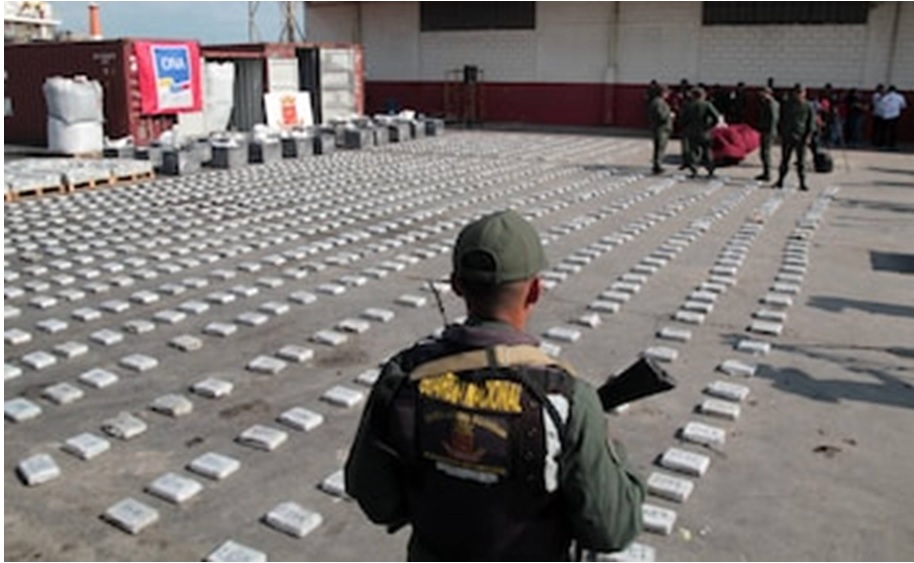
by UNODC – 20 August 2025

For over three decades, the United Nations Office on Drugs and Crime (UNODC) has supported non-governmental organizations (NGOs) in low- and middle-income countries implement substance use prevention projects that benefit youth around the world. This support has been made possible through the ongoing contributions of the Drug Abuse Prevention Centre (DAPC) in Japan since 1994. The DAPC Grants Programme enables civil society organizations to initiate and scale up prevention activities for youth and with youth aligned with the UNODC/WHO International Standards on Drug Use Prevention. The grants also empower young people to take active roles in supporting the health and wellbeing of their peers.

Following the 2024 Call for Proposals, which attracted more than 500 applications (more than double the previous year’s submissions), UNODC selected four new DAPC grant recipients through a multi-phased competitive process. Grantees from Cambodia, Iraq, Sri Lanka, and Zimbabwe will soon begin implementing their projects to support youth through locally grounded prevention efforts.

The Youth Aspire Development Trust, based in Zimbabwe, will be implementing their SPARK (Substance Prevention and Awareness for Resilient Knowledgeable Communities) project.  The grantee will engage with schools and communities in the Chitungwiza region of Zimbabwe targeting students, teachers and parents. Teachers from local schools will receive training on classroom-based prevention strategies, early detection of risky behaviours, and ways to foster positive school climates. Students will also be selected as peer leaders and be equipped with life skills, refusal techniques, and resilience training to lead cascade sessions and positively influence other peers. Complementing these efforts, the grantee will also engage parents to strengthen their role in creating protective home environments for their family. And finally, to expand the reach of the programme, trained teachers and parents will conduct cascade trainings within schools and communities.

The Alcohol and Drug Information Centre (ADIC) in Sri Lanka will implement the project “Peer Power: Youth-Driven Substance Use Prevention and Resilience Building” in Colombo. Youth facilitators will be trained to mentor younger peer leaders, who will deliver interactive, skills-based workshops in local communities and schools with the support of ADIC’s resource persons. The project includes a baseline survey, capacity building for youth, creation of a tailored action plan, peer-to-peer education sessions, community and family engagement activities, and social media campaigns developed by youth. By combining in-person outreach with digital platforms, the project aims to enhance youth resilience and decision-making, empower and educate youth leaders, and strengthen community support for such initiatives.

In Cambodia, the grantee Mith Samlanh will implement its “Peer Prevention: A Youth-Driven Project Against Drugs” project by combining national and community-level initiatives. A national multimedia campaign, developed together with youth, will raise awareness about the risks of drug use through videos and prevention messages, reaching young people across social media platforms. In parallel, in-person awareness sessions will engage directly with communities in vulnerable areas of Phnom Penh, helping to bridge the digital divide and reach those who may not be active online. The grantee will also develop and integrate a Drug Prevention module into Mith Samlanh’s existing soft skills training for at-risk individuals, using evidence-informed methods to build resilience and enhance life skills. Additionally, a cascade Training of Trainers modality will strengthen local capacity by preparing teachers, social workers, youth champions, and local authorities to deliver prevention messaging and trainings to support youth and families across Phnom Penh.

In Iraq, the Bestan Child Society (Bustan Association) will implement the “Building Community Power to Prevent Youth Drug Use” project. The grantee will engage with community influencers such as teachers, sports coaches, youth leaders, and journalists to strengthen the local prevention capacity. Trained as prevention champions, they will integrate drug awareness and life skills into sports, arts, and peer-led activities that will be conducted in the target communities. Youth will also take part as informal peer educators through the 3S Initiative (Sport–Smile–Sleep), which will promote resilience and healthy lifestyles in young people.  Also, youth co-created awareness materials will further extend the project’s reach through social media and community events.

UNODC is pleased to support these four new diverse projects under the DAPC Grants Programme. Each initiative reflects a strong commitment to prevention aligned with the Standards, youth engagement, and community-level action — key elements in building healthier lifestyles and safer environments for young people to grow and thrive in. For more information about the DAPC grants projects and the programme, please visit the Youth Initiative website and stay up to date through the UNODC PTRS social media channels  (X, LinkedIn, Facebook).

Source:  https://www.unodc.org/unodc/prevention/youth-initiative/youth-action/2025/August/introducing-new-dapc-grant-funded-projects.html

Issued by U.S. Customs and Border Protection  – Thu, 08/21/2025

NEW YORK — U.S. Customs and Border Protection Deputy Commissioner John Modlin delivered remarks at a National Fentanyl Prevention and Awareness Day event today in Times Square.

The annual event, hosted by the nonprofit Facing Fentanyl, brings together impacted families and federal, state, and local law enforcement to draw national attention to the synthetic opioid epidemic.

“On behalf of the more than 65,000 fathers and mothers, and sons and daughters, who are also agents, officers and professional staff of CBP, we mourn with those who have lost a loved one to fentanyl poisoning,” said Deputy Commissioner Modlin. “Every hour of every day of the year, CBP is enforcing the law, across the land, in the air, and on the sea. Fentanyl is not just a public health threat – it’s a weapon. Any group that tries to poison Americans will face U.S. law enforcement and national security authorities.”

CBP supports the nation’s fight against fentanyl by prioritizing counter-fentanyl efforts across all operational environments. This includes stopping the ingredients, equipment, and the drug itself from entering or moving through the U.S. CBP has significantly increased its efforts to find and seize fentanyl at border crossings and checkpoints, using a variety of methods, such as officers’ instincts, drug-sniffing dogs, advanced scanning technology, artificial intelligence, and intelligence gathering to target and stop smugglers.

CBP’s approach to combatting fentanyl has grown to also include taking down the criminal groups that ship fentanyl, its ingredients, and pill-making equipment into the U.S. By working closely with law enforcement agencies both within the U.S. and in other countries, CBP helps investigate the larger criminal organizations, not just the individuals caught smuggling drugs at the border.

Fentanyl is a very dangerous drug that CBP first encountered in its final form around 2013-2014. Even a very small amount can be deadly. It’s cheap and easy to make, and there’s a high demand for it. Just one kilogram (about 2.2 pounds) of fentanyl already mixed into pills makes just over 9,000 pills. In contrast, one kilogram of fentanyl powder can make roughly 80,000 pills.

National Fentanyl Prevention and Awareness Day serves as a vital platform to highlight the devastating impact of synthetic opioids and the ongoing efforts to combat this epidemic. CBP’s participation underscores its unwavering commitment to protecting American communities and saving lives.

For more information on National Fentanyl Prevention and Awareness Day, visit DEA Fentanyl Awareness.


Social media often gets a bad reputation when it comes to how much time children and teens spend glued to their phones – but there are lots of ways that social media can be a tool for good in the hands of a teen.
The Ups and Downs of Teens and Social Media

Social media issues for teenagers can be rife, and most parents are aware of the dangers. Cyber-bulling is a real problem, and studies show that too much time spent on social media can lead to feelings of low self-esteem and depression amongst teens who compare themselves to unrealistic ideals they see online.

While these are serious concerns, as a foster carer, you can make social media a positive experience for your foster teen by helping them to be aware of the risks and empowering them to take advantage of the benefits. You can also help your teen to limit the negative consequences by encouraging them to enjoy social media in moderation. Teens need time to enjoy life offline – exercise and face-to-face socialisation are both important for their growing brains and bodies.

In fact, a 2019 study found a strong link between the negative effects of social media and a lack of exercise brought about by too much time spent online. That means balancing time on devices with plenty of physical activity can help mitigate some of social media’s more harmful effects.

How to Encourage Healthy Social Media Habits for Teens?

Empower your teen to use social media safely

Talk about what is safe to share online and what isn’t, and make sure your foster teen knows what to watch out for to avoid online predators, scammers, and cyberbullies. Teach them to recognise false information and to think critically about what they read and see online.

Help them understand the risks to their mental health and self-image and decide together how to deal with these feelings if they come up. Make sure they know how to change their privacy settings on different platforms.

Looking for more guidance on internet safety? The UK Safer Internet Centre has a host of resources for teens from 11-19.

Encourage self-expression

Not only can social media be a great way for teens to explore new things like art, culture, and history, it’s also a versatile tool for self-expression. Many creative teens use social media to showcase their own art and performances, while others use it as a platform for building a unique personal brand through what they share and how they engage with online communities.

Using social media in this way can teach a teen digital skills and build an online presence that will put them in a good position for future education and job prospects. You can help your teen build their digital skills through online and in-person courses, such as photo/video editing and content creation. Check out BT’s Skills for Tomorrow portal for a host of free family resources.

Keep connected

For foster children, social media can be a useful way to keep in touch with old friends and family members and build important connections for the future. It also helps many teens strengthen friendships and build communities around shared experiences and interests – particularly when it’s not possible to see one another in person (like when schools are closed, or across long distances).

Being a teen can be lonely if you feel like you don’t fit in, but you can always find someone who’s interested in the same things you are online – whether that’s someone who loves the same band you do or someone from a similar cultural background.

Inspire your foster teen to do good

With the world more connected through social media, teens today have access to a lot more information on global issues – and many more ways to have an impact. Consider 17-year-old Greta Thunberg; in two years, she’s been able to reach a global audience with her message of fighting climate change and now has an Instagram following of over 10 million.

Help your teen find an issue that they care about and encourage them to get involved and have a positive impact, such as promoting community initiatives and organisations.

Be involved

Model healthy social media use by not looking at your phone during meals or family activities, and limit screen time close to bedtime.

Follow your foster teen on social media and make time to chat with them – in person and in a non-judgemental way – about what they and their friends are posting and seeing online. Share interesting and educational feeds with them and keep communication open so your teen knows they can talk to you if they see or experience anything upsetting online.

Teenagers can be truly inspiring with the passion and energy they bring, but many teens suffer without a safe space to grow up. If you have the room to give a young person a stable and supportive home, get in touch today. You can also read our article about fostering teenagers here.

Source:  https://www.compassfostering.com/advice/teenagers-and-social-media


Filed under: Culture,Social Media,USA,Youth :

by Kevin Sabet  August 22, 2025 

In 2018, 27-year-old Bryn Spejcher, an inexperienced marijuana smoker in California, killed her boyfriend Chad O’Melia by stabbing him 108 times, a crime the local district attorney described as “horrific” and “one of the worst our medical examiner has ever seen.” A jury found Spejcher guilty of involuntary manslaughter, but she received only probation at sentencing because of a compelling presentation of her defense of cannabis-induced psychosis. Prior to the violent incident, Spejcher had taken two hits of legal marijuana from a bong, and claimed that she began “seeing things that weren’t there” and lost touch with reality. She also stabbed herself repeatedly in the neck, and stabbed her own dog. Law enforcement agents called to the scene had to break her arm with a metal baton to get her to let go of the knife; multiple Taserings had no effect. 

Cases like Spejcher’s illustrate the stakes involved in the federal reclassification of marijuana. If President Trump follows through with such a move, the drug would remain illegal on the federal level, but would receive an imprimatur of being safer and face fewer restrictions, with significant commercial and social implications.  

Yet voices across public discourse persist in asking: why should anyone care if President Trump does just that? 

Celebrities like Mike Tyson and Joe Rogan and hedge-fund bosses like Andrew Lahde tell us that marijuana is no big deal. Numerous states have already legalized it for medical and recreational usage, and they claim to be regulating it well. If we are to believe the advocates, marijuana is a miracle cure for PTSD, anxiety, depression, and bipolar disorder — not to mention an unbeatable salve for the pain suffered by cancer patients.

So what sense does it make for this drug to sit in the same federal category as PCP and heroin? Isn’t marijuana’s placement in Schedule I, the most serious category, merely a relic of discredited thinking from the bad old days of the War on Drugs? It isn’t. To understand why it isn’t, and why a Trump move to reclassify weed would risk unmitigated harm to American health and safety, it’s first important to clear up some common misunderstandings around how and why drugs end up classified as they do.  

Under the Controlled Substances Act of 1971, a five-part schedule was established for classification of potentially dangerous drugs. This schedule is emphatically not an index either of a drug’s “hardness” or a kind of unofficial charging and sentencing guide for prosecutors and judges. Placement is earned specifically through consideration of a drug’s accepted medical use and its abuse risk. Drugs with no accepted medical use and a high risk of abuse get placed in Schedule I.  

That’s the commonality between marijuana and heroin; under federal law, the relevant agencies necessarily view them that way.  

Neither has an accepted medical use, though both drugs have approved medicines derived from them that remain in lower schedules (the medicine dronabinol, for example, is synthesized THC, the active ingredient in marijuana, and is in Schedule III). Both have high risks of abuse. The argument that one is a “hard” drug and the other is not  — which is debatable, especially given today’s ultra-high-potency weed — simply doesn’t come into play.  

Nor does the criminal-justice question. Keeping marijuana in Schedule I isn’t, as critics have it, a carceral strategy; conversely, moving it into Schedule III isn’t a de-carceral one. Under a move to Schedule III, the drug would remain federally illegal, still subject to the enforcement power of the Drug Enforcement Administration and the Department of Justice. No low-level offender would see his sentence commuted. This is sort of beside the point anyway, since most low-level marijuana users never receive a sentence for anything. 

But how can it be, another objection runs, that the drug has no medical use? Most US states currently allow doctors to recommend it. 

That, again, is technically correct. But the decisions those states made to allow doctors (and in some cases, “designated caregivers”) to recommend marijuana to treat pain and other issues were political decisions, not medical or scientific ones. Voters stated a preference; that has no effect on how federal agencies are required by current law to view the question. The facts of just how those recommendations get handed out drive home that political aspect. In 2022, Pennsylvania saw some 132,000 medical-marijuana certifications, a third of the state’s total for that year, issued by only 17 doctors.

Those decisions, taken in the aggregate, don’t constitute an accepted medical use. Or at least, they didn’t until October 2022. That was the month the Biden administration directed its Department of Health and Human Services to look into a possible reclassification of the drug.  

“This schedule is emphatically not an index either of a drug’s ‘hardness’ or a kind of unofficial charging and sentencing guide.”

Again, history is important here. Before the Biden process, the federal government had used an eight-factor test to determine how to schedule various drugs. Those factors focus on what the current and historical patterns of its abuse look like, as well as what that means for individual users, what risk it presents to public health, how likely it is to cause dependence (either physical or psychological), the state of the science around the drug and its pharmacology, and whether it’s a chemical precursor or “analogue” of another controlled substance.  

By these metrics, marijuana is precisely where it belongs in Schedule I. The best science shows that it isn’t an effective medical treatment. One of the most frequent conditions it’s used to treat is chronic pain. But the 2017 study cited to prove its efficacy there has seen dozens of subsequent meta-analyses and reviews fail to support its conclusions; a 2022 study of a decade’s worth of surgical records from a Cleveland hospital even found that using marijuana actually increases pain after surgery. 

The data also demonstrate that marijuana poses a significant risk of dependency: addiction rates are around 30% of all users and rising. Addiction in this case means exactly what it does for other substances: inability to quit, a need for ever more of the drug to achieve the same effect, and even withdrawal symptoms. Given the recent avalanche of data cataloguing marijuana’s harms specifically to cardiac and mental health — like a June British Medical Journal review  connecting it to a two-fold risk of cardiovascular death or the massive Danish study from 2023 suggesting that as much as 30% of schizophrenia cases among men between 21 and 30 were linked to cannabis-use disorder — its wider public-health risks are glaringly clear.  

The Biden administration supplanted the eight factors with a new system seemingly designed to push the drug into a less restrictive schedule. The Biden recommendation — likely a political compromise between the status quo and full legalization, timed just before Joe Biden’s re-election bid — also incorporated the shaky argument that because so many states have made political decisions to allow medical marijuana, that constitutes an accepted medical use.

An incisive article in JAMA Neurology, by the Harvard addiction scientist Bertha Madras, took a hard look at the process and found disturbing evidence of politicization. This included the fact that a high-ranking Biden DOJ official, Acting Assistant Attorney General Peter Hyun, argued that “cannabis has not been proven in scientific studies to be a safe and effective treatment for any disease or condition” — six months before the rescheduling directive appeared. Yet the science Hyun cites certainly had not changed in the interim.  

The federal government has long held the position Hyun laid out. Under the Obama administration, Jay Inslee and Gina Raimondo — then the governors of Washington and Rhode Island, respectively — petitioned the federal government to reclassify marijuana. The administration’s response made clear that federal drug schedules reflect what the science says, not “danger” or “severity.” Obama’s then-DEA chief, Chuck Rosenberg, announcing the denial of the petition, used language Hyun would later echo: “This decision isn’t based on danger. This decision is based on whether marijuana, as determined by the FDA, is a safe and effective medicine . . . and it’s not.”

Suggested reading

I have seen the damage cannabis does

By Peter Hurst

But let’s assume, for the sake of argument, that Trump reverses years of federal precedent to follow the logic of the rescheduling argument. What happens then? 

The truth: no one knows.  

It’s clear that the marijuana industry believes that rescheduling will be an enormous benefit to its shareholders. In one sense, that’s likely correct. Businesses selling substances in Schedule I face severe commercial restrictions under the tax code. A provision of the tax code prevents any such business from taking normal deductions at tax time on expenses like advertising. Lifting those restrictions seems sure to provide an enormous boost to revenues and reach for businesses selling marijuana products.

The impact on society is a different matter. The available evidence suggests that this will be a significant negative for society, especially given the research around how the young start using the drug: data published in June by researchers from the University of Southern California and Rutgers University show that exposure to marijuana social-media content plays a huge role in teens initiating use.  

But there are other externalities in play.  

If marijuana moves into Schedule III, it will be the only substance there without Food and Drug Administration approval. Will that play out in a similar way to the case of opium-poppy straw (i.e., the entirety of the plant, as it exists prior to the processes that turn it into heroin or opium)? Poppy straw is listed in Schedule II, but it also lacks an FDA approval — and it’s regularly seized by drug and border authorities, with a massive shipment grabbed up just in May. Though weed entrepreneurs clearly expect smooth sailing after a reclassification, they may well be in for a rough ride.

Then there’s the fact that substances listed in Schedule III face additional regulatory and enforcement power: Not only from the DEA and DOJ, but also from the FDA. There are strict rules around what sellers of Schedule III substances can and can’t say in advertisements. They’re forbidden from advertising off-label uses — and since marijuana lacks an FDA approval, all therapeutic uses are off-label. It’s easy to imagine another operator in the Schedule III space filing a lawsuit demanding precisely that kind of enforcement. 

In other words, rescheduling opens the door to regulatory chaos, even as it seems certain to add commercial firepower to an industry whose products, on the evidence, are extraordinarily harmful. How this combination will produce the benefits promised by proponents of rescheduling also remains unclear. 

The federal government shouldn’t signal to the American people that a drug that lacks medical or scientific imprimatur somehow possesses such approval. Others disagree — and vocally. They have a lot of money riding on it. But we should be crystal clear about what their preferred policy would  actually mean for American society — nothing good. 

Kevin Sabet, a former three-time White House senior drug-policy adviser, is president of Smart Approaches to Marijuana.

Source:  https://unherd.com/2025/08/the-illusion-of-safe-marijuana/?edition=us?

by

  • Thomas Kennedy GreenfieldSenior Scientist, Alcohol Research Group, Public Health Institute
  • Libo LiPublic Health Institute, Alcohol Research Grouphttps://orcid.org/0000-0001-7147-9838
  • Katherine J. Karriker-JaffeResearch Triangle Institutehttps://orcid.org/0000-0002-2019-0222
  • Cat MunroePublic Health Institute, Alcohol Research Grouphttps://orcid.org/0000-0002-6950-7200
  • Deidre PattersonPublic Health Institute, Alcohol Research Grouphttps://orcid.org/0000-0002-6775-9682
  • Erica RosenCalifornia State University, Long Beachhttps://orcid.org/0000-0003-1343-7554
  • Yachen ZhuPublic Health Institute, Alcohol Research Grouphttps://orcid.org/0000-0002-8192-6168
  • William C. Kerr Centre Director, Scientific Director, Public Health Institute, Alcohol Research Grouphttps://orcid.org/0000-0001-6612-9200

August 22, 2025

This study from PHI’s Alcohol Research Group and RTI International evaluated the associations between a seven-item summative burden scale and different types of harms attributed to someone else’s use of alcohol, cannabis or other drugs.

There is a growing body of research on the second-hand harms from alcohol and drug use that points to the negative health impacts of substance use extend beyond the individual engaged in the behavior. The literature on alcohol-related harms has explored the connections between secondhand alcohol and drug harms (ADH) and their impact on quality of life, well-being and mental health issues among those affected, often including family members, but there hasn’t been any specific research done on the family burden related to alcohol and other drug harms until now.

This study from PHI’s Alcohol Research Group and independent scientific research institute RTI International evaluates the familial burden of the secondhand ADHs, investigating associations between a seven-item summative burden scale and different types of harms attributed to someone else’s use of alcohol, cannabis or other drugs. The findings reveal the need for family support interventions and policy remedies to mitigate these burdens.

You can view the study here:

Background: Family burden has not been studied in relation to alcohol and other drug harms from others. We adapted a family burden scale from studies of caring for those with mental health conditions for use in the US Alcohol and Drug Harm to Others Survey (ADHTOS). We investigated associations between a seven-item summative burden scale and different types of harms attributed to someone else’s use of alcohol, cannabis, or another drug: (a) being assaulted/physically harmed; (b) having family/partner problems; (c) feeling threatened or afraid; and (d) being emotionally hurt/neglected due to others’ substance use.

Methods: A survey of adults aged 18 years and over conducted between October 2023 and July 2024 (= 8,311), involved address-based sampling (n = 3,931 including 193 mail-backs) and web panels (n = 4,380), oversampling Black (n = 951), Latinx (n = 790) and sexual or gender minority (SGM) respondents (n = 309). Data from seven items on types of burdens experienced from other people’s alcohol or drug use were provided by those harmed by someone else’s alcohol or drug use and were used to create a burden scale. Analyses used negative binomial regression on burden sum adjusting for covariates, such as age, gender, race and ethnicity, marital status and years of education.

ResultsThe single factor burden scale showed good internal consistency (α = .91). Components assessing being emotionally drained/exhausted and family friction/arguments were endorsed by 38–39% of participants; finding stigma of the other’s substance use upsetting was affirmed by 33%. Fewer endorsed feeling trapped in caregiving roles (22%), problems outside the family (26%), neglect of other family members’ needs (16%), and having to change plans (14%). In adjusted regression models, seven of eight harm exposures were significantly associated with burden scores.

Discussion: People reported substantial burden from others’ use of alcohol, cannabis, and other drugs. Family support interventions and policy remedies to mitigate these burdens are needed.

About RTI International

RTI International is an independent scientific research institute dedicated to improving the human condition. Our vision is to address the world’s most critical problems with technical and science-based solutions in pursuit of a better future. Clients rely on us to answer questions that demand an objective and multidisciplinary approach—one that integrates expertise across social, statistical, data, and laboratory sciences, engineering, and other technical disciplines to solve the world’s most challenging problems.

Source:  https://www.phi.org/thought-leadership/study-evaluating-family-burden-among-us-adults-experiencing-secondhand-harms-from-alcohol-cannabis-or-other-drug-use/


CHARLES CITY COUNTY, Va. (WRIC) — The Charles City County Elementary School will soon re-introduce a program focused on drug prevention and awareness for the 2025-26 academic year.

According to a release from the sheriff’s office, the program, DARE — Drug Abuse Resistance Education program — will come to the elementary school for the upcoming school year.

SRO Corporal Tramayne Mayo, who developed a curriculum to teach the program, reportedly attended a two-week training course as required by DARE to instruct.

“We are excited to get this program back into our school system,” said Jayson Crawley, Sheriff of Charles City County. “We feel that early education of the dangers of drugs should be taught to our youths and can have a significant positive impact on the decisions they make when faced with drugs. This is just part of our continued efforts to deter illegal drug activity in our county.”

Opioid settlement money awarded to all jurisdictions in the Commonwealth from a reported lawsuit filed against prescription drug companies will help fund the program, per the sheriff’s office.

8News previously reported that, in June, Virginia joined all other states and some U.S. territories in agreeing to sign a $7.4 billion settlement with Purdue Pharma and members of the Sackler family who own the company for their part in perpetuating the opioid crisis.

As a result, the state will receive as much as $103.8 million from this settlement over the next 15 years — funding which will go toward local prevention, treatment and recovery efforts, as previously reported by 8News.

Source:  https://www.wric.com/news/local-news/charles-city-county/dare-program-charles-city-elementary-2025-2026/

by Emily Murray – August 11, 2025

Fake pills remain a threat, with 5 out of 10 pills tested containing potentially lethal doses of fentanyl.

OMAHA, Nebraska – As students across the state prepare to return to school, the Drug Enforcement Administration (DEA) Omaha Division is encouraging families to have open conversations about the potentially lethal consequences of drug experimentation and the threat posed by drug dealers on social media.

In Nebraska, DEA has seized more than 145,000 fentanyl pills in the first seven months of 2025. This number is more than triple the amount seized by DEA in Nebraska in all of 2024 and represents close to 85,000 deadly doses of fentanyl removed from communities.

Social media plays a significant role in the life of students and cartels are taking advantage of this audience. Parents and caregivers are encouraged to emphasize the dangers associated with buying pills online. In Nebraska, DEA has seized fentanyl pills made to resemble common prescription medications such as Xanax ®, Adderall ® and Oxycodone ®. Never trust your eyes to determine if a pill is legitimate or counterfeit. The only safe medications are prescribed by a trusted medical professional and dispensed by a licensed pharmacist.

“We know that a lot of families sit down at the start of a new school year to go over things like dealing with bullies, taking precautions when walking home and staying organized with classes,” DEA Omaha Division Acting Special Agent in Charge Rafael Mattei said. “We want families to engage on the tough topics including the use of social media for buying and selling drugs. One pill can kill. Let’s raise awareness in our communities and prevent families from suffering a tragic loss of life.”

For families unsure how to begin a conversation on the dangers of drug use, the DEA has resources and fact sheets available online: https://www.dea.gov/onepill/partner-toolbox. Conversation starters, information on drugs including street names and side effects, and helpful tips on ways to stay engaged in these important conversations year-round, are available based on age and grade.

Source:  https://www.dea.gov/press-releases/2025/08/11/drug-enforcement-administration-encourages-open-conversations-dangers

by Nathan Mol­loy – 14 Aug 2025

PREVENTION is Bet­ter is a sub­stance abuse pre­ven­tion train­ing pro­gramme. Their mis­sion is to break the cycle of sub­stance use dis­order by provid­ing evid­ence based pre­ven­tion edu­ca­tion in schools, work­places, and com­munit­ies world­wide.

Its CEO and founder, Ryan Ulrich, has over 20 years of exper­i­ence work­ing in addic­tion and treat­ment and drug pre­ven­tion space. Speak­ing to the Sligo Week­ender, Ryan says that he uses his own lived exper­i­ence of over­com­ing addic­tion to treat people and that he has worked in this field across many dif­fer­ent coun­tries.

Its CEO and founder, Ryan Ulrich, has over 20 years of exper­i­ence work­ing in addic­tion and treat­ment and drug pre­ven­tion space. Speak­ing to the Sligo Week­ender, Ryan says that he uses his own lived exper­i­ence of over­com­ing addic­tion to treat people and that he has worked in this field across many dif­fer­ent coun­tries.

“I have my own lived exper­i­ence of over­com­ing my own sub­stance use addic­tion and I’ve been in healthy recov­ery for over 24 years. I’ve been work­ing in this field in the US and I spent quite a long time, 16 years in China, work­ing there and about four years here in Ire­land. So I’ve worked with many schools and in dif­fer­ent coun­tries across the world deliv­er­ing these kind of pro­grams.”

The ideal Pre­ven­tion is Bet­ter pro­gramme in a school accord­ing to its CEO is one which is run over the course of a week. After that, Ryan says that he hopes either schools or cor­por­a­tions keep them on for a period of three years as that is when they can note the changes in atti­tude in people towards sub­stance abuse.

The ideal Pre­ven­tion is Bet­ter pro­gramme in a school accord­ing to its CEO is one which is run over the course of a week. After that, Ryan says that he hopes either schools or cor­por­a­tions keep them on for a period of three years as that is when they can note the changes in atti­tude in people towards sub­stance abuse.

“Ideally, we would love to work with the school or cor­por­a­tion over a two to three year period. That’s where we can really see the changes in atti­tudes and beha­vior just to really pre­vent and make an impact. That’s really our mis­sion. So it’s quite flex­ible depend­ing on the needs of the school or the cor­por­a­tion.”

“Ideally, we would love to work with the school or cor­por­a­tion over a two to three year period. That’s where we can really see the changes in atti­tudes and beha­vior just to really pre­vent and make an impact. That’s really our mis­sion. So it’s quite flex­ible depend­ing on the needs of the school or the cor­por­a­tion.”

Pre­ven­tion is bet­ter than the cure is a com­monly used pro­verb defined by that it is bet­ter to stop something bad hap­pen­ing than to deal with it after it has happened. Ryan believes that in his field, it is massively import­ant to pre­vent someone get­ting addicted to alco­hol or drugs as it can have a dev­ast­at­ing impact not only them but their fam­ily and friends.

“I think it’s very import­ant and it’s abso­lutely pos­sible [to pre­vent sub­stance abuse].

“I think it’s very import­ant and it’s abso­lutely pos­sible [to pre­vent sub­stance abuse].

“There’s a very evid­ence based way to go about that as well because as we all know when some­body’s addicted to even vap­ing or cigar­ettes or alco­hol, it’s dev­ast­at­ing, not only for the indi­vidual, but for the fam­ily and the com­munity.

“From a health per­spect­ive, each euro inves­ted in pre­ven­tion saves about nine times that in terms of costs over­all, jails or health care. That doesn’t even include the impact on the com­munity. So it’s kind of an over­looked but extremely import­ant part of the broader part of health care and treat­ment over­all.”

Efforts to stop people using drugs has changed over the years. In the 1970s, the phrase “War on Drugs” was pop­ular­ised by then US Pres­id­ent

Efforts to stop people using drugs has changed over the years. In the 1970s, the phrase “War on Drugs” was pop­ular­ised by then US Pres­id­ent

Richard Nixon when he declared drug abuse “pub­lic enemy num­ber one” in June 1971. Accord­ing to Ryan, sub­stance abuse pre­ven­tion has changed a lot since then and that now they’re using a trauma based approach which is more evid­ence based.

“I think even longer, maybe about 40 years ago from the US there was kind of just say no or these scare tac­tics in terms of pre­ven­tion, which was shown sci­en­tific­ally to not work at all. And then there more of an edu­ca­tion approach, which is good.”

“But now we’re mov­ing more towards a trauma-informed approach, where we under­stand the impact both on the fam­ily and the com­munity, the impact on the body in car­ry­ing the trauma. So we take all those evid­ence-based approaches into the classroom. And that’s shown to be more and more effect­ive and have greater impact.”

“But now we’re mov­ing more towards a trauma-informed approach, where we under­stand the impact both on the fam­ily and the com­munity, the impact on the body in car­ry­ing the trauma. So we take all those evid­ence-based approaches into the classroom. And that’s shown to be more and more effect­ive and have greater impact.”

The rise of AI has also help Pre­ven­tion is Bet­ter to get more data to help with their pro­grammes.

“I think the rise of AI and data has had a sig­ni­fic­ant impact as well. So now we can col­lect more GDPRcom­pli­ant data. We can make more impact assess­ments. And that’s part of everything that we do, very datadriven as an organ­iz­a­tion.”

Earlier this year, the HSE’s clin­ical lead on addic­tion, Pro­fessor Eamon Keenan said that approx­im­ately 20% of young people show­ing up to addic­tion ser­vices are using HHC, syn­thetic marijuana. Accord­ing to Ryan, his organ­isa­tion are see­ing this becom­ing more of a prob­lem along with dual addic­tion issues which affects people’s men­tal health.

“So we’re see­ing, espe­cially with the leg­al­iz­a­tion of marijuana in the US, in other coun­tries, that’s become more of a prob­lem. There’s new sub­stances, new psy­cho­act­ive sub­stances that are com­ing into the mar­ket. Dual addic­tion and issues around addic­tion and men­tal health, which has always been there.

“These are becom­ing more pre­val­ent. And so these are just some of the trends that we’re see­ing and the changes over the years.”

Vap­ing and cocaine use has caught the national media’s atten­tion over the past few years. Accord­ing to the rehab­il­it­a­tion facil­ity, Rut­land Centre, women rep­res­ent one of the fast­est grow­ing groups seek­ing treat­ment for cocaine. Treat­ment for the drug as a primary addic­tion rose from 17% in 2023 to 23% in 2024, sig­nalling one of the sharpest single year increases recor­ded for any sub­stance at the centre.

Accord­ing to Ryan, both vap­ing and cocaine have a lot of mis­in­form­a­tion online which makes people think they’re not harm­ful.

“Young women look­ing at cocaine, cocaine has no cal­or­ies, is the typ­ical thing they’ll say. And sure, but that’s not, it’s not a healthy option, to say the least. So there’s these mis­per­cep­tions about these sub­stances being safe or not very harm­ful. There’s a tre­mend­ous amount of mis­in­form­a­tion, espe­cially with things like Tik­Tok or social media. The same with vap­ing as well.”

“For the young kids, they see celebrit­ies vap­ing or blow­ing smoke rings. It looks very attract­ive and all the dif­fer­ent fla­vors. That’s abso­lutely not the case.

“Nicot­ine is one of the most addict­ive sub­stances. Even using a vape one or two times with a high con­cen­tra­tion of nicot­ine is enough to get some­body addicted for life. It’s dif­fi­cult to quit after that.”

“Nicot­ine is one of the most addict­ive sub­stances. Even using a vape one or two times with a high con­cen­tra­tion of nicot­ine is enough to get some­body addicted for life. It’s dif­fi­cult to quit after that.”

Source:  https://www.pressreader.com/ireland/sligo-weekender/20250814/281977498705333

OPINION: Eric Adams is right 
Charles Fain Lehman is a fellow at the Manhattan Institute and senior editor of City Journal.

Can New York clean up its public drug-use problem?

Mayor Eric Adams aims to try: On Thursday, he called on the state Legislature to allow clinicians and judges to compel people into treatment when their drug use is hurting them and the city.

“We must help those struggling finally get treatment, whether they recognize the need for it or not,” Adams said at an event hosted by the Manhattan Institute (where I work).  

“Addiction doesn’t just harm individual users; it tears apart lives, families and entire communities, and we must change the system to keep all New Yorkers safer.”

Adams’ proposed state law, the Compassionate Interventions Act, may face an uphill battle in Albany, as “harm reduction” advocates assail it as coercive and dangerous.

But involuntary treatment should be a tool in New York’s arsenal for dealing with the public drug use that has plagued it for years.

Last year it reported nearly 4,000 homeless residents with a history of chronic substance use — probably an undercount, as such people are less likely to be identified by the city’s annual late-night census.

Regardless, it’s not hard to find people shooting up on New York’s streets — just visit the Hub in The Bronx or Washington Square Park in Manhattan.

Such behavior makes whole swaths of the city unlivable.

Public drug use hurts both users — there were more than 2,100 overdose deaths in the five boroughs last year — and the places where they use.

It deters commerce, and creates environments conducive to more serious crime.

Too often the city has responded to these situations with benign neglect, exemplified by its two “supervised consumption sites,” which give people a place to use with Narcan-wielding staff standing by.

These sites continue to operate, in spite of the fact that they don’t work and violate federal law.

Leaving people free to abuse drugs, it turns out, doesn’t save lives.


Involuntary treatment, by contrast, tries to correct the behavior that drives drug users to hurt both themselves and others.

That’s why 37 other states already permit it — and why New York under Adams’ plan would join them.

Critics will insist that involuntary drug treatment doesn’t work, and that people have to want to change.

But the balance of the evidence suggests that involuntary treatment performs as well as voluntary treatment.

That’s backed up both by older research on California’s involuntary-treatment scheme, and by strong indications that drug courts, which route drug offenders into treatment instead of prison, can reduce recidivism.

Opponents will also say that it’s immoral to compel people to get treatment they don’t want, and that it violates their “bodily autonomy.”

But there’s no right to shoot up in public spaces, or to ruin your body with fentanyl. And New Yorkers should have the right to expect their public spaces to be free from disorder, including public drug use.

The biggest challenge for Adams, though, may be the state’s limited treatment capacity.

New York state as a whole has only 134 long-term residential treatment facilities.

As of 2023, the most recent available data, they were serving 2,935 clients — fewer than the city’s tallied homeless drug-addict population.

Implementing the Compassionate Interventions Act will almost certainly require more funding for treatment beds, much as Adams’ previous efforts to institutionalize the seriously mentally ill did. That will have to be part of any ask in Albany.

But the mayor’s proposal will also allow diversion to outpatient treatment programs, including a new $27 million investment in contingency management therapy — an evidence-based intervention that has been shown to help treat drug addiction.

What happens if Albany says no to Adams’ proposal? Or if Adams is out of the mayoralty come the next legislative session?

The NYPD can still work to clear encampments. And the city can still try to divert drug users into its drug-courts system, which, while useful, faces administrative problems and lacks transparency.

But actually getting drug users the help they need, rather than just cycling them through the city’s jails, will be hard — much as the administration struggled to handle the seriously mentally ill before it had the power to compel them into treatment.

SOURCE: https://nypost.com/2025/08/14/opinion/involuntary-treatment-can-solve-the-public-drug-scourge/


ABU DHABI, 3rd August 2025 (WAM) — The International Society of Addiction Medicine (ISAM) has praised the federal decree-law issued by President His Highness Sheikh Mohamed bin Zayed Al Nahyan establishing the National Anti-Narcotics Authority, describing it as a vital and effective tool that enhances the UAE’s quality of efforts in combating narcotic drugs and psychotropic substances and eliminating their sources.

In a statement, ISAM affirmed that the decree issued by the UAE President reinforces the country’s comprehensive and precise approach in tackling the global threat of drug abuse.

It stated that the UAE has continually updated its legislation to combat narcotics, while simultaneously advancing its security, prevention, treatment and awareness efforts, which have significantly contributed to curbing this menace.

Dr. Hamad Al Ghafri, President of ISAM and Board member of the American Society of Addiction Medicine (ASMA), stated that the establishment of the National Anti-Narcotics Authority provides a holistic framework for developing policies and strategies to combat drug abuse, including mechanisms for prevention, treatment and rehabilitation.

He added that the legal powers granted to the authority would play a key role in enhancing the UAE’s national efforts and institutions, which work relentlessly to eliminate drug sources and confront those who target the country’s youth.

Dr. Al Ghafri explained that the authority’s mandate is built around several core pillars, including reducing both the supply and demand for drugs by tracking and dismantling trafficking networks, bolstering treatment and rehabilitation systems to reintegrate recovered individuals into their families and communities, and advancing legislative frameworks alongside dedicated research.

“These efforts will support community-based prevention initiatives, establish a unified national monitoring system, and promote international collaboration in training and capacity-building. These pillars are central to achieving an integrated approach that combines preventive, security and therapeutic dimensions to effectively tackle all facets of the drug issue,” he added.

Dr. Al Ghafri reaffirmed ISAM’s commitment to supporting all initiatives and programmes related to combating narcotics and psychotropic substances, while enhancing cooperation and coordination and adopting efforts that contribute to building safe and drug-free societies.

Source: https://www.wam.ae/en/article/bl0dfij-isam-praises-uae-presidents-decree-law


From CDC Media Relations – August 5, 2025
Illustration: Free Mind Campaign

The back-to-school season is a great time to engage with youth about mental health and substance use to promote their well-being throughout the academic year. To support these conversations, the Centers for Disease Control and Prevention (CDC) has launched Free Mind, a new national campaign that provides youth ages 12-17 and their parents and caregivers with resources and information about substance use, mental health, and the connection between the two.

The drug overdose crisis is constantly evolving and remains an important public health issue. In 2024, more than 80,000 Americans died from a drug overdose. From 2020 to 2024, 75% of overdose deaths among youth ages 10–19 involved illegally made fentanyl. In addition, the number of teens reporting poor mental health has increased in the past decade. In 2023, 40% of high school students stopped regular activities because of persistent feelings of sadness or hopelessness and one in five students seriously considered attempting suicide.

“Teens may use alcohol and other substances to help them cope with stress, anxiety, and depression,” said Dr. Allison Arwady, Director of the CDC National Center for Injury Prevention and Control. “Talking openly about mental health and substance use, and knowing when to get professional help, is critical to helping teens stay healthy. That’s why this campaign supports youth, parents, and caregivers in having those conversations early, before an issue arises.”

CDC spoke directly with youth about their knowledge and perceptions regarding substance use to develop messages, branding, and tactical strategies for Free Mind. The campaign seeks to resonate with this age group by addressing the connections between substance use and mental health, risk factors that contribute to drug use, and strategies to keep them safe. CDC also has created resources for parents and caregivers about the latest substance use and mental health challenges youth may face.

Source:  https://www.cdc.gov/media/releases/2025/2025-cdc-launches-new-campaign-to-address-youth-substance-use-and-mental-health.html

While overdose deaths in the U.S. sharply declined in 2024, they remain high. Almost 90,000 Americans died from drug overdoses between October 2023 and September 2024. Overdose death rates are particularly high in American Indian and Alaska Native (AI/AN) people.

The earlier someone starts substance use, the more likely they are to have substance use problems later in life. So, it is important to work with young people to prevent substance use early in life. Researchers at Emory’s Rollins School of Public Health recently partnered with Cherokee Nation Behavioral Health to design and implement programs to help prevent youth substance use in their community. 

They created two programs. Connect Kits for Family Action delivers activity kits to families of teens in 10th to 12th grade to help strengthen family relationships. Connect Brief Intervention uses technology to deliver individualized coaching to high school students.

Testing the programs

A randomized trial of the interventions, with results published in the American Journal of Public Health, found that they worked to reduce alcohol and other substance use in high school students in rural Oklahoma.

In the trial, Cherokee Nation Behavioral Health implemented the programs at 10 high schools. Ten other schools did not receive programming to serve as a comparison. The 10 high schools that did not receive the programs during the trial received them after the study ended. Most students at participating schools were either white or AI/AN.

The trial lasted for three years, and students completed surveys every six months to report on their alcohol and substance use.

What they found

Students at the schools that received the intervention had lower alcohol and other substance use than students at the comparison schools.

Every six months, these students reported:

  • 18% less alcohol use
  • 26% less binge drinking
  • 11% less cannabis use
  • 40% less prescription opioid misuse

Why this matters

Adolescent substance use poses serious risks to health, academic achievement, and long-term well-being. Therefore, protecting teens from substance use is key to helping them thrive. Our prevention programs have demonstrated measurable success in reducing alcohol and drug use among high school students. We’re proud of the results and excited to share these adaptable, effective solutions with other communities.”

Kelli Komro, PhD, professor of behavioral, social, and health education sciences at Rollins and project co-lead

“We believe our children are our most valuable resource,” she says. “This project allowed us to work within our own reservation to find ways that affect change in our youth. Our partnership with Emory University and area high schools was vital in making this happen. We learned so much from the challenges we encountered during this trial, making it more effective and sustainable. The improved outcomes from this trial will last into the future generations of our Cherokee families and communities.”

Physical activity emerges as a powerful ally in exercise addiction recovery, offering hope and healing for those struggling with substance dependency. Recent groundbreaking research reveals how structured exercise programmes can reshape both body and mind, providing a natural pathway to wellness that supports long-term recovery goals.

The Science Behind Exercise Addiction Recovery

Two comprehensive studies from leading institutions demonstrate the remarkable impact of physical activity on individuals recovering from substance dependency. Research involving 90 participants in opioid substitution treatment and 43 individuals in drug rehabilitation centres reveals compelling evidence for physical activity recovery benefits.

Neurohormonal Changes Through Exercise

Exercise creates profound changes in the brain’s chemistry that directly counteract the damage caused by substance abuse. When individuals engage in regular moderate-intensity aerobic exercise, their bodies experience:

Increased β-endorphin production: These natural “feel-good” chemicals help restore the brain’s reward system, reducing cravings and improving mood without relying on substances.

Reduced cortisol levels: Exercise helps normalise stress hormone production, which is typically elevated during early recovery phases. This reduction helps manage anxiety, insomnia, and psychological distress.

Enhanced immune function: Regular exercise addiction recovery programmes boost white blood cell and neutrophil counts, strengthening the body’s natural defence systems weakened by substance abuse.

Physical Transformations Supporting Recovery

Body Composition Improvements

Research participants following structured exercise programmes showed remarkable physical changes after 24 weeks:

  • Significant reduction in body fat percentage
  • Increased skeletal muscle mass
  • Improved overall body composition
  • Enhanced physical strength and endurance

These improvements aren’t merely cosmetic—they represent fundamental changes that support sustained recovery by improving self-esteem and physical capability.

Fitness and Functional Capacity

Physical activity recovery programmes deliver measurable improvements across multiple fitness domains:

Cardiovascular health: Participants experienced substantial increases in vital capacity and overall cardiovascular function, supporting better oxygen delivery throughout the body.

Strength and endurance: Upper body and core muscle strength showed significant improvements, enabling individuals to engage more fully in daily activities and work responsibilities.

Flexibility and balance: Enhanced balance control and flexibility reduce injury risk whilst improving quality of life and confidence in physical activities.

Mental Health Benefits of Exercise Addiction Recovery

Anxiety and Depression Relief

The research demonstrates that structured exercise provides substantial mental health benefits:

  • 20% reduction in anxiety scores within 12 weeks
  • Significant decrease in depression symptoms sustained throughout the programme
  • Improved emotional regulation and stress management
  • Enhanced self-confidence and body awareness

The Mind-Body Connection

Exercise programmes that emphasise mind-body integration, such as Pilates, show particular promise. These activities combine physical movement with breath control and mental focus, helping individuals:

  • Develop greater body awareness
  • Learn effective stress management techniques
  • Build emotional resilience
  • Establish healthy coping mechanisms

Types of Exercise for Addiction Recovery

Aerobic Exercise

Moderate-intensity aerobic exercise performed at approximately 70% of maximum heart rate proves most effective for exercise addiction recovery. Activities include:

  • Treadmill walking or running
  • Cycling
  • Swimming
  • Group fitness classes

The key lies in consistency—training three times per week for 20-minute sessions produces measurable neurohormonal improvements.

Mind-Body Practices

Research specifically highlights the benefits of Pilates training for individuals in recovery:

  • Progressive intensity programmes that adapt to improving fitness levels
  • Emphasis on core strength and stability
  • Integration of breathing techniques with movement
  • Low injury risk suitable for deconditioned individuals

Creating Sustainable Exercise Addiction Recovery Programmes

Professional Supervision

Successful physical activity recovery requires proper oversight:

  • Medical clearance before beginning exercise
  • Trained supervision during sessions
  • Heart rate monitoring to ensure appropriate intensity
  • Progressive programme design that prevents overexertion

Long-Term Commitment

The research emphasises that benefits accumulate over time. Participants showed:

  • Initial improvements within 4-6 weeks
  • Significant changes by 12 weeks
  • Maximum benefits achieved after 24 weeks of consistent training

Integration with Comprehensive Care

Exercise works best as part of a holistic recovery approach that includes:

  • Professional counselling and therapy
  • Medical support as needed
  • Peer support networks
  • Structured daily routines

Practical Implementation Strategies

Starting an Exercise Programme

For individuals beginning their recovery journey, successful exercise addiction recovery programmes typically include:

Foundation PhaseWeek 1-4:

  • Low-intensity activities focusing on movement quality
  • 40-50% maximum heart rate
  • Emphasis on learning proper techniques

Development PhaseWeek 5-12

  • Moderate intensity training
  • 60-70% maximum heart rate
  • Increased session duration and frequency

Maintenance PhaseWeek 13-24

  • Sustained moderate-intensity exercise
  • Focus on long-term habit formation
  • Integration of preferred activities

Monitoring Progress

Successful programmes track multiple indicators:

  • Physical fitness improvements (strength, endurance, flexibility)
  • Mental health assessments (anxiety and depression scales)
  • Body composition changes
  • Adherence to exercise schedule

The Role of Exercise in Long-Term Recovery

Preventing Relapse

Physical activity recovery programmes address key relapse triggers:

  • Providing healthy stress relief mechanisms
  • Improving mood naturally through endorphin release
  • Building structured daily routines
  • Enhancing self-efficacy and confidence

Social Benefits

Group exercise activities offer additional advantages:

  • Peer support and accountability
  • Shared goals and achievements
  • Reduced isolation and loneliness
  • Development of healthy social connections

Building Support Networks

Family and Friends

Loved ones play crucial roles in supporting exercise addiction recovery:

  • Encouraging consistent participation
  • Participating in activities together when possible
  • Celebrating milestones and achievements
  • Understanding the importance of exercise in recovery

Professional Support Teams

Effective programmes involve multidisciplinary teams:

  • Exercise physiologists or qualified fitness professionals
  • Mental health counsellors familiar with addiction recovery
  • Medical professionals monitoring overall health
  • Peer support specialists with recovery experience

Evidence-Based Outcomes

The research provides compelling evidence for physical activity recovery effectiveness:

  • 96% programme adherence rates in supervised settings
  • Significant improvements in all measured physical parameters
  • Sustained mental health benefits throughout intervention periods
  • Strong correlations between physical improvements and psychological wellbeing

These outcomes demonstrate that exercise isn’t merely an adjunct therapy—it’s a fundamental component of comprehensive recovery strategies.

Moving Forward with Exercise Addiction Recovery

The evidence overwhelmingly supports integrating structured exercise addiction recovery programmes into comprehensive treatment approaches. By addressing both physical and mental health simultaneously, exercise provides a natural, sustainable foundation for long-term recovery success.

For individuals and families affected by substance dependency, understanding the transformative power of physical activity offers hope and practical steps towards healing. The journey may be challenging, but with proper support, professional guidance, and commitment to consistent exercise, lasting recovery becomes not just possible but probable.

The path to recovery through exercise requires dedication, but the rewards—improved physical health, enhanced mental wellbeing, and sustained freedom from substance dependency—make every step worthwhile.

by Herschel Baker – Director Queensland Director, Drug Free Australia – 03 August 2025 

Story by Kat Lay, Global health correspondent

Avatars smoke in an image shared on social media of a gathering in the metaverse. A packet of Djarum LA cigarettes, an Indonesian brand, sit on the table. Photograph: iceperience.id Instagram via Canary© Photograph: iceperience.id Instagram via Canary

In the image, a group of friends is standing in a bar, smoke winding upwards from the cigarettes in their hands. More lie in an open packet on the table between them. This is not a photograph taken before smoking bans, but a picture shared on social media of a gathering in the metaverse.

Virtual online spaces are becoming a new marketing battleground as tobacco and alcohol promoters target young people without any legislative consequences.

A report shared at the World Conference on Tobacco Control last month in Dublin set out multiple examples of new technologies being adopted to promote smoking and vaping, including tobacco companies launching digital tokens and vape companies sponsoring online games.

It comes from a monitoring project known as Canary – because it seeks to act as the canary in a coalmine – run by the global public health organisation Vital Strategies.

“Tobacco companies are no longer waiting for regulations to catch them up. They are way ahead of us. We are still trying to understand what we’re seeing in social media, but they’re already operating in unregulated spaces like the metaverse,” says Dr Melina Magsumbol, of Vital Strategies India. “They’re using NFTs [non-fungible tokens]. They’re using immersive events to get our kids to come and see what they’re offering.”

In India, one tobacco company made and promoted an NFT, which represents ownership of digital assets, to celebrate its 93rd anniversary.

Canary scans for and analyses tobacco marketing on social media platforms and news sites in India, Indonesia and Mexico. It is expanding to more countries, including Brazil and China, and to cover alcohol and ultra-processed food marketing.

Digital platforms are being used to bypass traditional advertising restrictions and target young audiences

Melina Magsumbol, Vital Strategies India

It is not set up to scan the metaverse – a three-dimensional, immersive version of the internet that uses technology such as virtual reality headsets to enable people to interact in a digital space. But it has picked up references to what is going on there via links and information shared on older social media sites.

Researchers say that children are likely to be exposed to any tobacco marketing in the new digital spaces given the age profile of users – more than half of the metaverse’s active users are aged 13 and below.

Social media companies have deep knowledge of how to drive engagement and keep people coming back for more views, says Dr Mary-Ann Etiebet, chief executive of Vital Strategies.

“When you combine that with the experience and the knowledge of the tobacco industry on how to hook and keep people hooked … those two things together in a space that is unknown and opaque – that scares me.”

Mark Zuckerberg, metaverse’s prominent backer, says in future “you’ll be able to do almost anything you can imagine” there. Already, that includes shopping and attending virtual concerts.

But Magsumbol describes it as “a new battleground for all of us” that is “being taken over by corporate entities that actually push health-harming products”.

“My daughter is very quiet, she’s an introvert. But online, on [gaming platform] Roblox, when she is killing zombies and ghosts, she morphs into a different avatar – she’s like Alexander the Great mixed with Bruce Lee and John Wick. She is so bloodthirsty,” she says.

“Online we behave differently. Social norms change … the tobacco industry knows that very well. And it’s so easy to subtly sell the idea that you can be anything, anyone you want.”

The metaverse art the team saw in Indonesia was shared on an Instagram account for electronic music lovers linked to Djarum, one of Indonesia’s largest cigarette companies. Another example showed a group having coffee, and looking for a lighter.

It all amounts to efforts to “normalise” smoking and vaping, says Magsumbol. “This kind of behaviour is happening and being done by your avatars, but is it seeping into your real life?

“Digital platforms are being used to bypass traditional advertising restrictions and target young audiences,” she says. “What we’re seeing here is not just a shift in marketing, it’s a shift in how influence works.”

Other researchers have set out examples of alcohol being promoted and even sold in virtual stores.

Online marketing is a global issue. At the same conference, Irish researchers shared findings that 53% of teenagers saw e-cigarette posts daily on social media.

A World Health Organization official (WHO) says a rise in youth smoking in Ukraine is due, in part, to Covid and the war pushing children “too much online” and exposing them to marketing.

Related: Vapes threaten to undo gains in tackling dangers of tobacco, health leaders warn

In India, Agamroop Kaur, a youth ambassador at the Campaign for Tobacco-Free Kids, includes social media marketing when speaking to schoolchildren about the dangers of tobacco and vaping. She has seen vapes suggested as a “wellness” item.

“I think educating youth on what an advertisement looks like, why it’s false, how you might not even see that it’s from the tobacco industry and it’s [content posted by an] influencer is really powerful because then that builds a skill – so that when they’re on social media, because they are digital natives, they’re able to see all of that and know that it’s fake and it’s not something they should be attracted by. I think building those skills early from high school to middle school, and even younger, is really important.”

The WHO Framework Convention on Tobacco Control requires countries to implement bans on tobacco advertising, promotion and sponsorship. Last year, signatories agreed that action was needed to tackle the increasing focus on “digital marketing channels such as social media, which increases adolescent and young people’s exposure to tobacco marketing”.

But there is no easy answer, says Andrew Black at the framework’s secretariat.

“The challenge of regulating the internet is not a problem that’s unique to tobacco. It’s a real challenge for governments to think about how they can provide the protections that society is used to in a world where borders are broken down because of these technologies.”

Nandita Murukutla, who oversees Canary, says regulators should take note: “What starts out small and you ignore, rises up to a certain point when you’ve got critical mass, and after that, it just explodes, and dialing something back is virtually impossible.”

Herschel Baker

International Liaison, Director Queensland Director, Drug Free Australia – Web https://drugfree.org.au/

Source:  https://www.msn.com/en-au/news/other/smoking-avatars-and-online-games-how-big-tobacco-targets-young-people-in-the-metaverse/ar-AA1J2WHU?

by  Shalini Ramachandran  and Betsy McKay – Wall Street Journal – July 31, 2025

Hundreds of thousands of veterans with PTSD have been prescribed simultaneous doses of powerful psychiatric drugs. The practice, known as “polypharmacy,” can tranquilize patients to the point of numbness, cause weight gain and increase suicidal thoughts when it involves pharmaceuticals that target the central nervous system, according to scientific studies and veterans’ accounts. 

The VA’s own guidelines say no data support drug combinations to treat PTSD. The Food and Drug Administration warns that combining certain medications such as opioids and benzodiazepines can cause serious side effects, including death.

Nonetheless, prescribing cocktails of such drugs is one of the VA’s most common treatments for veterans with PTSD, and the number of veterans on multiple psychiatric drugs is a growing concern at the agency, according to interviews with more than 50 veterans, VA health practitioners, researchers and former officials, and a review of VA medical records and studies.

Polypharmacy has multiple definitions when it comes to central nervous system drugs. The VA defines it as taking five or more medications at the same time, while some medical researchers say it’s two or more and the American Geriatrics Society defines it as three or more. 

There is an emerging medical consensus among VA doctors and researchers that taking multiple central nervous system drugs can wreak havoc on patients. Interactions between such drugs aren’t well understood, and their effects in combination can be unpredictable and extreme.

SOME CASE HISTORIES …

Mark Miller

U.S. Navy, Security Forces (1992-2007)

In 2007, Mark Miller was diagnosed with PTSD. The military put him on fluoxetine, otherwise known as Prozac. He became suicidal. Miller eventually weaned himself off medications and used “neuroplasticity” therapy which forms new connections in the brain. This April, returning suicidal thoughts prompted Miller to visit a VA hospital in San Antonio. A nurse practitioner prescribed a powerful antipsychotic in a five-minute appointment. Six days later, Miller returned, stepped off a shuttle bus and fatally shot himself in the head. “He did it clearly to speak for all the veterans who have no voice,” his father said.

  • Aripiprazole
  • Bupropion
  • Cyclobenzaprine
  • Fluoxetine
  • Lithium
  • Quetiapine
  • Tramadol

‘They did not even listen to anything I said — just prescribed stuff. Unreal’— Text from Mark Miller to his father days before his suicide

The VA maintains that the best treatment for PTSD is talk therapy. But therapists are scarce and wait times are long, so overwhelmed doctors default to pills. Because there is no single drug designed specifically to treat PTSD, veterans often end up on drug cocktails as multiple specialists try to ease a variety of symptoms and prevent harm or suicide, according to VA clinical staff, studies and veterans. 

“When it comes to the challenge of polypharmacy in these populations, it’s constantly chasing your tail,” said Dr. Ryan Vega, a chief healthcare innovation official at the VA until 2023, who still treats veterans. “It is where medicine is more art than science. We have medications that treat those symptoms but are we addressing the root cause?”

Nearly 60% of VA patients with PTSD were taking two or more central nervous system drugs at the same time in 2019, the latest year for which data are publicly available, according to a VA study. That works out to more than 520,000 patients, up 62% from a decade earlier, driven by a near doubling of the number of VA patients with PTSD due to more combat tours and better screening. 

One silver lining highlighted by the study was that the percentage of PTSD veterans on five or more CNS medications declined to 7% from 12%, largely due to internal efforts to deprescribe opioids and benzodiazepines. (Central nervous system drugs affect the brain and spinal cord; psychiatric medications are a subset of CNS drugs). The VA declined requests from The Wall Street Journal to provide more recent polypharmacy numbers for veterans in its care. 

The VA has long been aware of the risks of overprescribing, and has internal research since at least 2016 showing the potential harms, including increased risk of suicide. The internal polypharmacy data “was pretty concerning,” said Dr. Shereef Elnahal, who headed the VA health system until early this year. He recalled a veteran advocate who told him about three veterans on more than five psychiatric drugs each who died by suicide, one after the other. They had been “walking around like zombies” before they took their own lives, the advocate told him. 

The VA’s use of psychiatric drugs has come under scrutiny from members of Congress and advocacy groups as the veteran suicide rate is roughly double that of U.S. adults who didn’t serve. Studies by VA researchers link the simultaneous use of multiple psychiatric drugs to suicide risk among veterans, including a 2016 paper that found Iraq and Afghanistan war veterans taking five or more central nervous system drugs faced higher risks of overdose and suicidal behaviors.

Lucas Hamrick

U.S. Army, Special Forces (1996-2019)

Lucas Hamrick was diagnosed with PTSD in the Army. There, and then at the VA, he was prescribed multiple central nervous system drugs. Some put him in a daze, others made him feel like he might want to kill himself. After losing 12 friends on similar drug combinations to suicide, Hamrick quit all the medications by 2023 and turned to meditation, mindfulness and breathing exercises. “It’s about structuring life around how not to let things spill over,” he said.

  • Chlordiazepoxide
  • Diazepam
  • Gabapentin
  • Hydrocodone-acetaminophen
  • Lorazepam
  • Naltrexone
  • Paroxetine
  • Phenobarbital
  • Prazosin
  • Propranolol
  • Rizatriptan
  • Sertraline
  • Trazodone

‘The quality of mental health care made me feel like I was there to check a box and complete the process instead of working toward any type of changes in perspective or disposition.’

Yet the agency has been slow to mandate changes. It has failed to implement nationwide electronic systems to alert doctors when they prescribe multiple psychiatric drugs, despite evidence from its own studies that these alerts improve care. The VA doesn’t uniformly require written informed consent for all psychiatric drugs with suicide risk, something that veterans groups and some members of Congress are urging. Some veterans who have resisted taking cocktails of drugs say they were warned by VA and military doctors that refusing them could jeopardize their eligibility for disability benefits, which can reach $4,500 a month.

“I’ve been mortified by practically every veteran I’ve seen having been prescribed multiple psychiatric medications, often without a timely referral to therapy or without any referral at all,” said Janie Gendron, a therapist who worked for the Defense Department and has seen hundreds of active-duty service members and veterans in the past 25 years.

A VA spokesman said the agency is looking into the issues raised by the Journal, and that the Trump administration is seeking to address serious problems it has identified in veterans’ healthcare that weren’t solved by the Biden administration. 

VA Secretary Doug Collins said at a congressional hearing in May that the agency is pursuing the potential use of alternative therapies, such as psychedelics, to offer more options and reduce the risk of suicide among veterans. 

The rise of the combat cocktail for PTSD has its roots in the overreliance on a single class of drugs: benzodiazepines. By the 1970s, the military and VA relied heavily on Valium and, later, Xanax as a primary treatment for traumatized service members and veterans returning from deployment. But in the 1990s, Defense Department researchers observed that high doses often yielded poor clinical outcomes, and, along with the VA, ultimately advised against their long-term use on veterans in 2004.

Still, against the guideline, the VA has doled out benzodiazepines to more than 1.7 million patients with PTSD diagnoses since 2005, its own data show. It took nearly a decade for the use of those drugs to start to decline.

At the same time, prescriptions to veterans with PTSD rose for other powerful psychiatric drugs.

VA doctors and patients say that existing tools to limit the number of psychiatric drugs a patient takes, and guidance to avoid the use of benzodiazepines and certain antipsychotics for veterans with PTSD, are frequently ignored.

A friend’s suicide

After his best friend’s suicide in 2013, Iraq war veteran Doug Gresenz was diagnosed with PTSD and borderline personality disorder and eventually put on six psychotropic drugs. After one medication’s dosage was increased, he attempted suicide and was hospitalized. When he protested the volume of medications there, he said VA doctors questioned his commitment to recovery and told him he needed the pills to lead a normal life. “I was guilt-tripped,” he said. 

Doug Gresenz

U.S. Marine Corps, Assaultman (2006-2010)

  • Baclofen
  • Bupropion
  • Citalopram
  • Clonazepam
  • Clonidine
  • Cyclobenzaprine
  • Divalproex
  • Doxepin
  • Erenumab-aooe
  • Eszopiclone
  • Gabapentin
  • Hydroxyzine
  • Melatonin
  • Methocarbamol
  • Mirtazapine
  • Olanzapine
  • Oxycodone
  • Prazosin
  • Propranolol
  • Sumatriptan
  • Quetiapine
  • Tizanidine
  • Tramadol
  • Trazodone
  • Venlafaxine
  • Zolpidem

‘I remember thinking: I’m literally poisoning myself.’

In 2016 alone, VA doctors prescribed him more than a dozen drugs, including antidepressants, antipsychotics, muscle relaxants and medications for nightmares, anxiety, pain and sleep, medical records show. Over little more than a decade, he received more than two dozen central nervous system medications. He recalled complaining to VA doctors that he was “so doped up” he would have accidents before getting to the bathroom.

“I remember thinking: I’m literally poisoning myself,” he said. In 2018, he quit benzodiazepines cold turkey and began to taper off the other drugs.

Within a couple of weeks, he collapsed, unable to use his legs. He developed a stutter and extreme light sensitivity. Violent spasms led to another fall, which caused complications that resulted in a severe foot injury and, eventually, an amputation last year.

The VA recommends any one of three antidepressants for PTSD—sertraline (Zoloft), paroxetine (Paxil) and venlafaxine (Effexor). But doctors are free to prescribe other additional drugs off-label—and many do.

“It’s super normal to see someone on five or six medications,” said Mary Neal Vieten, a retired Navy psychologist who has worked with thousands of members of the military and veterans. “That’s like an everyday thing.” Trauma has been medicalized, she said. “They’re acting as if the problem is in the person,” she said. Instead, it’s a normal response to an overwhelming experience, she said.

‘Stop-and-go’ pills

The culture of combat cocktails begins for some who are diagnosed with PTSD while still on active duty. In the military, too, drugs have long been given priority over psychotherapy, according to many veterans, former VA officials and therapists. 

One Navy chaplain said his repeated calls to the Navy for more mental health resources went unanswered despite his documentation of more than 70 critical events, including suicide attempts, at a high-stress installation with nuclear submarines. When the chaplain himself grew suicidal, Navy doctors suggested that refusing the three-medication cocktail they prescribed could lead to discharge without benefits, instead of medical retirement with care. 

Some veterans enter VA care dependent on psychiatric drugs that they were prescribed to improve combat readiness. They include Air Force veterans given “stop-and-go” pills—stimulants followed by sleeping pills. 

Michael Valentino, who was chief pharmacist at the VA until 2021, said he grew alarmed by the rising numbers of service members entering VA care on stimulants without a diagnosis justifying it. “Then the VA has the burden of trying to undo it.”

Heather King

U.S. Air Force, Aircraft Maintenance Craftsman (2001-2010)

Heather King struggled with sleep after the Air Force prescribed Ambien following long flights. After her discharge, she was diagnosed with PTSD, and the VA added eight central nervous system drugs by 2020. King begged for help weaning off. Her VA doctor’s response: “Heather, under no circumstances are you ever going to be a person who is going to operate without meds.” She’s lately been sleeping soundly without pills for the first time, thanks to cognitive behavioral therapy for insomnia—something the VA only told her about recently.

  • Amitriptyline
  • Buspirone
  • Cyclobenzaprine
  • Doxazosin
  • Doxepin
  • Duloxetine
  • Fluoxetine
  • Gabapentin
  • Hydroxyzine
  • Lamotrigine
  • Lorazepam
  • Mirtazapine
  • Prazosin
  • Propranolol
  • Ramelteon
  • Trazodone
  • Zaleplon
  • Zolpidem

‘It was like a death sentence. All these medications, they just made me numb. I wanted to feel my feelings, I wanted to actually heal.’

A Pentagon official said several medications at once are sometimes necessary for patients with multiple medical problems or who are treatment-resistant, adding that “records are reviewed to determine if the treating provider has provided clinical justification for the use of polypharmacy.” Service members and their families are offered “a robust and comprehensive array” of mental health programs, the official said.

Chemical messengers

Psychiatric drugs work by affecting levels of chemical messengers in the brain called neurotransmitters, which send signals between nerve cells and other cells in the body. For instance, many antidepressants increase levels of serotonin, a neurotransmitter associated with mood. Benzodiazepines enhance the activity of a neurotransmitter called GABA, while some antipsychotics block dopamine receptors. Layering on several of these central nervous system agents at once can magnify their effects. 

Combining an antipsychotic drug that activates dopamine receptors with one that blocks dopamine can exacerbate psychosis, said Dr. Sanket Raut, a research fellow specializing in polypharmacy at Gallipoli Medical Research in Brisbane, Australia. By the same token, benzodiazepines and opioids taken together can increase the risk of overdose. “Polypharmacy is a big problem,” said Raut. “There are many side effects: cognitive impairment, dizziness and the risk of falls.”

Erika Downey

U.S. Army, Military Police (2007-2013)

Amphetamine-Dextroamphetamine

  • Clonazepam
  • Erenumab-aooe
  • Fluoxetine
  • Lorazepam
  • Trazodone

‘They give out these giant paper bags filled with medicine after your first psychiatrist appointment.’

“They give out these giant paper bags filled with medicine after your first psychiatrist appointment,” said Erika Downey, a 35-year-old retired Army sergeant with PTSD. Women are more likely to be prescribed multiple drugs concurrently against guidelines, VA researchers have found. 

Downey’s bouts of suicidal ideation while taking antidepressants, benzodiazepines and stimulants were so bad she once called a friend to come take away her gun. After that, she decided talk therapy would be the best medicine. She weaned herself off the drugs on her own over two years. She had to wait three years for a VA psychotherapy appointment. “At the VA, you are more quick to get into a psychiatrist”—someone who can prescribe meds—“than a psychologist,” she said. Gray for WSJ

Only 15% of veterans diagnosed with depression, PTSD or anxiety are offered psychotherapy in lieu of medication, according to a 2019 report by the Government Accountability Office. “They’re really leveraging the prescribing to keep up with patient demand,” said Derek Blumke of the Grunt Style Foundation, a nonprofit veterans’ care group. Many VA providers’ impulse is to “get them in and get them out,” said Chris Figura, a patient advocate at a VA in St. Louis.

Navy veteran Dick Johnson, in the VA system for three decades and diagnosed with PTSD and bipolar disorder, was prescribed more than 25 different central nervous system drugs, including antipsychotics, antidepressants and epilepsy medications, sometimes on six concurrently, his medical records show. He blames them for the collapse of his two marriages. “They pretty much destroyed my life,” Johnson said. When he worsened on one antipsychotic and experienced intense withdrawal tapering off, VA doctors tried to patch him up with a cocktail of other medicines including benzodiazepines. In 2006, he started a prolonged dose of Seroquel, a powerful antipsychotic, to get off benzodiazepines, because doctors said it was supposed to be easier to stop. His weight soared and he developed diabetes. Quitting Seroquel “nearly killed” him, as he suffered intense vomiting, diarrhea and a near-inability to digest. He’s still tapering off Paxil and Tegretol today, using a jewelry scale and sandpaper.

Drugged for Decades

Dick Johnson, who joined the Navy in 1989, was diagnosed with bipolar disorder. After he was medically discharged in 1994, the VA put him on a heavy regimen of psychiatric drugs that made matters worse.

  • Medications prescribed, by class and date
  • Mood Stabilizers Anti- Psychotics Anti- Anxiety Anti-Depressant Medicated with lithium, which makes him severely ill 1995
  • Lithium Divorce with first wife  2000
  • Second marriage ’05 PTSD diagnosis
  • Divorce with second wife Seroquel ’10
  • Retires with disability from power plant ’15
  • Side effects of medications lead to ICU visit. Seeks help outside VA to taper off meds ’20
  • After cutting backmeds, joinssupport groupsand shares hisexperience
  • Note: Does not include all medications, including those prescribed for short durations.

Dr. Saraswathy Battar, a VA geriatrician, launched a passion project in 2016 to decrease the use of potentially inappropriate medications. After noticing veterans suffering from debilitating symptoms that she attributed to overprescription, she developed an electronic tool that has helped providers discontinue more than three million prescriptions. About half of VA providers are using the optional tool, she said, but they’re mostly caring for older veterans or those in palliative care, while it’s been hard to get mental health providers to adopt the tool. Some said they were unaware of its existence. “Suicide and homicide get attention,” but “there’s no penalty for not prioritizing polypharmacy reduction,” she said.

A path forward

After years on psychiatric drug regimens prescribed by military and VA doctors, a growing number of veterans are taking healing into their own hands, often exploring unconventional treatments. Many veterans said they are frustrated and angry that the country spends heavily training them to be lethal, but there’s little support for their fragile mental health as they reintegrate back into society.

Scott Griffin, the former special operations soldier who contemplated suicide last year, reached out to a group called Veterans Exploring Treatment Solutions, or VETS, after the episode. Their suggestion: ibogaine, a powerful psychedelic derived from an African plant and illegal in the U.S., but only after tapering off his current medications. When Griffin asked his VA prescriber for help tapering, “he point-blank refused,” Griffin said.

He embarked on a gruelling self-taper. “I was white knuckling. I broke my teeth from clenching,” he recalled, battling intense vertigo and suicidality.

After 12 hours of altered consciousness on ibogaine in Mexico, Griffin took 5-MeO-DMT, a psychoactive compound most famously found in Colorado River toads’ poison, which he says was a profound spiritual experience. Since returning home in March, he has discarded his pills, prays daily and spends time with family, reconnecting after years of being “consumed by panic and anxiety.”

A Stanford study of 30 special operations forces veterans published last year found that ibogaine sharply reduced PTSD and related symptoms. A bipartisan bill in the House aims to fund VA research into psychedelics, which doctors caution remain largely unproven in clinical trials. 

Says Griffin, “How does bark from a tree and venom off the back of a toad beat all this crap, all these pharmaceuticals they push down your throat?”

Source:  Maggie Petito – www.drugwatch.org

Abstract

Introduction: The aim of this study was to test the a priori hypothesis that the increasing incidence of testis and breast cancer in adolescent and young adult (AYA) Americans correlates with their increasing cannabis use. 

Methods: The overall study design involved comparing breast and testis cancer incidence trends in jurisdictions that had or had not legalized cannabis use. Cancer incidence was assessed for the U.S. using the U.S. Surveillance, Epidemiology, and End Results (SEER) data, and for Canada, using Institute for Health Metrics and Evaluation data. 

Results: In the U.S., both breast carcinoma in 20- to 34-year-old females and testis cancer in 15- to 39-year-old males had annual incidence rate increases that were highly correlated (Pearson’s r = 0.95) with the increase in the number of cannabis-legalizing jurisdictions during the period 2000–2019. Both were significantly greater during the period 2000–2019 in the SEER registries of cannabis-legalizing than non-legalizing states (Joinpoint-derived average annual percent change, AAPC1.3, p << 0.001 vs. 0.7, p << 0.001, respectively, for breast cancer, and AAPC1.2, p << 0.001 vs. no increase during the period 2000–2011 for testis cancer). During the period 2000–2019, registries in cannabis-legalizing versus non-legalizing states had a 26% versus 17% increase in breast carcinoma and 24% versus 14% increase in testis cancer. In the same age groups, Canada had a greater increase in both breast and testis cancer incidence than the U.S., and in both countries, breast and cancer trends were both correlated with the country’s cannabis use disorder prevalence by age. 

Conclusions: North America shows evidence that cannabis is a potential etiologic factor contributing to the rising incidence of breast carcinoma and testis cancer in young adults. Canada’s greater increases than in the U.S. are consistent with its earlier and broader cannabis legalization. Given the increasing use and potency of cannabis facilitated by jurisdiction legalization and expanded availability, cannabis’ potential as a cause of breast and testis cancer merits national consideration.

Source:  https://www.academia.edu/2998-7741/2/2/10.20935/AcadOnco7758

Opening statement by Herschel Baker

Sent: 31 July 2025 23:41 – 1 August 2025

It does appear that America is taking important action regarding Fentanyl but it’s also very important for America to make nitazene.

https://www.utmb.edu/mdnews/podcast/episode/even-worse-than-fentanyl

<https://www.utmb.edu/mdnews/podcast/episode/even-worse-than-fentanyl>   a Schedule I drug.

<https://www.cadca.org/advocacy/president-trump-signs-halt-fentanyl-act-into-law/>

This important legislation attached permanently designates all fentanyl-related substances as Schedule I drugs.

<https://www.cadca.org/advocacy/president-trump-signs-halt-fentanyl-act-into-law/>

<https://www.cadca.org/advocacy/terrance-cole-sworn-in-as-new-administrator-of-the-drug-enforcement-administration/>

It does appear that Terrance Cole is the right choice Sworn in as New Administrator of the Drug Enforcement Administration

<https://www.cadca.org/advocacy/terrance-cole-sworn-in-as-new-administrator-of-the-drug-enforcement-administration/

Terrance Cole Sworn in as New Administrator of the Drug Enforcement Administration | CADCA

<https://www.cadca.org/advocacy/terrance-cole-sworn-in-as-new-administrator-of-the-drug-enforcement-administration/>

This Fentanyl Act is a good example that The Australian Federal Government needs to review and implement as a new Act to help keep The Australian community safe:

  1. Alcohol And Drug Foundation https://adf.org.au/drug-facts/fentanyl/

https://adf.org.au/insights/fentanyl-and-nitazenes/

  1. What are nitazenes?

https://www1.racgp.org.au/newsgp/clinical/what-are-nitazenes

  1. AFP warn over alarming potent synthetic opioids in 2024

https://www.afp.gov.au/news-centre/media-release/afp-warn-over-alarming-pote

nt-synthetic-opioids-2024

  1. Weak response from TGA

https://www.tga.gov.au/products/medicines/prescription-medicines/prescriptio

n-opioids-hub/prescription-opioids-what-changes-are-being-made-and-why

  1. Weak response from NIDA

https://nida.nih.gov/research-topics/fentanyl#addictive

  1. Lethal synthetic opioids found in Australian wastewater

https://news.uq.edu.au/2025-03-19-lethal-synthetic-opioids-found-australian-wastewater

  1. Warning of potentially deadly synthetic opioid

https://www.sahealth.sa.gov.au/wps/wcm/connect/public+content/sa+health+internet/about+us/news+and+media/all+media+releases/warning+of+potentially+deadly+synthetic+opioid

<<<<<<<<<<<<<<<<<<<<<<<<<<<<<<<>>>>>>>>>>>>>>>>>>>>>>>>>>>>>>>>

PUBLIC LAW 119–26—JULY 16, 2025
HALT ALL LETHAL TRAFFICKING OF FENTANYL ACT

To access the full document:

  1. Click on the ‘Source’ link below.
  2. An image  – the front page of the full document will appear.
  3. Click on the image to open the full document.

Source:  HALT ALL LETHAL TRAFFICKING OF Fentanyl Act

new study from researchers at the Johns Hopkins Bloomberg School of Public Health sheds light on how people who inject drugs (PWID) are responding to the growing instability and danger in the U.S. illicit drug supply. Despite facing structural vulnerabilities, participants in the study demonstrated a keen awareness of changes in drug quality and content, and many are taking proactive steps to reduce their risk of overdose, injury, and other harms.

Published July 24, 2025, in the journal Health Promotion International, the qualitative study explores the experiences of 23 PWID in Baltimore City, where a growing number of opioid-related deaths and the emergence of new, harmful adulterants like xylazine have made drug use increasingly perilous. Participants reported encountering potent and unpredictable drug combinations and described cognitive, behavioral, and social strategies they use to navigate this new reality. Notably, the paper’s publication comes just two weeks after a mass overdose in Baltimore’s Penn North neighborhood sent dozens of people to the hospital in the span of a few hours and tests revealed unfamiliar ingredients.

“We found that people who inject drugs are not indifferent to the risks they face,” said lead author Abigail Winiker, PhD, MSPH, an assistant scientist in Health Policy and Management and program director for the Bloomberg Overdose Prevention Initiative. “They are making conscious decisions every day to protect their health, whether that’s testing a small dose, avoiding injecting alone, switching to less risky methods of use, or sharing safety information with peers. These are intentional harm reduction strategies grounded in knowledge and a desire to stay safe.”

The U.S. continues to grapple with a historic overdose crisis, with over 107,000 deaths reported in 2022 alone. Fentanyl and its analogs now dominate the opioid supply, but new substances, often unknown to users, are increasingly present. Participants in the study described a “wildcard” market where real heroin has been replaced by unpredictable blends, sometimes laced with benzodiazepines, dissociative agents, or tranquilizers like xylazine, which are not meant for human consumption.

The uncertainty has led to intense fear and physical harm among PWID, with many recounting a range of adverse reactions from illicit substance use, including blackouts, seizures, severe wounds, and overdose. Despite the increasing risk associated with these drug market changes, most participants reported having no access to a reliable source of information about the composition of the drug supply, making it challenging to adapt in the face of new additives. Most knowledge about specific risks or harmful batches was passed on through word of mouth, which could perpetuate rumors and the spread of misinformation.

Individual and Collective Adaptations 

The study highlights the wide array of harm reduction strategies participants use to mitigate risk. Cognitively, many indicated thinking about their drug use in terms of personal health and family responsibilities, with some expressing a motivation to seek treatment or abstain from use entirely in the face of an increasingly risky drug supply.

Behaviorally, PWID described strategies such as taking smaller test doses, sniffing instead of injecting, and having someone present who could administer naloxone if needed. Socially, trust played a critical role; participants emphasized returning to known sellers who warned them about potent batches and relying on peer networks to spread information about adverse events or dangerous batches in circulation. 

“These strategies reflect a deep sense of agency and adaptability,” said Winiker. “Our findings debunk the dangerous myth that individuals who use drugs are reckless or disconnected from their health. This false narrative perpetuates stigma and limits our ability as a society to recognize the incredible resilience and strength of people who use drugs.” 

Policy and Programmatic Implications 

The authors argue that these findings should inform more responsive public health policies and harm reduction programming. While fentanyl test strips can be an effective intervention, many participants noted that fentanyl’s presence is now expected, but what they fear are the unknown additives they cannot identify or test for, such as those that were found in the case of the mass overdose two weeks ago. Universal drug checking services, real-time supply surveillance, and mobile harm reduction outreach are critical next steps, the study concludes.

The research also points to the urgent need to remove structural barriers to harm reduction. In many states, drug checking equipment is still considered illegal paraphernalia. Criminalization and stigma continue to limit access to lifesaving services, especially among those who are unhoused or medically underserved. 

“People who inject drugs are doing their part to reduce harm,” said Winiker. “It’s time to reform our systems so they stop making it harder for them to do so, by legalizing drug checking, ensuring individuals with lived experience have leadership roles in overdose prevention and response efforts, investing in safer supply programs, and ensuring that stigma and punitive laws don’t block access to care.”

The study was conducted as part of the SCOPE Study, a project led by Susan Sherman, PhD, MPH, to design an integrated drug checking and HIV prevention intervention. It was supported by the National Institute on Drug Abuse and reflects growing interest in how PWID are adapting to the post-fentanyl era.

Source:  https://publichealth.jhu.edu/2025/in-the-face-of-a-volatile-drug-supply-people-take-harm-reduction-into-their-own-hands

by Rachel Girarda, PATHS Lab, Department of Psychology, University of Rhode Island, Kingston, RI, USA

Background: American Indian communities consistently identify adolescent substance use as a major concern. However, limited empirical work has examined how culturally specific protective factors – such as family disapproval and cultural affiliation – interact to influence substance use behavior. Given the importance of kinship networks and cultural continuity, understanding these dynamics is critical for informing culturally grounded prevention strategies.

Objectives: This study examines the moderating role of cultural affiliation in the association between family disapproval of substance use and actual use among American Indian adolescents, a population often excluded from national health datasets.

Methods: Secondary analysis was conducted using self-report data from the Our Youth, Our Future study, a nationally representative sample of American Indian adolescents attending schools on or near reservations (N = 8,950; 51% female; Mage = 14.64 years, SD = 1.77).

Results: Multilevel analyses revealed that family disapproval was negatively associated with lifetime alcohol (b = −0.15, p < .001) and cannabis use (b = −0.34, p < .001), controlling for age. Among adolescents who endorsed use, cultural affiliation moderated the relationship between family disapproval and past-year alcohol and cannabis use. Specifically, family disapproval was significantly associated with lower alcohol use at high (b = −0.01, p = .002) but not low (b = −0.07, p = .48) levels of cultural affiliation. For cannabis use, the association was stronger at high (b = −0.51, p < .001) versus low (b = −0.32, p = .005) levels.

Conclusions: Cultural affiliation strengthens the protective effects of family disapproval on substance use among American Indian youth. Findings support culturally responsive, family-based prevention efforts that promote cultural identity and intergenerational communication.

Source: https://www.tandfonline.com/doi/full/10.1080/00952990.2025.2535557?src=

by Emily Caldwell – Ohio State News – Jul 08, 2025

Almost 1 in 10 workers in their 30s uses alcohol, marijuana or hard drugs like cocaine while on the job in the United States, a new study has found. 

The risk for substance use among young employees was highest in the food preparation/service industry and in safety-sensitive occupations including construction – a sector linked in previous research with a high risk for drug overdose deaths. 

Based on their prior studies of workplace strategies related to employee substance use, the researchers say these new findings suggest comprehensive substance use policies and supportive interventions could improve safety and help reduce workers’ misuse of alcohol and drugs. 

“Especially for those working in blue-collar or heavy manual jobs, they often have limited access to support to address substance use,” said lead author Sehun Oh, associate professor of social work at The Ohio State University. “It’s easy to blame someone for using substances, but we want to pay attention to understanding their working conditions and barriers at the workplace.” 

Oh completed the study with Daejun “Aaron” Park, assistant professor of social work at Ohio University, and Sarah Al-Hashemi, a recent Ohio State College of Public Health graduate. 

The research was published recently in the American Journal of Industrial Medicine. 

Previous research has suggested that substance use is common among people who work long hours or evening shifts and earn low wages, or who experience life stressors such as low annual household income and limited education. But few studies have been able to report on substance use during work hours, and the occupations at highest risk for on-the-job alcohol and drug use, because the data is hard to come by. 

“There are many studies looking at specific occupations and their risks, and the prevalence of substance use outside work,” Oh said. “There is very limited evidence on workplace substance use, which is more concerning in terms of occupational safety, not just for the workers but also colleagues or others exposed to the workplaces. This is the only data we know of to inform this issue.” 

The study sample included 5,465 young employees who participated in the National Longitudinal Survey of Youth 1997, a nationally representative sample of men and women who were aged 12-17 in 1997 and were interviewed regularly until 2022. The NLSY surveys were conducted by Ohio State’s Center for Human Resource Research. Data for this study came from the 2015-16 survey, the most recent wave to collect information on substance use behaviors. 

Results were based on participants’ reports of substance use immediately before or during a work shift in the past month. Among respondents, 8.9% of workers reported any substance use in the workplace, including 5.6% drinking alcohol, 3.1% using marijuana and 0.8% taking cocaine or other hard drugs, a category that also included opioids. 

Statistical modeling showed a higher risk for all types of on-the-job substance use among food-industry workers, higher alcohol use among white-collar workers (linked in prior research to drinking while cultivating business relationships or celebrating accomplishments), and elevated alcohol and marijuana use in safety-sensitive occupations.

“We’re really concerned to see the findings for safety-sensitive occupations – not just in construction, but also installation, maintenance, repair, transportation and material movement,” Oh said. “In many federal-level transportation occupations, there are policies prohibiting operating under the influence. So we’re surprised to see that still 6% of material moving workers are working under the influence, and 2% of them are using marijuana – this was striking, because other than drug testing policies, it’s hard to implement interventions for workers moving from place to place.” 

Both Oh and Park said these new findings shed light on the impact that comprehensive employer substance use policies and supportive programs for workers could have.  

Variations in workplace substance-use policies may be one explanation for industry differences in risk for employee alcohol and drug use on the job, Park said. In a 2023 study he led, 20% of survey participants reported their workplaces had no substance use policy. The research showed that comprehensive workplace substance use policies – which included recovery-friendly initiatives – were linked to a significant decrease in employee drug and alcohol use across many employment sectors. 

“The work categories least likely to have substance use policies tend to be those managed individually by owners or workers,” he said. “Also the arts, food service, entertainment, recreation – those kinds of workplaces don’t tend to have polices in place.” 

And Oh found in a 2023 study that only half of workers in a national sample had access to support services for substance use problems, such as counseling, at their places of employment. Availability of workplace support services led to lower rates of marijuana and other illicit drug use among workers. 

“What I found was policy alone can’t be effective in reducing substance use problems – policies need to be accompanied by support services,” he said. “That’s one thing we propose in this paper – that combining alcohol and other drug policies with supportive services produces the greatest benefits, rather than relying on either alone.” 

The analysis also showed substance use in the workplace had strong associations with off-work substance misuse: Users of marijuana on the job were more likely to report daily cannabis use and were more than twice as likely to be heavy drinkers compared to those not using marijuana at work, and employees on cocaine or other hard drugs while working were more likely to drink heavily, use marijuana more frequently, and report frequent illicit drug use. 

“Our research shows that those under adverse working conditions with many barriers to economic and well-being resources tend to use substances as a coping mechanism, whether that relates to an emotional toll or physical demands of not just working conditions, but their life circumstances,” Oh said. “There is a need for more structural support to address these huge implications for the health of workers and others, and to reduce the stigma associated with substance use.” 

Source: https://news.osu.edu/9-of-young-us-employees-use-alcohol-drugs-at-work-study-finds/

“There’s no ID required. It’s odorless. It’s everything kids look for. They can afford it, they can get it, and it doesn’t show in mom and dad’s drug test.” 

Dana O’Rourke lost her 19-year-old daughter to “dusting,” a trend popularized on social media.1 Dusting is one of the many slang terms used to describe the use of inhalants. As O’Rourke says, inhalants are easy to get and generally undetectable, making it appealing to young people. Below, learn more about dusting and huffing, the signs of inhalant misuse, and how to keep your child safe.

Key Takeaways:

  1. Inhalant misuse: Huffing and dusting involve inhaling substances like aerosol sprays or household chemicals, posing serious health risks.
  2. Warning Signs: Look for unusual chemical odors, headaches, dizziness, slurred speech, and behavioral changes.
  3. Prevention: Educate loved ones, keep chemicals out of reach, monitor activities, and seek professional help if needed.

What Are Inhalants?

 Inhalants are everyday household products that some people misuse to get high. This dangerous practice has many slang names including “huffing,” “dusting,” “sniffing,” “whippets,” and “huff.” (see other terms at the end of this article) These products were never meant to be breathed in on purpose and using them this way can cause serious harm or even death.2

Common household items that get misused include:3

  • Computer keyboard cleaners (canned air)
  • Spray paint
  • Nail polish remover
  • Certain types of glue
  • Markers and correction fluid
  • Hair spray and deodorant
  • Cooking spray
  • Cleaning fluids
  • Gasoline
  • Whipped cream dispensers (the propellant)
  • Air conditioner fluid (Freon)

Why This Is Happening More Often

 Inhalant misuse has become more visible, especially among younger teens. There are several reasons why this is concerning:

Easy to Find: Unlike other substances, these products are legal and found in almost every home, school, and store. Kids don’t need to buy anything special or find a dealer.

Social Media Influence: Some social media challenges and videos show people using inhalants, making it seem normal or fun. These videos don’t show the real dangers or the people who get seriously hurt.

False Safety: Because these products are sold in stores, some people think they must be safe to use in any way. This is far from the truth. (There are stores dedicated to the sale of alcohol, for example, and alcohol comes with many health risks.)

Quick Effect: Inhalants work very fast – within seconds of breathing them in, a person feels intoxicated with effects similar to being drunk on alcohol. This quick effect can make them appealing to curious teens, but it’s also what makes them so dangerous. 

The Real Dangers

 Using inhalants is extremely risky, even the first time. Here’s what can happen:

  • Immediate Effects: Within seconds, users may experience slurred speech, inability to coordinate movements, dizziness, confusion, delirium, nausea, and vomiting. They may also have lightheadedness, hallucinations, and delusions.
  • Sudden Death: This can happen to anyone, even healthy people using inhalants for the first time. It’s called “sudden sniffing death syndrome.”
  • Brain Damage: Inhalants can permanently damage parts of the brain that control thinking, moving, seeing, and hearing. Effects can range from mild problems to severe dementia.
  • Heart Problems: These chemicals can cause irregular heartbeat and heart failure.
  • Suffocation: People can pass out and stop breathing.
  • Dangerous Behavior: Because the high only lasts a few minutes, people often keep using inhalants over several hours to maintain the feeling. This greatly increases the risk of losing consciousness and death.
  • Long-term Problems: Regular use can cause weight loss, muscle weakness, disorientation, trouble paying attention and other problems related to thinking, lack of coordination, irritability, and depression. After heavy use, people may feel drowsy for hours and have lasting headaches.  Their use can also lead to addiction.

Warning Signs Parents Should Watch For

 Parents and other caregivers should look out for these signs of inhalant misuse:

Physical Signs:

  • Chemical smell on breath or clothes
  • Paint stains on face, hands, or clothing
  • Red or runny nose and eyes
  • Spots or sores around the mouth
  • Drunk-like behavior without alcohol smell
  • Loss of appetite

Behavioral Changes:

  • Sudden mood swings
  • Becoming secretive or isolated
  • Declining grades
  • Loss of interest in hobbies or friends
  • Finding hidden cans, bottles, or rags

Items Around the House:

  • Empty spray cans or bottles
  • Missing household products
  • Rags or clothing that smell like chemicals
  • Hidden bags or balloons

What Parents Can Do

 Talk Early and Often: Have honest conversations about drugs and inhalants before problems start. Explain that legal doesn’t mean safe. Other important messages are:

    • No temporary feeling is worth risking your life or permanent brain damage.
    • Real friends won’t pressure you to try dangerous things. It’s okay to say no.
    • Remember that social media doesn’t show the whole story. Videos don’t show the people who got seriously hurt or died.
  • Secure Products: Keep inhalants locked up or in hard-to-reach places, especially if you suspect a problem.
  • Stay Involved: Know your child’s friends, activities, and where they spend time.
  • Monitor Online Activity: Be aware of what your kids see on social media and talk about dangerous trends.
  • Get Help: If you suspect inhalant misuse, contact your doctor, school counselor, or an addiction professional immediately.

If you discover that your child is under the influence of inhalants:

  • Don’t leave them alone if they seem confused or sick
  • Call 911 if they pass out or have trouble breathing
  • Encourage them to talk about why they are using inhalants
  • Connect with Partnership to End Addiction for guidance and resources 

Additional Terms and Information

 The following provides more information on inhalants from “The Clinical Assessment and Treatment of Inhalant Abuse”:4

  • Bagging: inhaling fumes from a soaked cloth sprayed with euphoria-inducing substances and deposited inside a paper or plastic bag.
  • Ballooning: inhaling a gas (usually nitrous oxide) from a balloon.
  • Chroming: spraying paint from an aerosol can into a plastic bag and then breathing the vapors from the bag.
  • Dusting: spraying an aerosol directly into the nose or mouth.
  • Gladding: inhaling air-freshener aerosols sprayed near the face.
  • Glue sniffer’s rash/huffer’s rash: refers to a skin condition that occurs around the mouth and midface. Glue or other chemicals dry out the skin and dissolve its natural oils, leading to inflammation, redness, and sometimes infections.
  • Huffing: inhaling a substance from a cloth or rags that have been soaked and are held close to the face.
  • Poppers/snappers: amyl nitrite packaged in small bottles that are opened to release the vapors; sold under trade names Super Rush, Locker Room, Bolt, Jungle Juice, Quick Silver, and Extreme Formula.5
  • Popper’s maculopathy: is damage to vision in the central part of the retina caused by using alkyl nitrites, which are chemicals often found in certain inhalants.
  • Sniffing/snorting: inhaling a substance from an open container directly through the mouth or nose.
  • Snotballs: inhaling smoke from the burning of rubber cement, where the adhesive is rolled into balls then burned to release the fumes.
  • Whippets: vials of nitrous oxide gas, most commonly from whipped cream aerosol canisters. The nitrous oxide can be extracted following whipped cream discharge, after which the released gas can be inhaled at close range or transferred to a balloon and then inhaled.

The Bottom Line

 Inhalant use might seem harmless because these products are common household items, but it’s one of the most dangerous forms of substance use. The risk of serious injury or death is real from the very first use. By understanding the dangers, staying informed, and learning how to spot the signs of inhalant misuse, parents can better protect their families.

Remember: There is no safe way to use inhalants. The only safe choice is not to use them at all. If you’re concerned about your loved one, don’t hesitate to reach out to us for support.

Source: https://drugfree.org/article/huffing-dusting-signs-of-inhalant-misuse-parents-should-know/

July 23, 2025.

Lessons from a Decade of Police, Drug Treatment, and Community Partnerships

“This scenario is ripe for innovation,” wrote Charlier, adding that deflection lays the groundwork for “comprehensive solutions that work in a variety of jurisdictions.”1

A decade later, the benefits suggested in the 2015 article have borne out, and the practice of deflection indeed has exploded into the emergence of a global field and movement. Reflecting on the impact of deflection over the past decade, many additional lessons and benefits have become evident as well.

What’s In a Name?

At first appearance, the need for a word to describe what was a small and disparate set of police departments working with local drug treatment agencies to address overdoses might have seemed unnecessary. With only a handful of departments across the United States known to be doing what would become called deflection, and with departments each developing their own processes ad hoc, the need for a new word was anything but obvious. Now, 10 years on, the word itself, while still new to some, has stuck. That is in part because of the simplicity and logic of the term: while diversion moves people away from the justice system after they have already entered itdeflection happens earlier, before they even enter it, moving them into community-based services instead. In other words, diversion is post-filing, and deflection is always pre-filing, whether or not an arrest occurs.

At the time the deflection term was coined, it was becoming clear that (1) something new and different was happening between police and drug treatment that had not been seen formally before; (2) when looked at closely, even in those early days, it appeared that what other parts of the justice system (prosecutors, jails, courts, prisons, probation, and parole) had been doing for many years (working closely with drug treatment) had now arrived for police; and (3) this was more than a move upstream to the police now doing diversion; rather, this was something very different because it relied not on the justice system solving the problem, but first and foremost on community, treatment, and recovery as co-problem-solving partners with the police.

“When one thinks about when and where they can have the greatest impact with the fewest resources, including costs, it is always best and better to act first at prevention and then early intervention”

Another aspect of deflection that easily could be overlooked yet deserves to be acknowledged for the tremendous innovation that it represents is this: deflection emerged not from the treatment or recovery movement, but from—almost exclusively at first—police, sheriffs, and other law enforcement agencies. The birth of deflection was in large part, but not exclusively, a response to the overdose crisis, and the maxim that “we can’t arrest our way out of this” is due to the courage, willingness, and creativity of police, sheriffs, law enforcement, and prosecutors to seek alternative solutions.

 While one-off versions of deflection have existed here and there since the 1990s, deflection now is practiced across departments, in multicounty approaches, and even at the level of state police. Deflection exists in training, practice, policy, legislation, research, and funding and continues to expand into new areas. It is here to stay and (together with its older sibling diversion, which also works at the intersection of public safety and public health) forms an entirely new way of understanding a practice-based, community-first-approach to reducing drug use and drug use–related crime, while promoting recovery and well-being.

Another way to think about the emergence of deflection is that whereas before, prevention and diversion of drug-related offenses happened through models such as treatment courts, there now exist new opportunities to reduce drug use and drug-related behaviors earlier than previously practicable by thinking of prevention–deflection–diversion, each offering opportunities to act.

Today, 9 U.S. federal agencies; 41 states; and innumerable counties, cities, foundations, researchers, universities, police training units, and—most importantly—police practitioners, recognize deflection. From those original few sites (and with federal, state, and local funding streams for deflection) it is now estimated that more than1,600 deflection initiatives exist, not including any of the  sites outside the United States.

Deflection on an International Scale

Deflection has evolved in concert with parallel international advances in related drug- and crime-reduction policies grounded in public safety and public health working together. For instance, the United Nations Office on Drugs and Crime (UNODC), in the past several years, has hosted Commission on Narcotic Drugs (CND) side events focused specifically on deflection. Outside of the United States, deflection initiatives have emerged in the United Kingdom, Ireland, Kenya, Mexico, South Africa, Italy, Tanzania, and other countries as communities seek efficient and cost-effective means to reduce substance use and its consequences.2 Just as has occurred in the United States, these initiatives are growing organically and according to local needs and resources. As one example, deflection practice in the UK incorporates a vast menu of options, from children’s referrals from schools, to veterans, mental health co-response, and women-only pathways. Each program is coordinated through the local authority’s community safety partnership, and each local authority is very different from another.

10 Lessons Learned from 10 Years of Deflection

With these roots, 10 major lessons have emerged as deflection has become formalized and has grown across the United States and globally:

  1. Police–treatment partnerships are effective. The first and most important lesson is that police and drug treatment can work together, side by side, with a shared mission and vision, to make a positive difference for the community. This idea, prior to deflection, was not routinely seen nor practiced. Policing and drug treatment historically have had misgivings about working together, starting with not considering how it might benefit them both to work together. Thanks to deflection, this has now changed. Through locally driven efforts unique to each community, where police departments have flexibility and control over processes, along with treatment partners who offer clinical and outreach expertise, deflection offers mutually rewarding solutions whereby both the justice system and public health system benefit from shared goals through a collaborative working relationship. In practical terms, police officers on the street now have a new “partner” working alongside them to figure out how to handle situations for which police were neither trained nor equipped, and the treatment and recovery communities now have earlier-than-before access to people with problem drug use who were not yet, in all but overdose cases, at the point of crisis. Of course, for the deflection participant, they benefit from a supportive “warm handoff” to treatment and services as a way to stop continued drug use.
  2. Police–recovery partnerships are growing. The second lesson, which stems from the first, is that police and people in recovery from addiction could work well together. If the first lesson was a hill to overcome, then this lesson was the mountain. Indeed, the credit of deflection actually working on the ground, day in and day out, goes to the line officers and people in recovery who have learned to work together by understanding and respecting why the other does what they do. Deflection creates a situation where they need each other. This is because while the police previously may have had the contact with the person using drugs, deflection offered a way to build trust that mattered. Through what is known in the field as “relentless engagement,” the partnerships seek to ensure the person knows that both the officer and treatment/services/recovery supports are there to assist them.
  3. The community is on board. The third lesson is that communities can accept deflection, especially and importantly when key community partners are consulted and included from the outset. Binary notions such as “tough on drugs” versus “let people use drugs” are politicized statements that do not reflect the reality on the ground of what the public wants—a response that leads to a solution that actually works for their family members, neighbors, businesses, and the community alike, and then allows their local police to focus more on serious and violent crimes, including, not coincidently, drug trafficking. Limited resources require efficient use of those resources.
  4. Deflection is effective. The fourth lesson underscores all the others: deflection works. From early evaluations to research to now second and even third site evaluations, it is clear that this entirely new field and movement, which sits between drug prevention and justice diversion (post-filing and entry into the justice system), was indeed called for and needed. As anticipated when it came into being a decade ago, deflection evaluations have shown it can reduce drug use and reduce drug use–related behaviors and crime, while also promoting recovery, well-being, and community safety.3
  5. Deflection’s community focus is rooted in the history of policing. Deflection fits naturally within the history and role of policing. Sir Robert Peel, who established the first organized police force in London, England, in 1829, and August Vollmer, who became known as the “father of modern policing” in the United States a century later, each contended that a foundational principle of policing is to prevent crime before it occurs and that this happens in partnership with the community. They both proposed that, by addressing underlying reasons for criminal behavior, policing practices can mitigate the harm caused by crime and reduce its occurrence. Indeed, Vollmer practically described deflection exactly when he suggested at a 1919 IACP meeting that police collaborate with social service agencies as a crime prevention strategy.4
  6. Police want to help people recover from drug use. The sixth lesson is that the police want to learn more about drug use, misuse, and addiction; about drug treatment and how it works; and most importantly, how they can be part of helping people to recover from addiction. Every day, police see people who use drugs. They see them getting worse, not better, and they see the harmful impact of drug use on families and the community at large. Through deflection, police get to see people reduce and then stop and recover from drug use. This is critical to a profession that otherwise often sees only bad and negative things. Police can see in deflection the role they play in reducing the scourge of addiction and how helpful they and their profession can be. They are not asked to provide treatment nor do the case management, but they kick off the entire process. It is said within the field that while police may be only the first step of many to recovery from drugs, without law enforcement, deflection would never get started. (Deflection is now practiced by EMS and fire departments, as well as by others, including second responders, but police deflection still makes up the majority of sites.)
  7. Local, community-based designs, decisions, and control are vital. Deflection is a framework, not a program. This is often heard in the field with the idea being that while some critical elements that make deflection work, and work better, are known, it is and always will exist only within the context of the local community in which it operates. Deflection is a multisystems approach to addressing a complex, often chronic problem: addiction. That means the local community has a say in how it is designed and looks; police have a say in how it operates; and treatment and recovery providers have a say into how it will focus their limited resources. The complexity of deflection, understood within the design of a specific community, is what gives meaning to the statement, “If you’ve seen one deflection initiative, you’ve truly seen only one deflection initiative.”
  8. Deflection is good public policy. The combined voice of police, drug treatment, and community together makes for good, community-grounded public policy, and as a result, is much more powerful when speaking to drug policy, funding, and practice than any of them would be alone. This lesson comes from the work of each of the deflection sites themselves, which figures out how to make it work on the ground and from that, find their shared voice to do more and do better to share deflection insights with neighboring communities.
  9. Barriers to treatment persist. The ninth lesson is that deflection has required greater adjustments for treatment than it has for the police. For police, any initial hesitancy about deflection usually relates to the practical side of how this will work. For treatment, recovery, and health partners, working alongside the police is often a new endeavor altogether. Interestingly, treatment partners will state they know this can be done but do not know how. Deflection creates a bridge between public safety and public health and the resulting connection provides guidance; instruction; training; and most important, one-on-one relationships between officers, people who treat those who use drugs, and people in recovery.
  10. The efficiency of deflection: Why wait for an arrest? The tenth lesson comes directly from the motto of the deflection field: “Why wait for an arrest?” Deflection offers an opportunity to get people to treatment before they reach the point of entering the justice system, and often before addiction has set in at full force. Deflection creates pathways, six to be exact, to connect people to treatment, housing, recovery, and services.5)

This matters because when one thinks about when and where they can have the greatest impact with the fewest resources, including costs, it is always best and better to act first at prevention and then early intervention. This is, of course, where deflection operates. In cases of overdose, its focus is preventing the next potential overdose. Deflection is an early, upstream strategy. This means that deflection is efficient in addressing issues before they become crises or happen again.

First national deflection and pre-arrest diversion summit, held at IACP in Alexandria, VA, 2017.
Photo courtesy TASC’s Center for Health and Justice.

As the decade since the introduction of the term deflection closes out and stakeholders reflect on these 10 lessons learned, the future of this field and movement is nothing but positive. It is growing nationally and globally; it is now common; it has funding and legislative support; researchers and policymakers are doing more of it; the demands to show more and better outcomes by the public are underway; and there is much more to come. Most important, the idea attached to the word deflection—this foundational change in how police and drug treatment work together, in and with the community—is no longer unusual, something not understood. Rather, the communities  practicing it show that deflection can be done, and the field indeed is doing it!

Finally, as deflection celebrates its 10th anniversary with a celebration at the Police, Treatment, and Community Collaborative (PTACC) 2025 International Deflection and Pre-Arrest Diversion Summit in New Orleans, Louisiana, from December 2–4, deflection sites will share their own lessons learned. Police professionals are invited to join PTACC in New Orleans. After that, it’s time to get ready for the next 10 years. Many possibilities exist of where this work will go, but this field and movement, once unheard of, will be more, do more, and achieve more. Indeed, police, treatment, and communities alike are counting on deflection to do just that! d


Source: https://www.policechiefmagazine.org/deflection-turns-10/

by Shane Varcoe – Executive Director for the Dalgarno Institute, Australia – Jul 23, 2025

Alcohol affects 15 of the 17 United Nations Sustainable Development Goals, yet remains one of the most overlooked barriers to global progress. Behind the marketing messages and cultural acceptance lies a stark reality: alcohol is a Group 1 carcinogen causing seven types of cancer, with no safe level of consumption.

This week on the Unnecessary Harm Podcast,  we welcomed Kristina Sperkova , President of Movendi International , a global network of over 170 organizations across 63 countries working to reduce alcohol-related harm. Kristina shared powerful insights from her decade of leadership at the forefront of international alcohol policy advocacy, including her recent work at the World Health Assembly.

Kristina reveals how alcohol undermines everything from poverty reduction to gender equality, the predatory tactics of Big Alcohol at UN meetings, and the groundbreaking policy wins that are reshaping how the world views alcohol taxation and regulation.

 Key Takeaways From This Episode 

  • Massive Global Impact: Alcohol directly affects 15 of 17 UN Sustainable Development Goals, from perpetuating poverty cycles to fueling intimate partner violence (50-80% of violent acts are alcohol-related).
  • Environmental Devastation: Producing one liter of beer requires 270 liters of water, highlighting alcohol’s massive environmental footprint through water depletion and agricultural monocultures.
  • Cancer Connection: Since 1988, alcohol has been classified as a Group 1 carcinogen alongside tobacco and asbestos, yet public awareness remains dangerously low.
  • Industry Deception: Big Alcohol uses front groups, creates dependency through corporate partnerships, and spreads lies about employment impacts and illegal production to derail effective policies.
  • Policy Solutions Work: WHO’s “best buys” – availability restrictions, marketing bans, and public health taxation – are proven, fast-acting interventions that reduce consumption and generate revenue.

Recent Victory: After 10 years of advocacy, alcohol taxation was officially recognised as a source of domestic resource mobilisation at the Financing for Development conference – a major breakthrough for global policy.

Source: https://www.linkedin.com/pulse/alcohols-global-impact-fight-evidence-based-policy-shane-varcoe-fmc8c

Back to top of page

Powered by WordPress